CKM syndrome may shorten your life expectancy

Summary

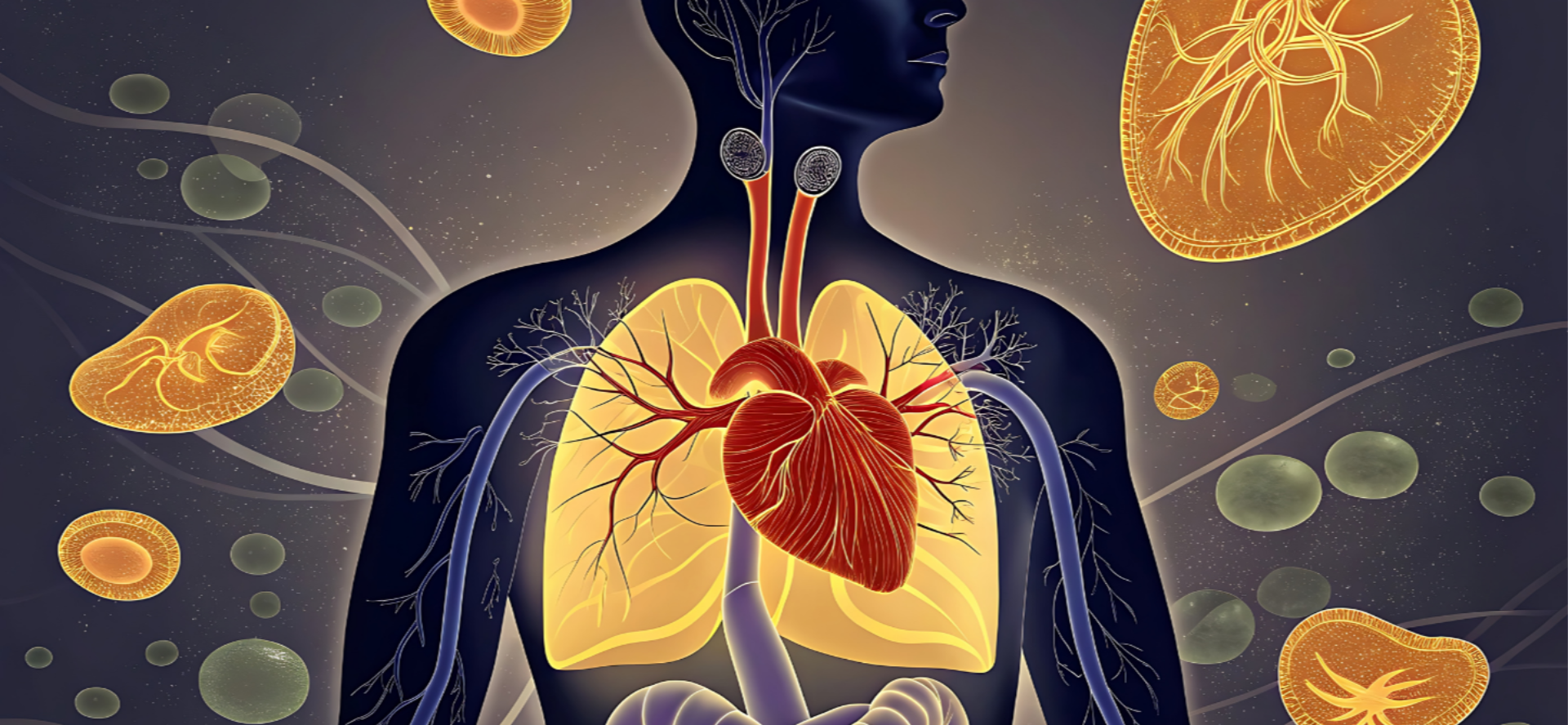
Researchers from Taipei Medical University (TMU) and collaborating institutions conducted a large-scale study of over 500,000 adults, revealing that cardiovascular–kidney–metabolic (CKM) syndrome significantly increases the risk of early death, cardiovascular deaths, kidney failure, and reduced life expectancy—highlighting the urgent need for integrated chronic disease care.

A study involving over half a million adults has confirmed that the combination of cardiovascular, kidney, and metabolic conditions substantially increases the risk of early death and serious illness. The findings highlight the urgent need for integrated care that treats these conditions together rather than in isolation.

Why Chronic Disease Care Needs a Unified, Global Approach

As chronic diseases continue to rise globally, this research offers timely evidence for healthcare providers, policymakers, and the public. The study shows that CKM syndrome, newly defined by the American Heart Association in 2023, is not just a medical concept but a real-world predictor of life expectancy and health outcomes. The findings support a shift toward cross-speciality collaboration in medicine, with particular relevance for aging populations, health insurers, and those shaping chronic disease policy.

Every Added Condition Matters: New Patterns Reveal Deadly Toll of CKM Syndrome

The study uncovered several significant patterns that clarify how CKM syndrome and its components influence long-term health risks:

  • Widespread Impact: Over 70% of the study’s participants met the criteria for CKM syndrome. Among adults aged 55 and older, nearly 90% were affected.
  • Increased Risk of Death: People with CKM syndrome had a 33% higher risk of death from any cause and were nearly three times more likely to die from cardiovascular disease.
  • Kidney Disease Link: Those with CKM syndrome were over ten times more likely to develop end-stage kidney disease (ESKD), requiring dialysis or transplantation.
  • Each Added Condition Matters: Every additional CKM component (such as hypertension, diabetes, chronic kidney disease, metabolic syndrome, or high triglyceride) increased the risk of all-cause death by 22% and cardiovascular death by 37%.
  • Shorter Life Expectancy: Each additional component reduced life expectancy by approximately 2.5 years for men and 3 years for women. Those with all five components could lose up to 13–16 years of life.

Massive 25-Year Study Confirms CKM’s Deadly Impact in Over Half a Million Adults

Researchers from Taipei Medical University and collaborating institutions analyzed medical data from over 515,000 adults in Taiwan, collected between 1996 and 2017. Participants underwent physical exams, laboratory tests, and completed lifestyle questionnaires. The study tracked deaths and disease progression over 25 years, using statistical models to assess the impact of CKM components on mortality. The team used standardized definitions aligned with American Heart Association guidelines, which were adjusted for use in Asian populations.

“Our findings show that cardiovascular, kidney, and metabolic conditions are not isolated challenges—they are profoundly interconnected. We need a healthcare model that reflects the reality of how these diseases cluster and amplify risk, especially as populations age,” said Prof. Mai-Szu Wu and Prof. Mei-Yi Wu, the corresponding authors of the study.

First Large-Scale Asian Study Urges Shift to Integrated Chronic Disease Care

This study, published in PLOS Medicine in June 2025, is among the first large-scale evaluations of CKM syndrome in an Asian population, reinforcing the need for coordinated, multidisciplinary care. Treating high blood pressure, diabetes, or kidney disease in isolation may miss the broader picture—where the intersection of these conditions drives worse health outcomes. Early intervention and integrated disease management could help millions live longer and healthier lives.

Look for More Information

Original Article: Cardiovascular-kidney-metabolic syndrome and all-cause and cardiovascular mortality: A retrospective cohort study
Podcast Ep. on Hybrid Peacebuilding Released

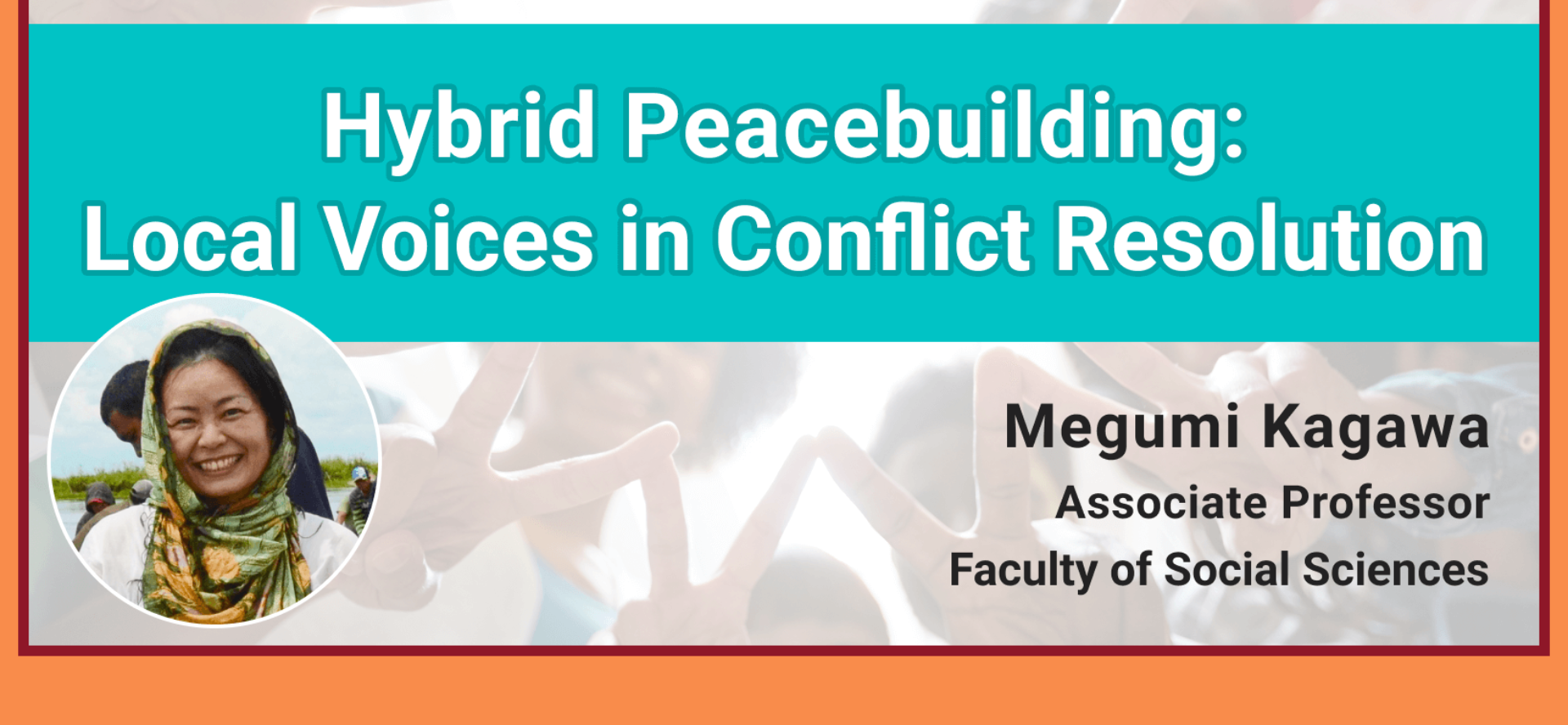
The fifth episode of season two of Waseda University’s English research podcast “Rigorous Research, Real Impact,” hosted once again by Graduate School of Economics PhD student Fabian, welcomes Associate Professor Megumi Kagawa from the Faculty of Social Sciences, whose research focuses on community-driven approaches to sustainable peace. Drawing on her extensive experience in the Bangsamoro peace process in the Southern Philippines, Professor Kagawa discusses the concept of hybrid peacebuilding, the challenges of translating national peace agreements into local realities, and Japan’s evolving role in fostering peace and social innovation in Asia. The conversation also explores Waseda’s Transnational and Interdisciplinary Studies in Social Innovation (TAISI) program, an English-based degree program where students from around the world engage in hands-on learning, dialogue, and fieldwork that bridge theory and practice in conflict resolution.

About Season 2

Season two features eight knowledgeable Waseda researchers casually conversing with Waseda PhD students about their recent, rigorously conducted research in the humanities/social sciences, their thoughts on working in Japan at Waseda, and the merits of the English-based degree programs they are a part of. Short 15-minutes episodes will cover a range of themes that include translanguaging in the Japanese sociolinguistic context, legendary game designer Hideo Kojima, and hybrid peacebuilding. It’s the perfect choice for international listeners considering attending university in Japan, current students contemplating further study in graduate school, and researchers looking to make the move to Japan and work for a university that stresses the importance of interdisciplinary approaches.

Episode Release Schedule


One episode released every two weeks.

*Please note the schedule is subject to change.

■Episode 6(Release date: 2025/12/2):

   Associate Professor Pau Pitarch (Faculty of Letters, Arts and Sciences)—

“Authors, Abnormality, and Identity in Modern Japan”

■Episode 7(Release date: 2025/12/16):

 Professor Alex Coad (Faculty of Commerce)—

“University vs. Corporate Startups: A Tale of Two Entrepreneurial Paths”

■Episode 8(Release date: 2026/1/13):

   Professor Yuhee Jung (Faculty of Social Sciences)—

“Institutionalized Socialization: How Companies Help Newcomers Belong”

ITS Explores Mangrove Bacteria for Cleanup

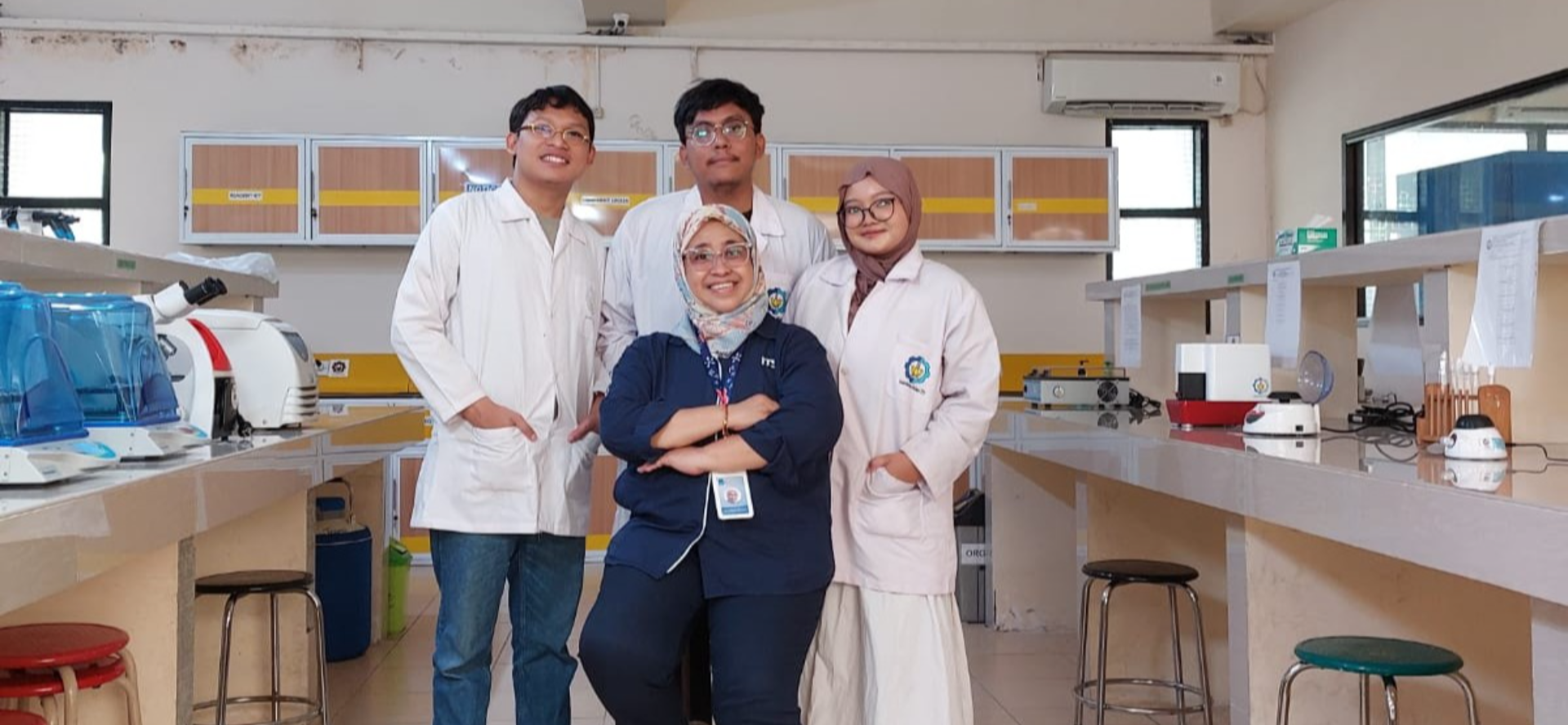
A professor from the Department of Biology at Institut Teknologi Sepuluh Nopember (ITS) highlights that Indonesian waters host not only fish, phytoplankton, and zooplankton, but also diverse microorganisms. Among them, bacteria possess unique metabolic abilities that allow them to recycle various organic and inorganic materials. “This is what enables certain bacteria to survive even in piles of plastic waste,” she explained.

Since 2013, Maya has focused on identifying bacterial isolates capable of degrading plastic. Her research employs several approaches, including Winogradsky column simulation, soil burial, and overlying water systems. Plastic bag fragments were placed into contaminated sediments and seawater to allow bacteria to adapt and initiate degradation.

Through stepwise isolation and characterization using biochemical tests and 16S rRNA gene analysis, she identified bacteria from the genera Bacillus, Brevibacillus, Lysinibacillus, and Pseudomonas. These bacteria produce enzymes such as lipase, alkane hydroxylase, and ligninolytic enzymes, which collectively reduce dry plastic weight by up to 12 percent in 16 weeks.

The study opens pathways to explore genes involved in plastic degradation and environmental factors that enhance enzyme activity. Maya aims to translate this research into innovative solutions that support the bio-circular economy. She emphasizes that mangrove ecosystems may hold key biological answers to global plastic pollution challenges. Her findings also advance green biotechnology and contribute to SDG 12, SDG 14, and SDG 15 through environmentally friendly and sustainable waste-management solutions from ITS.

Virtual Phytolaboratory at KazNMU

An AI-driven educational ecosystem transforming botanical and pharmacognostic training

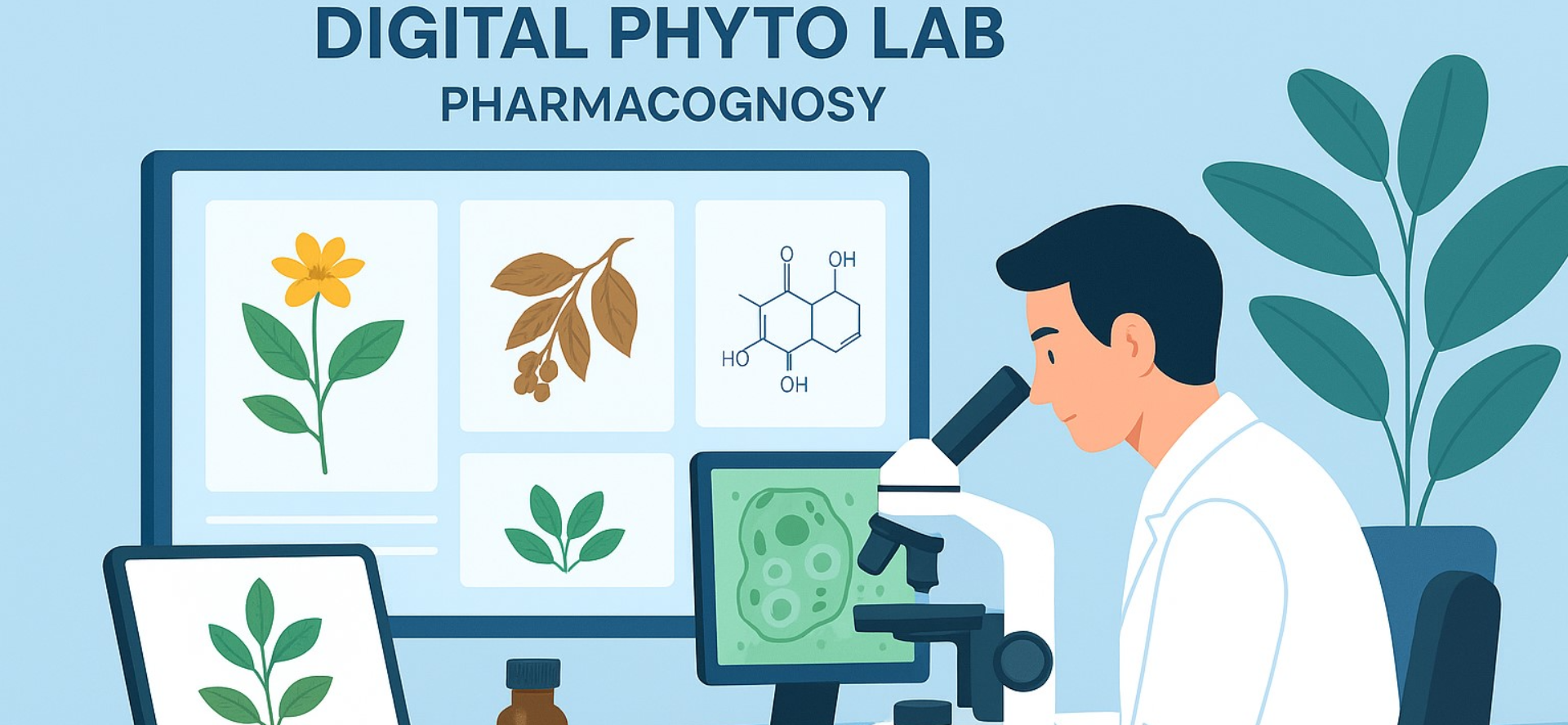
The rapid advancement of digital technologies and artificial intelligence has opened new opportunities for innovation in medical and pharmaceutical education. At the School of Pharmacy of the Asfendiyarov Kazakh National Medical University, these technological shifts have inspired a groundbreaking initiative—the creation of a Virtual Phytolaboratory designed to modernize the teaching of pharmacognosy and botany. The Department of Pharmacognosy with a Course of Botany is currently developing and implementing this digital environment, which is poised to reshape how students, master’s candidates, and doctoral trainees study medicinal plants and natural biologically active compounds.

The relevance of this project is rooted in growing global interest in virtual learning platforms, simulation-based training, and AI-assisted educational tools. Pharmacognosy, a discipline that relies heavily on laboratory practice, microscopy, morphological analysis, and chemical identification of plant components, has traditionally depended on physical materials and hands-on experimentation. However, the virtual phytolaboratory introduces a new dimension by enabling digital simulations of these processes. Such an approach supports consistent access to learning tools, enhances safety, and allows students to repeatedly practice laboratory skills without material limitations.

The primary objective of the project is to create an immersive, AI-enhanced phytolaboratory capable of simulating pharmacognostic analyses of vitamins, essential oils, cardiac glycosides, and other classes of natural medicinal compounds. To accomplish this, faculty members are identifying core laboratory topics that are most in need of digital transformation, alongside laboratory techniques that can be realistically adapted into virtual modules. This includes analytical procedures, microscopy protocols, macroscopic plant identification, and the study of structural features of medicinal raw materials.

A substantial portion of the current work involves designing and developing virtual modules for 4th- and 5th-year Pharmacognosy courses, with plans for later integration into other pharmacognostic disciplines. These modules incorporate artificial intelligence, digital visualization, and interactive learning tools. Students will be able to explore medicinal plants through 3D models, analyze structural characteristics, observe histological sections, and simulate chemical reactions associated with identifying biologically active compounds. This transformation significantly enhances the learning experience by providing clear, detailed, and repeatable visualizations of complex material.

The project employs an array of advanced technologies, including Notion for digital knowledge management, Airtable for structured botanical databases, Microsoft Power Apps for interactive applications, and animated modules designed to illustrate chemical composition, phytochemical reactions, and pharmacological properties. Additionally, virtual macro- and microscopy tools allow students to observe plants at multiple levels of magnification, replacing or supplementing traditional microscopes. These tools are not only visually engaging but also pedagogically powerful, improving visual and informational memory and strengthening comprehension of large volumes of scientific material.

One of the key advantages of the virtual phytolaboratory lies in its ability to provide safe access to laboratory training. Students can practice experimental techniques without exposure to chemical reagents, fragile equipment, or hazardous procedures. This ensures consistent skill development and minimizes risks associated with laboratory work. The digital environment also supports remote learning, making pharmacognosy education more accessible to distance learners and those conducting independent study.

The implementation plan for the virtual phytolaboratory follows a structured, phased approach designed to ensure stability, pedagogical effectiveness, and long-term sustainability. The first stage involves launching a pilot version of the digital module focused on a single laboratory topic. This allows the development team to assess the functionality of simulations, digital content quality, and the usability of the interface. Following the pilot stage, feedback collection plays a crucial role. Surveys and structured interviews with students and instructors help identify strengths, usability issues, and areas requiring improvement.

The next phase focuses on refining the virtual environment by enhancing navigation, optimizing visual elements, and adding interactive features. After testing and refinement, the project enters the stage of full-scale implementation, where the entire pharmacognosy course transitions to the new digital platform. This integration ensures that students engage with virtual tools throughout all laboratory components. The final stage involves continuous updates, including the addition of new plant species, expanded analytical techniques, and integration of contemporary scientific literature. Such long-term development ensures that the digital laboratory remains current and aligned with advances in pharmacognostic science.

The creation of the virtual phytolaboratory at Asfendiyarov KazNMU represents a forward-looking approach to pharmaceutical education. By combining artificial intelligence, visualization technologies, and modern digital platforms, the project transforms traditional laboratory training into a dynamic, interactive, and accessible experience. As this initiative continues to evolve, it promises to set a new standard for pharmacognosy education in Kazakhstan and beyond, demonstrating how digital innovation can enrich scientific learning while preparing future specialists for the rapidly changing landscape of medical science.

FKK UiTM LEGASI 1.0 Boosts Student Growth

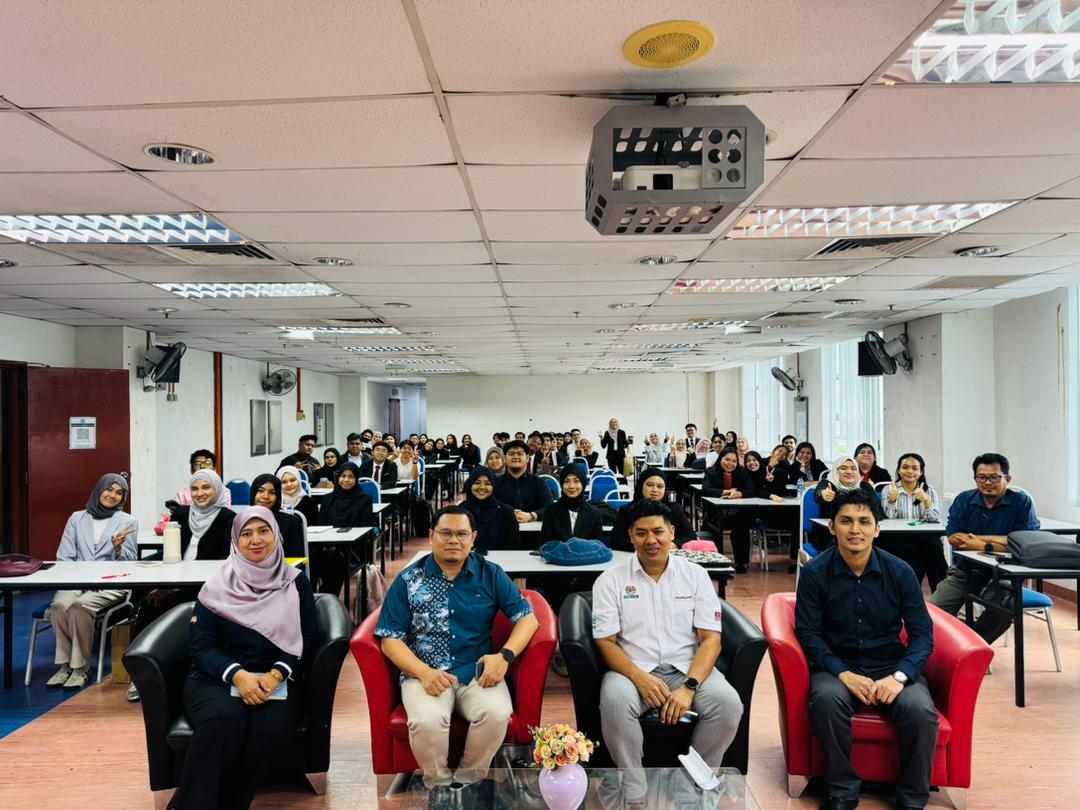
Universiti Teknologi MARA (UiTM), through the Faculty of Chemical Engineering (FKK) and its Office of Research & Industry Networking, successfully held the inaugural FKK LEGASI (Linking Engagement of Graduates & Alumni for Strategic Impact) 1.0 on 30 July 2025 at Dewan Al Hidayah, UiTM Shah Alam.


The program brought together 83 final-year Chemical Engineering students, lecturers, and two distinguished alumni for a focused session on professional development and industry perspectives. Alumni speakers shared their expertise in safety, leadership, and workplace challenges.


Students actively engaged through Q&A sessions, gaining valuable insights into real-world practices while building confidence for their career transitions. The event underscored the importance of complementing technical competencies with essential soft skills, including communication, leadership, and critical thinking.


In his closing remarks, PM Ir. Dr Azil Bahri, Dean of FKK, emphasised the importance of sustained alumni–faculty collaboration as a catalyst for educational excellence. FKK LEGASI 1.0 reinforced UiTM’s commitment to leveraging alumni expertise in nurturing industry-ready graduates who will lead Malaysia’s engineering future.

#FKK UiTM Shah Alam #Universiti Teknologi MARA #Malaysia

NTU Contribute to Science Study on Mosquito

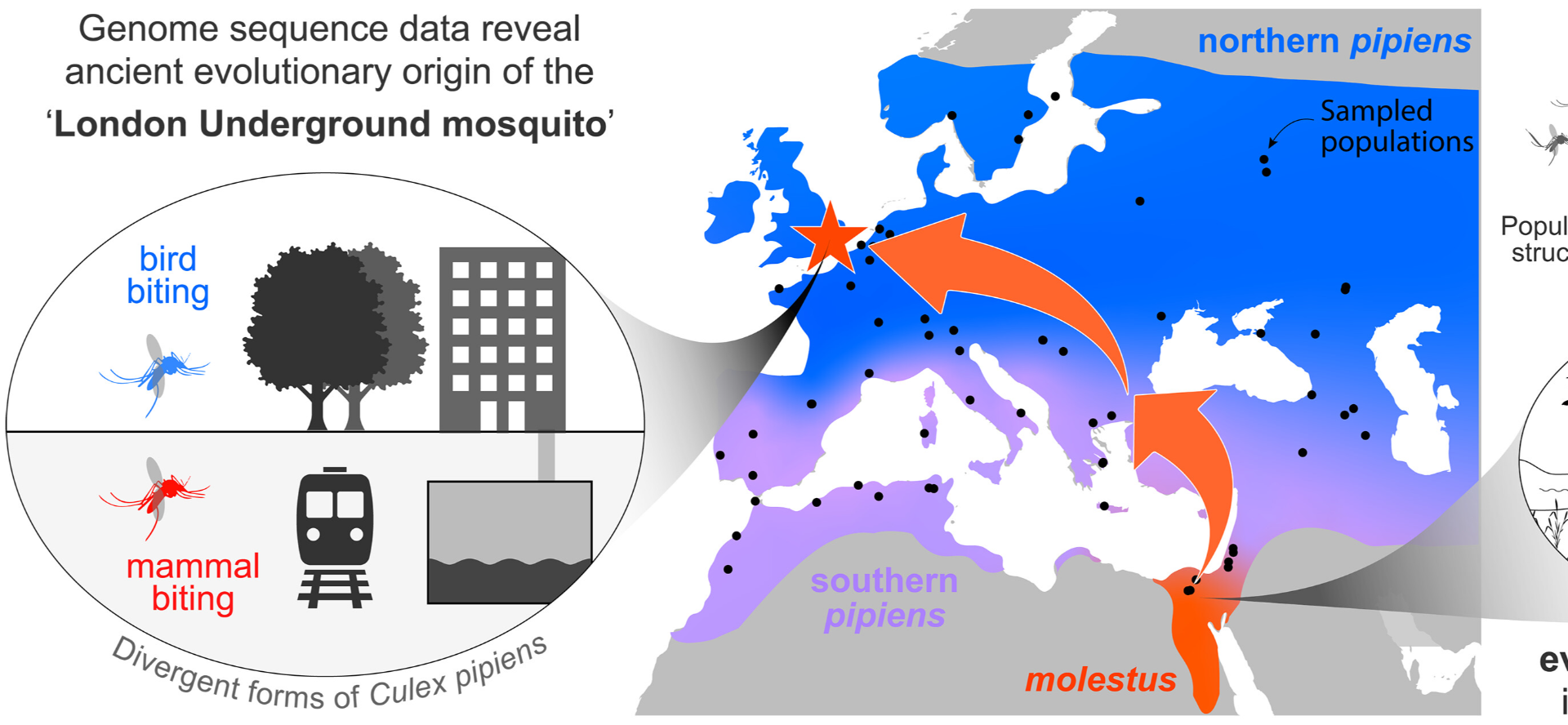
Professor Kun-Hsien Tsai and alumna Kai-Ti Yu from National Taiwan University(NTU)’s Institute of Environmental and Occupational Health Sciences joined an international research team led by Princeton University to redefine the evolutionary history of the underground mosquito Culex pipiens form molestus and its role in spreading West Nile virus. The large-scale genetic study, published in Science on October 23, 2025, provides new insights into how mosquitoes adapted to human environments.

The findings reveal that the so-called “underground mosquito,” known for infesting subways during World War II, did not evolve recently with urbanization. Instead, genetic evidence suggests that mosquito populations adapted to human habitats as early as 1,000 to 10,000 years ago, likely in ancient Egypt or the Mediterranean. The NTU team further discovered distinct genetic differences between northern and southern Taiwan populations, suggesting multiple introductions or gene exchanges among mosquito groups.

The study highlights the importance of cross-disciplinary approaches to public health and urban planning. It calls for enhanced monitoring of mosquito gene flow across urban and rural regions, integration of mosquito ecology into disease prevention and climate adaptation policies, and greater community awareness of vector control. The research provides a scientific foundation for forward-looking strategies to prevent viral spillover and improve urban health resilience.

This research was published in Science: https://www.science.org/doi/10.1126/science.ady4515

Seeds of Change: KazNU Innovation

As drought tightens its grip on regions across the globe, the race to secure the future of agriculture has never been more urgent. Yet while many institutions are only beginning to confront the challenge, Al-Farabi Kazakh National University is already delivering results. In a striking demonstration of scientific leadership, KazNU researchers have developed a biodegradable seed coating that enables plants to germinate faster, grow stronger, and consume dramatically less water — an innovation that places the university at the forefront of sustainability-driven science.

The idea itself reads like a glimpse into the future. KazNU scientists engineered a delicate, environmentally friendly coating made from polymer hydrogels, clay, rice husk ash, and a starch solution. Applied to seeds, this thin layer functions as a natural reservoir, storing moisture and releasing it gradually. The impact is transformative: seedlings emerge within just seven to eight days, develop noticeably denser foliage, and withstand stressful climatic conditions with far greater resilience. Perhaps most impressively, they require watering only once a week — a game-changing reduction for regions facing water scarcity.

Achievements of this scale rarely happen by accident. Behind the innovation stands a multidisciplinary team of more than ten KazNU researchers, bringing together expertise in materials science, agronomy, environmental chemistry, and biotechnology. Their coordinated effort not only resulted in a functioning product but also secured a national patent and earned publication in leading international journals. For Kazakhstan, this represents an unprecedented scientific advance; for the global community, it is a promising model for sustainable agricultural innovation emerging from Central Asia.

What makes this development even more noteworthy is how precisely it aligns with global sustainability priorities. Agriculture is one of the world’s most water-intensive sectors, and technologies that can conserve even a portion of this resource are vital to climate adaptation strategies. KazNU’s coating reduces water consumption, improves crop stability, and uses only biodegradable materials — a combination that positions it as a forward-looking solution to a problem many countries are only beginning to grapple with.

This breakthrough sends a clear signal: KazNU is not simply participating in global scientific dialogue — it is helping shape it. The university’s ability to transform fundamental research into impactful, practical solutions illustrates the strength of its scientific ecosystem and its growing international relevance. While others discuss the importance of innovation in sustainable development, KazNU is delivering it, one seed at a time.

In a world where climate challenges are accelerating, the work being done at KazNU stands as a testament to what a leading research university can achieve. It is science with purpose, innovation with immediate relevance, and a powerful example of how Kazakhstan’s flagship university is pushing the boundaries of what is possible in modern agricultural science.

StartUP School at NTU «KhPI»

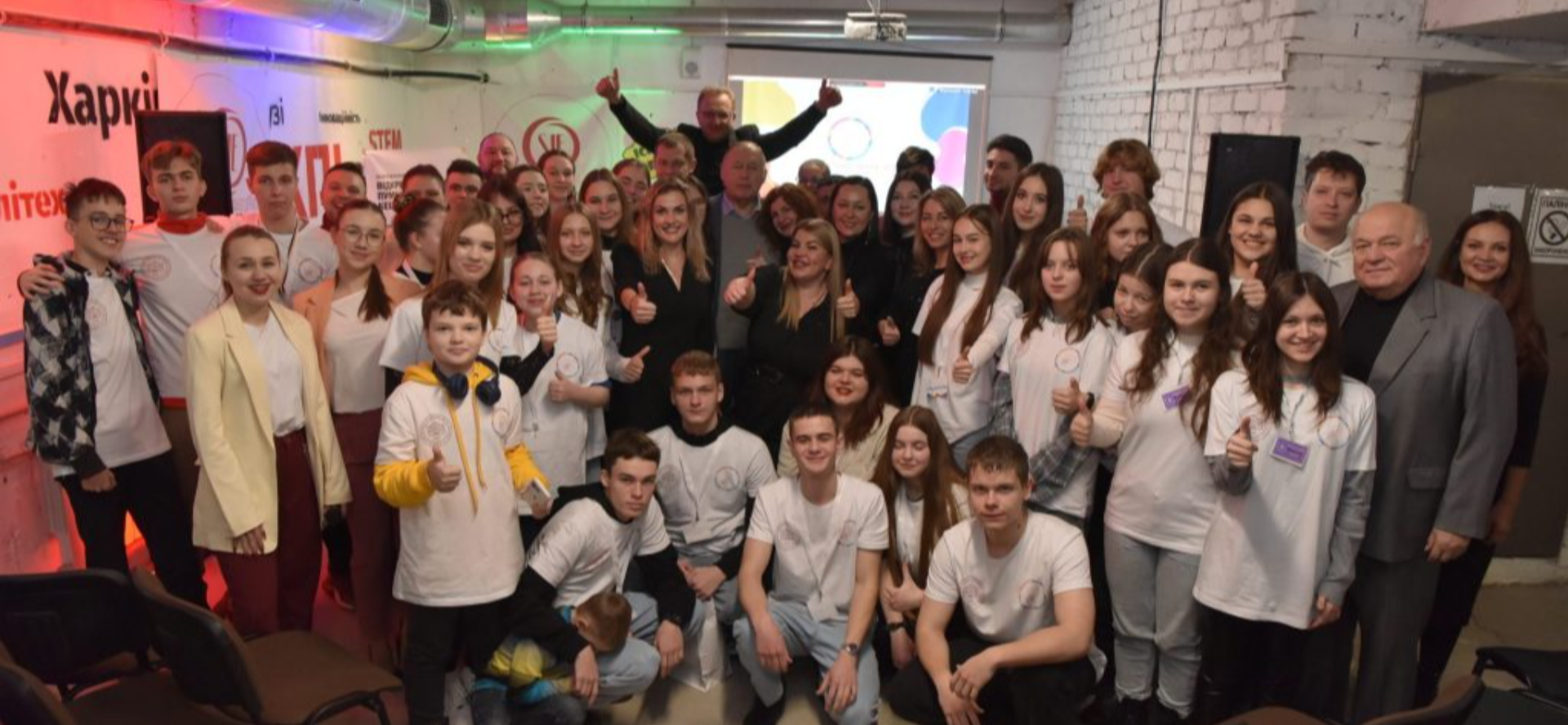
The National Technical University «Kharkiv Polytechnic Institute» hosted the grand opening of the second offline StartUP school for school and college students. The initiative aims to unite young people in the context of martial law, motivate them to create innovative projects, and develop entrepreneurial skills in an environment of like-minded people. Over the course of two months, participants will have the opportunity to master teamwork and startup creation skills with the support of experienced university mentors. They will also attend workshops led by Ukrainian and international experts. The training program includes presentations of ideas to an expert jury and consultations with leading industry specialists. The event was attended by NTU «KhPI» vice-rectors Ruslan Mygushchenko and Andrii Marchenko, heads of the Research Department and Startup Center, and representatives of the city authorities. The event, which brought together over 100 people, took place on    15 November, 2025, in offline and online formats.

The opening of the StartUP school took place at NTU «Kharkiv Polytechnic Institute» and brought together over a hundred schoolchildren, college students, their parents, teachers, and representatives of the city administration. For two months, under the guidance of   NTU «KhPI» specialists, teams will work on innovative ideas and bring their own projects to life. Mentoring support will be provided by 16 experts—leading teachers and scientists from NTU «KhPI». The platform will become an environment for creating initiatives focused on technological development and rebuilding the state. Participants will enjoy tours of the university campus, interactive games with Blazepod sports equipment, and other interesting activities. Finalists will be awarded prizes and diplomas.

The Vice-Rector for Scientific Work at NTU «KhPI,» Professor Andrii Marchenko, addressed the audience with a welcoming speech. He emphasized the importance of entrepreneurial initiative among young people and wished them courage in implementing their ideas. «Your creativity and desire for innovation are what our country needs right now. StartUP School gives you a unique chance to turn your ideas into real projects that can change the future,» said Andrii Marchenko. Vice-Rector for Scientific and Pedagogical Work Professor Ruslan Mygushchenko emphasized that Kharkiv Polytech creates all the conditions for the development of young talent. «Don’t be afraid to experiment, make mistakes, and try again. This is how true innovation is born. Our mentors are ready to support you at every stage,» he said to the audience.

Professor Ruslan Kryvobok, Head of the Research Department at NTU «KhPI,» spoke about the university’s research infrastructure capabilities for implementing startup projects. Director of the startup center «Spark» and Head of the Management Department, Professor Nataliia Shmatko, presented details of the training program and shared her experience of implementing successful startups at Kharkiv Polytechnic. Valery Shepel, Deputy Director of the Education Department of the Kharkiv City Council, noted the courage and determination of young people who, despite difficult circumstances, are developing and building their future. «You are an example of resilience and faith in victory. We are proud of your desire for knowledge and innovation,» he emphasized.

A special feature of this year’s event has become the participation of first-year students who study on a budget at NTU «KhPI.» They already have experience in creating startups in the first StartUP school and are now actively involved in the university’s startup movement, which demonstrates the effectiveness and attractiveness of the project for young people. The event was supported by partners – the insurance company Vuso and the pizzeria «Bella Mozzarella,» which are interested in the development of youth entrepreneurship and the innovative potential of the Kharkiv region. The festive atmosphere of the solemn event was helped to create by the creative teams of the Student Palace of the Kharkiv Polytechnic.

Note:

The NTU «KhPI» StartUP School was created for schoolchildren and college students aged 14–18. Classes will be held offline at the NTU «KhPI» shelter for two months (in November and December 2025) every Saturday and Sunday. Participation is free of charge. The project finale will take place on December 20, and the closing ceremony on December 21. The program includes teamwork on individual projects, the creation and presentation of startups to a jury, workshops led by leading Ukrainian and international experts, interactive activities, communication, and a variety of interesting learning formats. The project was launched in 2024 and was a great success. The project is organized by the Startup Center «SPARK» at the National Technical University «Kharkiv Polytechnic Institute.»

ITS Launches DAHANA Maritime Defense App

The DAHANA application was developed as part of ITS’ commitment to strengthening maritime defense and security in the North Natuna Sea. During the system demonstration, Head of the DAHANA community service team, Prof. Erma Suryani, explained that the platform functions as both a practical solution and an early preventive measure to help safeguard Indonesia’s territorial integrity. Scheduled for official launch in November 2025 as part of ITS’ 65th Anniversary celebration, the dashboard reflects the university’s ongoing contribution to national maritime sovereignty through technological innovation.

Prof. Erma noted that DAHANA builds upon a previous system, DASINA, developed in 2024. The latest version introduces more comprehensive and interactive features, better aligned with current technological demands. Its core component is the Early Warning System, which delivers real-time data on the number and types of vessels entering the North Natuna Sea. Additional features include Sea Situation, Threats, Policy Recommendations, and an online discussion forum enabling experts and policymakers to share perspectives.

This innovation reinforces ITS’ support for SDG 9, SDG 16, and SDG 17, emphasizing industry-driven innovation, strong institutions, and effective multi-stakeholder partnerships. Prof. Erma expressed hope that the application will be fully utilized by Surabaya Naval College of Technology (STTAL) and other stakeholders committed to protecting national sovereignty.

Commander of Surabaya Naval College of Technology (STTAL), First Admiral TNI Dr. Mukhlis, welcomed the initiative and emphasized the importance of continuous development to further enhance system performance and deepen collaboration with ITS. He added that the dashboard holds significant potential as an analytical tool to support national defense decision-making.

Chula Rises to TOP 3 for Sustainability

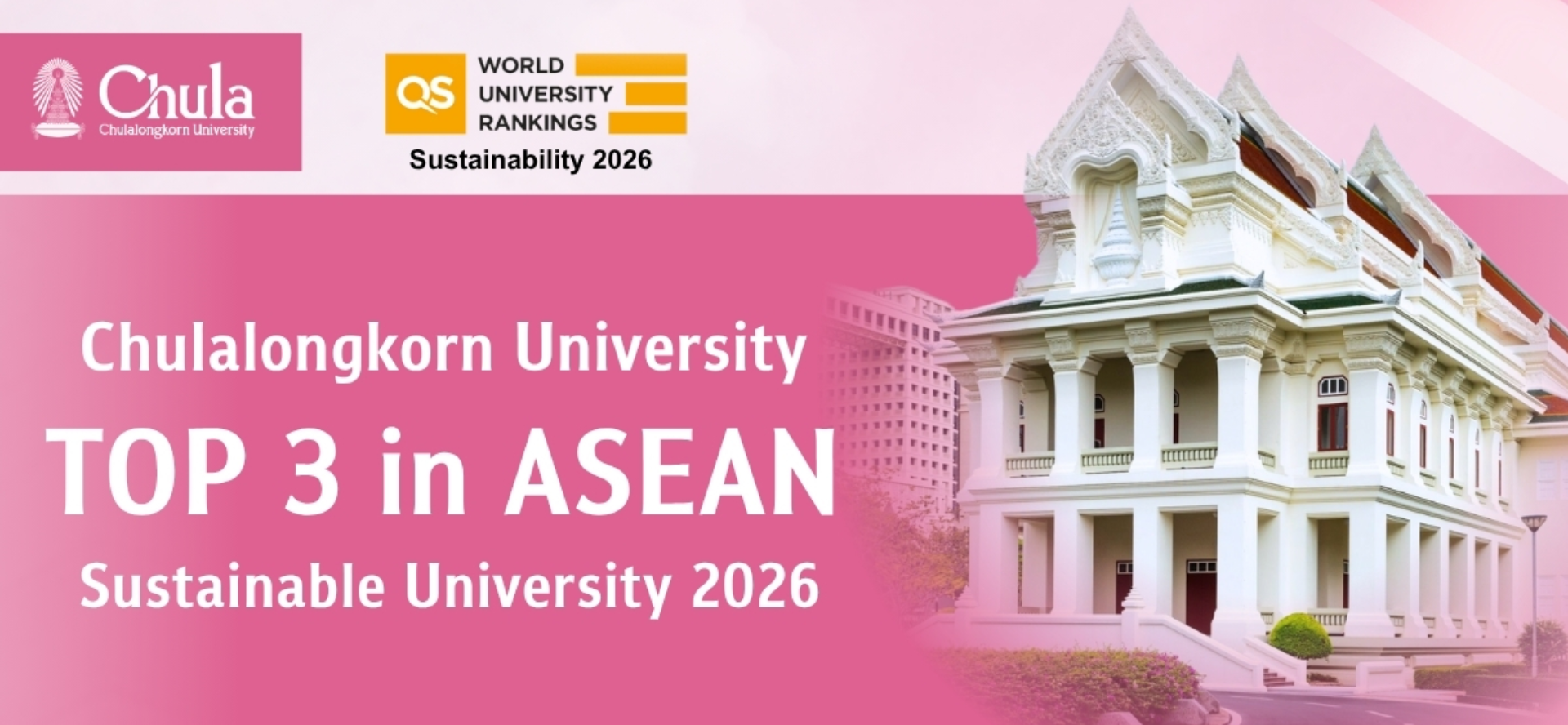
Chulalongkorn University has been ranked by the QS World University Rankings: Sustainability 2026, a global ranking of universities based on sustainability performance, placing 3rd in ASEAN, 1st in Thailand (same as last year), 15th in Asia, and 165th globally among more than 2,000 universities worldwide. The results were announced on November 18, 2025. 

The QS World University Rankings: Sustainability 2026 evaluates universities on their efforts to address environmental and social challenges. The assessment covers Environmental Impact, Social Impact, and Governance. 

Chulalongkorn University’s performance in the 2026 rankings improved compared to 2025, achieving an overall score of 85.5. This reflects excellence across multiple dimensions and demonstrates the university’s commitment to sustainable development and tackling environmental and social challenges, driving progress toward greater sustainability and equity. Notable achievements include: 

  • Environmental Sustainability: 81st in the world 
  • Knowledge Exchange: 138th in the world 
  • Equality: 175th in the world 
  • Employability and Opportunities: 179th in the world 

For more details on the QS Sustainability university rankings, visit: https://www.topuniversities.com/sustainability-rankings 

Read more at: https://www.chula.ac.th/en/news/272206/