Kazakh Scientists Test Site Safety Tech

Satbayev University scientists successfully tested modern fiber-optic sensors that continuously monitor the technical condition of metal and concrete structures. As part of the scientific project, the effectiveness of an innovative monitoring system based on fiber Bragg gratings (FBG), designed to improve the engineering structures safety, was investigated and confirmed.

Research was carried out with the support of Science Committee at Ministry of Science and Higher Education of the Republic of Kazakhstan.

Project’s principal goal is to elaborate domestic technological solutions that allow real-time monitoring of the stress-strain state of metal and concrete structures. The created system makes it possible to detect changes in the condition of construction sites at an early stage and prevent possible defects and emergencies.

During the research, fiber-optic sensors were installed on metal and concrete samples and underwent comprehensive tests on the specially designed experimental stand. Scientists conducted a comparative analysis with traditional electric-strain-measuring methods and found that the new technology is highly accurate and reliable.

Test results showed that fiber-optic sensors are resistant to electromagnetic interference, corrosion and aggressive environments. This opens up wide opportunities for their use on bridges, tunnels, industrial facilities, residential complexes and transport infrastructure.

In line with the project manager, PhD, professor Nurzhigit Smaylov, fiber-optic monitoring systems make it possible to monitor the construction sites safety throughout their entire life.

“The given technology provides continuous monitoring of the structures condition, helps to identify defects in a timely manner and prevent emergencies. As a result, the reliability of facilities increases and operating costs decrease,” said Nurzhigit Smaylov.

One of the important results of the project was the formation of scientific and technical base for evolving the intelligent structural monitoring systems in Kazakhstan. Launch of such technologies not only increases the security of infrastructure facilities, but also provides economic benefits by reducing repair and maintenance costs.

In addition, the development of the given area contributes to creating the high-tech industries, training of engineering personnel and increasing the competitiveness of domestic scientific elaborations on the international market.

University undergraduates and doctoral students, who gained practical experience working with present-day measuring systems, actively participated in the project execution. Research results have been presented at international scientific conferences and published in scientific publications.

Scientific work was performed jointly with foreign partners. International cooperation has made it possible to use world best practices and improve the research quality. 

Project opens up new opportunities for ensuring safety in the construction and industrial sectors of Kazakhstan and once again confirms the national science’s high potential in engineering infrastructure digitalization sphere.

SU Opens Rail and Electronics Testing Lab

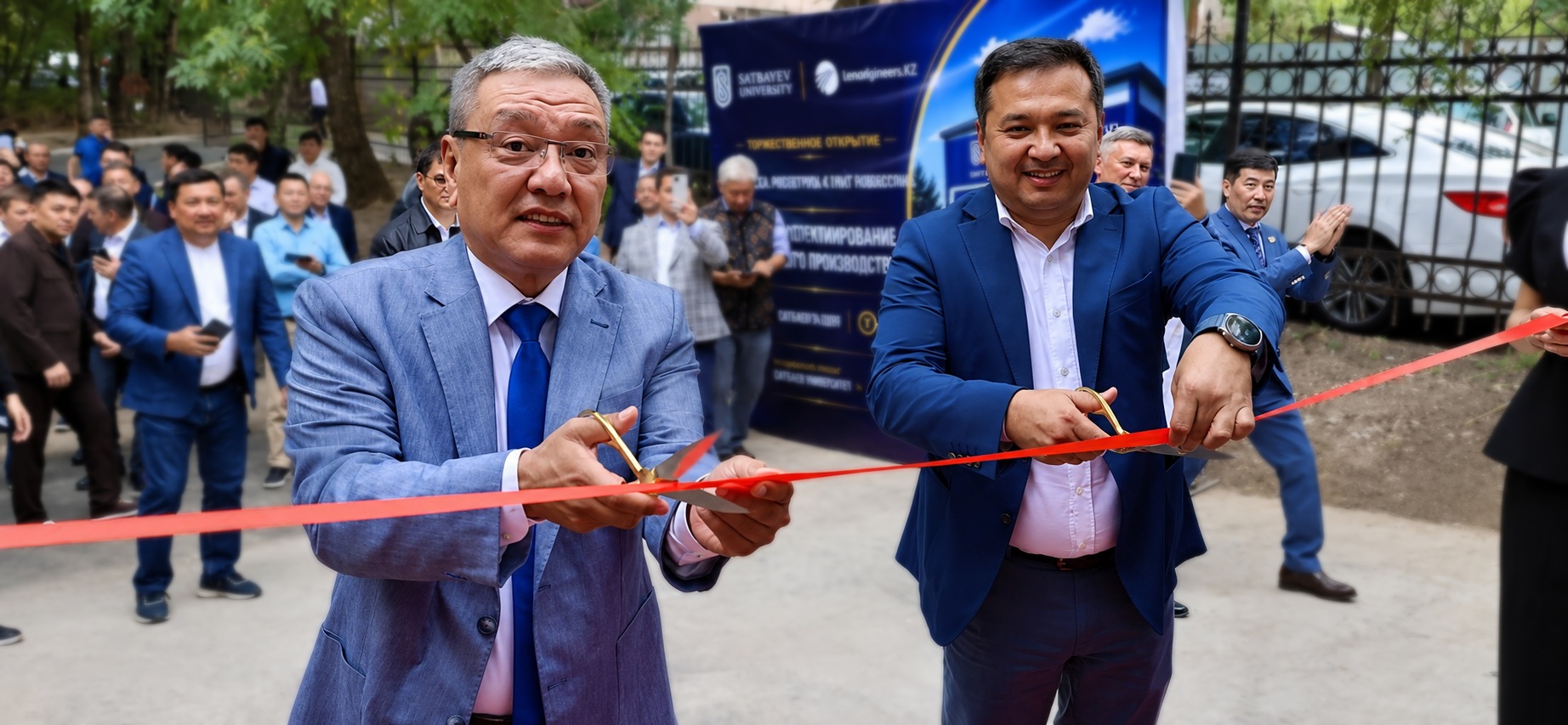
Satbayev University continues to evolve strategically important infrastructure projects that combine engineering education, applied science and real-world industrial challenges. “Baiganat” industrial certification testing center will become one of these projects, the given one is being created in Astana jointly with Scientific research center for complex transport problems. University is taking over the research base and training of engineering personnel, and SRC CTP will ensure that the project is linked to the transport sector’s practical needs.

Laboratory will include four main areas: vibration tests, climate tests, IP dust and moisture protection tests, as well as tests of low-voltage and high-voltage electrical equipment. It will allow companies to confirm their products’ quality and safety in the shortest possible time, reduce dependence on foreign laboratories and help them enter new markets more confidently.

– Kazakhstan is currently experiencing the shortage of sites capable of performing a full cycle of tests for the railway, transport and medical industries, – said Raushan Aimagambetova, head of the branch of Mechanical engineering department at A. Burkitbayev Energy and Mechanical Engineering Institute in Astana. – Therefore, the new laboratory is designed not only to provide domestic manufacturers with the necessary testing base and significantly reduce the time required for testing, but also to make the process absolutely transparent. Transparency and results are our motto.

To ensure this, the laboratory will be equipped with the LIMS system. It is a software that integrates the key stages of the laboratory’s work into a single digital circuit: from receiving the samples and planning tests to recording the results, storing data and preparing reports. This is especially important for a laboratory that will work based on the logic of international requirements for the testing centers competence.

– We relied on present-day equipment from the world’s best manufacturers, such as Brüel&Kjær, Angelantoni Test Technologies, Chroma ATE, Siglent Technologies, Hioki, Sonel, HBK, Tunkia and Guildline Instruments,” said Rassul Tlegenov, the future head of the laboratory. – We also pay special attention to preparing the building so that the laboratory meets its purpose in all aspects.

In addition to its role as a national platform for scientific and technical support of railway and transport sector enterprises, “Bayganat” laboratory will become a competence center for students, undergraduates, doctoral students and young researchers. Center’s planned accreditation according to the international standard ISO/IEC 17025 will confirm the laboratory’s competence and form the basis for further cooperation with overseas universities, testing centers and industrial partners as well.

Satbayev University to hold EUSPN and ICTH

Satbayev University will officially host two premier international scientific milestones this autumn: the International Conference on Emerging Ubiquitous Systems and Pervasive Networks (EUSPN 2026) alongside the International Conference on Current and Future Trends of Information and Communication Technologies in Healthcare (ICTH 2026).

Scheduled to take place from October 28-30, 2026, on the university’s main campus in Almaty, Kazakhstan, these interconnected forums highlight Satbayev University’s growing stature as a regional hub for global research collaboration and technical innovation.

The upcoming 2026 conferences are strictly tailored around modern breakthroughs that are transforming industrial and social infrastructures. Key focus tracks will feature pioneering research in:

  • Artificial Intelligence & Intelligent Systems
  • The Internet of Things (IoT) & Pervasive Networks
  • Cybersecurity & Data Analytics
  • Digital Technologies in Healthcare Systems

By bridging the gap between theoretical science and industrial application, the events will establish an expansive networking landscape. Global scientists, technical researchers, institutional faculty members, students, and prominent enterprise leaders will converge to deliberate on prevailing technological trends and map out future cross-disciplinary breakthroughs.

The organizing committee warmly invites the international scientific community, academic institutions, and tech visionaries to submit their latest empirical data and project conclusions.

The strict deadlines for academic consideration are as follows:

  • Paper Submission Deadline (Final Extension): July 15, 2026
  • Notification of Peer-Review Results: August 21, 2026
  • Camera-Ready Final Paper Submission: September 18, 2026

The international academic community can direct inquiries, track abstract submissions, or request organizational details by contacting the program chair:

  • Contact Person: Dr. Elhadi Shakshuki
  • Institution: Acadia University, Nova Scotia, Canada
  • Official Correspondence: [email protected]

Modern Methods of Pharmaceutical Research

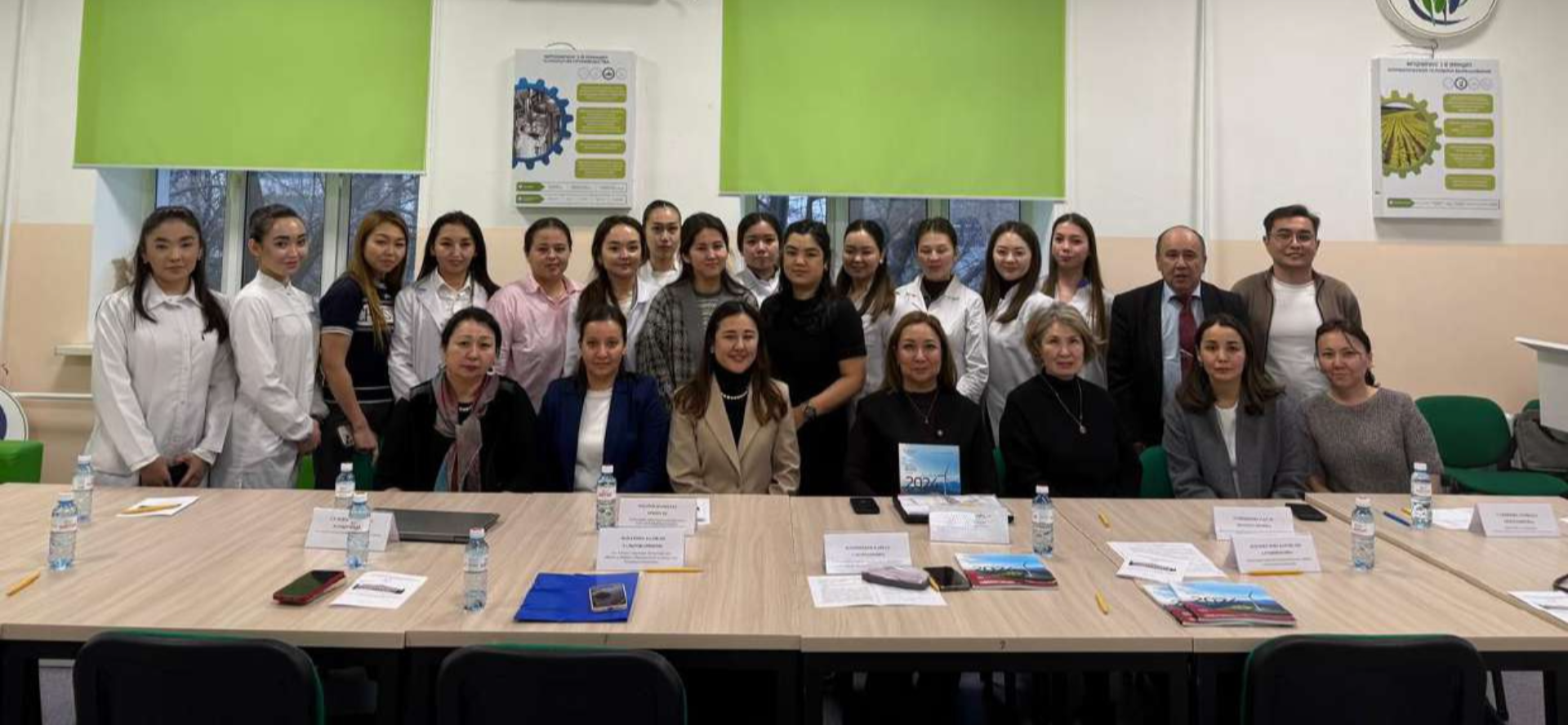
On June 17, 2026, a master class entitled “Modern Methods of Pharmaceutical Research” was organized for young researchers in accordance with the work plan of the Scientific Committee of the School of Pharmacy for the 2025–2026 academic year. The event served as an interactive educational platform aimed at developing practical research skills and familiarizing participants with contemporary methodologies used in pharmaceutical science. Master classes organized within the Scientific Committee provide opportunities for young scientists to gain hands-on experience and improve their understanding of experimental data analysis under the guidance of experienced specialists.

The development of research competencies among young investigators remains an important priority in higher education and biomedical sciences. Practical knowledge and the ability to apply modern analytical methods are essential components of professional growth. Interactive training formats enable participants to acquire practical skills and strengthen theoretical knowledge, thereby contributing to the quality and effectiveness of future scientific work.

Modern pharmaceutical research represents a multidisciplinary field that integrates laboratory, preclinical, and clinical studies aimed at discovering new therapeutic compounds and improving existing medicines. In recent years, pharmaceutical sciences have evolved significantly due to advances in molecular biology, genetics, bioinformatics, and computational technologies. Contemporary approaches increasingly rely on personalized medicine, targeted therapy, and automated analytical systems, which have transformed traditional drug development processes.

The master class highlighted the importance of innovative technologies in pharmaceutical research. Participants were introduced to current approaches used in the search, development, and evaluation of biologically active compounds. Particular attention was devoted to computer technologies and high-precision analytical methods that support the design and optimization of new medicines. Such technologies help reduce the time required for drug development and improve their efficacy and safety.

One of the topics discussed during the event was the application of computer modeling in pharmaceutical sciences. Modern computational methods make it possible to predict the properties of potential drug candidates before laboratory synthesis. These approaches contribute to a more efficient selection of compounds and facilitate the development of innovative therapeutic agents. Advances in artificial intelligence and supercomputing technologies have further accelerated the process of identifying molecules with promising biological activity.

Special attention was given to physiologically based pharmacokinetic modeling (PBPK), a computational approach used to predict the absorption, distribution, metabolism, and elimination of drugs in the human body. Such technologies allow researchers to simulate drug behavior and optimize dosage regimens, contributing to safer and more effective therapies. These methods have become increasingly important in modern pharmaceutical development and personalized medicine.

Participants were also introduced to automated screening technologies and robotic systems that enable the rapid evaluation of large numbers of chemical compounds. High-throughput screening approaches have become an essential part of contemporary pharmaceutical research, allowing scientists to identify promising molecules more efficiently. Modern digital tools and analytical platforms significantly enhance the productivity and accuracy of research processes.

The master class also emphasized the role of specialized computer programs used for predicting biological activity and structure–activity relationships. These technologies make it possible to analyze extensive datasets and estimate the properties of new, previously unsynthesized compounds. Their application contributes to the development of innovative medicines and supports the implementation of advanced research methodologies.

Throughout the event, participants had the opportunity to discuss current trends in pharmaceutical sciences and exchange professional experience. The interactive format encouraged active participation and created favorable conditions for scientific communication between experienced specialists and young researchers. Such initiatives contribute to strengthening research culture and promoting innovation in pharmaceutical education.

The organizers noted that master classes represent an effective method of professional training because they combine theoretical knowledge with practical application. By introducing young researchers to contemporary technologies and modern approaches, such educational activities contribute to improving research quality and preparing highly qualified specialists capable of addressing current challenges in pharmaceutical science.

By promoting knowledge exchange and supporting the dissemination of advanced research methods, the master class made an important contribution to the professional development of young scientists and the advancement of pharmaceutical research and education.


Modern Treatment of Neurological Diseases

On June 12, 2026, a scientific and practical educational seminar entitled “Modern Principles of Diagnosis and Treatment of Selected Rare Neurological Diseases” was held in Taldykorgan. The event was organized as part of the implementation of the cascade training model for healthcare specialists under the Roadmap for Improving Neurological Care for the Adult Population of the Republic of Kazakhstan for 2025–2027. The seminar continued a series of educational initiatives conducted by the Department of Nervous Diseases of Asfendiyarov Kazakh National Medical University aimed at strengthening professional competencies and promoting evidence-based approaches in neurology.

Rare neurological diseases remain an important medical and social challenge because of their low prevalence, severe clinical manifestations, and considerable impact on patients’ quality of life. Many of these disorders are hereditary, neurometabolic, neurodegenerative, neuromuscular, or autoimmune in origin and often result in disability if diagnosis and treatment are delayed. Advances in molecular genetics, neuroimaging, biomarker research, and targeted therapies have significantly improved opportunities for early diagnosis and personalized treatment, emphasizing the importance of continuing medical education.

The seminar was organized with the support of the Public Association “Association of Neurologists” of the Republic of Kazakhstan, the Institute of Continuing Professional Development of Asfendiyarov Kazakh National Medical University, and regional neurological specialists. Hosted at the Regional Hospital of Taldykorgan, the event brought together more than 47 physicians from healthcare institutions across the city and region. The meeting provided a platform for professional communication, knowledge exchange, and discussion of current approaches to diagnosing and managing rare neurological disorders.

Leading experts from Asfendiyarov KazNMU delivered presentations based on current scientific evidence and international clinical recommendations. Particular attention was given to practical aspects of early diagnosis, treatment, rehabilitation, and long-term monitoring of patients with rare neurological diseases. Participants had the opportunity to discuss complex clinical cases and review modern diagnostic algorithms and therapeutic approaches.

The scientific program focused on several important topics. One of the key areas was myasthenia gravis, including its clinical manifestations, diagnostic methods, and modern treatment strategies. Special attention was devoted to juvenile myasthenia gravis and the specific features of the disease in pediatric patients. Experts emphasized the importance of timely diagnosis and individualized treatment aimed at improving patient outcomes and quality of life.

Another major topic was spinal muscular atrophy (SMA), one of the most significant hereditary neuromuscular disorders. Participants reviewed diagnostic criteria and discussed current possibilities for comprehensive treatment and rehabilitation. Modern approaches to patient management and long-term monitoring were presented in accordance with internationally recognized standards.

Special attention was devoted to the assessment of adult patients with spinal muscular atrophy using internationally accepted clinical scales, including the Revised Upper Limb Module (RULM), the Hammersmith Functional Motor Scale Expanded (HFMSE), and the Six-Minute Walk Test (6MWT). Practical aspects of applying these assessment tools in everyday clinical practice were discussed, contributing to the development of professional skills among healthcare specialists.

The seminar highlighted the importance of early diagnosis and timely initiation of treatment for rare neurological diseases. Experts noted that advances in gene therapy, enzyme replacement therapy, and personalized medicine have significantly improved the prognosis of many disorders previously associated with severe disability. Early detection and access to modern treatment strategies remain essential factors for improving life expectancy and quality of life.

The event generated considerable interest among physicians and demonstrated the importance of continuous professional education in modern neurology. The discussions contributed to increasing awareness of rare genetic diseases, strengthening interdisciplinary cooperation, and promoting the implementation of evidence-based practices in healthcare. Participants also exchanged professional experience and discussed challenges encountered in routine clinical practice.

The organizers expressed gratitude to all speakers, experts, and participants for their active engagement and commitment to professional development. Upon completion of the seminar, participants received certificates confirming their participation in continuing medical education.

By promoting knowledge exchange and supporting the dissemination of modern diagnostic and therapeutic approaches, the seminar made an important contribution to the development of neurological care and the improvement of healthcare services for patients with rare neurological diseases in Kazakhstan.

Roundtable on ‘Safe Disposal of Medicines’

On March 5, 2026, a Roundtable Meeting on the topic “Safe Disposal of Medicines” was held at Asfendiyarov Kazakh National Medical University. The event was organized by the Department of Pharmaceutical and Toxicological Chemistry of the School of Pharmacy and brought together representatives of academic institutions, research organizations, and healthcare professionals. The meeting provided a platform for discussing current challenges and solutions related to the safe disposal of medicines and medical waste.

The Roundtable Meeting was attended by representatives of the JSC “Scientific Center for Anti-Infectious Drugs,” the Kazakhstan-Russian Medical University, and faculty members of the Department of Pharmacognosy with the Course of Botany of Asfendiyarov KazNMU. The participation of specialists from different organizations contributed to a productive exchange of knowledge and professional experience.

The main objective of the event was to discuss modern approaches to the disposal of medicines that have expired, lost their consumer properties, or become unsuitable for use. Participants also considered environmental aspects of pharmaceutical waste management and the importance of ensuring compliance with national legislation.

In the Republic of Kazakhstan, the disposal of medicines is regulated by law. Unused or expired pharmaceutical products must be destroyed by specialized licensed organizations. The procedures for the destruction of medicines and medical devices that are expired, falsified, defective, or otherwise unsuitable for use are regulated by Order No. 114 of the Minister of Health of the Republic of Kazakhstan dated June 12, 2023. These regulations are intended to ensure public safety and minimize environmental risks associated with pharmaceutical waste.

During the meeting, participants discussed current legislative initiatives and practical measures aimed at improving pharmaceutical waste management in Kazakhstan. Experts emphasized that improper disposal of medicines remains a serious issue not only for healthcare systems but also for environmental protection. Pharmaceutical substances that enter the environment can contaminate water resources and soil, creating long-term ecological consequences.

Particular attention was paid to the risks associated with improper disposal practices. Participants noted that the accumulation of pharmaceutical residues in the environment may contribute to the development of antibiotic-resistant microorganisms, which is recognized as a major global health challenge. In addition, incorrect disposal can increase the risks of accidental poisoning, unauthorized use of medicines, and exposure to hazardous substances.

The meeting also examined international experience in the environmentally safe disposal of medicines and medical devices. Participants reviewed examples of medicine collection programs and other initiatives that encourage responsible disposal practices among the public. Such programs help reduce environmental contamination and improve public awareness regarding pharmaceutical waste management.

Representatives of the JSC “Scientific Center for Anti-Infectious Drugs,” including A.A. Kaliymbekova, Chief Specialist of the GxP Quality Assurance Service Department, shared practical experience related to the safe disposal of medicines and medical devices. The presentation highlighted the importance of cooperation between healthcare institutions, research organizations, regulatory authorities, and licensed waste management companies. Effective collaboration among these stakeholders is essential for ensuring the safe and environmentally responsible handling of pharmaceutical waste.

Presentations were also delivered by representatives of the Department of Pharmaceutical and Toxicological Chemistry, including A.K. Boshkayeva, Doctor of Pharmaceutical Sciences and Head of the Department, as well as representatives of the Kazakhstan-Russian Medical University, including F.E. Kayupova, Candidate of Pharmaceutical Sciences and Head of the Department of Pharmacy, and Marzhan Bauyrzhankyzy, Senior Lecturer and Master of Technical Sciences. Their reports focused on legislative regulation, proper disposal practices, and the management of pharmaceutical products in laboratory settings.

The Roundtable Meeting was held in an atmosphere of active professional dialogue. Participants exchanged views, shared practical experience, and discussed opportunities for future cooperation in the field of pharmaceutical waste management. The discussions demonstrated the growing importance of environmental responsibility within the healthcare sector.

In conclusion, the event highlighted the significance of safe medicine disposal for protecting public health and the environment. Effective pharmaceutical waste management requires coordinated efforts from healthcare institutions, regulatory authorities, educational organizations, and specialized companies. Such events contribute to strengthening professional cooperation, increasing environmental awareness, and promoting responsible approaches to the handling and disposal of medicines and medical devices.

Building Kazakhstan’s Genomics Capacity

Across the world, genomics and bioinformatics are increasingly seen not as narrow technical specialisms, but as foundational tools for tackling the defining challenges of the twenty-first century: food security, biodiversity conservation, climate adaptation, and public health. Building the human capacity to work with very large biological datasets has become as strategically important as building any physical research infrastructure – and few countries have yet established a sustainable national pipeline for training such specialists.

At North Kazakhstan University named after M. Kozybayev, one such initiative is now well underway. Through its Center of Agrocompetence, the university has established the International School of Genomics and Bioinformatics, a recurring international training platform that has become one of the first of its kind in Central Asia. The most recent edition – the Spring School on Functional Genomics and Bioinformatics, held in Petropavlovsk on 18-22 May 2026 – brought together 14 researchers and graduate students from Kozybayev University, partner institutions across Kazakhstan, and four further countries of the region. Organised with the support of the Islamic Organization for Food Security (IOFS), the school welcomed participants from Uzbekistan, Kyrgyzstan, Tajikistan, Azerbaijan and Saudi Arabia, and was led in person by Prof. Rod Wing (Arizona Genomics Institute) and Prof. Andrea Zuccolo, with leading international experts joining online from KAUST (Saudi Arabia) and the University of Leeds (United Kingdom).

The school is more than an educational event. It is the engine of a broader scientific agenda at Kozybayev University that is now beginning to produce tangible results for the country. The skills and infrastructure developed through the school directly support the “National Treasures” Genomics Project, dedicated to sequencing species of cultural and ecological significance to Kazakhstan. Within this programme, a project is advancing toward the assembly of the first chromosome-level reference genome of the Caspian seal, in collaboration with Dr. Simon J. Goodman of the University of Leeds and the Caspian Seal Research and Rehabilitation Center; in parallel, sequencing work on the Greig tulip – one of the most emblematic plant species of the Kazakh steppe – is now under way.

The same platform underpins Kozybayev University’s contribution to national agrogenomics. Within this framework, the university is pursuing a portfolio of projects focused on the application of genomics to Kazakhstan’s strategic crops – including wheat and rice – in support of the country’s long-term food security. These efforts translate the methods taught at the school – genome assembly, comparative genomics, AI-based prediction, speed breeding – directly into approaches for developing domestic varieties adapted to the climatic and agronomic conditions of Kazakhstan’s regions.

Against the backdrop of a global search for sustainable models of human capital formation in the life sciences, the School of Genomics at Kozybayev University offers a concrete example of how a single training initiative can simultaneously serve education, biodiversity conservation, and food security – and how a regional university can become an international node in one of the fastest-moving fields of contemporary science.

KazNMU delegate participated in ESPID 2026

A representative of Asfendiyarov Kazakh National Medical University participated in the 44th Annual Meeting of the European Society for Paediatric Infectious Diseases (ESPID 2026), held from 1–5 June 2026 in Bologna, Italy, with additional opportunities for online participation. The congress brought together leading scientists, clinicians, researchers, and healthcare professionals from around the world to discuss the latest developments in infectious diseases, vaccination, epidemiology, and preventive medicine.

Following participation in the congress, the researcher received an official Continuing Medical Education/Continuing Professional Development (CME/CPD) Certificate, confirming the successful completion of the educational program and the acquisition of 20 European CME credits (ECMEC®s). The certificate recognizes a commitment to continuous professional development and lifelong learning.

ESPID is one of the world’s leading professional organizations in the field of pediatric infectious diseases. Its annual congress serves as an international platform for presenting scientific discoveries, exchanging professional experience, and discussing evidence-based approaches to disease prevention and treatment. The event attracts experts from universities, research institutions, hospitals, and public health organizations across the globe.

The scientific program of ESPID 2026 addressed a wide range of topics, including respiratory infections, antimicrobial resistance, vaccine development, epidemiological surveillance, emerging infectious diseases, and innovative approaches to patient care. Through plenary sessions, scientific symposia, workshops, and research presentations, participants were able to learn about the latest advances in medical science and their practical applications in healthcare.

One of the highlights of the congress was a lecture delivered by Professor Ron Dagan (Israel), an internationally recognized expert in pediatric infectious diseases and vaccinology. During his presentation, Professor Dagan discussed recent evidence on the interaction between respiratory syncytial virus (RSV) and Streptococcus pneumoniae. The lecture demonstrated how RSV infection may facilitate pneumococcal colonization of the respiratory tract and increase the risk of severe bacterial complications.

These findings highlighted the complex relationship between viral and bacterial infections and emphasized the importance of comprehensive prevention strategies. The presentation underscored the role of pneumococcal vaccination and emerging RSV prevention measures in reducing the burden of respiratory diseases and improving public health outcomes.

Participation in ESPID 2026 provided an excellent opportunity to engage with international experts, exchange professional knowledge, and gain insights into the latest scientific discoveries and clinical recommendations. The knowledge acquired during the congress will contribute to the advancement of evidence-based healthcare practices, medical education, and scientific research in Kazakhstan.

International scientific meetings play a crucial role in promoting global collaboration and facilitating the dissemination of best practices in healthcare. They create opportunities for researchers and clinicians to discuss common challenges, evaluate new evidence, and explore innovative solutions to improve patient care and disease prevention.

The representative is actively involved in research and educational activities related to cognitive impairment, dementia, digital health, and healthy aging. This work focuses on the development of innovative and interdisciplinary approaches aimed at improving the quality of life and health outcomes of older adults and contributes to projects that promote evidence-based and patient-centered healthcare.

As a delegate of Asfendiyarov Kazakh National Medical University, participation in global scientific forums supports the integration of international scientific achievements into medical education and clinical practice. Such activities enable healthcare professionals to remain informed about rapidly evolving medical knowledge and apply contemporary recommendations in patient care.

The CME/CPD certificate awarded following ESPID 2026 reflects a commitment to professional excellence, continuous education, and the implementation of international best practices in medicine. It also demonstrates dedication to strengthening international scientific cooperation and promoting evidence-based approaches in healthcare.

Participation in major international scientific events contributes not only to professional development but also to the broader advancement of healthcare systems through knowledge exchange, research collaboration, and the adoption of innovative medical practices. The experience gained at ESPID 2026 will support future educational, clinical, and research activities, further strengthening Kazakhstan’s contribution to international medical science and healthcare development.


Sport as a Tool for Career Guidance

SPORT AS A TOOL FOR UNIVERSITY CAREER GUIDANCE ACTIVITIES

In many countries, university sports are now viewed not only as part of extracurricular activities, but also as an effective mechanism for engaging young people in the educational environment, developing social skills, and strengthening the connection between schools and higher education systems. Such initiatives are becoming especially relevant in the context of global attention to sustainable development, youth well-being, and human capital formation.

At North Kazakhstan University named after M. Kozybayev, one such example is the regional tournament “Kozybayev University CUP-2026,” dedicated to the 95th anniversary of the outstanding scholar and public figure Manash Kozybayev. The competition brought together more than 150 school students and 11 teams from districts of the region and the city of Petropavl. The tournament program included mini-football for boys and volleyball for girls.

The winners of the tournament were congratulated and awarded by world boxing champion Natalya Bogdanova. During the event, school students also had the opportunity to explore the university’s infrastructure and experience the student atmosphere.

Despite its sporting format, the main value of such events lies in their socio-educational function. The participation of students from different districts promotes communication, teamwork, and leadership skills. In addition, such projects help young people develop a sustainable motivation for personal growth and active participation in social life. International research in education shows that modern universities are increasingly becoming spaces for social integration and community engagement. In a rapidly changing world, employers and educational institutions emphasize the importance of so-called soft skills — collaboration, responsibility, adaptability, and emotional intelligence. Sports activities naturally create an environment for developing these competencies. Such initiatives are particularly important for regions where it is essential to maintain youth engagement in education and expand opportunities for students’ self-realization. Extracurricular projects help foster a sense of belonging to the educational community, support students’ physical and emotional well-being, and create additional platforms for interregional interaction.

The organizers of the tournament note that the event was not only a sporting competition but also a space for communication, exchange of experience, and career guidance work with school students. Such initiatives demonstrate that the interaction between sport and education can play an important role in forming a more inclusive and youth-oriented educational environment.

Against the backdrop of a global search for effective approaches to supporting young people, sports projects within educational organizations are becoming part of a broader international trend, in which personal development, health, and social engagement are regarded as integral components of modern education.

AI in Engineering: Partner, Not Competitor

Almaty Technological University (ATU) hosted an international expert dialogue on the future of engineering in the era of artificial intelligence. The roundtable discussion titled “AI in Engineering: Tool, Partner or Competitor?” brought together leading academics, industry representatives, and experts from Kazakhstan and the United Kingdom, highlighting the growing role of universities as drivers of technological transformation.

Opening the event, Vice-Rector for Science and Innovation Bakhodir Aliyev emphasized the strategic importance of integrating AI into the university’s academic and research agenda. Dean of the Faculty of Information Technology Feruza Malikova highlighted the need to modernize educational programs in response to the challenges of the digital economy and evolving labor market demands.

A key international highlight was the presentation by Arman Mazhikayev, a researcher from Loughborough University, who explored the impact of artificial intelligence on firm productivity and workforce transformation. His talk underscored a central global challenge – maintaining a balance between automation and the creation of new professional opportunities.

The practical dimension of the discussion was reinforced by a diverse range of applied case studies. Participants presented solutions in digital twins for the food industry, intelligent control systems, cybersecurity, and AI-driven content generation for education. Particular attention was given to data security, IIoT technologies, and the integration of AI into learning processes.

Experts concluded that artificial intelligence is not a competitor, but a high-tech partner for engineers. This shift requires the development of new competencies, including critical thinking, data verification skills, digital literacy, and the ability to work across disciplines.

The program concluded with a tour of ATU’s research laboratories, showcasing the university’s capacity to support international collaboration and innovation.

The roundtable marked an important step in positioning ATU as a forward-looking institution shaping the agenda of digital and sustainable development, and preparing the next generation of engineers for the global economy.