Editors-in-Chief Face-to-Face Conference

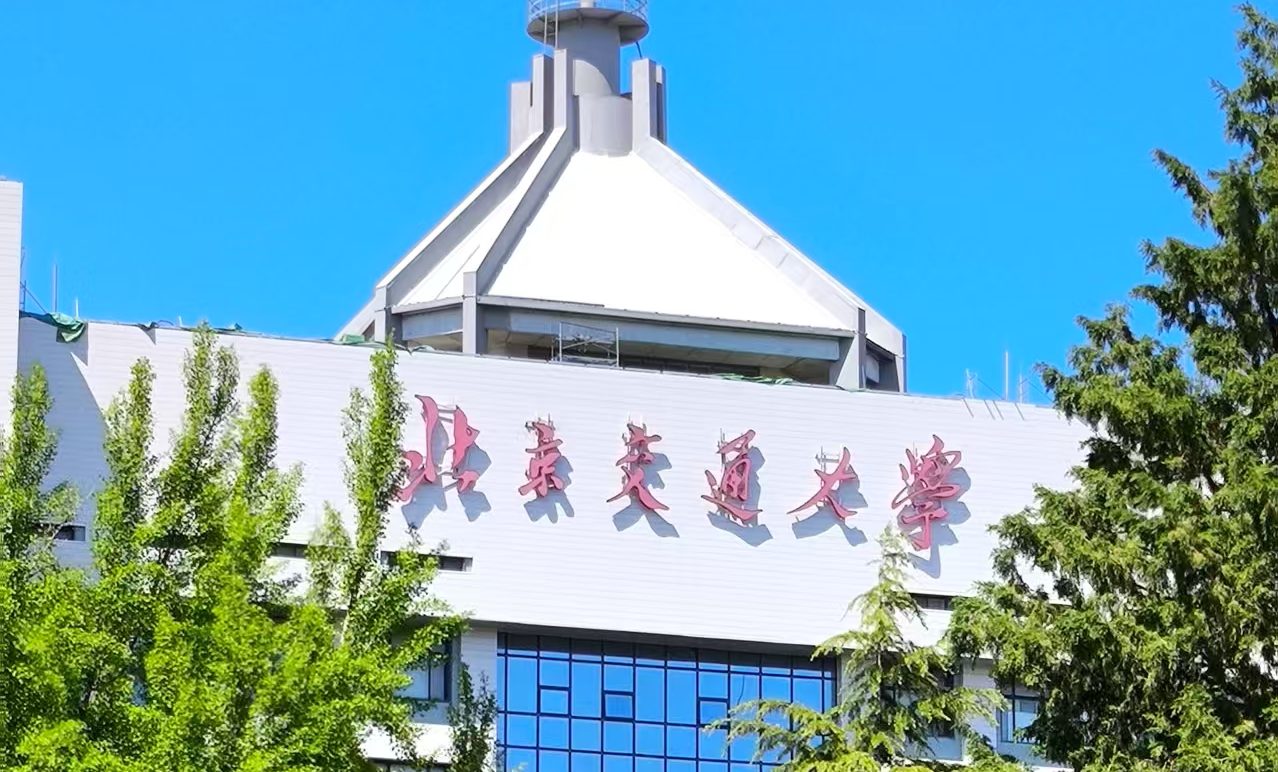
The 2025 Editors-in-Chief Face-to-Face Conference on Economics was successfully held at Beijing Jiaotong University from June 10 to June 19, 2025. The conference was organized by the School of Economics and Management of Beijing Jiaotong University and Elsevier. It was conducted in the form of Teams online conference and was simultaneously live streamed by Elsevier. The conference invited the editors of the six top journals in the field of economics, as well as academics and scholars in China, to gather online to discuss journal publication issues and the latest research in various sub-fields of economics. The conference was divided into two modules, the plenary meeting and the thematic lecture series.

With its high-level positioning, cutting-edge themes, rich content, multi-dimensional interaction and innovative forms of activities, the conference attracted more than 16,000 participants. Registered scholars came from University of Hong Kong, Hong Kong University of Science and Technology, National University of Singapore, University of Chicago, University of California, Monash University, University of Warwick, University of Melbourne, Peking University, Tsinghua University, Renmin University of China and so on. The conference received widespread attention and follow-up from many academic groups and media. The six invited editors of the six top economics journals were Brian Knight, co-editor of American Economic Journal: Economic Policy, Professor in Brown University; Sascha O. Becker, editor of Economic Journal and Yang Xiaokai Chair Professor of Business and Economics in University of Warwick and Monash University; Katrine V. Løken, joint managing editor of Review of Economic Studies, Professor in Norwegian School of Economics; Raymond Fisman, co-chair editor of Review of Economics and Statistics, Professor in Boston University; Hanming Fang, editor of Journal of Health Economics, Professor in University of Pennsylvania; Ricardo Perez-Truglia, co-editor of Journal of Public Economics, Professor in University of California, Los Angeles.

The conference began with the first module of the thematic lecture series held from June 10 to June 18, 2025. It consisted of 6 thematic lectures, each of which invited one editor to present his or her up-to-date research, and two well-known scholars in the same field were invited to make in-depth comments. Six editors of top economic journals gave lectures on “Forced Displacement in History”, “High-Speed Rail and China’s Electric Vehicle Adoption Miracle”, “Tax Morale”, “The Fatal Consequences of Brain Drain”, “The Policy Preferences of Deputy Ministers”, “Policing for Profit? Evidence from Post-Ferguson Reforms in Missouri”. The invited discussants, in order of commentary time, were James Kung, Professor, University of Melbourne; Chicheng Ma, Associate Professor, University of Hong Kong; Yu Qin, Professor, National University of Singapore; Yatang Lin, Assistant Professor, Hong Kong University of Science and Technology; Zhixin Dai, Professor, Renmin University of China; Xuan Wang, Assistant Professor, Peking University; Jin Zhou, Assistant Professor, City University of Hong Kong; Heng Chen, Associate Professor, University of Hong Kong; Ruixue Jia, Professor, University of California, San Diego; Bo Li, Associate Professor, Peking University; Shaoda Wang, Assistant Professor, University of Chicago; Bei Qin, Associate Research Fellow, Institute of Economics, Academia Sinica, Taipei.

The discussants’ incisive remarks further enhanced the participants’ comprehension of the cutting-edge research presented by the invited editors, covering diverse aspects including the design of research, the construction of models, the methodologies for data acquisition and processing, the practicality of conclusions, and the policy-oriented implications. Additionally, during the interactive Q&A session, the participants enthusiastically joined the discussions, sparking novel perspectives and insights. The second module of the plenary meeting was held on June 19, 2025. It was moderated by Professor Yacan Wang from Beijing Jiaotong University.

The six editors engaged with senior experts and young scholars, discussing the issues of journal positioning, submission, and publication. The editors talked about their experiences in manuscript reviewing, and offered targeted advice on critical considerations for authors, trending topics of interest, and crucial steps to follow up during the submission and revision process of returned manuscripts. Furthermore, the editors highlighted recent submissions from Chinese scholars, sparking keen interest among the participants. Enthusiastic responses were evident, as many questions from participants poured in through various platforms like Teams and WeChat scholar groups. The editors responded thoroughly to each question, clearing up the doubts and misconceptions encountered by participants, especially younger researchers, during the process of writing and submitting manuscripts.

The 2025 Editors-in-Chief Face-to-Face Conference on Economics, hosted by the School of Economics and Management at Beijing Jiaotong University, has been hailed as a resounding success. This prestigious event, now in its fifth iteration, continues to uphold the university’s “Zhi Xing” motto, fostering an environment of academic excellence and international scholarly exchange. With the collaboration of Elsevier, a leading academic publisher, the conference featured six editors from six top economics journals, offering a unique opportunity for Chinese scholars and researchers to hold direct and constructive dialogues with the leading scholars in the field of Economics.

Looking ahead, the conference organizers are committed to building on this year’s success, aiming at further expanding the international reach and impact of the event. With a focus on inclusivity and innovation, the conference aspires to continue serving as a catalyst for academic growth, fostering a vibrant and outstanding community of economists and researchers. We believe the research in Economics would be prosper more worldwide, and we will make every effort to support young researchers and scholars in their pursuit of academic excellence.

Branding and Marketing Seminar

Product identity and marketing strategy have become fundamental to the success of selling goods and services. In today’s increasingly competitive market landscape, communities are required not only to produce goods but also to understand how to present their products effectively to consumers. For small and medium enterprises in rural areas, branding and marketing often remain underdeveloped aspects.

In Pemepek Village, Pringgarata Subdistrict, Central Lombok, small-scale businesses have been steadily emerging as a community-driven effort to improve household and village-level economies. Various local groups have tapped into surrounding natural resources, from agricultural yields to home-based food processing, to create value-added products. However, many of these products still face low competitiveness due to a limited understanding of modern branding and digital marketing techniques.

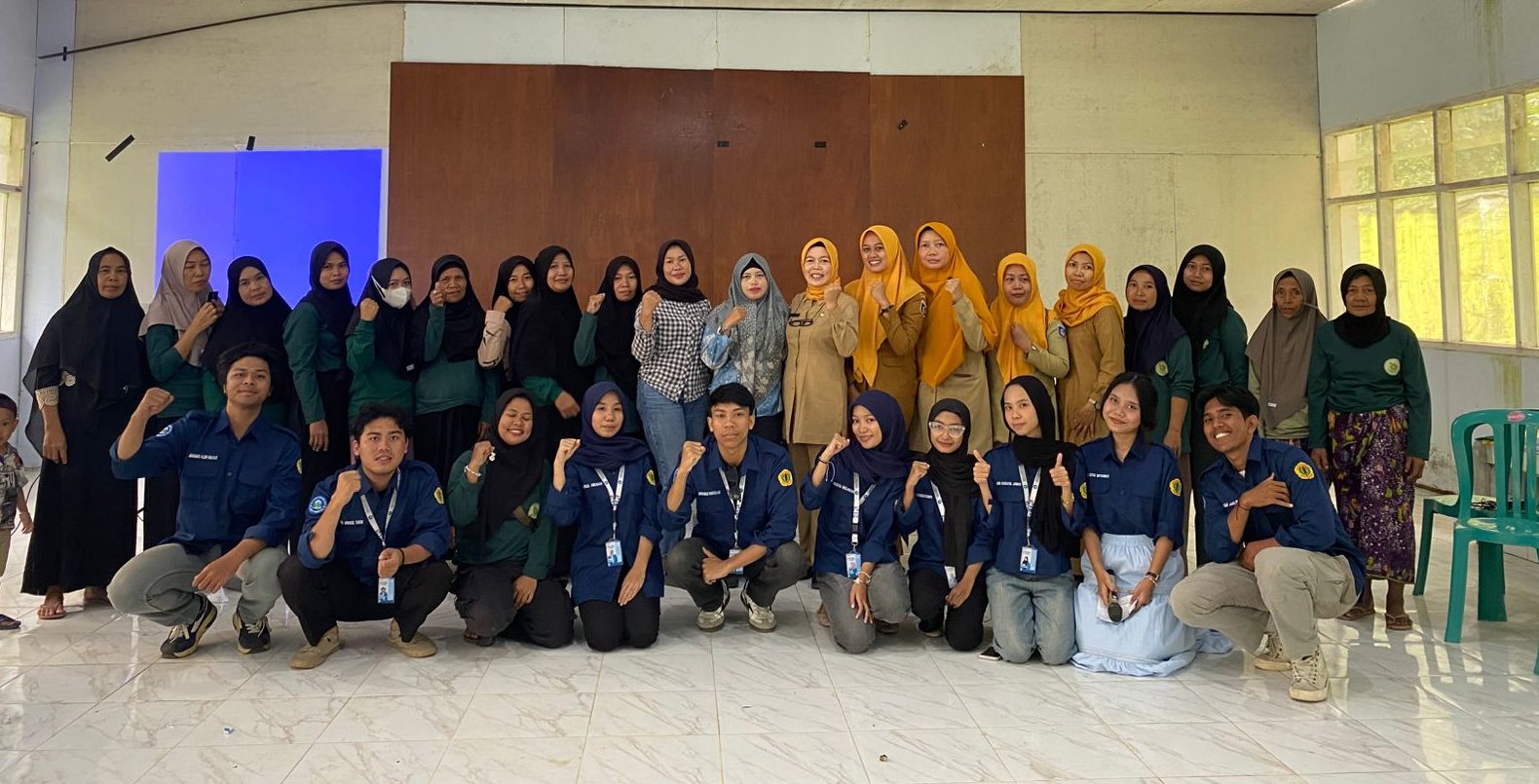
To address this challenge, students of the University of Mataram‘s 2025 Community Service Program (Kuliah Kerja Nyata or KKN) initiated a capacity-building seminar titled “Meningkatkan Daya Saing Produk melalui Branding, Marketing, dan Kesetaraan Gender Pelaku Usaha” (Enhancing Product Competitiveness through Branding, Marketing, and Gender Equality in Entrepreneurship) held on Tuesday, 22 July 2025, at the KHDTK Rarung Hall. The program specifically targeted two active business groups in Repok Pidendang Hamlet: the Women Farmers Group (Kelompok Wanita Tani Mekar Harum) and the Cooperative Syari’ah Wana Makmur Lestari.

For the KKN students, community engagement is not merely a ceremonial activity but a direct embodiment of Indonesia’s Tri Dharma of Higher Education, teaching, research, and community service. This initiative served as a bridge between theoretical knowledge acquired in the classroom and the practical needs of society.

“We witnessed firsthand how many local entrepreneurs produce high-quality goods but struggle to sell them due to unattractive packaging or limited digital marketing skills,” one of the student organizers said. “Through this activity, we aimed to share knowledge while learning from the community.”

The seminar featured key speakers from the Cooperative and Small Medium Enterprise (SME) Service of Central Lombok, including Endang Triwindusari, SP., MM (Head of SME Division), Ani (Young Functional Expert for Small Medium Enterprises), and Baiq Mentari (Technical Staff for Small Medium Enterprises). Discussions included building strong local product identities, utilizing platforms like Instagram and e-marketplaces, and applying packaging standards aligned with modern retail expectations.

Beyond the technical aspects, the seminar also highlighted the importance of gender equality in entrepreneurship. Professor Dr. Ir. Ruth Stella Petrunella Thei, M.S., Lecturer at the Faculty of Agriculture, University of Mataram, delivered a session on Gender Equality. She stressed that inclusive village development cannot be achieved without empowering women.

“Men and women have equal rights and opportunities. Gender is a social construct that evolves. Empowering women in the economic sector is part of building sustainable communities,” she stated during the session.

The initiative was well received by the local government. Muhali, the village secretary of Pemepek, expressed his appreciation and support for the program, noting its positive impact on strengthening local business capacity in the face of a changing market environment.

Participants remained engaged throughout the event, actively posing questions and discussing marketing challenges, many of which stem from relying solely on traditional sales methods such as word-of-mouth or local markets.

Through this activity, the University of Mataram students not only shared academic insights but also fostered intergenerational collaboration and mutual learning. The long-term goal is to empower Usaha Mikro, Kecil dan Menengah (Micro, Small, and Medium Enterprises), particularly women-led groups, to grow their businesses independently, creatively, and sustainably.a

KPI delegation attends Japanese tea ceremony

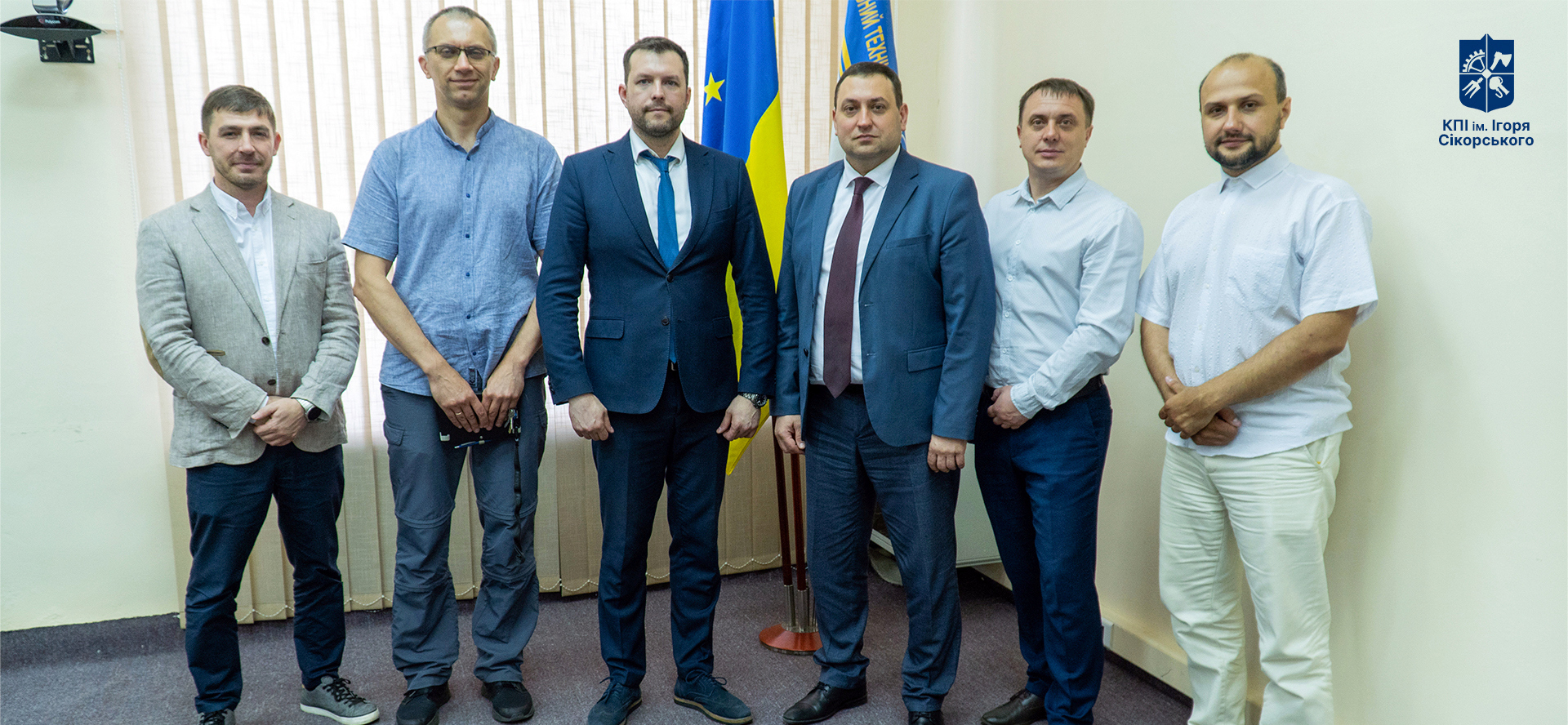
The delegation of Igor Sikorsky Kyiv Polytechnic Institute (KPI) – including Rector Anatolii Melnychenko, Kateryna Lugovska, Director of the Ukraine-Japan Centre, and Andrii Shysholin, Vice-Rector for International Relations – was recently received at the Residence of the Ambassador of Japan to Ukraine for a traditional Japanese tea ceremony.

It was more than a cultural event. It was a moment of inward peace and tranquillity, when every gesture and every pause of silence acquired significance. Rooted in the principles of Zen Buddhism and founded upon the reverence of the beautiful in the daily routine of life, the tea ceremony transcends the act of drinking tea. It is about the Way (道 – Dō): the way of harmony, heightened self-awareness, concentration, respect, and quietude.

At this challenging time for Ukraine, such an experience resonated with a particularly profound meaning. Japanese history provides an awe-inspiring example: a small island nation that once stood firm against imperial power. The Russo-Japanese War, (1904–05), is a timeless lesson in resilience, discipline, and strategic foresight – when a victorious Japan forced the Russian empire to abandon its expansionist policy in East Asia, thereby becoming the first Asian nation in modern times to defeat the imperialist power.

Special thanks are due to Japan for its support — in humanitarian efforts, in education, in technology. Subtle yet powerful and far-reaching. Like the ceremony itself.

UiTM–Industry Collaboration

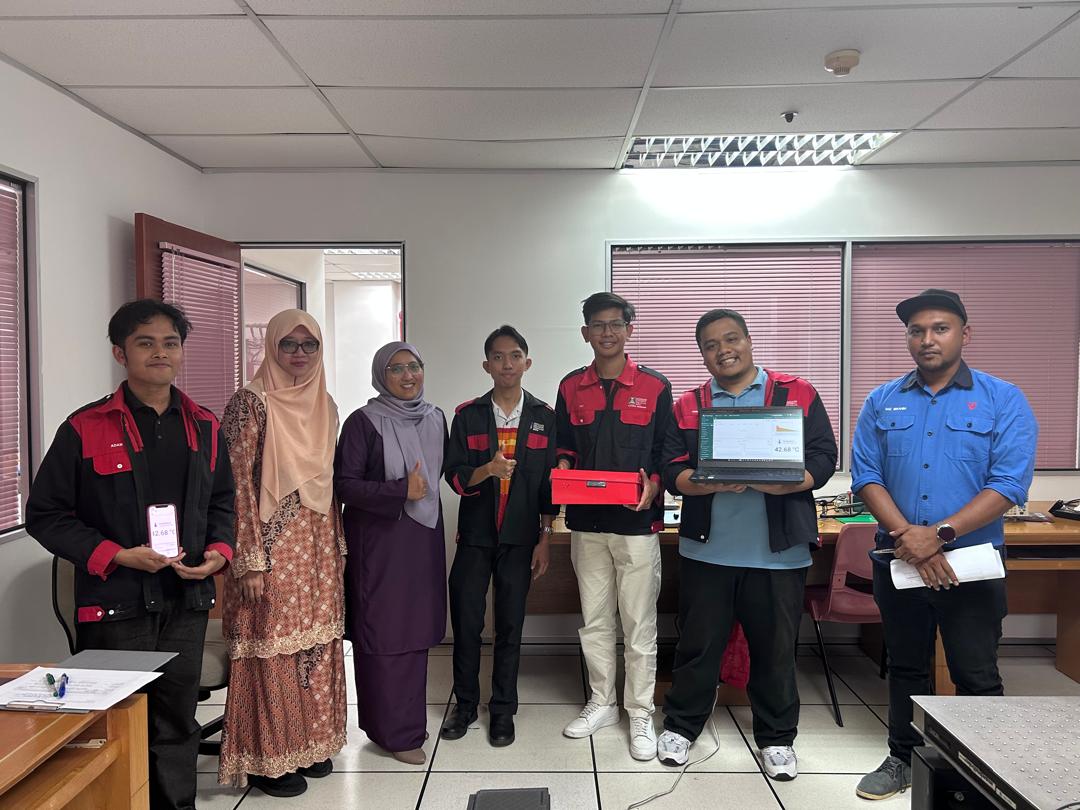
On 8 July 2025, from 2:00 PM to 6:00 PM, an evaluation session for the Integrated Design Project (IDP630) was successfully conducted at the Faculty of Electrical Engineering, Universiti Teknologi MARA (UiTM) Shah Alam.

IDP630 is a compulsory course for engineering students that emphasizes real-world application of technical knowledge through industry-based problem solving. As part of the course, students are challenged to develop solutions to problems sourced directly from industry partners.

This semester, the problem statement was provided by Encik Muhammad Faiz bin Ibrahim, a representative from Tenaga Nasional Berhad Research (TNBR), during the initial briefing at the start of the semester. He also served as one of the evaluation panelists. Joining him was Dr. Naimah Mat Isa, a senior lecturer from the Faculty of Electrical Engineering, who contributed academic insight to the assessment process.

The class is led by PM Ir. Dr. Nani Fadzlian Naim, who coordinated the course and guided the students throughout the semester in developing their projects.

A total of five student projects were presented, each showcasing how theoretical knowledge and practical engineering skills can be integrated to address real industrial challenges. The session highlighted the students’ ability to apply classroom learning in a practical setting, strengthening the link between academia and industry.

The IDP630 course continues to be an excellent platform for enhancing industry-university collaboration, preparing students for future careers through hands-on experience and professional engagement.

Degrees of doubt

Talking points

  • The value of a university degree as a guarantee for employment is declining due to weak job markets and increased automation.
  • Entry-level job opportunities are shrinking across major economies, with some sectors experiencing significant drops in graduate postings.
  • Work integrated learning and courses that are embedded in real-world experiences remain one of the more reliable pathways into the workforce.

For decades, a university degree has functioned as a fairly reliable signal of ability, ambition and upward potential. It implied employability and, for many, it delivered stability. However, that link now looks increasingly fragile. This year, graduates in major economies are entering some of the weakest early-career job markets in many years.

In the UK, graduate job postings have fallen by 33 percent year-on-year, reaching their lowest level in seven years, according to Indeed, the job search site. In the US, unemployment among college graduates aged 22 to 27 has risen higher than 5.8 percent between January and March this year, according to the Federal Reserve Bank of New York.

The most affected sectors are not only those in decline, but also those once viewed as professional stepping stones, such as media, marketing, human resources and project management.

Demand has cooled even where labour shortages persist. Employers cite economic uncertainty, rising wage costs and growing investment in automation as reasons for pulling back on hiring fresh graduates. “Many factors outside of their degree will influence a graduate’s immediate job prospects – the health of the economy being the most obvious,” says Vivienne Stern, CEO of Universities UK, the sector body in Britain.

In Canada, the situation is also challenging. Youth unemployment climbed to 11.2 percent in the first quarter of 2025, meaning that recent graduates are confronting what experts say could be the most difficult job market in over two decades, aside from the Covid pandemic years.

This is not a crisis of higher education, but rather a test. While a degree still holds value, it no longer guarantees a job. Universities and employers now face a crucial question: has the degree’s role in shaping career outcomes kept pace with the wider economy?

The equation is shifting. What is working? What is not? And what must evolve if the degree is to remain a bridge between education and opportunity?

The trend is clear: entry-level opportunities have tightened across sectors. Graduate job markets in the UK and US have entered a sustained slowdown, with early-career opportunities falling to their lowest levels in years. Employers are pulling back on hiring, keeping existing staff instead of adding new roles, and in some cases replacing junior jobs with automation.

In the UK, graduate job postings are down to a level that marks a far steeper decline than in the broader labour market, where total postings in mid-June were 5 percent below their March peak. The UK is now the only major economy where job openings have yet to return to their pre-Covid baseline.

In the US, the picture is similarly constrained. Figures from the Bureau of Labor Statistics show the hiring rate for entry-level positions dropped to 3.4 percent in the first quarter of 2025 — the slowest for that period since before 2010. The same graduates are applying to more roles, according to data from job platforms.

Indeed’s figures show the sharpest contractions in the UK are occurring in the professional sectors that once formed the backbone of graduate employment. Job postings in media and communications are down 48 percent from their pre-pandemic levels. Marketing is down 37 percent. Human resources and project management have both fallen by 27 percent.

Job market analysts and campus recruiters say many firms are retaining existing staff rather than onboarding new entrants. Other companies are delaying start dates. EY, the professional services firm and a top graduate employer, has postponed dates for graduates joining its US strategy and deal advisory division for a third consecutive year.

Even elite institutions are not immune. Reports from top US business schools indicate that offer rates have declined in recent recruitment cycles – even for some of the most highly qualified candidates.

According to experts, the graduate market is defined by slower hiring, reduced churn and more cautious recruitment. The volume of applications is up, but the flow of new positions is down. In the UK, applications per graduate role rose 286 percent last year compared with 2023, according to recruitment software firm Tribepad.

Some employers are simply holding back. Job listings on Handshake, a university-focused recruitment platform, have declined by 15 percent over the past year, even as application volumes have surged by 30 percent.

The result is a kind of economic bottleneck. Graduates are still arriving, sometimes in greater numbers than ever. But the pathways once available to them are narrowing. The promise of steady progression — from education into work, and from work into stability — has become harder to fulfil, even for those with strong credentials.

Read the full article on QS Insights Magazine.

Call for Southeast Asian Researchers to Join

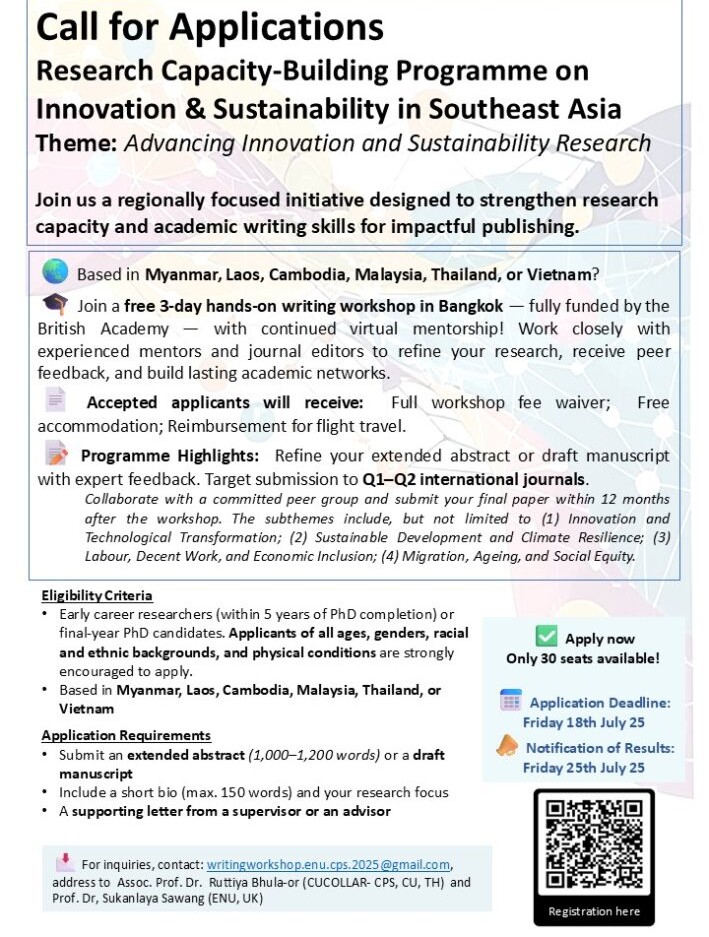
A unique opportunity is now open for early-career researchers in Southeast Asia to advance their work in the fields of innovation, sustainability, and inclusive development. Applications are invited for the Research Capacity-Building Program on Innovation & Sustainability in Southeast Asia, an international initiative aimed at supporting researchers from Myanmar, Laos, Cambodia, Malaysia, Thailand, and Vietnam.

This project is supported by the British Academy and implemented in collaboration with Edinburgh Napier University; ChulaUnisearch, Chulalongkorn University; the College of Population Studies; and the Labour Research and Coordination Research Unit at the College of Population Studies, Chulalongkorn University. Its primary objective is to strengthen research capacity and foster collaboration among early career researchers in Southeast Asia.

The program offers participants the chance to develop their research into high-impact publications, with a particular focus on submitting to Q1 or Q2 international peer-reviewed journals. Selected researchers will benefit from a three-day intensive writing workshop in Bangkok, Thailand, from 27 to 29 August 2025, followed by a one-year virtual mentorship provided by experienced academics and international experts.

A total of 30 participants will be selected. The program provides full flight reimbursement, including round-trip taxi fares to the venue, as well as accommodation in Thailand.

The workshop will cover a wide range of themes, including:

Innovation and Technological Transformation
Sustainable Development and Climate Resilience
Labour, Decent Work, and Economic Inclusion
Migration, Ageing, and Social Equity
Registration:

Applications are open until 18 July 2025. Interested researchers can apply via the provided: https://forms.gle/TXD87oV2Zp2ZvcKi7 or QR code.

For more information, contact: [email protected] (Assoc. Prof. Ruttiya Bhula-or & Prof. Sukanlaya Sawang)

This program promises to be an exceptional platform for researchers to build international networks, strengthen their academic writing skills, and contribute to sustainable development in the region.

UNHCR Through Eyes of Public Health Students

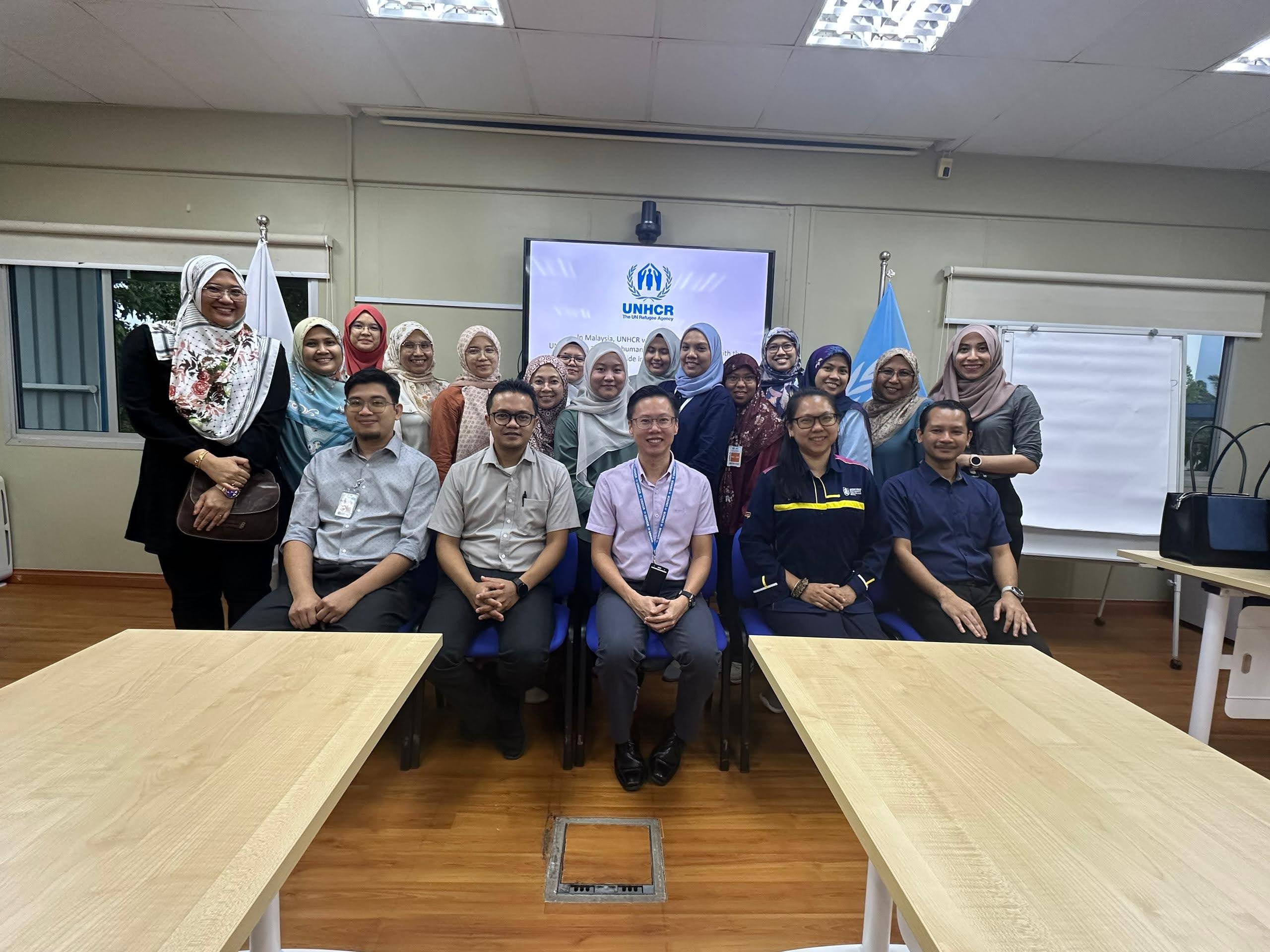
On 20 May 2025, eighteen students from the Master of Public Health (MPH) programme at Universiti Teknologi MARA (UiTM) visited the United Nations High Commissioner for Refugees (UNHCR) Malaysia Office in Kuala Lumpur. As part of the teaching and learning activities in the Population Health and Dynamics module, this visit aimed to deepen students’ understanding of the refugee situation in Malaysia, as well as the role of UNHCR in public health and humanitarian support.

The UNHCR, also known as the UN Refugee Agency, works globally to protect and assist refugees, asylum-seekers, stateless persons, and internally displaced persons. It plays a critical role in providing support to over 180,000 refugees and asylum seekers residing in Malaysia. Key activities carried out include registration and documentation of refugees and asylum seekers, determination of refugee status, provision of protection and legal aid, healthcare support through refugee clinics, education and livelihood programs, advocacy and awareness campaigns, as well as resettlement and voluntary repatriation efforts.

The visit was divided into two main segments: guided facility tour and comprehensive briefing session. These activities aimed to provide us with a quick overview of UNHCR’s setup and public health strategies in addressing refugee issues. During the facility tour, students visited the refugee clinic, where basic healthcare services are provided, the interview rooms handling individual case assessments and refugee status determination, the registration area for new arrivals, a cosy cafeteria, and a playground designated to accommodate refugees’ families, as well as the waiting area for visitors and registrants.

After the tour, we attended a detailed briefing session in the meeting room, led by Mr. Jason Yeo. He explained the functions and responsibilities of UNHCR Malaysia, particularly its role in public health advocacy and support. The content covered the challenges faced by refugees during various phases of migration, public health threats within refugee communities, and coordinated efforts in collaboration with the Ministry of Health, including contact tracing for infectious diseases, vaccination, and access to healthcare.

The visit was eye-opening and highlighted the often-invisible challenges faced by refugees in Malaysia. As future public health professionals, the experience emphasised the importance of compassionate, inclusive policies and culturally sensitive healthcare practices. This visit has inspired public health postgraduate students to continue their advocacy for displaced communities and to explore future opportunities to make meaningful contributions to humanitarian efforts.

The visit concluded with a group photo session. It was a memorable and enriching afternoon that complemented the academic learning with real-world context and perspective.

How to manage resistance to change

Many inexperienced change leaders tend to assume that change in organizations can be broken down to a purely rational calculation of costs and benefits. In reality, the emotions of organization members are inextricably connected to how they will position themselves towards the change and whether they will support it, resist it, or remain neutral bystanders.

The emotional side of change

In our analysis of emotions we rely on the emotion wheel which is part of the EHL Emotional Intelligence assessment. We suggest that one of the keys for effective change leadership lies in the change leader’s ability to recognize dominant negative emotions towards change and transform them, to the extent that this is possible into positive ones.

Change and resistance

For leaders trying to steer organizations through major change, resistance to change is a permanent companion. The concept of resistance has been prominent since the earliest conceptualizations of change in organizations. Kurt Lewin hinted at it in his famous recommendation for the three key steps of change: unfreeze – change – refreeze. The idea of unfreezing suggests that organizational habits and patterns need to be broken up for change to occur. Something that is unlikely to occur without resistance. And refreezing suggests that organizational change needs to be stabilized for the long term, otherwise the remaining resistance may lead to a quick reversal and return to the old status quo.

The change formula rendered famous by many consultancy firms, suggests that resistance to change is one of the most prominent reasons for failure in change processes. It suggests that three major forces can be harnessed to overcome resistance to change. Dissatisfaction with the status quo needs to be generated. There needs to be a clear vision for change. And, last but not least, defined first steps towards the desired change need to be laid out.

These key ideas are also at the basis of the famous model for leading change developed by John Kotter of Harvard Business School fame. His recommendations include the creation of a sense of urgency, the creation of a guiding coalition to overcome resistance, and the need for a clear vision and strategy that organization members can buy into.

Negative emotions related to change

Anxiety and fear

Probably one of the most dominant emotional reactions towards emotional change consists of anxiety and fear. Change means venturing out into the unknown and exploring uncharted territory. It may come with bad surprises and may potentially be accompanied by personal losses. Whenever change is mentioned in a corporate context, the possibility of new job descriptions, reorganization of teams or possibly even downsizing and job loss will always be silently understood as being part of the range of possible outcomes. As a result, the gut reaction of many individuals towards change will boil down to nervousness or even outright fear.

Frustration and anger

The negative emotions of frustration and anger can come up in the context of a change process, particularly if the latter is led in a top-down orientation and does not provide opportunities for empowerment and buy-in. In such a change scenario, the recipients feel that decisions are made “over their heads”, without room for input or involvement. Frustration and anger may also result from disruptions that occur as part of the change process. Those can be of a physical nature (e.g., restructuring of the workspace), an intellectual nature (e.g., changes in procedures or IT tools) or a social nature (e.g., disruptions of social links with team members due to reassignments).

Disappointment and sadness

Another basic emotional pair involved in early reactions to change is disappointment and sadness. Change always means parting ways with the past. It means letting go of traditions, habits and customs. For many individuals, changing the way things are done implies a negative judgment about what was done in the past. “If we need to change it that means that what we have done so far was not good…”, or so the thinking goes. As a result individuals may feel unrecognized for their past efforts, eventually leading to disappointment with management and sadness at the individual level.

Replacing negative with positive emotions in the change process

The likelihood for organizational change to succeed will increase dramatically when change leaders manage to replace dominant negative emotions by positive ones. Here is a brief overview of the range of positive emotions that can be activated in a process of organizational change.

Replacing anxiety and fear with surprise and interest

Doing new things does not necessarily have to be frightening. Whenever new roads are taken, the emotional reactions can be channeled towards surprise and interest. While past routines may have been comforting they may also have been a source of boredom. Injecting change into a corporate environment may push individuals out of their comfort zone but may serve to provide them with fresh momentum, thereby providing surprise and excitement and re-energizing the workplace.

Replacing frustration and anger with fun and amusement

Very often, change allows for experimentation and experimentation can be fun. When change leaders manage to present a change initiative as something that is not set in stone but that leaves room for personal initiative, creativity, innovation and experimentation, there is a real potential for generating amusement.

Replacing disappointment and sadness with joy and pride

When the initial stages of a change process are led in such a way that the audience perceives empowerment the end-result may be buy-in and perceived ownership of the process. The perception of “they did it to us” will be replaced by the idea that “we did it ourselves, we did it our way, and we succeeded”. As a consequence, individuals will feel part of the change process, rather than seeing themselves as objects, and may feel joy and pride in the outcomes that have been achieved jointly.

The optimal outcome

When change leaders manage to turn negative emotions into positive ones, the final emotional end result may be relief. This brings the emotion wheel full circle. Individuals will come to the conclusion that “things were not as bad as expected”, that “we were in it together” and “after all, what we have achieved is better than what we had before”. What better outcome could a positive change leader hope for!

First published on EHL Insights.

Written by EHL Faculty members, including Dr. Stefano Borzillo, Associate Professor at EHL Hospitality Business School, and Dr. Steffen Raub, Full Professor at EHL Hospitality Business School.

HKAPA Presents GBAYO in July 2025

The Greater Bay Area Youth Orchestra (GBAYO), presented by The Hong Kong Academy for Performing Arts (HKAPA) and supported by the Swire Group as Founding Patron, has returned with live performances in Hong Kong, Guangzhou and Shenzhen from 11th to 15th July. This year, HKAPA and the Swire Group announced the renewal of their partnership in support of the GBAYO, reaffirming their shared commitment to inspiring young musicians and promoting cultural exchange in the Greater Bay Area (GBA).

The concert tour is also supported by the Culture, Sports and Tourism Bureau of the HKSAR Government (HKSARG) and the Culture, Media, Tourism and Sports Bureau of Shenzhen Municipality.

This year’s opening concert was held at HKAPA’s Hong Kong Jockey Club Amphitheatre (HKJC Amphitheatre) on 11th July with officiating guests in attendance, including Charles Yang Chuen-liang SBS JP, Council Chairman of HKAPA, Professor Anna CY Chan, Director of HKAPA and Arnold Cheng, Director, Guangdong-Hong Kong-Macao Greater Bay Area, Swire.

Nurturing nearly 300 talented young musicians from the GBA

The GBAYO programme features an orchestral training camp to cultivate musical excellence and cross-cultural collaboration among youth from the GBA. In early July, 98 young musicians gathered at HKAPA in Hong Kong for intensive training. Now, the orchestra has embarked on a three-city concert tour, beginning in Hong Kong on 11th July, followed by performances in Guangzhou on 13th July and concluding in Shenzhen on 15th July.

In the past three years, the programme has trained 279 musicians aged 16 to 28 and attracted over 6,500 concertgoers, highlighting its growing public resonance and cultural impact. Beyond the stage, the programme has made a lasting impact on its young musicians. Alumni from 2024’s GBAYO cohort have been accepted into HKAPA, The Royal Danish Academy of Music and the Cleveland Institute of Music, underscoring the orchestra’s success in nurturing talent and opening international doors.

A renewed partnership for enhanced cultural exchange

The GBAYO was launched by HKAPA with the support of the Swire Group in 2022. The 2025 season marks a continued partnership between the two organisations, strengthening youth engagement and community connections in the GBA.

Guy Bradley, Chairman of John Swire & Sons (H.K.) Limited, said, “As the Founding Patron, we are proud of what the GBAYO has achieved over the past three years and are pleased to renew our collaboration with HKAPA. Doing so furthers our shared mission of creating a world-class platform for young classical performers. At Swire, we are growing our presence in the GBA. At the same time, contributing to cultural exchange in the region is also important to us, as is promoting the GBA’s artistic achievements to the wider world.”

Professor Anna CY Chan, Director of HKAPA, remarked, “With the resounding success of our GBAYO concerts over the past three years, the Academy is proud to once again share the beauty of music with the public. Our commitment to young talent development is at the heart of this initiative, providing training and mentorship by renowned musicians that empower young musicians to excel on the global stage. I extend my heartfelt gratitude to the Culture, Sports and Tourism Bureau of the HKSARG, the Culture, Media, Tourism and Sports Bureau of Shenzhen Municipality and the Swire Group for their invaluable support.”

First overseas conductor to lead the GBAYO

This season marks a significant milestone for the GBAYO as it welcomes Christoph Koncz as its first overseas guest conductor. Currently in his second season as Music Director of the Orchestre Symphonique de Mulhouse and Principal Conductor of the Deutsche Kammerakademie Neuss am Rhein, Mr Koncz brings extensive international experience and artistic vision to the programme. Under Mr Koncz’s baton, the programme showcases a vibrant selection of pieces, including Dance of the Golden Snake by Nie Er (arr. Tang Jianping), Dohnányi’s Symphonic Minutes, Ravel’s Daphnis et Chloé Suite No.2 and Bartók’s Concerto for Orchestra.

Mr Koncz said, “I am delighted to lead the GBAYO as its first overseas guest conductor. From the very first rehearsal it was immediately clear that these young musicians are promising and passionate individuals, and their eagerness to learn and connect through music is very inspiring. I’m very much looking forward to sharing this exciting journey with the musicians and our audience and to contributing to a programme that so meaningfully bridges cultures and nurtures the next generation of artistic talent across the region.”

KPI, FANUC establish cooperation on robotics

The Igor Sikorsky Kyiv Polytechnic Institute (KPI) has established cooperation with FANUC Ukraine LLC – the official representative of Japan’s FANUC Corporation, a global pioneer in factory automation and a technology leader in robotics. This partnership offers Kyiv Polytechnic students new opportunities to develop their professional skills in the realm of industrial robot programming, one of the most marketable skills today.

In particular, cooperation with FANUC provides for:

·        Modernisation of university’s laboratories, equipping them with state-of-the-art FANUC robots

·        Organisation of a joint team to participate in international robotics competitions

·        Showcasing technologies during competitions, festivals, and university open days

The cooperation will also encompass testing of equipment, professional upskilling programmes, innovative distance learning techniques, as well as seminars and conferences, among others.

The partnership with FANUC raises Igor Sikorsky Kyiv Polytechnic Institute to a qualitatively new level of educational and scientific development that aligns with the global shift towards high-tech industry.