The 2026 Editors-in-Chief Conference

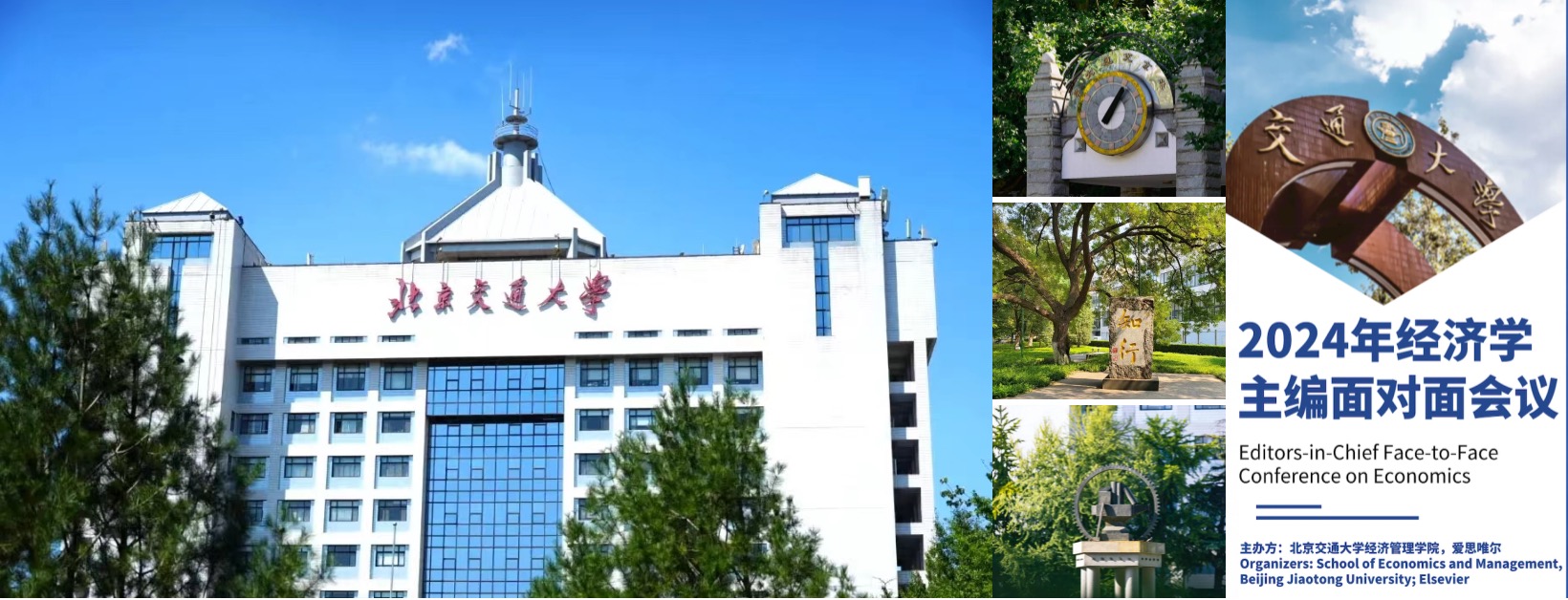
From May 25 to June 9, 2026, the 2026 Editors-in-Chief  Conference in Economics was successfully held at Beijing Jiaotong University. The conference was jointly organized by the School of Economics and Management at Beijing Jiaotong University and Elsevier. Conducted online and livestreamed through Elsevier’s video and service platforms, the conference was themed “Publishing China Research in Top Journals: Insights from Global and Chinese Editors.” It focused on key topics including high-quality economic research, academic writing, journal submission strategies, and the peer-review process. Six editors-in-chief and co-editors from leading international economics journals were invited to share cutting-edge research findings and publishing experiences with scholars, researchers, and students from around the world.

The conference attracted 28,576 participants, accumulated more than 13,335 hours of viewing time, and recorded a 21% increase in registrations and a 78.6% increase in attendance compared with the previous year. Participants and speakers represented numerous prestigious universities and research institutions worldwide, including Beijing Jiaotong University, the University of Zurich, Carnegie Mellon University, the California Institute of Technology, Shanghai University of Finance and Economics, Monash University, Xiamen University, Harvard University, East China Normal University, Brown University, the Massachusetts Institute of Technology, the University of Chicago, Stanford University, the University of California, Berkeley, University College London, Wellesley College, Zhejiang University, Boston University, the University of Rochester, the University of Science and Technology of China, Sun Yat-sen University, the University of Hong Kong, Peking University, Washington University in St. Louis, the Hong Kong University of Science and Technology, Dartmouth College, Cornell University, and Shanghai Jiao Tong University.

The conference consisted of two major components. The first was the Editors’ Plenary Session, where five editors from top journals shared insights into journal positioning, research preferences, manuscript preparation, submission strategies, editorial processes, and recommendations for publishing China-focused research internationally. The second was a series of specialized editor seminars, in which six editors presented their latest research while distinguished scholars provided expert discussions and commentary. Together, these two components offered valuable guidance for Chinese scholars and early-career researchers seeking to understand publication standards at leading journals and showcased the latest advances in frontier economic research.

The Editors’ Plenary Session was successfully held on May 29, 2026. Invited speakers included Erzo F. P. Luttmer, Editor of American Economic Review and Chair Professor of Economics at Dartmouth College; Shanjun Li, Co-Editor of Journal of Public Economics and Steven and Roberta Denning Professor at Stanford University; Roberto A. Weber, Editor of Management Science and UBS Foundation Professor at the University of Zurich; Peter Hull, Co-Editor of American Economic Journal: Applied Economics and Professor at Brown University; and Jianjun Miao, Associate Editor of American Economic Journal: Macroeconomics and Journal of Monetary Economics and Tsingshan Chair Professor at Zhejiang University.

On behalf of the School of Economics and Management, Professor Hongchang Li, Vice Dean of the SEM, delivered welcome remarks and conveyed Dean Ming Guo’s strong support for high-level international academic exchange. Suzanne Abbott, Executive Publisher at Elsevier, delivered remarks on behalf of Bethan Keall, Publishing Director for Economics and Marketing Journals.

The editors then shared their perspectives under the theme “Inside Top Journals: Writing, Submission & Editorial Advice,” providing systematic insights into journal missions, research standards, innovation requirements, manuscript structure, editorial review processes, responds to referee comments, and ways for China-related research to contribute to international academic dialogue. During the Q&A session of the plenary, participants engaged in in-depth discussions on research topics, theoretical contributions, empirical strategies, journal selection, and manuscript revision.

The plenary session provided valuable professional guidance on understanding the preferences, writing standards, and review procedures of leading international journals while creating a high-level platform for discussing the international communication of China-related economic research. Drawing on their editorial and research experience, the editors emphasized that high-quality papers should combine important research questions, clear mechanisms, credible identification, rigorous execution, and effective communication. Participants reported gaining a deeper understanding of publication standards and peer-review systems at top international journals.

The series of specialized editor seminars comprised six sessions held between May 25 and June 9, 2026. The invited editors delivered presentations on topics including moral behavior in markets, China’s energy development and priorities for the 15th Five-Year Plan, causal inference with recentered instruments, inequality, innovation and growth, successfully navigating the peer-review process, and optimal electric vehicle tariffs with revenue-funded subsidies. These presentations provided valuable insights into behavioral economics, energy economics, applied econometrics, macroeconomics, and public economics while also offering practical advice on academic publishing.

In the first seminar, Roberto A. Weber, Editor of Management Science and UBS Foundation Professor at the University of Zurich, presented “Moral Behavior in Markets.” Professor Lan Yao of Shanghai University of Finance and Economics and Professor Erte Xiao of Monash University served as discussants. Weber explored the role of moral considerations in market participation and examined how consumers, workers, and firms make moral trade-offs in market transactions. He highlighted self-governance mechanisms through which market participants voluntarily establish constraints on profit-seeking activities that generate negative externalities.

In the second seminar, Boqiang Lin, Editor of Energy Economics and Chair Professor at Xiamen University, presented “Recent Energy Developments in China and the Key Energy Work Priorities for the ‘15th Five-Year Plan.’” Professor Jianglong Li of Xi’an Jiaotong University and Xiaoling Ouyang of East China Normal University served as discussants. Lin argued that the key priorities of China’s energy development during the 15th Five-Year Plan period will center on new energy infrastructure, particularly energy storage systems and renewable energy integration capacity.

The third seminar featured Peter Hull, Co-Editor of American Economic Journal: Applied Economics and Professor at Brown University, presenting “Causal Inference with Recentered Instruments.” Assistant Professor Lihua Lei of Stanford University and Liyang Sun of University College London served as discussants. Hull introduced recent methodological advances for addressing causal identification challenges involving multiple shocks, complex instrumental variables, and non-random exposure. He explained how recentering procedures can improve the use of exogenous shocks for causal and structural identification.

In the fourth seminar, Jianjun Miao, Associate Editor of American Economic Journal: Macroeconomics and Journal of Monetary Economics and Tsingshan Chair Professor at Zhejiang University, presented two recent studies. Assistant Professor Xiaomei Sui of the University of Hong Kong, Associate Professor Lijun Zhu of Peking University, and Assistant Professor Zhang Chen of the Hong Kong University of Science and Technology served as discussants. The first study, “Transforming Luxuries into Necessities: How Inequality Affects Growth?”, examined how products diffuse from high-income to low-income households as prices decline and market penetration expands, and how income inequality influences economic growth through firms’ innovation choices. The second study, “Asset Bubbles, R&D, and Endogenous Growth,” analyzed how asset bubbles can relax credit constraints in the R&D sector and thereby influence innovation and growth.

The fifth seminar featured Erzo F. P. Luttmer, Editor of American Economic Review and Chair Professor at Dartmouth College, presenting “How to Successfully Navigate the Peer Review Process.” Drawing on the perspectives of authors, referees, and editors, Luttmer outlined the key elements of successful publication, emphasizing important research questions, clear contributions, transparent research design, and high-quality writing. He also offered practical advice on abstracts, introductions, empirical transparency, research ethics, journal selection, revision strategies, and communication with editors and referees.

In the final seminar, Shanjun Li, Co-Editor of Journal of Public Economics and Steven and Roberta Denning Professor at Stanford University, presented “From Trade War to Green Transition: Optimal Electric Vehicle Tariffs with Revenue-Funded Subsidies.” Associate Professor Jianwei Xing of Peking University and Assistant Professor Qinshu Xue of Shanghai Jiao Tong University served as discussants. Li explored how the United States could promote energy transition through a policy mix of import openness, tariff adjustments, and domestic production subsidies. Combining theoretical modeling with market-equilibrium simulations based on global automobile sales data, he examined how demand curvature, product substitution, and market power affect optimal tariff design.

The 2026 Editors-in-Chief Conference in Economics received highly positive feedback from invited guests and participants and concluded successfully. Speakers praised the professionalism and efficiency of the conference organization, while discussants highlighted the frontier nature and policy relevance of the research presented. Participants noted that the conference expanded their understanding of cutting-edge economic research and provided highly practical guidance on research design, academic writing, submission strategies, revision processes, and international publishing.

This conference marked the sixth edition of the Editors-in-Chief Conference in Economics since its inaugural session in June 2021 and continued the “Editors-in-Chief” academic initiative launched by the School of Economics and Management at Beijing Jiaotong University in 2018. Guided by the university motto of “Zhi Xing,” the conference remains committed to promoting academic dissemination and public service while advancing high-quality research, international scholarly exchange, and innovation in academic publishing. Looking ahead, the School of Economics and Management at Beijing Jiaotong University will continue to build a high-level platform connecting scholars worldwide with editors of leading economics journals, supporting China’s integration into the global academic community and contributing to the international influence and scholarly voice of Chinese economics.

Inha Launches Tech Institute in Hen Univ.

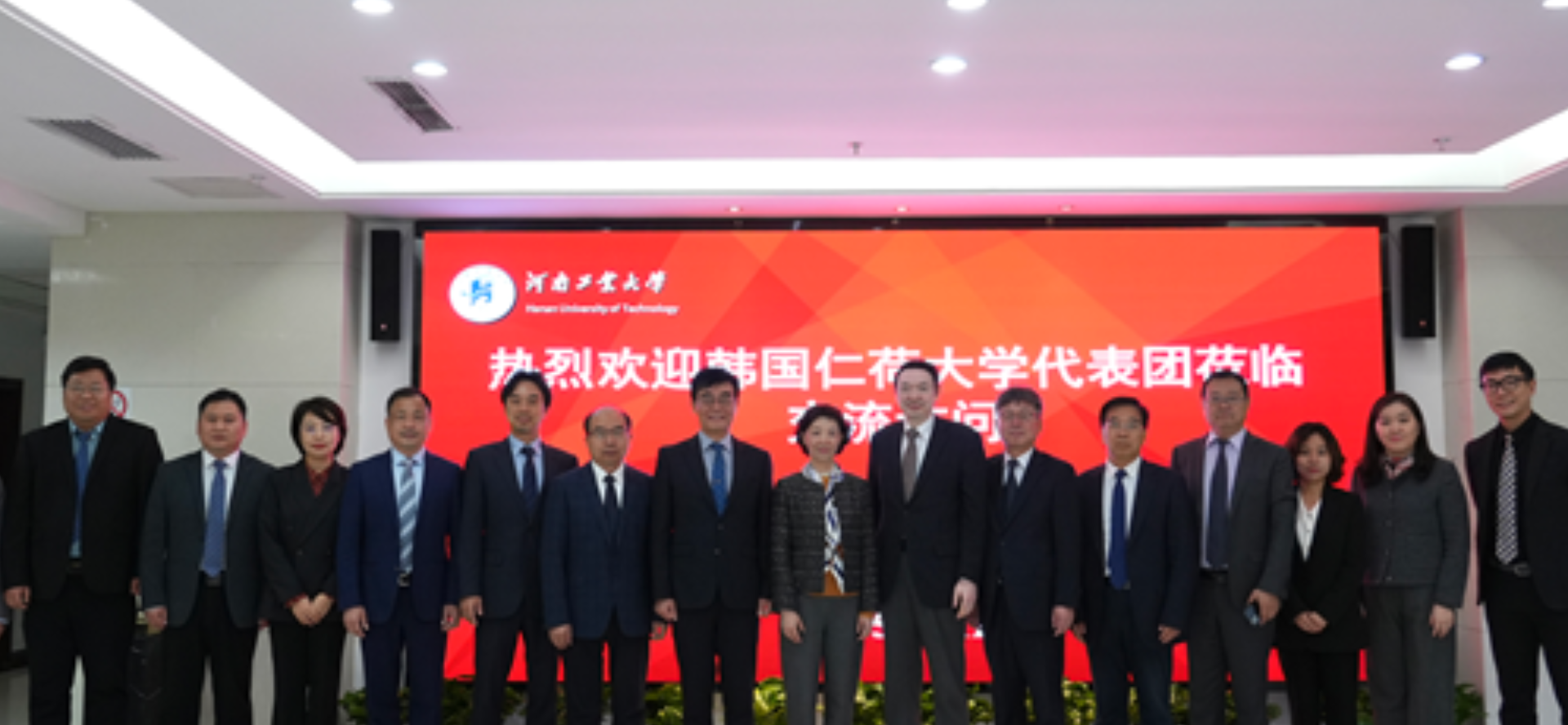
▲Attendees pose for a commemorative photo at the launch ceremony of the Inha Institute of Technology, a Sino-foreign cooperative education institution established by Henan Polytechnic University and Inha University.
Inha University recently held the launch ceremony for the Inha Institute of Technology, a Sino-foreign cooperative education institution jointly established with Henan Polytechnic University in China.

The ceremony was attended by Inha University President Myung Woo Cho, Vice President for External Affairs Woonghee Kim, Global Affairs Director Taejoon Jeon, as well as Henan Polytechnic University President Wu Zhishen and Vice President Zhao Renyong.

During the launch ceremony, the two universities established a Joint Steering Committee to build an official operational system and discussed future cooperation directions along with detailed implementation plans.

Inha University began pursuing the establishment of this Sino-foreign cooperative education institution in December 2020. After extensive discussions regarding participating departments, admission quotas, and the operational structure, the program received official approval from the Chinese Ministry of Education this September.

China’s Sino-foreign cooperative education system allows Chinese universities with strong educational and research capabilities to jointly operate academic programs with overseas universities upon approval from the Ministry of Education. Institutions (機構) established under this system are independent educational entities jointly founded by a Chinese and foreign university, and the issuance of dual degrees is mandatory.

Because all Sino-foreign cooperative education programs require approval from the Chinese Ministry of Education, the review and approval process is known to be extremely rigorous. Inha University’s newly approved institution represents only the fifth time in history that a Korean university has received approval for an “institution-level” Sino-foreign cooperative education program. Among all Korea-China cooperative education applications submitted for the 2025 academic year—both program-level and institution-level—this is the only case approved, underscoring its significant achievement.

Henan Polytechnic University is one of the most prominent industry-specialized universities in Henan Province and is recognized as one of the province’s four core higher education institutions. The university is widely known for its outstanding research capabilities, including receiving the prestigious National Science and Technology Progress Award (First Class). It has also been selected for China’s “Plan for Educating and Training Outstanding Engineers,” showcasing its strong educational infrastructure and ability to cultivate top-tier engineering talent.

With the launch ceremony complete, Inha University has begun full-scale preparations for operating the Inha Institute of Technology.

The institute will offer undergraduate 4+0 dual-degree programs in Biotechnology, Geoinformation Engineering, and Chemical Engineering.

Under the 4+0 dual-degree model, Chinese students will study for four years at the Inha Institute of Technology using Inha University’s curriculum and, upon completion, receive degrees from both universities.

Faculty members from Inha University will be dispatched to China to deliver lectures in person, ensuring that students receive high-quality and systematic academic instruction.

The university aims to recruit the first cohort of freshmen in September 2026. Chinese students will be admitted through the local university entrance examination system, and the institute plans to enroll 270 students annually through 2037.

Building on the success of Inha University in Tashkent (IUT) — established in 2014 as Korea’s first exported university-level education system — Inha University continues to expand international academic cooperation with leading institutions worldwide.

Original Article Link

Original Article Link

Editors-in-Chief Face-to-Face Conference

The 2025 Editors-in-Chief Face-to-Face Conference on Economics was successfully held at Beijing Jiaotong University from June 10 to June 19, 2025. The conference was organized by the School of Economics and Management of Beijing Jiaotong University and Elsevier. It was conducted in the form of Teams online conference and was simultaneously live streamed by Elsevier. The conference invited the editors of the six top journals in the field of economics, as well as academics and scholars in China, to gather online to discuss journal publication issues and the latest research in various sub-fields of economics. The conference was divided into two modules, the plenary meeting and the thematic lecture series.

With its high-level positioning, cutting-edge themes, rich content, multi-dimensional interaction and innovative forms of activities, the conference attracted more than 16,000 participants. Registered scholars came from University of Hong Kong, Hong Kong University of Science and Technology, National University of Singapore, University of Chicago, University of California, Monash University, University of Warwick, University of Melbourne, Peking University, Tsinghua University, Renmin University of China and so on. The conference received widespread attention and follow-up from many academic groups and media. The six invited editors of the six top economics journals were Brian Knight, co-editor of American Economic Journal: Economic Policy, Professor in Brown University; Sascha O. Becker, editor of Economic Journal and Yang Xiaokai Chair Professor of Business and Economics in University of Warwick and Monash University; Katrine V. Løken, joint managing editor of Review of Economic Studies, Professor in Norwegian School of Economics; Raymond Fisman, co-chair editor of Review of Economics and Statistics, Professor in Boston University; Hanming Fang, editor of Journal of Health Economics, Professor in University of Pennsylvania; Ricardo Perez-Truglia, co-editor of Journal of Public Economics, Professor in University of California, Los Angeles.

The conference began with the first module of the thematic lecture series held from June 10 to June 18, 2025. It consisted of 6 thematic lectures, each of which invited one editor to present his or her up-to-date research, and two well-known scholars in the same field were invited to make in-depth comments. Six editors of top economic journals gave lectures on “Forced Displacement in History”, “High-Speed Rail and China’s Electric Vehicle Adoption Miracle”, “Tax Morale”, “The Fatal Consequences of Brain Drain”, “The Policy Preferences of Deputy Ministers”, “Policing for Profit? Evidence from Post-Ferguson Reforms in Missouri”. The invited discussants, in order of commentary time, were James Kung, Professor, University of Melbourne; Chicheng Ma, Associate Professor, University of Hong Kong; Yu Qin, Professor, National University of Singapore; Yatang Lin, Assistant Professor, Hong Kong University of Science and Technology; Zhixin Dai, Professor, Renmin University of China; Xuan Wang, Assistant Professor, Peking University; Jin Zhou, Assistant Professor, City University of Hong Kong; Heng Chen, Associate Professor, University of Hong Kong; Ruixue Jia, Professor, University of California, San Diego; Bo Li, Associate Professor, Peking University; Shaoda Wang, Assistant Professor, University of Chicago; Bei Qin, Associate Research Fellow, Institute of Economics, Academia Sinica, Taipei.

The discussants’ incisive remarks further enhanced the participants’ comprehension of the cutting-edge research presented by the invited editors, covering diverse aspects including the design of research, the construction of models, the methodologies for data acquisition and processing, the practicality of conclusions, and the policy-oriented implications. Additionally, during the interactive Q&A session, the participants enthusiastically joined the discussions, sparking novel perspectives and insights. The second module of the plenary meeting was held on June 19, 2025. It was moderated by Professor Yacan Wang from Beijing Jiaotong University.

The six editors engaged with senior experts and young scholars, discussing the issues of journal positioning, submission, and publication. The editors talked about their experiences in manuscript reviewing, and offered targeted advice on critical considerations for authors, trending topics of interest, and crucial steps to follow up during the submission and revision process of returned manuscripts. Furthermore, the editors highlighted recent submissions from Chinese scholars, sparking keen interest among the participants. Enthusiastic responses were evident, as many questions from participants poured in through various platforms like Teams and WeChat scholar groups. The editors responded thoroughly to each question, clearing up the doubts and misconceptions encountered by participants, especially younger researchers, during the process of writing and submitting manuscripts.

The 2025 Editors-in-Chief Face-to-Face Conference on Economics, hosted by the School of Economics and Management at Beijing Jiaotong University, has been hailed as a resounding success. This prestigious event, now in its fifth iteration, continues to uphold the university’s “Zhi Xing” motto, fostering an environment of academic excellence and international scholarly exchange. With the collaboration of Elsevier, a leading academic publisher, the conference featured six editors from six top economics journals, offering a unique opportunity for Chinese scholars and researchers to hold direct and constructive dialogues with the leading scholars in the field of Economics.

Looking ahead, the conference organizers are committed to building on this year’s success, aiming at further expanding the international reach and impact of the event. With a focus on inclusivity and innovation, the conference aspires to continue serving as a catalyst for academic growth, fostering a vibrant and outstanding community of economists and researchers. We believe the research in Economics would be prosper more worldwide, and we will make every effort to support young researchers and scholars in their pursuit of academic excellence.

Beijing Jiaotong University holds 2024 Editors-in-Chief Face-to-Face Conference on Economics

The 2024 Editors-in-Chief Face-to-Face Conference on Economics was successfully held at Beijing Jiaotong University from May 28 to June 6, 2024. The conference was organized by the School of Economics and Management of Beijing Jiaotong University and Elsevier. It was conducted in the form of ZOOM online conference and was simultaneously livestreamed by Elsevier. The conference invited the editors of the seven top journals in the field of economics and academics and scholars in China to gather online to discuss journal publication issues and the latest research in various sub-fields of economics. The conference was divided into two modules, the plenary meeting and the thematic lecture series. With its high-level positioning, cutting-edge themes, rich content, multi-dimensional interaction and innovative forms of activities, the conference attracted more than 50,000 participants. Registered scholars came from University of British Columbia, University of Glasgow, Yale University, Columbia University, Indiana University, Monash University, Peking University, Tsinghua University, Renmin University of China and so on. The conference received widespread attention and follow-up from many academic groups and media.

The ten invited editors of the seven top economics journals were Nathan Nunn, co-editor of The Quarterly Journal of Economics, professor in University of British Columbia; Stephen Ross, co-editor of American Economic Journal: Economic Policy, Professor in University of Connecticut; Hervé Moulin, editor-in-chief of Games and Economic Behavior, Professor in University of Glasgow; Martín Uribe, co-editor-in-chief of Journal of International Economics, Professor in Columbia University; Costas Arkolakis, co-editor-in-chief of Journal of International Economics, Professor in Yale University; Lata Gangadharan, co-editor-in-chief of Journal of Economic Behavior & Organization, Professor in Monash University; Daniela Puzzello, co-editor-in-chief of Journal of Economic Behavior & Organization, Professor in Indiana University; Andreas Lange, co-editor-in-chief of Journal of Environmental Economics and Management, Professor in Universität Hamburg; Robert Johnston, co-editor-in-chief of Resource and Energy Economics, Professor in Clark University; Stefan Ambec, co-editor-in-chief of Resource and Energy Economics, Professor in Toulouse School of Economics.

The conference kicked off with the first module of the thematic lecture series held from May 28 to June 5, 2024. It consisted of 7 thematic lectures, each of which invited one editor to present his or her up-to-date research, and two well-known scholars in the same field were invited to make in-depth comments. Seven editors of top economic journals gave lectures on “Aggregate Implications of Firm Heterogeneity: A Nonparametric Analysis of Monopolistic Competition Trade Model”, “Fiat Exchange in the Laboratory”, “The Design of Welfare Guarantees”, “Efforts and Morals in Markets: Experimental Evidence on Technology Choice and Voluntary Donations”, “The Economics of Carbon Leakage Mitigation Policies”, “ Driving Change: Evaluating Connecticut’s Collaborative Approach to Reducing Racial Disparities in Policing”, “On the Causes and Consequences of Zero-Sum Thinking”. The invited discussants, in order of commentary time, were Hongsong Zhang, Associate Professor, University of Hong Kong; Xiang Ding, Assistant Professor, Georgetown University; Jie Zheng, Professor, Shandong University; Li King King, Associate Professor, Shenzhen University; Yuqing Kong, Assistant Professor, Peking University; Bo Li, Assistant Professor, The Hong Kong Polytechnic University; Binglin Gong, Research Fellow, East China Normal University; Zhi Li, Associate Professor, Xiamen University; Zhongxiang Zhang, Professor, Tianjin University; Maosheng Duan, Research Fellow, Tsinghua University; Shihe Fu, Professor, Wuhan University; Qian Weng, Associate Professor, Renmin University of China; James Kai-Sing Kung, Professor, University of Melbourne; Ruixue Jia, Associate Professor, UC San Diego.

The discussants’ incisive remarks further enhanced the participants’ comprehension of the cutting-edge research presented by the invited editors, covering diverse aspects including the design of research, the construction of models, the methodologies for data acquisition and processing, the practicality of conclusions, and the policy-oriented implications. Additionally, during the interactive Q&A session, the participants enthusiastically joined the discussions, sparking novel perspectives and insights.

The second module of the plenary meeting was held on June 6, 2024. It was moderated by Professor Yacan Wang from Beijing Jiaotong University. The seven editors engaged with senior experts and young scholars, discussing the issues of journal positioning, submission, and publication. The editors talked about their experiences in manuscript reviewing, and offered targeted advice on critical considerations for authors, trending topics of interest, and crucial steps to follow up during the submission and revision process of returned manuscripts. Furthermore, the editors highlighted recent submissions from Chinese scholars, sparking keen interest among the participants. Enthusiastic responses were evident, as many questions from participants poured in through various platforms like ZOOM and WeChat scholar groups. The editors responded thoroughly to each question, clearing up the doubts and misconceptions encountered by participants, especially younger researchers, during the process of writing and submitting manuscripts.

The 2024 Editors-in-Chief Face-to-Face Conference on Economics, hosted by the School of Economics and Management at Beijing Jiaotong University, has been hailed as a resounding success. This prestigious event, now in its fourth iteration, continues to uphold the university’s “Zhi Xing” motto, fostering an environment of academic excellence and international scholarly exchange. With the collaboration of Elsevier, a leading academic publisher, the conference featured ten editors from seven top economics journals, offering a unique opportunity for Chinese scholars and researchers to hold direct and constructive dialogues with the leading scholars in the field of Economics.

Looking ahead, the conference organizers are committed to building on this year’s success, aiming at further expanding the international reach and impact of the event. With a focus on inclusivity and innovation, the conference aspires to continue serving as a catalyst for academic growth, fostering a vibrant and outstanding community of economists and researchers. We believe the research in Economics would be prosper more worldwide, and we will make every effort to support young researchers and scholars in their pursuit of academic excellence.

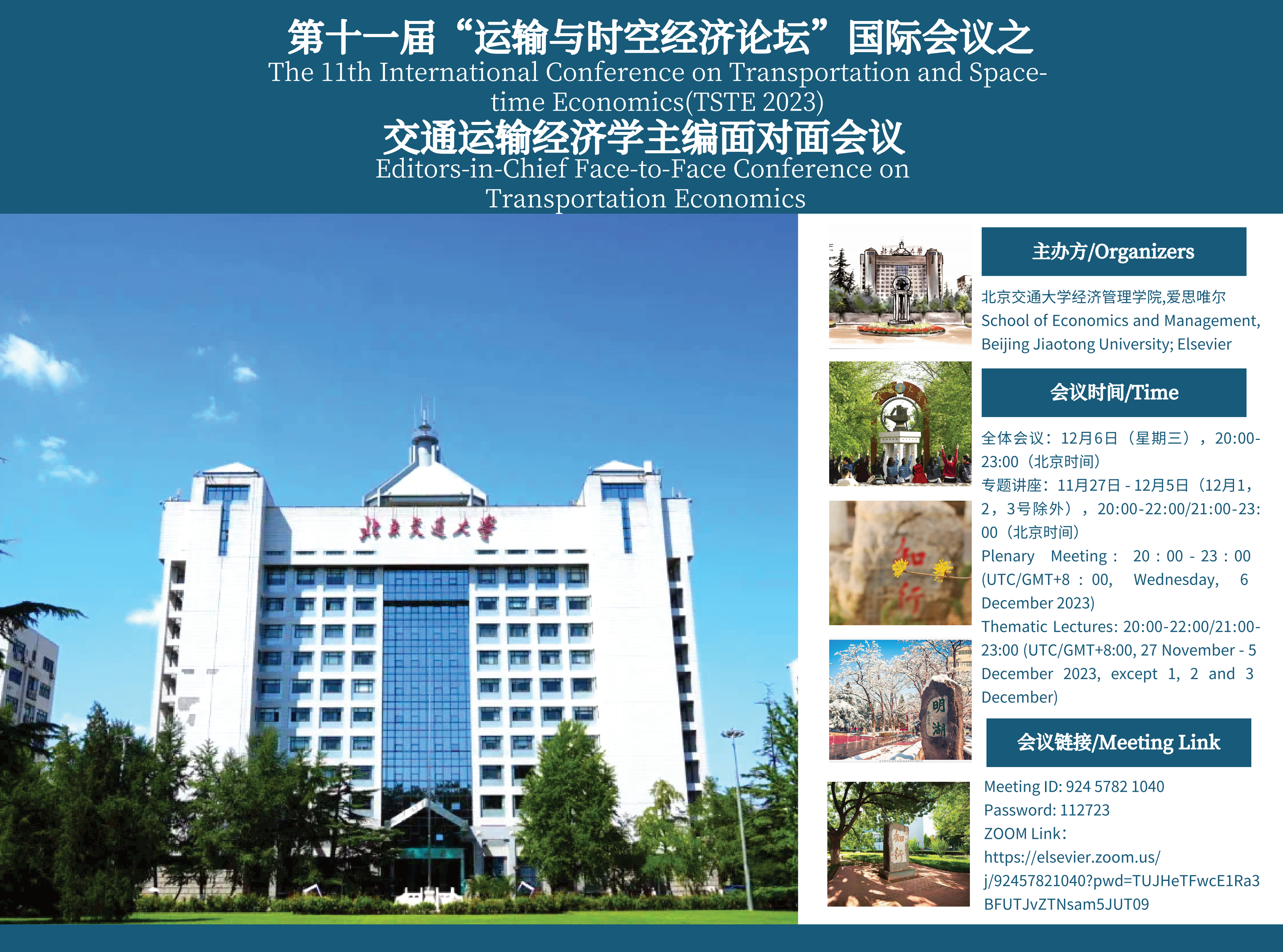
TSTE 2023 Editors-in-Chief Face-to-Face Conference on Transportation Economics Successfully Held at Beijing Jiaotong University

The Editors-in-Chief Face-to-Face Conference on Transportation Economics of the 11th International Conference on Transportation and Space-time Economics (TSTE 2023) was successfully held at Beijing Jiaotong University from November 27 to December 6, 2023. The conference was organized by School of Economics and Management of Beijing Jiaotong University, and co-organized by Elsevier Group. The editors of seven top journals in the field of transportation economics were present online at the conference to discuss journal publication issues and share their latest research on the theme of “High-quality Development of Transportation”. The conference was held in the form of a ZOOM online conference and simultaneously live-streamed worldwide by Elsevier. With its high-level positioning, cutting-edge themes, rich contents, multi-dimensional interactions and innovative forms of activities, the conference attracted nearly 50,000 participants. Registered scholars, teachers and students came from 413 universities and research institutions at home and abroad including University of Cambridge, Stanford University, National University of Singapore, University of Michigan, Northeastern University, University of Leeds, Ghent University, Peking University, Tsinghua University, Renmin University of China, Fudan University, Shanghai Jiao Tong University, The University of Hong Kong, The Hong Kong Polytechnic University, TongJi University, Zhejiang University, Sun Yat-sen University, and so forth.

The seven invited editors of the top transportation economics journals were: Karen Smilowitz, editor-in-chief of Transportation Science, professor at Northwestern University; Chandra Bhat, editor-in-chief of Transportation Research Part B: Methodological, Professor at the University of Texas at Austin; Nikolas Geroliminis, editor-in-chief of Transportation Research Part C: Emerging Technologies, Professor at École Polytechnique Fédérale de Lausanne; Shuaian Wang, co-editor-in-chief of Transportation Research Part E: Logistics and Transportation Review, Professor at Hong Kong Polytechnic University; Jonas De Vos, co-editor-in-chief of Transport Reviews, Associate Professor at University College London; Frank Witlox, editor-in-chief of Journal of Transport Geography, Professor at Ghent University; Xiaowen Fu, editor-in-chief of Case Studies on Transport Policy, Professor at Hong Kong Polytechnic University.

The conference kicked off with the first module of the thematic lecture series from November 27 to December 5, 2023. Six editors gave lectures on “On a causal analysis of factors affecting housing choices”, “On the (in)efficiency of ride-sourcing services towards urban congestion and multimodal mobility”, “Air travel choice, online meeting and passenger heterogeneity – What shall be done for the aviation industry?”, “Prescriptive analytics for logistics and transport system management: state-of-the-art development”, “The perception of travel: from travel satisfaction to perceived accessibility”, and “On the future of urban mobility… Shedding light on cycling in the dark”. For each lecture, two peer discussants were invited to share their comments and reflections after the editor’s presentation. Then, participants were involved in discussing and interaction in the Q&A session. Exciting new thoughts, ideas and insights were generated one after another during the talks and interactions.

On December 6, 2023, the second module of the plenary meeting was held, inviting the seven editors to present their journals and offer suggestions on manuscript submission and publication. The positioning, characteristics, research themes, submission and acceptance status of the seven top journals were clearly illustrated, which helped participants tremendously in selecting relevant journals for submission. The editors gave a number of specific precautions to help participants avoid usual mistakes during the process of submission and revision of the returned manuscripts. All participants, especially young scholars, benefited a lot from the speeches and talks.

The conference was highly praised and appreciated by the editors, peer discussants, and participants. The editors were impressed by the excellent quality and efficiency of the conference organization. The discussants and participants learned well from both the cutting-edge lectures and the speeches on publication issues. Many participants rejoicingly said that they became more confident and better able to submit manuscripts to top journals.

This conference stands out for three more reasons, in addition to being fully accepted by invited guests and participants. First, it can be traced back to a 6-year history of establishing an open, flexible, sustainable, and efficient academic platform for researchers and scholars, with TSTE 2018 starting with the launch of the international conference in its first attempt to establish such a platform. Together with successful experiences and influences of previous conferences, especially the Editors-in-Chief Face-to-Face Conference held from 2021 to 2023, the conference this year has made continuous efforts in consolidating and developing the academic platform by inviting more top journals to join the “the Editors-in-Chief Face-to-Face” event.

Second, Elsevier was invited to co-organize the conference, greatly increasing the international influence of the conference and enriching channels of free academic exchange and communication. Elsevier not only provided global live streaming, but also carried out great promotion supports for this event including social media subscriptions, the conference poster on all Elsevier transportation journal webpages, and emails from Elsevier introducing the conference.

Third, the conference was also an important initiative of School of Economics and Management of Beijing Jiaotong University in its continuous exploration and innovation of transnational, cross-border, and cross-discipline transportation research and teaching. On one hand, it provided the channels and opportunities for the faculty members to establish academic cooperation with senior researchers both from China and abroad. On the other hand, it provided a new attempt for the cultivation of international talents at Beijing Jiaotong University and contributed to the construction of “New-typed Talents” cultivation pattern (i.e., Integration of Undergraduate and Graduate Studies, Integration of Disciplines, Integration of Industry and Academia, and International Connectivity).

The “Editors-in-Chief Face-to-Face” series will keep on going in the future. More efforts will be made to continuously elaborate international academic communication and cooperation platforms, to tentatively establish channels for cultivating young scholars, and to efficiently promote the construction of high-quality transportation systems worldwide.

Beijing Jiaotong University holds Editors-in-Chief face-to-face conference on Economics

The 2023 Editors-in-Chief Face-to-Face Conference on Economics was successfully held at Beijing Jiaotong University from June 20 to 28, 2023. The conference was organized by the School of Economics and Management of Beijing Jiaotong University, and co-organized by Elsevier Group and Economics and Management Community. The conference invited the editors of the seven top journals in the field of economics and academics and scholars in China to gather online to discuss journal publication issues and the latest research in various sub-fields of economics.

It was divided into two modules, the plenary meeting and the thematic lecture series;and it was conducted via ZOOM, simultaneously livestreamed by two platforms, Elsevier Live, and Economics and Management Community Live. With its high-level positioning, cutting-edge themes, rich content, multi-dimensional interactions, the conference attracted more than 80,000 participants and received widespread attention and follow-up from many academic groups and media. Registered scholars came from 545 universities and research institutions such as University of California, Berkeley, University of Chicago, Peking University and Tsinghua University, etc.

The Plenary Meeting Gathering of the Editors of Seven Top Economics Journals
The conference kicked off with the first module of the plenary meeting held on June 20, 2023. It was moderated by Professor Yacan Wang from Beijing Jiaotong University, the opening speech by Associate Professor Xiaopu Shang, Vice Dean of School of Economics and Management, Beijing Jiaotong University and the opening address by Ms. Bethan Keall, Publishing Director of Elsevier Journal of Economics and Marketing.

The seven invited editors were: Erzo F.P. Luttmer, editor of the American Economic Review, one of the “Top Five” journals in economics; John List, editor of the Journal of Political Economy, one of the “Top Five” journals in economics, editor-in-chief of the Journal of Political Economy Microeconomics; Faruk Gul, lead editor of the Journal of Economic Theory, the top journal in economic theory; Toni Whited, editor-in-chief of the Journal of Financial Economics, one of the top three journals in finance; Gilles Duranton, co-editor of the Journal of Urban Economics, the top journal in urban economics; Shing-Yi Wang, co-editor of the Journal of Development Economics, the top journal in development economics; Ginger Jin, managing editor of the International Journal of Industrial Organization, a top journal in industrial organization studies. The seven editors introduced the positioning, characteristics, and reviewing process of their respective journals, and talked about the considerations for submitting manuscripts. The meeting provided precise help for the audience to grasp the research orientation of top economics journals, the latest topics of interest, the submission and review process, and the considerations for research and writing.

Editors Share Experience and the Latest Research in the Thematic Lecture
The second module of the thematic lecture series was held from June 21 to 28, 2023, in each of which one editor was invited to deliver a speech, followed by the comments given by two invited renowned scholars in the same field. The 7 thematic lectures were moderated by Professor Hongchang Li, Associate Professor Di Xiao, Professor Yacan Wang, Associate Professor Huiyu Zhou, Professor Daisheng Tang, Assistant Professor Tingting Fu and Assistant Professor Kunbo Shi at the School of Economics and Management, Beijing Jiaotong University in turn. Seven editors of top economics journals gave lectures on “How to Successfully Navigate the Peer Review Process”, “Will Central Bank Digital Currency Disintermediate Banks”, “Field Experiments in Firms”, “Lorenz Expected Utility Theory”, “The Benefits and Costs of Guest Worker Programs: Experimental Evidence from the India-UAE Migration Corridor”, “Safety Review on Airbnb: An Information Tale”, and “The Fast, the Slow, and the Congested: Urban Transportation in Rich and Poor Countries”.

The invited discussants were: Jiaqi Li, Senior Economist, Bank of Canada; Chao Zi, Assistant Professor, Shanghai Jiaotong University; Junjian Yi, Professor, Peking University; Juanjuan Meng, Professor, Peking University; Rui Tang, Assistant Professor, The Hong Kong University of Science and Technology; Chen Zhao, Assistant Professor, the University of Hong Kong; Yaohui Zhao, Professor, Peking University; Fangwen Lu, Professor, Peking University; Zhe Yuan, Assistant Professor, Zhejiang University; Jisu Cao, Assistant Professor, University of Connecticut; Yizhen Gu, Associate Professor, Peking University; Ben Zou, Assistant Professor, Purdue University. The presentations and view exchanges on experiences and advice of peer reviewing, and on the latest theoretical and empirical research in financial economics, behavioral economics, theoretical economics, development economics, industrial economics and urban economics, have brought profound economic insights to the participants.

The conference was highly praised and affirmed by the special guests and attendees. The editors praised the meticulous and efficient organization of the conference, and appreciated the in-depth comments of the discussants and the interactive communication of the participants. The discussants agreed with the cutting-edge research of the lectures and said that it was not only an academic feast, but also a high ground for the exchange of ideas and new sparks. The participants, economics researchers, teachers and students from domestic and foreign universities, gave feedback that they not only benefited a lot from how to successfully write and submit manuscripts, but also learned and experienced cutting-edge theoretical models and research methods. In addition, participants highly appreciated the cutting-edge, rich and inspiring nature of the conference, and expressed a deeper understanding of the active use of Chinese data to verify frontier theories and the dialectical application of frontier theories to study Chinese problems.

This year’s Editors-in-Chief Face-to-Face Conference on Economics builds on the successful experience of the previous two conferences to take a new step forward by further expanding the lineup of invited editors of top economics journals. The conference is more open, flexible and effective in promoting the construction of an international exchange mechanism for high-level academic research, communication and publication. In the future, we will continue make due efforts to promote the localization of academic research, diversification of communication channels, broadening of communication space, and internationalization of academic influence of disciplines.

UiTM dentistry undergraduates head to Xi’an for summer camp

UiTM aims to have an international reputation as a top institution by 2025. The anchors of this approach are the Three (3) Strategic Thrusts of Quality Education, Global Excellence, and Value-Driven Performance. Each strategy thrust is connected to acknowledged Strategic Themes to ensure the intended goal is accomplished.

The Faculty of Dentistry has established relationships with higher institutional partners to broaden student knowledge and provide them with the leading-edge technical tools for employability, keeping with UiTM’s objective to educate professionals of the highest calibre.

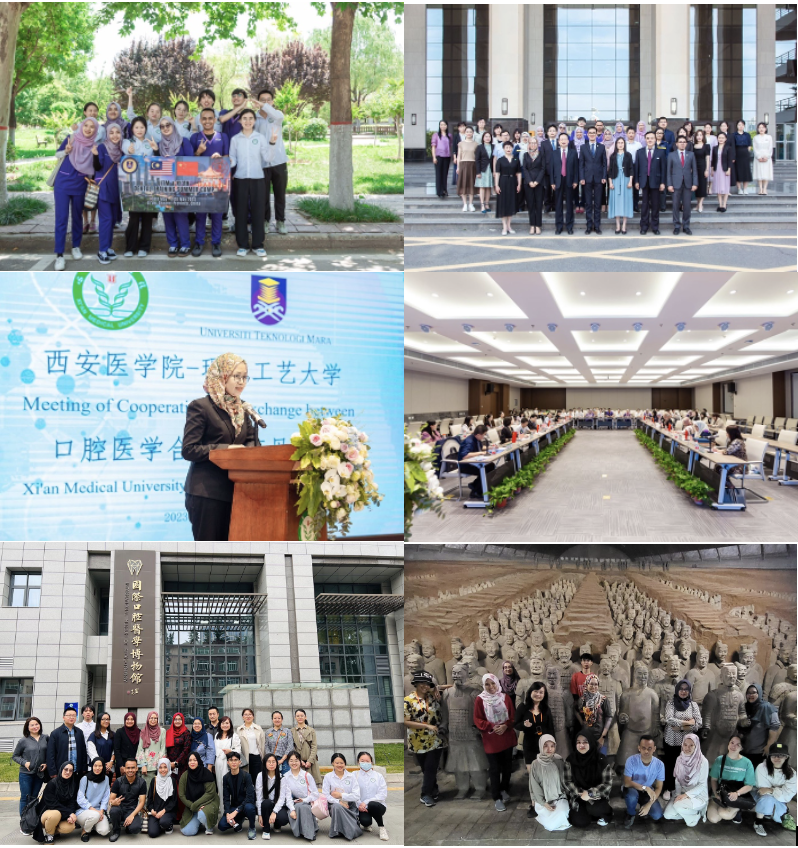
Institutional exchanges between faculty and staff from each partner institution; acceptance of undergraduate and graduate students from each partner institution for periods of study and research; organisation of scientific meetings, conferences, short courses, and meetings on research issues; exchange of information regarding developments in teaching, student development, and research institutions; visiting academician project to teach. To date, a “Summer Programme” run throughout the semester has served as the means of putting the prior efforts into practice. Amidst the pandemic, the MOU signing was held virtually in May 2022, with MyEdu Sdn. Bhd. as witness and consultancy agency. As part of the collaborative effort, delegates from the Faculty of Dentistry UiTM have participated in a Dental Summer Training Summer Camp, which Xi’an Medical University (XMU) organised. This Summer program was held on the 18-24th May, 2023, at Weiyang Campus in Xi’an, China. A total number of 6 dental students who have performed well both in academic and clinical training, accompanied by the Dean, Associate Professor Dr Aida Nur Ashikin Abd Rahman, Deputy Dean of Academic and International Affairs, Associate Professor Dr Siti Mariam Abd Ghani, Deputy Dean of Clinical, Dr Aimeeza Rajali, Liaison of International Affairs, Dr Fara Azwin Adam and Deputy Registrar, Martina Abdul Jalil.

UiTM delegates were given the tremendous opportunity to participate not only in academic activities at the dental clinics but also to be able to participate in the academic discussion and collaboration between UITM dentistry and XMU. The Counsellor General of Malaysia in Xi’an witnessed the discussion. On top of that, delegates were brought for a day tour of a historical place known as the 8th Wonder of the World, the Terracotta Warriors, Emperor Qinshihuang’s Mausoleum, and the Giant Wild Goose Pagoda. They were able to adventure new places, showcasing historical architecture. The delegates were also given the golden opportunity to visit the Dental Museum at the Air Force Medical University. There, representatives were in awe, witnessing and admiring the detailed records of dental history with the evidence available from inception to the current day on the evolution of dentistry worldwide. Besides that, the delegates were also brought to local eateries in the heart of Xi’an to experience the unique culinary experiences of local foods that are available to portray the unique delicacies of Xi’an, China. The delegates shared much excitement throughout the program.

The greatest hope is that the Summer Program will strengthen the newly crafted relationship between XMU and UiTM and potentiate research collaborations, culture exchange, knowledge, and ideas between the participants. This program will also act as a platform to bring students from different nations globally and path a way for UiTM students to reciprocate the exchange programme to see other countries, as it gives them a chance to interact directly with other cultures while showcasing UiTM and Malaysia to their counterparts.

Macao Science 1 successfully launched

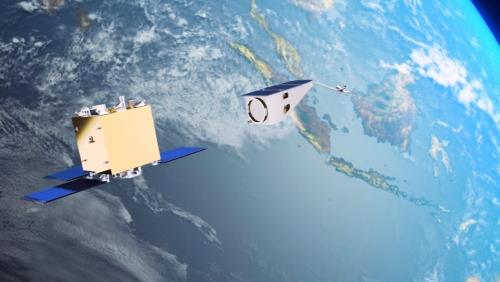
The China National Space Administration (CNSA) announced that Macao Science 1, the first space science satellite jointly developed by the Mainland and Macao, was launched with a Long March-2C carrier rocket at 16:00, 21st May, from the Jiuquan Satellite Launch Centre.

Macao Science 1 features A+B joint observation, in which Satellite A carries payloads like high-precision vector magnetometers and standard-scale magnetometers to detect Earth’s magnetic field. In contrast, Satellite B includes high-energy particle detectors and solar X-ray instruments to obtain data on the space environment such as solar radiation and high-energy particles that serve the ends of geomagnetic field detection. It will provide valuable data for long-term studies of the geomagnetic field, advancing China’s various fields of study such as lithospheric magnetic field, origins of the geomagnetic field, forecast on space weather, geomagnetic navigation, spacecraft operation safety, and boost technology development in high-precision field explorations by satellite and multiparametric joint observation.

After the successful launching of Macao Science 1, the next major phase of the project is in-orbit tests on all the scientific payloads on the satellite. Starting in late May, the team of scientists at Macao University of Science and Technology (M.U.S.T.) will commence in-orbit tests in Xi’an for 6 to 12 months. After they are completed, Macao Science 1 will be handed over to the team of Macao Science 1 scientists at M.U.S.T. for at least 5 years, and this team will undertake comprehensive scientific research with the data obtained from the satellites.

The Project “Macao Science 1” encourages open sharing and application of scientific data. Under relevant data policies, it will promote extensive cooperation with domestic and foreign research institutions for increased output in scientific research and promote joint cultivation and exchange of talents. It is expected that the project will drive aerospace research and Macao’s youth space science education.

TAU appointed as council member to China-ASEAN research consortium

Expected to participate in the digital economy integration of countries in the new Western Land-Sea Corridor (WLSC), the China-ASEAN (Association of SouthEast Asian Nations) Big Data Industry-University-Research Alliance designated Tarlac Agricultural University (TAU) as the only council member from the Philippines.

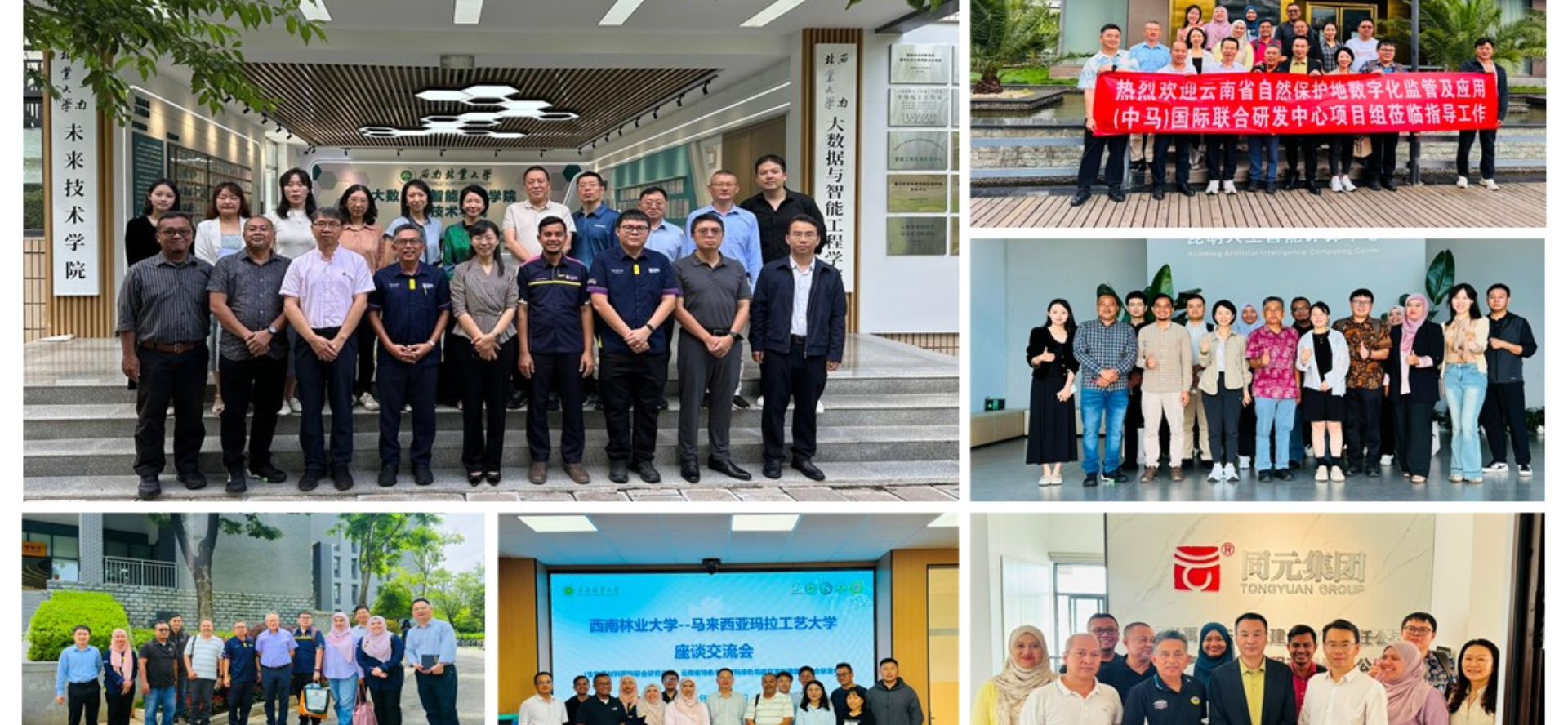
Representing TAU is Dr. Christine N. Ferrer, Director of the Office of the External Linkages and International Affairs (ELIA), who attended the Think Tank Network Council Meeting and launching ceremony of the said research alliance on 16-18 November 2021 and was assigned as the Vice Chairman of the council.

Dr. Ferrer shared that TAU’s involvement will benefit its Information Technology (IT)-infrastructure as experts from prominent Chinese companies such as Huawei and China Mobile and the world leader in research, Chinese Academy of Sciences, pledged to extend technical assistance to member institutions. “We will also explore possible linkages for faculty and student mobility and research collaboration,” she confirmed.

Established by Guangxi University and China-ASEAN Information Harbor Institute of Big Data Research in Beijing and Nanning, the coalition aims to set up an institution solely devoted to advance Industry 4.0 data analytics and contribute to the construction of China-ASEAN Digital Silk Road.

TAU, IT-related enterprises, and Higher Education Institutions from China and the ASEAN are encouraged to team up in a number of projects consisting primarily of big data development, joint research, and knowledge-sharing.

Chinese Culture University Promotes Sustainable Development of the National Park

Situated in the Gateway community of Yangmingshan National Park, Chinese Culture University enjoys the beauty of the mountain and is glad to promote the sustainable development of the national park. To integrate the university’s social responsibility into practical approaches, the Department of Tourism Management works closely with Yangmingshan National Park in a range of projects led by Professor Jane-Fuh Lu. These projects, which engage with tourism management and environment protection, involve calculating the number of tourists in the park, setting infrared sensors to monitor trial traffic, and evaluating the environmental impact of the restrooms on the habitat of the amphibians in the park. In addition, the university works in collaboration with Kinmen National Park to evaluate the land use of the Lake Cih area. The professors and students of the university visited the wildlife habitats and investigated the wildlife resources. The results will be adopted for land use planning. Moreover, the department has worked with Taroko National Park to resolve the conflicts between tourists and Taiwanese macaque with workable measures that can reconcile human activities and animal needs.