In Lyon, KPI delegation tours think tanks

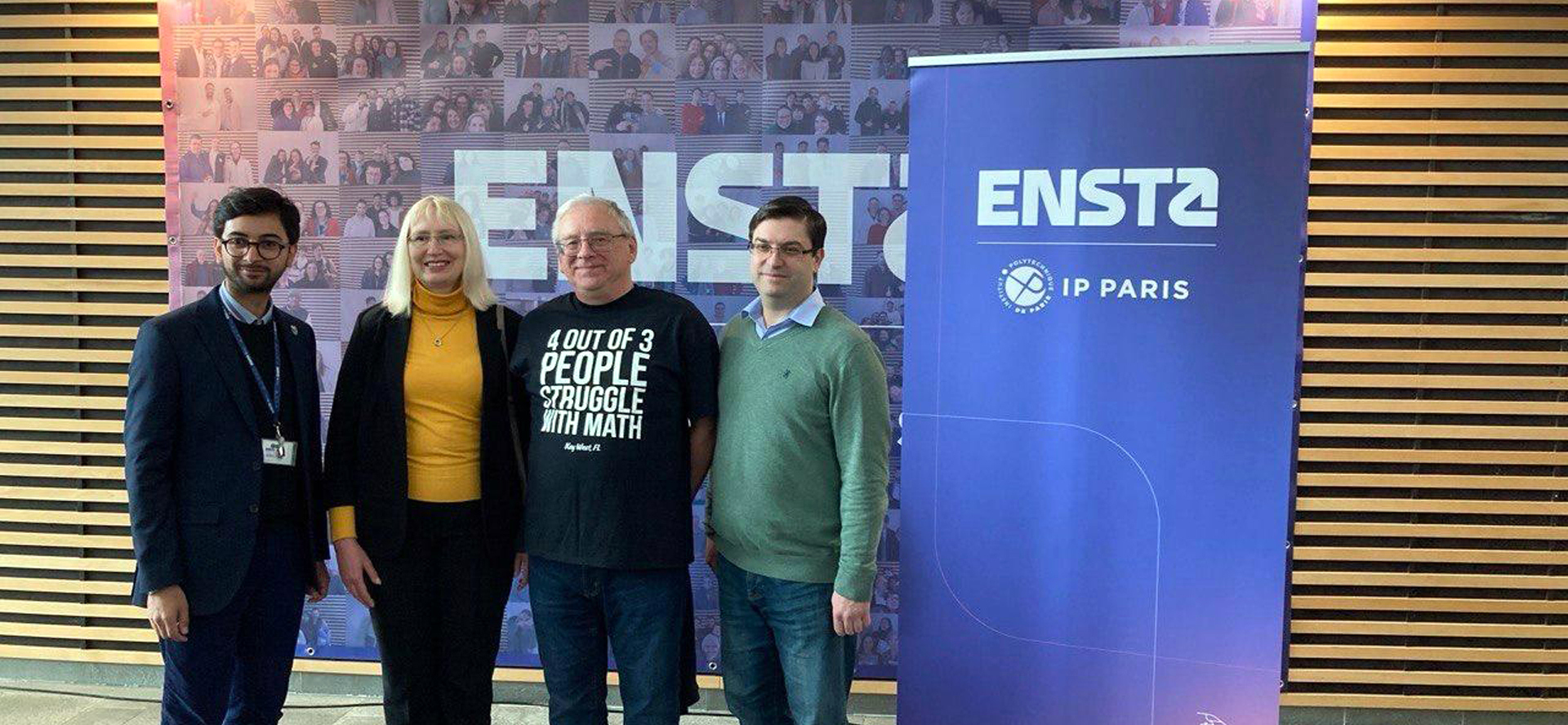
In March 2026, Yurii Yavorsky (pictured right), Associate Professor at the Department of Physical Materials Science and Heat Treatment, visited the French city of Lyon as a member of a delegation from the Igor Sikorsky Kyiv Polytechnic Institute (KPI), within the framework of the Erasmus+ project “Exploring Innovation Ecosystems: Technology Transfer and Deeptech Entrepreneurship in Lyon”.


During the visit, the delegation made a tour of Lyon-based leading research institutions, modern laboratories, newly established companies, and breakthrough start-ups, including the Institut Lumière Matière, NanoH company, Laboratory Ingénierie des Matériaux Polymères, Lyon Engineering Projects, Nanotechnology Institute of Lyon, and M&Wine start-up, among others.


The purpose of the visit was to gain insight into Lyon’s innovation ecosystem and best practices in technology transfer. As a result, professional contacts were established with representatives of Lyon’s academic and innovation communities, and certain agreements reached in terms of further cooperation, particularly the implementation of joint research and innovation projects, as well as the international mobility of students and postgraduates.


Henceforth, the students of Igor Sikorsky Kyiv Polytechnic Institute who specialise in software engineering and computer simulation in materials science have more destinations for academic mobility in Lyon.

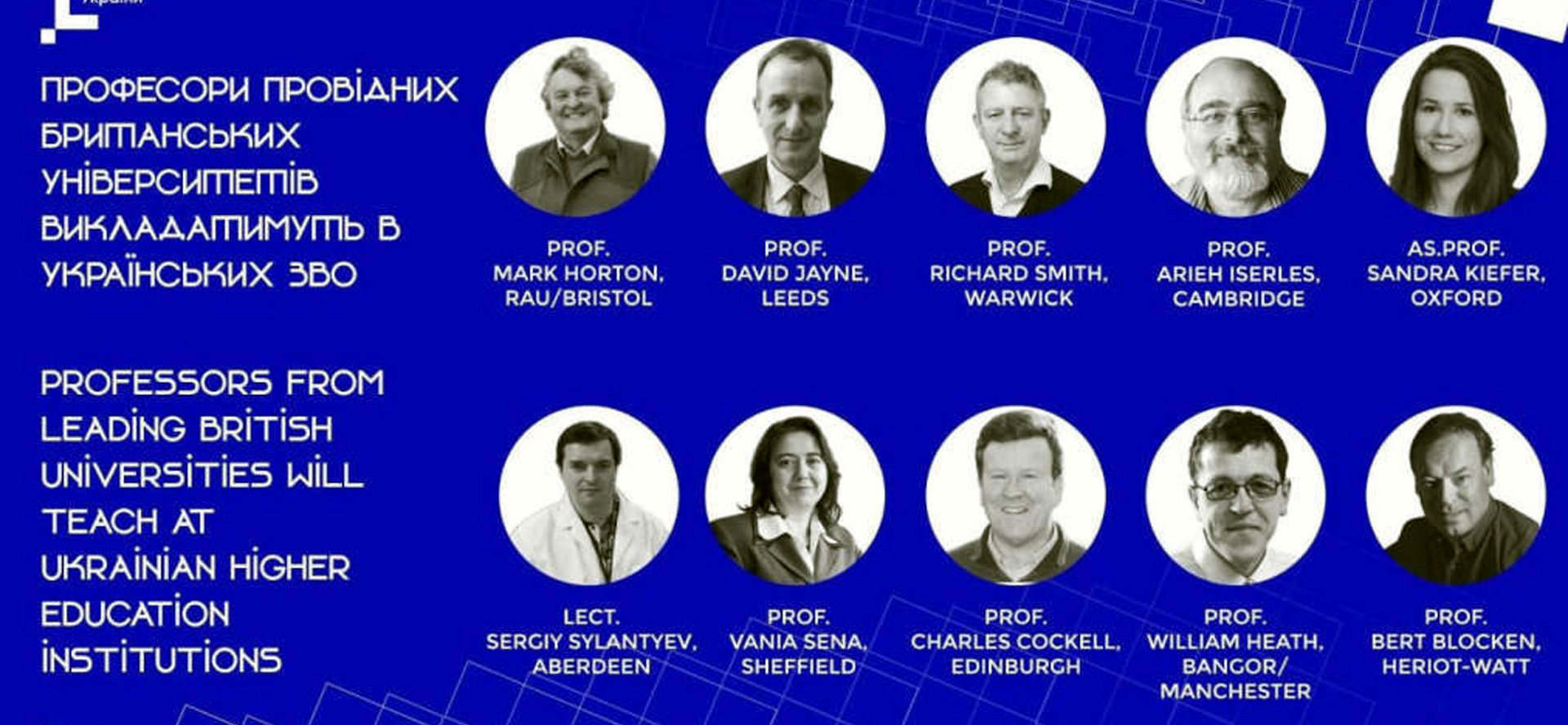
KPI among winners of UK–UA Programme

The Igor Sikorsky Kyiv Polytechnic Institute (KPI) is among the 10 winning universities of the prestigious UK–UA Visiting Professors Programme, as determined by the Fund of the President of Ukraine for Education, Science, and Sports.


Under this programme, Kyiv Polytechnic has invited Professor Vania Sena, the Chair of Enterprise and Entrepreneurship and Director of the Centre for Regional Economic and Enterprise Development at the University of Sheffield. Her research focuses mainly on the econometric analysis of the determinants of productivity growth, both at the micro and macro level with an emphasis on new technologies, human capital and intellectual property. Professor Sena’s most recent research looks at the relationship among innovation activities, trade secrets and total factor productivity.


For Kyiv Polytechnic, this marks an important step forward in deepening direct academic cooperation with the British university sector. The programme offers new opportunities for lectures, workshops, seminars, joint projects and research during in-person visits. Such interaction increases visibility for the university world-wide, broadens and enriches the scope of knowledge exchange activities, builds up research and educational potential, as well as facilitates the application of modern methods both in teaching and in research projects.


The programme is implemented by the Fund of the President of Ukraine in partnership with the UK-UA Academic Diaspora Network, Ukrgazbank, and the MHP-Community Charitable Foundation. Special thanks are due to the Fund of the President of Ukraine for its trust and for selecting Igor Sikorsky Kyiv Polytechnic Institute as one of the leading universities shaping the future of Ukrainian education, research, and innovation.


https://presidentfund.gov.ua/en/programs/brytanski-profesory-v-ukrayinskyh-universytetah-uk-ua-visiting-professors-programme/

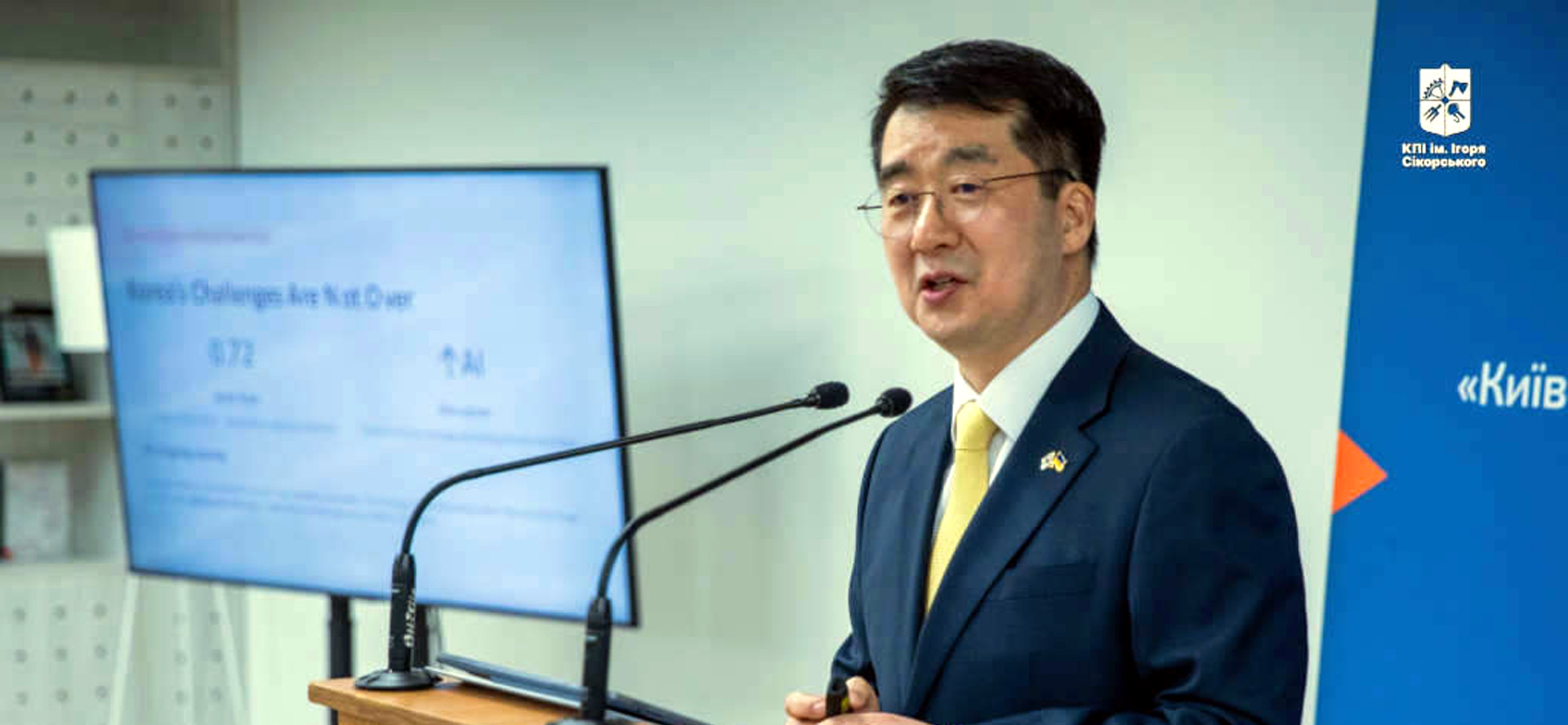
South Korea’s Ambassador delivers lecture

Recently, Park Kichang, Ambassador Extraordinary and Plenipotentiary of the Republic of Korea to Ukraine, delivered the lecture at Igor Sikorsky Kyiv Polytechnic Institute, which was entitled “Korea–Ukraine Partnership: Technology, Innovation, and a Future We Build Together.” In his address, he highlighted South Korea’s experience as one of the world’s most technologically advanced nations and outlined the practices that may prove a great boon to Ukraine.


Park Kichang spoke about scientific and technological transformation as the basis for national development; the role of engineers, innovators, technologies, innovations and reforms in postwar reconstruction and during periods of crises; the development of technical and research-intensive universities, along with STEM culture, as the bedrock of a high-tech country; the advancement of industrial technologies and cutting-edge sectors, ranging from memory microchips and artificial intelligence to electric vehicle batteries and biotechnologies.


The lecture was followed by a Q&A session that allowed students, the teaching staff and representatives of the university administration to engage in a spirited dialogue with the South Korea’s Ambassador.


In addition, Park Kichang and Kyiv Polytechnic’s administration held a working meeting to discuss strengthening cooperation with Korean universities and companies in IT, fundamental scientific research, and power engineering – especially in the field of small modular reactors.


Special attention was paid to cultural and institutional initiatives, including the establishment of the Ukrainian-Korean Centre at the Igor Sikorsky Kyiv Polytechnic Institute, which is expected to serve as a platform facilitating academic interaction and cultural exchange between the two countries.

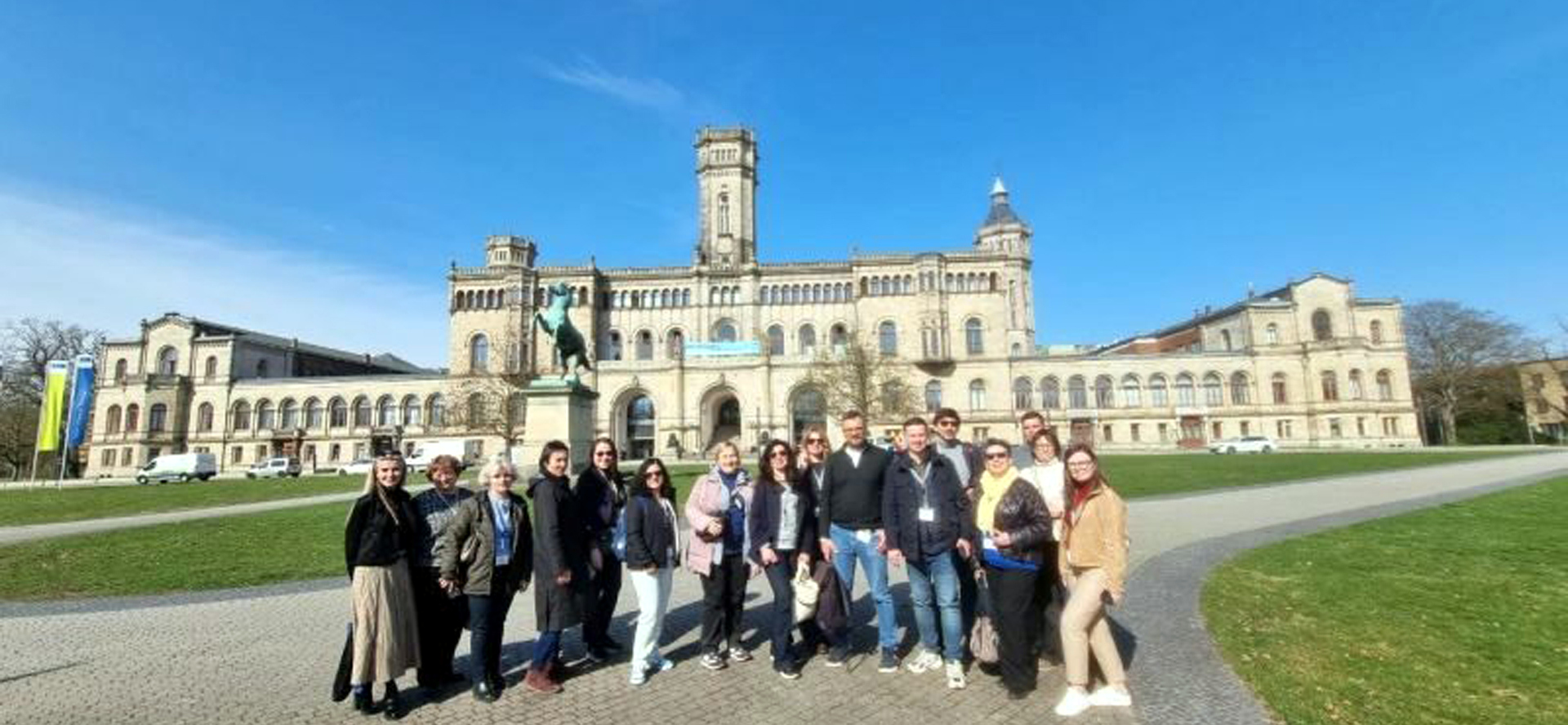
KPI representative attends workshop at LUH

A representative of the Igor Sikorsky Kyiv Polytechnic Institute (KPI) participated in an intensive on-campus workshop hosted by Germany’s Leibniz University Hannover (LUH) from 22 to 28 March 2026 within the framework of the “Micro-Credentials as an Internationalisation Tool for Ukrainian Universities” (MInT-Ukraine) programme.


Iryna Prykhodko, Director of the Centre for International Education, represented Kyiv Polytechnic in the event, which brought together academics from 15 leading Ukrainian universities to jointly work out strategies for closer integration of Ukrainian education into the European Research Area.


The MInT-Ukraine programme focuses on the implementation of micro-credentials — short-term, high-impact modules that empower students and specialists to quickly acquire specific professional skills.


For Kyiv Polytechnic, the integration of micro-credentials is not merely a trend, but a strategic step toward alignment with the European Higher Education Area. Such tools make it possible to offer flexible, European-standard learning formats to both Ukrainian and international students.


The workshop was organised as a comprehensive intensive course covering guidelines for the development of a modern university. Participants began with a detailed examination of internationalisation strategies and services for international students, analysing the structure of the LUH International Office, Welcome Centre’s operations, and tools for digitising mobility through the MoveOn application system.


During the visit, the implementation of micro-credentials garnered special attention. At the Centre for Continuing Education (ZEW), the delegation, under the guidance of Professor Elke Katharina Wittich, learnt about methodology for organising and certifying these innovative micro-credentials, which are intended to become a flexible tool for modernising Ukrainian education. This theoretical basis was put into practice during project work and the Poster Session, where Iryna Prykhodko presented Kyiv Polytechnic’s strategic ideas and received feedback from LUH experts and Ukrainian colleagues on refining the vision for university’s international growth.


The workshop concluded with a session dedicated to grant support and fundraising, including strategies for engagement in the COST (European Cooperation in Science and Technology) networking tool supported by the Horizon Europe flagship research and innovation programme. This approach was elaborated at the EU Liaison Office, enabling the transformation of developed ideas into viable international projects.


In addition to the academic component, the visit included an introduction to the Hannover Science Initiative at the New Town Hall. This initiative demonstrates exemplary cooperation between universities, research centres and the municipal authorities aimed at developing the region as a global innovation hub.


Participation in the MInT-Ukraine project enables Kyiv Polytechnic to build up its institutional capacity. Drawing on the accumulated experience, the university plans to expand the range of English-taught micro-credentials to attract more international students, strengthen its partnership with Leibniz University Hannover within future educational and research projects, and offer the innovative learning formats that meet the dynamic demands of the modern labour market.


Special thanks are due to the project organisers, namely Nataliya Butych, for their high level of professionalism and for creating an environment conducive to effective collaboration.

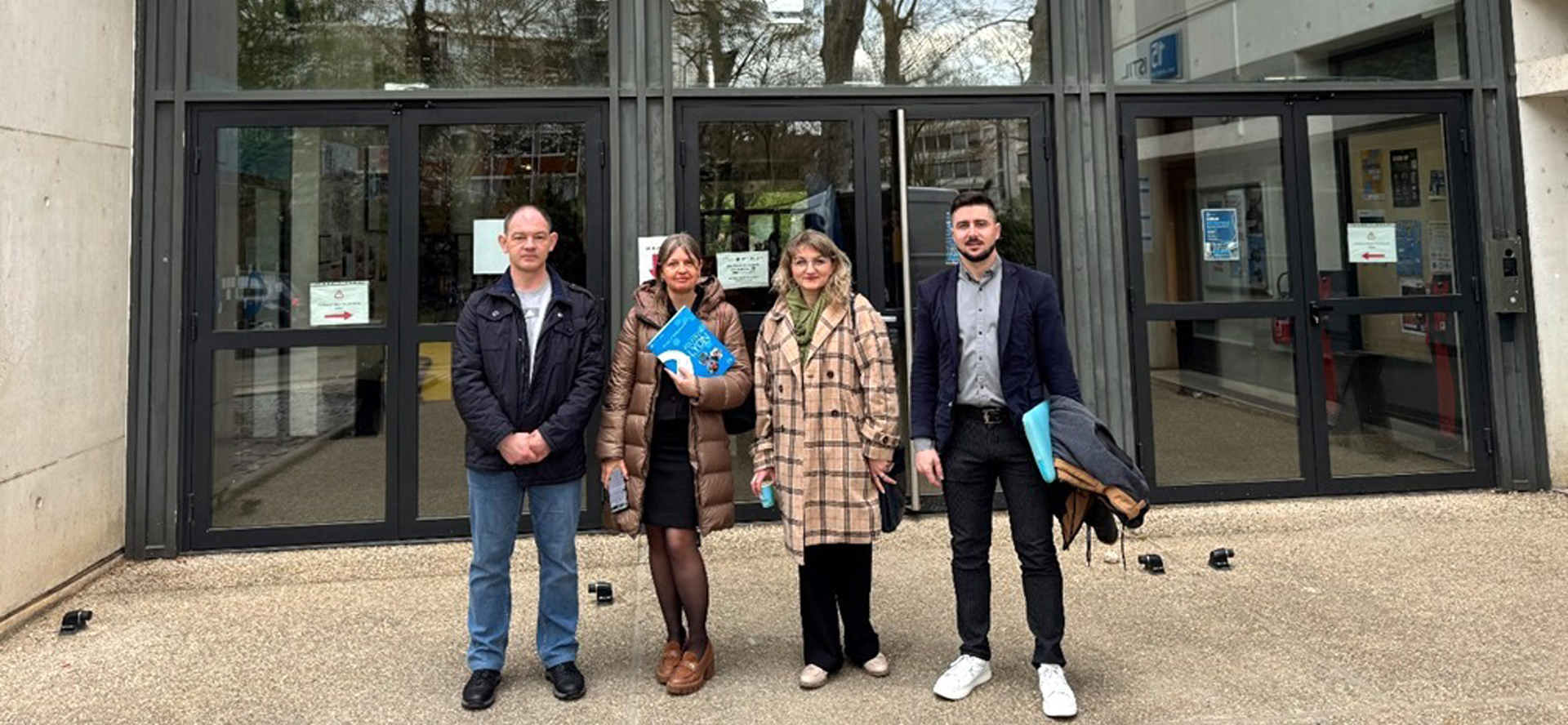
KPI strengthens collaboration with ENSTA

Within the framework of the Erasmus+ KA171 project, three lecturers and four students from the Igor Sikorsky Kyiv Polytechnic Institute (KPI) visited École Nationale Supérieure de Techniques Avancées (ENSTA ParisTech) — a foremost French engineering institution that trains specialists for high-tech sectors ranging from transport and marine engineering to defence, applied mathematics, and computer science.


Their visit pursued a practical purpose: to agree on the next steps in making educational programmes more compatible, to discuss prospects for academic mobility and a further expansion of collaboration at PhD level, and to collate the training of Kyiv Polytechnic students in mathematics with ENSTA’s requirements.


Meetings with French colleagues, as well as with Kyiv Polytechnic students currently studying there, proved that Kyiv Polytechnic’s programmes fill the academic requirements of the partner institution.


Special thanks are due to Agence Erasmus+ France / Éducation Formation, the European Commission, and ENSTA colleagues for their openness, support and professional collaboration.

Bulgarian ex-PM visits Kyiv Polytechnic

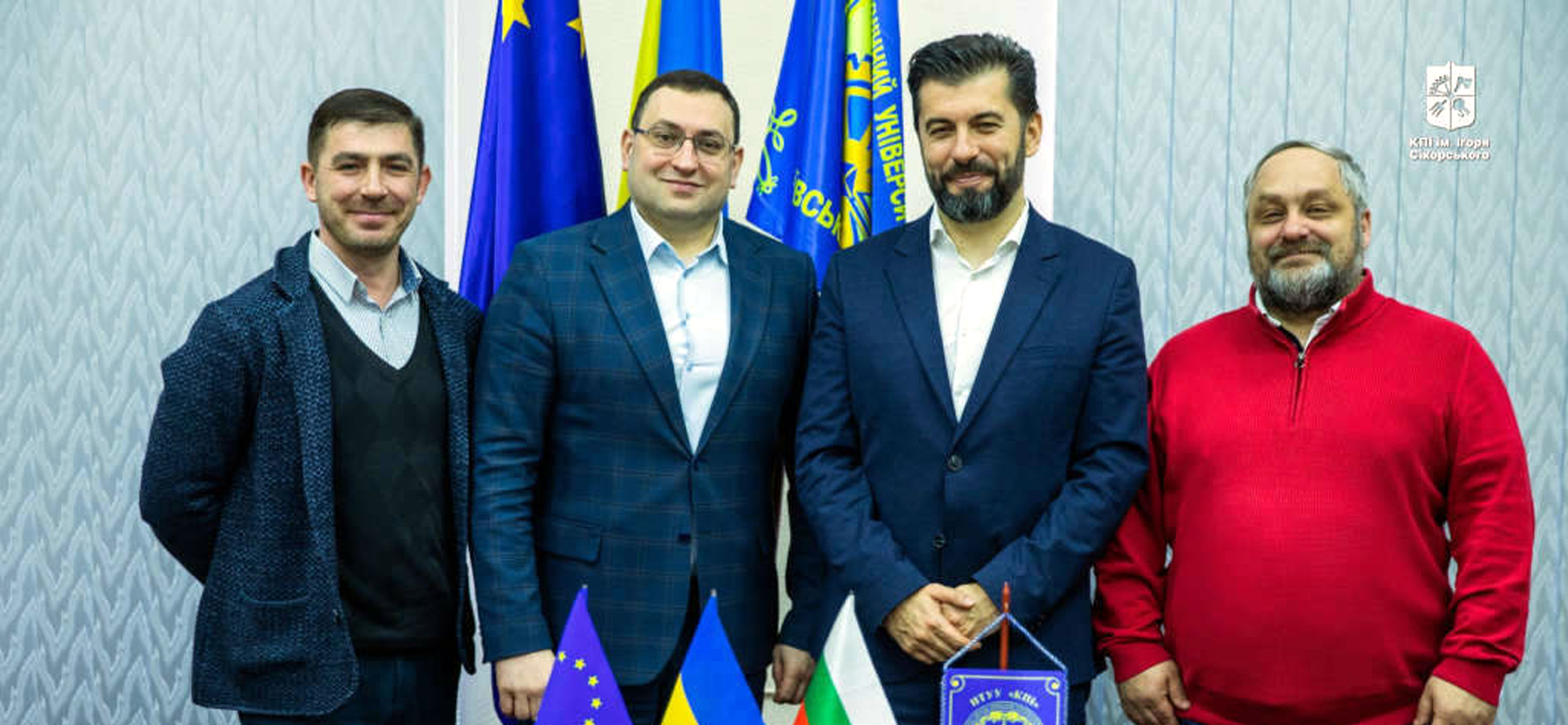
Recently, the Igor Sikorsky Kyiv Polytechnic Institute welcomed a distinguished guest — Kiril Petkov (pictured second right), former Prime Minister of the Republic of Bulgaria, as well as a politician, economist and entrepreneur.


The meeting was devoted to strengthening cooperation between this university and Bulgarian partners in the areas of education, science and industry. After all, universities such as Kyiv Polytechnic shape the engineering elite of tomorrow, become hubs of innovation, and play a key role in the country’s economic recovery.


Among principal areas of cooperation under discussion were the joint organisation of engineering education and research programmes, and enhanced interaction with industry.


Special attention was paid to the concept of developing a cluster, which would bring together Ukrainian universities and international companies. Such initiatives could serve as an efficient mechanism for integrating Ukrainian technological solutions into the European Research Area, while technical universities, particularly Kyiv Polytechnic, may act as the nucleus of such clusters’ development.


The Bulgarian delegation also shared its experience in establishing educational centres and collaborating with world’s leading universities, such as Harvard. This dialogue offers ample opportunities for new partnerships, the advancement of engineering education, and the scaling up of Ukrainian innovations in science and technology on the international level.


Sincere words of gratitude were expressed to the Republic of Bulgaria for its staunch support of Ukraine from the very first days of the full-scale invasion, and for the consistent assistance the country continues to receive today. Such solidarity is of fundamental importance not only for Ukraine, but also for the stability of the entire European region.


In this context, political significance was attached to deepening cooperation in the Black Sea region. Security, technological development, and the resilience of Black Sea infrastructure pose a shared challenge and, at the same time, afford a widely shared opportunity for Ukraine, Bulgaria and their partners across Europe and within NATO.

KPI participates in European Deep Tech Week

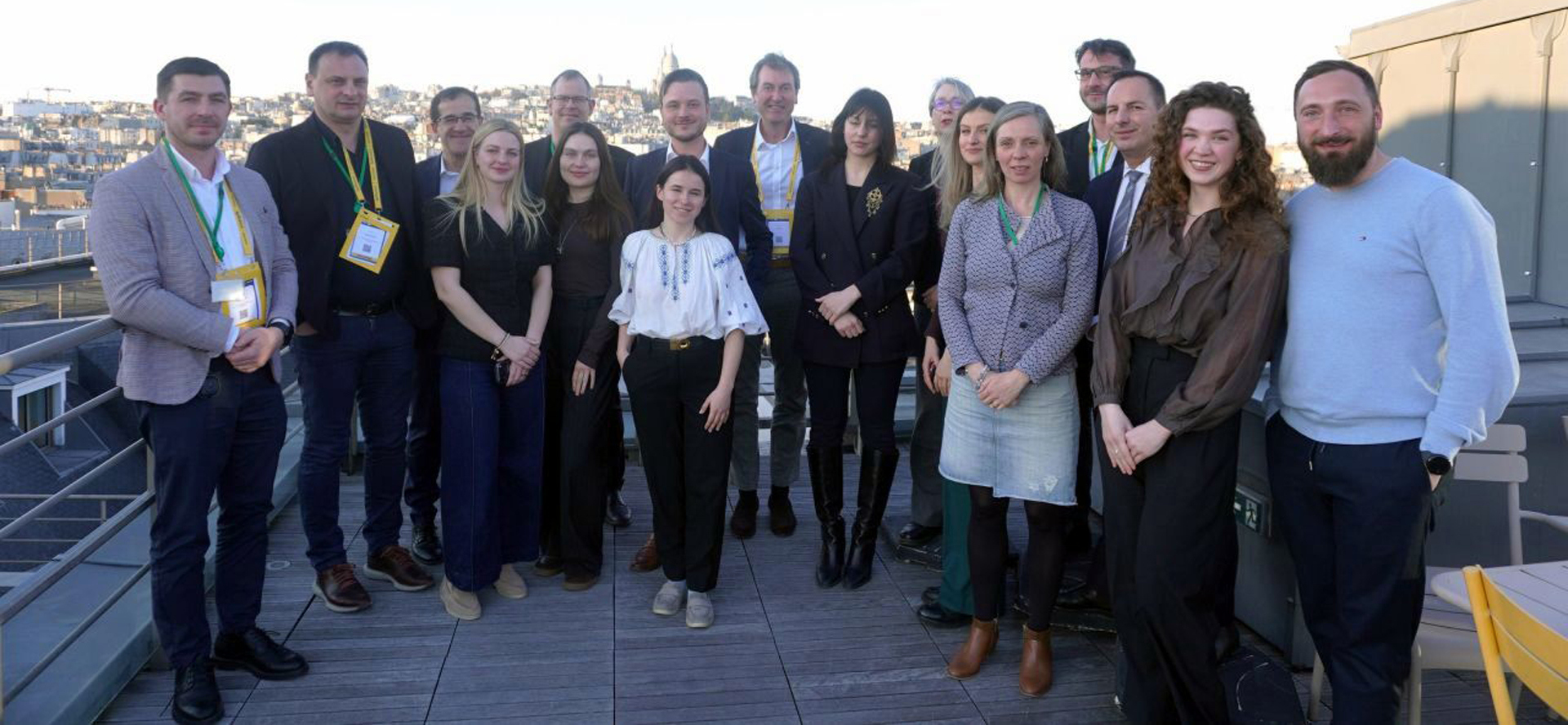
As part of the Bpifrance European Deep Tech Week, a high-level Ukrainian delegation of leading actors from academia, innovation and the startup ecosystem visited Paris, with a clear focus on establishing concrete collaborations with France.


Together with Jana Drzkova from the EuroQuity–Bpifrance matchmaking platform, and supported by Eliza Kurazova of ISKRA – a cross-border execution platform scaling Ukrainian critical technologies across Europe and the United States – the participants in the European Deep Tech Week structured and facilitated a dedicated exchange, bringing together key French institutions in a most unlikely setting on the rooftop of Bpifrance, overlooking Paris.


The Ukrainian participants, including Andrii Shysholin (pictured left), Vice-Rector for International Relations of the Igor Sikorsky Kyiv Polytechnic Institute (KPI), shared insights into fast-growing tech ecosystems driven by universities, scientific parks and the Ukrainian Startup Fund. At the French side, discussions focused on how best to support Ukrainian startups and research teams in accessing the French and European markets through incubation, public funding instruments, and partnerships.


“Strong alignment, high-quality exchanges, and very tangible next steps are now taking shape,” Valentin Jędraszyk, Founder and CEO of ISKRA, wrote on LinkedIn.


https://www.linkedin.com/posts/valentin-jedraszyk_a-strong-momentum-for-us-at-iskra-last-ugcPost-7441777149289709568-egOb/?utm_source=social_share_send&utm_medium=android_app&rcm=ACoAAAT4658Bx0WxESHlPYprckRFB0DFXBXwuxg&utm_campaign=share_via

How four years of war have changed KPI

Reflecting on the fourth anniversary of Russia’s full-scale invasion of Ukraine – the so-called “special military operation” that was supposed to last mere days, Andrii Shysholin, Vice-Rector of the Igor Sikorsky Kyiv Polytechnic Institute (KPI), wrote in LinkedIn post that the war burst into university life all at once. At first, it was a chain of urgent decisions: evacuating international students, nonstop phone calls, and responsibility for the people who could not be neglected even for an hour. Strategy, he recalled, came later. In those days, there was only action.


All university teaching moved online almost immediately — classes from air raid shelters, from temporary housing, and from abroad. Plans became blurred as the words “semester” and “academic year” lost their familiar meaning. Alongside this, dumb despair began to grow: not panic, but a tired uncertainty.


In time, Andrii Shysholin wrote, the war became a fixture of daily life. Enemy drones were flying around the capital city of Kyiv, ballistic missiles left no time to react, and air raid alerts shattered the academic day into fragments. Work and studies continued between air strikes, news updates, and short messages of colleagues asking “are you okay?”


At the same time, the sense of loss was deepening – first, through only individual names, then through students, a teaching staff, and alumni who had recently been part of university life. Andrii Shysholin noted ruefully that a list of the fallen kept growing, and the war did not seem like a vague abstraction.


Against this backdrop, however, support emerged from partners, colleagues abroad, friendly universities: messages of solidarity, shared decisions, and academic solidarity programmes, which were incredibly sustaining. Recovery and adaptation followed: damaged buildings were repaired, shelters built, and new forms of support for students and the teaching staff designed.


About a year later, a cautious return to Ukraine began despite the risks. Some faculty members returned from abroad and Kyiv Polytechnic resumed in-person classes for the first time since the start of Putin’s sinister invasion. Lecture halls filled again, students always pricking up their ears to air-raid sirens. There was a slender hope that the end of the war might be closer.


The pulse of developments shifted again. Andrii Shysholin wrote woefully in his post that partners gradually paid less attention, fatigue with Ukraine deepened noticeably, and political fluctuations revived uncertainty. The end of the war disappeared from the horizon and became an open question once more.


As if to rub salt in the wound, then the hardest winter descended without stable supplies of electricity, water and heating. The university was literally operating in darkness and severe cold, relying on generators, power banks, and flashlights. As the Vice-Rector put it, Kyiv Polytechnic staff taught and laboured whenever possible, pausing only for a brief, much-needed respite.


Today, he wrote, the university harbours no illusions about quick solutions to the current war and guaranteed global attention. In spite of difficulties, Kyiv Polytechnic has not disappeared even in the darkest moments of Putin’s evil, nor has it surrendered its mission under fire, nor has it lost its purpose.


In conclusion Andrii Shysholin expressed his gratitude to the partners and friends who have stood with Igor Sikorsky Kyiv Polytechnic Institute from the first days of the invasion and who continue to stand with it today as the heinous war continues.


https://www.linkedin.com/posts/andrii-shysholin-b730a142_four-years-of-war-the-war-entered-the-activity-7431963580880642048-qdXy/?utm_source=social_share_send&utm_medium=android_app&rcm=ACoAAAT4658Bx0WxESHlPYprckRFB0DFXBXwuxg&utm_campaign=copy_link


KPI Rector speaks at PARTNERS MEETUP 2026

The administration of Igor Sikorsky Kyiv Polytechnic Institute (KPI) participated in PARTNERS MEETUP 2026, organised by the UN Global Compact Network Ukraine in partnership with the UK government within the Ukraine Energy Initiative. The event served as a space for dialogue between business, government and international stakeholders on the recovery and green transformation of Ukraine’s energy sector.


This meetup brought together representatives of business, government, higher education institutions, and international partners to jointly find solutions for transforming the energy sector and strengthening Ukraine’s sustainability and energy security.


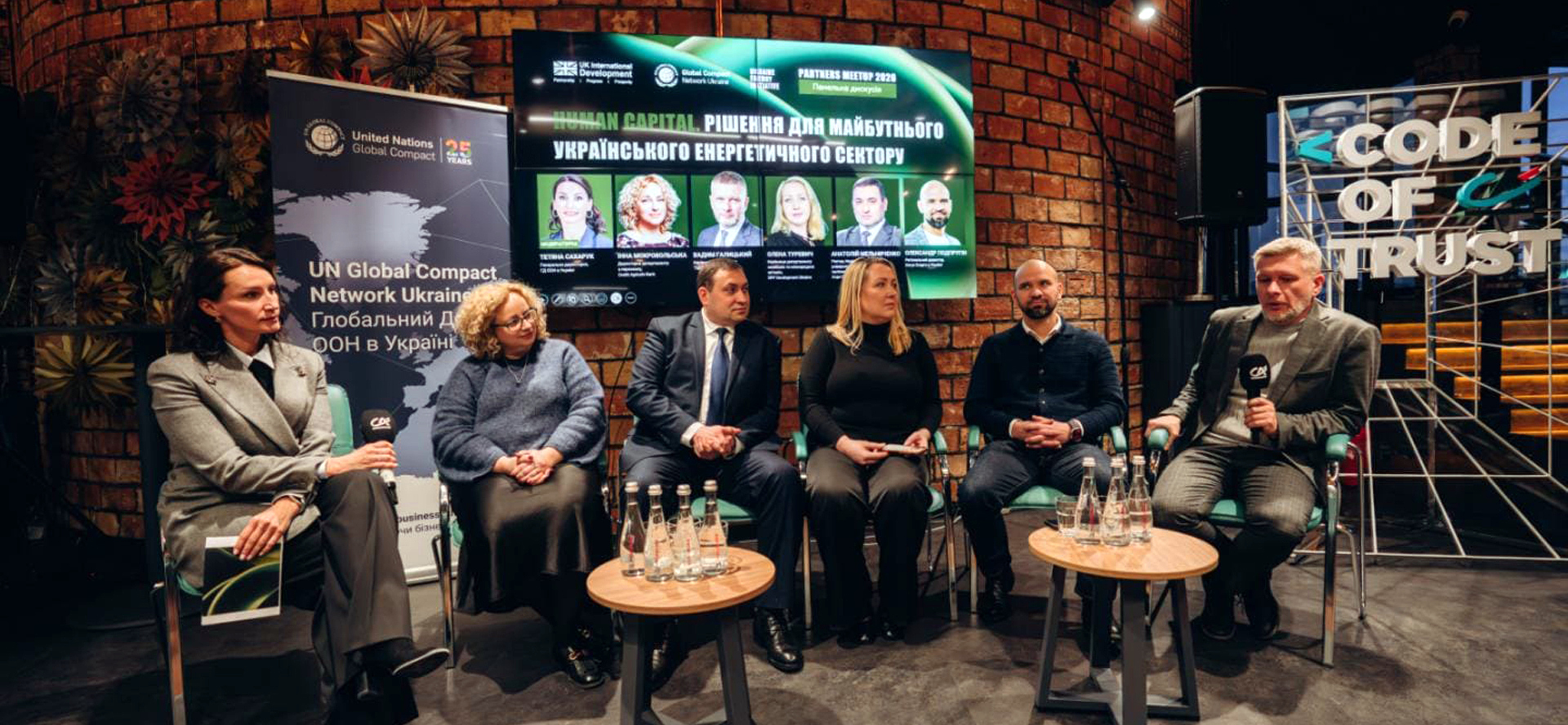
Kyiv Polytechnic Rector Anatolii Melnychenko (pictured third left to right) was a speaker at the panel discussion ‘Human Capital,’ whose participants shared their experience and insights to develop the industry. In particular, the discussion focused on new strategies for attracting talent to the energy sector, developing market-relevant skills, efficient university-business collaboration, and inspiring young people to make careers in energy professions.

On Emperor’s birthday, KPI joins festivities

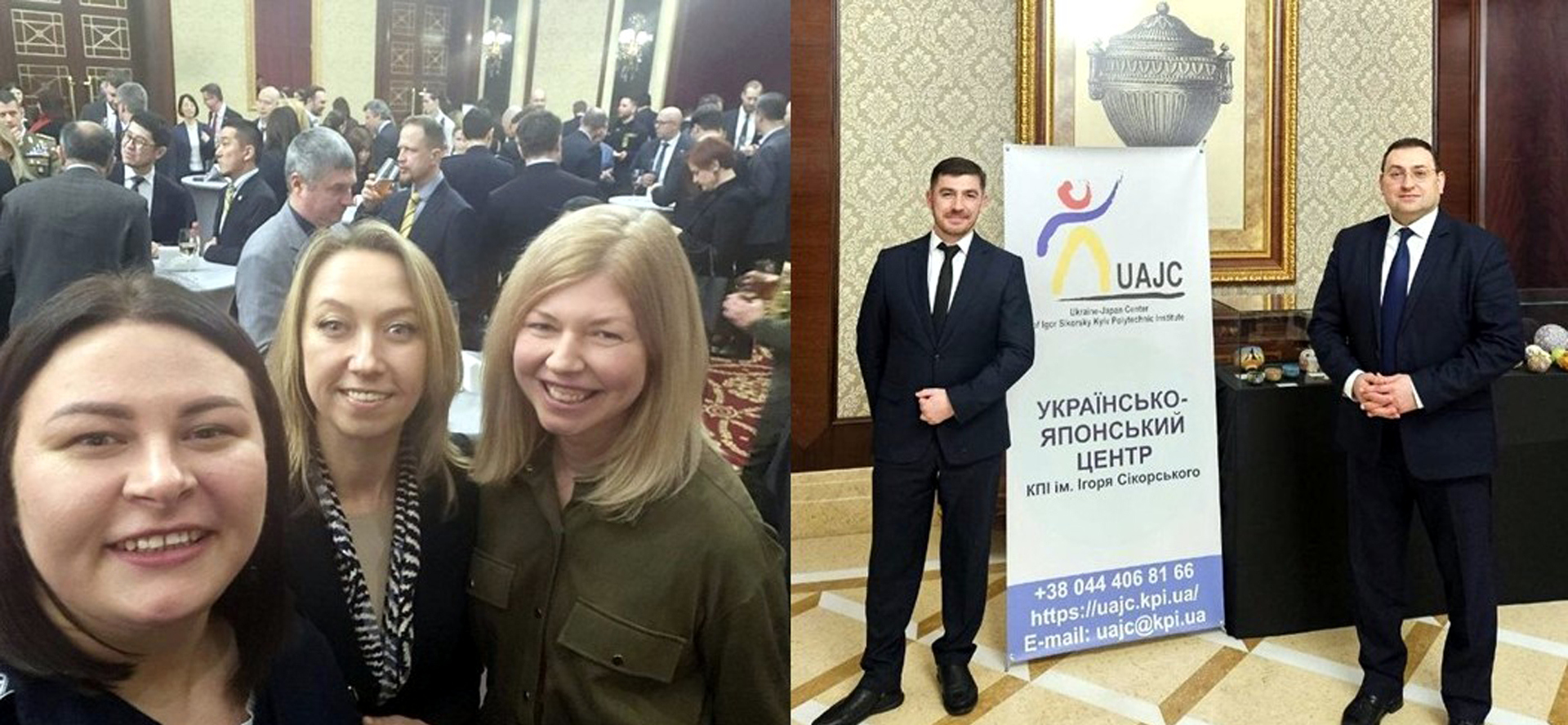
It was a great honour for representatives of the Ukraine-Japan Centre at the Igor Sikorsky Kyiv Polytechnic Institute (KPI) to join in celebrations on the occasion of the 66th birthday of Emperor Naruhito of Japan. This momentous occasion has reflected not only respect for traditions, but also the firm bonds of friendship between Ukrainian and Japanese peoples, which are strengthening at this challenging time.


During a reception hosted by the Embassy of Japan in Ukraine to commemorate Emperor Naruhito’s 66th birthday, Ambassador Masashi Nakagome delivered an address, reaffirming Japan’s unwavering support for Ukraine and expressing his hope for closer cooperation in various fields. He presented Centre’s projects supported by the Embassy, particularly the annual Japanese Autumn festival, the 2026 Japanese Ambassador’s Shogi Cup tournament, and a traditional tea ceremony organised by the Ukrainian group Urasenke “Tea Room”.


Kyiv Polytechnic Rector Anatolii Melnychenko, and Andrii Shysholin, Vice-Rector for International Relations, attended the event. Their presence highlighted the importance of partnership between Japanese educational and cultural institutions and the university.


At the reception, guests had the opportunity to enjoy an exhibition of traditional Japanese arts organised by the Centre. It featured exquisite temari balls by dedicated craftsmaster Olha Limonova. Oshibana artists Hanna Filina, Valentyna Protsko and Liubov Khondoshko also contributed their works expressly for the exhibition. A separate section showcased Nunobiki (布引焼窯元) authentic handcrafted Japanese pottery and works by Ukrainian craftsmaster Yurii Karpenko.


The festive and uplifting atmosphere of the event was enhanced by live ikebana works made by teaching artists from the Kyiv-based Eastern Europe Ikenobo Chapter. In addition, special thanks are due to craftsmaster Angela Betelgeuse, who helped to organise the fascinating kimono exhibition.


Throughout the reception, the representatives of Igor Sikorsky Kyiv Polytechnic Institute had pleasure in meeting their partners, including JETRO – Collaborate & Invest Japan, the JICA Ukraine Office, the NGO Centre for International Cooperation and Project Implementation, the Kyiv Kendo Federation, and many-times world women’s sumo champion Ivanna Berezovska, among others.


Once again, this event demonstrated strong ties between Ukraine and Japan and deep mutual respect shared by the two countries. Hopefully, fruitful cooperation between the two nations will continue to flourish in the future.