Study: Sucralose Harms Sperm and Hormones

Further context

This article is a repost from News-Medical, covering a recent study led the research team of Professor Shih-Min Hsia at Taipei Medical University (TMU)’s College of Nutrition. The study investigates the potential effects of sucralose on male reproductive health. The research has also been featured by New York Post and MSN, highlighting the growing international attention to TMU’s contributions to preventive and translational medicine.

Male infertility is a global health concern, impacting 8% to 12% of couples and contributing to nearly half of infertility cases worldwide. Male infertility is affected by hormonal, environmental, and genetic factors that impede spermatogenesis and reproductive function. Dietary and lifestyle changes, including the elevated intake of non-nutritive sweeteners (NNSs) and sugar-sweetened beverages, are among these factors implicated in the growing prevalence of infertility.

Sucralose, an NNS, constitutes 30% of the sweetener market in the United States. Although sucralose has antibacterial properties and lower calories, there are emerging concerns about potential health risks and environmental persistence. It is also a persistent contaminant in aquatic systems, with studies revealing its consistent presence throughout the urban water cycle. Notably, the study highlights concerns about sucralose-6-acetate, a genotoxic byproduct of sucralose manufacturing and metabolism, which may exacerbate health and environmental risks. Despite research on NNSs, data on potential links between sucralose and male infertility are limited.

About the study

In the present study, researchers evaluated the effects of sucralose on male reproductive health. Male Sprague-Dawley (SD) rats, aged six weeks, were acclimated for a week under controlled conditions and subsequently randomized to one of four experimental groups. Sucralose was administered at 1.5 mg/kg, 15 mg/kg, 45 mg/kg, or 90 mg/kg for two months.

The controls received deionized water. Body weight was monitored weekly for eight weeks. At the end of the study, animals were euthanized, and blood samples were collected for biochemical analyses. Organs such as the liver, spleen, heart, testes, epididymis, and kidneys were harvested for histopathological evaluation.

The cauda epididymis was cut into pieces and briefly maintained in culture medium, and the supernatant was used for sperm motility analysis. Sperm samples were subject to a Western blot analysis to evaluate DNA damage markers. Besides, enzyme-linked immunosorbent assay was used to measure follicle-stimulating hormone (FSH), luteinizing hormone (LH), and Kisspeptin1 (KISS1).

Chemiluminescence immunoassays were performed to measure serum testosterone, alanine aminotransferase (ALT), and aspartate aminotransferase (AST). Further, mouse Sertoli cells (TM4) and Leydig cells (TM3) were treated with varying concentrations of sucralose for 24–72 hours. These cells were subject to intracellular reactive oxygen species (ROS), cell viability, and Western blot analyses. To assess autophagy-lysosome dysfunction, researchers used Bafilomycin A1, a compound that blocks lysosomal acidification, revealing impaired fusion of autophagosomes and lysosomes.

The Kolmogorov-Smirnov test assessed data normality. Non-parametric tests were applied for data violating normality assumptions. A two-way analysis of variance was performed to evaluate the effects of sucralose and exposure duration. Group differences were compared using the Mann-Whitney U test or the Student’s t-test.

Findings

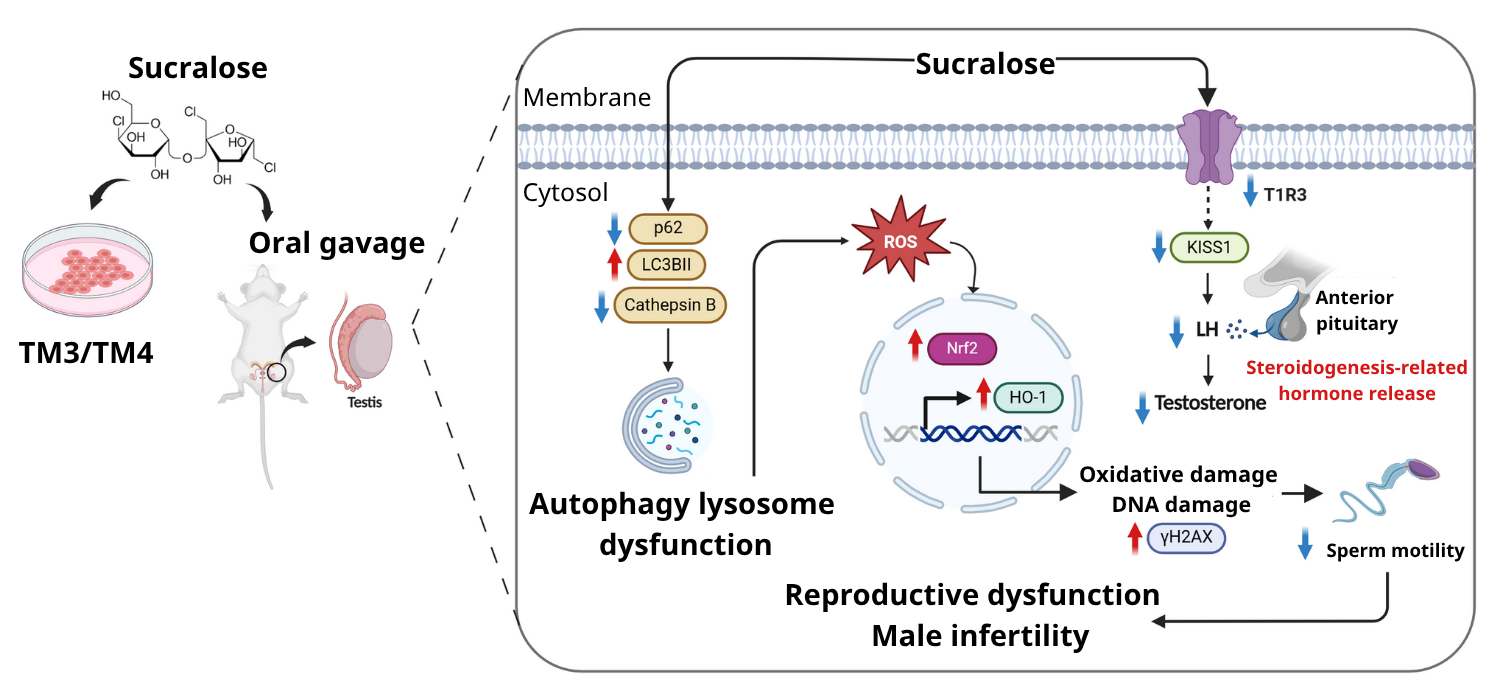
TM3 and TM4 cells exposed to varying sucralose concentrations (1 μM, 10 μM, 100 μM, 1000 μM, and 10,000 μM) had significantly lower cell viability. Cells also showed higher levels of microtubule-associated protein 1A/1B light chain 3B, form II (LC3B-II) at 1000 or 10,000 μM and slightly lower p62 levels. These changes, combined with reduced cathepsin B (a lysosomal enzyme), suggest impaired autophagic degradation. Following sucralose treatment, there was a significantly lower expression of cathepsin B, indicative of impaired lysosomal function.

ROS levels in TM3 and TM4 cells after sucralose exposure at 1 mM, 2.5 mM, 5 mM, 7.5 mM, or 10 mM were significantly higher; sucralose-treated cells also had elevated nuclear factor erythroid 2-related factor 2 (Nrf2) expression and heme-oxygenase 1 (HO-1) levels, suggesting an increase in oxidative stress. Notably, exposed cells had a reduction in taste receptor type 1 member 3 (T1R3) protein expression.

Moreover, co-treatment with a known T1R3 antagonist (lactisole) repressed T1R3 expression more than sucralose treatment alone. To further examine the relevance of T1R3 modulation, rat pituitary adenoma cells (RC-4B/C) were treated with sucralose, with or without lactisole co-treatment. This revealed a significant reduction in LH levels dose-dependently. Lactisole co-treatment exacerbated this suppression, especially at lower sucralose levels.

SD rats exposed to sucralose showed no differences in body weight, AST or ALT levels, and heart and liver indices between groups. Although the appearance of reproductive organs was not remarkably different, exposed animals had significantly lower epididymis and testis indices. Further, rats showed significant reductions in serum testosterone and LH levels and serum and testicular KISS1 levels. KISS1, a key regulator of the hypothalamic-pituitary-gonadal (HPG) axis, is critical for initiating puberty and maintaining reproductive hormone balance; its suppression may directly contribute to impaired fertility.

Sucralose exposure also reduced protein levels of T1R3 in the testes. Exposed animals had abnormal sperm morphology (with coiled and bent tails) and lower sperm viability. Histological examination of the testes showed changes in the seminiferous epithelium, including severe vacuolization, disrupted germ cell organization, and nuclear condensation.

DNA damage was also observed in sperm, indicative of cellular impairment. The testes of sucralose-exposed animals had higher levels of LC3B and lower levels of p62, suggesting changes in autophagy. Moreover, exposed animals had higher serum and testicular levels of malondialdehyde, indicating increased lipid peroxidation.

Conclusions

Taken together, sucralose exposure adversely affects male reproductive outcomes in rats by inducing oxidative stress, causing DNA damage, and disrupting autophagy. The study notes that in vitro doses (up to 10 mM) likely exceed typical human dietary exposure, warranting caution in extrapolating results to real-world intake levels.

The findings underscore the need for careful evaluation of dietary NNSs and call for better food safety regulations to alleviate potential risks. Additionally, the environmental persistence of sucralose and its byproduct, sucralose-6-acetate, highlights broader ecological concerns.

Further studies are required to examine dose-response relationships, long-term effects, and underlying molecular mechanisms to comprehensively delineate the adverse effects of sucralose.

Look for More Information

Original Study: Exposure to Sucralose and Its Effects on Testicular Damage and Male Infertility: Insights into Oxidative Stress and Autophagy

News: Sucralose disrupts male fertility by damaging sperm and altering hormones in animal study
Kazakhstan-India: High-Tech Partnership

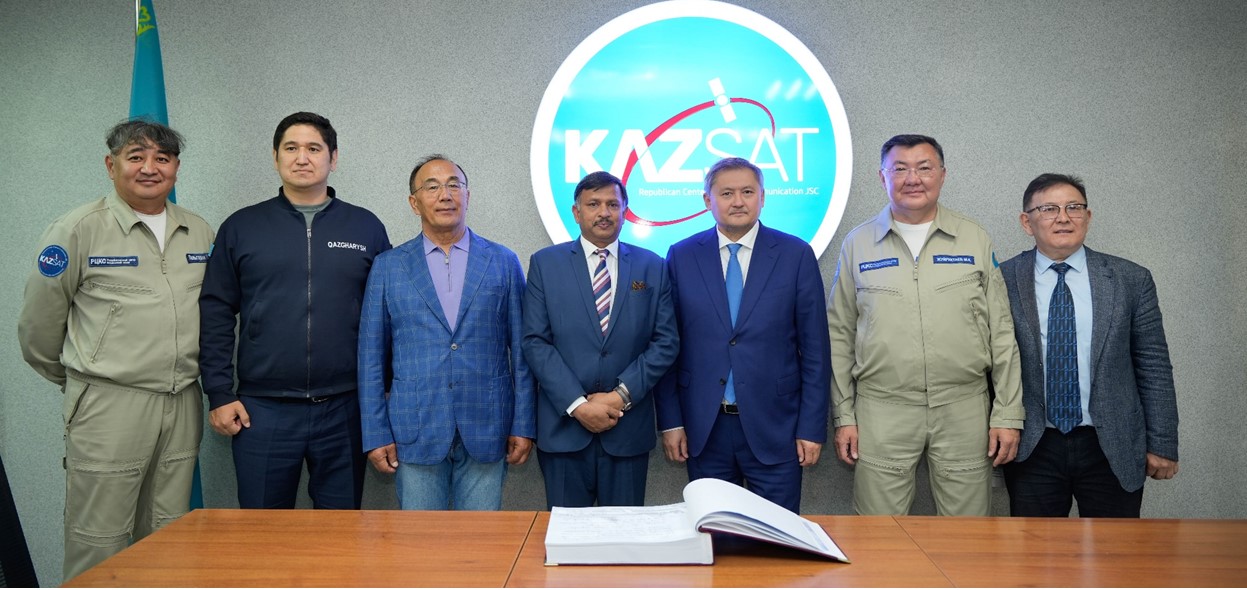
A meeting was held in the city of Akkol between the Minister of Science and Higher Education of the Republic of Kazakhstan, Sayasat Nurbek, and the Ambassador Extraordinary and Plenipotentiary of India, Dr. Thathipamula Venkata Nagendra Prasad, to discuss Kazakh-Indian cooperation in the field of high technologies and scientific innovations.

The delegation visited the Data Processing Center (DPC) of JSC “Kazakhtelecom,” where they observed the PARAM BILIM supercomputer. Modernized and relaunched in March 2025, the supercomputer has become a key tool for scientific and educational initiatives.

A 144-hour educational program has been implemented, developed by faculty members of ENU in collaboration with C-DAC and Sharda University. The program covers quantum computing, quantum communications, high-performance computing, and artificial intelligence technologies.

To date, more than 60 specialists, including employees of JSC “Kazakhtelecom,” JSC “Kazpost,” the Ministry of Digital Development, as well as master’s and doctoral students and faculty members of the Faculty of Information Technology at ENU, have completed training on operating the supercomputer.

The meeting continued in the conference hall of the Republican Space Communication Center, where the participants discussed the potential use of the supercomputer for analyzing telemetry data from the KazSat satellite constellation.

A key topic of discussion was the development of a supercomputing cluster, considering the commissioning of the KazNU supercomputer and the national supercomputer. Scientists from the Faculty of Information Technology at ENU presented a vision for establishing a regional Quantum Alliance involving India, Central Asian countries, Russia, and South Korea. This alliance aims to unite the region’s scientific potential for breakthrough developments in quantum technologies, which the Academy of Sciences of Kazakhstan has identified as a priority area during the foresight session.

Among the promising projects proposed by the scientists are the creation of digital maps of Kazakhstan’s minerals and forests, as well as the forecasting of agricultural crop yields using supercomputing technologies. These initiatives are aimed at addressing strategic challenges in the areas of ecology, agriculture, and resource management.

Minister Sayasat Nurbek expressed gratitude to the Ambassador of India for supporting the activities of the India-Kazakhstan Centre of Excellence in ICT (IKCEICT) at ENU and for contributing to the strengthening of bilateral cooperation.

From Waste to Rupiah (Wealth)

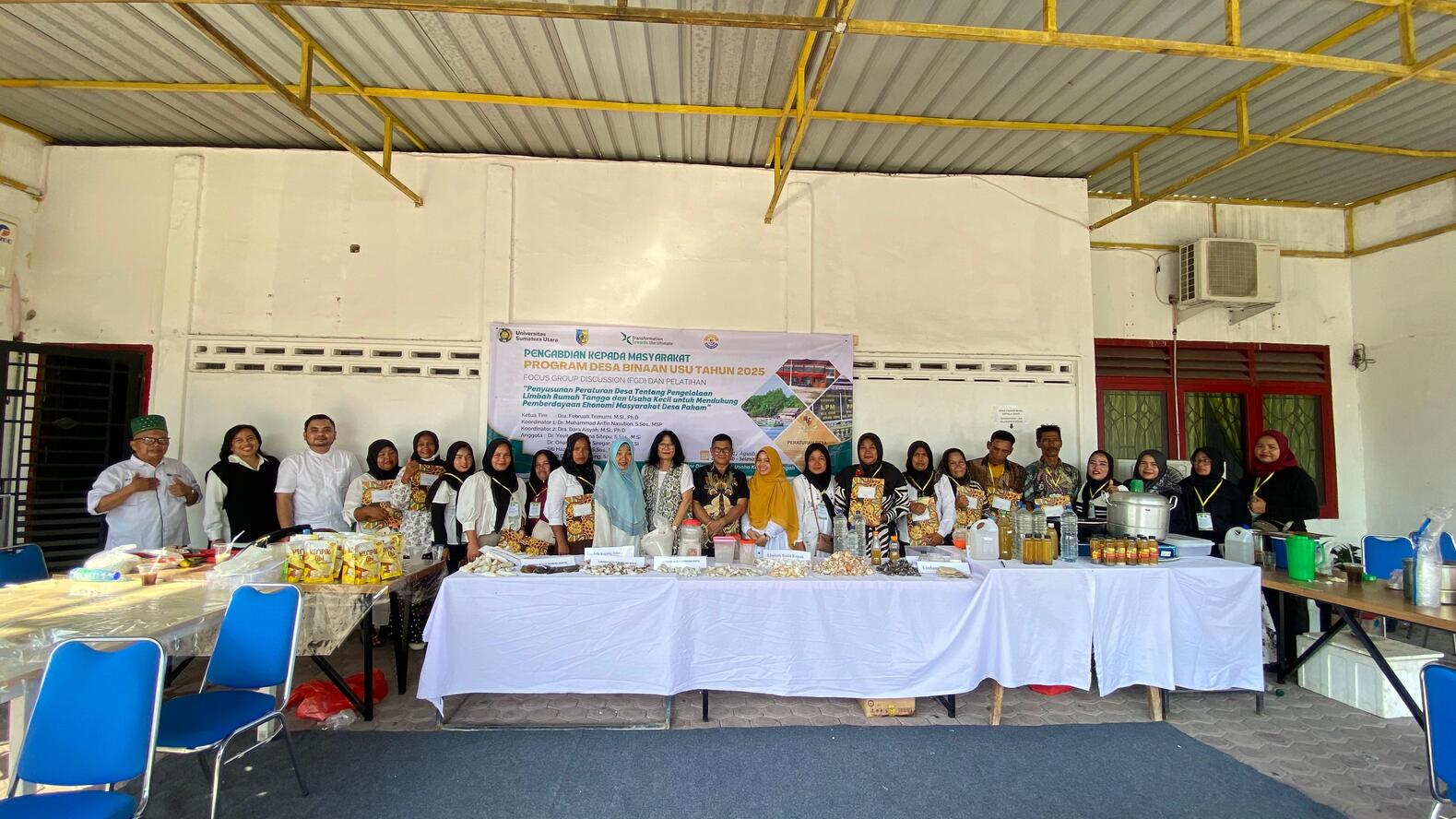
Universitas Sumatera Utara (USU) conducted a Community Service Program in Pakam Village, Batu Bara, through focus group discussions (FGD) and community training & development held at the Hall of the Cooperative and Small and Medium Enterprises Office of Batu Bara Regency.

This community service program is part of Desa Binaan USU’s Program, carried out by a group of Faculty of Social and Political Sciences lecturers from various academic programs. The program is titled “Development of Village Regulations on Household Waste Management and Small Business Operations to Support Economic Empowerment in Pakam Village.”

Desa Binaan USU’s Program is a community service program run by the Universitas Sumatera Utara (USU) with the aim of developing village potential through various empowerment activities. The program involves students and lecturers from various disciplines to provide solutions to problems in the villages and improve the quality of life of the villagers.

This series of community service activities consists of training and development programs for housewives, who are organized into groups of workers involved in the processing of shellfish waste. Additionally, the development of village regulations on household waste management is being undertaken to support the local economy. The FGD activity was conducted to explore the aspirations of local government officials and relevant parties to align perceptions regarding the formulation of village regulations on household waste management and small businesses to support community economic empowerment in Pakam Village.

This FGD invited relevant parties such as local governments, sub-districts, and districts, with a total of 17 participants. The training and development activities themselves were attended by 19 participants, predominantly housewives. The service team is led by Dra. Februati Trimurni, M.Si., Ph.D., with members comprising FISIP USU lecturers from various disciplines (programs of study), namely Dr. Muhammad Arifin Nasution, S.Sos., Wiro Oktavius Ginting, S.Sos., M.Si., Dra. Dara Aisyah, M.Si., Ph.D., and Siti Hazzah Nur. R, S.Sos., M.AP., from the Public Administration program. Additionally, there are Dr. Yovita Sabarina Sitepu, S.Sos., M.Si. from the Communication Studies program and Dr. Onan Marakali Siregar, S.Sos., M.Si from the Business Administration Program.

Dra. Februati Trimurni, M.Si., Ph.D., as the head of the community service program, explained that the initiative to draft village regulations and empower the community arose from community complaints about waste and the potential that exists. “The society’s complaints about waste reached us (the community service team), and we also saw potential here. Additionally, I had previously conducted a similar community service project, so we chose this village,” she said in an interview. Key points discussed in the FGD included an analysis of the village’s situation and potential, the presentation of solutions both regulatory and empowerment-related, and discussions regarding the Village Regulation (PerDes) presented by Dra. Februati Trimurni, M.Si., Ph.D., and Dr. Onan Marakali Siregar, S.Sos., M.Si.

Ratna Dewi (housewife) as a participant in the training and development program facilitated by this community service initiative also shared her insights on the journey of the waste processing process they have undertaken. Ratna explained that this program has had a significant impact on coastal women, both economically and in terms of fostering social connections. Ratna also expressed her hope that this activity could be conducted again by Universitas Sumatera Utara (USU) with an increased number of working women, given the outcomes of this community service initiative.

Drs. Bambang Hadi Suprapto, M.Si., as the Assistant for Economy and Development at the Batu Bara Regency Secretariat, who was present to delivering opening remarks and kick off the FGD, shared his hopes following the completion of this activity. “We hope this activity can make Pakam Village a pioneer for other villages. We also need academic support to identify the basic potential and opportunities that can be managed, of course through a commitment to build synergy with USU,” Bambang said in his remarks. The activity received high enthusiasm from the community and participants in the training and empowerment program. 

UiTM x SKBA: KNOWLEDGE TRANSFER PROGRAM

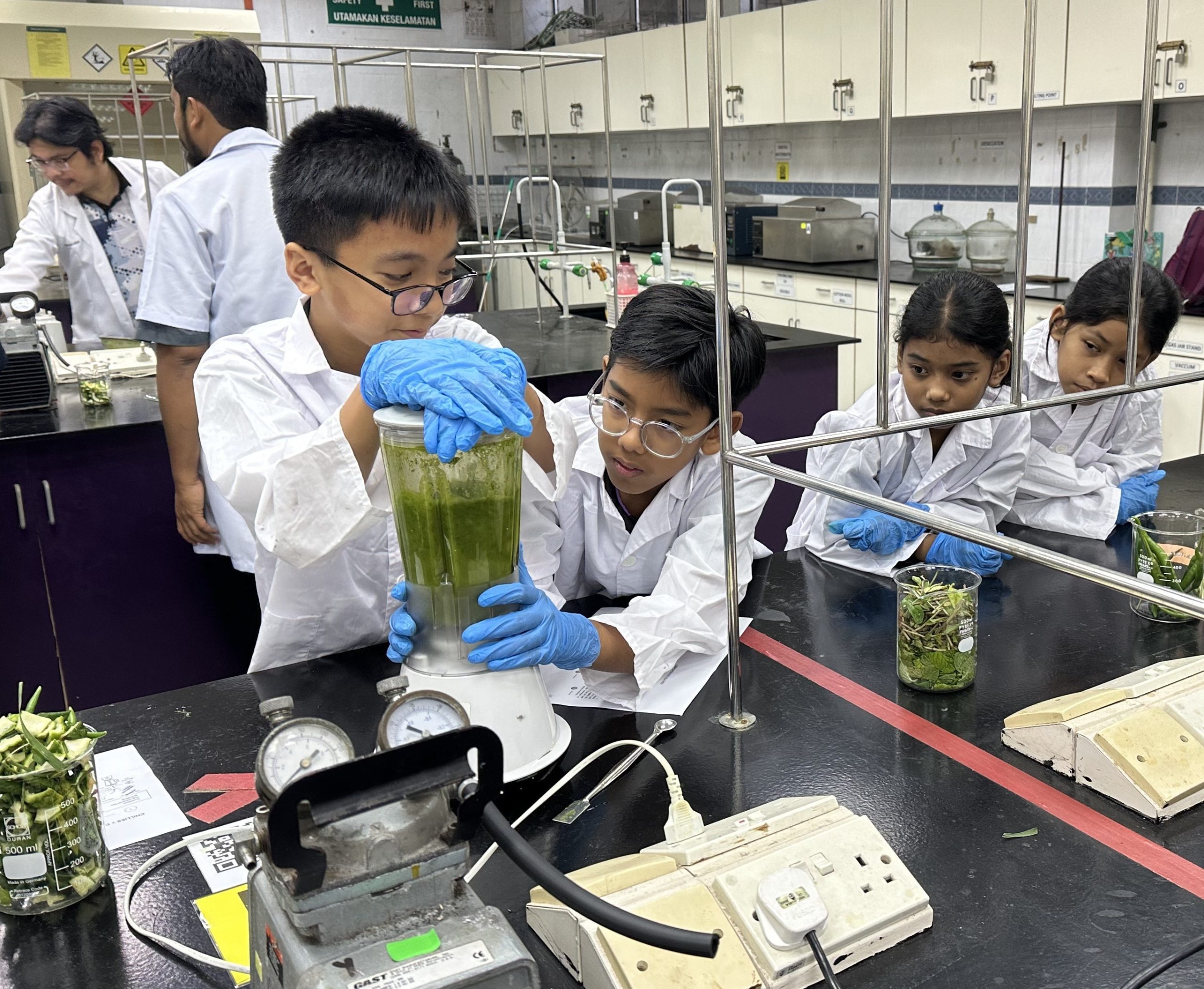
Ten students, accompanied by five teachers from Sekolah Kebangsaan Bandar Anggerik, Section 6, Shah Alam, participated in the Knowledge Transfer Program: Preparation of Organic Insect Repellent Spray (SOPES) at UiTM Shah Alam. This program was jointly organized by the School of Chemistry and Environment (PPKP) and the Research, Industry Networking and Alumni Office (PJIA) of the Faculty of Applied Sciences, UiTM Shah Alam. The participants of the program were given information, guidance and hands-on sessions with lecturers from the School of Chemistry and Environment, consisting of Dr. Sharil Fadli Mohamad Zamri, Dr. Sabrina M Yahya, Dr. Shadatul Hanom Rashid and Puan Norjanah Yuri. This one-day program exposed students and teachers to the introduction and effects of the use of pesticides on the environment and health. Insecticides are widely used in agriculture to control, prevent and destroy pests affecting agricultural production. However, excessive and uncontrolled use can cause various negative effects such as food poisoning in humans, complications to the skin, nerves and human body systems, pollution of clean water and air sources and harm to the environment. Innovations in reducing the risk of pesticide use have begun to receive everyone’s attention. One of them is the preparation of organic insect repellent sprays (SOPES), which have been produced by researchers at the Faculty of Applied Sciences, UiTM Shah Alam. SOPES was developed to provide effective protection to plants and homes without harming beneficial insects and is environmentally friendly and reduces the use of chemicals. The highlight of this program was a hands-on session in preparing organic sprays from natural ingredients as an alternative to insecticides. The students were taken to the Chemistry laboratory at the Faculty of Applied Sciences and taught to prepare the organic spray. The excitement of the students in the laboratory in trying to produce organic insect repellent spray products, can be seen. It is hoped that the experience and knowledge gained from this program can be practiced by students at school and in their daily lives and disseminated for the benefit of all in general.

Cooperating in remote control of machinery

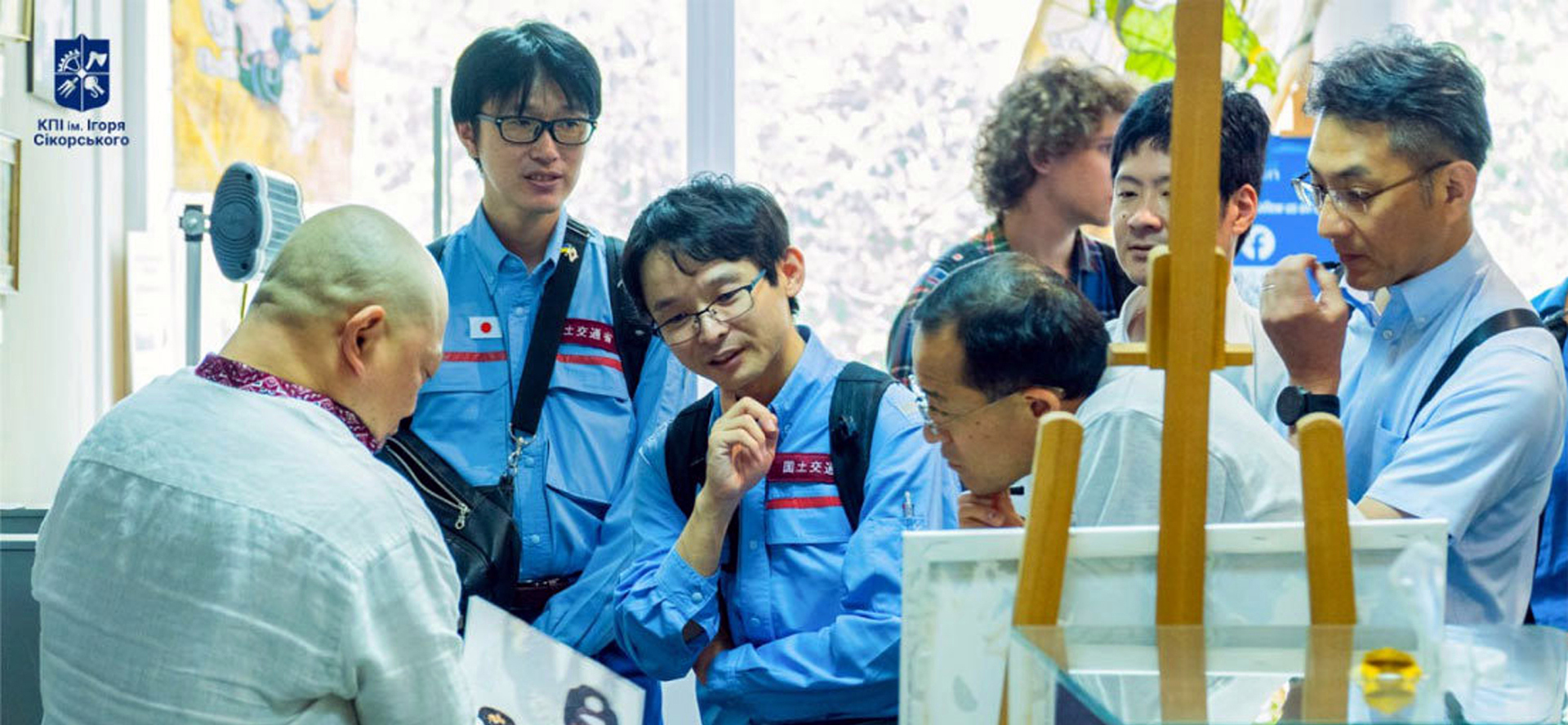
The Igor Sikorsky Kyiv Polytechnic Institute will cooperate with Japanese companies and organisations on the remote control of construction equipment, and will conduct an experiment on the use of systems developed by the Japanese company Yachiyo Engineering Co., Ltd. The company’s name, “Yachiyo,” is taken from a Japanese phrase that can be translated as “contributing to human society for all eternity.”

The key advantages of the technology are safety for employees, the capability of controlling multiple units of machinery through a single system, inclusivity for the workforce, and the high precision of technological processes.

Japanese delegation included:

• Ministry of Land, Infrastructure, Transport and Tourism of Japan (Director for International Cooperation and Head of the Overseas Projects Division)

• Kobelco Construction Machinery Co., Ltd (Executive General Manager, General Manager, Executive Director of Kobelco Construction Machinery Europe B.V.)

• Yachiyo Engineering Co., Ltd (manager, associate employee from the Ukrainian side)

• Manager of Kowatech Co., Ltd

• Soliton Systems K.K. (Senior Vice President, Global Business Manager) – the leading Japanese technology company with a clear emphasis on Research & Development, including remote control and teleoperation.

Participants in the meeting from Ukraine:

• Kyiv Polytechnic (headed by Rector Anatolii Melnychenko)

• State Labor Service of Ukraine (led by the Head of the Service)

• Director of the Kyiv Regional Employment Centre

• Deputy Director of the General Energy Institute of the National Academy of Sciences of Ukraine.

The visit also included a tour of the Kyiv Polytechnic’s Ukraine-Japan Centre, underscoring the deepening ties between the two nations.


Thammasat Partners with GCNT

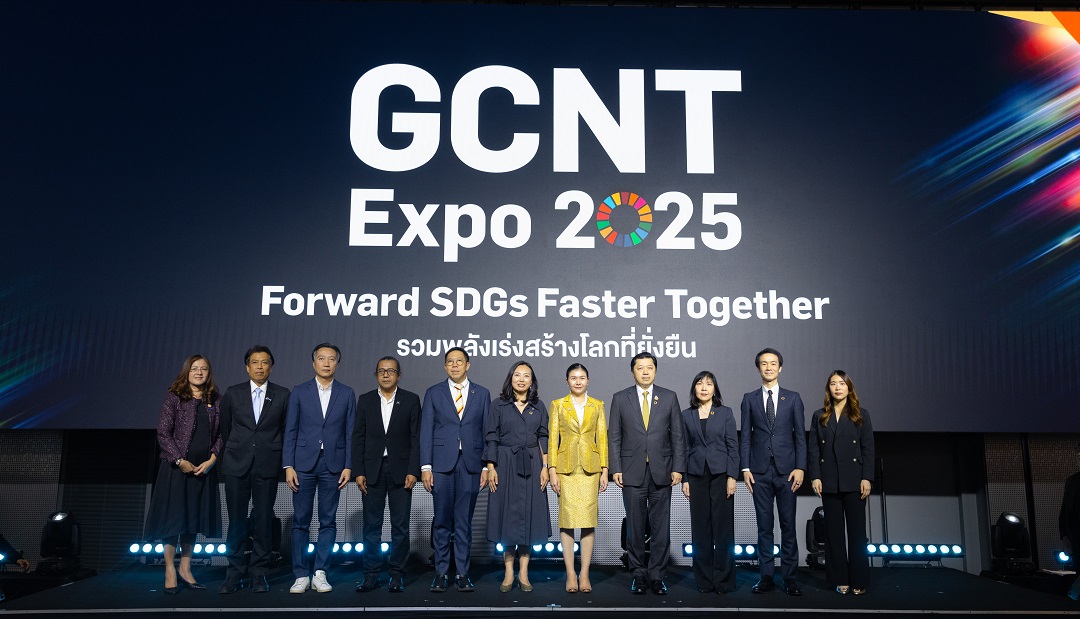
 On July 30, 2025, Professor Dr. Supasawad Chardchawarn, Rector of Thammasat University, along with the university’s executive team, officially participated in the opening of the GCNT Expo 2025. This event brought together the power of the business sector, the younger generation, and cross-sectoral collaboration, uniting “real sustainability champions” at the forefront to drive the concept of Forward SDGs Faster through the framework of 7 Ts in a discussion forum and inspirational workshop activities, encompassing all dimensions of social, economic, and environmental aspects.

During the event, Professor Dr. Supasawad signed a Memorandum of Understanding with the Global Compact Network Association of Thailand, represented by Mr. Suphachai Chearavanont, Chairman of the Executive Committee of Charoen Pokphand Group Co., Ltd., in his capacity as the President of the Global Compact Network Association of Thailand (GCNT). This partnership will establish a Bachelor of Science in Sustainable Management program next academic year, fostering knowledge exchange and supporting research in sustainable innovations, technologies, products, and services.

Professor Dr. Supasawad stated that the Bachelor of Science program in Sustainable Management is an innovative curriculum developed in collaboration with five faculties within Thammasat University: the College of Interdisciplinary Studies, the Faculty of Social Administration, the Puey Ungphakorn School of Development Studies, the Faculty of Science and Technology, and the Faculty of Engineering. This initiative is in partnership with the Global Compact Network Thailand (GCNT) to create a curriculum that integrates knowledge from science, economics, management, and policy to cultivate professionals in the field of sustainability that meets the demands of employers and current employment trends.

The event concluded with a panel discussion introducing the Bachelor of Science program in Sustainable Management, featuring Associate Professor Dr. Dumrong Adunyarittigun, Vice Rector for Academic Affairs, Associate Professor Dr. Saifon Suindaramathi, Dean of the Interdisciplinary College, and Dr. Kuanruthai Siripatthanakosol, Deputy Secretary-General of the Global Compact Network Thailand. They engaged in a dialogue to exchange perspectives on the labor market, the evolving trends in employment within the business sector, and the skills that are in demand in the labor market.

UPI Collaborates with Termez University

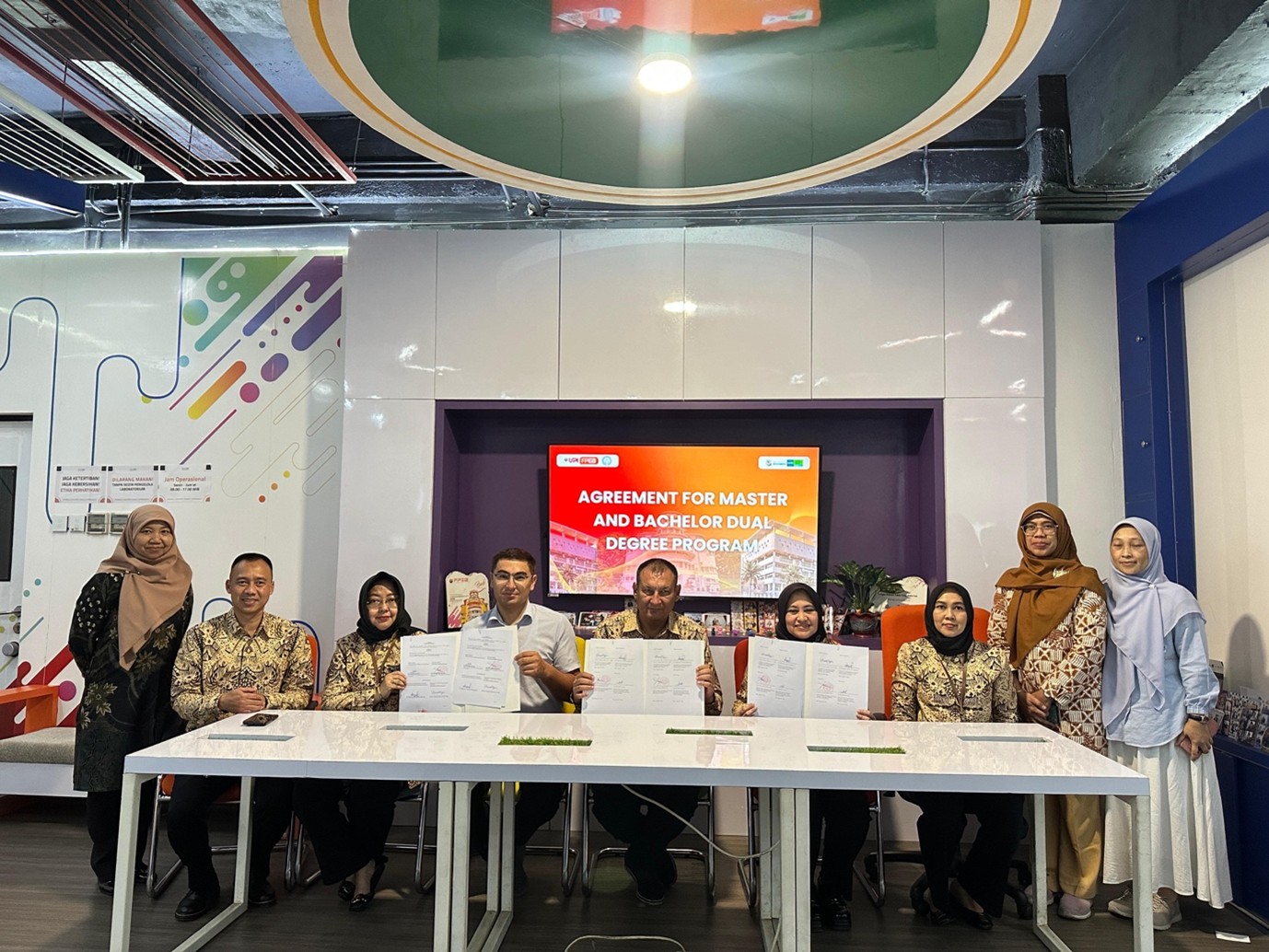
The Faculty of Economics and Business Education, Universitas Pendidikan Indonesia, and Termez University of Economics and Service, Uzbekistan, signed an agreement to implement an academic cooperation program.

The signing was carried out by Dr. Sharofiddin Yarmatov, Dean of the Faculty of Economics and Information Technology, Termez University of Economics and Service, under the academic cooperation scheme for the Dual Bachelor’s and Master’s Degree Program in Economic Education, and attended the Global Conference of Business Management and Entrepreneurship 2025 as cohost.

Dean of the Faculty of Economics and Business Education UPI, Prof. Dr. Ratih Hurriyati, M.P., CSBA, explained that this collaboration was carried out with the aim of fostering, promoting, and developing academic and educational exchanges based on equality and mutual benefit.

The Faculty of Economics and Business Education at the Universitas Pendidikan Indonesia and the Faculty of Economics and Information Technology at Termez University of Economics and Service Uzbekistan are committed to promoting joint research and publications. They collaborate in organizing international conferences and accept students in exchange programs.

Furthermore, both parties provide educational services that meet the needs of stakeholders in joint education programs and ensure that the quality of education meets international education standards. Then, they increase normative and methodological support for the educational process in joint education programs.

In addition, both parties are obliged to improve services and teaching methodologies in joint education programs, analyze scientific, educational, and market needs, and integrate the latest educational programs and technologies into the educational process.

The signing of the cooperation agreement was attended by the Faculty of Economics and Information Technology of Termez University of Economics and Service of Uzbekistan. The leaders of the Universitas Pendidikan Indonesia who were present were Prof. Dr. Vanessa Gaffar, SE. Ak., MBA, as Vice Rector for Education and Quality Assurance; Prof. Dr. Ratih Hurriyati, M.P., CSBA, as Dean; Dr. Heny Hendrayati, S.IP., MM, as Vice Dean for Academic Affairs; and Dr. Tony Heryana, S.Pd., MM, as Vice Dean for Finance and Resources.

The event was also attended by Dr. Siti Parhah, M.S.E., and Mumuh Muhammad, S.E., M.A., as the Coordinator of the International Unit of the Faculty of Economics and Business at UPI, Dr. Susanti Kurniawati, M.Si, as the Head of the Economics Education Program for Bachelor’s, Master’s, and Doctoral Degrees, and Dr. Navik Istikomah, S.E., M.Si. Secretary of the Economics Education Program for the Bachelor’s, Master’s, and Doctoral Programs.

ITS Leads Global Community Service in EIA 2025

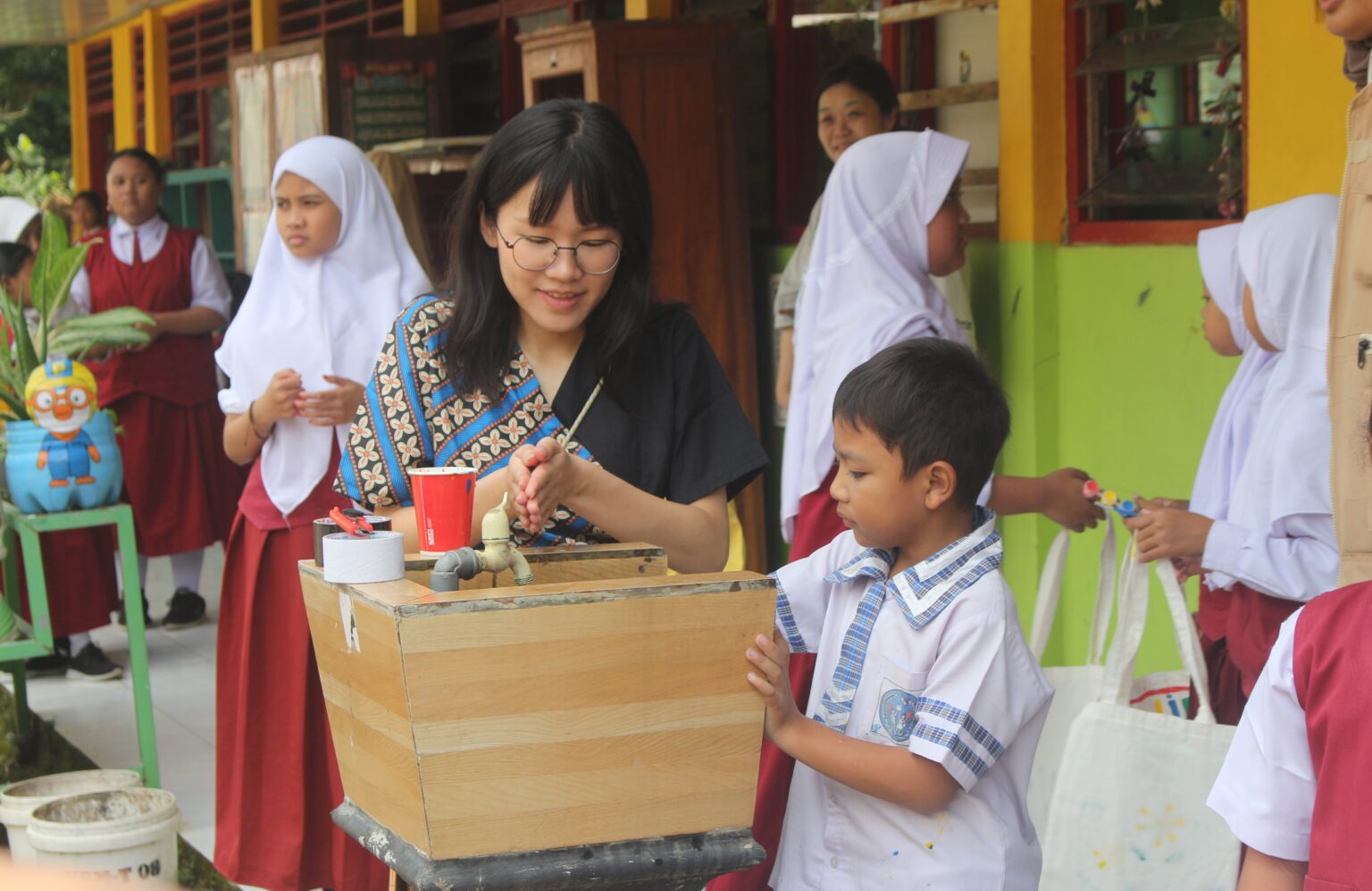
Institut Teknologi Sepuluh Nopember (ITS) continues to demonstrate its commitment to international-scale community service through the Engineers in Action (EIA) 2025 program. This year, ITS, through the Department of Chemical Engineering, hosted the collaborative initiative in Kemiri Village, Mojokerto, bringing together students from National Taiwan University of Science and Technology (NTUST) and Osaka Institute of Technology (OIT) to create practical technological solutions for rural challenges. 

Dr. Kusdianto, Coordinator of EIA 2025, emphasized that ITS took the lead in mobilizing this cross-border initiative to address pressing community needs. One of the main innovations was an LPG-fueled crop dryer that significantly reduces the drying time of rice, offering a safer and more efficient alternative to the conventional roadside drying method. 

Further underscoring ITS’ community empowerment mission, the team built a greenhouse facility to promote sustainable agriculture and introduced a biodigester to transform organic waste into eco-friendly fertilizer, demonstrating ITS’ active role in transferring environmentally sound technologies to society. 

Beyond infrastructure, ITS and its international partners conducted educational workshops to increase environmental awareness among residents. These included interactive waste-sorting games for students, hands-on training for farmers, and eco-friendly product making using local ingredients. 

The program involved 20 lecturers and 20 students, including 10 from ITS, 9 from NTUST, and 1 from OIT. Through EIA 2025, ITS reaffirms its leadership in community service at a global level, aligning its initiatives with the UN Sustainable Development Goals (SDG), particularly Goal 12 on responsible consumption and production. 


Chula Students Design Runway Outfits

Students from the Fashion and Textiles Design Program, Department of Creative Arts, Faculty of Fine and Applied Arts, Chulalongkorn University, have been chosen to join the 14th World Thai Silk Fashion Extravaganza. The event is a collaborative effort of over 100 embassies and educational institutions around the country to honor Her Majesty Queen Suthida Bajrasudhabimalalakshana and promote the use of Thai silk on international platforms. 

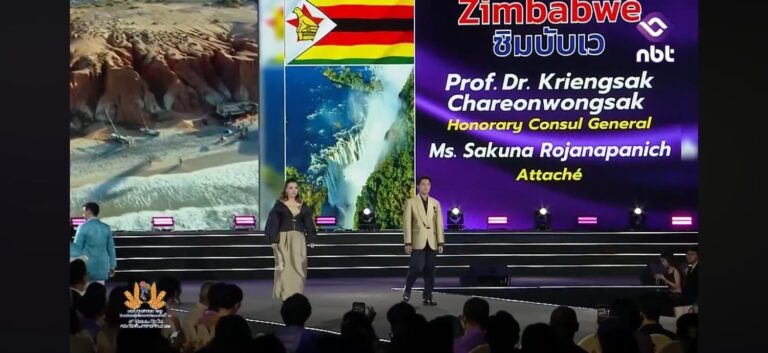
Mr. Naphat Pong-opas and Mr. Paswee Chutragun student representatives from the Fashion and Textiles Design Program, Department of Creative Arts, took part in designing and tailoring silk garments for the Ambassador from the Republic of Zimbabwe, which were presented in a fashion show held on Saturday, June 21, 2025, at the Royal Thai Navy Convention Hall. 

The project comes under the supervision of Chatchavan Puengphra, Asst. Prof. Dr. Samissorn Sutthisangha, and Asst. Prof. Dr. Atthaphon Ponglawhapun, Head of the Department of Creative Arts, Faculty of Fine and Applied Arts. 

Besides the fashion show, students’ works were chosen to be exhibited in the “14th World Thai Silk Fashion Extravaganza” during June 25-29, 2025, at Eden Zone, CentralWorld.

This project serves as an important platform for promoting contemporary design using Thai silk, providing opportunities for students from various institutions to showcase their abilities at an international level, and creating networks of cooperation between educational institutions in Thailand and diplomatic missions from various countries.

Read more at: https://www.chula.ac.th/en/news/251185/

Chula Collaborates with UCSI University

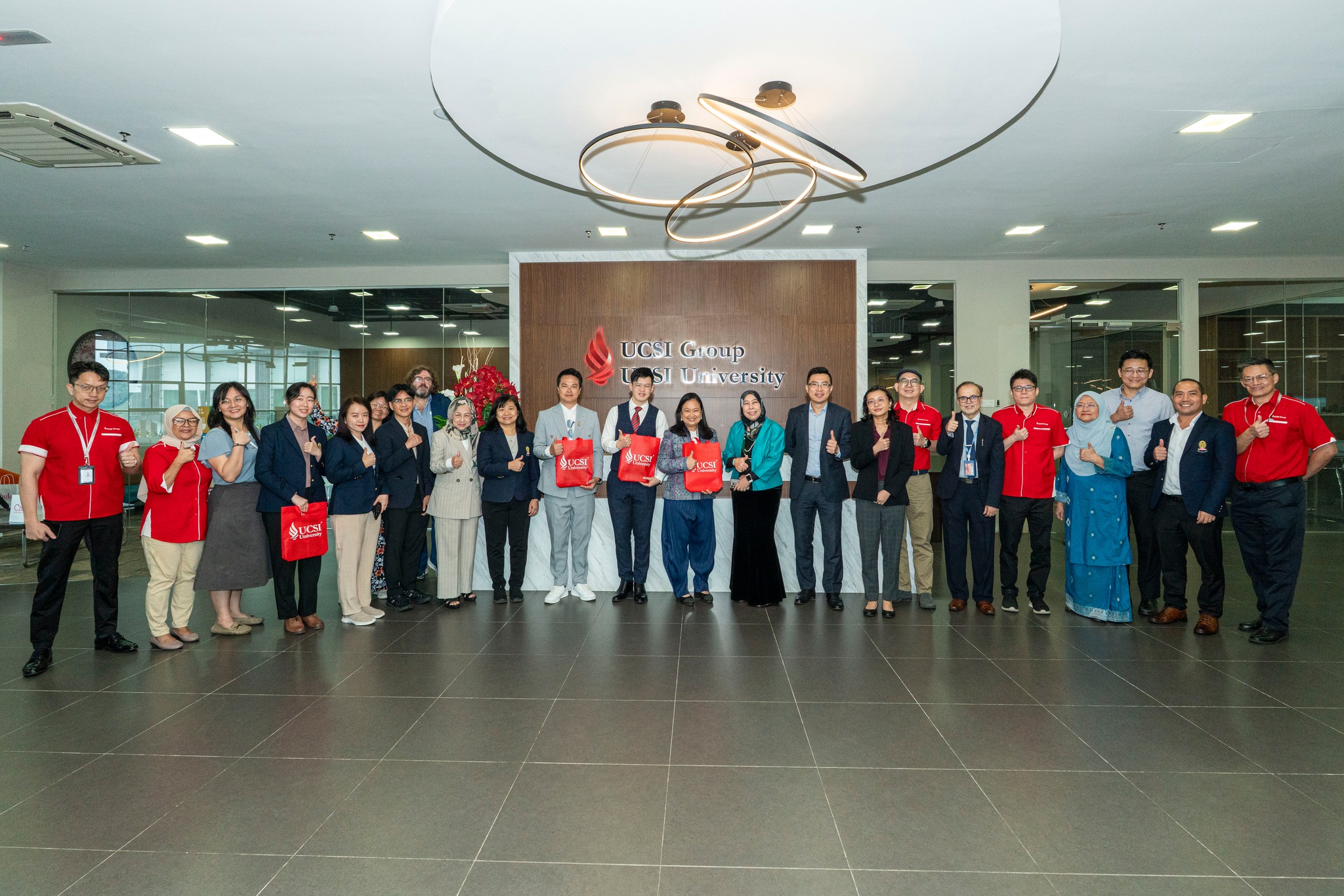
Representatives from Chulalongkorn University visited UCSI University in Kuala Lumpur, Malaysia, for a collaborative meeting aimed at strengthening academic and research ties between the two institutions.

The meeting focused on potential student and faculty exchange programs, particularly in the fields of language and communication, as well as the formalization of institutional collaboration through a Memorandum of Understanding (MoU). Another key area of discussion was the matching of researchers from both universities to foster joint research initiatives and deepen scholarly engagement.

 The Chulalongkorn University delegation was led by Professor Parichart Sthapitanonda, Vice President of Chulalongkorn University. She was joined by Asst. Prof. Dr. Ake Pattaratanakun, Chief Brand Officer; Asst. Prof. Dr. Sornnate Areesophonpichet; Asst. Prof. Dr. Jessada Salathong; Mr. Pokai Sriratanobhas; and other senior representatives of the university.

 On UCSI University’s side, the discussion was attended by several senior administrators, including Distinguished Professor Dr. Phang Siew MoiFASc, FMBA (UK), Deputy Vice-Chancellor (Research and Postgraduate); Professor Datuk Ts Dr. Rohana Binti Yusof, Deputy Vice-Chancellor (Academic and Internationalisation, Kuala Lumpur campus); Mr. Richard Lim Ming Jye, Vice President of Group Corporate Affairs; Professor Ts Dr. Lee Ming Tatt, Director of the Office of Postgraduate Studies; Professor Dr. Zuraidah Mohd Don, Director of the Institute of Language; Dr. Yong Yu Lin, Research Manager at the Centre of Excellence for Research, Value Innovation and Entrepreneurship (CERVIE); Mr. Roland Chan Chih Chien, Director of the Global Engagement Office; along with other distinguished university leaders.

 This productive discussion reaffirmed the shared commitment of both institutions to fostering global partnerships, academic mobility, and impactful research collaboration, paving the way for a deeper and more formalized relationship in the near future.

 Read more at: https://www.chula.ac.th/en/news/250870/ 

Read more at: https://www.chula.ac.th/en/news/250870/