A new laser that minimises light loss

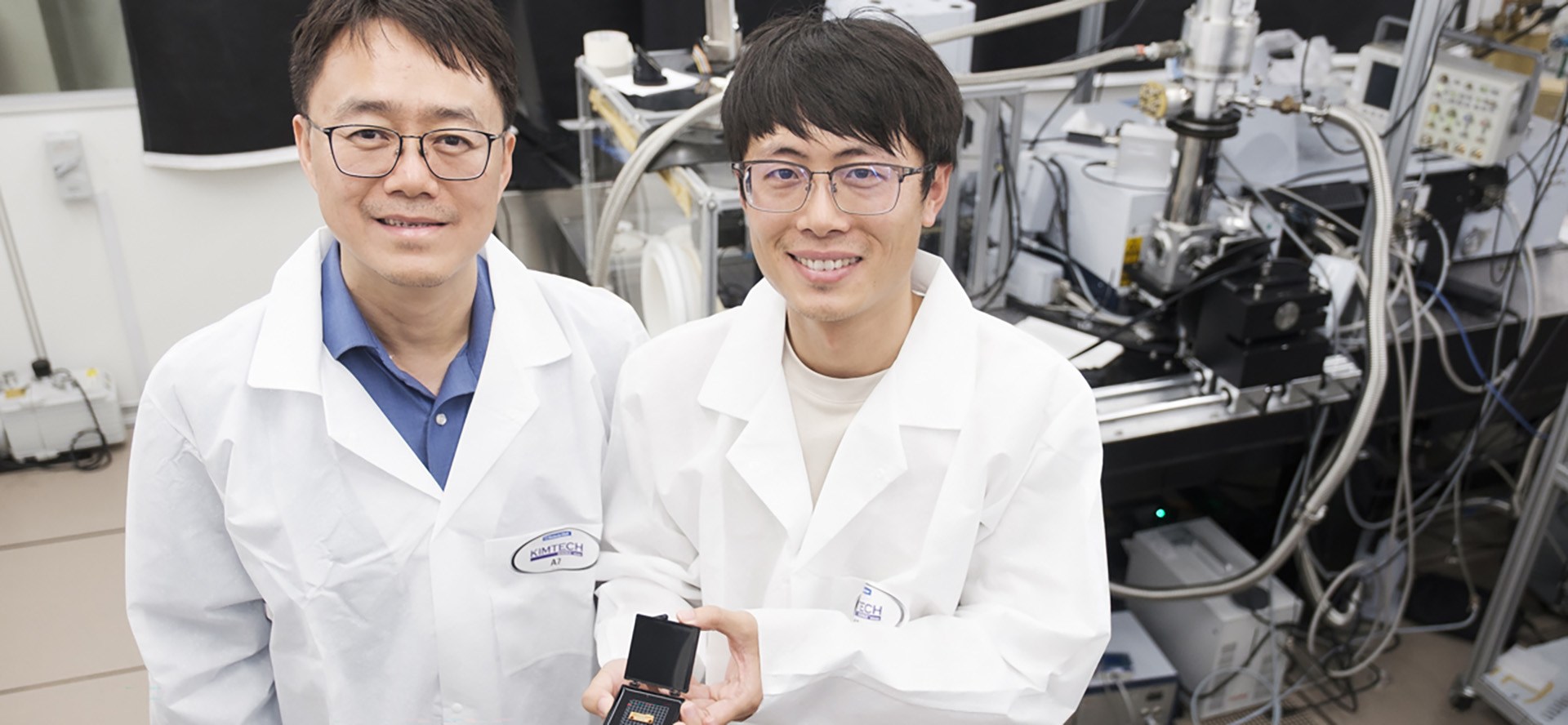
An international team of scientists led by Nanyang Technological University, Singapore (NTU Singapore) has developed a new type of ultracompact laser that is more energy efficient and consumes less power.

Smaller than a grain of sand, the micrometre-sized laser incorporates a special design that reduces light leakage. Minimising light loss means less energy is required to operate the laser compared to other highly compact lasers.

The laser emits light in the terahertz region (30 μm – 3 mm), a 6G communications frequency, and could pave the way for high-speed wireless communication of the future.

The research was published in Nature Photonics in April 2025.

Why lasers lose light

Ultracompact lasers have a wide range of applications across various industries, particularly in small devices. They are also essential for next-generation technologies such as optical computing, data centres, high-speed communication, medical imaging and advanced sensors.

However, the performance of these miniature lasers is hampered by the loss of light.

Some of this loss occurs due to side leakage from the laser cavity – a major component of lasers that confines and amplifies light to produce the laser beam.

Light is also lost by radiation and when it is scattered by imperfections in the photonic crystal, which is constructed from semiconductor materials to control the propagation of light.

These loss-inducing effects are more significant in ultracompact lasers than larger lasers. In some cases, the loss of light is so severe that it prevents tiny lasers from emitting sufficient light for practical purposes.

Reducing light loss in all directions

To prevent light loss, the new NTU laser harnesses flat bands and a phenomenon known as multi bound states in the continuum (BIC).

Flat bands are energy bands in the photonic crystal where light waves have near-zero group velocity – a measure of how fast energy carried by light moves. At near-zero group velocity, the energy carried by light waves does not travel out of the laser cavity.

Similarly, multi BIC confines light in the laser cavity and prevents it from escaping in various directions while still allowing the laser to emit sufficient light for practical use. As with noise-cancelling earphones, specific wave patterns in light cancel out the parts that would usually escape. The design of the cavity also makes it difficult for light to get out.

To reduce light loss due to leakage, scattering and radiation, the researchers designed a laser cavity that combines concepts from both flat bands and multi BIC.

They created a periodic arrangement of daisy-shaped holes in a photonic crystal consisting of a semiconductor material sandwiched between two gold layers.

According to the researchers, this could potentially be the “ultimate” solution to suppress light leakage from a laser cavity in three dimensions.

The laser also produces a highly focused beam with minimal divergence, making it useful for precise optical applications.

By scaling the size of the airholes and the lattice constant – the spacing between atoms in the photonic crystal – the design can be extended to create lasers that emit other wavelengths, such as near-infrared and visible light.

“Drawing on our more than fifteen years of experience in photonic band structure engineering, we recognised that combining flat-band concepts with BIC could effectively trap light and reduce losses,” says Prof Wang Qijie of NTU’s School of Electrical and Electronic Engineering (EEE) and School of Physical and Mathematical Sciences, who was the lead investigator of the study.

“Our laser overcomes the drawbacks of existing miniature lasers, opening the door to applications ranging from next-generation wearable technology to optical computing,” says Dr Cui Jieyuan, research fellow at NTU’s EEE, who was first author of the paper.

“The innovation is a breakthrough in topological photonics and opens a new pathway for compact, robust and scalable light sources in integrated photonic systems,” says photonics expert Assoc Prof Zhen Bo from the University of Pennsylvania, who was not involved in the research.

The researchers are now working to enhance the power of the laser and integrate it into optoelectronic devices. They have also filed a technical disclosure for the innovation and are looking for industry collaborators to bring the technology to market.
USU Creates Impact in Remote Regions

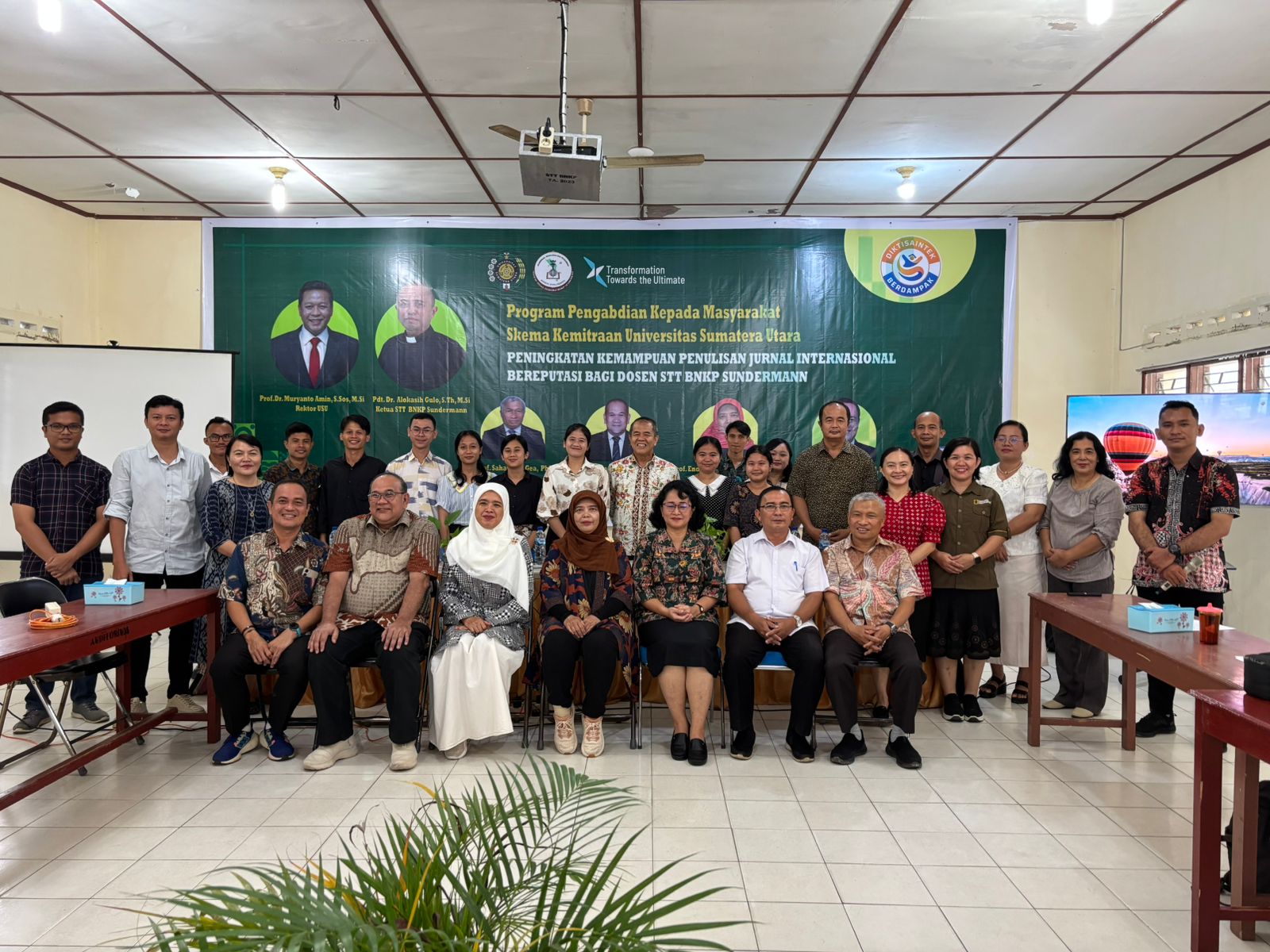
The Indonesian Ministry of Education has introduced an “impact-driven education” policy, requiring all higher education institutions to demonstrate tangible benefits through their activities. In line with this directive, five lecturers from Universitas Sumatera Utara (USU) carried out a capacity-building program for lecturers in remote areas of North Sumatra.

The program took place on Nias Island, which can only be reached by a one-hour flight, or an eight-hour land journey followed by an eight-hour sea trip. The USU delegation conducted training sessions and workshops for more than 100 lecturers from Universitas Nias and Sundermann Theological Seminary.

The five lecturers included Prof. Endang Sulistya Rini, Prof. Dr. Yeni Absah, Prof. Dr. R. Hamdani Harahap, Prof. Saharman Gea, and Dr. Fotarisman Zaluchu. The intensive training was held on August 7–8, 2025.

“This initiative will continue through collaboration with Universitas Sumatera Utara, ensuring that the university’s impact becomes increasingly significant,” said Prof. Saharman.

GUS Partners with THE NAT

Global University Systems Partners with THE NAT to Advance Nature-Positive Education

Global University Systems (GUS), a leading international education group, is proud to announce its partnership with THE NAT – a bold new cultural platform launched during London Climate Action Week to drive global awareness, action, and investment for nature.

THE NAT, supported by influential figures including Stella McCartney CBE and Harrison Ford, aims to close the US$710 billion nature finance gap by uniting voices from across business, science, culture, and philanthropy. As a partner, GUS will play a key role in embedding nature-positive thinking across its global network of institutions.

Through the collaboration, GUS will contribute to THE NAT’s year-round Solutions Series, focusing on food, fashion, finance, and futures – sectors critical to nature conservation and restoration. Students across GUS’s institutions will have access to sustainability-focused curricula, real-world research opportunities, and mentorship from global environmental leaders.

GUS joins a strong coalition of partners supporting THE NAT, including The Climate Pledge, Deloitte, Mastercard, Salesforce, and UNICEF. Additional contributors to the Solutions Series include The EAT Foundation, Nature2, and EcoAdvisors.

“We couldn’t be more excited to launch THE NAT,” said Gail Gallie, Founder of THE NAT. “This is a first-of-its-kind cultural celebration of nature, bringing together the creative power of art, fashion, film, food, and music to spotlight nature on the global stage and unlock the funding it so urgently needs.”

THE NAT is also backed by leading voices from the conservation and creative industries, including M. Sanjayan, CEO, Conservation International, Joerg Koch, Founder & Editor-in-Chief, 032c, and Sabrina Elba, Actor and UN Advocate, as well as the platform’s honorary NATure Stewards – a group of globally recognised advocates and experts such as Wanjira Mathai, Managing Director for Africa and Global Partnerships at the World Resources Institute, Xiye Bastida, Titouan Bernicot, Hindou Oumarou Ibrahim, and Sophie Hunter.

The launch precedes the highly anticipated NAT Gala in New York City this September, held on the eve of the United Nations General Assembly. The event aims to raise US$20 million to support high-impact nature restoration projects in partnership with Conservation International.

GUS is proud to support this groundbreaking initiative, helping to empower the next generation of students to become leaders in sustainability, biodiversity, and environmental innovation.

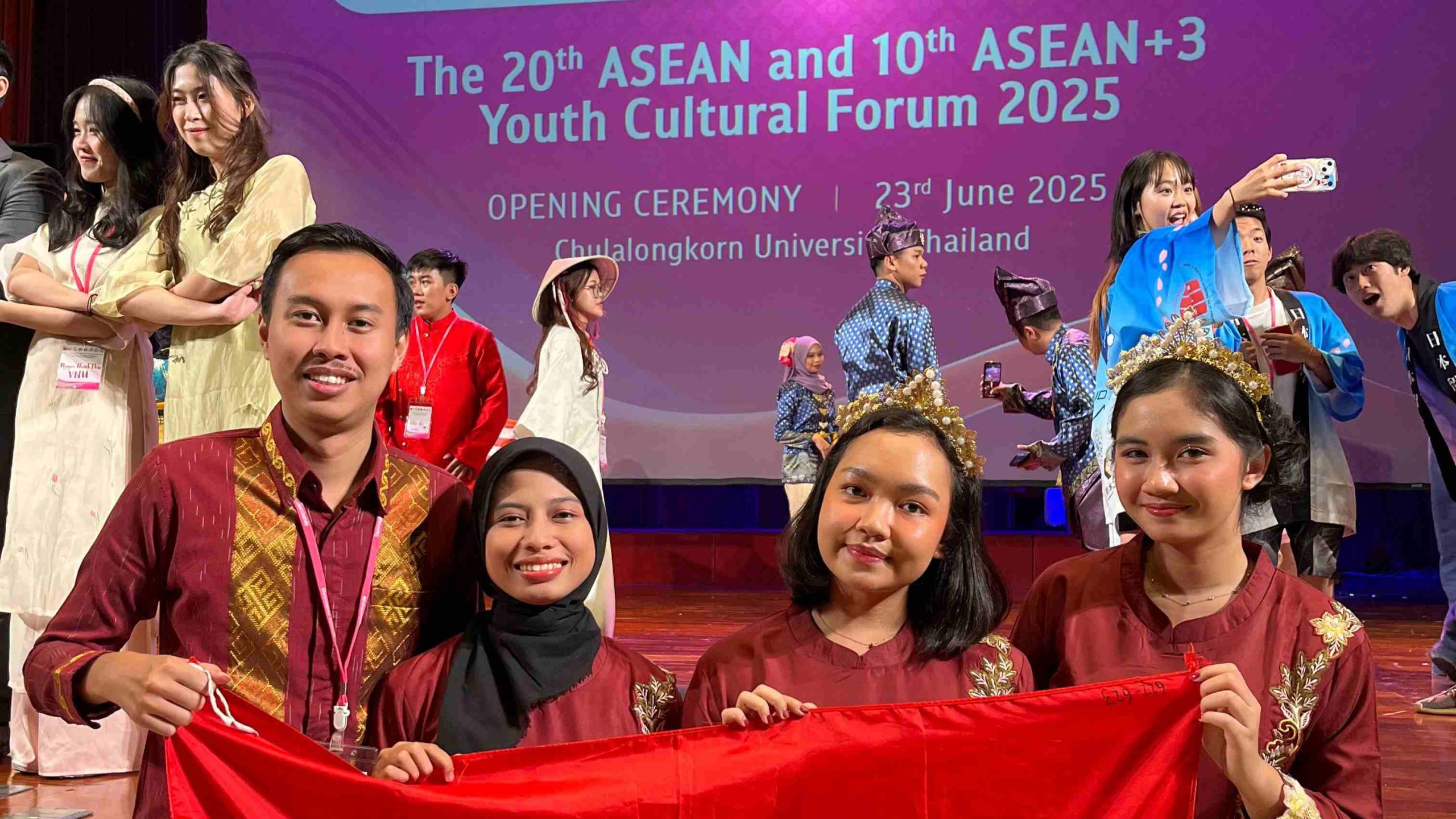
Students represents Indonesia at AYCF+3

Universitas Airlangga (UNAIR) has once again taken a strategic step onto the international stage by representing Indonesia as its sole delegate at the 20th ASEAN and 10th ASEAN+3 Youth Cultural Forum (AYCF+3). The forum took place from Sunday, June 22, to Friday, June 27, 2025, in Thailand, hosted across Chulalongkorn University, Mahidol University, and Burapha University. At the event, UNAIR proudly showcased Indonesian culture before a diverse ASEAN audience.

This annual forum, initiated by the ASEAN University Network (AUN), brings together students from ASEAN nations and three key partner countries—Japan, South Korea, and China. With the theme “Cultural Convergence: Embracing Diversity, Empowering Youth,” the forum fostered cultural exchange and encouraged creative collaboration among youth across nations.

UNAIR’s delegation featured four students representing a partnership between the Student Executive Board (BEM UNAIR) and the Inter-Student Activity Unit Forum (FORKOM UKM): Anggun Zifa Anindia (President of BEM UNAIR), Melvin Hermawan (Vice President), Rodesti Florence (Chair of FORKOM), and Trikiranna Purnama (Secretary of FORKOM).

“UNAIR’s decision to participate in this forum reflects our broader mission. We’re not here just to perform, but to build cultural diplomacy as a form of soft power that can be directly experienced. We want UNAIR students to be seen as not only academically strong but also globally minded and culturally aware,” said Anindia, the delegation’s leader and President of BEM UNAIR.

Collective action, meaningful impact

UNAIR delivered a performance titled Indonesia Wonderland during the ASEAN+3 cultural night. The medley fused traditional Indonesian dances including Saman, Piring, Kecak, Legong, and Yospan with modern interpretations. Dressed in traditional attire and accompanied by contemporary ethnic music and a unifying narrative, the five-minute performance captivated the international audience.

“We received a standing ovation from nearly everyone in the room. Delegates from Japan and South Korea even came up to express how deeply impressed they were by the richness of the Indonesian culture we presented,” Anindia recounted.

At the cultural bazaar, UNAIR’s booth drew crowds with its immersive introduction to Indonesian culture. Participants sampled an array of snacks such as various Indomie flavors, brem (fermented rice cake), basreng (fried spicy meatballs), banana chips, and ginger candy. Attendees also explored cultural items like batik, Barong Bali t-shirts, wayang kulit (leather shadow puppets), and musical instruments including rebana and gendang, which they could try firsthand.

“We didn’t just showcase our culture—we brought it to life. Visitors from Laos, Vietnam, even Japan played the rebana, tasted our traditional food, and asked about the meaning behind batik and wayang. We spoke to them through flavor, movement, and sound,” she added.

Global vision through real collaboration

Anindia emphasized that UNAIR’s participation was a product of purposeful planning. Despite only having two weeks to prepare, the delegation presented a thoroughly curated and impactful showcase. “This forum wasn’t just a stage—it was a platform for student movements to voice their messages strategically. The collaboration between BEM and FORKOM UKM was key. We presented a shared narrative, not just individual efforts,” she explained.

Beyond a cultural performance, UNAIR’s presence at AYCF+3 2025 was a reflection of the university’s commitment to internationalization grounded in national identity. With other prominent Indonesian universities like UI, ITB, and UGM absent, UNAIR confidently took the spotlight, showing that its students are ready and capable of representing the country on a global platform.

“We didn’t come in large numbers, but our message was loud and clear. This forum wasn’t just about showcasing culture—it was about who’s willing to speak for their country with pride. UNAIR chose to show up, take the stage, and make its voice heard,” Anindia concluded.

KPI, Ericsson to train specialists in 5G

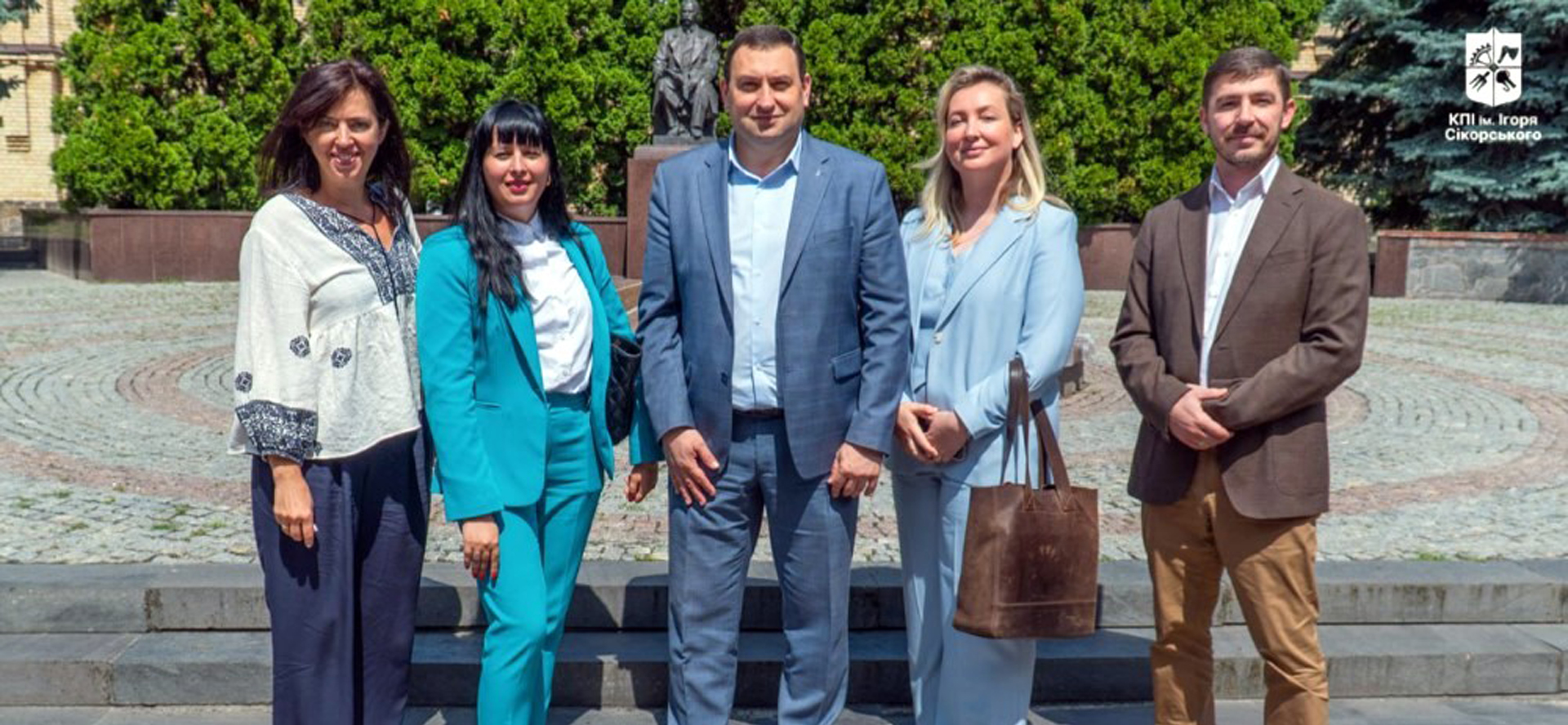
On 1 August 2025, the Igor Sikorsky Kyiv Polytechnic Institute took an important step towards the digital future by signing a memorandum on cooperation with Ericsson’s subsidiary in Ukraine, as well as a memorandum about joining the Ericsson Educate: 5G University program.


Through this partnership, Kyiv Polytechnic students will get access to advanced learning materials provided by the world’s leading developer of 5G technology. The program is targeted specifically at students of the Institute of Telecommunication Systems and the Faculty of Radio Engineering to achieve professional competency in the fast-evolving domain of telecommunications.


Importantly, this program offers Kyiv Polytechnic students a career shaping opportunity to gain the necessary 5G knowledge, while enabling industry experts to contribute towards educating a new generation of specialists equipped to meet the challenges of tomorrow’s digital landscape.

Chula President Offers Support to Surin

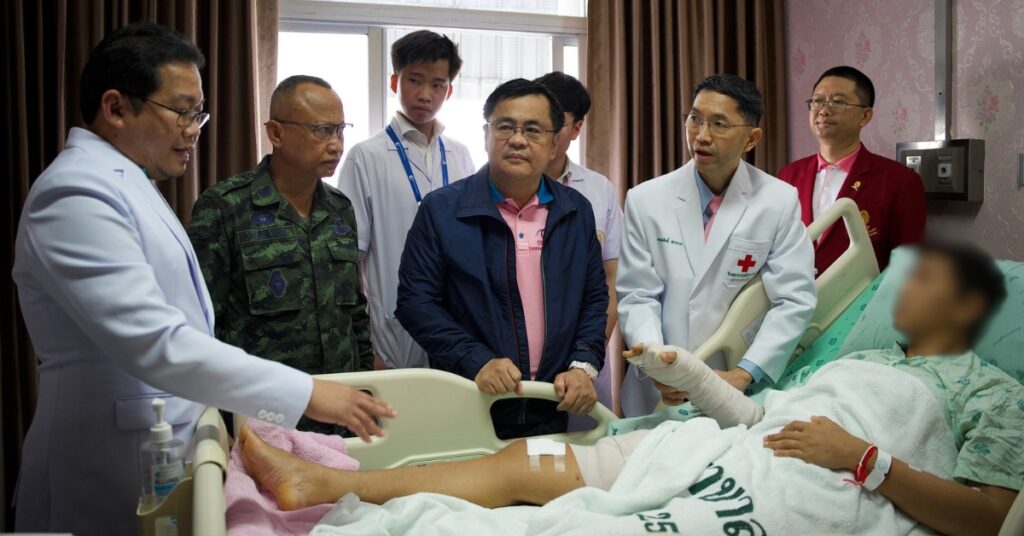
On August 12, 2025, Professor Dr. Wilert Puriwat, President of Chulalongkorn University, along with the university’s executive team, traveled to Surin Province to offer moral support to Chula alumni, military personnel, and civilians who were injured in recent clashes along the Thai-Cambodian border. They were welcomed by the management team of Surin Hospital and visited the emergency room to observe the work of medical staff. The delegation also paid respects at a sacred site in the Buddhist Park. 

The Chula President and executives visited four injured military and civilian patients receiving care in Ward 9/6. Afterwards, they proceeded to the Sra Boran Conference Room, where they were welcomed by Dr. Chawamai Suebnukarn, Director of Surin Hospital. Presentations on the current conflict situation and refugee care were given by Dr. Wiwat Kittiweerawong and Asst. Prof. Dr. Sirirat Sangkarak, with participation from the Chula Alumni Club of Surin Province.

On this occasion, the Chula President and his team provided a scholarship to support the wife of a military officer who had died defending the nation. They also donated an anti-drone net to the Suranaree Task Force, received by Colonel Jirat Chuancham, Deputy Commander of the Task Force. Additionally, medical masks were delivered to Weerawat Yothin Military Hospital, with Colonel Dr. Pornpichet Kesphan, Director of the hospital, accepting on its behalf. 

In the afternoon, the Chula delegation visited a war refugee shelter located at Rajamangala University of Technology Isan, Surin Campus, to offer encouragement and check on the well-being of displaced civilians. 

The university leadership also extended words of support to medical residents and intern doctors at Surin Hospital to boost morale for frontline workers caring for patients during this crisis. 

Read more at: https://www.chula.ac.th/en/news/254992/

Thammasat – SCG Internship Program

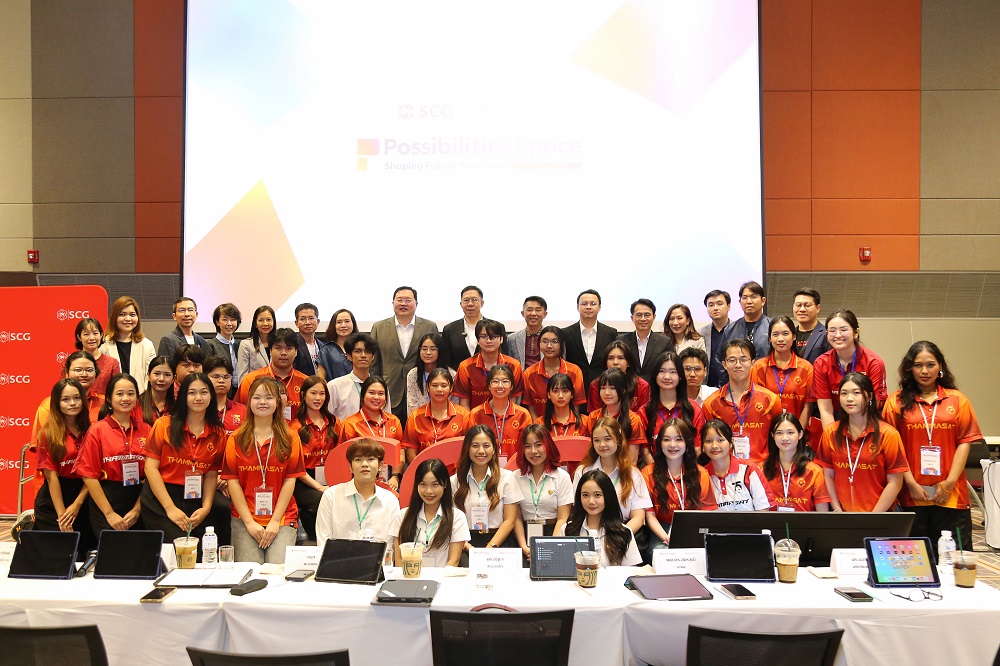
Thammasat University and SCG partnered to create the “Possibilities Space” internship program, a new model addressing graduate employment. This program offers students experiential learning from real work, integrating academic knowledge with business challenges through inter-faculty teamwork, diverging from traditional internships.

Professor Dr. Supasawad Chardchawarn, the Rector of Thammasat University, stated that educational institutions are currently able to provide knowledge to students. However, what is crucial is the ability and skills of students to graduate and be ready for immediate employment. Thammasat University places great importance on this aspect and is beginning to adapt and develop the teaching and learning processes within the university.

“Internships may not be a new concept, but what sets us apart is the internship that allows students to learn from real challenges specific to the organization. This enables students to think critically and take action to find solutions to problems, providing them with genuine experiential learning. I hope that this will be one of the projects that equips students with skills that will make them job-ready and accepted in the labor market,” said Professor Dr. Supasawad.

SCG CEO, Mr. Thammasak Sethaudom, highlighted the “Possibilities Space” project as a platform for students to gain real-world experience, develop essential skills, and present innovative ideas for societal and environmental progress. He thanked Thammasat University for their collaboration in creating a curriculum that prepares a “Future Workforce.”

“Possibilities Space: Shaping Future Workforce” is a 2024 summer internship where students tackle SCG’s Smart Living and ESG business challenges. Through hands-on learning, they research, develop concepts, design prototypes, and present at a Final Pitching event on July 24, 2025. Outstanding projects may become pilot projects and lead to job offers from SCG.

Nicha Pruksa-aporn, part of the winning Gasshield team (an automatic gas valve closure system), gained practical experience, observing diverse skills within her interdisciplinary group. As a software engineering student, she designed the application, while others handled hardware and marketing. Thanach Mel Phonsukcharoen (SIIT) learned beyond his field, addressing real-world problems and developing critical thinking, aspiring to contribute to societal change.

The Possibilities Space: Shaping Future Workforce project serves as the starting point for creating a model of experiential learning aimed at producing graduates equipped with both knowledge and skills for the workforce. Thammasat University is advancing collaboration with all sectors to drive human development that meets the demands of the labor market, fostering quality individuals who are fully equipped while also considering societal needs.

USU and USM Study Homelessness

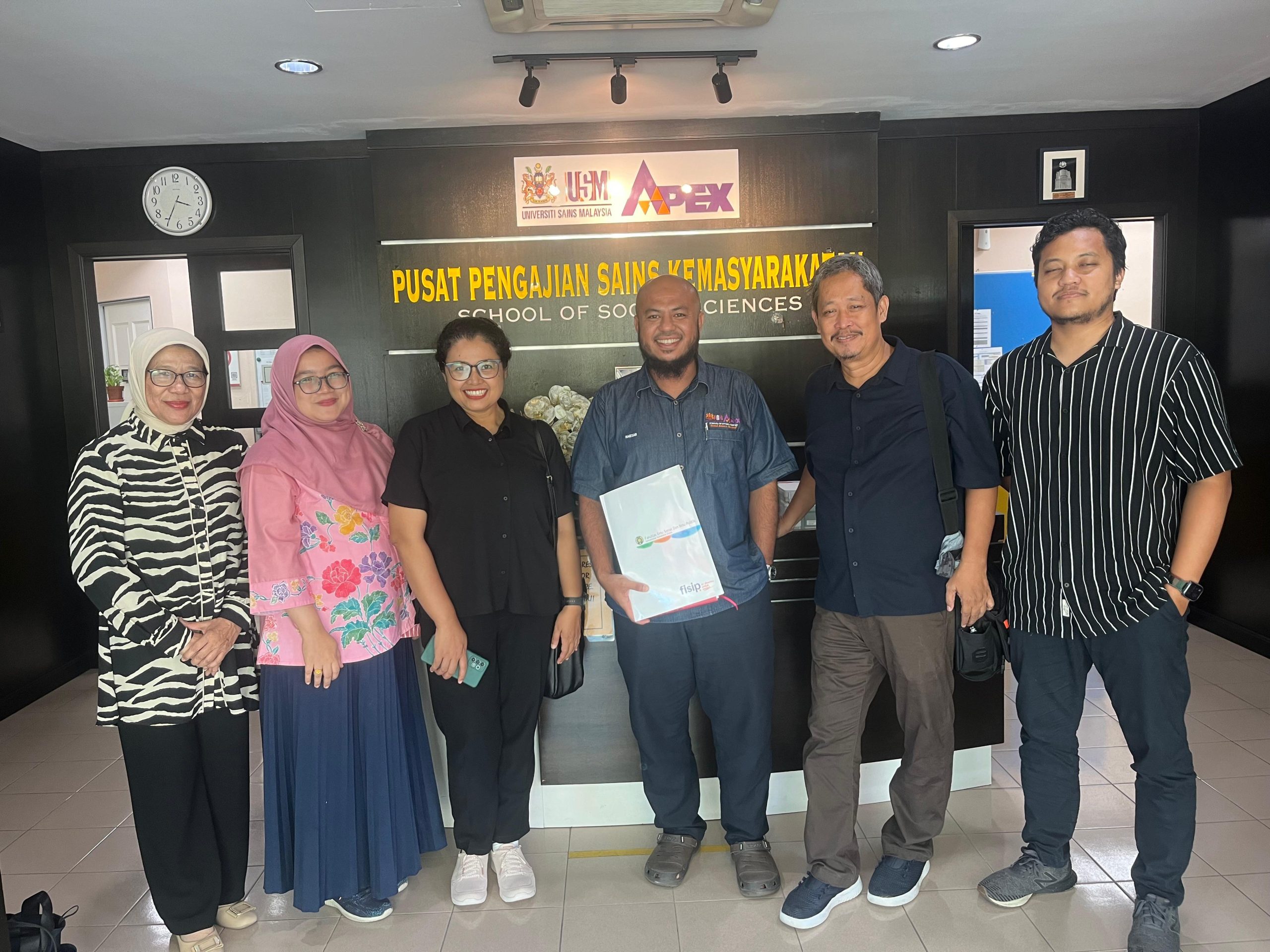
Universitas Sumatera Utara (USU) through its Faculty of Social and Political Sciences strengthens its international research profile by collaborating with Universiti Sains Malaysia (USM) in a cross border study. The project explores the survival strategies of homeless individuals and beggars in Medan, Indonesia and Penang, Malaysia. The research contributes to the achievement of Sustainable Development Goal 1 which focuses on the eradication of poverty in all its forms.

The study is led by Husni Thamrin, S.Sos., M.SP. from FISIP USU together with Dr. Paramjit Singh and Dr. Mohd Haizzan Bin Yahaya from USM. According to Husni Thamrin, “The collaboration between Universitas Sumatera Utara and Universiti Sains Malaysia has delivered a very positive impact. By combining the research strengths of both institutions we are able to produce studies that are more comprehensive and of international standard.”

The project investigates socio economic conditions that contribute to homelessness and observes how marginalized groups manage daily survival in challenging urban settings. The team applies qualitative methods including direct observation, in depth interviews and focus group discussions in both cities. The comparative approach allows the researchers to highlight differences in social support systems and policy responses between Medan and Penang.

The research outcomes are expected to inform evidence based policy that supports inclusive and sustainable solutions for vulnerable communities. Insights from the study will not only contribute to academic literature but also offer practical guidance for stakeholders in Indonesia and Malaysia. The project demonstrates how universities can provide knowledge that directly addresses global development priorities.

This initiative supports USU’s Strategic Plan 2020 to 2024 which positions the university as an internationally recognized institution. Collaboration with USM ranked second in Malaysia and 146th globally in the QS World University Rankings enhances the visibility of both institutions. The project is designed to produce high quality outputs including publications in international journals, conference proceedings, intellectual property rights and publicly available research resources.

Through this partnership USU and USM highlight the importance of regional academic collaboration in Southeast Asia. The study generates knowledge with direct impact on society and affirms USU’s commitment to research that matters for communities beyond national borders.

matters for communities beyond national borders.

AU Leads Stem Cell Healing Breakthrough

Chronic wounds—resulting from diabetes, burns, and vascular conditions—represent a growing global health crisis, affecting millions and straining healthcare systems worldwide. The urgent need for effective, accessible, and less invasive treatments has placed regenerative medicine at the forefront of medical innovation.

In response to this challenge, Dr. Ibrahim El Serafi, Associate Professor and Head of the Basic Medical Sciences Department at the College of Medicine, Ajman University, has been awarded the Thumbay International Research Grant 2025 to lead a groundbreaking project on skin regeneration and wound healing.

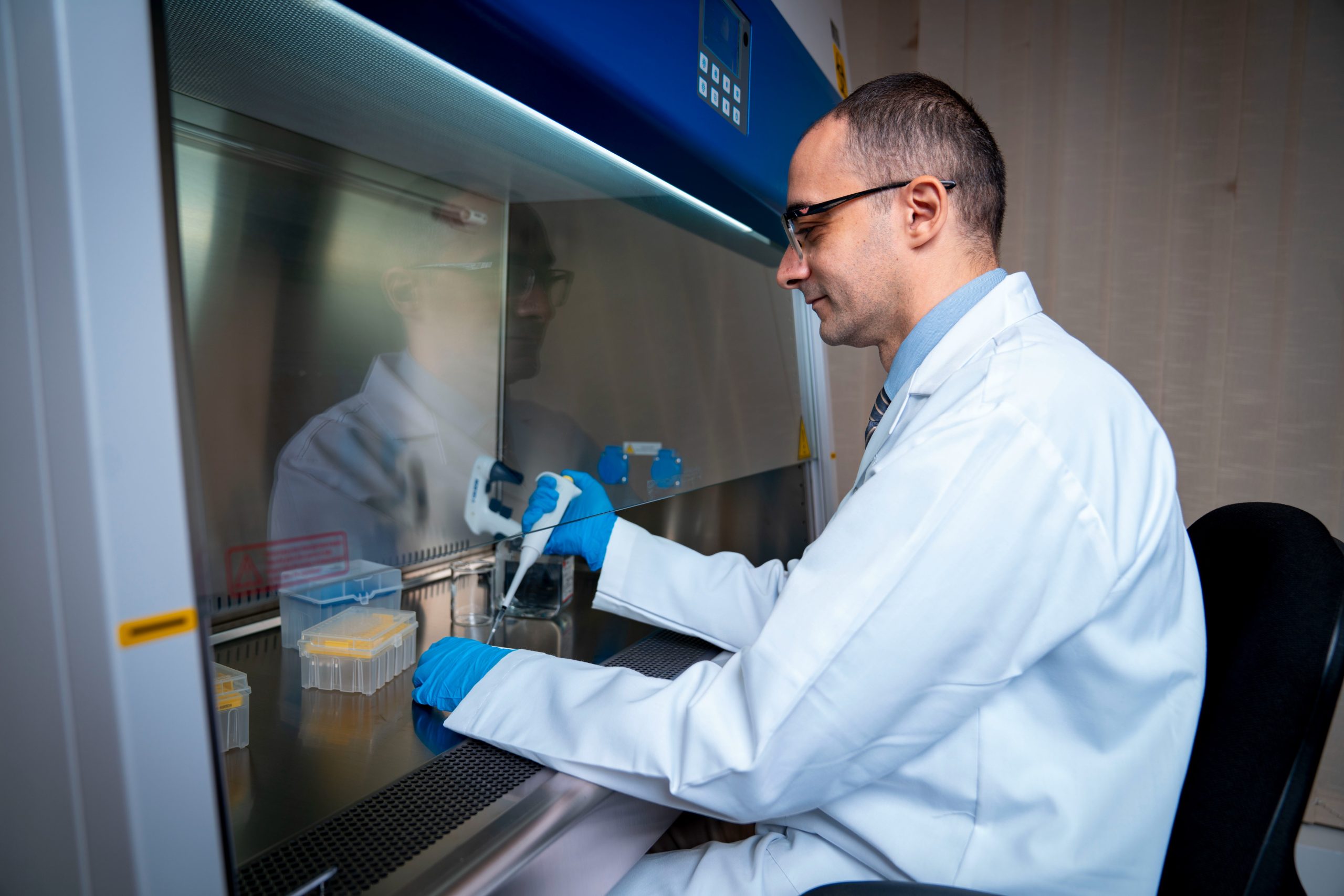
His research explores the potential of epigenetic compounds—Vorinostat and CID1067700—to stimulate the differentiation of stem cells into keratinocytes, the key cells responsible for skin formation. The aim: to develop a topical, non-surgical therapy and personalized skin grafts for patients suffering from chronic, non-healing wounds.

The project has far-reaching implications for personalized and regenerative medicine, offering a viable alternative to traditional skin grafting procedures, which often involve donor sites, risk of infection, and limited availability.

Through rigorous in vitro and in vivo studies, the project will assess therapeutic efficacy, genotoxic safety, and clinical applicability. If successful, it could lay the foundation for next-generation treatments for wounds caused by diabetes, trauma, and vascular diseases.

In partnership with Gulf Medical University (UAE) and Linköping University (Sweden), this project exemplifies Ajman University’s strategic focus on translational research and global collaboration. It reinforces the University’s growing reputation as a regional leader in advancing health sciences and biomedical innovation.

This milestone reflects Ajman University’s commitment as a non-profit institution to advancing impactful research that addresses real-world challenges. By nurturing scientific inquiry and fostering strategic partnerships, AU continues to align with national and global priorities—contributing to a more sustainable, healthier future.

Pharmaceutical Technology Synergy

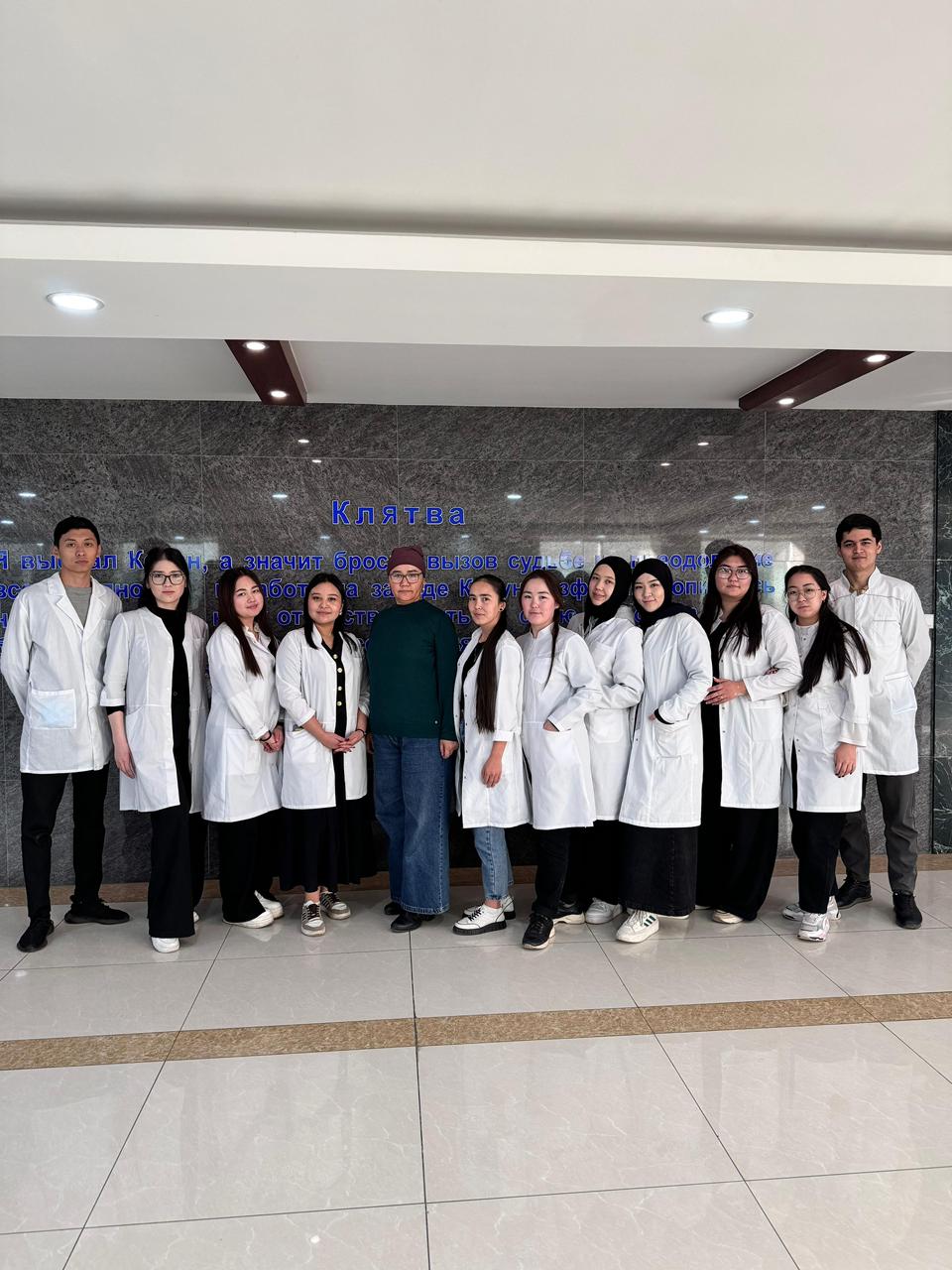
The Department of Pharmaceutical Technology at Asfendiyarov Kazakh National Medical University (KazNMU) has successfully implemented a dual education model that blends academic instruction with practical experience in real pharmaceutical production settings. Since 2010, this model has been developed in collaboration with leading scientific and industrial enterprises, including JSC “Scientific Center for Anti-Infectious Drugs,” LLP “Antigen,” and LLP “Kelun-Pharm,” all of which operate in accordance with national Good Manufacturing Practice (GMP) standards.

A Synergy of Theory and Practice

The dual education system enhances student training by integrating substantial hands-on experience into the academic curriculum. Key pharmaceutical disciplines—both mandatory and elective—are delivered directly at industrial sites. For example:

  • Industrial Drug Technology and Biopharmaceutical Aspects of Dosage Form Technology are taught at the JSC center,
  • Veterinary Drug Technology is conducted at LLP “Antigen”,
  • Industrial Drug Technology and Pharmaceutical Technology II are taught at LLP “Kelun-Pharm.”

Students also complete educational, industrial, and pre-graduation internships at these sites, gaining real-world experience in pharmaceutical workflows such as technological processes, GMP compliance, equipment handling, and quality assurance systems. These internships are enriched by the direct involvement of industry professionals, who deliver guest lectures, lead seminars, and conduct masterclasses.

This collaborative model ensures the relevance of educational content to the current demands of the pharmaceutical industry. Moreover, KazNMU is expanding its partnerships with European and CIS pharmaceutical enterprises, enabling international site visits and exchange of expertise.

Applied Research and Innovation

Alongside its educational initiatives, the department is actively involved in applied scientific research. A flagship example is the project titled “Development of Technology for Pectin-Containing Dairy Products Aimed at Removing Toxicants from the Human Body,” funded by the Ministry of Education and Science of Kazakhstan (2020–2022, 49 million KZT). This project developed functional dairy products (yogurt, cheese, ice cream) using low-esterified sugar beet pectin, which demonstrated significant detoxification effects in preclinical studies by reducing lead and cadmium levels in laboratory animals. Industrial trials were carried out at “SMAK” LLP.

The project is now in the commercialization phase at “ANADEL” LLP under a new grant from the Science Fund (2024–2026), with a total funding of 492 million KZT.

Through the successful integration of academic knowledge, hands-on industry training, and applied research, the Department of Pharmaceutical Technology at KazNMU continues to be a model of educational innovation. With robust partnerships and a 100% graduate employment rate, the department is not only preparing future pharmacists but also actively shaping the pharmaceutical landscape of Kazakhstan and beyond.