NTU and SMU Expand Business Education Ties

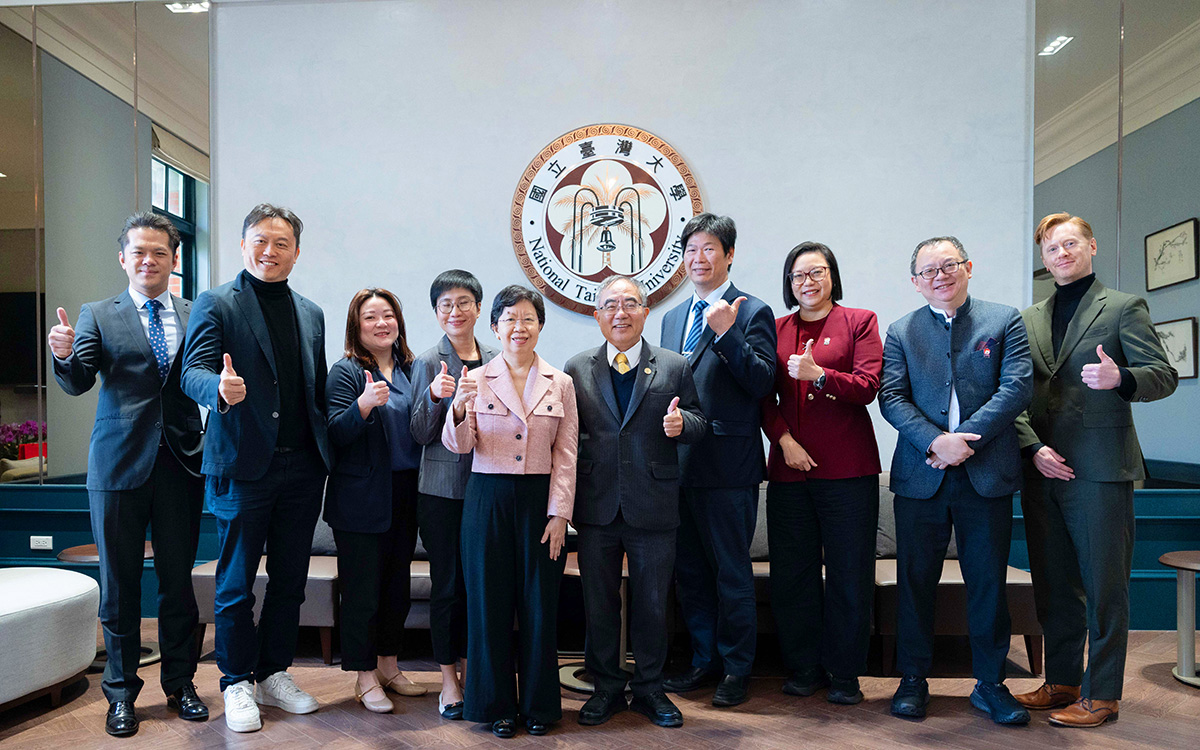
As higher education across the Asia-Pacific grows more interconnected, universities are increasingly building cross-border alliances to prepare students for a globalised economy. On March 13, 2026, National Taiwan University (NTU) welcomed a delegation from Singapore Management University (SMU) led by President Lily Kong—her first official visit to NTU since assuming leadership. Received by NTU President Wen-Chang Chen, the two sides discussed business education, interdisciplinary collaboration, and expanded international academic exchange, underscoring a partnership rooted in a shared commitment to cultivating globally competent talent.

Founded in 2000 and modelled on the American university system, SMU is widely regarded as one of Asia’s leading institutions in business and management education, known for interdisciplinary learning, research excellence, and close engagement with industry and the public sector. During the visit, representatives explored deeper collaboration between SMU’s business school and NTU’s College of Management, focusing on curriculum innovation, joint research, student mobility, and the potential expansion of dual-degree and collaborative academic programs.

The two universities also reflected on existing cooperation, including SMU students’ participation in NTU’s International Internship Program, with placements at organisations such as STMicroelectronics, the State of Montana Asia Trade Office–Taiwan, and Impact Hub Taipei that offer cross-cultural professional experience. Looking ahead, NTU expressed interest in deepening ties with SMU’s Global Summer Program to create reciprocal pathways for its own students in Singapore. University leaders described the partnership as part of a broader Asia-Pacific vision for higher education—one that integrates business, innovation, and international collaboration to equip students for an increasingly interconnected world.

Study finds AI regulation gap in developers

A new study by Nanyang Technological University, Singapore (NTU Singapore) has found that many developers building medical AI tools lack familiarity with regulatory frameworks.

The study, one of the first multi-regional surveys of medical AI developers focused specifically on regulatory awareness, also revealed that most developers believe they are responsible for the AI they build.  

Reported in npj Digital Medicine, the findings indicate a stronger need to engage AI developers to boost the effectiveness and safety of implementing AI in medical settings, especially in countries like Singapore that invest heavily in digital innovation. 

Limited familiarity of medical AI regulations a stumbling block

As AI continues to be increasingly used in healthcare, such as to analyse medical images and predict disease risks, limited awareness of regulatory safeguards such as the EU AI Act or Singapore’s Artificial Intelligence in Healthcare Guidelines could affect patient outcomes and public trust when AI tools are deployed in the clinic.

The researchers surveyed 122 medical AI developers from Singapore and other regions such as China, Hong Kong and the United Kingdom to find out their awareness, familiarity and perceptions of implementing these regulations.

They found that most developers felt they should be responsible for the AI they create, with guidance from a government or institutional ethics body, and in partnership with users and the organisations that provided the data for the development of the AI.

More than half of the surveyed developers (57 per cent) were aware of at least one regulatory framework, with senior developers and developers from non-academic organisations more likely to be more aware of more frameworks than junior developers and developers from academic organisations. Furthermore, senior developers were also more familiar with these frameworks.

However, more than half (67 per cent) of the organisations that the developers worked for have not adopted any regulatory frameworks. Developers from organisations that adopted these frameworks were more familiar with the frameworks compared to those from non-adopting organisations.

The researchers say addressing these gaps will be key to ensuring AI can be effectively and safely integrated into healthcare systems.

“Developers are uniquely positioned to assess data quality, model limitations and risks such as bias and hallucinations. While it is reassuring that there is a sense of responsibility among developers for the AI tools they create, the gaps in regulatory awareness identified in our study are concerning,” said Asst Prof Wilson Goh of NTU’s Lee Kong Chian School of Medicine (LKCMedicine) and Chief Data Scientist at the Centre of AI in Medicine (C-AIM), who co-led the study.

“A more proactive stance is needed to empower developers to build high-quality AI models that do not pose a risk to patient outcomes and public trust.” 

Implementing trustworthy AI in the clinic

To increase awareness of AI regulations, the researchers propose that educational institutions include regulatory frameworks in developer training. Within companies and development teams, well-structured mentorship processes between senior and junior developers can also reduce the difficulties of navigating the complex regulatory landscape.

Beyond improving organisational culture and leadership to increase awareness and familiarity of frameworks, the researchers recommend that national regulatory bodies adopt an active role in ensuring compliance as well as implement longer-term harmonisation activities across jurisdictions, incorporating both positive and negative experiences from developers.

These combined efforts can potentially ease adoption barriers. The findings from this study complement anearlier study on medical AI perceptions by the researchers that shows gastroenterologists generally trust and accept the use of AI medical tools in clinics and hospitals.

“Our research shows that collaborative efforts from multiple stakeholders are required to resolve the challenges of adopting AI in healthcare. Only by taking collective ownership of the broader implications of AI deployment will we be able to address  the challenges of ensuring patient safety, data privacy and the long-term reliability of AI in medicine,” says NTU Senior Vice President (Health & Life Sciences) and Director of C-AIM Prof Joseph Sung, who led the study. Prof Sung is also Dean of LKCMedicine.

Read more in “Examining developer perspectives on medical AI regulatory frameworks” in npj Digital Medicine, DOI: 10.1038/s41746-026-02689-0. 

New method to protect perovskite solar cells

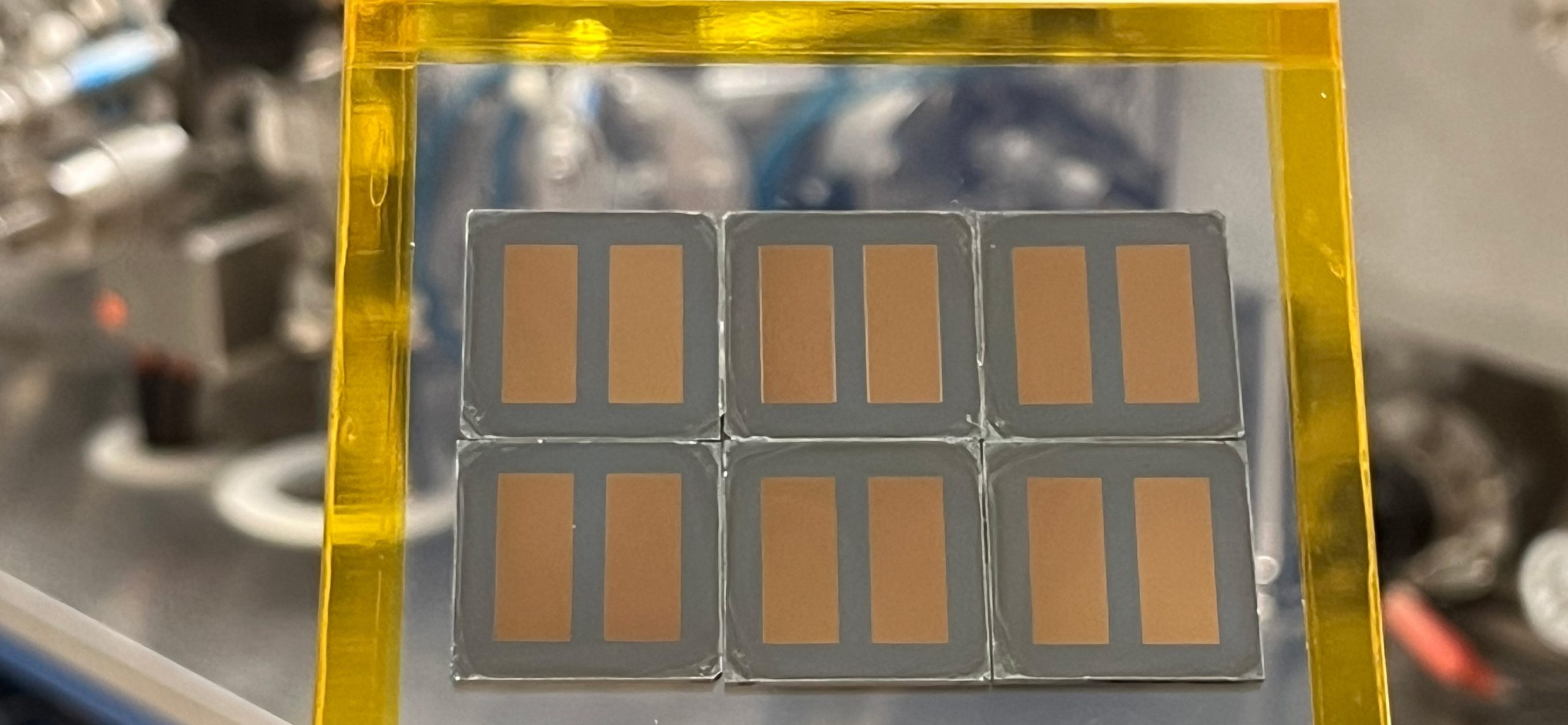
Perovskite solar cells are a promising alternative to silicon-based photovoltaic technologies. However, their widespread adoption is limited by poor environmental stability, as perovskite materials degrade easily when exposed to oxygen, moisture, heat or light.

An innovation by scientists at Nanyang Technological University, Singapore (NTU Singapore) has made perovskite solar cells more stable and efficient, bringing the technology one step closer to market.

Their method expands the possibilities of using chemically inert materials to improve the stability of perovskite solar cells without compromising efficiency.

The research was published in Nature Energy in August 2025 and led by Prof Sum Tze Chien, Director of the Institute of Advanced Studies at NTU and Associate Dean (Research) of NTU’s College of Science, and Prof Lam Yeng Ming of NTU’s School of Materials Science and Engineering.

Engineering protective layers for perovskite solar cells

To protect perovskite solar cells from environmental degradation, an ultrathin interface layer typically made of highly reactive bulky cations – large positively charged ions – is often applied to the perovskite film. Although the cations readily react with perovskites to form a coating that provides good electrical conductivity, such interface layers have low stability due to their high reactivity.

On the other hand, chemically inert bulky cations can be integrated into the interface layers to produce a protective coating that offers both high stability and good electrical conductivity. However, this integration is limited by the low reactivity of such cations.

To overcome this challenge, the NTU team developed a strategy called selective templating growth (STG) to create chemically inert interface layers that combine high stability with good conductivity.

In this strategy, the team first deposited a layer of phenylammonium lead iodide (PA2PbI4) onto the perovskite surface. PA2PbI4 is usually used to protect the underlying perovskite layer to improve the performance of perovskite solar cells.

Then, a chemically inert bulky cation – 2-piperidin-1-ium-1-ylethylammonium (PiEA2+) – was introduced by spin-coating an alcohol-based PiEA2+ solution onto the PA2PbI4 layer. Through a controlled organic cation exchange process, in which PA+ is replaced by PiEA2+, a more stable ultrathin layer of (PiEA)PbI4 is formed.

This method of boosting the stability of perovskite solar cells with inert materials is one of several innovations that have emerged from the more than ten years of research collaboration between Prof Sum and Prof Lam.

“Our strategy enables access to a class of chemically inert interface materials that previously could not be used due to reactivity and solubility limitations, opening a new avenue for interface engineering in perovskite devices,” said Prof Sum.

Manufacturing highly efficient and stable perovskite solar cells

Using the strategy, the team fabricated a 1-cm2 perovskite solar cell prototype that achieved a power conversion efficiency of 25.1%, one of the highest reported for perovskite solar cells of this size. The device retained over 93% of its initial efficiency after 1,000 hours of operation, and 98% after 1,100 hours at 85 °C.

Beyond the prototype (PiEA)PbI4 interface, the strategy also enables the formation of a wide variety of chemically inert interfaces. Importantly, being fully solution-based, the approach is compatible with industrial techniques for coating large areas, such as blade-coating, paving the way for large-scale fabrication and practical deployment.

“Our strategy provides a versatile and scalable interface design platform. It can be extended not only to the manufacturing of lead-free perovskite solar cells, but also to other perovskite optoelectronic devices such as light-emitting diodes and photodetectors.” added Prof Lam.

The researchers are collaborating with companies to manufacture full-sized solar panels and bring the technology one step closer to commercialisation.

Read more in “Selective templating growth of chemically inert low-dimensional interfaces for perovskite solar cells”, Nature Energy (2025), DOI: 10.1038/s41560-025-01815-8. 

Using AI to study malaria protein interactions

An international research team headed by scientists from Nanyang Technological University, Singapore and the Centre for Structural Systems Biology and Bernhard-Nocht Institute for Tropical Medicine in Germany has revealed fresh insights into the dynamic network of protein interactions that govern the biology of the malaria parasite.

Published in Nature Microbiology in November, the findings could pave the way for novel treatments of malaria. 

Uncovering unknown protein interactions 

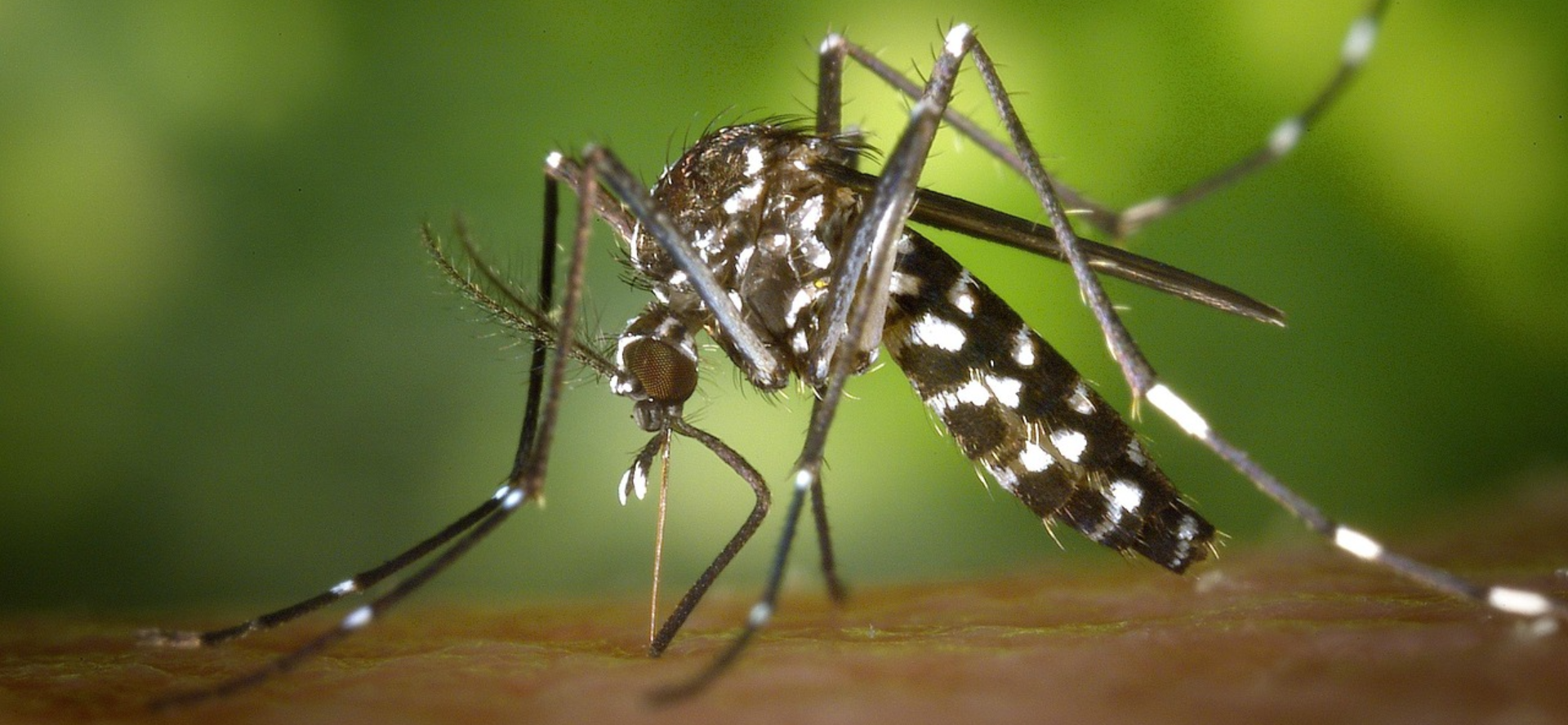
Malaria remains a major global health burden, with over half a million people dying from the disease every year. The rise of malaria parasites that are resistant to anti-malarial drugs also threatens the control of the disease.

The deadliest form of malaria is caused by the Plasmodium falciparum parasite. P. falciparum produces over 5,200 distinct proteins, and interactions between these proteins at various stages of its life cycle contribute to the parasite’s ability to cause disease.

However, the functions and molecular interactions of almost half of P. falciparum’s proteins are currently not known.

To study which proteins in the malaria parasite interact with one another, the team developed a novel approach that integrates artificial intelligence (AI), called meltome-assisted profiling of protein complexes (MAP-X). 

First, the researchers applied a method known as thermal proteome profiling (TPP) to examine the stability of the proteins when heated. When exposed to heat, proteins that interact with one another are destroyed in a similar manner.

The research team then used AI to predict which proteins interacted with one another based on the TPP data. This new approach, called meltome-assisted profiling of protein complexes (MAP-X), allows thousands of proteins to be compared and monitored.

Using MAP-X, the team discovered more than 20,000 interactions across seven timepoints in the Pfalciparum life cycle in human blood.

“With MAP-X, the team not only confirmed the existence of known protein complexes but also discovered blueprints for novel parasite specific protein complexes and biochemical pathways,” notes lead researcher Prof Zbynek Bozdech of NTU’s School of Biological Sciences (SBS), the paper’s corresponding author.

“By characterising protein complexes in malaria parasites, we can identify new targets for treating drug-resistant malaria,” explains Dr Samuel Pazicky, research fellow at NTU’s SBS and first author of the study. 


“With its ability to identify previously undescribed interactions as well as reveal stage-specific dynamics, MAP-X is powerful resource for deciphering the dynamic interactions and fundamental biological processes of the malaria parasite,” explains Prof Tim Gilberger, Group Leader at the Centre for Structural Biology, who co-led the study.

In the future, the team intends to use MAP-X to investigate how the protein complexes are affected by anti-malarial drugs. 

Read more in “MAP-X reveals distinct protein complex dynamics across Plasmodium falciparum blood stages“, Nature Microbiology (2025), DOI: 10.1038/s41564-025-02173-7. 

Chip emits UV light to keep food fresh

Nanyang Technological University, Singapore (NTU Singapore) scientists from LUMINOUS! Center of Excellence for Semiconductor Lighting and Displays, together with Swedish technology company PureFize Technologies, have developed a small chip that harnesses the power of ultraviolet (UV) light for disinfection. The innovation has been integrated into a commercially available product that preserves the freshness of food stored in containers.

Unlike conventional UV lamps, the chip does not require mercury and is only a few centimetres in size. The chip can also operate at full intensity in small, confined spaces without the need for cooling, making it suitable to be used when UV lamps cannot be installed. 

Safe and effective disinfection in an instant

UV light effectively eliminates microorganisms such as bacteria, fungi and viruses. The most effective UV light for inactivating microorganisms is short wave UV, known as UVC, as it damages DNA and kills microorganisms.

Mercury lamps that emit UVC are commonly used to disinfect water and air. However, due to mercury’s high toxicity, sustainability initiatives are phasing out mercury-based lamps and encouraging the development of safer and environmentally friendly disinfection technologies. 

Instead of vapourising mercury to produce UV light, as in mercury lamps, the chip generates UVC through a process called cathodoluminescence. The chip contains two electrodes: a cathode made of ZnO nanostructures and an anode coated with a material that emits mainly UVC when excited by electrons. When a voltage is applied, electrons are emitted from the cathode through field-emission, then accelerated in a vacuum by the electric field towards the anode, which emits UV light when hit by the electrons.

The chip is designed to target a wide range of microorganisms (bacteria, viruses, fungi) and emits UVC primarily around a wavelength of 265 nm, along with a significant portion extending into the UVB (280 – 315 nm) and UVA (315 – 400 nm) regions. This combination leverages UVC to directly disrupt DNA while UVB and UVA penetrate and destroy difficult-to-eradicate communities of microorganisms known as biofilms and cellular components such as proteins and lipids.

The chip operates at temperatures from -20 to 100 degrees Celsius and can be turned on and off instantly, which is crucial for applications requiring immediate disinfection.

Zapping microbes with UV light

Laboratory tests showed that the UV chip effectively reduced pathogenic waterborne bacteria Pseudomonas aeruginosaEscherichia coli and Legionella pneumophila after a few minutes of irradiation. The UV chip also effectively eliminated SARS-CoV-2, the virus that causes COVID-19.


“The disinfection efficiency of our chip is on a par with conventional mercury lamps, and we are excited about the potential applications of the device in consumer products, including food containers, refrigerators, and medical technology applications, to name a few,” said Prof Hilmi Volkan Demir of NTU’s School of Electrical and Electronic Engineering, School of Physical and Mathematical Sciences and School of Materials Science and Engineering, and the Director of LUMINOUS!, who led the research and was the senior author of the study.

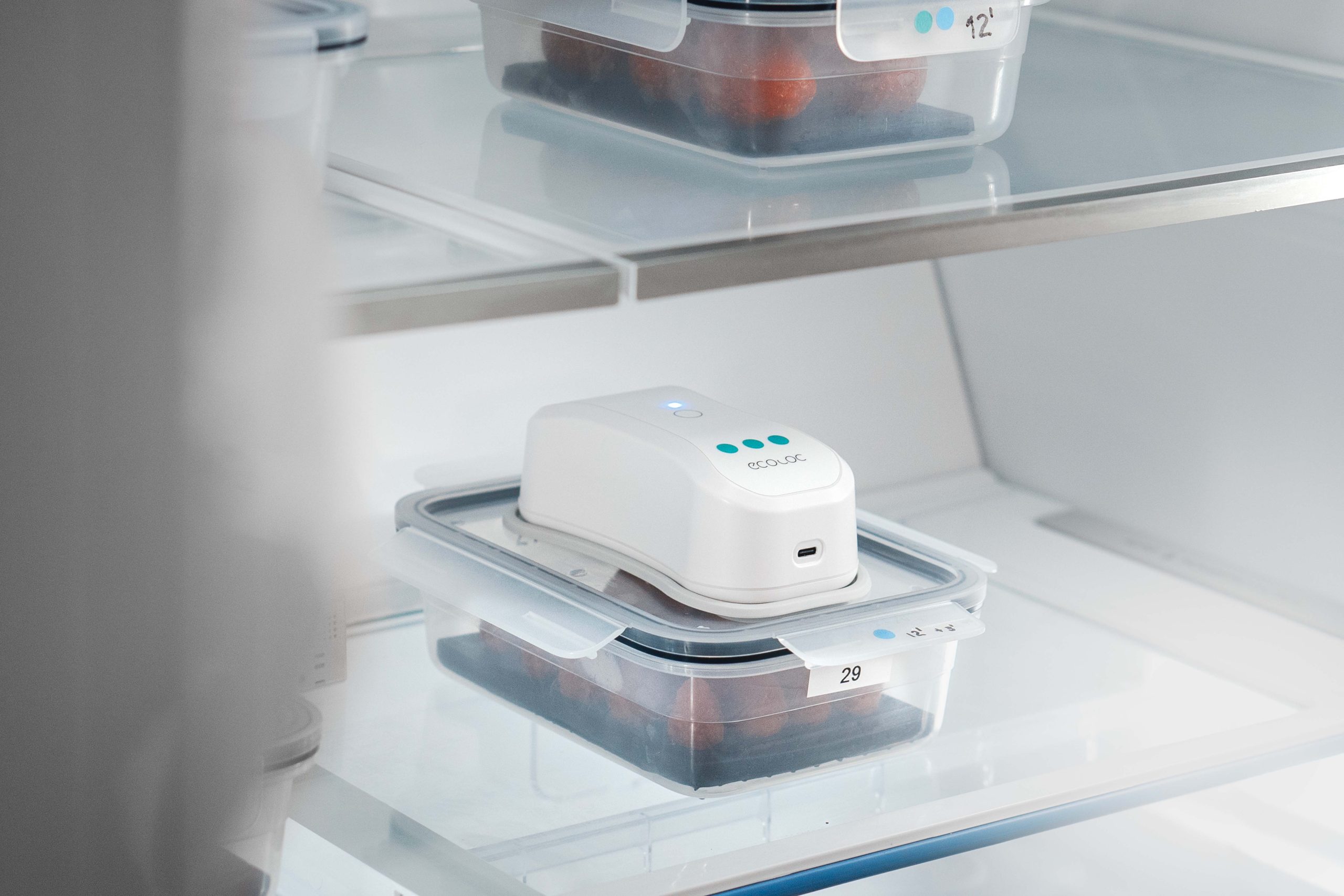
The chip has been incorporated into a commercially available handheld device called EcoLoc. EcoLoc is designed to be used with a specially developed food container lid to help consumers keep food safe and fresh. The lid, manufactured by PureFize subsidiary EcoLoc, fits the IKEA series of 365+ food storage containers.

UV treatment using the EcoLoc device eliminates pathogens and spoilage microorganisms on the surface of the food, slowing their proliferation during storage. Users can switch on EcoLoc for a few minutes before storing food in the refrigerator or use the device daily to keep refrigerated food safer and fresher.

Using the chip, the shelf-life of various perishable foods, including bread, fruits, vegetables and meats, was extended to almost a week with minimal changes in taste and odour.

“Our chip is a significant breakthrough in health and safety as it has the potential to eradicate harmful food spoilage microorganisms as well as reduce the spread of infectious diseases such as COVID-19,” said senior research fellow Dr Vijay Kumar Sharma of NTU’s School of Electrical and Electronic Engineering and LUMINOUS!, who was the first author of the study.

“The innovation will also contribute to a greener tomorrow by reducing the amount of food waste generated.”

“The unique broad-spectrum UV technology that we have developed can combat biofilm formation and we have shown that the chip can be operated in small, confined spaces without the need for cooling. As such, this technology that we have developed together with NTU complements the range of available UV technologies on the market very well.” said Mr. Rune Torbjörnsen, CEO of PureFize Technologies.

In the future, the researchers aim to integrate the technology into other applications that prolong shelf-life and improve the safety and quality of foods. They are also expanding the applications of this innovative UV technology in different sectors, including medical equipment sterilisation, home sanitation and packaging.

Read more about the innovation:

On-Chip Mercury-Free Deep-UV Light-Emitting Sources with Ultrahigh Germicidal Efficiency”. Advanced Optical Materials (2021), DOI: 10.1002/adom.202100072

Validation of the water disinfecting efficacy of PureFize® UV chip “Escherichia coli”, Bespoke Microbiology Services, ALS Laboratories UK Ltd. 2023, VAL00096 (1-2).

Validation of the water disinfecting efficacy of PureFize® UV chip “Pseudomonas aeruginosa”, Bespoke Microbiology Services, ALS Laboratories UK Ltd. 2023, VAL00096 (1-2).

Validation of the water disinfecting efficacy of PureFize® UV chip “Legionella pneumophila”, Bespoke Microbiology Services, ALS Laboratories UK Ltd. 2023, VAL00096 (1-2).

Validation of the water disinfecting efficacy of PureFize® UV chip “Legionella pneumophila”, Bespoke Microbiology Services, ALS Laboratories UK Ltd. 2023, VAL00096 (1-2).

HKAPA and UAS foster collaboration

To further strengthen academic ties and explore more opportunities in arts education, The Hong Kong Academy for Performing Arts (HKAPA) has signed a memorandum of understanding (MoU) with University of the Arts Singapore (UAS), Singapore’s first arts university formed by NAFA and LASALLE, on 12 May.

UAS top-leadership delegation led by Professor Kwok Kian Woon, UAS Vice-Chancellor, comprising Professor Steve Dixon, UAS Deputy Vice-Chancellor and President of LASALLE College of the Arts; Mrs Tan-Soh Wai Lan, UAS Deputy Vice-Chancellor and President of Nanyang Academy of Fine Arts, Mr Marcus Ngiow, Director, Planning and Development Division, and Ms Janet Ng, Principal Manager, Academic Planning Office.

Singaporeans Still Delay End-of-Life Plans

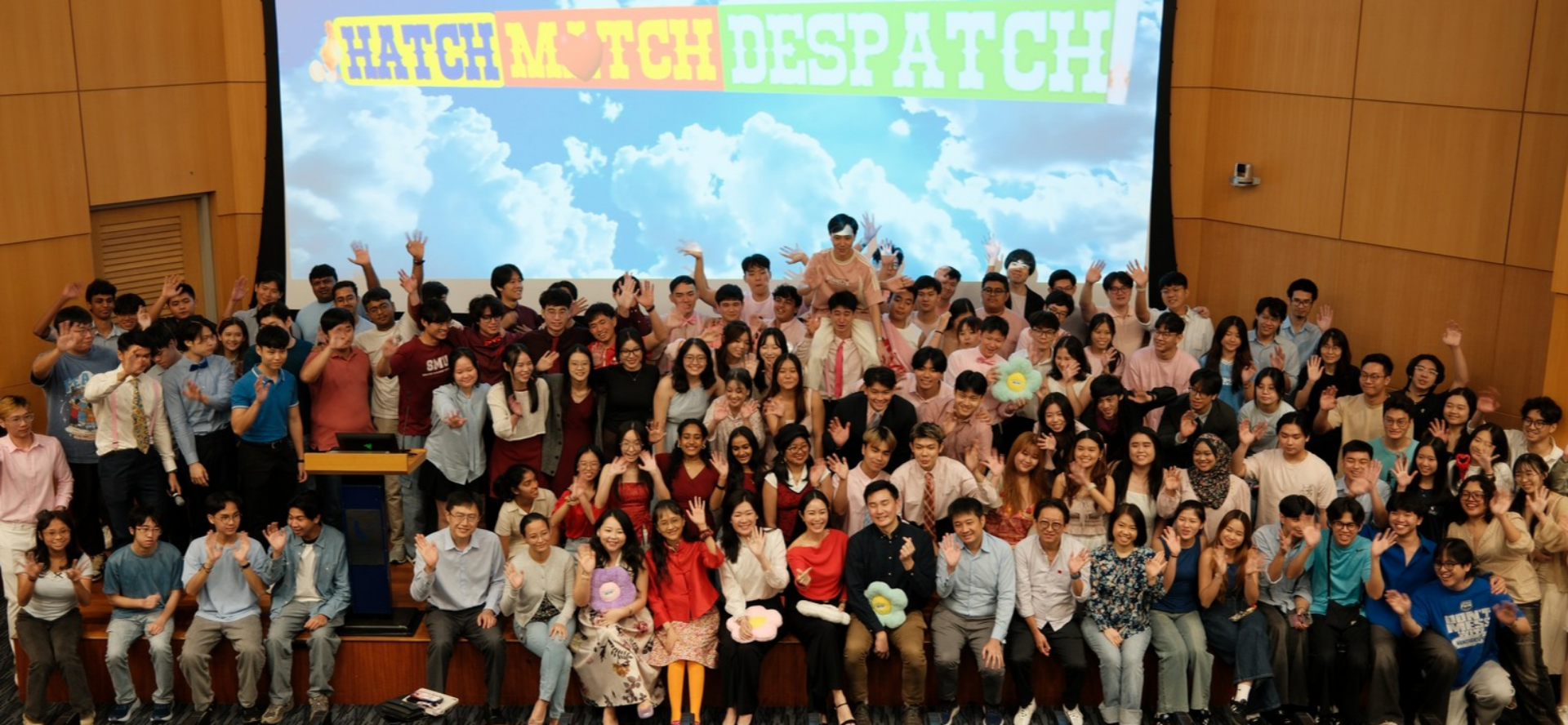
Death has never been rated more important in the circle of life of by Singaporeans, and yet it remains the least acted upon. That is the powerful paradox laid bare in a landmark national survey conducted by Singapore Management University (SMU), led by Principal Lecturer of Statistics Rosie Ching, whose project Hatch.Match.Despatch. entered its third and most formidable chapter in 2025.


Across three months, Rosie and her 101 undergraduates criss-crossed the nation, collecting 2,187 anonymised responses through face-to-face, online, telephone and remote interviews. Their goal was to unearth how Singaporeans really perceive and plan for the three great life events of birth, marriage and death, and why the last is most often left unspoken. Supported by the National Environment Agency and Direct Funeral Services Pte. Ltd., the survey marked the crescendo of a trilogy that began in 2018.


In this 2025 edition, the numbers speak as much as the silence. While a record 81% of citizens say they are moderately to highly open to discussing death, only 12.9% have both spoken and written their end-of-life wishes. More than half, 52%, have done neither. Just 15.8% have bought any form of end-of-life insurance. Fewer than 4 in 10 have written a will. Barely 1 in 10 has completed legal instruments like the lasting powers of attorney or advanced medical directives.


In a nation renowned for meticulous planning, baby bonuses, BTO queues, wedding planners, death remains unscripted.


“A few months after this survey ended,” Rosie shared, “my doctor told me how helpless she and her siblings felt when their father passed without a single arrangement in place. As a teenager, I saw many of my friends die in hospital. I’ve stood by their coffins. I am still in touch with their parents. Death is a door we will all walk through one day.”


Her conviction, shared with unflinching purpose with her students, transformed classrooms into training laboratories. Before hitting the field, everyone was trained by the Samaritans of Singapore (SOS) on how to navigate conversations on death with care and confidence.


Through statistical rigour and unfiltered fieldwork, her students analysed Rosie’s signature creation, the End-of-Life Index (ELI), a statistically weighted score from 0 to 100 measuring openness and preparedness across gender, race, religion, education and age. Women surpass the 50-point barrier for the first time, with 50.93 compared to men’s 48.5. Eurasians lead in openness at 57.18, a surge from 43.85 in 2018. Postgraduates score 53.6 versus 37.6 for the primary-educated. Age reveals a harsh reality where openness peaks at 40–49, then declines sharply (correlation: –0.6932) Just 2% are moved by public campaigns, with the rest in quiet inertia.


Yet, 69% of Singaporeans say death should be “very to completely commemorated”, more than birth or marriage. Digital traditions are rising, with 72% now accepting of e-angpows for funerals, up from 26% in 2018. But when asked when they would start planning for death, one-third still say only after illness.


“Death is not a spreadsheet,” Rosie said. “It’s a mother praying her kids will be okay, a son wishing he knew what his father wanted. If we can plan first-month birthdays, why not the final goodbye?”


Hatch.Match.Despatch. is not merely survey work, but a national conversation choreographed through Statistics, staged with empathy, and led by Rosie’s statistics for social impact where they travelled to Assisi Hospice, Garden of Peace, Singapore’s only land ash-scattering garden, and funeral parlours, witnessing firsthand what most Singaporeans have not.


Students’ testimonials overflow with meaning and poignancy:


Kim Sung Hoon: “I learnt more life lessons than in all my classes combined. Ms Ching went above and beyond.”


Kishore Kirubakaran: “This was real-life learning I needed, the perfect chance to study Statistics with the best professor at SMU.”


Lim Heng Rong: “I never imagined becoming so open to talking about death. One of the greatest impacts is making my family aware of end-of-life arrangements they were previously unaware of.”


Students in 7Alpha, 9Tau and 7Chi: “End-of-Life planning became the most unexpectedly fascinating topic of our university careers. We were not just taught statistics, but also empathy, responsibility, and the courage to speak where others go silent.”


Aurelia Cheng: “I wouldn’t trade this for anything. What Ms Ching taught us will stay with me for life.”


Hatch.Match.Despatch is continuing education in mortality and meaning, a call to everyone to embrace end-of-life planning with openness and love.


Full results are available at www.screeningstatistics.com/despatch.

Strategies for Acing Life

From taking our first steps to upskilling during our careers, learning is a lifelong endeavour. Our experiences and brains’ neural networks shape how we perceive and process information.

In a shifting social, digital and professional landscape, learning effectively and continuously is essential.

Drawing on research into brain networks, social interactions and learning techniques, NTU’s researchers offer tips to help us – and our children – unlock potential at every age.

Provide a positive and warm environment for your baby

Children learn by observing how adults behave and react, especially when they are unsure of what to do. Caregivers also facilitate learning by directing the child’s attention to information that is important, providing timely cues and responses to ensure the child stays engaged when learning.

“Caregivers can scaffold their child’s learning by using social cues such as making eye contact, calling the child’s name and using ‘infant-directed speech’ with the child,” says Prof Victoria Leong, who examines the neural processes between parents and infants that support learning through observation and interaction.

“These cues help the child pay attention to information that is relevant and prioritise learning it.” However, if a caregiver often reacts negatively, a child might copy those behaviours and learn to respond negatively too.

“Over time, these ‘negative biases’ in understanding and reacting to events in life can seed vulnerabilities for poor mental health. That’s why providing a positive, warm and responsive environment early in life is so important,” says Prof Leong, Director of the Early Mental Potential and Wellbeing Research Centre.

Get involved in your child’s developmental needs early

Neurodevelopmental conditions in children, such as autism spectrum disorder, can hamper the development of higher order mental skills, such as those needed to focus and plan.

To reduce the lifelong impact of such conditions, it’s important for parents to recognise and address them early, says Prof Leong, who is also Deputy Director of the Cambridge-NTU Centre for Lifelong Learning and Individualised Cognition.

Most clinical screening tools can only be applied for children aged two and older, which misses a crucial window for early detection and intervention. So, Prof Leong’s team is developing an infant screening tool and a play-based programme that parents can use at home to help babies with mild to moderate neurodevelopmental risk improve their developing cognition.

The programme uses “smart toys” with sensors to record a child’s interactions during play. Algorithms analyse the data to recommend play activities that support a child’s development. 

Give students space to be creative and learn from one another

A growing child’s learning is further shaped in school. When given space to be curious and draw their own conclusions with the support of adults, children learn to build their own understanding of the world around them, a skill they can continue using throughout life.

Instead of focusing on getting the correct answer, parents and teachers can encourage students to independently explore and make sense of new ideas.

“Sometimes, with good intentions, we as adults intervene too much and we hinder children’s natural curiosity,” says Dr Teo Chew Lee, who is Deputy Centre Director at the National Institute of Education’s Centre for Research in Pedagogy and Practice.

A knowledge-building and learning-analytics expert, Dr Teo is behind the student Knowledge Building Design Studio, where students of different ages and from different schools come together to explore sustainability issues, investigate problems and co-create solutions.

“For example, we can engage students in discussion using sentence starters, such as ‘This idea doesn’t quite explain…’,” says Dr Teo. “That way, they will learn to appreciate different ideas, voice disagreements and build on one another’s ideas.”

Challenge students to work beyond their abilities

Teachers tend to over-structure classroom activities and minimise uncertainties, out of concern that students – especially lower-achieving ones – cannot follow through.

This strategy may aid procedural learning to some extent, but will limit the students’ potential in the long run, as it does not foster the students’ ability to think critically or challenge them to stretch their limits.

Instead, Dr Teo encourages educators to recognise students’ ability to learn and grow through trial and error. Rather than stepping in to help once students get frustrated and stuck, it may be more beneficial to support them from the sidelines and let them solve problems independently.

“In a positive sense, frustration and inquiry are actually what’s required for them to be creative,” she says.

Overcoming challenges also builds growth mindsets. Dr Teo says: “Seeing yourself achieving something you previously thought impossible can encourage you to keep learning.”

Instil a learning and development work culture

Learning continues into adulthood and companies should create an environment conducive to learning so employees can keep up with rapidly changing developments.

Assoc Prof Trevor Yu and Principal Research Fellow Dr Vijayan Munusamy from the Centre for Research and Development in Learning (CRADLE) suggest that since formal training can be costly, small- and medium-sized enterprises (SMEs) can implement alternative methods like on-the-job training and informal learning, creating spaces for employees to learn from one another.

Assoc Prof Yu specialises in helping organisations design and implement practices that attract, engage and retain their best talent, while Dr Munusamy’s research focuses on learning and development, human capital and intercultural leadership.

Involving employees in decision-making can also promote a sense of ownership in their learning journey.

Resource-constrained employers like SMEs can still cultivate a learning culture that supports employee development. The key is to be resourceful, leverage available support and integrate learning into daily work, say the researchers.

Move and interact more as you age

While some brain functions decline with age, the brain remains remarkably adaptable. It can build scaffolds, which are alternative neural pathways, to accomplish tasks in new ways. 

Engaging in physical activity and social interaction helps keep these diverse neural pathways active, enabling older adults to continue learning effectively.

“So interventions that combine exercise with cognitive engagement have been shown to enhance executive function and processing speed, which are the core abilities that support ongoing learning,” says Prof Annabel Chen, Director of CRADLE.

Prof Chen, a clinical neuropsychologist who studies how brain networks influence thinking and behaviour, adds: “We also observed that older adults relied more on movement-related and deeper brain areas when faced with challenging tasks, suggesting they were finding new ways to compensate. These scaffolds help people stay mentally active and support learning well into later life.”


Lessons from a pandemic

Five years ago, COVID-19 wreaked havoc across the globe. Most countries enacted months-long lockdowns or implemented extensive movement restrictions and testing. Planes were grounded, businesses were shuttered and healthcare systems were stretched to their limits.

Today, we continue to grapple with outbreaks of different types of infectious diseases, many of which are zoonotic and spread from animals to humans, such as mpox, the H5N1 bird flu and ebola. These diseases have been met with varying responses.

“Society’s response to COVID-19 and other infectious disease outbreaks has been a complex mix of successes and failures,” says Professor of Infectious Diseases Laurent Renia at the Lee Kong Chian School of Medicine in NTU.

“The speeds at which diagnostic tools and vaccines were developed and deployed demonstrated the power of collaborative science,” he adds. “But the combination of misinformation, the politicisation of public health and, in some instances, ineffective and poorly explained state responses generated deep societal divisions that severely hampered any chance of an effective overall response.”

Additionally, as healthcare systems dealt with the pandemic, and investors and governments came together in an urgent rush to address COVID-19, deaths from one of the world’s most fatal diseases, tuberculosis (TB), rose.

According to expert estimates, a diversion of resources to COVID-19 from TB efforts could have resulted in 1.4 million additional deaths from the disease between 2020 and 2025.

TB expert Prof Gerhard Grüber from NTU’s School of Biological Sciences believes that TB research has been set back by several years as well.

“Because we are less aware of TB, we are also not so careful anymore,” he adds. 

Building resilience

The impact of COVID-19 underscores the need to develop resilient global health systems that can effectively respond to immediate crises without neglecting long-term health priorities. Beyond the immediate demands of crisis response, we must consider the broader context of industrialisation, climate change and globalisation.

Many pathogens originate from animals, before making the jump to humans. As a result, activities that bring people in close contact with animals may facilitate the transmission of zoonotic diseases to humans.

“Deforestation and climate change have increased human-animal contact, and this raises the risk of new outbreaks,” explains Prof Renia. “Mitigating climate change by reducing emissions, protecting biodiversity and promoting sustainable land use is crucial to minimising these environmental drivers.”

Currently, Prof Renia and his team are investigating the molecular mechanisms behind the spillover of monkey parasites into humans to further mitigate some of these zoonotic risks.

The interconnectedness of human society has also accelerated the spread of infectious diseases, and there is a need for additional measures to complement existing border screening procedures to contain outbreaks.

At the Lee Kong Chian School of Medicine, Asst Prof Keisuke Ejima uses mathematical models to understand the transmission of infectious diseases. One of his recent studies demonstrated that border screening for mpox may not be effective on its own to prevent the virus’ entry into a country due to the disease’s long incubation period and limitations in viral detectability during the pre-symptomatic phase.

While his study highlights the need for science-backed policymaking, Asst Prof Ejima notes that scientific research to inform policy is time-sensitive. But during global health emergencies, sufficient data may not be available to promptly develop, evaluate and implement effective measures. In such cases, a robust global health surveillance system that enables early collection of key clinical and epidemiological data is crucial.

“This includes real-time data sharing between countries, genomic sequencing of viruses and the integration of artificial intelligence-driven predictions with public health decision-making,” he adds.

Innovative treatments

Beyond immediate surveillance and containment, research into the human immune response is also necessary for developing effective long-term interventions against infectious diseases.

Asst Prof Loh Jia Tong from the School of Biological Sciences, who investigates the immune responses of children during illness, believes that a better understanding of their immune systems could go a long way in protecting them from infections.

“Recurrent and severe infections in early life have been shown to impact the lifelong health of individuals,” she explains. “By understanding how the immune system is shaped by early life factors – such as nutrition, antibiotics treatment and infections passed from mother to child during pregnancy – we can help set a child’s immune development on the right trajectory.”

Aside from our bodies’ natural immune systems, pharmaceuticals play a vital role in combating infections. According to Prof Grüber, effective drug development hinges on cultivating a deep understanding of the pathogen before translating that knowledge into novel therapeutic applications.

This translation often requires interdisciplinary collaboration, especially when tackling drug resistance in tricky pathogens like Mycobacterium tuberculosis, which he studies. M. tuberculosis, the cause of TB, results in almost two million deaths worldwide each year. Working with collaborators, he has identified potential drug candidates that inhibit the energy generation pathway in M. tuberculosis, offering a new approach to combat drug-resistant tuberculosis.

However, Prof Grüber acknowledges a major hurdle: access to pharmaceuticals. “There are huge inequalities in terms of access to pharmaceuticals between the rich and the poor,” he says. Addressing this will require coordinated action from multiple stakeholders, including governments and pharmaceutical companies, to drive systemic change in healthcare systems.

Infectious disease outbreaks over the past decade, like COVID-19, have exposed weaknesses in global pandemic preparedness. But they have also provided invaluable lessons. Improvements can be made across infrastructure, education, investment and policy for a more effective response that protects everyone.

“Ultimately, preparing for the next pandemic requires a proactive, science-driven and globally coordinated approach –along with cultivating the next generation of talent to carry this work forward,” says Asst Prof Ejima.

A new laser that minimises light loss

An international team of scientists led by Nanyang Technological University, Singapore (NTU Singapore) has developed a new type of ultracompact laser that is more energy efficient and consumes less power.

Smaller than a grain of sand, the micrometre-sized laser incorporates a special design that reduces light leakage. Minimising light loss means less energy is required to operate the laser compared to other highly compact lasers.

The laser emits light in the terahertz region (30 μm – 3 mm), a 6G communications frequency, and could pave the way for high-speed wireless communication of the future.

The research was published in Nature Photonics in April 2025.

Why lasers lose light

Ultracompact lasers have a wide range of applications across various industries, particularly in small devices. They are also essential for next-generation technologies such as optical computing, data centres, high-speed communication, medical imaging and advanced sensors.

However, the performance of these miniature lasers is hampered by the loss of light.

Some of this loss occurs due to side leakage from the laser cavity – a major component of lasers that confines and amplifies light to produce the laser beam.

Light is also lost by radiation and when it is scattered by imperfections in the photonic crystal, which is constructed from semiconductor materials to control the propagation of light.

These loss-inducing effects are more significant in ultracompact lasers than larger lasers. In some cases, the loss of light is so severe that it prevents tiny lasers from emitting sufficient light for practical purposes.

Reducing light loss in all directions

To prevent light loss, the new NTU laser harnesses flat bands and a phenomenon known as multi bound states in the continuum (BIC).

Flat bands are energy bands in the photonic crystal where light waves have near-zero group velocity – a measure of how fast energy carried by light moves. At near-zero group velocity, the energy carried by light waves does not travel out of the laser cavity.

Similarly, multi BIC confines light in the laser cavity and prevents it from escaping in various directions while still allowing the laser to emit sufficient light for practical use. As with noise-cancelling earphones, specific wave patterns in light cancel out the parts that would usually escape. The design of the cavity also makes it difficult for light to get out.

To reduce light loss due to leakage, scattering and radiation, the researchers designed a laser cavity that combines concepts from both flat bands and multi BIC.

They created a periodic arrangement of daisy-shaped holes in a photonic crystal consisting of a semiconductor material sandwiched between two gold layers.

According to the researchers, this could potentially be the “ultimate” solution to suppress light leakage from a laser cavity in three dimensions.

The laser also produces a highly focused beam with minimal divergence, making it useful for precise optical applications.

By scaling the size of the airholes and the lattice constant – the spacing between atoms in the photonic crystal – the design can be extended to create lasers that emit other wavelengths, such as near-infrared and visible light.

“Drawing on our more than fifteen years of experience in photonic band structure engineering, we recognised that combining flat-band concepts with BIC could effectively trap light and reduce losses,” says Prof Wang Qijie of NTU’s School of Electrical and Electronic Engineering (EEE) and School of Physical and Mathematical Sciences, who was the lead investigator of the study.

“Our laser overcomes the drawbacks of existing miniature lasers, opening the door to applications ranging from next-generation wearable technology to optical computing,” says Dr Cui Jieyuan, research fellow at NTU’s EEE, who was first author of the paper.

“The innovation is a breakthrough in topological photonics and opens a new pathway for compact, robust and scalable light sources in integrated photonic systems,” says photonics expert Assoc Prof Zhen Bo from the University of Pennsylvania, who was not involved in the research.

The researchers are now working to enhance the power of the laser and integrate it into optoelectronic devices. They have also filed a technical disclosure for the innovation and are looking for industry collaborators to bring the technology to market.