In the past year, Thammasat University became more aware of sustainable development goals (SDGs) because the Time Higher Education University Impact Ranking which used SDGs as a main work framework caused many universities to coordinate with SDG Move for consultation and workshop meetings. The aforementioned trend is a good opportunity to push for this impact ranking to be more than a ranking game and lead to a true transformation/reinvention of the university.
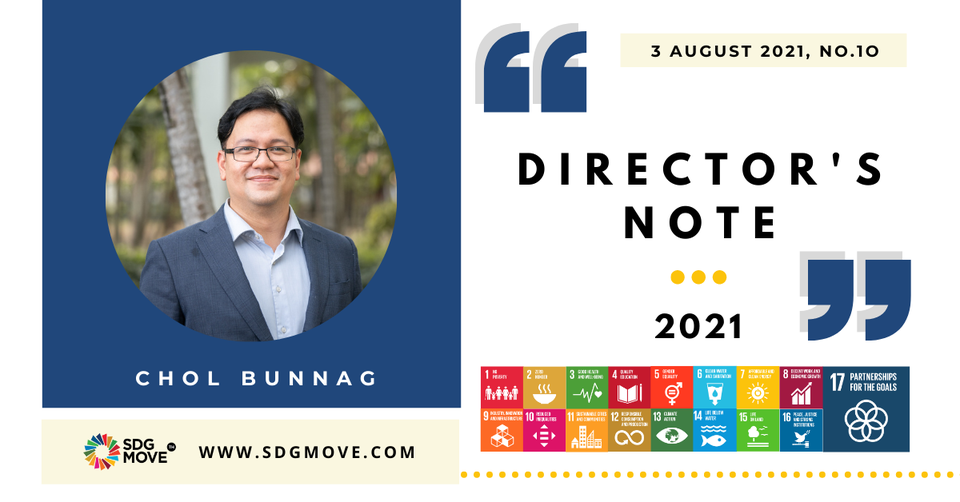
Assoc. Prof. Chon Bunnak, Director of SDG Move and a professor at the Faculty of Economics, Thammasat University, said that academic institutions can use and apply SDGs and related principles in the following four areas:
Research – Issues under SDGs are related to most research questions of professors in the faculty. However, if research is to be transformed to answer SDG questions, the research would have to shift from academic work solely aimed at expanding academic borders to increasing benefits in driving SDGs or solving sustainability problems. For the most transformation, a transdisciplinary approach should be used in research by having academics from multiple fields of science and knowledge user groups co-produce knowledge to push academic borders and create change.
Education – The subjects of many faculties are linked to issues under SDGs. Connecting course subjects to SDGs is an easy way to tell us that we’ve achieved SDGs. To really transform, however, subject content should be added to the global or national crisis issues such as inequality, climate change, biodiversity or waste management, etc. And if the university is to full transform, subjects should include competencies in sustainable development that will support students to change the world with sustainability.
Internal Management – Many universities have taken action concerning environmental sustainability at universities and campuses. However, transformation toward SDGs requires consideration of social welfare for vulnerable people in the university, rights, freedom and equality of people of every group, gender, religion and political opinion by making clear policies that give importance to human rights.
Participation with Social Movements – The university cannot stay only in the university’s world. The university should participate in driving society toward sustainable development. The university is currently involved in local movements or solving problems consistent with government policies and strategies. If the university is to move toward transformation, the university should be more than a “government agency” that follows the government’s policy and strategy. The university has to function as “society’s intelligence”. The university can and does well at following the government’s policies. At the same time, however, the university must be the “intelligence” of those movements while having academic ethics to make criticisms based on academic principles if the university finds the government’s actions to be incorrect.
“If every university, every faculty and every professor studies the end goal of SDGs, including our roles, duties and capacity, to drive and support movements along with taking action by communicating to connect and empower, the university will become a significant driving force in sustainable development goals at every level as the main force of the academic sector”, Assoc. Prof. Chon Bunnak concluded.
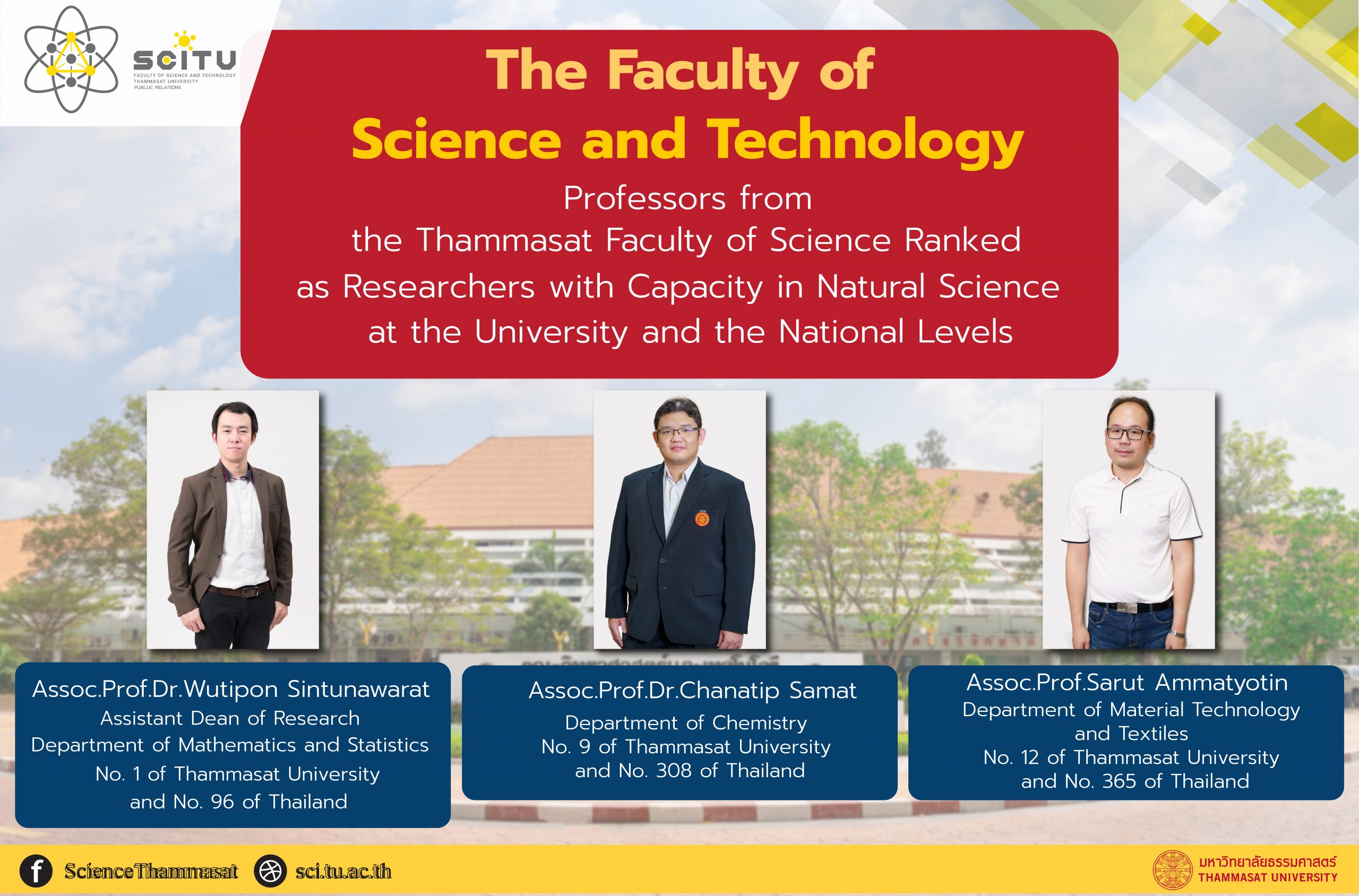
The Faculty of Science and Technology, Thammasat University, would like to congratulate faculty members for being ranked as researchers with capacity in fields of natural science at the university and national levels by the AD Scientific Index 2021: World Scientist and University Rankings 2021.
Assoc. Prof. Dr. Wutipon Sintunawarat, Assistant Dean of Research, Department of Mathematics and Statistics, No. 1 of Thammasat University and No. 96 of Thailand.
Assoc. Prof. Dr. Chanatip Samat, Department of Chemistry, No. 9 of Thammasat University and No. 308 of Thailand.
Assoc. Prof. Sarut Ammatyotin, Department of Material Technology and Textiles, No. 12 of Thammasat University and No. 365 of Thailand.
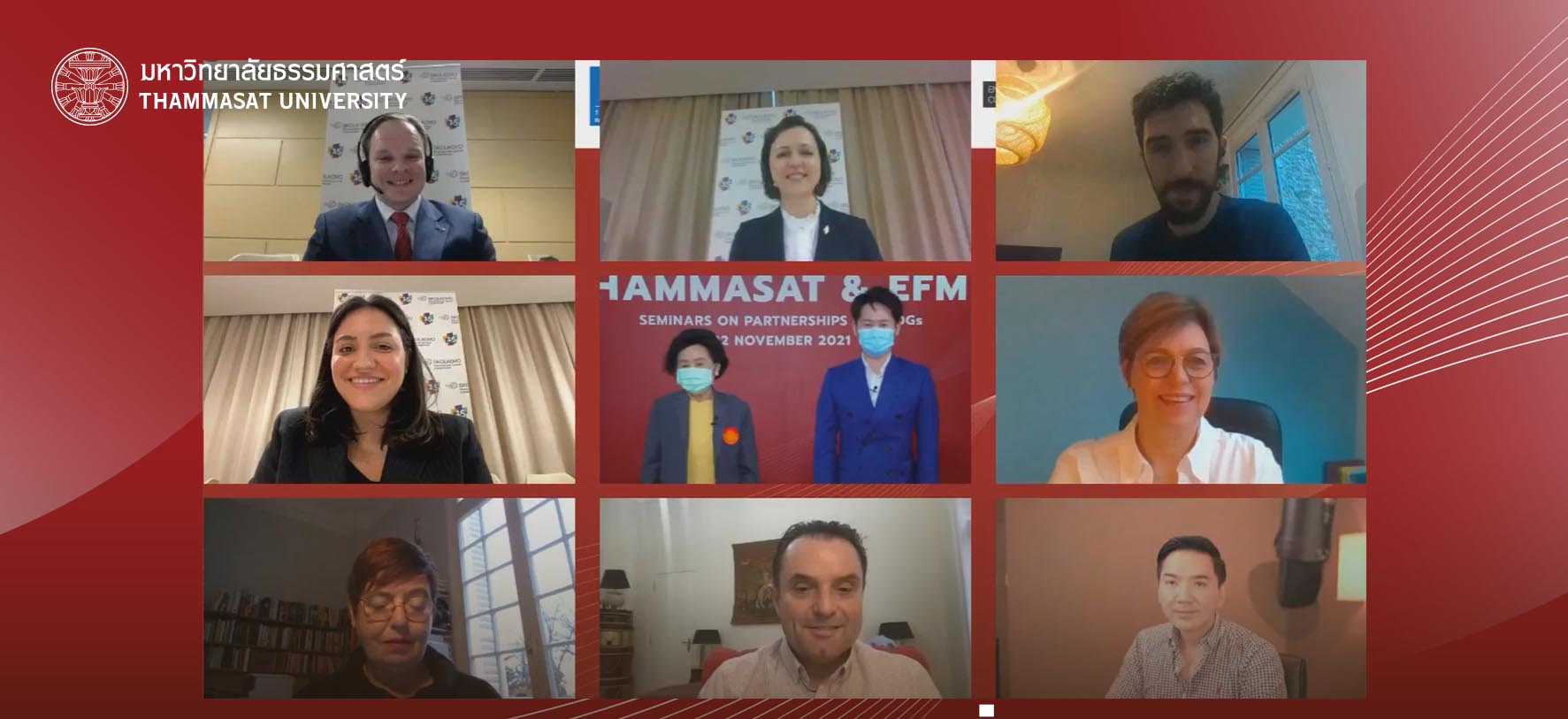
Thammasat University in collaboration with the European Foundation for Management Development (EFMD), an educational quality assessment institution of the European Union organized a webinar titled “Thammasat & EFMD Seminars on Partnerships for SDGs” to showcase exemplary practices in building partnerships that foster the development of collaborative learning between the education sector and society by having three models of sustainable development projects (SDGs) that received the Excellence in Practice Award from EFMD.
One of the three prototype projects which is the work of Thammasat University under the Thammasat Model: Sustainable Community Enterprise project has been granted Silver for the Excellence in Practices Awards 2019
Asst. Prof. Dr. Nopporn Ruengwanich, Director of the Integrated Bachelors and Master Degree Program in Business and Accounting (IBMP), the Faculty of Commerce and Accountancy, Thammasat University presented that the Thammasat Model is a project that allow the students of the Faculty of Commerce and Accountancy to work closely with communities and adapt business knowledge gained from the classroom to support and enhance the communities’ products. In addition to helping more than 160 communities, students will also be able to experience real problem resolution and acquire knowledge about local wisdom as well.
Dr. Eric Cornuel, President of EFMD Global, said EFMD is committed to being a leader in promoting global management excellence and a bridge between the education and business sectors. EFMD, as the non-profit organization has members from all over the world including scholars from both business and government sectors, as well as various institutions. Therefore, EFMD members are encouraged to cooperate in all aspects from building a learning network, research network to career opportunities and accreditation assessments of educational institutions.
Assoc. Prof. Gasinee Witoonchart, Rector of Thammasat University, as the first and only Thai person in the ASEAN region who is a lifetime honorary member and a member of the Board of Trustees of EFMD, said the innovations that EFMD has generated over the years have played an important role and have had a profound effect on the change in management education. I am very proud and honored to be appointed to the EFMD Board of Trustees which is assigned to support the creation of social innovation to be used to solve emerging global challenges while maintaining ethical values, responsibility and sustainability.
In addition, the project that have received the Excellence in Practices Awards on sustainable development and another two projects were exhibited as prototypes: 1. The year 2020 Award, Developing Entrepreneurship in Russia project by Moscow School of Management SKOLKOVO has been granted Gold for the Excellence in Practices Awards; 2. The year 2021 Award, “Entrepreneurship for good” project: unleashing the potential youth to impact and change the world by The European Center for Executive Development or CEDP, which received Gold Level for the Excellence in Practices Awards.
A signing ceremony of the Memorandum of Understanding (MoU) between Chulabhorn International College of Medicine (CICM), Thammasat University, and Thai Herbs and Biologies Co., Ltd. (THB) in research and development projects for cannabis, hemp, kratom, and medicinal plants for medicinal uses with the following objectives:
Research on medicinal plants in animals and humans.
Development, innovation, processing related to natural products for medical purposes; and products from economic crops.
Audit to raise the standard of agricultural products and herbs (NON-LAB and LAB) and naturally processed products.
Develop publishing and joint patents in research and development in analytical and Assessment in agriculture of cash crops and herbs, as well as their processing into medical products health and products.
Treatment and research in humans with integrated medicine.
In this regard, Thai Herbs and Biologies Co., Ltd. have a plans to cooperate and support the organization of training programs for personnel and students for research and educational development in the field of natural products. Moreover, innovations to extend cannabis plants, hemp, kratom, and herbs as a product that can generate income for farmers, resulting in sustainability in the Thai economy and society.
The Faculty of Allied Health Sciences, Thammasat University conducted research on “Innovation of Monoclonal Antibodies Production to the Dia blood type by Phage Display Technology” where the research team was led by Prof.Maj. Gen. Dr. Oytip Nathalang, Director of Graduate Programs and Asst.Prof.Dr. Jeeraphong Thanongsaksakul, Assistant Dean for Administration and Head of the Molecular Diagnosis Laboratory, Health Care Service Center, Faculty of Allied Health Sciences, TU.
This technology is the production of “Antibody to specific blood type” that allows the test of an important blood type in Thailand and Asian populations, which is Dia (Diego a), to be more accurate and to prepare safe blood and blood products for patients who require regular blood transfusions.
Asst. Prof. Dr. Jeeraphong explained that the technology is initiated to simulate the mouse antibody library in vitro by Phage Display Technology which antibody genes are deposited into bacterial viral particles called “phages”. Each phage particle acts as a white blood cell to hold an antibody molecule on the particle surface with a variety of antibodies, which is called “antibody-phage library”.
“If antibodies to Dia blood type is required, we just simply match red blood cell molecules containing this blood type with a phage that have the antibody molecule on the particle surface of the specific Dia blood type. Consequently, specific antibodies will be selected to increase the amount of antibodies attached to phage particles in bacterial cells to be sufficient for testing for specificity of Dia blood type by a biotechnological process,”said Asst.Prof.Dr. Jeeraphong.
In addition, the method used by the Faculty of Allied Health Sciences, Thammasat University has a procedure to remove antibodies specific to other important and common blood types in Thai population in order to increase the specificity of the production of antibodies against Dia blood type.
Asst.Prof.Dr. Jeeraphong explained that currently the reagents used to test the Dia blood group must be imported. It is produced from the separation of lymph from the blood of people who produce antibodies to the Dia blood group.
“Each batch of the imported reagent is probably obtained from the same donor but at different times of collection or from different donors. This resulted in lot-to-lot variation because the antibodies produced in the human body vary according to the environmental response. However, the production of antibodies against Dia blood group that the Faculty of Allied Health Sciences, Thammasat University uses is a technique that produces antibodies in vitro with Phage Display Technology. Thus, the quality of antibodies in each batch is more stable,” Asst.Prof.Dr. Jeeraphong said
In addition, the Faculty of Allied Health Sciences, Thammasat University has signed an agreement and transferred technology knowledge with a biotechnology company in Germany in order to develop antibodies against Dia blood group that the Faculty of Allied Health Sciences, Thammasat University has produced to be suitable for use in daily diagnostic tests or in automated analyzers for further commercial reason.
“When TU passes on the prototype to them, they must develop it into an acceptable form as a medical device. If the development process is successful, the agreement we have signed will reach the commercial objective and if the formula works well, it can be sold which will allow patients to get an access to reagents and more accurate test that patients will be able to receive the matching blood group. This will reduce the side effects caused by the mismatch of blood,” Asst.Prof.Dr. Jeeraphong said.
Asst.Prof.Dr. Jeeraphong explained further that the production of antibodies benefited patients requiring surgery and blood to support the symptoms – life while losing blood during surgery. But for the group that will receive benefit the most is those who regularly require blood transfusions, such as, thalassemia patients because these patients are at high risk of getting a foreign blood type from each blood transfusion. If the blood group mismatch occurs, it may stimulate the immune system to reject. However, having accurate and easily accessible blood grouping reagents will help reduce the risk for such patients.
aculty of Public Health on behalf of Thammasat University signed a cooperation agreement on the promotion and development of comprehensive Digital Resilience for Thai youth under the “Vaccination Program for Digital Resilience and Cyberbullying Prevention for high school students in 5 regions in Thailand” on September 10, 2021 in order to raise awareness of online threats among youth, teachers and parents. This project encouraged Digital Resilience presented through Creative Media in which Digital Resilience assessment tools for youth have been developed, youth has been encouraged to participate in the development of creative media to promote Digital Resilience as well as network and integrated collaborative guidelines to promote Digital Resilience and complaint channels for young people who face online dangers.
The objective of cooperation between media funds and network partners will drive operation on cyberbullying solution as well as digital resilience to promote a safe and creative media ecosystem.
Assoc.Prof. Dr. Sasitorn Taptagaporn, Dean of the Faculty of Public Health, Thammasat University said that Thammasat University has its own outstanding identity as a model of democracy, anti-violence and anti-sexual harassment. Thammasat University and the Faculty of Public Health focus on issues of harassment or violence which teenagers face online, especially those that affect teenager’s health issues. Therefore, Thammasat University and the Faculty of Public Health are committed to preventing, improving and enhancing the health of teenagers who spend more time online. This is the work we have already worked on and will keep doing it.
This cooperation agreement is considered an important law that brings the cyber resilience as a drive and encourage the Faculty of Public Health’s teachers and researchers to integrate the concept of cyber resilience with teaching and learning approach and in-depth research on innovative health promotion. In addition, the Faculty of Public Health will act as a key player to communicate, promote and persuade Thammasat community including other faculties so that they can participate in this project.
This signing ceremony involves 8 organizations: the Ministry of Culture, Department of Mental Health, Ministry of Public Health, Ministry of Education, Thammasat University, Chiang Mai University, the Council of Children and Youth of Thailand, and the Internet Foundation for the Development of Thailand and the Thai Media Fund together with the launch of comprehensive online platform developed in the project, the lectures on roles and responsibilities and the next steps of operation on Cyberbullying and Digital Resilience by representatives from 9 organizations and a special lecture on “How to build cyber resilience for Thai children”.
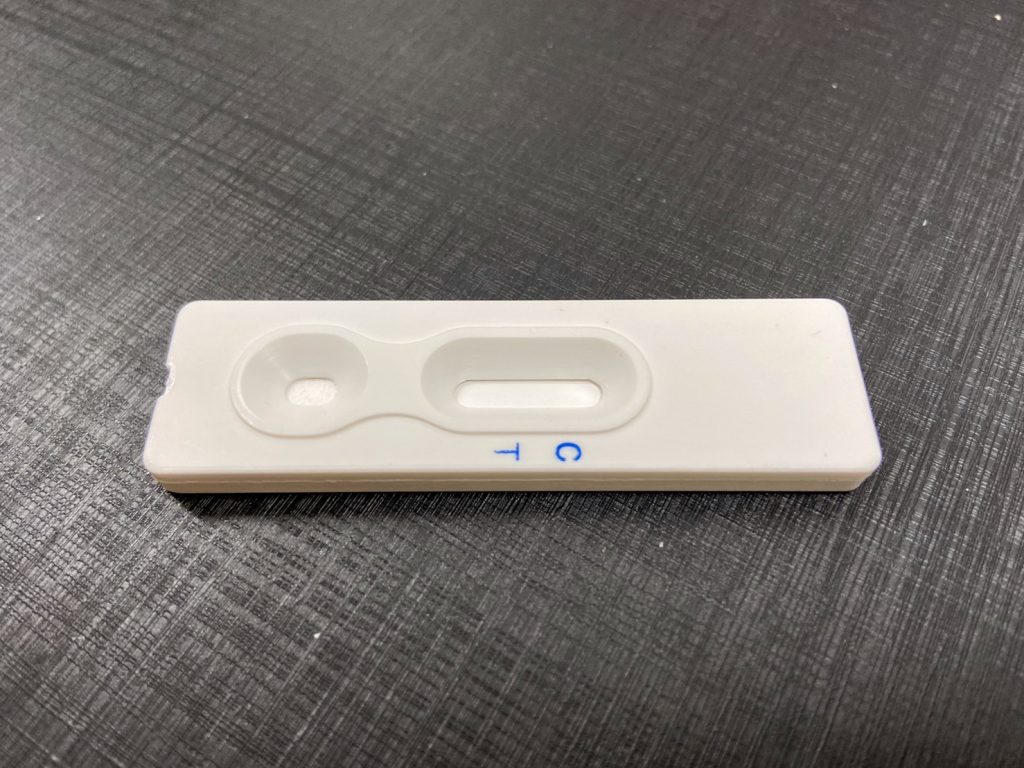
A Chula research team has developed a screening strip kit to detect the early stage of chronic kidney disease (CKD) that’s easy to use, yields quick results, increasing the chance of being cured for patients, and helping to cut over 10 billion baht of the ever-increasing annual healthcare costs for CKD patients. The CKD screening strip kits are expected to be released early next year.
CKD poses as a silent threat that chips away at the patients’ quality of life. Each year, 17 percent of the Thai population, or eight million people are diagnosed with kidney disease, most of whom are asymptomatic. So, they do not seek medical attention and carry on with their damaging behavior to worsen the kidneys’ poor condition.
“By the time the body shows the typical symptoms of CKD, like fatigue, lack of energy, and swelling, the patient would have already entered the acute stage, in which only 30 percent of the kidneys are functioning. Therefore, the disease must be detected at the early stage to slow down the degeneration of the kidneys, and to give the patient a better chance to be cured,” Assoc. Prof. Dr. Nattachai Srisawat, Department of Internal Medicine, Faculty of Medicine, Chulalongkorn University, explained the possibility of reducing the number of CKD patients in Thailand.
According to Assoc. Prof. Dr. Nattachai, at present, the National Health Security Office (NHSO) has spent around 10 billion baht to enable patients to undergo both hemodialysis and peritoneal dialysis. This budget is expected to increase by 500 million baht annually because of the steady increase in the number of kidney disease patients. (Each person has an average cost of 200,000 baht/year). If no measures are taken to stop this upward trend of CKD, there will be shortages of the budget and medical treatment.
With research funding from the Health Systems Research Institute (HSRI), Assoc. Prof. Dr. Nattachai, in collaboration with Assoc. Prof. Dr. Kittinan Komolpis, the Institute of Biotechnology and Genetic Engineering, Chulalongkorn University, developed an “innovative self-screening strip kit for an early stage of CKD,” so patients can perform the test by themselves.
“If there is a test kit that is easily accessible, it will raise patients’ awareness about kidney disease, so that they can receive treatment early on without having to wait until they get to the acute stage that requires dialysis. If the test kit is adopted by the government, they will be able to reduce the budget used to aid dialysis patients.”
CKD screening strips – user-friendly with quick results
Generally, there are two methods of CKD screening: blood tests that take a long time and require the patients to travel to the hospital and a urine test for protein, and not the urine microalbumin test, which is more specific to CKD. Though the hospitals do perform urine microalbumin tests, lab results can only be read by medical personnel.
CKD screening strips
“The innovative screening strips for early-stage CKD screens for microalbuminuria, the clearest indicator of CKD.”
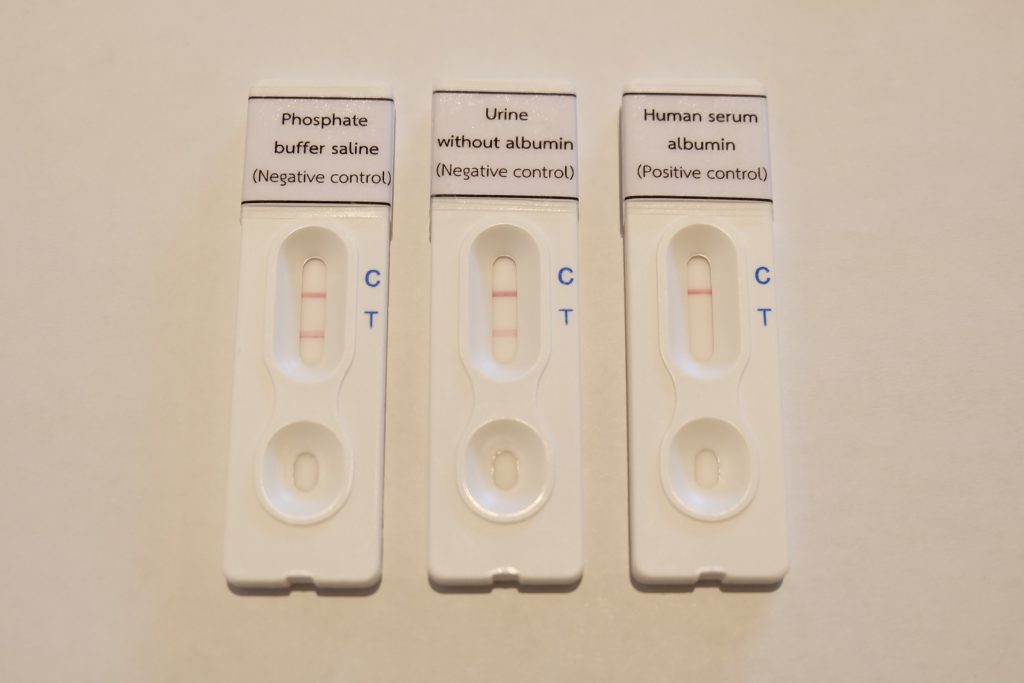
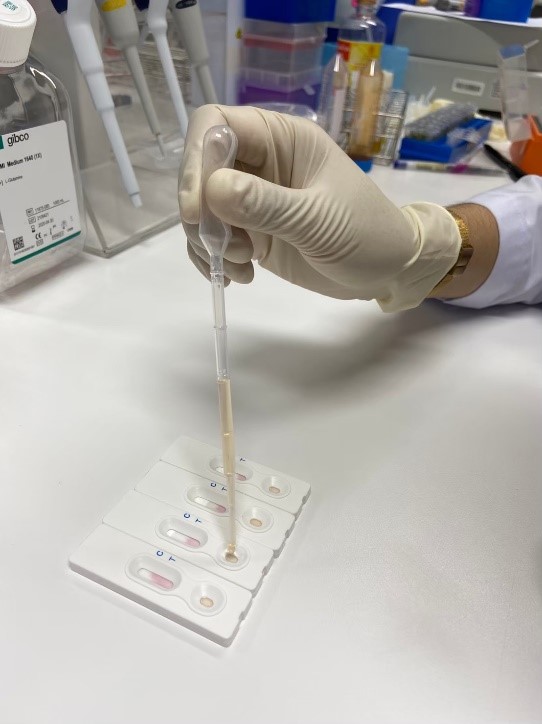
“Patients can perform the screening tests and read the results themselves at home. The painless screening from urine is as simple as a pregnancy test that’s available in the market. The urine can be collected in the morning after one wakes up or before breakfast. Only three drops of urine are needed on the test strip. Wait 15 minutes. If one bar shows, the microalbumin is abnormal, and two bars mean the microalbumin value is within the normal range,” Assoc. Prof. Dr. Nattachai explained.
Examples of results on the CKD screening strips
Based on the trials with CKD patients and people without CKD, the strips had a sensitivity of 86 percent, specificity of 94 percent, and an accuracy of 87 percent. The research findings have been published in a medical journal, and the screening strips will soon be tested in the community with approximately 2,500 patients.
Who are the CKD screening strips for?
Though CKD remains latent in its initial stage, the groups of people who should take screening tests are those suffering from diseases or physical conditions that may affect kidney function, such as diabetes, high blood pressure, and the elderly over 60.
“These groups of people should be tested at least once a year to keep informed of the kidney function and find a way to deal with it promptly,” Assoc. Prof. Dr. Nattachai suggested.
Apart from the above high-risk groups, teenagers and working-age people can’t be careless, especially if they are not mindful eaters.
“Some people may have hidden conditions of CKD. So, they should also get tested given a chance. Normally, as people get older, their kidney function also declines.”
How to use the CKD screening strips
Behavior modification – the key to kidneys care
Assoc. Prof. Dr. Nattachai suggests that when diagnosed with CKD, the first thing people should do is to undergo more tests to check the stage of their kidney function with a thorough blood test and urine test. More importantly, patients have to modify their behavior.
“Major behavioral modification is dietary adjustments. Avoid sugary, salty foods, and red meat. If you want to eat protein, opt for protein from egg whites or fish instead. Exercise along with diet control is also necessary,” Assoc. Prof. Dr. Nattachai suggested.
“If you don’t have kidney disease, the best prevention is to adjust your eating habits as well. Avoid salty foods, because your kidneys have to work harder to flush out the sodium. If the kidneys are unable to excrete salt, it can lead to swelling, and high blood pressure which results in the deterioration of the kidneys.”
Assoc. Prof. Dr. Nattachai also added that “healthy people who want to consume fish sauce should not take more than three teaspoons or one tablespoon per day. The fish sauce that is advertised as having low sodium is not recommended for CKD patients, because low-sodium fish sauce is often high in potassium which is not good for kidney function either. You should also check to see if the brand of low-sodium fish sauce is also low in potassium.
“People who might wish to take whey protein have to be selective as well. Even for healthy people, consuming a lot of whey protein can cause an excess that makes the kidneys work harder as well.”
Currently, the CKD screening strip kit is in the process of being registered with the Food and Drug Administration (FDA), and if approved by the end of this year, it can be released early next year. The price of the strips will be comparable to the products available in the market. In the future, the research team will look for ways to increase the local production capacity for the test substance used to detect urine microalbumin, to reduce production costs, which will bring down the price of the strip test.
“Though the test kits are intended for home use, we hope this test will be included in the National Health Security system and made available to everybody, including people in rural and remote areas who may have CKD, but do not have any symptoms, so that they gain easier access to screening without having to travel long distances to the hospital,” Assoc. Prof. Dr. Nattachai concluded.
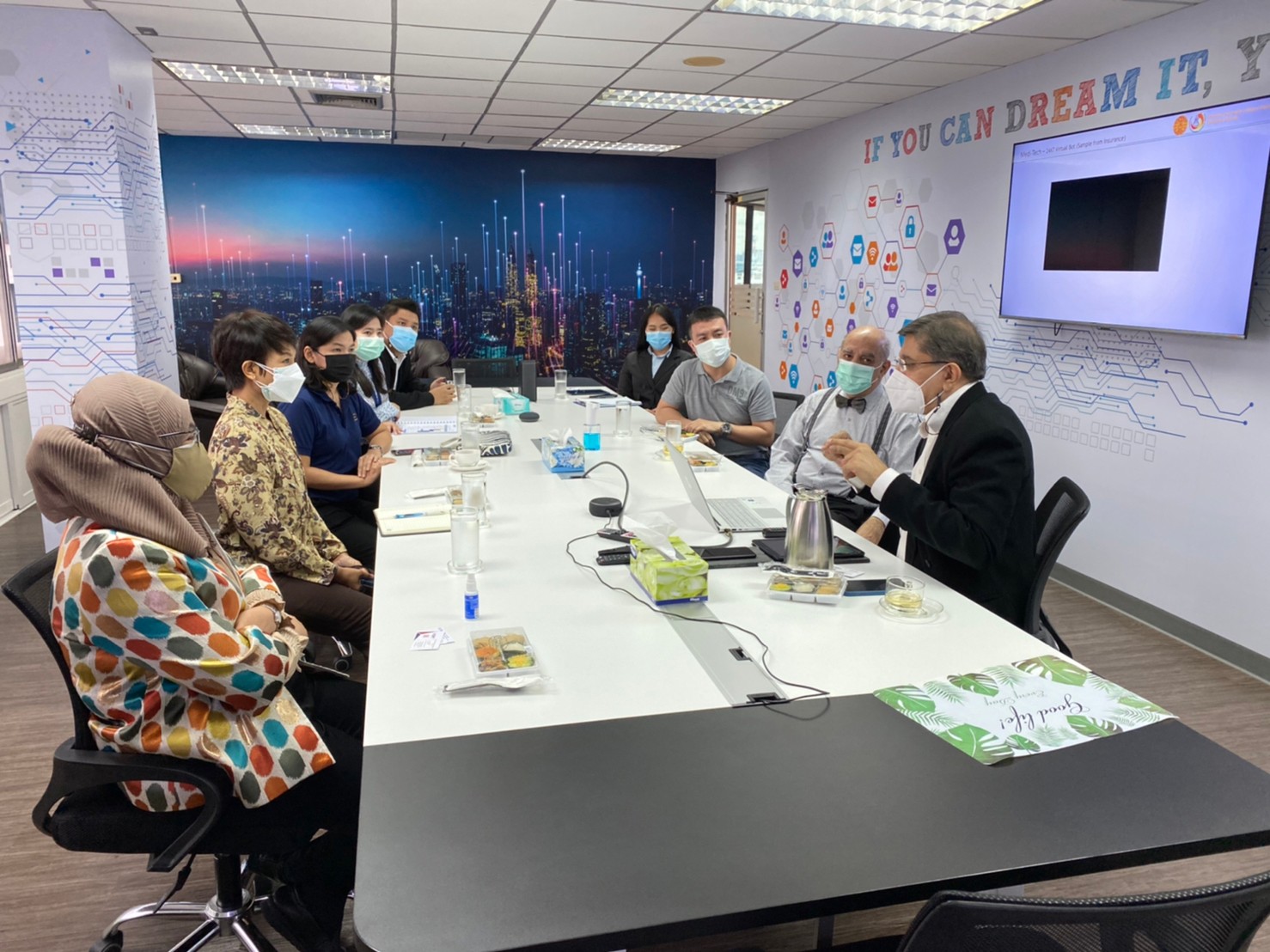
Thammasat University, Pattaya Campus (EECmd) led by Assoc. Prof. Kammal Kumar Pawa, M.D., Vice-Rector for Administration (Pattaya Campus), and Asst. Prof. Nattadon Pannucharoenwong, Ph.D., Assistant Rector for Administration (Pattaya Campus) discusses with Ms. Tassanee Kiat Phatraporn, Deputy Secretary-General for Area and Community Eastern Region, Eastern Economic Corridor Policy Office in the development of the Smart Sub-district Health Promoting Hospital System to help with disease screening for patients who come to the hospital under the concept of comprehensive medicine in order for the people to gain access to public health services. Initially, the system will be piloted at 3 smart sub-district health-promoting hospitals in 3 provinces in the Eastern Special Development Zone, namely Chachoengsao, Chonburi, and Rayong, with Thammasat Hospital, Pattaya Campus as the Command Center. In this regard, the intelligent sub-district health promotion hospital system is a project that responds to the policy of Thammasat Innopolis, an innovative city for health and wellness, elevating Thammasat to be more than a teaching and learning space to the space for living. Initiate innovations that meet the needs of healthcare services and improve the quality of life of patients and medical professionals in Thailand and the world.
“Istituto Marangoni”, a leading design institute with a world-class reputation founded in 1935 in Milan. It is currently ranked in the TOP 5 of the world, offering teaching in all fields of fashion, whether it is Design, Styling, Photography, Communication, Promotion, Marketing or Business, becoming the ambition of the new generation around the world who wish to apply and study.
Primrose, Ms. Chulalak Chaikarn, a student from the Textile and Fashion Design Program, Faculty of Fine and Applied Arts, Thammasat University is one of the very few people who have been selected by the institute to receive the Istituto Marangoni Scholarship: February 2022 to study the Master’s Degree in Fashion Luxury Brand Management program at Istituto Marangoni Institute, London Campus, having tuition fee reduced by around 2,500 pounds or about 115,000 Thai Baht.
Primrose said that normally, Istituto Marangoni has joint ventures with leading brands and there is also a scholarship of the university itself. It will accept no more than 3 scholarship students per class. This round is the university’s scholarship in which the institute will assign problems in accordance with the requirement of each major as part of the application process.
Fashion management is the program that “Primrose” applied. Therefore, there is no need to do a clothing design project like the fashion design major. However, the consideration criteria will be focused on outstanding work experience expressed through Statement of Purpose (SOP) and Curriculum Vitae (CV) along with academic results.
Although during her bachelor’s degree studying, “Primrose” was majoring in fashion, however, chose to study marketing as a minor subject, therefore has a portfolio and work experience in both fashion and marketing and having also various contest projects with guaranteed prizes.
Starting from her 1st year of study, she was the winner of the Sakura Collection 2018 Asia Student Award in Thailand competition and was representing Thailand in bringing the works to show on the runway collection of the Japanese fashion in Japan, and went on to study a short-term fashion course at the Bunka Fashion School in Japan. During that time, she had the opportunity to work part-time in a Japanese company for almost a year and later decided to quit to attend additional special classes in the field of pattern-making.
During her study, she has never been spared from submitting projects for any contests and accepting freelance jobs both on logo design, graphic work, and clothing design for various brands via Instagram to keep up with all the skills. Until the third year, she started to initiate her own clothing brand, Le moral, as a joint venture with her friend.
Primrose said that for Fashion Luxury Brand Management, most of the people who study and receive scholarships are graduates in marketing or management in particular. But even though she studied fashion however want to acquire knowledge to build on, so she decided to study in this major.
The University of Muhammadiyah Yogyakarta (UMY) has made another gold achievement, through the Muhammadiyah Multimedia Kine Club (MM Kine Club) which won first place in the fiction short film category in the Anti-Corruption Film Festival 2021 competition organized by the Corruption Eradication Commission (KPK) on Saturday. (4/12). This short film entitled Piknik Panik is the fourth film directed by MM Kine Klub which has contributed to UMY’s achievements.
MM Kine Club producer, Umar Al Jufri admitted that he and his team did not expect to win 1st place in this competition. “Honestly, we never expected to get 1st place, the target of winning is indeed there, but if the first winner is beyond our expectations,” Umar said, when contacted on Tuesday (7/12).
In the Anti-Corruption Film Festival 2021 competition, there are at least 455 participants participating in this competition. Umar also admitted that in the production process, this film took more than 2 weeks. “In terms of preparation, we only spent 2 weeks developing the script, then for the shooting itself 2 days and that doesn’t include editing, and others,” he explained.
Umar also revealed that at least 40 people were involved in the process of making this film. He also admitted that during the shooting process, he encountered several problems, ranging from shooting techniques to people shouting at him.
“Honestly, the shooting process has its own challenges, for example in terms of licensing. The local police gave a floating answer, it was forbidden or not allowed, but they supported it. But the tourism office and other policy makers gave permission. When shooting we also have to be extra careful because of thison-road take, we were even shouted at by residents who were angry because our road was blocked for film production, “explained Umar.
The story that is raised in this film is a reality that is still happening in society today, namely about the practice of extortion. The story in the Picnic Panic film is packaged in an epic way, which tells the story of a husband and wife who go on vacation when tourism is closed due to the pandemic.
Umar himself said that the main target of the film he had worked on was to get good enthusiasm from the audience. “Actually, the film is not about competition, but how the film we make meets the audience, because it’s useless to make a film if no one is watching it,” Umar explained.
At the end of the interview he also said that this victory was specially dedicated to Rozikan, SEI, MSI and Budi Dwi Arifianto S.Sn, M.Sn,. “We dedicate this victory to Pak Rozikan at the end of his service at LPKA as well as to Mas Budi Tobon as our coach who was very patient in galvanizing and directing us,” he concluded.
The second place in the Anti-Corruption Film Festival 2021 competition was won by Mata-Mata Project from Malang with the film title ‘Pulang Before Departure’, and the third place winner went to Langit Jingga Film from Lembata, NTT with the film title ‘Amalake’. (RM)







.jpg)
.jpg)