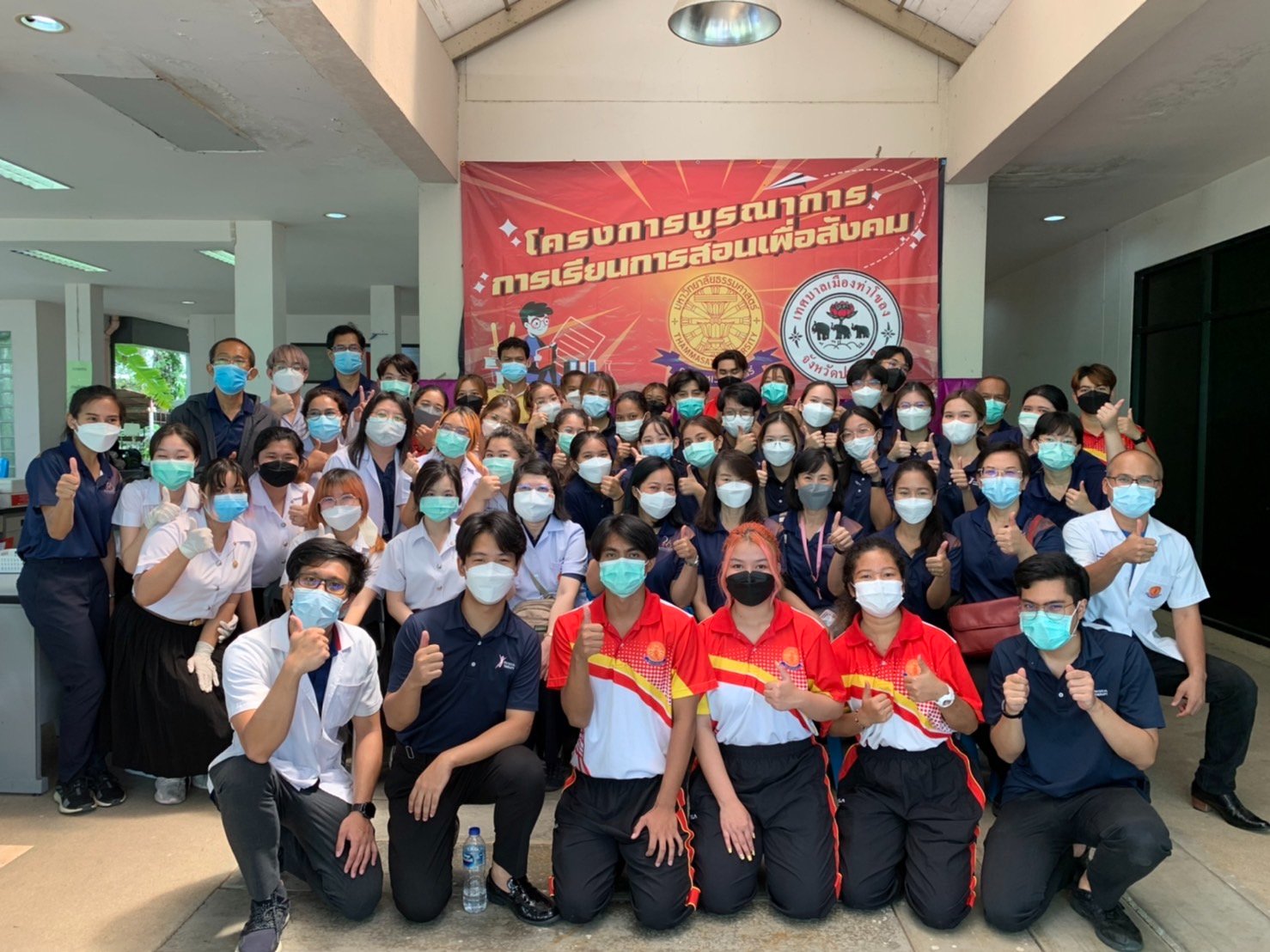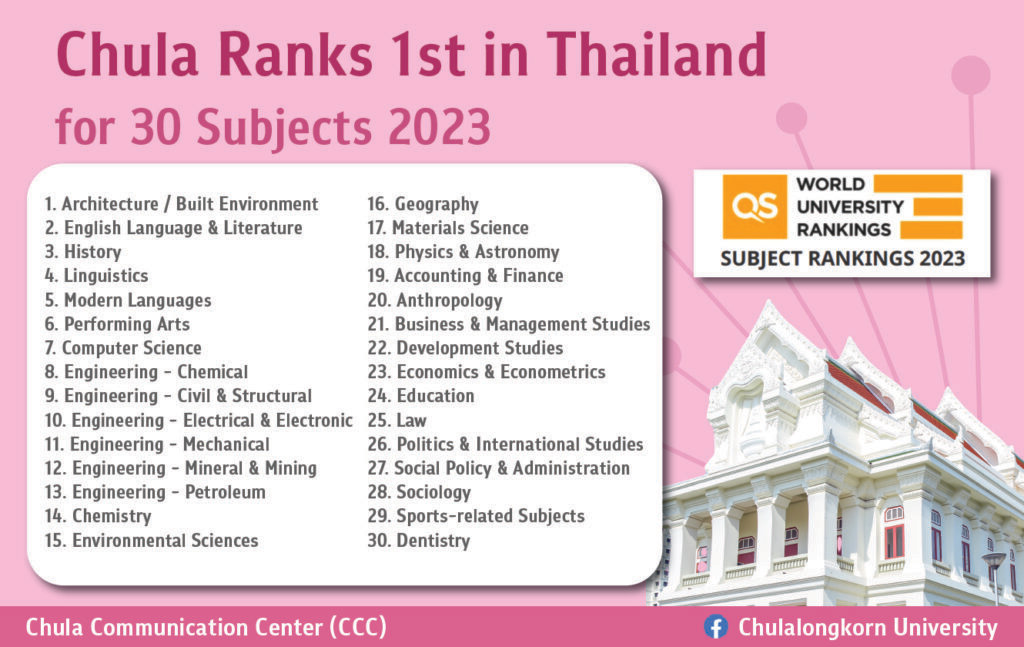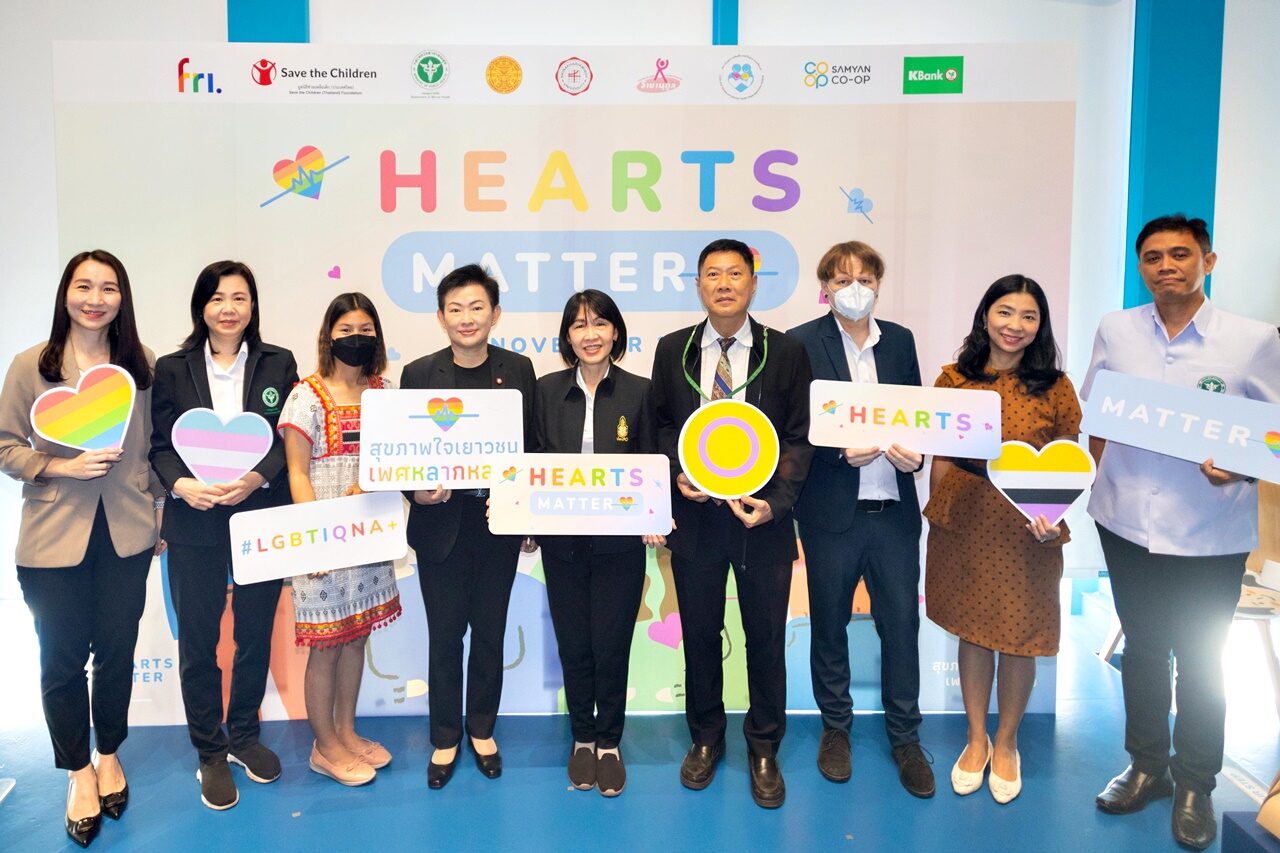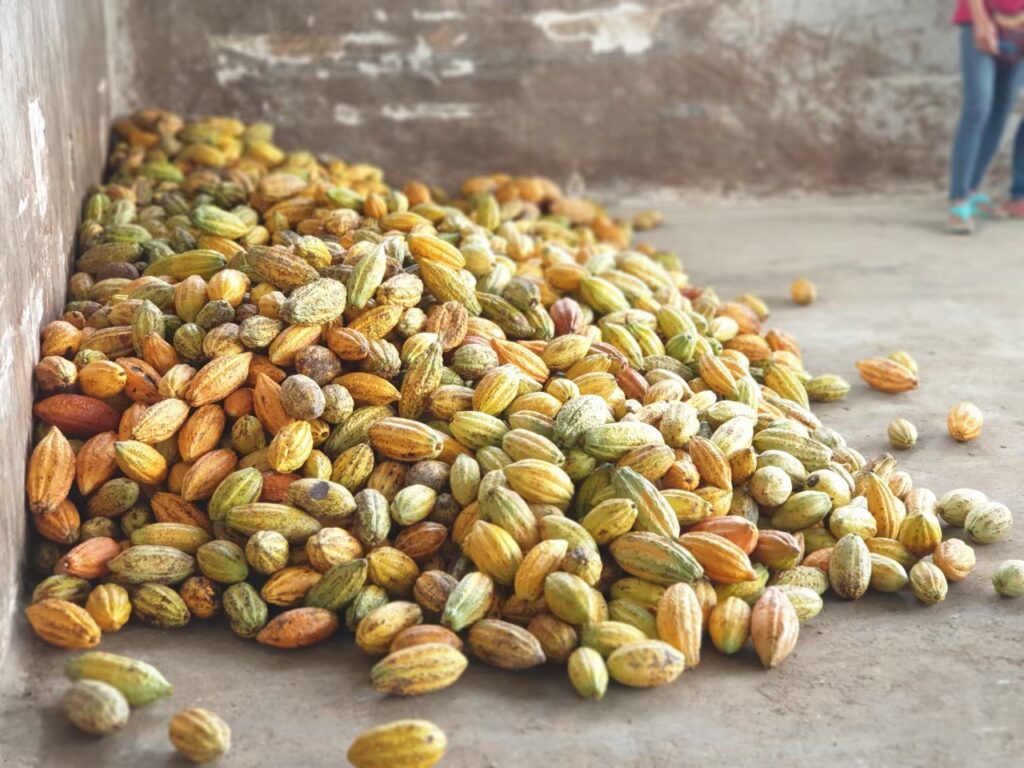
Thammasat Hospital successfully conducts knee, hip replacement surgery, promoting leadership through launch of Thammasat Joint Replacement Center

Thammasat Hospital achieved 200 knee and hip replacement surgery in 150 poor, elderly patients, while promoting its leadership in knee-hip joint replacement surgery with the plan to open “Thammasat Joint Replacement Center” which is considered an accumulation of surgical innovations and the introduction of robotic arm technology to assist in knee replacement surgery for the first time in a government hospital in Thailand. This will improve the accuracy of joint positioning and reduce injuries to surrounding tissues, as well as enhancing the quality of knee replacement surgery to be of international standard. It is expected that the center will be able to open in late June of the year 2022.

Assoc.Prof.Dr. Nattapon Thammachot, Assistant Director of Physical Development, Thammasat Hospital said that throughout the “Join replacement for poor patients volunteering” reminds us that there are a large number of elderly patients in our country that still lack access to knee and hip replacement. This reflects the demographic structure of the country that is entering an aging society. This project has been initiated since the 85th anniversary of the founding of Thammasat University in 2019. This arose from the ideas of Assoc. Prof. Dr. Pharuehas Tor-Udom, Director of the Hospital and Assoc. Prof. Gasinee Witoonchart, Rector of Thammasat University and working closely with the National Health Security Office (NHSO) with the aim of helping patients with knee and hip dysplasia in returning to have a better quality of life, and can assist themselves to live a happier life, and reduce the burden on the family. In addition, this also encourages medical personnel to have the opportunity to use their abilities to support society by joining as volunteers to help perform surgery outside office hours. This project has been ongoing for three years and within the first two years we made 100 replacements per year, but this year we have done 200 replacements in just four months from December 2021 to March 2022.

“Thammasat Joint Replacement Center” is one of the new special services of Thammasat Hospital as a one-stop service in order to provide convenience in receiving services and to focus on the best quality of treatment by a team of doctors who are specialized in patient care throughout the treatment pathway. This is to provide patients with a better treatment experience and receive a new, high-quality, long-lasting knee replacement according to the vision of Hospital 4.0 with modern service systems and innovative pain relief medical treatment, new surgical techniques with higher accuracy, such as the introduction of robotic arm technology to assist in such surgery,” concluded Assoc. Prof. Dr. Nattapon.

Thammasat University lecturer develops environmental-friendly fertilizer pellet production technology

Assoc. Prof. Dr. Dusit Athinuwat, Department of Agricultural Technology, Faculty of Science and Technology, Thammasat University received a grant from the National Research Council of Thailand (NRCT), Ministry of Higher Education, Science, Research and Innovation (MHESI) for research and development on the production of microorganism-infused manure pellets for rice stubble and straw in rice field decomposition to reduce the burning of rice straw and rice stubble in the farmer community.

Later, continued to receive funding in conveying the production technology and the use of manure to farmers. The project was completed in early 2022 by operating in 10 provinces under cooperation with Internal Security Operations Command (ISOC) in 6 northeastern provinces, namely; Udon Thani, Roi Et, Buriram (2 areas), Nakhon Ratchasima, Khon Kaen, Amnat Charoen and the central region, namely; Kanchanaburi and Nakhon Nayok, the eastern Department of Agricultural Technology, Faculty of Science and Technology, Thammasat University region in Chonburi Province. In every area, there will be pilot plots of 5 rai for operation demonstration and training to educate farmers on microorganisms’ production, expansion and preservation and the production of manure pellets to ensure that the farmers are able to start the production by themselves.

Assoc. Prof. Dr. Dusit Athinuwat, Department of Agricultural Technology, Faculty of Science and Technology, Thammasat University revealed that it provided a household-sized fertilizer pelletizing machine to farmers, one per group, as a model for fertilizer production for the community until the results are extended in every area of ​​200 rai per area. As for the use of fertilizer pellets, after harvesting, the efficient microorganism-infused manure pellets for rice stubble and straw in rice field decomposition was sown at the rate of 100 kg/rai and then plowed over the rice stubble and straw and leave it for 14 days. During planting, when the rice produces grains, farmers then to inject the fermented water of the project with selected strains of microorganisms to increase the weight of the ear of rice. Most importantly, during the preparation of the planting area, no rice stubble is burned. Comparing to traditional cultivation methods, the use of microorganism-infused manure pellets provides beneficial results as follows:

1. Reduce environmental problems and PM 2.5 dust problems caused by burning stubble after the harvest season by about 50 percent.

2. The soil condition is more crumbly. This allows the rice roots to seek food better. Usually after harvesting, farmers would leave rice straw and rice stubble to dry in their fields for about 4-5 months, so the soil becomes dry and hard. Until the new planting season arrives, they began to plow and burn the rice straw and rice stubble to prepare the fields for planting. The project is grounded to providing advice on plowing shortly after harvesting and while the soil is still moist, the soil is looser than the farmer’s existing method applied.

3. The average rice yield increased by 26 percent/ rai according to the experiment in the Pathum Thani 1 rice plot in Ayutthaya province which can increase rice yield from 600 kg/rai to 760 kg/rai.

4. Reduce the use of fertilizer by about 800-1,200 baht/rai because throughout the planting season, there is fertilizer from rice straw and rice stubble. Farmers therefore does not require additional fertilizers.

5. As a result of reducing costs and increasing yields, farmers earn about 18% more income.

6. Farmers obtain additional income from the production and sale of microorganism-infused manure pellets for rice stubble and straw in rice field decomposition. As far as we know, there are groups of farmers trained in Udon Thani province who are interested in producing microorganism-infused manure pellets for sale as supplementary income.

For future guidelines, there should be extension and campaigning for the use of microorganism-infused manure pellets for rice stubble and straw in rice field decomposition to reduce production costs, increase income for farmers and encourage farmers to produce fertilizer for using in the community. As part of the project, about 400 farmers have been trained and all have the capacity to become role models for training and extending this knowledge to other farmers.

Thammasat University students win award for awareness, fundraising plan for children suffering from cleft lip, cleft palate

“Ohm-Yim (Smilingly) Team”, a team of students from the Faculty of Journalism and Mass Communication, Thammasat University consists of Ms. Pornnaphat Tinamas, Ms. Suchanaree Saetan, Ms. Kanwara Yavichai and Mr. Naekin Wanthong, and the “Merry Christmas and Happy New Year Team” consists of Miss Kasira Tangkunaporn, Miss Natcharee Sooksawat, Miss Nichaporn Na Phatthalung and Mr. Thachanan Chankaewrae won the first prize of the “Awareness and fundraising plan” contest for the Smile Foundation. The winners of both teams will be receiving an internship opportunity at Dexer Bangkok.

Today, we had an opportunity to interview one of the winning teams, the Merry Christmas and Happy New Year team. They mentioned that this awareness and fundraising plan arises from foreseeing the problem of fundraising from the COVID-19 pandemic and economic problems which affecting the amount of donations within the foundation to decline.

Thus, causing the idea of ​​fundraising plans under the concept “Smile for hope, Going above dreams” through the “Smile for Hope” campaign with the idea that “Not only are children suffering from cleft lips and cleft palate deserve good fortune, but in the wake of the coronavirus and the economic woes that are making it harder for working-age people to live. Those who donate in turn, deserve hope and encouragement in their daily lives.”

The “Smile for Hope” campaign is a campaign to raise funds for children with cleft lip and cleft palate with the main idea for the children in the foundation to be a part of giving through taking part in the design of various lucky charms, such as drawing and painting to be used as mobile wallpaper, and writing wishes and thank you message to be inserted into the Japanese Omamori amulet. Omamori is a small silk bag embroidered with beautiful patterns. The mouth of the bag can be opened. Inside, there are amulets made of paper and various incense to enhance good feelings, encouraging and providing hope to money donors amid the COVID-19 situation and economic downturn.

The team does hope that this campaign will be a part to help the foundation in becoming more reputed, and receiving donations that can be used to support a larger number of children. The team wishes to be another voice and allows people to realize that there are many children who have not been saved from cleft lip and cleft palate.

Driving social science research towards social innovation, raising community’s quality of life, meeting social needs

When it comes to innovation, many people think about artificial intelligence (AI), and modern technologies, but aside from that there is also a form of “social innovation” that is lesser-known, despite its equally crucial role in national development alongside science and technology.

Assistant to the President of Chulalongkorn University and Director-General of CU SiHub, Assoc. Prof. Dr. Pannee Cheewinsiriwat elaborated on the meaning and importance of social innovation, “social innovation may not be a tangible piece of work, but it is a modern method, idea, and thinking process that’s valuable, meets societal needs and improves the people’s quality of life.”

Recognizing the importance of innovation research and development for the sustainable development of a country based on the Sustainable Develment Goals (SDGs), Chula, has therefore, established Chulalongkorn University Social Innovation Hub (CU SiHub) in 2020 to serve professors and researchers in social sciences, arts and humanities, along with the CU Innovation Hub (CU iHub), what concentrates on innovative research, mostly in the sciences, with the potential to expand into businesses and startups.

“This center is a space where researchers and students from all disciplines who are interested in community and social development can exchange knowledge, invent social innovations to help improve the community’s quality of life and meet the country’s sustainable development goals.”

CU SiHub and its supporting role for researchers in the social sciences, humanities, and arts
In addition to being a space for knowledge exchange for professors, researchers, and students who are keen on social innovation, the Center focuses on supporting research projects that can continue to bring about tangible and sustainable community development through revolving income generation for the research groups and the community.

“The proceeds may be divided into two parts: income from donations such as crowdfunding or companies supporting CSR projects. The other may come from the sale of innovative products and/or services from the research project itself, for example, the Creative Tourism Research Project, Nan Province that organizes creative tourism trips to generate income for the community,” Dr. Pannee said.

The 2 groups of research projects the Center supports are social innovation for the community, and social innovation for social enterprises.

Social innovation for the community
Chula SiHub gives funding support or seed funds for researchers to apply their innovations to the community. After that, the research group can use the work as a showcase for further extension or funding, to seek external cooperation to be able to continue to do so in the future. This will have a social impact on the community.

“For example, as part of the research on “Pad Thai” by The Multicultural Studies and Social Innovation Center, The Institute of Asian Studies, researchers made a short film entitled “Pad Thai: The Secret Recipe” aired on Thai PBS Television. The Ministry of Culture also screened it in the Philippines at the Montanosa Film Festival (MFF) on March 19-27 this year to launch Thai food culture soft power to the global stage through entertainment. In addition to Pad Thai: The Secret Recipe, Thai PBS recently entered into a partnership with the Institute of Asian Studies to work on other subjects,” said Prof. Dr. Pannee.

Social Innovation to Social Enterprise
Promoting social innovation to social enterprises is another important mission of CU SiHub to show researchers in the social sciences, humanities, and arts that these fields of knowledge can evolve into viable businesses.

The center has organized two coaching sessions for professors, researchers, and students to cultivate business model design. The content of the course focuses on the way of thinking and skills such as:

Think and understand what social problems need to be solved.
Who are the stakeholders?
Using Theory of Change to test if the innovation can solve the problem.
Encourage critical thinking and thinking outside the box

“After the coaching, the Center will organize a Pitch Deck for students and research groups to present their business models and invite experts in that area to give their opinion for further development before pilot testing the social innovation prototypes,” Dr. Pannee explained.

Future Directions Social Innovation for Sustainability
Though in its fledgling stage, and the majority of recent events were online due to the COVID-19 pandemic, the CU SiHub has imprinted the term “social innovation” in the mind of the Chulalongkorn community.

“The number of professors, researchers, and students from various faculties has almost doubled from the first batch with 7 research groups. For the second batch that’s about to be organized, there are as many as 12 research groups interested in applying. We want everyone to know and be interested in exchanging knowledge and creating social innovation together in these areas.”

Dr. Pannee concluded that this year the Center will organize more exhibitions and events for more interested parties to come and use the Center’s space for knowledge exchange. In the future, there are plans to organize training on social innovation best practices from local and international researchers and agencies, as well as social impact assessment for professors, researchers, and students with a focus on research or social innovation that meets the SDGs (Sustainable Development Goals).

Chula Engineering team wins runner-up award at Spaceport America Cup 2022

A big round of applause to members of the Chulalongkorn University High Altitude Research Club – CUHAR from Aerospace Engineering (AERO), Chula International School of Engineering, who represented Thailand at the Spaceport America Cup 2022. The team went above and beyond as one of the runners-up of the Dr. Gil Moore Award for Innovation (Sounding Rocket Design). Other runner-up teams for the same category were from Cornell University (USA) and the University of Leeds (UK).

Members of the Chula engineering student team (Aerospace Engineering – Batch 15) included

Mr. Puwit Chaowanapreecha

Mr. Peeravich Chirakunakorn

Mr. Nitipote Seubhanich

Mr. Kittanu Hongsevihok

Ms. Porntreetra Rattanapansri

Ms. Rachaya Deelertkulchai

Mr. Pasin Manaspiya

Mr. Pwint Krittiyanithi

Mr. Phuwanut Pataratawinun

Mr. Napatr Porntavornvittaya

Mr. Trin Uthaisang

Mr. Ratchagrit Seelsut

Mr. Thanakrit Maleesut

Mr. Siriwat Sirirattanachaikul

For more information and updates, follow the CUHAR Team on

Facebook: https://www.facebook.com/cu.highaltitude/.

The Spaceport America Cup is the world’s largest intercollegiate rocketry engineering contest (IREC) for student rocketry teams from across the country and around the world. Students launch solid, liquid, and hybrid rockets to target altitudes of 10,000 and 30,000 feet.

Thammasat supports students with disabilities with opportunities to enter labour market

Thammasat University insists on being a university for all groups of people in society, aiming to create equality, and bridging the gap in education according to the determination of being a university for the people. It is regarded as the first higher education institution to establish “Students with Disabilities Project” to expand educational opportunities for people with disabilities to receive equal education and produce graduates who are ready to enter the labor market. Let’s hear the story of a graduate with disabilities who attend the graduation ceremony this year, Ms. Nitcharee Pen-aekchanasuk, a graduate of the academic year 2019.

Than-Ms. Nitcharee Pen-aekchanasuk, a graduate from the Faculty of Journalism and Mass Communication, Thammasat University, second-class honours who is outstanding in both study and work. She is currently working as a corporate communicator to organizations in both the public and private sectors, driving policies for people with disabilities by which Ms. Nitcharee herself is under mobility impairment caused by an accident.

Ms. Nitcharee mentioned about studying at Thammasat University that studying at the university does support her in many ways. In fact, in the beginning, her intention to study at Thammasat University is from sensing the freedom of thoughts, open-mindedness not only towards political aspect but an idea of ​​what we would like to do. Thammasat helps us to expand our perspectives. At Thammasat University, there are professors who drive resolutions towards people with disabilities problems. From year one where wheelchair were inaccessible, but nowadays it has been fixed and it actually works. Most importantly, Thammasat is a model university in the field of universal design, driving creativity and social assistance. “I’ve never seen a university where people with disabilities can be anything they want to be regardless of what your dreams are. Studying at Thammasat University has proved that disability is not a hindrance. Whatever activity you wish to do, Thammasat University is more than ready to support. We feel good every time we go out to do activities and have the university’s name on it. We are proud that we are one of the students with disabilities of Thammasat University.”

I would like to leave a message for those who may see themselves as being limited or having obstacles. Everyone can actually make their dreams come true, just that the path or method may be varied. Therefore, do not assume that if we can’t follow other people’s paths, then we won’t succeed. I want you to see that each of us have our own path, and having our own dreams. Try stepping in, and try lightening up the courage to make your own dreams come true. Whether it’s coming to study at Thammasat University, or doing activities the pursuit of dreams. Everyone can achieve success in their own way. It is not necessary that the person who receives honours is the perfect person. It depends on what our dreams expect, Ms. Nitcharee concluded.

This year, Thammasat University has marked the graduation ceremony for the academic year 2019-2020 on 27-30 May 2022 at the main auditorium, Thammasat University, Tha Prachan Campus. In the academic year 2019-2020, there are 29 graduates with disabilities who sucessfully graduated as follows:

Of the 18 graduates with disabilities who graduated in 2019, 83% are employed, as follows:

1. Mr. Teeraphong Jaiprom, Faculty of Law

2. Mr. Patipat Boonnakorn, Faculty of Law

3. Ms. Pitchayapha Thammaratphimol, Faculty of Commerce and Accountancy

4. Ms. Orapriya Mongkolsitthichai, Faculty of Political Science

5. Ms. Jutamas Klinkajon, Faculty of Political Science

6. Ms. Watcharee Lanthaisong, Faculty of Political Science

7. Mr. Natthapong Khumpanich, Faculty of Economics

8. Mr. Sornram Salee, Faculty of the Faculty of Social Administration

9. Ms. Meena Saengthong, Faculty of Social Administration

10. Ms. Supisara Wanbaworn, Faculty of Social Administration

11. Ms. Panida Simainam, Faculty of Liberal Arts

12. Mr. Sakditouch Wisalaset, Faculty of Journalism and Mass Communication

13. Ms. Jeeranan Suaydudee, Faculty of Journalism and Mass Communication

14. Ms. Pornphat Ammartmanee, Faculty of Journalism and Mass Communication

15. Ms. Nitcharee Pen-aekchanasuk, Faculty of Journalism and Mass Communication

16. Ms. Phuttida Roerkpathomsak, Faculty of Allied Health Sciences

17. Ms. Sunattha Ruangsirikan, Faculty of Architecture and Urban Planning

18. Ms. Parichat Pohkongmee, Faculty of Public Health


11 graduates with disabilities who graduated in 2020 are employed, representing 100 percent, as follows:

1. Ms. Arisa Kaewkrajok, Faculty of Political Science

2. Ms. Natcha Trairat, Faculty of Political Science

3. Mr. Polawat Hemharn, Faculty of Social Administration

4. Ms. Natthamon Thanatrisit, Faculty of Social Administration

5. Ms. Buntarik Champaphan, Faculty of Social Administration

6. Ms. Orawan Premprik, Faculty of Social Administration

7. Mr. Jaruwat Laythaisong, Faculty of Social Administration

8. Ms. Sarocha Phadungkit, Faculty of Social Administration

9. Mr. Photsawat Khewmuean, Faculty of Social Administration

10. Mr. Thanaphat Laohaprasert, Faculty of Journalism and Mass Communication

11. Ms. Pattra Krangpanich, Faculty of Allied Health Sciences

Chulalongkorn University, NUS executives discuss academic cooperation

On Wednesday, May 18, 2022, Professor Dr. Kaywalee Chatdarong, Vice President for Strategic Planning, Innovation and Global Engagement, welcomed Prof. Dr. Chee Yeow Meng, Associate Vice President, Innovation & Enterprise, and Director, NUS Overseas Colleagues & MSc in Venture Creation, and delegates from National University of Singapore (NUS).

The visit was to discuss possibilities for future academic collaboration between Chulalongkorn University and NUS Overseas Colleagues (NOC), NUS MSc in Venture Creation and NUS Graduate Research Innovation Program (GRIP).

On this occasion, Dr. Santhaya Kittikowit, Assistant to the President for Innovation Affairs, served as a representative to discuss about CU Innovation Hub. Asst. Prof. Dr. Jittima Luckanagul, Head of Chula Spinoff Club Project, was present to discuss about a dual degree program between NUS MSc in Venture Creation and Chula MSc Innovation Enterprise.

Miss Kanyasorn Tansubhapol, Assistant to the President for Secretary and Special Affairs, and Dr. Pietro Borsano, Deputy Executive Director of the School of Integrated Innovation, were also present to welcome the NUS delegation.

ScII signs partnership with Nanyang Polytechnic for student and faculty exchange

The Chulalongkorn School of Integrated Innovation (ScII) and Nanyang Polytechnic, Singapore have signed a Memorandum of Understanding (MoU) for student and faculty exchange. Signed on June 28, 2022, the MoU provides for both Institutes to exchange up to six students every year.

Both Institutes will provide official transcripts for every exchange student. The transcripts will serve as official credits for the courses the students attended. Furthermore, both Institutes plan to facilitate student immersion programs to promote internationalization. Beside students, both ScII and Nanyang Polytechnic will also encourage faculty and staff exchanges.

A Memorandum of Understanding was signed by Professor Worsak Kanok-Nukulchai, Executive Director, ScII, and Ms. Esther Ho, Director, School of Business Management, Nanyang Polytechnic.

Ms. Ether Ho noted that Nanyang Polytechnic follows an interdisciplinary approach similar to the one adopted by ScII. ”Competency-based learning permeates our curriculum,” she said. From their very first day in the program, students engage in industry-based projects, and as they progress, the scope and complexity of the projects increase. “We also have teaching enterprise project centers where our pedagogy is implemented with real-life industry as a platform for students to apply their knowledge and skills,” Ms Ho said.

Signing the agreement, Prof. Worsak said, “This agreement will bring Thai and Singaporean students closer together and promote project-based learning with industry partners, a landmark pedagogical approach fostered both at our School and at Nanyang Polytechnic’s School of Business Management.” Thanks to the practical industry-focused approach followed at Nanyang, ScII students can now look forward to working with industry and business majors in Singapore. “ScII has already established solid partnerships with 11 multinational companies and eight international academic partners, five of which are among the top 300 universities in the world,” Prof. Worsak said. ScII’s network now extends from the UK and the US to China, Australia, and Japan, among others.

Prof. Worsak also suggested that ScII and Nanyang Polytechnic partner with like-minded universities and institutions in neighboring countries so that students can benefit from the emerging ecosystem.

Participants from Nanyang Polytechnic included Ms. Esther Ho, Director, Mr. Aloysius Tan, Deputy Director, Ms. Charmaine Khoo, Manager; and Ms. Nurul Huda. ScII was represented by Professor Worsak Kanok-Nukulchai, Executive Director, and Dr. Pietro Borsano, Deputy Executive Director.

Faculty of Commerce and Accountancy, Thammasat University sustains its championship, maintains its international education accreditation standards

Faculty of Commerce and Accountancy, Thammasat University focuses on producing quality educational personnel with the latest global recognition through the accreditation of international education standards from the world’s leading institutes of business administration, EQUIS (2012 – 2024) from the European Union for the third time and AMBA (2018 – 2024) from United Kingdom for the second time.

Prof. Dr. Ruth Banomyong, Dean of the Faculty of Commerce and Accountancy, Thammasat University revealed that the Faculty of Commerce and Accountancy focuses on maintaining education accreditation standards in order to produce excellent quality personnel for the business sector and the Thai labor market, and utilize knowledge and competence to further develop Thailand in the future. The Faculty of Commerce and Accountancy is very proud as it has been fully accredited for international education standards from 2 major world’s business administration institutes, EQUIS (EFMD Quality Improvement System) from the European Union and AMBA (Association of MBAs) from the United Kingdom with different and comprehensive educational quality assessment criteria in all aspects of leading educational standards. By which each institute has a quality assessment that has very strict rules.

The details are as follows:

1. EQUIS (European Quality Improvement System): The Faculty of Commerce was accredited in 2012 onwards, an accreditation under the international non-profit organization European Foundation for Management Development (EFMD) is the organization that provides business administration education standards for Business Schools and Business School Programmes, Corporate Universities and Online Courses both at the higher education level, Graduate Studies, Program for Executives. It also certifies the various academic activities of the Faculty, including research and academic collaborations.

2. AMBA (Association of MBAs): The Faculty of Commerce was accredited in 2018 onwards. AMBA is the UK’s international quality accreditation body for graduate business administration programs, the AMBA has been instrumental in setting the criteria for managing graduate studies and is committed to raising international standards and quality for the benefit of the Institute of Business Administration students and alumni as well as employers.

Chula Dementia Day Center helps prepare for old age with a clear mind and away from Alzheimer’s

Dementia Day Center, King Chulalongkorn Memorial Hospital, the Thai Red Cross Society prepares for Thailand’s anticipated aging society by offering various rehabilitation services to help slow down the decline of people with dementia, while planning to launch a professional course for caregivers, and establishing the “Bright Brain Club” to persuade people of all ages to learn and care for early brain health to avoid the possibility Alzheimer’s disease.

Alzheimer’s disease is the leading and most common cause of dementia in older adults. The higher the average life expectancy of Thai people, the greater the chance of dementia. Associate Professor Sukcharoen Tangwongchai, M.D. the Head of the Dementia Day Center, King Chulalongkorn Memorial Hospital, reveals that 6 out of 10 people with dementia are caused by Alzheimer’s disease. It is estimated that there are currently about 600,000 people with dementia in Thailand.

Alzheimer’s specialist Associate Professor Sukcharoen Tangwongchai, M.D.
“Alzheimer’s” is an incurable disease, but we can slow the decline to the disease’s terminal stage as much as possible. However, diagnosis and treatment when symptoms occur may be too slow. This disease is not only the patients’ problem but also affects caregivers who have to take care of patients 24/7. It can cause stress and various forms of challenges for the caregivers. Therefore, raising awareness to prevent the disease is necessary for everyone,” Assoc. Prof. Dr. Sukcharoen voiced his concern about the near future when Thai society becomes a full-fledged super age society in the year 2031 in which 28 percent of the population would be the elderly. This means the tendency to find more patients with dementia will increase drastically.

Early symptoms of Alzheimer’s disease
Dementia is cognitive impairment in 6 areas: memory and learning, language use, concentration, management abilities, motor skills, and social thinking. This has an impact on a patient’s daily life and makes them dependent on their caregivers. Some may display mental or behavioral symptoms as well. Alzheimer’s disease is the most common form of dementia, of which early symptoms are memory loss.

“We may notice forgetful behavior. The person can’t remember what just happened, keeps repeating the same thing or question over and over again, misplacing things, like putting the phone in the refrigerator, the toothbrush in the pantry, kitchen stuff in the bathroom, forgetting appointments, or whether they have already eaten, etc. These symptoms are different from the typical age-related forgetfulness in old people. The early signs of Alzheimer’s are that these episodes happen frequently, and take a long time for them to ponder but could never recall what happened, while for ordinary people, they will remember much later.”

Assoc. Prof. Dr. Sukcharoen explained that in addition to forgetfulness that affects daily life, Alzheimer’s patients have difficulties in communication, concentration, reasoning, making a decision, or fixing problems. They would have faulty logic, dimensional and spatial problems, as well as sequential activities that they used to be familiar with such as using a phone or electrical equipment. Then their condition will worsen until they are unable to perform routine activities. They also would suffer personality changes. Some people may experience mood swings and become very irritable.

“The personality of Alzheimer’s patients will change, while they develop other mental or behavioral problems, such as paranoia, jealousy like never before, use of profanity, anxiety attacks, reduced interest in their surroundings, isolation from friends and family, passiveness, and seclusion from others.”

Risk factors for Alzheimer’s disease
Alzheimer’s disease is caused by a variety of reasons, with the main risk factors being:

-Aging: People between the ages of 65-70 have a 1-2 percent chance of getting the disease, which increases every 5 years.

-Females are at greater risk of developing this disease than males.

-People with a family history of the disease are at higher risk.

-Less educated people have a higher risk than those with higher education, perhaps because the latter are more likely to perform tasks that require analytical thinking, keeping their brain active at all times.

-Hearing loss because the deterioration of the auditory nerve causes the brain to be less stimulated.

-Severe brain trauma, such as accidents that cause concussions, or loss of consciousness

-Health conditions include high blood pressure, diabetes, and heart disease that are not treated or controlled.

-Obesity in middle age increases the risk

-Depression in the elderly

-Substance abuse, smoking, drinking exceeding 21 standard drinks per week.

-lack of social interaction, isolation

-Lethargy or lack of activities that allow brain exercise

“However, we may find Alzheimer’s disease in people 50 years of age or younger accounting for about 2-5 percent. This group of people has a history of parents or siblings suffering from the disease, and they are found to have mutated genes that are genetically inherited,” added Assoc. Prof. Dr. Sukcharoen.

Early diagnosis increases the quality of life.
When there is a suspected onset of Alzheimer’s disease, the doctor will diagnose the case based on probing the patient’s history from the patient and close relatives or caregivers that can provide information about the patient’s daily ability and behavioral regression of brain function, along with subjecting the patient to a brain performance test using a visual assessment test on memory, concentration, decision-making, directions, language, and calculations, etc., followed by a blood test, CT or MRI brain scan to determine the root cause of the problem.

“The sooner the disease is diagnosed, the better the patients and those around them will be able to plan their lives to cope with the symptoms. Treating Alzheimer’s patients is not about curing the disease, but about planning their lives and supporting them based on the symptoms and problems to slow down dementia as much as possible,” Assoc.Prof. Dr. Sukcharoen emphasized.

Therapeutic activities for Alzheimer’s disease without medication
The approach to Alzheimer’s treatment is both drug- and non-drug-based. Drug treatment is used to help improve cognition and memory, relieve dementia, and improve brain activity, coupled with psychiatric drugs to treat the mental symptoms in question and improve the patient’s behaviors.

But most importantly there is the non-drug treatment, the main approach used by the Dementia Day Center King Chulalongkorn Memorial Hospital, to care for people with dementia and their caregivers throughout its two years of service.

“The non-drug treatment is aimed at patients and caregivers care because successful caring for people with dementia for their improved quality of life, depends partly on caregivers. We focus on therapeutic activities to stimulate the brain, and cognition, reduce behavioral problems, and help patients practice more of their routine activities, says Assoc. Prof. Dr. Sukcharoen.

“The nature of the activities is varied and three group therapy activities are offered each day, and also attended by caregivers so that they can apply what they learn to caring for the patients at home. Patients and caregivers are advised to attend the activities as a course of at least three days a week for three-month,” Assoc. Prof. Dr.Sukcharoen added while also mentioning that an assessment of the symptoms, basic abilities, and readiness of patients and caregivers is given before the activities so that the proper type can be offered.

The Dementia Care Center for Alzheimer’s disease
The Center is open from 9.00 am with 2 morning activities between 09.00-12.00, and one more activity in the afternoon from 1-2 p.m. Each activity lasts about 45 minutes due to the inability of dementia patients to concentrate for an extended period.

“Every morning, there is an orientation session with clients in a bright light therapy room, for about half an hour, followed by group activities for cognitive stimulation, such as brainteaser, crafts, and memory jogging which lets patients reminisce, and share good stories and feelings, art, cooking, singing, art therapy, music therapy, gardening, tree planting, recreational activities, and gaming, etc. Moreover, there are exercises such as stretching, yoga, and ADL Training (Activities of Daily Living) activities like brushing one’s teeth, taking a shower, combing one’s hair, eating, etc.”

In addition, Assoc. Prof. Dr. Sukcharoen said that the Center also offers “Seal Robot” therapy for people with dementia in many countries around the world.

“There are studies that suggest that seal robots can help people with Alzheimer’s disease communicate. Robots have touch sensors, and voice recognition, and can interact with patients. When patients carry, cuddle and talk to the robot, it can respond to them, and encourage them to communicate better.”

Assoc. Prof. Dr. Sukcharoen reveals that patients who participate in the Center’s various activities have shown improved memory and language ability, improved mood, decreased behavioral problems, and are generally happier. The Center also receives positive feedback from caregivers.

“The activities selected by the Center all help to stimulate the brain activity. The patients are happier. The activities are adjusted to suit the clients’ ability and motivate them to join next time. Some people, after completing the course, also want to come again for a new course. We also found that these activities can slow down the disease to a satisfactory level,” Assoc. Prof. Dr. Sukcharoen emphasized.

“Caregivers also have a better understanding of how to care for patients, having learned how to cope with patients through activities. More importantly, it is the social interactions, which are not just among patients, but also among the caregivers, all of which is to improve the quality of life for both.”

In the future, Assoc. Prof. Dr. Sukcharoen said that the Center has plans to do more individual brain training for cases that have problems preventing them from participating in group activities. In addition, it will develop an online service platform using virtual reality devices and other innovations in collaboration with the cognitive impairment and dementia research unit of Chulalongkorn University Faculty of Medicine, as well as offer an online course for professional caregivers of people with dementia.

The Clear Brain Club prevents Alzheimer’s before it’s too late.
Dementia is preventable, says Assoc. Prof. Dr. Sukcharoen, reiterating evidence from several studies that people can slow the development of dementia at an early age.

“If you don’t want to have dementia, and to always have a bright brain, you need to start at an early age. Lead a healthy lifestyle, which is easy to do, starting with no stress, no depression, have social interaction, constant and regular exercise, annual health checkups, taking care of personal health issues, eating five groups of healthy foods, avoiding substance abuse and alcohol, abstain from smoking, sleep well, learn new things in life, do leisure activities, practice meditation,” Assoc. Prof. Dr. Sukcharoen suggested.

For this reason, the Dementia Day Center has set up a “Bright Brain Club” to encourage the general public to recognize, understand, and possess skills to care for themselves, and their mental and brain health to prevent dementia when entering an advanced age.

“The club is established with no membership fees for anyone 45 years of age or older because people of this age who are preparing to go into the geriatric stage are beginning to have chronic conditions such as diabetes, hypertension, and hyperlipidemia, the conditions which we need them to start paying attention to now. Most importantly, some people with stress, and depression from everyday life, if not properly cared for, early on will have a high risk of dementia in the future. Therefore, everyone should take care of their brain health before it’s too late.”

The Bright Brain Club is part of the Dementia Day Center located on the 15th floor of the Sor Tor Building Currently, there are about over a thousand members. Members can participate in regular club activities free of charge, such as workshops, seminars on physical and mental health issues, film screenings and discussions afterward, or listen to audio materials via podcast or YouTube.

“We want to encourage older people to prevent dementia early on by looking after themselves, paying attention to their physical and mental health to lessen the burden for their loved ones, the society, and the country in the future.So come and join our club,” Assoc. Prof. Dr. Sukcharoen said.

Alzheimer’s care center Dementia Care Center
Contact the Dementia Care Center, King Chulalongkorn Memorial Hospital for appointments to attend therapy or join the Bright Brain Club at the Sor Tor Building 15th Floor, King Chulalongkorn Memorial Hospital, The Thai Red Cross Society, Tel. +66-2256-40000 ext. 71501, 71507 or via Facebook “Dementia Day Center, King Chulalongkorn Memorial Hospital, The Thai Red Cross Society,” or visit https://www.dcarechula.com/