Thammasat University: Shaping Future Societies through Transformative Education

Redefining higher education with a future focused strategy, Thammasat University combines Outcome-Based Education, industry collaboration, and sustainability-focused learning to equip graduates for complex global and societal challenges.

Thammasat University (TU) has launched a comprehensive education strategy titled “Leading Comprehensive University for Future Societies,” positioning itself as a model for future-ready education in Thailand. This bold initiative aims to shape future societies by redefining higher education through a focus on interdisciplinary learning, industry collaboration, and sustainability.

The strategy involves a sweeping overhaul of TU’s learning ecosystem, encompassing reforms across 298 academic programs within 19 faculties, 6 colleges, and 2 institutes. Departing from traditional, lecture-based instruction, TU adopts Outcome-Based Education (OBE) and experiential learning co-designed with industry partners.

Three Strategic Pillars guide this transformation:

1. Becoming a Leading Comprehensive University of the Future by emphasizing interdisciplinary knowledge, 21st-century skills, and cutting-edge research. This includes courses fusing humanities, technology, and business, such as Ethics of Artificial Intelligence for Future Leaders.

2. Becoming a University for Society, strengthening TU’s role in public engagement, sustainable development, and community impact to produce socially responsible citizens.

3. Ensuring Happiness and Sustainability for the TU Community, focusing on sustainable governance, faculty development, and student well-being, while developing both hard and soft skills through inclusive learning.

The curriculum strongly emphasizes the integration of AI and digital skills, English proficiency, and the UN Sustainable Development Goals (SDGs), enhancing accessibility and preparing students for global citizenship. A required course, TU280: Artificial Intelligence Ethics for Leaders of the Future, explores the ethical, societal, and economic dimensions of AI to cultivate thoughtful, ethical leaders. TU also offers robust Finance & Investment modules developed with partners like the Stock Exchange of Thailand (SET), SCB, GULF, and Bangkok Bank, covering topics such as cryptocurrency and sustainable investing. Since the SET E-learning platform launched in 2022, over 22,000 students have enrolled in these finance-related courses.

To ensure graduates are professionally equipped, the strategy mandates that all students complete over 405 hours of real-world training through fieldwork, project-based learning, or internships. Furthermore, students must complete at least six credits via practical learning.

TU has established strong industry partnerships to bridge academic learning with real-world application. Collaborations include Saha Pathana for Cooperative Education and Internship Programs, enhancing workforce readiness, SCG for the “Possibilities Space: Shaping Future Workforce” program, enabling students to tackle real business problems in Smart Living and ESG and potentially advance solutions toward implementation and job opportunities, and Boon Rawd Brewery, strengthening academic and research collaboration through scholarships, innovation competitions, and internships.

The curriculum targets top future workforce skills identified by the World Economic Forum, such as analytical thinking, resilience, and influence, embedding emerging skillsets like cross-cultural teamwork and digital marketing into academic tracks.

To further boost employability, TU launched the Co-operative Education and Career Development Centre (TUCEEC), which aims to offer over 100 training programs and workshops between 2025 and 2027, targeting 100% graduate employment within one year. Internally, TU is transforming its faculty into “learning leaders,” aiming for at least 100 lecturers to achieve Professional Standards Framework (PSF) Level 2 or higher by 2027.

This transformation marks a shift from TU’s traditional focus on public service and social sciences, blending these strengths with high-demand sectors such as AI, fintech, and health technology to form a future-proof, interdisciplinary academic model. Amid global challenges like aging populations and digital disruption, TU’s education strategy offers a national and regional blueprint for how higher education can adapt and thrive. With its commitment to interdisciplinary learning, community engagement, and global connectivity, TU is truly becoming a Leading Comprehensive University for Future Societies—empowering learners of all backgrounds to build a more sustainable and equitable world.

Bakrie University and VIVA Group collaborate to launch creative center

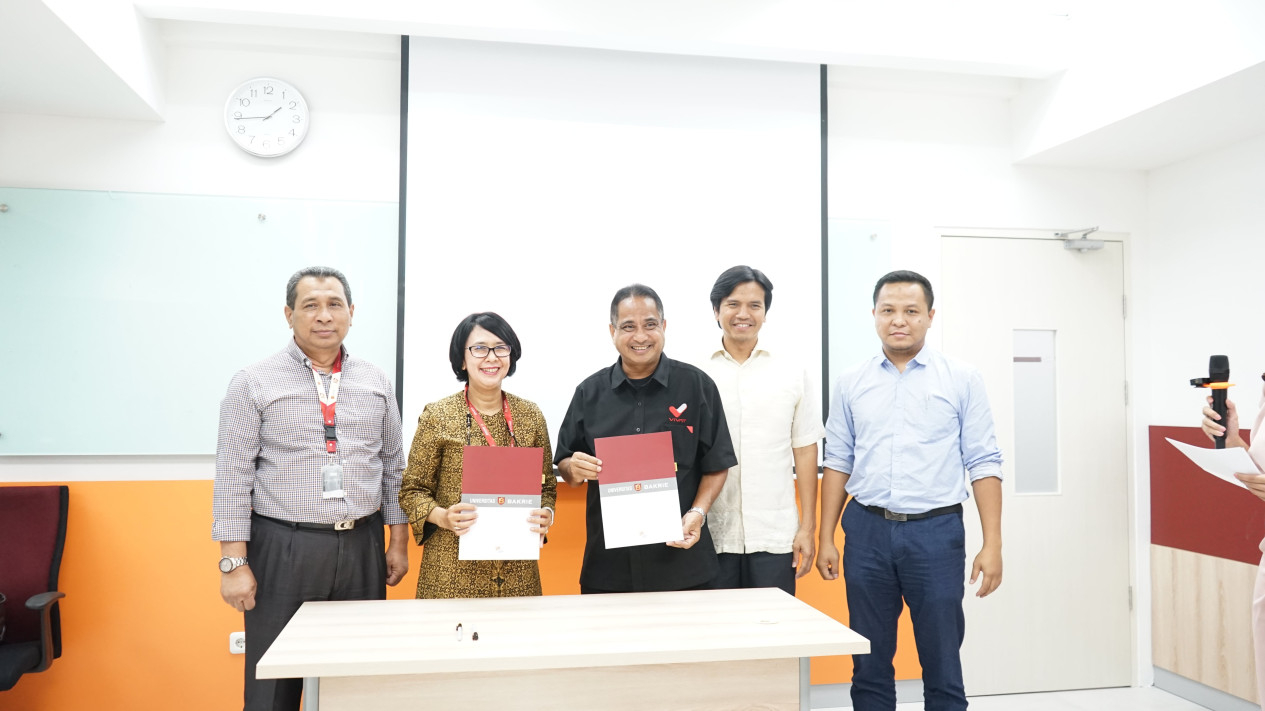
Bakrie University and the VIVA Group have collaborated to launch the Creative Center, which aims to address the challenges in the media and creative industries in the digital era. The collaboration was formalized by signing a cooperation agreement by the Managing Director of VIVA Group, Dr. Arief Yahya, and the Rector of Bakrie University, Prof. Sofia W. Alisjahbana, at the Bakrie Tower in Jakarta, Indonesia, on Tuesday, 7th March 2023.

The Creative Center will serve as a laboratory that supports the development of the media industry, the creative world, and information technology in Indonesia. “We welcome this cooperation,” said the Rector of Bakrie University, Prof. Sofia W. Alisjahbana. Dr. Arief Yahya also expressed similar sentiments, hoping for positive collaboration between the academic community and the media industry under the VIVA Group. “We must quickly adapt and collaborate to face the challenges in this media business,” said Dr. Yahya.

In addition to media development, the Creative Center will serve as a testing ground for new products and provide effective solutions for Indonesia’s media and creative industries. Following the signing of the cooperation agreement, a workshop titled “Adapting Artificial Intelligence in the Media Industry” was held.

The workshop was attended by VIVA Group employees and journalists, featuring presentations from Bakrie University lecturers: Dr. Jerry Heikal (Lecturer in the Master of Management Department), who discussed Data Analytics, and Mr. Guson Prasamuarso Kuntarto (Lecturer in the Department of Informatics) who delved into Artificial Intelligence. Another speaker, Mr. Wenseslaus Manggut, Chairman of the Indonesian Cyber Media Association, addressed the Media’s Attitude towards the Presence of Artificial Intelligence. The workshop concluded with group discussions led by Bakrie University lecturers.

Thammasat Researchers sustainably develop ‘DSmart Farming’.

Thammasat
University and the National Research Council of Thailand
(NRCT), Ministry of Higher Education, Science, Research and
Innovation give importance particularly to the development of technology for
agricultural sector application
. In order to increase production efficiency, in the past,
Thammasat University has been involved in supporting the development of new
innovations in smart farming
. This is a new type of agriculture that uses highprecision technology to help
in the operation, resulting in increased productivity and the most cost
effective use of resources.

However, apart
from promoting the creation of new innovations in order to foster sustainable
development of the Thai agricultural sector, it is as well necessary to create
learning platform for users in order to create suitable applications in each
area as well, such as smart farming systems for learning of all ages and sustainably
develop the Thai agricultural sector by the Thammasat University, Rangsit Campus
research team and the National Research Council of Thailand
(NRCT) who has granted research
funding for the year 2021 in the
Development of smart watering technology for the
production of high
value commercial organic vegetables with small farmer communitiesinvolvementproject which has
Prof
. Dr. Dusit Athinuwat as
the project leader along with a team of inventors consisting of Miss Romnalin
Chantawongse, and Mr
. Chayakorn Tangsurat.

Assoc. Prof. Dr. Dusit Athinuwat,
Lecturer of the Faculty of Science and Technology, Thammasat University
said that the smart farming system for learning of all
ages, known as
DSmart Farming, is an extension
of innovation that focuses on creating learning platform for young people and
new generations of farmers
. The innovation developed will be having specific software
and an excellent database that can be applied to the production system of
plants, herbs, mushrooms, livestock, aquatic animals and economic insects
. This helps ensure worthwhile
productivity per each plot of land and solve spatial problems
. This makes it
possible to sustainably raise income and elevate quality of life for people of
all ages
.

DSmart Farming is a system with developed software that responds to the actual needs of plants, including
the need for nutrients in the soil, namely nitrogen, phosphorus and potassium, water
needs, light intensity as well as appropriate temperature and humidity for each
stage of plant growth, controlling the conditions suitable for the production of
many crops in the same plot. Users are able to click and
view the data from the past one year a
nd then use
to analyze the amount of production factors that are suitable for each plant species,
which potentially reduces the amount of water used in the plant production system
by 41
60%. This thus, save costs, save energy and increase
productivity by 20
29%.

The system will
focus on creating learning platform for users
. Users are able to view realtime data from the web service and receive notifications
about the operation status of the artificial intelligence system via line
notify and application 24 hours a day
. The system works independently, resulting in learning the
operation of intelligent agricultural systems that correspond to the actual
needs of plants
.

 For system testing which is funded by the National Research
Council of Thailand
(NRCT). The system is
currently being tested in Sa Kaeo, Lopburi and Chiang Rai provinces
. This system will
help meet the needs of farmers in terms of rotten crops from overwatering
. At the same time,
it helps reduce water consumption in water
scarce areas. Most importantly, farmers are able to learn the system
usage and able to access the specific informations of each plant, which is a
body of knowledge plus local wisdom stored in the cloud database as well,
Assoc. Prof. Dr. Dusit concluded

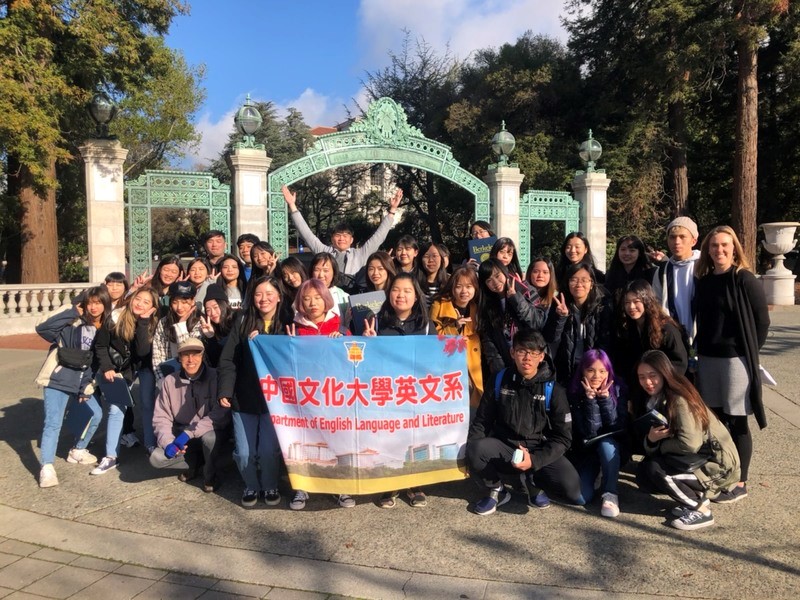
Students and Collaboration Worldwide Are Always Welcomed by the Department of English, CCU

The Department of English Language & Literature provides excellent surroundings for students to expand their intellectual capacity and develop professional skills. Aligned with the mission and initiatives of Chinese Culture University (hereinafter referred to as CCU), our program prepares students for the ever-changing developments and globalization of industries in Taiwan and the world over.
The department offers courses in: 
1. Language Training: Courses designed to build up English proficiency in listening, speaking, reading, and writing. 
2. English & American Literature: Courses designed to increase reading proficiency, interpretation skills, and cultural literacy in English, American, and Western literatures.
3. Linguistics: Courses designed to introduce students to the phonological, syntactic, semantic structures of the English language, as well as knowledge about social and pragmatic aspects of language.
4. Translation & Interpretation: Courses designed to introduce students to basic skills in translation and interpretation and to prepare them for advanced professional translator/interpreter trainings in the future. 
5. Applied English: Courses designed to improve English writing and communication skills in professional fields such as business, tourism, journalism, etc.
The department’s goals of development include:
1. A focus on developing well-rounded English competence and communication skills.
2. A dynamic learning environment and cross-disciplinary learning resources.
3. Diversity in the curriculum to enrich language learning opportunities, to enhance knowledge of the humanities, and to provide a competitive edge in the job market.
4. Development of students’ English proficiency and interdisciplinary competence to cross disciplinary boundaries for future careers.
The department consists of 18 full-time faculty members and more than 400 students. Our faculty members are devoted to pedagogical innovation and mentoring students. Four of our professors have been awarded Teaching Practice Research Programs by the Ministry of Education since 2018, covering areas in literature, English for tourism, and English for Science and Technology. In addition, the undergraduate students—under the intensive mentoring by our faculty members—have also won several student research awards since 2018, with topics on Shakespeare, Jane Austen, Virginia Woolf, Washington Irving, and English Listening.
In addition, the department offers a wide a variety of opportunities for learning and self-development. For instance, the annual English contests in recitation, public speaking, writing, and mini-movie encourages students to show their own strength and express themselves in the public. The overseas short-term course provides students on-site experiences on foreign campuses and face-to-face contact with teachers and students in other universities. The exchange program offers opportunities for in-depth learning in other countries for 6 to 12 months.
On the other hand, our career development initiative provides ample choices to prepare students for their career route. The field visits give students a tour to local companies. The service learning course allows students to serve as teaching assistants to English teachers in local elementary or junior schools. The Internship Program allows students to work part-time in local industries, applying their language skills to meet the demands of the jobs.
As a language department, we try our best to offer students opportunities for growth so that they will be able to embrace the world and have a bright future. We welcome anyone who is willing to collaborate with us, either students or educators who are interested in joining us. We are also open to diverse forms of collaboration. We look forward to making more friends and find more colleagues around the world.

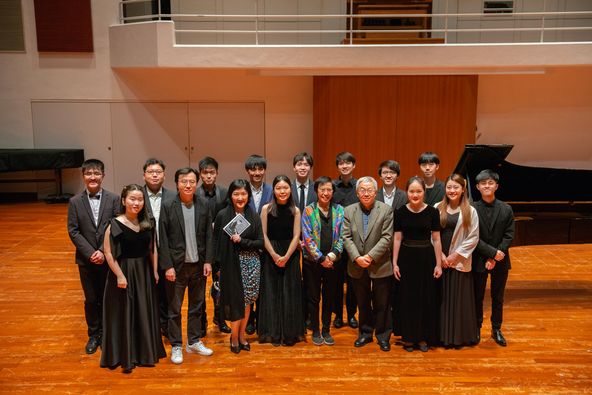
HKAPA School of Music Presented Rachmaninoff Piano Festival

To commemorate Russian composer Sergei Rachmaninoff’s 150th anniversary of his birth, The Hong Kong Academy for Performing Arts’ School of Music successfully presented the Piano Festival covering nearly the renowned composer’s complete works for solo and two pianos, the first time ever in Hong Kong. Professor Gabriel Kwok, Head of Keyboard Studies, would like to thank all the teachers, alumni and students for taking part in the Festival.
These six concerts of the Festival are broadcast on RTHK Radio 4 from Apr 24 to 29.
Programme: RTHK Radio 4 – “Live on 4”
24 – 29.4.2023 | 8pm
https://www.rthk.hk/radio/radio4/programme/Liveon4

EdUHK Research Reveals Kindergarten Teachers’ Perceptions of Whole-child Development

This study by Dr Chrysa Keung Pui-chi, Assistant Professor at the Department of Education Policy and Leadership, The Education University of Hong Kong, examined the relationships between leadership practices, professional learning communities, teachers’ efficacy beliefs and perceptions of whole-child development in the context of kindergarten education.

Educational reforms have recently focused on improving collaborative cultures and teachers’ instructional quality by building professional learning communities (PLCs) in kindergartens. According to the literature, teachers in PLCs conduct ongoing reflection, collaboration and collective learning to form a shared vision of children’s learning, and there may be some relationships between leadership practices, PLCs, teacher efficacy, and teacher perceptions of whole-child development. 

The importance of the principal’s leadership practices in developing a PLC has been extensively supported in studies of school leadership. A PLC creates opportunities and conditions for implementing new professional practices.

Although PLCs are increasingly viewed as an important context for continuous improvement in teaching effectiveness and school improvement, very few studies have investigated the role of PLCs in improving kindergarten teachers’ practices and children’s learning.

A questionnaire was given to 2,120 teachers from 153 Hong Kong kindergartens. The questionnaire comprised four scales: (1) The 21-item Leadership Practice Scale, (2) The 20-item Professional Learning Community Scale, (3) The 12-item Teacher Efficacy Scale, (4) The 15-item Whole-Child Development Scale.

This research project fills the gaps in the literature by providing an investigation into the relationships between leadership practices, PLCs, teachers’ efficacy and perceptions of whole-child development, focusing particularly on the mediating role of PLCs and addressing (1) the effects of leadership practices on PLC components in kindergartens, (2) how significantly leadership practices are associated with kindergarten teachers’ efficacy beliefs and their perceptions of whole-child development, and (3) whether PLC components significantly mediate the relationships between leadership practices and kindergarten teachers’ efficacy beliefs and their perceptions of whole-child development.

The study found that principals’ leadership practices had a significant effect on all five PLCs: collaborative activity, collective focus on student learning, deprivatised practice, reflective dialogue, and shared sense of purpose. Kindergarten principals adopting effective leadership strategies had a great impact on developing a culture of shared purpose and a sense of collective responsibility for children’s learning. Leadership practices were also positively related to teachers’ perceptions of whole-child development directly and indirectly through the mediation of three professional learning community components: shared sense of purpose, collaborative activities, and collective focus on student learning.

The mediation analysis revealed that three PLC components were positively associated with teachers’ perceptions of whole-child development via their efficacy beliefs: (1) a collective focus on children’s learning, (2) deprivatised practice and (3) reflective dialogue. 

The structural equation modelling analysis also showed that PLCs positively mediated the relationships of principal leadership to teacher efficacy and teachers’ perceptions of whole-child development. But except for a collective focus on child learning, PLC components in general had relatively weak relationships on teachers’ efficacy and perceptions of whole-child development.

The findings support the mediating role of PLCs in developing kindergarten teachers’ collaboration for improving their efficacy beliefs and perceptions of the whole-child development of children. Kindergarten principals play a key role in cultivating a supportive culture and facilitating teacher learning.

The study was conducted together with Professors Yin Hongbiao and Chai Ching-sing, Mr Clement Ng Ka-kit and Ms Winnie Tam Wing-yi at The Chinese University of Hong Kong. To learn more, please visit here

Unwinding the World’s Smallest Biological Rotary Motor by Degrees


Researchers from Japan have
successfully elucidated the fine details of energy-transducing F1-ATPase
function in bacteria 


F-Type ATP synthase, a catalytic complex of proteins, synthesizes
adenosine triphosphate (ATP), the energy currency of living cells. A lot of
ambiguity exists over the rotational mechanism of this spinning enzyme. Now, researchers
from Japan have demonstrated how each chemical event of ATP metabolism is
linked to the ‘stepwise’ rotational movement of the F1 component of ATPase.
Especially, they clarified the angle of shaft rotation before ATP-cleavage, a
long-standing enigma, to be 200°.


Adenosine triphosphate (ATP) is the energy currency of
cells. It powers various cellular processes that require energy, including enzymatic
reactions. ATP is synthesized with the help of an enzyme complex called F-type ATP
synthase. This enzyme complex has a bidirectional functionality, working to synthesize
ATP as well as hydrolyzing it, depending on environmental and cellular cues. ATP
synthase consists of two rotating motors—F1 and F0. The F1
subcomplex is mainly composed of
α, β, and γ subunits. During the hydrolysis of
ATP, the F1-ATPase show rotational motion. Therefore, F1-ATPase
is also known as the world’s smallest rotary biological molecule motor.
However, the underlying mechanism of how ATP hydrolysis makes the molecule
rotate remains unclear.


To address this knowledge gap, a team of researchers from
Japan, led by Associate Professor Tomoko Masaike from Tokyo University of
Science, set out to investigate the events behind the rotational mechanism of F1-ATPase
in the thermophilic bacterium, Bacillus PS3. Elaborating on the
objectives of their study, Dr. Masaike explains,
We wanted
to clarify the mechanism by which F1-ATPase rotates the central shaft
during ATP hydrolysis. We focused on clarifying the angle of rotation of the
central shaft between the binding of the substrate ATP to the enzyme and the
cleavage of its high-energy phosphate bond.
” The study, which was
undertaken in collaboration with Professor Takayuki Nishizaka from Gakushuin
University and Yuh Hasimoto from Hamamatsu Photonics K.K., was made available
online on 21 December 2022 and 7 February 2023 
in print in
Biophysical Journal.


Previous investigations of the F1 subunits of Bacillus PS3 have established that ATP cleavage involves chemomechanical coupling, i.e., each rotational stepping
motion is linked to a chemical reaction step.
The angle of rotation between ATP binding and its cleavage at the same
catalytic site has been previously estimated to be 200°. However, experimental
evidence to substantiate this has so far been lacking. To address this, the
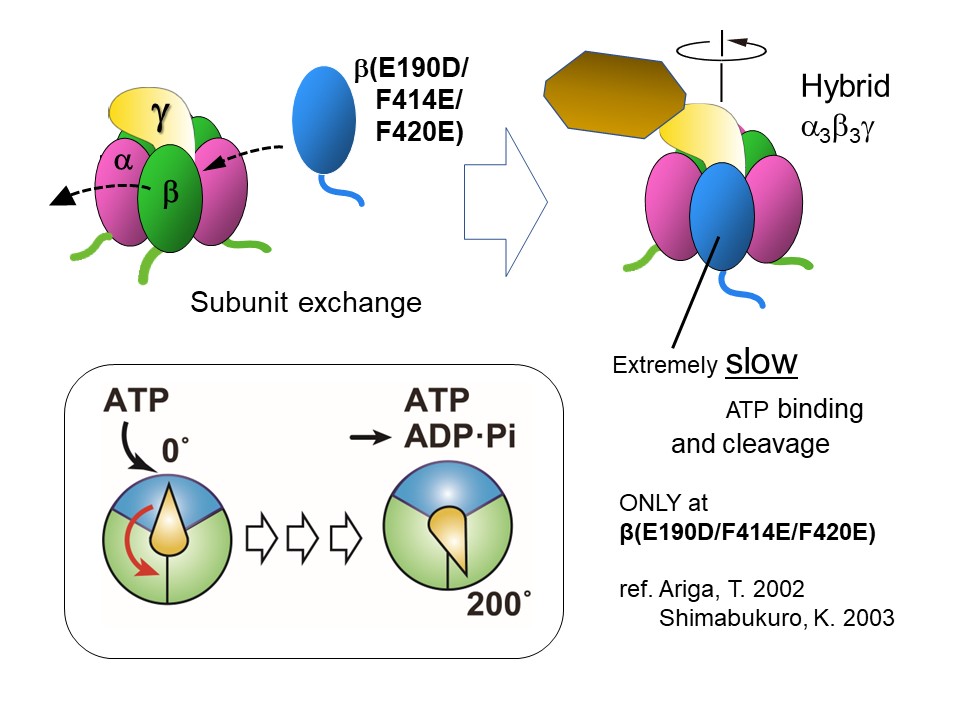
researchers studied the rotation by creating a hybrid F1 using one
mutant β and two wild type βs. Since the rate of both ATP cleavage and ATP
binding was extremely slow in the mutant, the researchers could observe the pauses
or dwells between rotational steps easily.


Upon performing a single-molecule rotation assay with varying
concentrations of ATP, they could observe three sets of short and long dwells associated
alternately with 80° and 40°
intervals per revolution. To
investigate the events associated with the dwells, the authors performed
dwell-time analyses. The long pause before the 40
° sub-step was independent of ATP
concentration and was confirmed as the ‘catalytic dwell’—a pause in the rotation
of the shaft due to ATP cleavage. Alternately, the short pause before the 80
° step was clearly dependent on ATP
concentration and thus identified as the ‘ATP-waiting dwell’ (pause to enable
β subunit to bind ATP). “Upon
investigating the rotation of the shaft, we could provide visible evidence
through optical microscopy that the shaft angles at ATP-binding and cleaving
events in
Bacillus PS3 were 0
° and 200°, respectively” says Hasimoto.


With this study, the authors have resolved a long-term
debate over the ATP-cleavage shaft angle and established the chemomechanical
correlation of ATPase function. Talking about the future impacts of their novel
study, Associate Prof. Masaike
elaborates,
Since F1-ATPase is the
world’s smallest biological rotational motor protein, it can be used as a
reference to understand the mechanism of energy transduction in living
organisms. This knowledge can be revolutionary in developing efficient
nanomachines. Moreover, ATP synthase from
Mycobacterium tuberculosis
has recently been identified as a potential target for drug discovery.
Therefore, to stop its rotation using inhibitors, understanding the mechanism of
rotation is quite important.”


Indeed, understanding the world’s smallest biological
motor may unravel mysteries of energy transduction in living organisms, and may
even translate to advanced applications across disciplines!                                                                                                                                                                                                                        


***


Reference                    


Title of original paper:   


Journal: Biophysical Journal


DOI: https://doi.org/10.1016/j.bpj.2022.12.027   


Authors: Yuh Hasimoto1,*,
Mitsuhiro Sugawa2, Yoshihiro Nishiguchi3, Fumihiro Aeba4,
Ayari Tagawa4, Kenta Suga4, Nobukiyo Tanaka4,
Hiroshi Ueno5, Hiroki Yamashita4, Ryuichi Yokota4,
Tomoko Masaike4,*, and Takayuki Nishizaka3,*


Affiliations:        


1Tsukuba
Research Center, Central Research Laboratory, Hamamatsu Photonics K.K.

2Graduate
School of Arts & Sciences, The University of Tokyo

3Department
of Physics, Faculty of Science, Gakushuin University

4Department
of Applied Biological Science, Faculty of Science and Technology, Tokyo
University of Science

5Department
of Applied Chemistry, Graduate School of Engineering, The University of Tokyo

*Corresponding
authors


Funding information

This study was supported in part by a
Grant-in-Aid for Scientific Research on Innovative Areas [“Fluctuation &
Structure” of JP16H00808 and JP26103527 (to T.N.), “Cilia & Centrosomes” of
JP87003306 (to T.N.)], Grant-in-Aid for Research Activity Start-up JP22870028
(to T. M.), and PRESTO JPMJPR12L8,
JST (to T. M.).


Further Information

Associate Professor Tomoko Masaike

Department of Applied Biological
Science

Tokyo University of Science

Email: [email protected]


Professor Takayuki Nishizaka

Department of Physics

Gakushuin University

Email: [email protected]


Media contact

Hiroshi Matsuda

Public Relations Division

Tokyo University of Science

Email: [email protected]

Website: https://www.tus.ac.jp/en/mediarelations/


Ayano Kawasaki

President’s Office Public Relations Centre

Gakushuin University

Email: [email protected]


The Concept of Being Able to Study in University and Learn Islam (Ngaji) and Being Able to Learn Islam (Ngaji) in University

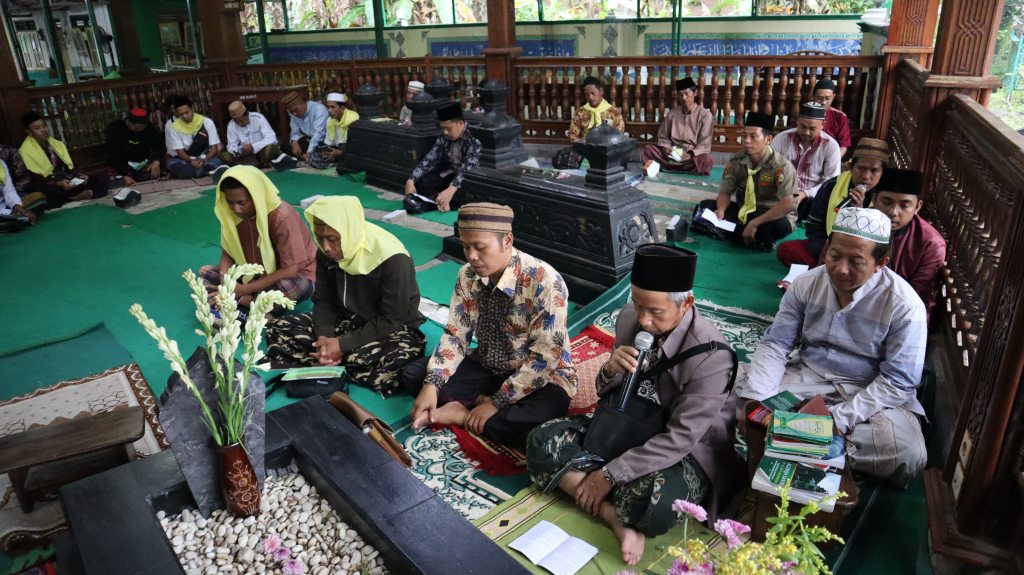
In Nahdlatul Ulama University Al-Ghazali Cilacap, religious education is not just limited to formal lectures, but also includes religious activities outside of class, such as learning Islam or “ngaji”. This is in line with the vision and mission of the university to produce graduates who are not only competent in their respective fields, but also have good moral values and a strong foundation in religious knowledge.

One of the unique features of Nahdlatul Ulama University Al-Ghazali Cilacap is the integration of Islamic education into formal academic education, where students are encouraged to balance their academic studies with religious activities such as praying and learning Islam. This concept is based on the belief that academic knowledge and religious knowledge can complement each other and produce graduates who are not only knowledgeable in their fields, but also have a strong foundation in religious knowledge.

This concept is applied through various programs, such as the Tahsin Tilawah program, which aims to improve students’ ability to recite the Quran properly, and the Tahsin Hadith program, which aims to improve students’ ability to understand and apply the teachings of the Prophet Muhammad. In addition, the university also has a mosque on campus that is used for daily prayers, Friday prayers, and religious lectures.

Overall, the concept of being able to study in university and learn Islam (ngaji) and being able to learn Islam (ngaji) in university is a unique feature of Nahdlatul Ulama University Al-Ghazali Cilacap that sets it apart from other universities. By integrating religious education with formal academic education, the university produces graduates who are not only knowledgeable in their fields, but also have a strong foundation in religious knowledge and good moral values.

The university’s commitment to providing a comprehensive education that includes both academic and religious knowledge is in line with the values of Nahdlatul Ulama, one of the largest Islamic organizations in Indonesia that the university is affiliated with. Nahdlatul Ulama emphasizes the importance of a holistic education that incorporates both religious and secular knowledge, as well as the development of good character and morals.

Nahdlatul Ulama University Al-Ghazali Cilacap offers a variety of undergraduate and graduate programs in various fields, including engineering, economics, law, education, and Islamic studies. In addition to formal lectures and religious activities, the university also
provides students with opportunities to participate in extracurricular activities and community service projects.

The university’s campus is located in Cilacap, Central Java, Indonesia, and features modern facilities such as a library, computer labs, and sports facilities. The campus is also located in close proximity to various cultural and historical sites, such as the Cilacap fish market and the Cilacap prison museum.

Overall, Nahdlatul Ulama University Al-Ghazali Cilacap offers a unique educational experience that combines academic excellence with a strong foundation in religious knowledge and good moral values. The university’s commitment to providing a holistic education that incorporates both academic and religious knowledge is in line with the values of Nahdlatul Ulama and reflects the university’s dedication to producing graduates who are not only knowledgeable in their fields but also have a strong moral compass.

As a university affiliated with Nahdlatul Ulama, Nahdlatul Ulama University Al-Ghazali Cilacap is also committed to promoting interfaith dialogue and tolerance. The university’s campus is open to students of all backgrounds and beliefs, and the university encourages its students to participate in activities that promote understanding and respect for different religions and cultures.

In addition to its commitment to providing a comprehensive education, Nahdlatul Ulama University Al-Ghazali Cilacap also prioritizes research and innovation. The university has a number of research centers and laboratories that are dedicated to conducting cutting-edge research in various fields, including renewable energy, disaster management, and Islamic studies.

To support its students and faculty in their research endeavors, the university has also established partnerships with various local and international organizations, including government agencies, non-profit organizations, and other universities. Through these partnerships, students and faculty are able to collaborate on research projects and gain valuable experience working on real-world problems.

Overall, Nahdlatul Ulama University Al-Ghazali Cilacap is a unique and innovative institution that is committed to providing a comprehensive education that integrates both academic and religious knowledge. Through its commitment to research, innovation, and interfaith dialogue, the university is helping to shape the future of Indonesia and the world.

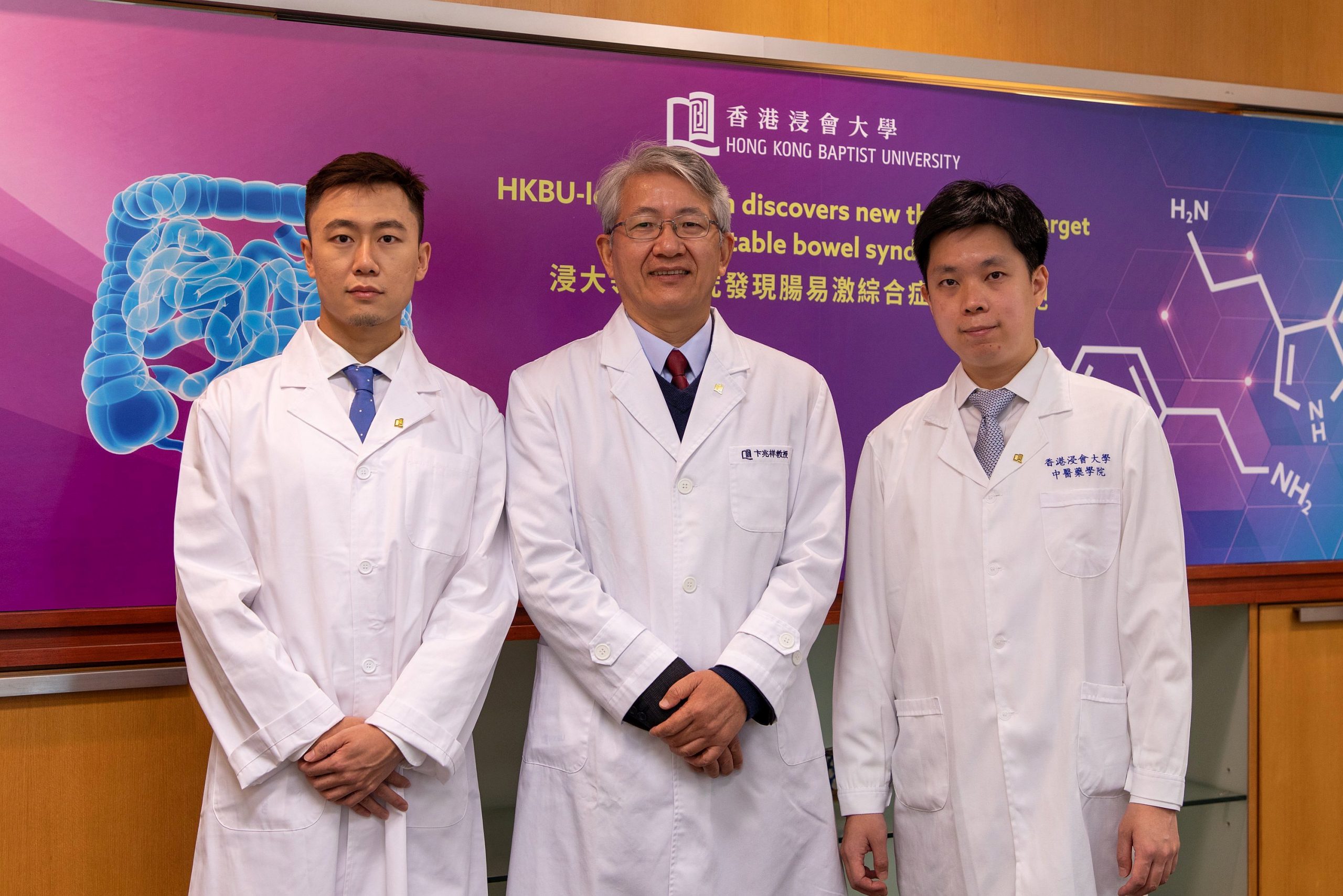
HKBU-led research discovers new therapeutic target for irritable bowel syndrome

A research study led by scientists from the School of Chinese Medicine (SCM) at Hong Kong Baptist University (HKBU) has shown for the first time that the human gut bacterium Ruminococcus gnavus is a major trigger factor of diarrhoea-predominant irritable bowel syndrome (IBS-D). Based on this discovery, a new therapeutic target for the disease’s treatment was identified. The study also found that low-protein food items such as fresh fruits, vegetables and bread may help reduce the gut motility in IBS-D.

The research findings have been published in the internationally renowned scientific journal Cell Host & Microbe. 

Curative treatment for IBS-D needed 

Irritable bowel syndrome (IBS) is a common functional bowel disorder characterised by stool irregularities, abdominal discomfort and bloating. It has been estimated that about 7% of adults in Hong Kong are affected by IBS. IBS-D is the most common type of IBS and there is no known cure for the disease. Most clinical treatments for IBS-D focus on relieving symptoms. 

Previous research has demonstrated that the increased production of serotonin, a key neurotransmitter involved in the regulation of gut motility, contributes to the gastrointestinal symptoms displayed in IBS-D. It has also been shown that gut microbiota play a role in regulating the levels of serotonin. However, the bacterial species concerned and the molecular mechanism by which the gut microbiota modulate serotonin production remain unclear. 

Phenethylamine and tryptamine produced by Ruminococcus gnavus trigger IBS-D  

To explore curative treatment options for IBS-D, a research team co-led by Professor Bian Zhaoxiang, Director of the Clinical Division and Tsang Shiu Tim Endowed Professor in Chinese Medicine Clinical Studies;  Dr Xavier Wong Hoi-leong, Assistant Professor of the Teaching and Research Division; and Dr Zhai Lixiang, Post-Doctoral Research Fellow of SCM at HKBU, screened
thousands of food components and their breakdown products in the fecal samples of 290 patients with IBS-D. They found that phenethylamine and tryptamine, two
aromatic trace amines produced by the microbial digestion of dietary proteins, are highly enriched in IBS-D faeces, and they are associated with the severity of diarrheal symptoms in patients with IBS-D. 

Probing further, the researchers found that mice which had been fed with either phenethylamine or tryptamine experienced increased stool frequencies and colonic secretions, which are major symptoms of IBS-D. 

On the other hand, the team found that the gut bacterium Ruminococcus gnavus, which is enriched in IBS-D faecal samples, is a primary producer of phenethylamine and tryptamine. Furthermore, mice with this bacterium transplanted into their guts go on to develop IBS-D diarrheal symptoms. These results suggest that phenethylamine and tryptamine produced by Ruminococcus
gnavus
trigger IBS-D in mammals without the involvement of other risk factors of IBS-D. 

Phenethylamine and tryptamine stimulate serotonin production 

The research team further conducted a series of experiments to understand the mechanism by which phenethylamine and tryptamine lead to IBS-D. The results showed that phenethylamine and tryptamine directly stimulate the production of serotonin from the enterochromaffin cells in the gut through the activation of a trace amine-associated receptor (TAAR1), thereby stimulating gut motility and secretion disorders in IBS-D.   

The team then explored the therapeutic potential of targeting the phenethylamine/tryptamine/TAAR1 pathway for the treatment of IBS-D. It was discovered that inhibition of TAAR1 activation through the use of a specific inhibitor effectively alleviated the diarrheal symptoms in mice which had been transplanted with IBS-D faecal samples. 

Prospects for new therapeutic options

“With a full outline of the mechanism of how gut microbiota associate with gut motility disorders, our research results suggest that the phenethylamine/tryptamine-mediated TAAR1 pathway is a new therapeutic target for IBS-D,” said Dr Zhai Lixiang. 

“IBS-D patients experience frequent episodes of diarrhea with accompanying abdominal pain, which reduce the quality of life. The research discoveries offer promising potential for the development of therapies for IBS-D based on the inhibition of the pathway,” said Professor Bian Zhaoxiang.

The research team also found that a diet low in phenylalanine, an amino acid and a dietary precursor of phenethylamine,
suppresses gut motility in mice by reducing the microbial production of phenethylamine and tryptamine
. Low-protein food items such as fresh fruits, vegetables and bread have relatively low levels of phenylalanine.
 

“Developing strategies to reduce the microbial transformation of dietary amino acids into phenethylamine and tryptamine, such as dietary intervention with reduced consumption of high-protein food items which usually have high phenylalanine levels, may represent a feasible approach for the management of IBS-D,” said Dr Xavier Wong. 

“Hemophilia” – a Disease that May Not Be Cured But Opportunities for a Good Life Are Still Possible

Patients suffering from Hemophilia, a genetic disease that lasts throughout one’s lifetime and has no long-term cure can still expect a quality of life.  A Chula medical specialist recommends preventive replacement factor treatment that uses an application to record abnormal bleeding along with regular communication with one’s physician.


Bleeding when one is wounded is a common occurrence for everyone.  Yet there are cases where a person experiences bleeding without having had any cuts or wounds.  There can also be instances of bleeding without any wounds or only a slight injury and the bleeding shows no sign of stopping especially in the joints or muscles.  These symptoms shouldn’t be ignored since they might mean that a person has Hemophilia. 

Dr. Chatphatai Moonla, General Medicine Instructor, General Practitioner in Hematologic Diseases, Division of General Medicine, King Chulalongkorn Memorial Hospital explains that “Hemophilia is a genetic disease that is found only in males.  Out of a population of ten to twenty thousand, one hemophiliac might be found.  This disease is caused by a genetic disorder that impairs the body’s ability to make blood clot.  Patients usually display abnormal bleeding patterns from the time of their birth while in some cases they are found in their childhood or adolescence if they experience joint bleeds or easy bruising during the motor development process.”  

At present, around 1,800 people suffer from Hemophilia but it is hoped that more patients can be diagnosed, especially hose displaying only mild symptoms.  This would require more awareness among the public and medical professionals in all areas to realize the importance of detecting this disease.  

What causes Hemophilia

Hemophilia is caused by a disorder of the gene that creates the coagulation factor which is called factor for short.  There are two important factors: factor VIII and factor IX. Those lacking factor VIII have hemophilia A and those without factor IX have hemophilia B.  In 2020, Thailand had 1,600 patients with hemophilia A and 200 with hemophilia B.  

Dr. Chatphatai explained that hemophilia A and B are both X-linked recessive disorders which is why it affects males who acquire the X hemophiliac chromosome from their mothers while females with the hemophiliac gene are carriers but asymptomatic.

 How much bleeding indicates that it’s hemophilia?

Characteristic symptoms for hemophilia vary according to severity.  80-100 percent of the bleeding is joint bleeding whereas 10-20% is muscle bleeding that happens after an accident or collision such as in a sports tournament.  The severity of the disease depends on the level of factor VII or factor IX and can be divided into 3  levels as follow:

Severe hemophilia symptoms (factor level less than 1 percent) usually show signs of bruising on their bodies from the time they are very young, and experience joint or muscle bleeding without having had an accident or collision. 

Moderate hemophilia symptoms (factor level of 1-5 percent) will experience joint or muscle bleeding after only a slight accident.  In only some cases will they experience joint bleeds on their own.

Slight hemophilia symptoms (factor level between 5-40 percent) usually don’t bleed on their own but will find it hard to stop the bleeding after an accident or surgical procedure like tooth extraction, for example. 

 Easy bleeding makes life difficult.

Patients with hemophilia have to be extra cautious in avoiding crashes and collisions.  This affects their way of life, especially for those in their childhood where active fun and games are a part of their physical development and learning process. 

“Active kids who take part in strenuous physical activities that affect their muscles and joints may encounter situations of bleeding.  Many need to refrain from such activities and some need to be absent from school whenever they start bleeding and require treatment. Those who fail to receive treatment when they are young will go through osteoarthritis or joint impairments that adversely affect their way of life and put them in need of caregiver’s assistance and worse yet, disabilities leading to them being crippled.” 


Diagnosis of hemophilia

Dr. Chatphatai advises male babies born to families with a history of hemophilia to be tested for the disease by way of assessing their blood clot ability and factor levels of factor VII and IX from the time of their birth or during infancy. 

“A family with a child who shows abnormal bleeding in the joints or muscles or has bleeding marks on the skin after only a small bump should bring the baby to his pediatrician for assessment.”

“Patients showing slight or moderate signs who encounter bruising or bleeding in the joints or muscles, or those who continue to bleed after a tooth extraction or surgery should make sure to see their physician for further diagnosis as well.”

 Forms of treatment to ensure a better quality of life

We have yet to find a cure for hemophilia but there are two forms of treatment available – treatment and prevention of bleeding episodes. 

“Prevention is the best form of treatment which is done by replacing the missing blood clotting factors 2-3 or more times a week.  Here in Thailand, there are still some limitations based on budgetary concerns whereas in some foreign countries, factors could be given every other day to prevent abnormal bleeding and successfully delay joint osteoarthritis.”   

Since care for hemophilia patients needs to be done continuously throughout the patient’s lifetime, systems and technologies have therefore been developed to help both the patients and their doctors to follow up on their symptoms and provide extended care.  Various applications such as the HemMobile recommended by King Chulalongkorn Memorial Hospital have been tested on patients.  The application works like a personal assistant for the patient recording all instances of abnormal bleeding and factor injections onto the application that will process that data onto the physician to observe the patient’s bleeding patterns leading to greater accuracy and appropriate treatment.” 

“Care for a hemophiliac is a lifelong process.  The patient and his family must understand the disease as well
as the treatment.  The team of doctors treating the patient must be knowledgeable and engage in a close relationship with the patient.  This will ensure that the patient will receive appropriate care in the long run and
be able to live with hemophilia while enjoying a good quality of life, especially for children who should be able to grow up with a strong life and with the least occurrences of osteoarthritis.”  Dr. Chatphatai concluded.