OGE FKK UiTM: Alumni Inspire Oil & Gas Futures

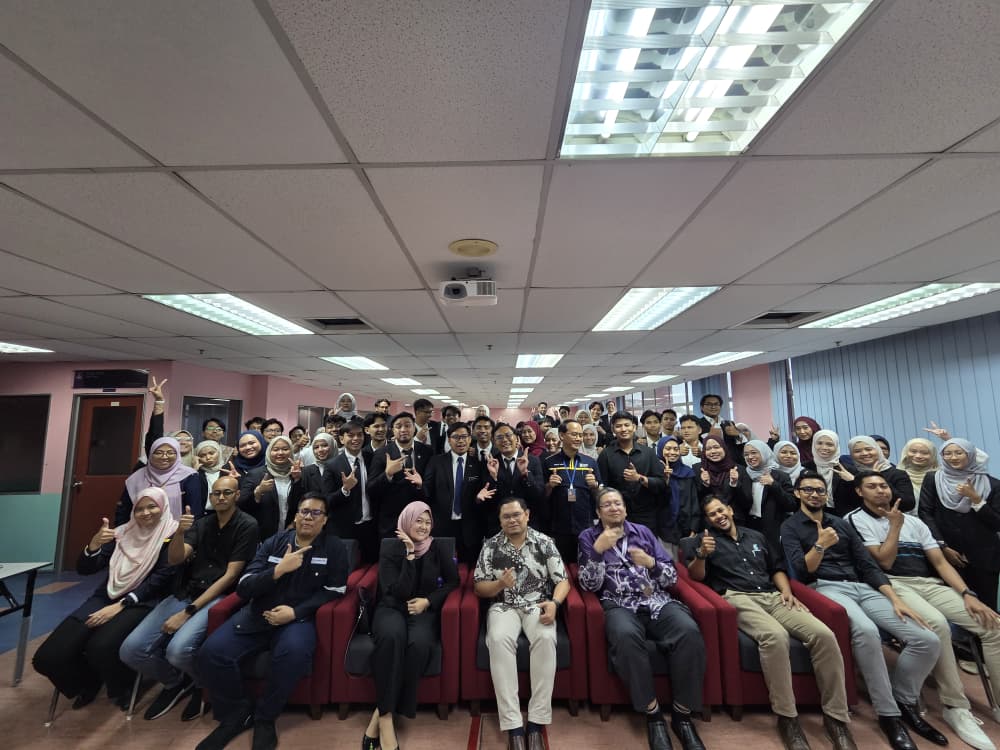
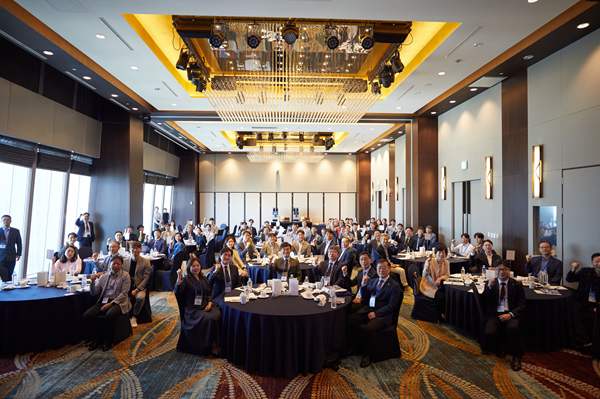
Universiti Teknologi MARA (UiTM), through the Office of Research & Industry Networking, Faculty of Chemical Engineering (FKK), successfully hosted two alumni engagement programs — FKK Echo: Voices of Our Alumni 1.0 on 23 July 2025 and RE-ENGAGE FKK (Reconnect, Empower, Grow) 1.0 on 31 July 2025 at UiTM Shah Alam. Both initiatives aimed to strengthen oil and gas engineering alumni–faculty ties while enhancing student development.

FKK Echo connected 27 final-year Oil and Gas Engineering students with alumni. His sharing on industry challenges and opportunities inspired students to prepare for career transitions while fostering valuable alumni linkages. Building on this momentum, RE-ENGAGE FKK 1.0 gathered 60 students, lecturers, and six alumni representing Petronas, Halliburton, Interwell, Diamond Key International, Petronas Carigali, and McDermott. The half-day forum included panel discussions and Q&A sessions, exposing students to diverse career pathways, technical expertise, and mentorship opportunities.

Beyond technical knowledge, both programs emphasised soft skills, leadership, and networking, equipping students with critical thinking and collaboration competencies. These engagements highlighted alumni as strategic partners in education, supporting UiTM’s mission to produce industry-ready graduates with the professional agility to lead Malaysia’s energy transformation.

#OGE UiTM #FKK UiTM Shah Alam #Universiti Teknologi MARA #Malaysia

NTU–MIT Explore Smart Manufacturing

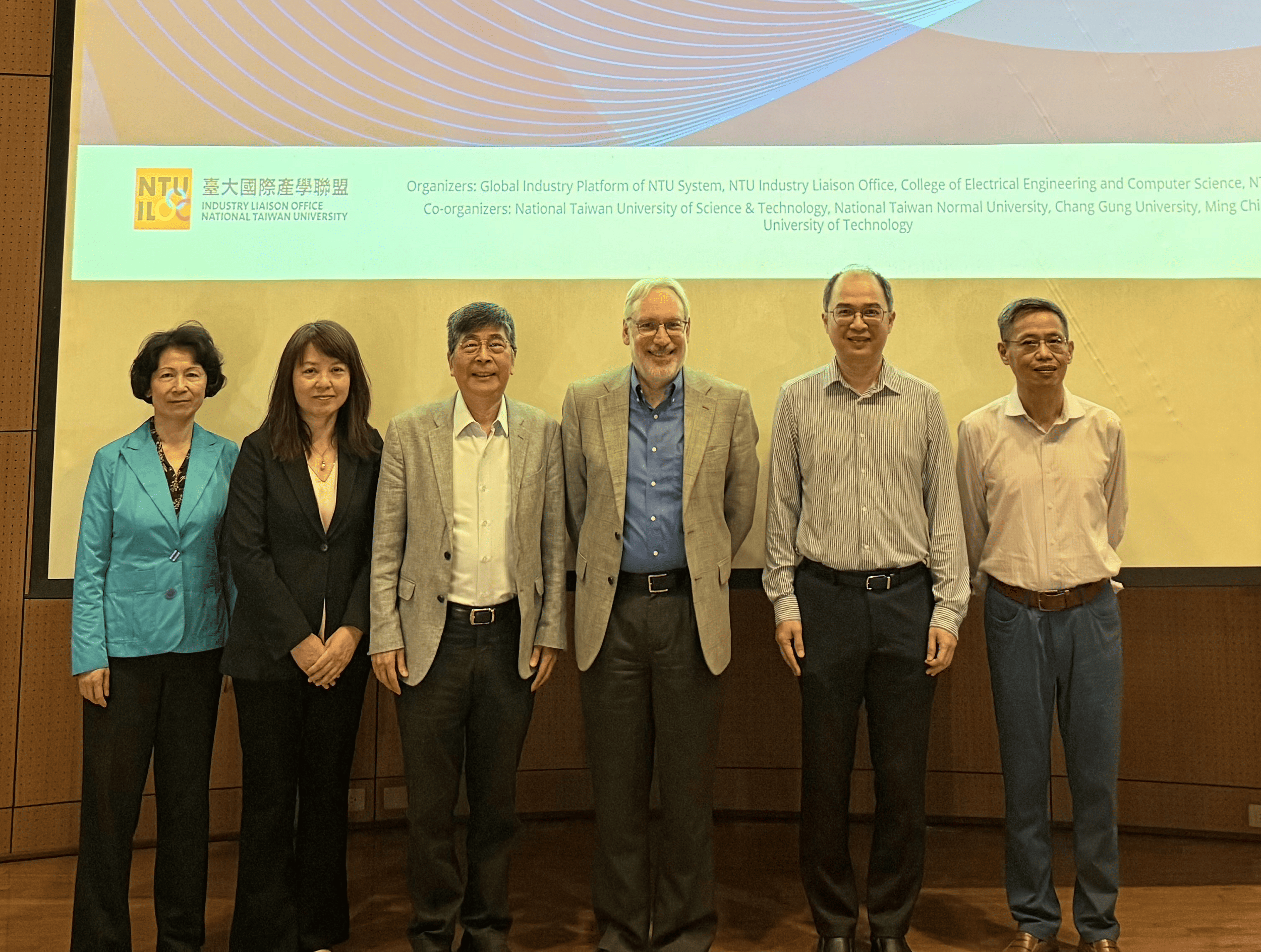
National Taiwan University (NTU), through its Industry–Academia Alliance and College of Electrical Engineering and Computer Science, welcomed Professor Duane Boning from MIT, a leading expert in electrical engineering and Associate Provost for International Activities. Professor Boning delivered a lecture at NTU’s Bo-Li Hall and met with NTU Dean Tsung-Lin Wu and Vice Dean Chien-Chang Huang to discuss research collaborations and student exchange programs, aiming to strengthen international partnerships.

In his talk, “From Data to Digital Twin: Enabling the Future of Manufacturing,” Professor Boning highlighted how advanced sensors, connectivity, data infrastructure, AI, and machine learning are transforming manufacturing. He explained how digital twin technology can improve process control, fault detection, predictive maintenance, and production yield, emphasizing that adaptive models and standardized data frameworks are crucial for robust applications. He noted that rapid AI and machine learning advancements are driving industry toward a fully integrated digital twin ecosystem.

The lecture drew faculty, students, and industry professionals interested in smart manufacturing and AI applications. A post-talk discussion, hosted by Vice Dean Huang, explored challenges in practical implementation, technology adoption, and international collaboration. The event underscored NTU’s proactive role in global technology networks, fostering cross-disciplinary dialogue and strengthening Taiwan’s capabilities in advanced manufacturing and AI innovation.

Inha Univ, FuriosaAI Sign Semiconductor MOU

Inha University recently signed a Memorandum of Understanding (MOU) with FuriosaAI, a leading domestic AI semiconductor company, to promote collaboration in AI semiconductor design and human resource development.

Under this agreement, the two parties will conduct joint research and technology exchange across the entire AI semiconductor process, including design, packaging, and testing.

They also aim to cultivate practically skilled semiconductor professionals by integrating advanced industrial technologies into education and research.

Specifically, the partnership will pursue: •Joint development and research in AI semiconductor design, verification, packaging, and testing •Development of practice-oriented educational programs based on industrial needs •Student internships and joint industry–academia projects •Cooperative training in design, verification, packaging, and testing technologies

Through this partnership, the Semiconductor Specialized Graduate Program plans to strengthen a sustainable industry–academia collaboration model that links education, research, and industry.

FuriosaAI is a company developing high-performance, low-power AI inference accelerators (NPUs) that enhance the computational efficiency of large-scale AI models. The company recently attracted global attention with the release of its “RNGD (Renegade)” AI accelerator.

Additionally, FuriosaAI contributes to strengthening Korea’s AI semiconductor competitiveness through chip development using TSMC’s 5nm process and the advancement of AI computation technologies for data centers.

Jun-Ho Baek, CEO of FuriosaAI, stated, “Inha University, with its outstanding educational infrastructure and research environment, is the ideal partner to cultivate the core talent needed in the AI semiconductor industry. Through close collaboration, we will foster integrated technical experts covering design, packaging, and testing, and contribute to enhancing Korea’s national semiconductor competitiveness.”

President Myung-Woo Cho added, “This agreement will serve as a model case of close cooperation between academia and industry in key processes of the AI semiconductor sector—design, packaging, and testing. We will build an educational foundation that allows students to experience real chip development processes and acquire the practical skills demanded in the field.”

Original Article Link

Original Article Link

VILNIUS TECH hosts ATHENA BIP

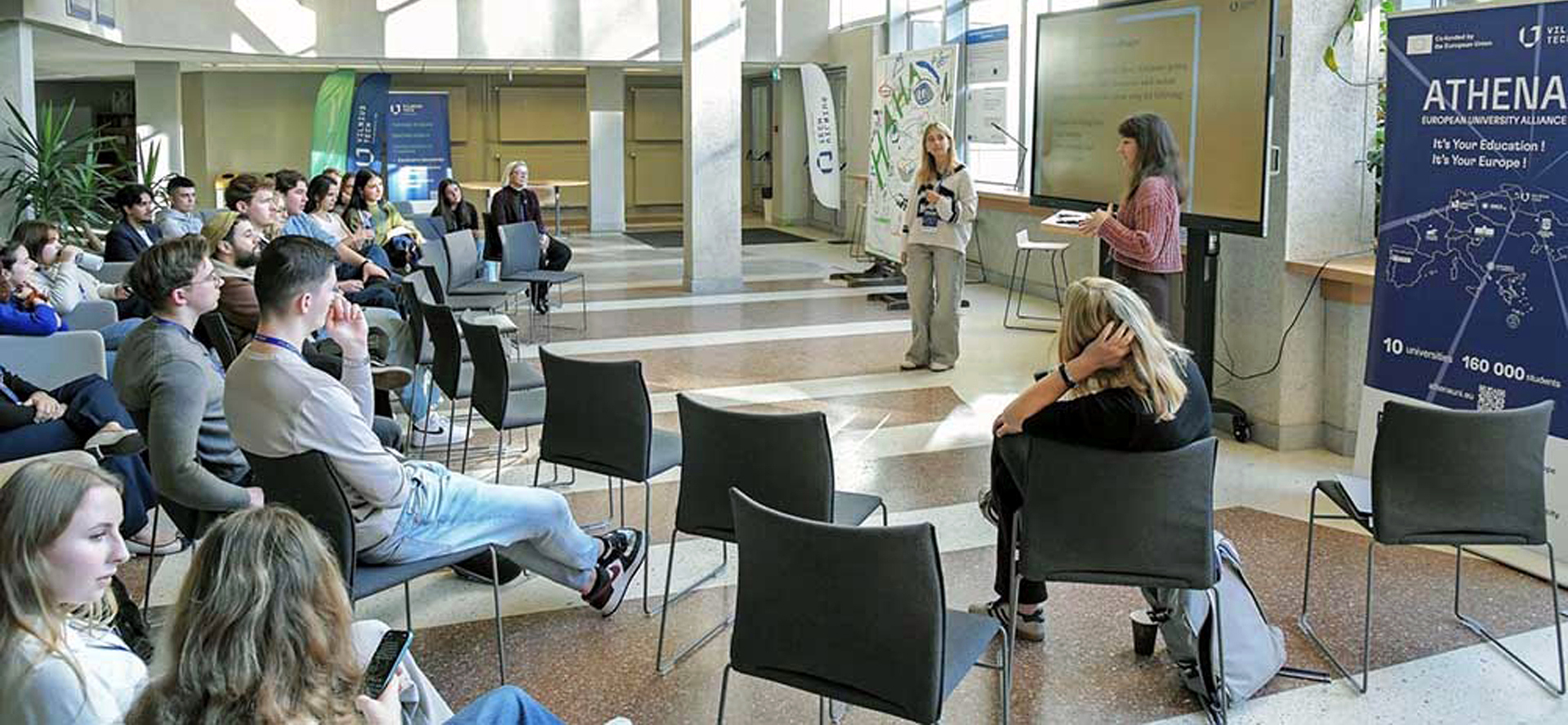
From 20 to 24 October 2025, Lithuania’s Vilnius Gediminas Technical University (VILNIUS TECH) hosted the ATHENA Blended Intensive Programme (BIP) on “Sustainability of Student Organisations,” organised by the ATHENA European University.

Implementing the BIP, representatives of the Igor Sikorsky Kyiv Polytechnic Institute – Iryna Simkova and Yuliana Lavrysh, professors at the Faculty of Linguistics – delivered lectures and conducted workshops on the resilience of student organisations, knowledge management for sustainability goals, and effective collaboration in multicultural teams.

A thought-provoking discussion on the future of ATHENA Student Organisations was initiated by Konstantinos Petridis, ATHENA Academic Coordinator, Vice-Rector of Internationalisation and Extroversion at the Hellenic Mediterranean University.

BIP participants explored how student organisations can evolve, enhance engagement, ensure continuity and strengthen their overall impact. The teams worked out thoughtful action plans for the near future, rich in creative and practicable ideas.

The programme offered a unique opportunity for members of the ATHENA Student Board, Students’ Representations, ESN ATHENA and other student-led organisations to hone their leadership and teamwork skills while forming useful cross-border connections.

The participants earned 3 ECTS in Organisational Behaviour and Leadership – and, more importantly, gained insights and networks that will support the sustainability of student initiatives both within the ATHENA Alliance and beyond.

It is worth noting too that despite Russia’s ongoing war of aggression against Ukraine and frequent power outages, Kyiv Polytechnic students Sviatoslav Shesterov and Sofiia Marushchenko were able to join their peers from other countries, build meaningful connections, and make a remarkable contribution to the teamwork and shared vision of sustainability.

Industrial Park Collaboration Center(IPCC)

The I-RISE Headquarters held the launch ceremony for the Industrial Park Coupled Collaboration Center (IPCC) on the 16th at Oakwood Premier Incheon.

Established as part of Incheon’s RISE (Regional Innovation-led University Support System) initiative, the IPCC aims to support advanced industrial transformation and strengthen competitiveness of companies within regional industrial complexes, in line with the city’s manufacturing renaissance.

Inha University has established six IPCC divisions tailored to Incheon’s strategic industries: •Logistics AI •Future Mobility •Bio •Semiconductors •Smart Manufacturing (AX) •Energy

Each IPCC will promote a range of industry-academia-research collaboration projects, including joint R&D for industrial advancement and training programs to enhance the expertise of employees working within industrial complexes.

During the RISE project period, the IPCC network will be expanded and further established, evolving into a regional hub for industry-academia cooperation.

Original Article Link

The event was attended by more than 80 participants, including officials from Inha University, Korea Industrial Complex Corporation, Incheon Metropolitan City, Incheon Technopark, Incheon RISE Center, Korea Institute of Industrial Technology, Inha Technical College, and representatives from participating IPCC companies.

Inha University also signed a business agreement with the Incheon Regional Headquarters of the Korea Industrial Complex Corporation, aiming to nurture region-specific talent and promote industrial development.

Under this agreement, the two institutions will collaborate on: •Operating consultative bodies centered on industrial complex tenants •R&D cooperation and policy participation for digitalization and carbon-neutral transition •Field-based support for companies •Development and operation of education programs for employees within industrial complexes.

In addition, Director Park In-gyu of the AI Convergence Research Center delivered a keynote speech titled “AX Revolution in Incheon through Physical AI,” presenting innovation strategies for industrial complexes powered by artificial intelligence.

Director Choi Chung-hyeok of the Korea Industrial Complex Corporation Incheon Headquarters stated, “We will do our utmost to ensure effective cooperation that leads to industrial transformation and enhanced corporate competitiveness.”

“It is meaningful to launch the IPCC as a new collaboration platform where local communities, industries, universities, and research institutions share innovative technologies under the I-RISE framework. Inha University will leverage its capabilities as a world-class research-driven institution to actively meet the innovation demands of Incheon’s strategic industries, including AI.”

Original Article Link

UNAIR–UMPSA community service initiative

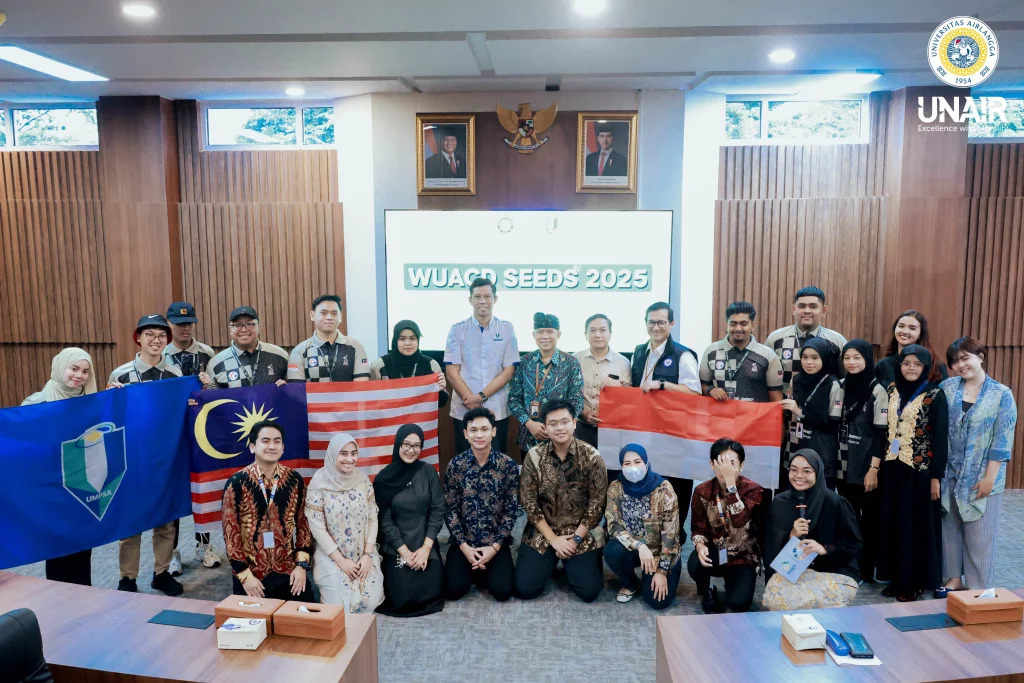
Universitas Airlangga (UNAIR) has joined forces with Universiti Malaysia Pahang Al-Sultan Abdullah (UMPSA) through the World University Association for Community Development (WUACD) to launch the Empowerment Journey @ Surabaya, Indonesia 2025. The opening ceremony took place on Wednesday (Oct 1, 2025) at the Dewa Ruci Hall, Airlangga Convention Center, UNAIR MERR-C Campus. The event was attended by UNAIR leadership, UMPSA delegates, and students from both universities.

Prof. Hery Purnobasuki, M.Si., Ph.D., Head of UNAIR’s Institute for Sustainable Community Services (LPMB), emphasized that the initiative is not merely an academic event but a genuine expression of international community service. “This program goes beyond academic exchange, it translates knowledge into real contributions for the community, especially in Surabaya and East Java. We hope it will bring direct benefits and promote long-term sustainability,” he said.

Representing UMPSA, Assoc. Prof. Dr. Ramadhansyah Putra Jaya expressed his appreciation for UNAIR’s warm hospitality and highlighted the strong potential of the partnership. “I’m confident this collaboration will not be the first and the last. It can grow into joint research projects, co-authored publications, and wider academic mobility,” he remarked.

According to WUACD Secretary, Dr. Niko Azhari Hidayat, Sp.BTKV (Subsp.VE) FIATCVS, the association was founded in 2018 and now has over 40 member universities. WUACD focuses on SDG-driven community service initiatives, ranging from student mobility and collaborative research to international conferences. “Our mission is to strengthen partnerships among universities worldwide. We aim to move beyond knowledge sharing and turn compassion into real actions that uplift communities,” he explained.

The program is expected to serve as a foundation for deepening the partnership between UNAIR and UMPSA, opening new opportunities for collaboration, and advancing cross-border contributions to community development. As part of the initiative, UNAIR and UMPSA conducted a Kitchen of Kindness: Cooking and Sharing Meals activity at Rumah Singgah Surabaya, a shelter for patients and their families. Students and volunteers joined together to cook and distribute meals, fostering warm interactions with the residents. “We hope our friends’ presence brings encouragement and comfort. The residents here truly enjoy being visited and accompanied,” said Bambang, one of the shelter’s coordinators.

Thammasat Innovates 1-Day 3D-Printed Eye

While most eye diseases are treatable, some conditions like accidents or tumors can lead to irreversible vision loss and eye removal, impacting patients’ social confidence. Artificial eyes are crucial for these patients to maintain their self-assured lifestyle. Off-the-shelf ocular prosthetics often lack realism. To address this, Thammasat University’s ophthalmologists and dentists created “3D Printed Customized Ocular Prosthesis in One Visit Delivery.” This innovation uses 3D printing and photographic imaging to produce personalized, realistic ocular prosthetics in a single day, eliminating long waits for patients.

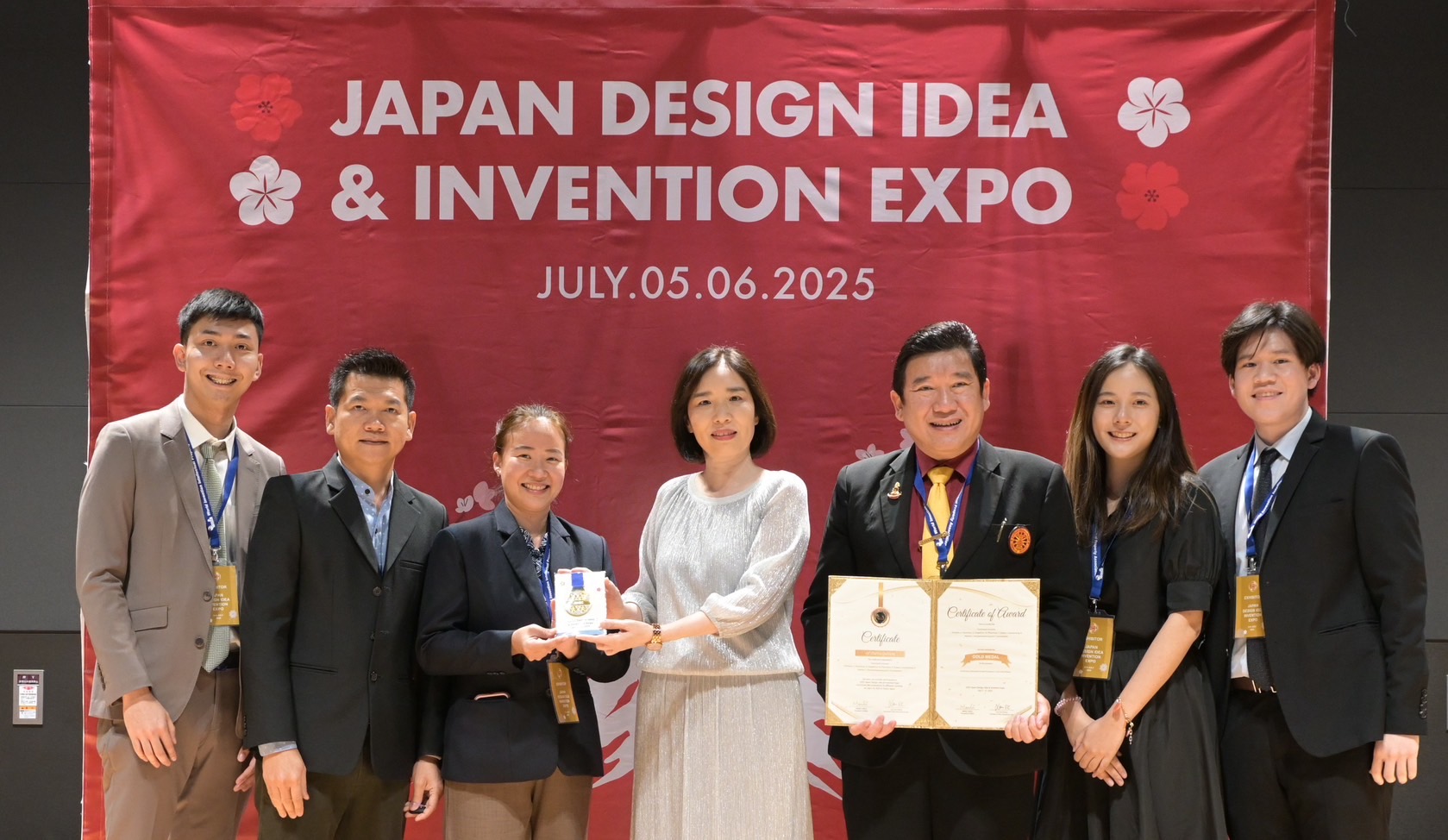
3D Printed Customized Ocular Prosthesis in One Visit Delivery” is the result of the efforts of the Artificial Eye Center team at Thammasat University, led by Assoc. Prof. Dr. Sakchai Wongkittiruk (M.D.), Dr. Waraporn Mitsantisuk, an ophthalmologist, and Asst. Prof. Dr. Jitpimol Siriphan, a dentist. This work has successfully won the JDIE Best Invention Award at the Japan Design, Idea and Invention Expo held in Tokyo, Japan, competing against over 366 entries from 25 countries. In addition, it has also been able to receive numerous prestigious awards, such as the Gold Medal from the World Invention Intellectual Property Associations and the NRCT Special Award from the National Research Office, among others.

Create a realistic ‘artificial eye’ within one day.

Ocular prosthetics can be categorized into two types: ready-made prosthetics and custom prosthetics. The process of creating custom prosthetics originally involved several steps, including the initial printing of the eye socket, fitting of the clear glass eye, marking the position of the pupil, and applying color to the sclera and iris to achieve a realistic appearance that closely resembles the patient’s natural eye. This craftsmanship requires varying levels of skill and time. Therefore, the innovation of “3D Printed Customized Ocular Prosthesis in One Visit Delivery” utilizes technology to enhance aesthetics, reduce the time required for production, and improve the ability to predict the outcome with precision.

Asst. Prof. Dr. Jitpimol, a faculty member of the Faculty of Dentistry at Thammasat University, explained that this innovation combines 3D printing to create a sclera-like piece from a patient’s eye socket scan and a photography technique to apply the image onto it. This multi-step process for personalized prosthetic eyes is reduced to just 4 hours. Assoc. Prof. Dr. Sakchai further stated that the limitation is that it previously took months, or even several months, to obtain a custom prosthetic eye. This is due to the need for various molds and steps in the process, as well as the skill of the prosthetic eye maker in replicating the appearance of the other eye. While it may be an improvement over traditional ready-made prosthetic eyes, achieving a lifelike beauty requires both science and artistry, making the results difficult to predict. This has led to the innovation we see today. Currently, we observe a significant use of 3D printing technology in the medical field, including its application in dentistry for creating dentures for patients.       

Thammasat Researchers: Innovators for Society

Thammasat University, a pillar of society, educates quality graduates and supports research and innovation to address social issues. The university is currently aligning faculty and student research with pressing needs to create tangible societal benefits. Assoc. Prof. Dr. Sakchai emphasized that universities, beyond teaching, must generate practical research and innovations that improve quality of life. This specific innovation aims to empower visually impaired patients to live confidently.

The innovation “3D Printed Customized Ocular Prosthesis in One Visit Delivery” has been implemented at Thammasat University Hospital since the beginning of 2025. Currently, there are over 10 patients utilizing ocular prostheses from this innovation. The feedback received indicates increased happiness and confidence in social interactions among the patients. In the future, this innovation will be developed to reduce the time required for creating ocular prostheses, making them more aesthetically realistic, and enhancing public access to the services provided by this innovation.

Preserving Geopark Kaldera Toba

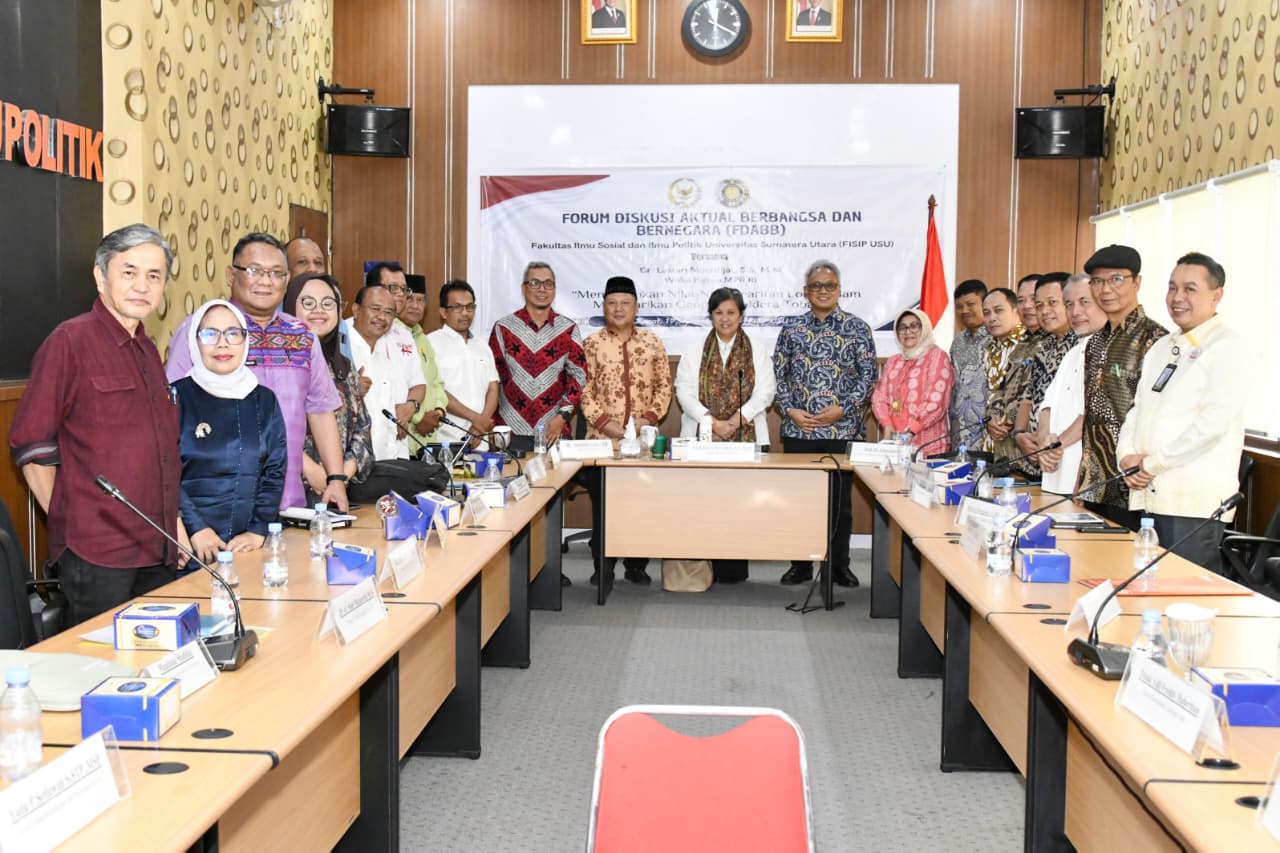
The Geopark Kaldera Toba (GKT) became the focal point of the Forum Diskusi Aktual Berbangsa dan Bernegara (FDABB) a National Dialogue Forum organized by the People’s Consultative Assembly of the Republic of Indonesia (MPR RI) in collaboration with the Faculty of Social and Political Sciences, Universitas Sumatera Utara (FISIP USU) on Friday, September 19, 2025. Carrying the theme “Affirming the Values of Local Wisdom in Preserving the Geopark Kaldera Toba,” the forum emphasized the significance of Batak cultural values as a foundation for sustainable geopark management.

Held at the FISIP USU Executive Meeting Room, the event brought together key figures from local government, academia, and civil society organizations. Among the attendees were Samosir Regent Vandiko Timotius Gultom, Head of the North Sumatra Office of Culture and Tourism Yuda P. Setiawan, representatives from the North Sumatra Environmental Agency, the Kaldera Toba UNESCO Global Geopark Management Agency, as well as scholars from various disciplines within USU.

The forum was attended in person by Deputy Speaker of the MPR RI, Dr. Lestari Moerdijat, S.S., M.M., who highlighted the importance of synergy among communities, government, and academia in maintaining the sustainability of the Lake Toba region.

Although the Geopark Kaldera Toba has now received a Green Card from UNESCO, we must continue strengthening collaboration so that the geopark remains connected to the surrounding communities,” said Dr. Lestari Moerdijat.

This discussion followed UNESCO’s previous issuance of a “yellow card” to the Geopark Kaldera Toba in 2023 due to weak community engagement, environmental preservation, and cultural reinforcement. Although the status improved to a “green card” in 2025, stakeholders acknowledged that consistency and cross-sectoral collaboration remain the key to sustainable management.

Local wisdom within the Batak community such as the Dalihan Na Tolu philosophy that emphasizes social balance and reverence for ancestral lands was recognized as vital social capital. These values are not merely cultural heritage but also serve as instruments for environmental conservation.

The Geopark Kaldera Toba should be approached through the social field perspective as a space of contestation and positioning. It must be understood as a shared space for all ethnic groups surrounding the lake, rather than being perceived solely as belonging to the Batak Toba,” stated Dr. Fikarwin, M.A., Anthropology lecturer at FISIP USU.

This perspective reinforces that the management of the Geopark Kaldera Toba should not only focus on environmental and tourism aspects, but also ensure the inclusion of all ethnic groups around the lake as part of an equitable social space. In line with this, several academics stressed the need to ensure that indigenous communities are not merely symbolically involved, but genuinely integrated into policies and management practices.

The ITMP Kaldera program aims to integrate both environmental and social aspects of the communities surrounding Lake Toba. There needs to be a proper screening of indigenous communities. Around Samosir, cultural heritage remains alive, but it is not yet fully incorporated into village governance and other local systems,” explained Dr. Muba Manihuruk, M.Si., Sociology lecturer at FISIP USU and researcher for the National Tourism Strategic Area (KSPN).

Beyond addressing the challenges of modernization and mass tourism which risk eroding cultural values the forum also formulated several key recommendations. These include strengthening local wisdom within geopark management policies, promoting culture-based community empowerment, and following up through collaborative research, academic publications, and community engagement programs.

By involving diverse stakeholders, the FDABB is expected to help maintain the Geopark Kaldera Toba’s status as part of the UNESCO Global Geopark Network, while also ensuring that it becomes a source of sustainable prosperity for the surrounding communities.


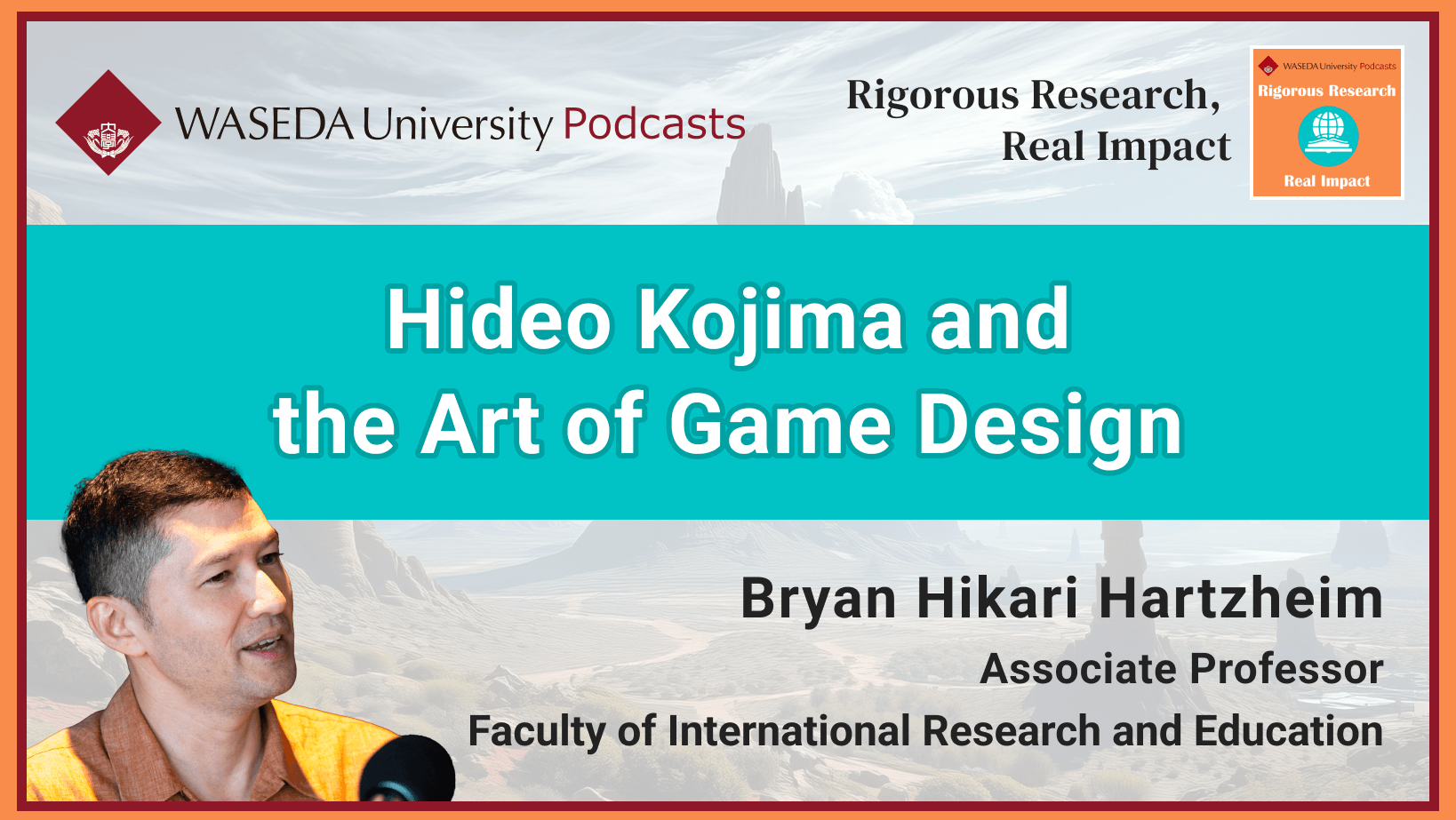
Podcast: Hideo Kojima & the Art of Game Design

Waseda University released the second episode, “Hideo Kojima and the Art of Game Design”, of season two of its English language podcast series “Rigorous Research, Real Impact” on October 7, 2025. This latest episode features Assoc. Prof. Brian Hikari Hartzheim (Faculty of International Research and Education), a leading expert in new media and video game studies, and PhD student Fabian (Graduate School of Economics) discussing the cultural significance and creative innovation behind video games. Through an exploration of “progressive game design” and the influential work of renowned game designer Hideo Kojima, listeners gain fresh insights into how video games shape society, storytelling, and global cultural conversations. Assoc. Prof. Hartzheim also introduces some of the courses he teaches as part of the English-based degree programs in the School of International Liberal Studies (SILS) and Graduate School of International Culture and Communication Studies (GSICCS), which offer a dynamic and interdisciplinary environment for students and researchers

from around the world.

All podcast episodes are available for free on Spotify, Apple Podcasts, Amazon Music, and YouTube.

Season two will feature eight knowledgeable Waseda researchers casually conversing with

Waseda PhD students about their recent, rigorously conducted research in the humanities/social

sciences, their thoughts on working in Japan at Waseda, and the merits of the English-based

degree programs they are a part of. Short 15-minutes episodes will cover a range of themes that

include translanguaging in the Japanese sociolinguistic context, territorial disputes in Northeast

Asia, and hybrid peacebuilding. It’s the perfect choice for international listeners considering

attending university in Japan, current students contemplating further study in graduate school,

and researchers looking to make the move to Japan and work for a university that stresses the

importance of interdisciplinary approaches.

Episode Release Schedule

One episode released every two weeks.

*Please note the schedule is subject to change.

■Episode 3(Release date: 2025/10/21):

Professor Alexander Bukh (Graduate School of Asia-Pacific Studies)—

“Social Construction of Territorial Disputes in Northeast Asia”

■Episode 4(Release date: 2025/11/04):

Associate Professor Jack Seddon (Faculty of Political Science and Economics)—

“Market Makers: The Politics of Market Design”

■Episode 5(Release date: 2025/11/18):

Associate Professor Megumi Kagawa (Faculty of Social Sciences)—

“Hybrid Peacebuilding: Local Voices in Conflict Resolution

Chula’s 5th Pres. Distinguished Speaker

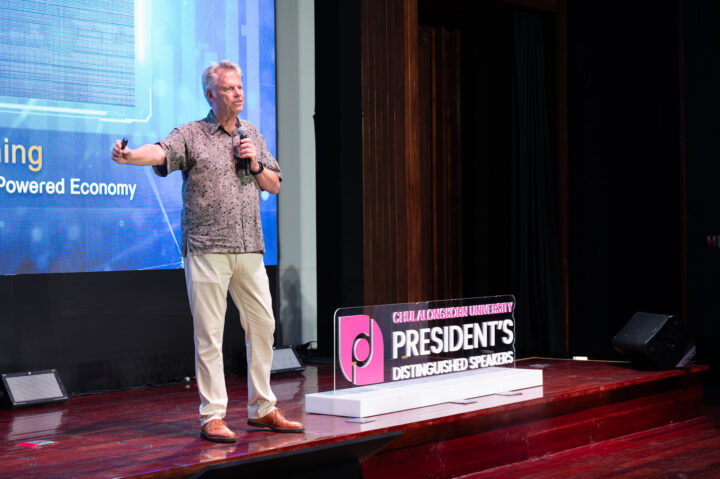
Chulalongkorn University’s Learning Innovation Center, in collaboration with Coursera for Campus, organized the 5th President’s Distinguished Speakers event at Room 801, Chaloem Rajakumari 60 Building (Chamchuri 10). The event was opened by Professor Dr. Wilert Puriwat, President of Chulalongkorn University, and featured a special lecture titled: “Purpose-Driven Learning: The Human Foundation for Flourishing in an AI-Powered Economy” 

The speaker was Dr. Victor Strecher, a pioneering professor at the School of Public Health, University of Michigan, and a well-known behavioral scientist, author, and educator on Coursera. He is the creator of the acclaimed online course “Finding Purpose and Meaning in Life,” ranked the 4th best online course in the world in 2020 by Inc. Magazine. The session was moderated by Asst. Prof. Dr. Thiraput Pitichat, Assistant to the President for Organizational Development. 

Key Highlights from Dr. Victor Strecher’s Talk: 

Dr. Strecher shared insights on purpose-driven learning as a foundational element for building resilience, well-being, and high performance in the AI era. He emphasized how connecting “life purpose” to “skill development” can unlock personal and organizational innovation in a rapidly changing world. The lecture attracted a large audience, including faculty, staff, and students. 

He stressed that humans need more than just energy and skills —they need a clear life purpose, a guiding “compass” that directs their actions. He encouraged the audience to find inspiration in discovering their purpose. For example, he explained that fear creates mental barriers, but purpose is the only force that can break them down. 

“Don’t let fear control your life. The brain is for thinking, not for being ruled by fear,” he said. “True life’s purpose is driven by inner values—it organizes life toward what truly matters. People with a clear purpose are four times less likely to consider self-harm than those without one. Having a reason to wake up each morning is the best medicine for the mind.” 

AI as a Tool for Human Empowerment 

Dr. Strecher also touched on the dual nature of AI, noting that it can either displace jobs or elevate human potential exponentially, depending on whether it is used with purpose. 

“We often talk about AI as if it’s one thing. In fact, it represents many forms of intelligence, and we must learn how to coexist with it. If we understand ourselves, we’ll know which types of AI suit us best. AI can’t replace everything human, but it can amplify our truest selves.” 

Health and Public Well-being Through Purpose 

From a public health perspective, he argued that health care shouldn’t focus only on prevention or treatment but also on helping people live meaningful lives with a clear sense of direction. 

Research shows that reflecting on personal values and envisioning one’s future self can stimulate brain functions responsible for identity, emotional regulation, and psychological resilience. 

Integrating Purpose with AI and Skills 

Dr. Strecher concluded that when identity and life purpose are well connected with AI tools, AI becomes a “multiplier” that supports and empowers personal identity models. Blending skills with life purpose creates learners and leaders who are more hopeful and confident in their direction and capabilities.

Read more at: https://www.chula.ac.th/en/news/264829/