FISIP USU Student Takes Global Step to Rome

Shafa Yasmin As Sajidah, a student from the Department of Political Science at the Faculty of Social and Political Sciences, Universitas Sumatera Utara (USU), has been selected to participate in a student exchange program at Sapienza University of Rome, Italy. She will spend one semester in Rome during the Fall term of the 2025–2026 academic year, as part of a bilateral collaboration between USU and Sapienza University of Rome.

Shafa was nominated by the Kantor Urusan Internasional (KUI) of Universitas Sumatera Utara after successfully passing a document-based selection process. The requirements included a minimum GPA of 3.00 and a foreign language proficiency certificate at the B2 level or higher. She independently managed the entire application process, including document preparation, form submissions, visa arrangements, and securing accommodation.

At Sapienza University of Rome, Shafa will take courses at the Faculty of Arts and Humanities. Although most Political Science classes at the host university are taught in Italian, the academic system allows exchange students to enroll in interdisciplinary subjects that are relevant to their major and eligible for credit transfer at Universitas Sumatera Utara.

The program adopts a co-funding model: tuition fees are waived by the host university, while expenses such as travel, visa, accommodation, and daily living costs are the responsibility of the participant. In preparing for her departure, Shafa also consulted with members of the Indonesian Student Association in Rome (ISAR) for guidance and support.

Her participation highlights how students at the Faculty of Social and Political Sciences actively pursue international opportunities with initiative and independence. While the faculty is not directly involved in the program’s administration, it supports academic flexibility to enable students to engage in similar initiatives when applicable.

“This is my first time going aboard. I felt nervous at first, but my excitement is even greater. I hope this becomes the starting point for more opportunities, both for myself and others on campus,” said Shafa.

Her journey reflects a broader trend of Indonesian students participating in international academic exchanges, underscoring the growing global engagement of institutions like Universitas Sumatera Utara.

Thammasat University Pioneers Elderly Care Model

Thammasat University collaborates with 39 local administrative organizations and partners from Japan to develop a model for elderly care services, targeting the years 2025 to 2028, focusing on four key areas: dementia, nutrition, oral health, and disaster risk monitoring.

Thammasat University, in collaboration with the Bueng Yitho Municipality in Pathum Thani Province, the Japan International Cooperation Agency (JICA), and academic network partners from Japan, organized the TU Care & Ageing Society ‘Thammasat’ event for senior social companions, the 2nd edition, on July 3, 2025. The focus of the event was to transmit knowledge and exchange results from the implementation of the project aimed at developing services for the elderly in the community through the establishment of a network of local administrative organizations (LAOs) in Thailand (SMART AND STRONG PROJECT). Thammasat University has provided academic support to enhance health service delivery in 39 local administrative organizations across the country.

Assoc. Prof. Dr. Attasit Pankaew, Assistant to the Rector for Special Affairs at Thammasat University, revealed that Thailand is currently facing two significant challenges:

1. The official transition into a Complete Aged Society, which began two years ago, and

2. The wave of major healthcare system reforms in Thailand over the past 2-3 years, involving the transfer of responsibilities of Sub-district Health Promoting Hospitals (SHPHs) and the Chaloem Phrakiat Health Stations to local administrative organizations (LAOs). This transition has positioned LAOs as a crucial ‘Change Maker’ in enhancing the quality of life for citizens through the provision of primary healthcare services and health promotion initiatives.

Thammasat University partnered with 39 local administrative organizations (LAOs) to train elderly care managers and health officials. This collaboration, through workshops and health service innovation design, improved elderly health services. Today’s event shares these successful outcomes, facilitating knowledge exchange and national expansion. For example, innovations arising from collaborative efforts include the Happy Oldie and Family Innovation from Khao Phra Ngam Subdistrict Municipality in Lopburi Province, which is an integrated network innovation aimed at caring for elderly individuals who are socially isolated, at risk, homebound, bedridden, and suffering from dementia. Another example is the establishment of a daytime care and rehabilitation center for the elderly, operating from morning to evening, based on the concept of Intermediate Care by Nasan Subdistrict Municipality in Surat Thani Province. Additionally, there is the innovation of supporting families of dementia patients through a Dementia Café, which provides Social Support, implemented by Hua Hin Municipality in Prachuap Khiri Khan Province, among others.

“Local administrative organizations (LAOs) deeply understand their communities’ needs, but the aging society presents new challenges. TU Care & Ageing, through collaboration between educational institutions and LAOs, provides crucial knowledge support to address these issues effectively at both policy and local levels,” stated Assoc. Prof. Dr. Attasit.

He also stated that from 2025 to 2028, Thammasat University, through the Faculty of Social Administration, will host an expansion of cooperation with 50 local administrative organizations across the country to address four key issues: 1. Care for the elderly with dementia 2. Provision of nutritional care services 3. Oral and dental health care 4. Management of risk monitoring and disaster response.

Mr. Rangsan Nanthakawong, Mayor of Bueng Yitho Municipality, stated that the population of elderly individuals in the Bueng Yitho area has experienced significant growth. At the beginning of 2025, there were fewer than 6,000 elderly residents, but within just 4-5 months, the number has increased to 6,400. It is anticipated that by the end of this year, the proportion of elderly individuals in the area will rise to 20% of the total population. Therefore, the municipality must seek solutions by emphasizing the design and organization of services to support an aging society, a focus that has been in place since 2007 and continues to the present. The emphasis has shifted from infrastructure development to prioritizing welfare services for the elderly community. Lack of knowledge and theoretical support can cause fragmented health services from local administrative organizations (LAOs), especially in complex urban societies like Bueng Yitho. Thammasat University’s faculty and scholars conduct field data collection to understand realities, analyze, synthesize, and design innovations aligned with the elderly’s needs.

“Although we have the budget, personnel, and facilities, our knowledge is limited, which may prevent us from addressing every dimension comprehensively. Thammasat University’s involvement in collaborative thinking, particularly regarding ageing society and elderly care, serves as our primary partner in this endeavor. This collaboration has resulted in maximum benefits for the public,” Mr. Rangsan stated.

The SMART AND STRONG PROJECT in Bueng Yitho Municipality is a model for other local administrative organizations (LAOs) to learn from, adapting insights to their own contexts. Thammasat University facilitates knowledge sharing among network partners. From 2025-2028, Thammasat University, Bueng Yitho Municipality, and JICA will focus on supporting the vulnerable elderly with dementia.

The TU Care & Ageing Society project aims to establish Thammasat University as a platform for elderly care, offering academic and social services, skills training, and social communication. It will leverage a cross-functional approach and ONE TU values.

In 2025, the initial phase will focus on Pathum Thani Province. Thammasat University will provide macro-level academic services to the local community, specifically identifying elderly care needs and pain points in Pathum Thani. These insights will inform policy proposals for the Pathum Thani PAO and guide resource deployment for problem-solving. At the local level, university knowledge and resources will develop and enhance the capabilities of elderly care personnel.

Future expansion will include other university center provinces: Bangkok (Tha Pra Chan), Chonburi (Pattaya Center), and Lampang (Lampang Center), creating a model for improving citizens’ quality of life.

Collaboration between UPI & Tashkent State University

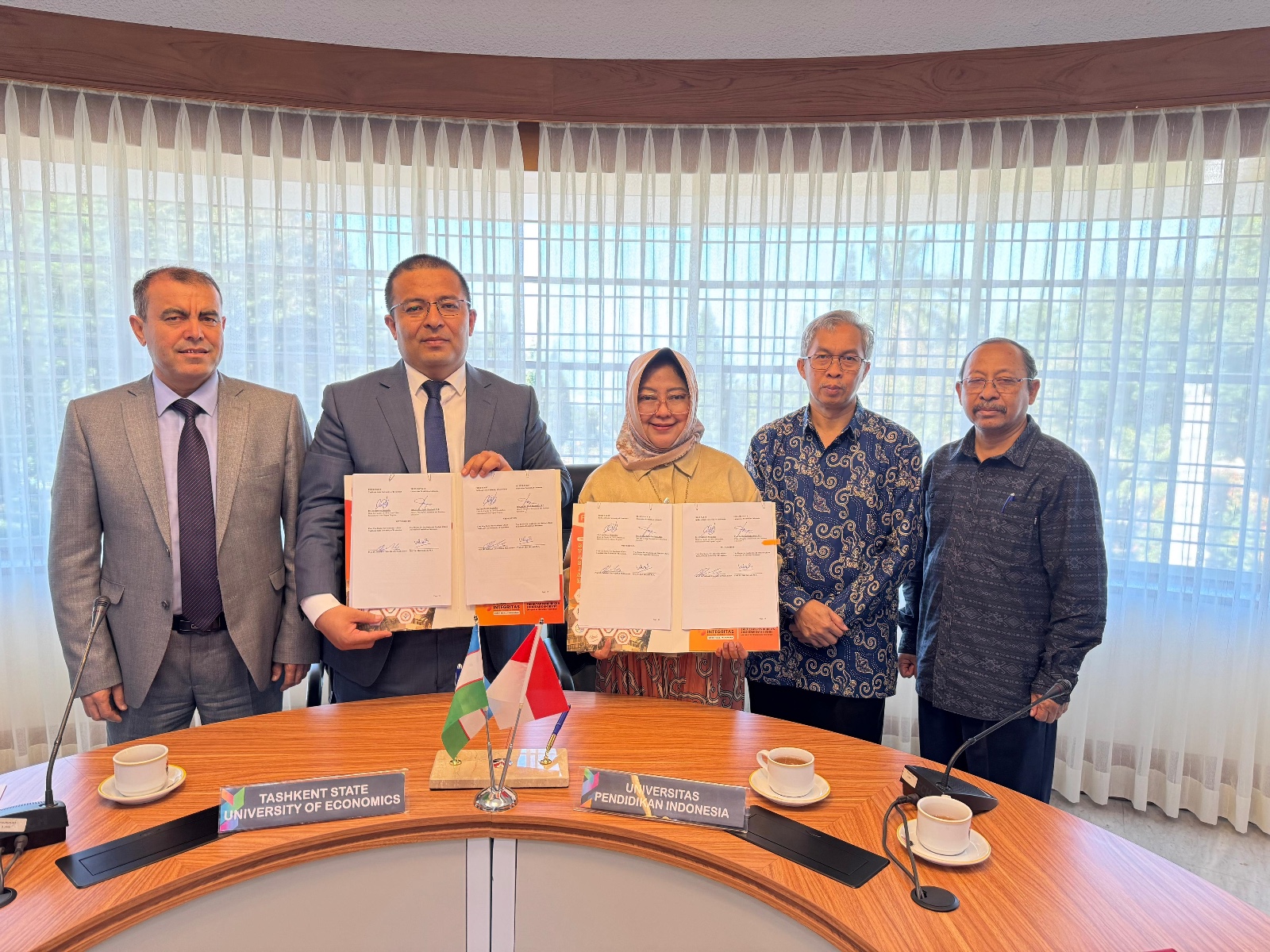
Dean of the Faculty of Economics and Business Education, Universitas Pendidikan Indonesia welcomed the arrival of the leaders of Tashkent State University of Economics, namely Sirojiddin Juramorodovich Yangiboev as Dean of the Faculty of International Double Degree Program TSUE, Sultanbek Azatdinov as Faculty member of TSUE and Sultonali Umaralievich Mekhmonov as Vice Rector for Academic Affairs TSUE to carry out the signing of the extension of the implementation of cooperation between the Faculty of Economics and Business Education, Universitas Pendidikan Indonesia with Tashkent State University of Economics, Uzbekistan.


Rector Universitas Pendidikan INdonesia, Prof. Dr. Didi Sukyadi, M.A. expressed his appreciation for the extension of the implementation of the collaboration between the Faculty of Economics and Business Education, Universitas Pendidikan Indonesia, and Tashkent State University of Economics, Uzbekistan. Prof. Dr. Didi Sukyadi, M.A. was present and signed the implementation of the collaboration which is valid for 5 years starting from 2025 to 2029.


Dean of FPEB UPI, Prof. Dr. Ratih Hurriyati, MP, CSBA and Prof. Dr. Didi Sukyadi, MA were present in person and signed the implementation of the cooperation which is valid for 5 years starting from 2025 to 2029.


Dean of FPEB UPI, Prof. Dr. Ratih Hurriyati, MP, CSBA explained that the implementation of the collaboration was carried out in the Tridharma program, Dual Bachelor Degree program, Dual Master Degree collaboration in the fields of Accounting, Management, Economic Education and International conferences.


Prof. Dr. Ratih Hurriyati, MP, CSBA explained that it was a special opportunity for FPEB UPI because we would be hosting our valued partners from TSUE. “As we know, this collaboration is an important milestone for both of our institutions, and we are proud of the progress that has been achieved, especially through the dual degree program that continues to benefit our students and encourage mutual academic enrichment,” she said.


Collaborative agenda not only reflects on our past achievements but also explores future initiatives and ensures continued success. He hopes that this visit, which includes a tour of our academic facilities, will provide a deeper understanding of our environment and our commitment to academic excellence and student well-being.

Humanising Technology in Education

With its second season launching earlier this year, Severance quickly rose the ranks to become Apple TV+’s most watched show of all time, achieving an impressive 6.4 billion streaming minutes across its 10 weeks, according to data from Nielsen. The show follows a team of office workers whose memories have been surgically divided between their work and personal lives.

Severance highlighted that when work and personal life are overly separated, employees risk splitting into two personas – one at work and another at home, losing those authentic interactions that fuel creativity and resilience. This idea clearly resonated with audiences, raising some key questions about balancing technology, work and human connection.

If we look at this in the context of higher education, then, are we starting to see the same separation between technology-led learning and creativity?

With institutions increasingly integrating AI into teaching, do we see students and educators acting differently in tech-led versus face-to-face environments? The answer is yes – at least according to Dr Jason Blackstock, Co-Founder and CEO of How to Change the World, a social enterprise delivering mass experiential learning focused on transforming careers for a sustainable future.

Edtech Tools Fall Short

Students and educators are currently not provided with online environments that effectively support interaction-based learning, Dr Blackstock argues. Most are structured in a way that create a trade-off between efficiency and emotional engagement, prioritising the passive, individual consumption of content over meaningful collaboration.

The biggest mistake, he says, is focusing attention on the technology, rather than on the learning and human-interactions that the technology is meant to be supporting.

Dr Blackstock gives the example of VR learning: “Learners and educators spend the majority of their cognitive energies on understanding the technology, learning what it can and cannot do, and playing with its features. That means their cognitive load is not being spent on the subject matter, or on the human interactions they are meant to be encouraging,” he says.

However, Professor Himanshu Rai, Director at India’s IIM Indore highlights the many benefits of using these types of tools, explaining that AI, VR tools and adaptive learning technologies allow for personalisation of learning, instantaneous feedback, as well as immersive exploration of subjects.

“A history student, for example, can now walk through ancient Rome using VR simulation, making their learning more rich and memorable,” he explains.

Still, despite its benefits, Professor Rai believes that technology cannot ever replace the compassion, guidance and morals a teacher provides. “Learning is far more than the gathering of facts; it includes an element of character and nurturing innate curiosity and critical thinking, which is fundamentally the gift of humanity,” he says.

To achieve the benefits of technology without losing the human touch, a hybrid approach to learning is essential. “Let the machines attend to tasks that are routine in nature, like grading, quizzes and content delivery, and provide the teachers with more time and opportunity to engage with students and hold discussions,” he suggests.

With that in mind, educators must become digitally literate and teach in a way that integrates technology meaningfully, not mechanically. Access to this technology must be universal, with investment in infrastructure and support for disadvantaged learners, he tells QS Insights Magazine.

“Education today is about shaping minds and hearts, with support from technology, to create classrooms that are not only smart but deeply human,” adds Professor Rai.

Battling Passive Learning

In hybrid or online environments, edtech tools can improve efficiency and effectiveness of content delivery, making them potentially more effective than traditional passive lectures. “From that perspective, there is some progress,” comments Dr Blackstock.

But while face-to-face environments offer rich opportunities for beneficial human interactions, edtech relies much more on limited tools for text-based communications, explains Dr Blackstock: “Simply compare texting with a friend to getting together face-to-face, and you can appreciate the difference.”

That said, successful experiential learning is not limited to physical classrooms. Most of the experiential learning programmes How to Change The World run are entirely online; and get as good or better learning outcomes and self-report learning experiences online as in person. “The ‘secret sauce’ is simply prioritising the design and scaffolding of the human interactions at the core of the learning experience,” says Dr Blackstock.

Another example of online experiential learning done well is Hult International Business School, which firmly roots its teaching, both online and offline, in experiential learning. Hult runs a significant portion of coursework through ‘live online’ courses, which have a variety of activities from global guest speakers, teamwork, live simulations and applied business challenges to keep students engaged.

“We keep engagement high in our asynchronous courses through optional live kick-offs and office hours with our faculty. We also increase engagement through the types of activities and content students consume,” says Jennifer Serowick, Dean of Online & Partnership Programs at Hult International Business School.

Read the full article on QS Insights Magazine.

USU Supports Women Empowerment Abroad

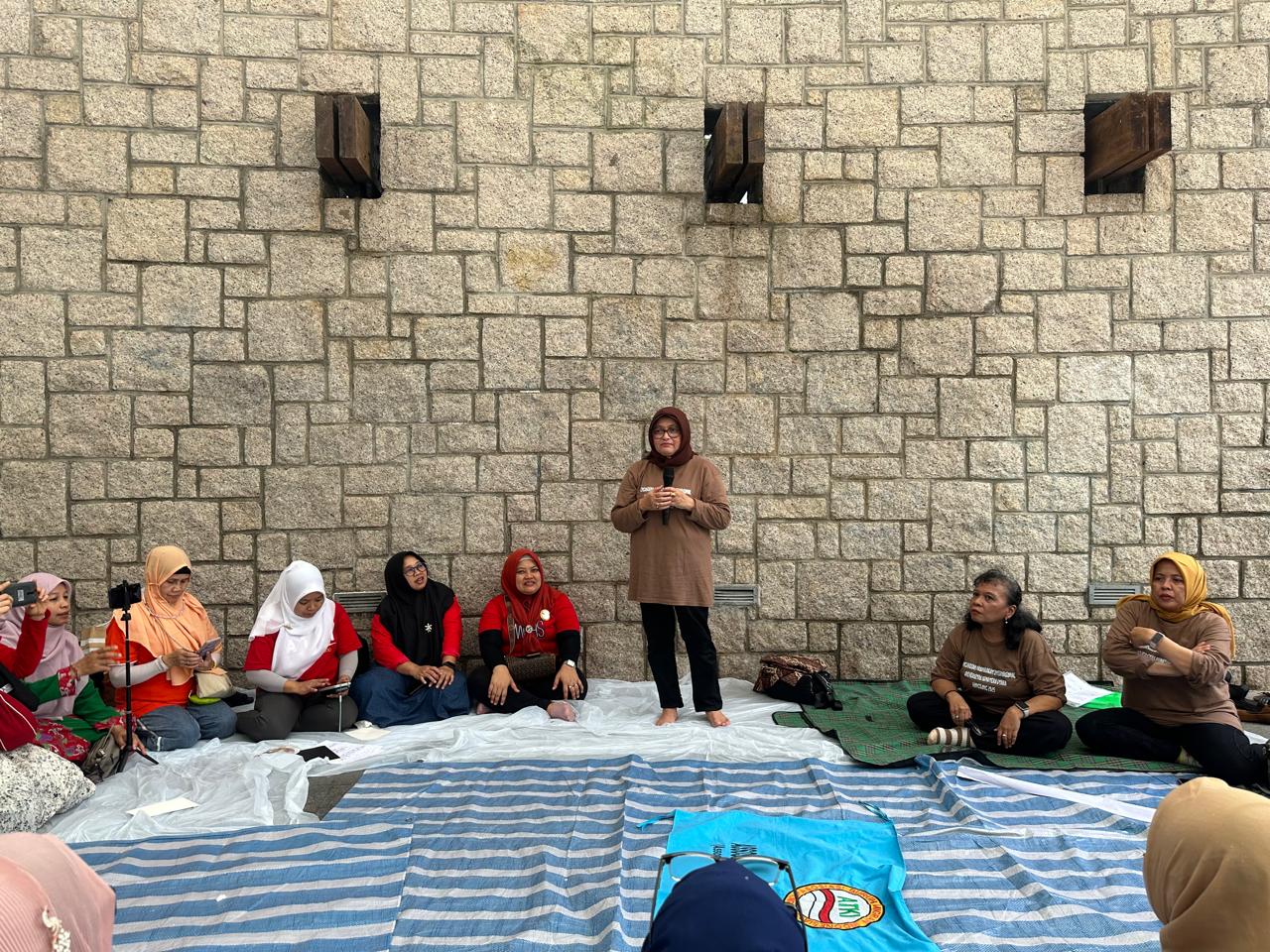
Universitas Sumatera Utara (USU) continues to demonstrate its commitment to global issues through internationally oriented community engagement programs. One of its recent initiatives focuses on promoting the welfare and resilience of Indonesian Female Migrant Workers (PMPI) in Hong Kong. From June 15 to 17, 2025, Universitas Sumatera Utara carried out a community service program titled “Resilient PMPI: Building Resilience and Welfare of Indonesian Female Migrant Workers through the Strengthening of Psychological, Gender, and Social Capacities.” The initiative was implemented in collaboration with the Association of Indonesian Migrant Workers in Hong Kong (ATKI-HK) and the Faculty of Social and Political Sciences, Universitas Jenderal Soedirman (UNSOED).

Universitas Sumatera Utara delegation consisted of Dr. Harmona Daulay (expert in gender sociology), Dr. Meutia Nauly (psychology), Dr. Detania Sukarja (economic law), and Fredick Broven Ekayanta (political science). They were joined by Dr. Tyas Retno Wulan, S.Sos., M.Si., from Universitas Jenderal Soedirman (UNSOED). This interdisciplinary collaboration brought together diverse perspectives in addressing the complex challenges faced by Indonesian female migrant workers. By integrating sociological, psychological, legal, and political approaches, the team was able to propose more holistic and field-responsive solutions.

The program was founded on the reality that many Indonesian female migrant workers in Hong Kong face serious challenges, including intense work pressure, limited access to mental health services, discrimination, and a lack of legal literacy. These difficulties became even more severe during the COVID-19 pandemic, which led to increased social isolation and heavier workloads. “Many of them do not have access to adequate work facilities or private rooms to rest. Some sleep in kitchens. Other serious cases include out-of-wedlock pregnancies and abuse by employers,” explained Dr. Harmona Daulay.

Using an educational and participatory approach, the program aimed to support PMPI in strengthening their psychological and social resilience. The participants were also encouraged to understand their rights as migrant workers, develop gender awareness, and foster community solidarity. “The goal is for migrant women to develop gender consciousness, understand social remittances, and recognize that when they face problems, they can turn to the law for protection,” she added.

This initiative successfully created a safe and empowering learning environment while strengthening social networks among participants. The outcomes of the program will be further developed into educational materials, video documentation, and academic publications in order to expand its impact. This initiative is also part of USU’s internationalization strategy and supports the achievement of the Sustainable Development Goals (SDGs), particularly in promoting gender equality, protecting migrant workers, and improving social welfare.

Through this program, Universitas Sumatera Utara affirms its role beyond academia as a committed partner in advancing humanity and social justice. For Indonesian migrant women in Hong Kong, the presence of the team became a gesture of solidarity and meaningful support.

UMT Blue Economy and Sustainability Vision

UMT’s Rise in Global Rankings Reflects Malaysia’s Blue Economy and Sustainability Vision

Universiti Malaysia Terengganu (UMT) proudly enters the 801–850 band in the QS World University Rankings 2026, marking a significant achievement for one of Malaysia’s youngest and medium-sized universities. This milestone is more than just a number—it is a testament to UMT’s strategic focus, impactful research, and its commitment to championing Malaysia’s sustainability agenda.

UMT’s success story is a reflection of its unwavering dedication to areas that are crucial not just to Malaysia but to the world: ocean sustainability, marine science, and the Blue Economy. While many universities in the country have carved out a place in the rankings through sheer scale or breadth, UMT has achieved this through depth, niche excellence, and purpose-driven innovation.

A University Anchored in Purpose

Founded with a clear mandate to serve the marine and aquatic sectors, UMT has evolved into a dynamic institution leading Malaysia’s efforts in coastal and ocean sustainability. Its rise in global rankings reflects not only academic and research quality but also real-world impact. UMT’s researchers are not just publishing in top journals—they are providing solutions to real marine and environmental challenges, including coastal erosion, fisheries food security, climate change impacts, and ocean governance.

Powering Malaysia’s Blue Economy

As a national leader in Blue Economy research and innovation, UMT has strategically aligned itself with global sustainable development goals. Its initiatives support responsible ocean resource use, marine biodiversity conservation, and sustainable fisheries. Through platforms like the Blue Economy Advancement Centre (BEACON), Centre of Ocean Governance and dedicated Ocean Climate Change national research program, UMT is contributing to national resilience and environmental preparedness.

UMT’s work does not stop at the shoreline. With strengths in aquaculture, biotechnology, marine renewable energy, and environmental economics, the university is building knowledge and technologies that support sustainable livelihoods, especially for coastal and island communities. This includes innovations in offshore aquaculture systems, blue carbon strategies, and marine spatial planning tools that inform national policies.

Policy, Partnership and People

What sets UMT apart is its active engagement in shaping national policy. Its Ocean Governance and Marine Policy team works closely with ministries and government agencies to provide evidence-based advice and scientific insights that influence decision-making at the highest levels. Whether advising on Malaysia’s climate adaptation strategies or contributing to international conventions under UNESCO and the UN Decade of Ocean Science, UMT serves as a bridge between science and policy.

As a medium-sized institution, UMT is agile, collaborative, and community-driven. This has allowed it to build meaningful partnerships with stakeholders—from fishermen cooperatives to global research networks—amplifying its impact well beyond its size.

Why This Ranking Matters

In a global higher education landscape often dominated by large and long-established universities, UMT’s presence in the QS World University Rankings 2026 sends a powerful message: excellence can come from focus, commitment, and relevance. For Malaysia, UMT’s rise is symbolic of the country’s growing role in championing ocean sustainability and building a resilient, knowledge-based economy. In a time when the world is looking to the ocean for climate solutions, sustainable food, and renewable energy, UMT stands as Malaysia’s beacon of innovation in the realm of sustainability.

Prof. Dr. Mohd Fadzil Akhir, Pro-Vice Chancellor (Strategy, Performance & Corporate), Universiti Malaysia Terengganu


HKAPA 40th Anniversary Celebration Banquet

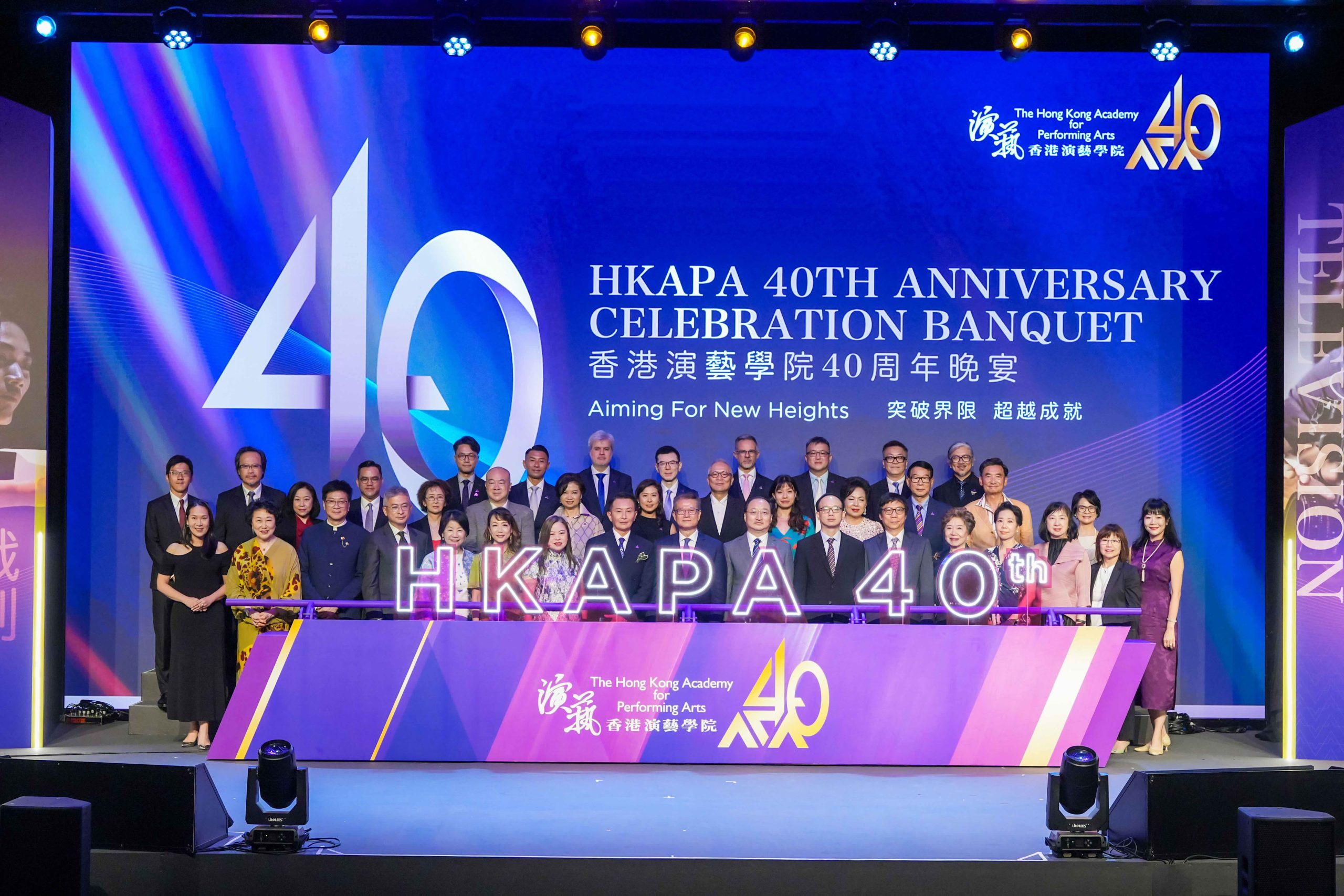
The 40th Anniversary Celebration Banquet of The Hong Kong Academy for Performing Arts (HKAPA) was successfully held on Friday, 27 June 2025, at the Convention Hall of the Hong Kong Convention and Exhibition Centre, marking the grand finale of its milestone celebrations. The banquet drew over 700 distinguished guests, including Government officials, past and present Academy Council members, management, staff, students, alumni, donors, and supporters, uniting to honour four decades of remarkable achievements in performing arts education.

The banquet was officiated by The Honourable Paul Chan, Financial Secretary of the Government of the Hong Kong Special Administrative Region; Mr Charles Yang, Council Chairman of the Academy and Professor Anna CY Chan, Academy Director. The Academy was honoured by the presence of many distinguished guests, including Mr Zhang Zhihua, Deputy Director-General and Level I Bureau Rank Official, Hong Kong and Macao Affairs Office of the People’s Government of Guangdong Province; Miss Rosanna Law, Secretary for Culture, Sports and Tourism of the Hong Kong Special Administrative Region; and Mr Lin Nan, Deputy Director-General, Department of Publicity, Cultural and Sports Affairs, Liaison Office of the Central People’s Government in the Hong Kong Special Administrative Region.

In his opening address, Financial Secretary The Honourable Paul Chan commended remarkable contributions of the Academy to advancing performing arts education and cultural development: “For four decades, you have stood as a pillar of performing arts education and creative innovation in Hong Kong, shaping the artistic landscape of our city and beyond. Since its founding in 1984, the Academy has played a vital role in nurturing generations of world-class talent in performing arts and arts technology.”

Themed “Aiming for New Heights”, the banquet pulsed with energy. Professor Anna CY Chan, Academy Director, serving as artistic director of the banquet, guided HKAPA students in delivering mesmerising performances. “East Meets West” opened the evening, as students from the Schools of Chinese Opera and Music enchanted audiences with harmonious vocals, showcasing Hong Kong’s unique role as a cultural crossroads. Miss Rosanna Law, Secretary for Culture, Sports and Tourism and as a distinguished guest, performed the Cantonese opera Departure of Zhaojun with live accompaniment from School of Chinese Opera students, elevating the evening’s atmosphere to a crescendo.

The second act, “Originality and Innovation”, featured creative performances and visuals by students from the Schools of Dance, Drama, and Film and Television, embodying the Academy’s commitment to cultural innovation and artistic brilliance. The finale, “Nurturing Future Talents”, began with a gripping violin solo and operatic performances by School of Music students, followed by a Dunhuang-inspired dance, Dream of Dun Huang, by School of Dance students, blending Eastern and Western elements to symbolise the Academy’s mission to nurture exceptional performing artists and make lasting contributions to cultural development in Hong Kong and beyond.

Council Chairman Charles Yang expressed heartfelt gratitude to all who have contributed to HKAPA’s success, “Embracing the spirit of tonight’s theme, we will continue to push boundaries, strengthening our position as a global leader in performing arts education and as a driving force for cultural development in Hong Kong and beyond — on a greater scale and for a greater impact.”

The Academy Director Professor Anna CY Chan extended sincere thanks to the Government, Culture, Sports and Tourism Bureau and the Academy Council, for their tireless efforts and staunch support. She remarked, “It is this same spirit – the spirit of the Academy and Hong Kong – that has earned us a distinguished place among the world’s top 20 performing arts education institutions in the QS University Rankings. This achievement is a testament to our collective pursuit of artistic excellence and our dedication to supporting emerging talent. Looking ahead, we remain steadfast in fostering creativity through interdisciplinary collaboration and cross-cultural exchange. Our goal is to create an environment where tradition and innovation harmonise, nurturing the next generation of artists and cultural leaders who will shape our community – and our world – for the better.”

Coalition partners discuss shelter network

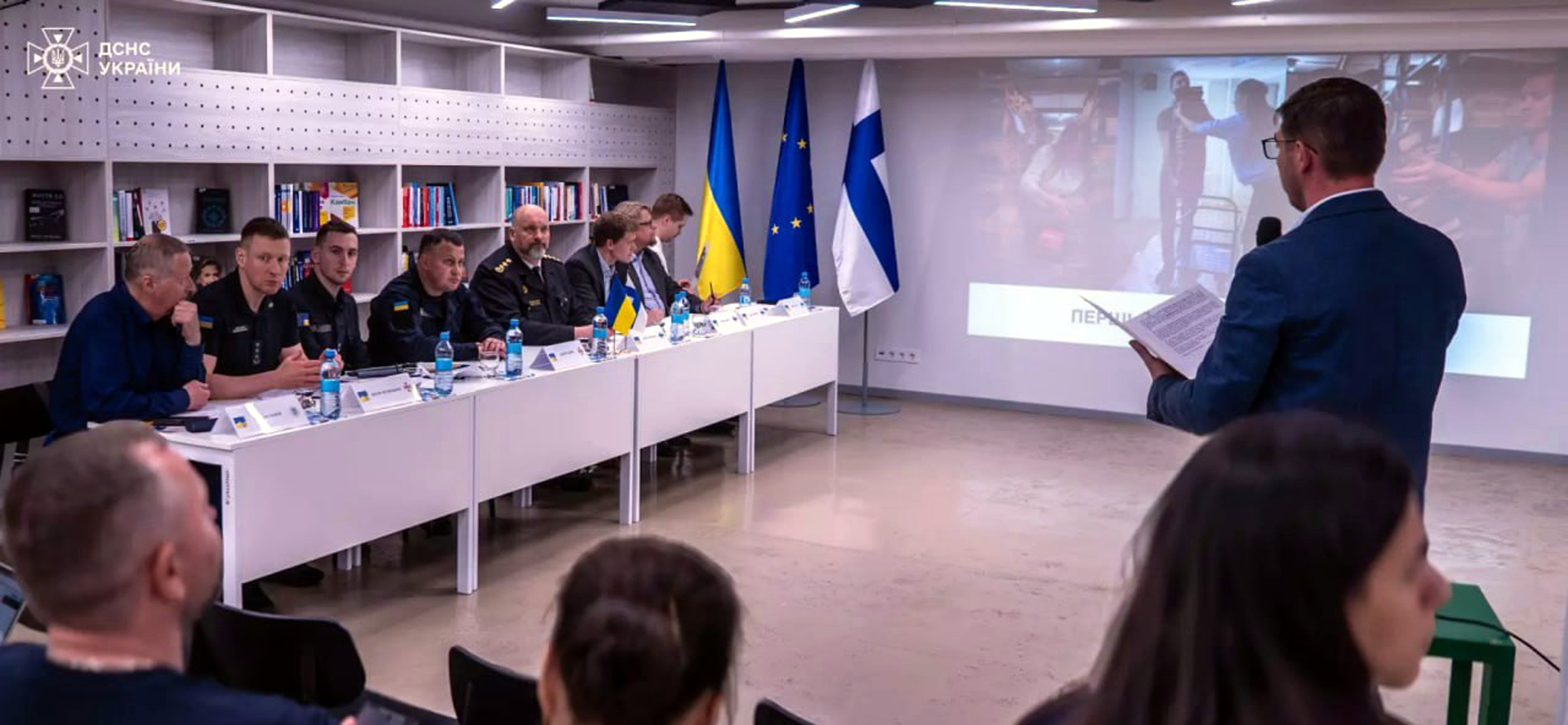
At a recent meeting of the Supervisory Board of the international Civil Protection Shelter Coalition project, Andrii Shysholin, Vice-Rector for International Relations at the Igor Sikorsky Kyiv Polytechnic Institute, reported about the current state of development of the university’s shelter infrastructure and emphasised the need for further building of versatile shelters.

During the event, next steps toward establishing a network of shelters across Ukraine were under discussion. The meeting brought together representatives from Ukraine and Finland. Ukraine was represented by the State Emergency Service, and key ministries including the Ministry of Internal Affairs, the Ministry of Economy, the Ministry of Foreign Affairs, the Ministry for Development of Communities and Territories, the Ministry of Health, the Ministry of Finance, and the Ministry of Education and Science. Finland was represented by the Department for Rescue Services at the Ministry of the Interior.

In particular, the participants in the meeting were introduced to a modern shelter located at Igor Sikorsky Kyiv Polytechnic Institute, presented as an example of a new calibre of safe space for people during wartime.

The main purpose of the Coalition is to promote substantial international action for building civil protection shelters in line with the national strategic objectives of Ukraine, provide channel for international partners to contribute to financing the construction of civil protection shelters in Ukraine, and to share best practices in shelter construction.


UNAIR and UNICEF to advance children’s rights

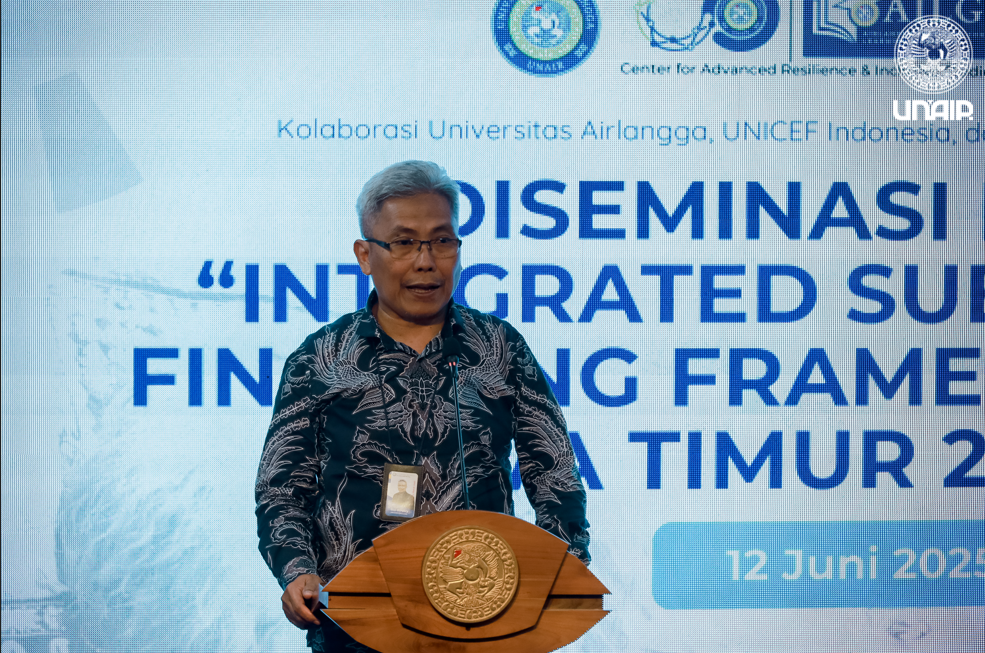
Universitas Airlangga (UNAIR) hosted the Public Dissemination of the East Java 2025–2029 Integrated Sub-National Financing Framework (ISFF) on Thursday (June 12, 2025). The event took place in the Majapahit Room, 5th Floor of the ASEEC Tower on UNAIR’s Dharmawangsa-B Campus, and served as a forum to explore alternative regional financing strategies aimed at advancing the Sustainable Development Goals (SDGs), with a particular emphasis on children’s rights.

The initiative was a collaboration between UNICEF, the East Java Provincial Government, and UNAIR through the Airlangga Institute for Learning and Growth (AILG). It brought together representatives from government ministries, international institutions, academia, and multi-sector development partners to address how sub-national financing models can accelerate inclusive development.

ISFF: Bridging policy for regional financing

Dr. Eko Supeno, Chair of AILG, praised the initiative and emphasized the importance of ISFF in promoting equitable development—especially for children. “UNAIR is committed to making a meaningful contribution through research and policy advocacy,” he said.

Also in attendance was Wiwien Apriliani from Indonesia’s National Development Planning Agency (Bappenas), who emphasized ISFF’s potential as a planning tool to identify development needs and funding priorities. She noted that East Java is the first province to localize the Integrated National Financing Framework (INFF), originally introduced at the United Nations in 2015. “This ISFF document was first introduced at the UN in 2015, and has since become a vital framework guiding local SDG implementation,” she explained.

Tackling stunting and water access challenges

UNICEF Indonesia’s Chief of Social Policy, Yoshimi Nishino, pointed out that one in four children in East Java lives in poverty and that 47 percent suffer from stunting. Addressing these issues, she said, will require innovative financing strategies. “We want to drive cross-sector collaboration so that development funding extends beyond government budgets. This includes tapping into private sector investment, philanthropy, and zakat institutions,” she said.

UNICEF estimates that achieving the SDGs in East Java by 2030 will require approximately IDR 1,700 trillion. The ISFF document has already identified 17 public and private financing opportunities totaling around IDR 200 trillion. This represents a significant starting point for tackling stunting, expanding access to clean water and sanitation, and improving human development outcomes.

Responding to the challenges highlighted by UNICEF, Dr. Tri Wahyu Liswati, Head of East Java’s Office for Women’s Empowerment, Child Protection, and Population (DP3AK), emphasized the strong collaboration between local government and UNICEF in advancing child-focused initiatives.

“ISFF reflects our shared commitment with UNICEF to develop accountable and sustainable financing solutions that serve the future of East Java’s children,” she said.

Organizers hope this dissemination event serves not just as a ceremonial milestone, but as the first step toward meaningful collective action and long-term investment in children’s futures across East Java.(*)

Chula Students Win at Competiton in Singapore

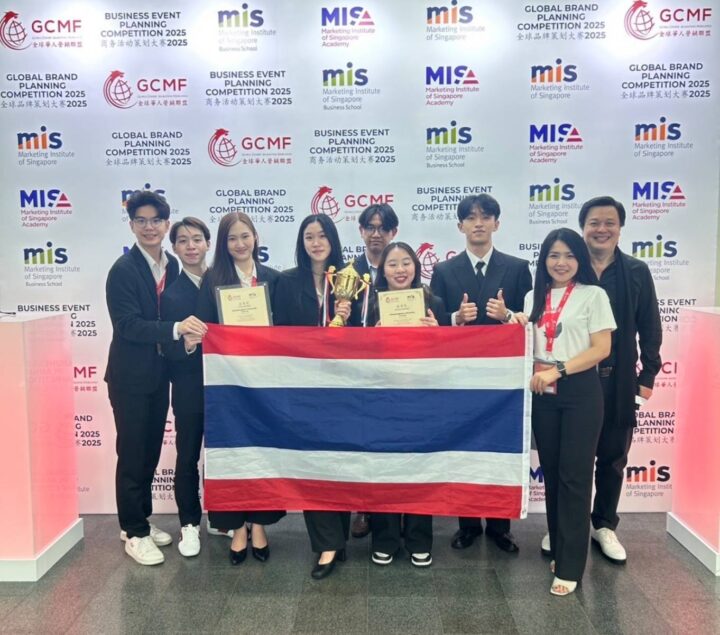
Chulalongkorn University offers its warmest congratulations to the students of Chulalongkorn Business School and the Faculty of Communication Arts on gaining international recognition at the Global Brand Planning Competition 2025, held during May 31–June 1, 2025, in Singapore. The competition was organized by the Global Chinese Marketing Federation and the Marketing Institute of Singapore and had a total 21 competing teams from universities around the world.

Students from the Department of Marketing, Chulalongkorn Business School, and from the Faculty of Communication Arts, Chulalongkorn University, were chosen by the Marketing Association of Thailand (MAT) to compete in this international competition and won the Gold Medal and the Silver Medal. The details are as follows:

1. Muscle Chicken from BBA International (Branding and Marketing) program, Chulalongkorn Business School, won the Gold Award and the runner-up prize for the Grand Competition.

Students in the winning team:

  • Miss Napat Kijkongkajornchai
  • Miss Sirinda Larpsiripol
  • Mr. Meng-Zhe Wu
  • Mr. Boonyasit Rattanamatmongkol

Supervisors: Dr. Somchat Visitchaichan, Kawisara Phathanacharoen, Assoc. Prof. M.L. Sawika Unahanandh, Department of Marketing, Chulalongkorn Business School

2. 3N Consulting from Chulalongkorn University and Mahidol University (International Program) won the Silver Award.

Students in the winning team:

  • Miss Manaporn Pohleelatham, Faculty of Communication Arts, Chulalongkorn University
  • Mr. Pat Chantrasuriyarat, Faculty of Communication Arts, Chulalongkorn University
  • QingChi Hou, Mahidol University

Supervisors: Assoc. Prof. Dr. Saravudh Anantachart, Department of Public Relations, Faculty of Communication Arts, Chulalongkorn University

Read more at: https://www.chula.ac.th/en/news/243948/