UNAIR secures 5-Star HURS Rating

Universitas Airlangga (UNAIR) has once again earned international recognition, this time receiving a 5-star rating in the Healthy University Rating System (HURS), a regional assessment spearheaded by the ASEAN University Network–Health Promotion Network (AUN-HPN).

Asian-wide healthy campus evaluation

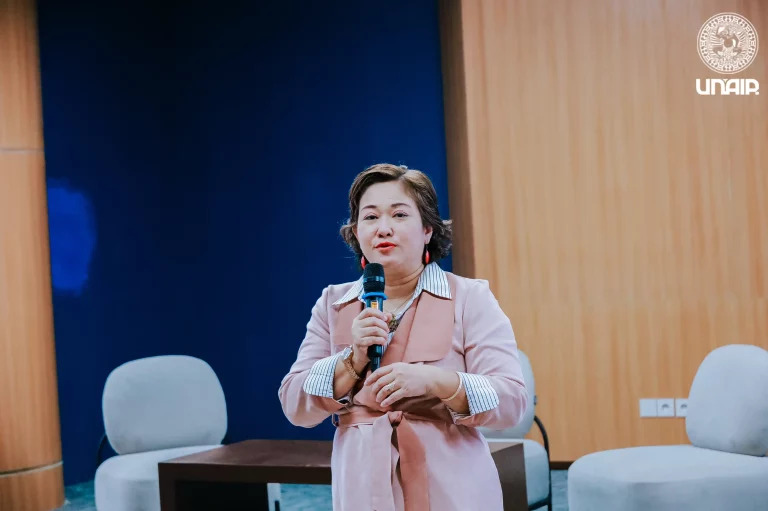
Dr. Sri Widati, Head of UNAIR’s Airlangga Health Promotion Center (AHPC), explained that HURS serves as a regional benchmark for healthy campuses across Asia. “HURS is a health-focused university rating system developed by AUN-HPN. It includes several evaluation criteria—ranging from infrastructure and institutional systems to zero-tolerance policies, health-oriented curricula, and campus health promotion programs,” she said.

She elaborated that the Zero Tolerance Policy addresses seven prohibited areas, including smoking, alcohol, gambling, bullying, sexual violence, and other safety concerns. Infrastructure assessments examine whether campus facilities are accessible for individuals with disabilities, include anti-slip flooring, and offer adequate sports amenities. “Last year we earned a 4-star rating. This year, thankfully, UNAIR has advanced to 5 stars,” she noted.

UNAIR key programs and innovations

According to Sri Widati, achieving a 5-star rating requires strong performance across all evaluation areas. “Each variable must meet high standards. Our systems, infrastructure, zero-tolerance enforcement, curriculum, and health promotion initiatives all play a crucial role,” she explained.

UNAIR has continued to introduce improvements, notably through its installation of solar panels in nearly every university building. Health promotion programs have also been expanded to reach all faculties across UNAIR’s four campuses—Surabaya, Gresik, Lamongan, and Banyuwangi.

“We’ve conducted direct outreach to faculties, offering medical inspections, healthy lifestyle education, and our Happy and Healthy Lifestyle program. These efforts have significantly boosted UNAIR’s performance,” she said.

This year, UNAIR also prioritized the development of its Healthy Canteen initiative. In partnership with the Ministry of Health, local health departments, and the Halal Center, UNAIR provided training to 85 canteen vendors. In addition to educational programs, UNAIR and local health authorities conducted clinical testing of food products to ensure compliance with health standards.

“We carried out surprise inspections and held training for food handlers and managers. When vendors fall short of the standards, we offer feedback and improvement plans. Our goal is to ensure all UNAIR canteens meet health requirements,” she added.

Deep commitment to a happy and healthy campus

Sri Widati emphasized that the 5-star rating is a byproduct of UNAIR’s ongoing dedication to creating a healthy and fulfilling environment for its academic community. “The 5-star recognition is a bonus. What matters most is that we’re doing the right thing to support the well-being of our entire campus. Our ultimate goal is for every member of UNAIR to feel both healthy and happy,” she stated.

She also stressed that UNAIR’s primary mission has never been to pursue accolades. “Everything we do is sincere and aimed at making our academic community feel truly well. When that effort is made wholeheartedly, it naturally leads to recognition—such as this international 5-star rating. That’s what makes it so meaningful for us,” she concluded.
Thammasat University advances social

Thammasat University (TU) reaffirms its role as a ‘University for the People’ by actively driving the Sustainable Development Goals (SDGs) through tangible impact, integrating systemic policy with social-focused research and development. Officially launching the exhibition ‘SDGs for the People: Innovations for Life – Building a Sustainable Future’, more than 30 innovations have been showcased by lecturers and researchers from diverse disciplines. The exhibition highlights TU’s commitment to addressing Thailand’s structural challenges, with innovations spanning disaster preparedness, energy, food, urban living, and the circular economy. These innovations are designed for practical application in daily life, directly supporting the United Nations’ 17 SDGs.

Prof. Supasawad Chardchawarn, Ph.D. The Rector of Thammasat University, stated that as the SDGs become a shared global agenda among countries and organisations, TU is taking the lead in moving beyond abstract ideals to become a ‘catalyst for real changes’ at the very local level. By translating research into actionable solutions for communities and commercial use, TU brings together knowledge across disciplines—including science, technology, social sciences, architecture, and design—to create concrete innovations. Moreover, TU fosters collaborative spaces where researchers, students, and communities can co-develop and pilot innovations, establishing a learning ecosystem truly attuned to Thailand’s societal needs.

“Thai society is facing national-scale pain points across multiple dimensions—intensifying natural disasters, deepening income inequality, and unequal quality of life, particularly among vulnerable groups such as the elderly and low-income individuals. According to a United Nations report, Thailand has the highest income inequality in ASEAN and one of the highest disaster-related death rates in Southeast Asia,” said Prof Dr Supasawad. “On the environmental front, the World Bank reports that Thailand emits over 250 million tonnes of CO₂ annually, while energy consumption is growing by approximately 3-4% each year, outpacing sustainable waste and resource management. These are not just statistics; they reflect the daily reality of our citizens. The SDGs must provide real, tangible solutions to these challenges.”

In the second half of 2025, Thammasat is propelling the SDGs through innovation with the ‘SDGs for the People: Innovations for Life – Building a Sustainable Future’ exhibition. The event features more than 30 research projects, technologies, and creative concepts from across the university, covering five key zones:

  • Resilience & Disaster Preparedness Zone – including innovations such as earthquake early-warning devices and emergency communication systems.
  • Clean Energy & Infrastructure Innovation Zone – showcasing solar trackers, cement-free concrete, underwater robots, and more.
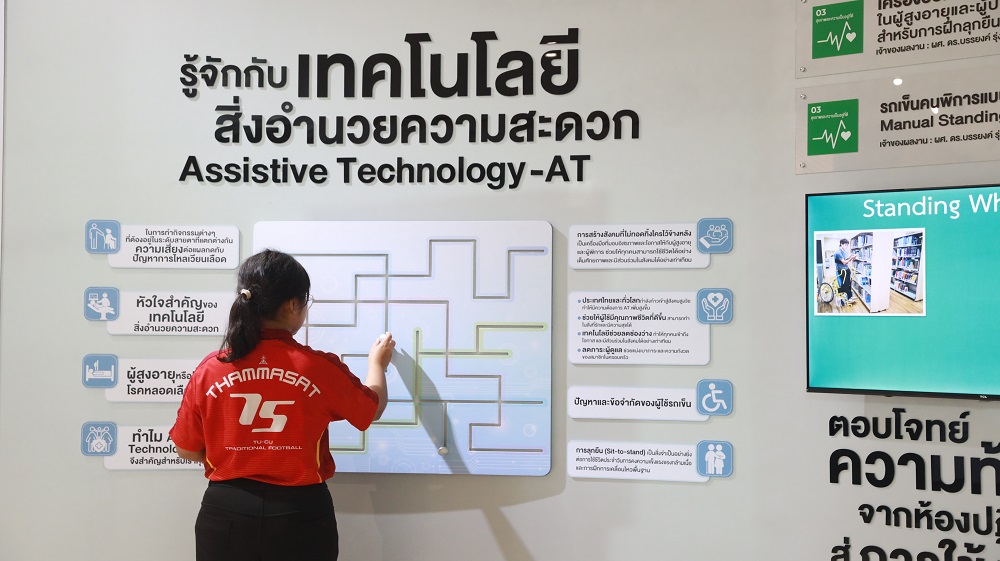
  • Sustainable Urban & Public Spaces Zone – featuring AI-assisted tree care, accessible exercise spaces for people with disabilities, and Future Street, a prototype for tomorrow’s smart roads.
  • Health & Future Food Zone – presenting elderly-focused fitness equipment, functional foods, and microwave-based MedTech solutions.
  • Circular Economy & Sustainable Production Zone – including biopackaging, textile fibres from waste materials, and circular fertilisers.

Prof. Supasawad further highlighted key exhibits in the Resilience & Disaster Preparedness Zone, such as an earthquake simulator and EmergencyTU, a communication system that allows critical alerts and data transmission through basic radio networks, even in the absence of internet access—ideal for remote and underserved communities.

In the Sustainable Urban & Public Spaces Zone, innovations include a prototype public park designed for users with seven categories of physical and cognitive disabilities, as well as Future Street, which integrates traffic data, safety systems, and green infrastructure alongside interactive communication technologies. These public space innovations aim to create safer, more inclusive urban environments.

The Health & Future Food Zone introduces future-ready food concepts such as crispy vegetable sheets—nutrient-rich snacks with long shelf lives—and food innovations catering to health-conscious modern consumers. This zone also features exercise machines for seniors and laser/microwave-based medical technologies for diagnosis and treatment of serious illnesses. All exhibits are presented in interactive formats, allowing visitors to engage with the innovations hands-on.

The exhibition ‘SDGs for the People: Innovations for Life – Building a Sustainable Future’ is open to the general public, schoolchildren, students, and anyone interested in science and technology. It runs until 30 September 2025 and encourages visitors to explore, experiment, and actively participate.

“Thammasat is committed to developing innovations that are not only academically rigorous but also scalable for commercial, public health, and community welfare applications,” Prof Dr Supasawad emphasised. “Guided by the principle of ‘Leave No One Behind’, every innovation is designed for inclusivity—serving not just a privileged few, but especially vulnerable groups such as the elderly, persons with disabilities, small-scale farmers, and low-income earners.”

The event also hosted a visionary talk session led by three Thammasat researchers from the Faculty of Science and Technology: Asst Prof Dr Amorntep Jirasakjamroonsri, lecturer in Sustainable Technology; Asst Prof Dr Krittiya Khuenphet, lecturer in Food Science and Technology; Assoc Prof Dr Thanit Ruangrungchaikul, Assistant Dean for Physical and Environmental Affairs.

Together, they shared insights and inspirations behind their work, delving into how knowledge is transformed into real-world impact. The discussion positioned Thammasat as a central hub for interdisciplinary integration—committed to turning the SDGs into measurable, sustainable action. Those interested in any of the showcased innovations can contact the Thammasat University Corporate Communications Office for more information at 02-564-4444 ext. 1120 or email [email protected]

Village Regulation Tackles Waste

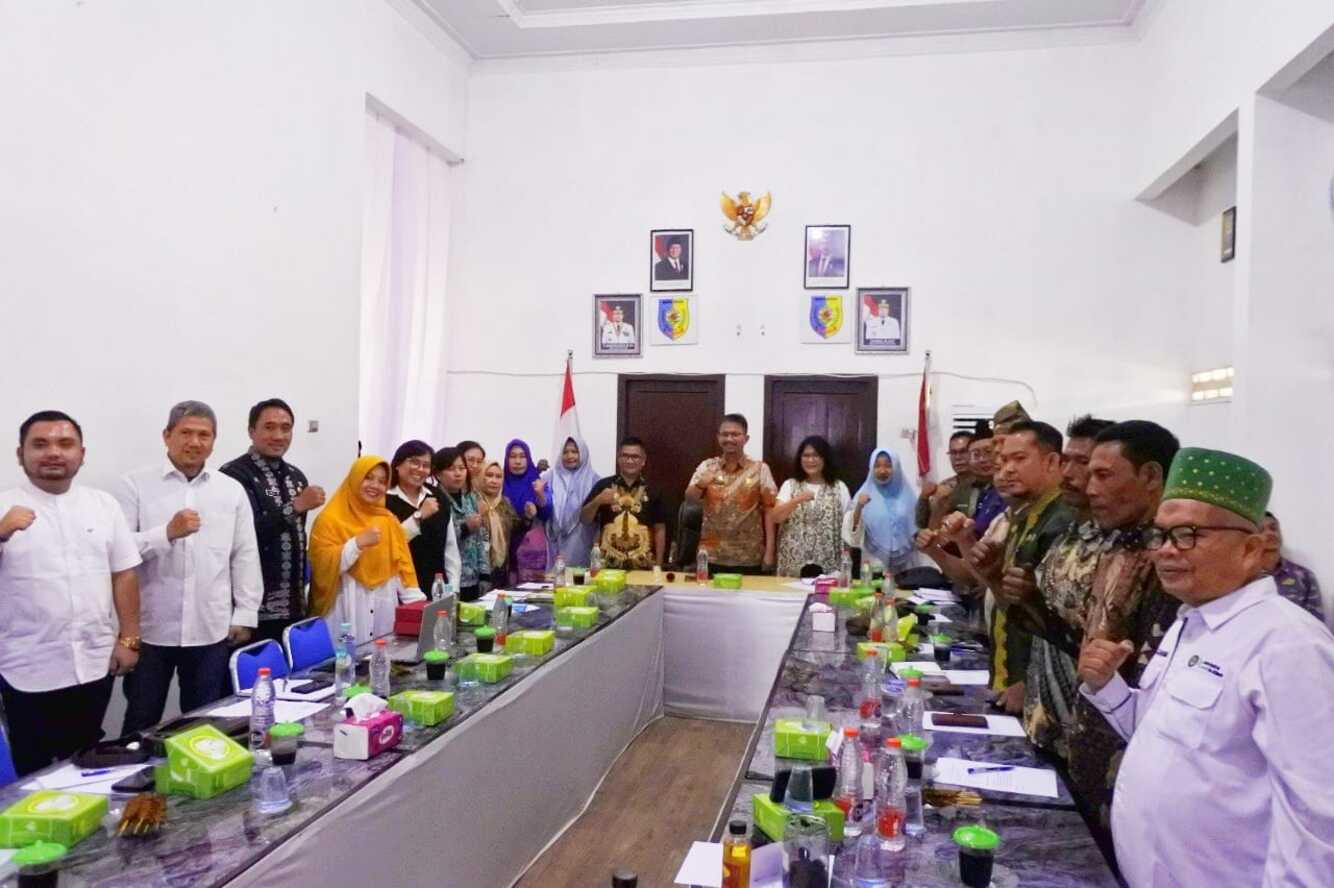
Universitas Sumatera Utara (USU) conducted a Community Service Program in Pakam Village, Batu Bara, through focus group discussions (FGD) and Community Training & Development held at the Hall of the Cooperative and Small and Medium Enterprises Office of Batu Bara Regency.

This community service program is part of Desa Binaan USU’s Program, carried out by a group of Faculty of Social and Political Sciences lecturers from various academic programs. The program is titled “Development of Village Regulations on Household Waste Management and Small Business Operations to Support Economic Empowerment in Pakam Village.”

Desa Binaan USU’s Program is a community service program run by the Universitas Sumatera Utara (USU) with the aim of developing village potential through various empowerment activities. The program involves students and lecturers from various disciplines to provide solutions to problems in the villages and improve the quality of life of the villagers.

This series of community service activities consists of training and development programs for housewives, who are organized into groups of workers involved in the processing of shellfish waste. Additionally, the development of village regulations on household waste management is being undertaken to support the local economy. The FGD activity was conducted to explore the aspirations of local government officials and relevant parties to align perceptions regarding the formulation of village regulations on household waste management and small businesses to support community economic empowerment in Pakam Village.

This FGD invited relevant parties such as local governments, sub-districts, and districts, with a total of 17 participants. The training and development activities themselves were attended by 19 participants, predominantly housewives.

This service team is led by Dra. Februati Trimurni, M.Si., Ph.D., with members comprising USU lecturers from various disciplines (programs of study), namely Dr. Muhammad Arifin Nasution, S.Sos., Wiro Oktavius Ginting, S.Sos., M.Si., Dra. Dara Aisyah, M.Si., Ph.D., and Siti Hazzah Nur. R, S.Sos., M.AP., from the Public Administration program. Additionally, there are Dr. Yovita Sabarina Sitepu, S.Sos., M.Si. from the Communication Studies program and Dr. Onan Marakali Siregar, S.Sos., M.Si from the Business Administration Program.


Dra. Februati Trimurni, M.Si., Ph.D., as the head of the community service program, explained that the initiative to draft village regulations and empower the community arose from community complaints about waste and the potential that exists.

“Complaints (from the community) regarding this waste have reached us (the community service team), and we also see potential here. The hope is that after this, waste management will become part of village regulations, so that its management and results will be maximized,” said Februati.

According to Ratna Dewi (housewife), a participant in the training and development program, they have been managing tamin (shellfish) waste for approximately four years. Unfortunately, they are working independently. The local government provides support but does not have full authority over the activities carried out by Ratna and her colleagues.

Ratna hopes that the arrival of the USU community service team can improve the welfare of female workers at Tamin. “Our hope here is that this activity can be carried out again by USU, not just this once, so that the number of working mothers can increase because there is support,” added Ratna.

Drs. Bambang Hadi Suprapto, M.Si., as the Assistant for Economy and Development at the Batu Bara Regency Secretariat, who was also present to deliver a speech and open the FGD event, expressed his hopes following the completion of this activity. “We hope that this activity will enable Pakam Village to become a pioneer for other villages. We also need the support of academics to identify the basic potential and opportunities that can be managed, of course through a commitment to building synergy with USU,” said Bambang in his speech.

Given the natural resources and human capital available, proper management of waste could be developed into a new source of income for the community, thereby boosting the local economy. It is truly regrettable if existing resources are not managed effectively. The outcomes of community service initiatives advocating for waste management to be formalized into village regulations (perdes) mark the first step toward enhancing the economic well-being of the community.

First KhPI Delegate at Lindau

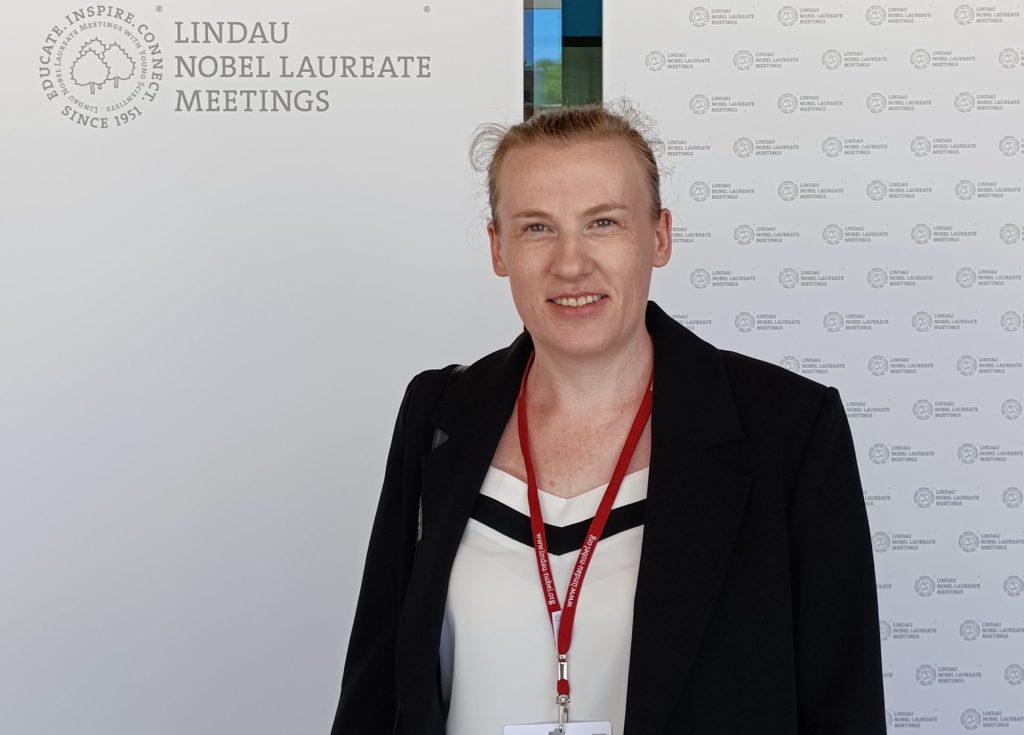
Antonina Maizelis, Associate Professor of the Department of Technical Electrochemistry at NTU «KhPI», participated for the first time in the history of the university in a prestigious world-class scientific event – the 74th Lindau Nobel Laureate Meeting in Lindau (Germany). This year, the forum was dedicated to chemistry. Thirty Laureates of the Nobel Prize engaged in informal communication and discussions with a thousand young scientists and guests from 55 countries around the world.

Antonina Maizelis, Associate Professor of the Department of Technical Electrochemistry at the Educational and Scientific Institute of Chemical Technologies and Engineering of the National Technical University «Kharkiv Polytechnic Institute» and Doctor of Technical Sciences, took part in this year’s Nobel Laureate Meeting, which took place in the German city of Lindau (74th Lindau Nobel Laureate Meeting). More than 30 Laureates of Nobel Prize in chemistry, physics, physiology, and medicine joined the conference to discuss sustainable development, environmental issues, and the application of artificial intelligence in the chemical industry. Among them were: M. Stanley Whittingham and Akira Yoshino (2019 Nobel Prize in Chemistry «For the development of lithium-ion batteries»), David W. C. MacMillan (2021 Nobel Prize in Chemistry «For the development of asymmetric organocatalysis») , Dan Shechtman (2011 Nobel Prize in Chemistry «For the discovery of quasicrystals»), John M. Jumper (2024 Nobel Prize in Chemistry «For predicting the spatial structure of proteins»). Antonina Maizelis became the first representative of the NTU «Kharkiv Polytechnic Institute» to attend a forum of this level. This was made possible thanks to the cooperation between the conference organizers, the rectorate, and the Research Department of the National Technical University «Kharkiv Polytechnic Institute.»

Akira Yoshino’s lecture, which was devoted to the problem of CO2 emissions, made a particular impression on Antonina Maizelis, a researcher at the NTU «Kharkiv Polytechnic Institute»: «As an electrochemist, it was very pleasant to hear repeatedly about electrochemical technologies as clean and most desirable in the future.» Antonina notes that the Nobel Laureate Meeting in the German city of Lindau is a week when 30-40 prize Laureates and about six hundred young researchers work in one space without formal barriers. According to her, at this unusual conference, you can hear lectures on lithium-ion batteries as a startup from the developer himself, Sir M. Stanley Whittingham, or see a photo of Dan Shechtman’s laboratory journal, where he first noted the unusual structure of the crystal: «This is a time when you can discuss research problems and the future of science and technology with Nobel Laureates in a friendly atmosphere in the lounge or in the park.» «I would like to thank the organizers for their support and invitation, as well as the administration of the NTU «Kharkiv Polytechnic Institute», who gave me the opportunity to be a guest at this unique celebration of science,» says Antonina Maizelis.

The Nobel Prize in Chemistry (Swedish: Nobelpriset i kemi) is the highest award for scientific achievements in the field of chemistry, awarded annually by the Royal Swedish Academy of Sciences in Stockholm. Candidates for the prize are nominated by the Nobel Committee for Chemistry. The prize is one of five established in accordance with the will of Swedish chemist Alfred Nobel (died in 1896) in 1895, which are awarded for outstanding achievements in chemistry, physics, literature, physiology, and medicine, and for contributions to the establishment of peace.

The Lindau Nobel Laureate Meetings are annual scientific events established in 1951 to promote personal dialogue between Nobel Prize Laureates and leading young researchers. They take place in Lindau (Germany) on Lake Constance. The motto of the meetings is «Teach – Inspire – Unite.» Each time, different disciplines are alternated: chemistry, physics, physiology/medicine. Since 2004, a separate meeting on economic sciences has been held. On average, 30–40 Nobel Prize Laureates and 600–650 young scientists from approximately 90 countries around the world, selected on a competitive basis, participate in the conference. Guests representing universities, foundations, and other organizations also attend the event. A special feature of these meetings is their format, which includes not only lectures but also a lot of informal communication between young scientists and Nobel Laureates. The program includes plenary lectures, discussions between Laureates and the audience mediated by a moderator, master classes, scientific breakfasts, and much more.


JICA delegation visits Kyiv Polytechnic

The delegation of the Japan International Cooperation Agency (JICA), led by Senior Vice President Kenichi Kawamura, visited the Igor Sikorsky Kyiv Polytechnic Institute.

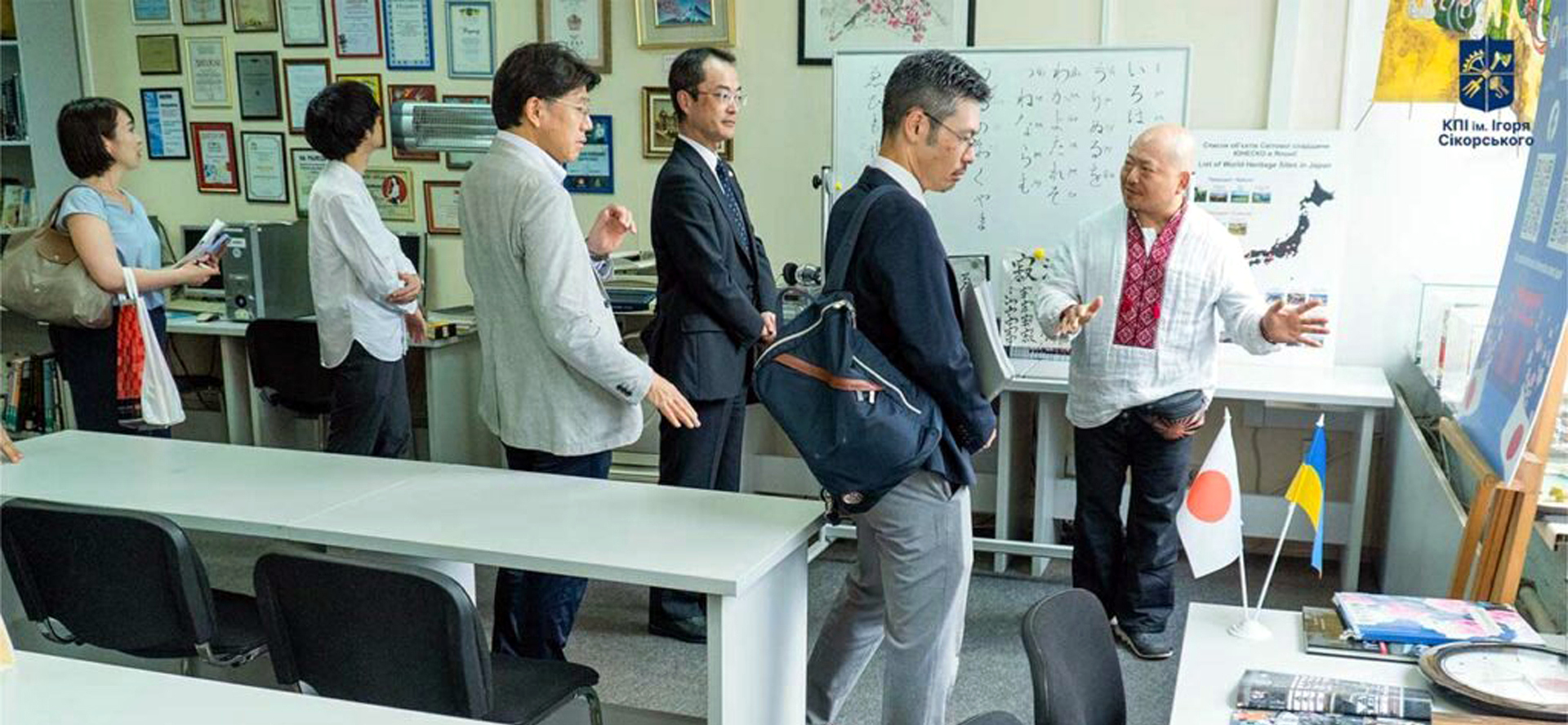
A key part of the visit was an introduction to the Kyiv Polytechnic’s Ukraine-Japan Centre and its wide-ranging activities – from courses in the Japanese language and traditional arts to a rich calendar of events, among others.

The Japanese guests also toured the university campus, learning about Kyiv Polytechnic’s achievements, and visited the Borys Paton State Polytechnic Museum, where many exhibits aroused their keen and genuine interest.

Igor Sikorsky Kyiv Polytechnic Institute and JICA share a long history of fruitful cooperation, steadily expanding areas of partnership, particularly within the framework of the five-year JICA technical cooperation project at the Ukraine-Japan Centre.

JICA, with its partners, takes the lead in forging bonds of trust across the globe, aspiring to a free, peaceful and prosperous world where people can hope for a better future and explore their diverse potential.

Creative Cull

Talking points

  • Universities increasingly target creative programmes like Music for cuts, often viewing them as unprofitable.
  • Despite perceptions, creative graduates show high employment rates and essential transferable skills.
  • Cutting creative degrees narrows access for underrepresented groups and undermines education’s broader purpose beyond job preparation.

“Cardiff University is considered one of the best music departments, notwithstanding Oxbridge, in the UK,” Sir Karl Jenkins, the musician, composer and Cardiff alumni told the BBC last year. Sir Jenkins is one of many notable graduates of Cardiff’s School of Music: its alumni list also includes world famous composers, the head of music departments at other universities, and even a judge on a national TV singing show.

So, when it was announced in January 2025 that the university’s music school was threatened with cuts, there was widespread outrage. A petition to save a course attracted more than 25,000 signatures, and it was referenced in an open letter to the UK Prime Minister signed by the likes of popular musicians including Ed Sheeran, Coldplay, Stormzy and Harry Styles.

The announcement may have attracted outrage from outside the university sector, but for those within the industry, it probably didn’t come as such a big surprise. Because when universities announce cuts, as they seem to be doing with increasing regularity nowadays, creative subjects like music are often first on the chopping board.

“There’s a perception that programmes like these just don’t make any money,” says Joe O’Connell, a lecturer in music at Cardiff University. “There’s also that classic attitude of: a music degree, what are you going to do with that?”

As it turns out, students doing creative degrees go on to do plenty of worthwhile things. Over 90 percent of O’Connell’s students move into graduate-level employment or further. Research carried out by The Creative Industries Policy and Evidence Centre (The Creative PEC) also found that arts and culture graduates are more likely to be using what they learned during their studies in their current work than graduates of other subjects. Graduates of several creative degrees, including music, were also more likely to agree that their work is meaningful and important to them.

“I had the best four years of my life,” says Jackie Yip, a graduate of Cardiff University’s School of Music. “ I was a shell of a human being before I joined university and this school particularly, because me and my twin sister grew up in a rural seaside town with next to no diversity (Yip is of East Asian descent). So, as you can imagine, going to school was very, very tough. Music was a real outlet for me.”

For Yip, studying a creative degree gave her a range of transferable skills that have not only had a big impact on her career, but transformed her as a person. She counts communication, perseverance, resilience, confidence and teamwork among them.

“Musicians are constantly collaborating with others to do their music and do their craft. And whatever you do for a career, you have to work as a team. I certainly know who the team players are in my industry. [I can tell apart] those who have arts and creative backgrounds from those who studied in solitude for three or four years.”

Yip’s story also goes some way to dispelling the myth that creative students have nowhere to go after graduating. She says her degree gave her the confidence to run as president of the student union, which she won, before moving into the fundraising office at Cardiff University. She has since been headhunted by Oxford, which receives the most donations of any UK university.

Read the full article on QS Insights Magazine 31.

Together, We Can: AU’s Bold Non-Profit Future

Ajman University hosted its 2025 Reunion Gala under the patronage of His Highness Sheikh Ammar bin Humaid Al Nuaimi, Crown Prince of Ajman, Chairman of Ajman Executive Council, and Chairman of Ajman University’s Board of Trustees. The event, held in the presence of His Excellency Dr. Sheikh Majid Bin Saeed Al Nuaimi, Chairman of the Ajman Ruler’s Court, brought together distinguished alumni, strategic partners, and friends of the University to celebrate shared achievements and reaffirm the institution’s mission-driven future as a private, non-profit university.

Themed “Together, We Can,” the gala reflected the University’s commitment to inclusiveness, excellence, innovation, sustainability, and social responsibility—values that mirror the broader aspirations of the UAE. One of the evening’s visual highlights was a mesmerizing laser show, which unveiled the pillars of the campaign and the University’s future-focused vision in a truly dazzling display of light, music, and meaning.

In his welcoming address, Dr. Karim Seghir, Chancellor of Ajman University, stated:“This evening celebrates not only what we’ve achieved together, but what we are determined to accomplish moving forward. As a non-profit university, every contribution is reinvested directly into students, faculty, and society. We are building not just a university, but a movement for access, excellence, and a better tomorrow.”

Dr. Seghir further emphasized: “Together, we can expand opportunity. Together, we can light the path for those who will, in turn, light the way for others. And I am confident that together, we will.”

The University recently achieved major international recognition, ranking among the top 500 universities worldwide and securing the #1 position in the UAE for employer reputation according to the 2025 QS World University Rankings. Ajman University also earned:

#1 in the UAE in Data Science & Artificial Intelligence,
#1 in Pharmacy & Pharmaceutical Sciences, and
#2 in Computer Science, Information Systems, and Mathematics.

These results mark AU’s rapid ascent in areas that define the future of work and knowledge economies.

A central moment of the gala was the Recognition Ceremony, in which the University honored a select group of partners and donors for their steadfast support and meaningful contributions. The awards were presented by H.E. Dr. Sheikh Majid Bin Saeed Al Nuaimi and Dr. Karim Seghir to the following entities, listed in alphabetical order: H.E. Ali AlAssi, Al Rostamani Group, AWRostamani Group, Dar Al Ber Society, Easa Saleh Al Gurg Group, Fast Building Contracting, IFFCO, International Charity Organization, and Tiger Group.

This recognition reflects the critical role of partnership in shaping AU’s journey and expanding its academic and community impact.

The evening concluded with captivating performances, followed by a dinner reception and a raffle draw featuring exceptional prizes sponsored by generous partners.

As Ajman University looks ahead, its roadmap is firmly anchored in accessibility, innovation, and societal impact. The University will continue to expand financial aid, invest in frontier research, and strengthen global partnerships, aligned with UAE Vision 2030 and the nation’s pursuit of sustainable, inclusive development.

Complement-Mediated Diseases

Observation and precision are qualities that have become not just desirable but essential in many modern professions. This is especially true in medicine, where such traits are indispensable for neurologists and nephrologists alike. These two specialties were at the heart of a recent educational seminar organized by the Department of Nervous Diseases at S.D. Asfendiyarov Kazakh National Medical University. The event was part of a broader series of educational initiatives marking the 95th anniversary of the university and commemorating the 90th anniversary of Professor S.K. Kaishibayev.

Held on June 18, the seminar formed part of the university’s implementation of a cascade training model for healthcare professionals. It aligned with the Roadmap for Improving Neurological Care for the Adult Population of the Republic of Kazakhstan for 2025–2027 (No. 03324 dated January 23, 2025). The event was supported by the “Association of Neurologists” NGO of Kazakhstan, the Department of Nephrology, and the Institute of Postgraduate Education at KazNMU.

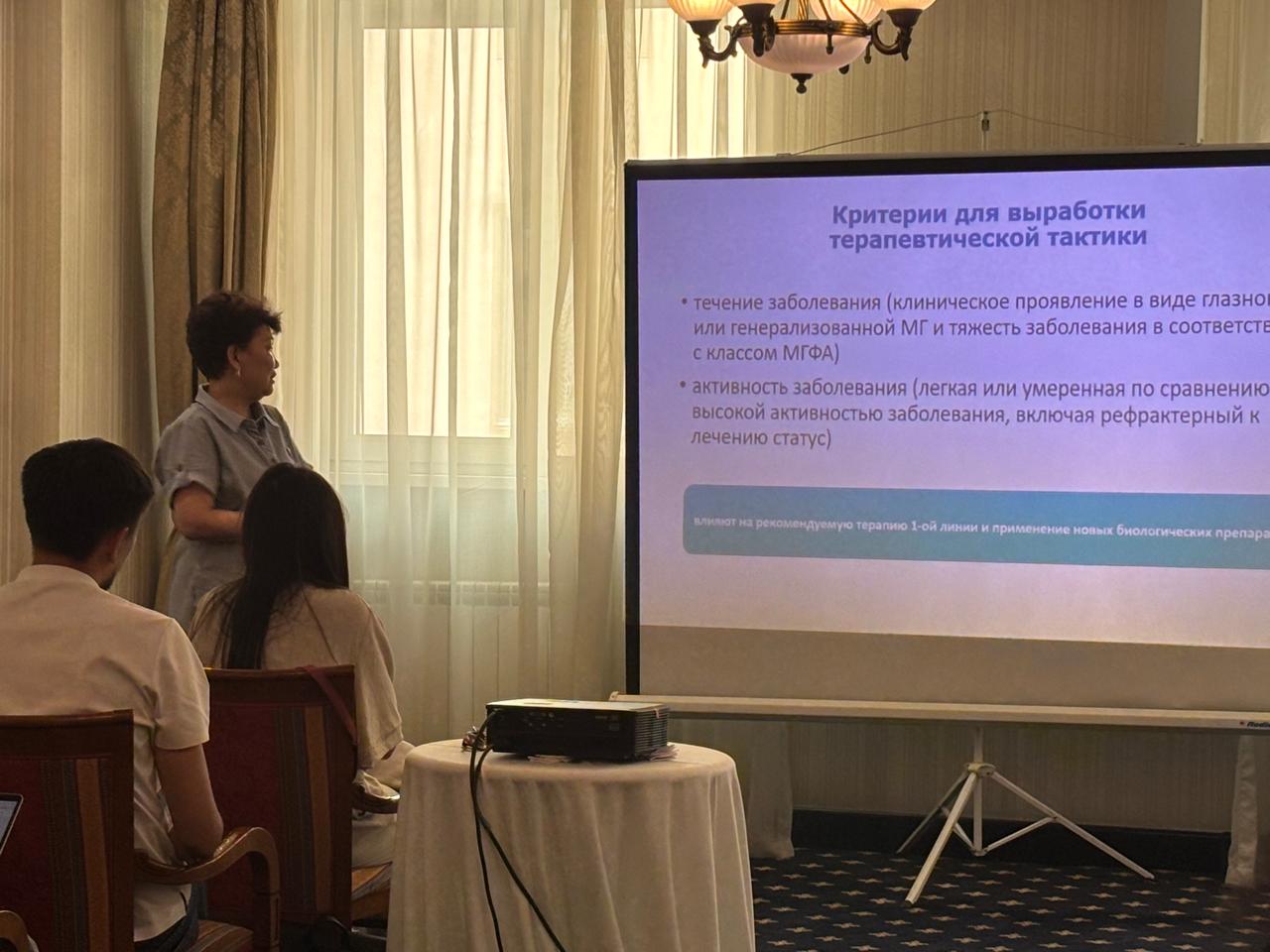
The seminar focused on diseases related to complement system dysfunction — a crucial component of the immune system. When improperly activated or insufficiently regulated, the complement system can become a source of damage, contributing to the development of autoimmune and inflammatory diseases. Among these are conditions such as myasthenia gravis and thrombotic microangiopathies (TMAs), which were key topics during the session.

The clinical aspects of myasthenia gravis in children and the targeted use of anti-complement therapy were discussed in detail, highlighting both therapeutic targets and the evidence base supporting this approach. TMAs, increasingly encountered over the past decade, were examined through an interdisciplinary lens. Despite growing awareness among clinicians, the complexity of differential diagnosis in such conditions remains a significant challenge.

The seminar featured presentations from Dr. S.T. Turuspekova, Head of the Department of Nervous Diseases at KazNMU; Professor G.A. Mukhambetova; Associate Professor R.B. Nurzhanova; and Associate Professor N.B. Nigmatullina from the Department of Nephrology. They shared insights into diagnostic strategies, modern therapeutic approaches, recent clinical data, and evolving treatment assessment techniques for generalized myasthenia gravis.

Of particular interest were clinical case presentations on TMAs by Associate Professor Nigmatullina, who shared her unique experience with anti-complement therapy, offering valuable practical perspectives to attendees.

The seminar brought together 25 neurologists and nephrologists from various medical institutions across Almaty. Participants praised the high level of expertise and professionalism demonstrated by the speakers.

The event received informational support from the Karaganda Pharmaceutical Complex.

Undergraduate Research Wins Awards

The Regional Learning Network Center, in collaboration with the Department of Biology, Faculty of Science, Chulalongkorn University, recently presented a research study comparing carbon sequestration using traditional methods (plotting and measuring trees in forest areas on the ground) with the use of Unmanned Aerial Vehicles (UAVs) in the carbon sequestration forest area at Chulalongkorn University, Saraburi. The study was showcased at the 1st National Conference on “Sustainable Development,” hosted by the Faculty of Environment and Resource Studies, Mahidol University, and was selected as one of the nine recipients of the Outstanding Paper Awards.

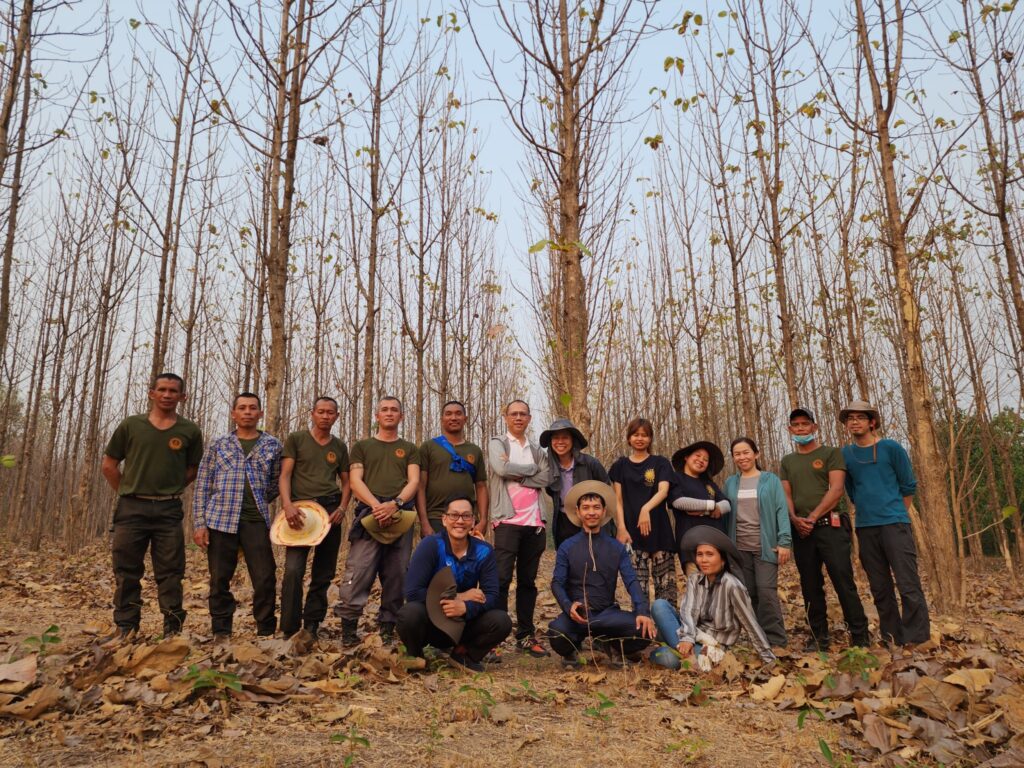
The comparative study in Chulalongkorn University’s carbon sequestration forest area in Saraburi focused on two teak plantation plots of different planting ages. The first plot was planted with “Mahesak” and “Sak Siamin” teak varieties under the royal project titled “Ruamjai Phak Planting Mahesak-Sak Siamin in Tribute to His Majesty the King on the Occasion of His 84th Birthday,” launched on June 26, 2013. This plot contains 1,100 teak trees over 11 rai (about 4.3 acres).

The second plot is an eco-friendly forest plantation (carbon credit forest) planted in 2022 by alumni from the 15th graduating class. It was later developed into a model for sustainable forest planting with improved seedling survival rates using bioplastics and superabsorbent polymers, in collaboration with the Thai Bioplastics Industry Association in 2023. This plot includes 1,220 teak trees over 15 rai (about 5.9 acres).

The study found a statistically significant difference in carbon sequestration estimates between the two methods. The UAV method produced lower carbon estimates than the traditional method because the UAV technology currently lacks the ability to distinguish tree trunks accurately. Therefore, further development is needed—potentially integrating new tools such as ground-based LiDAR for improved accuracy.

The data from this research can be applied to support forest management planning, replanting efforts, and the creation of high-resolution maps to monitor tree growth in Chulalongkorn University’s carbon credit learning forest in Saraburi, as well as in other university-led reforestation projects.

Read more at: https://www.chula.ac.th/en/news/244677/

Zimbabwe Embassy visits UNAIR

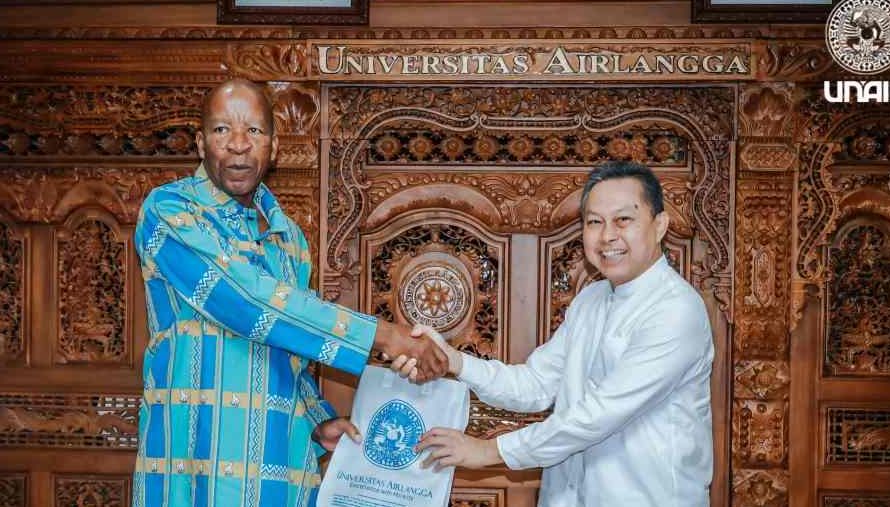
As part of its commitment to global engagement in education, Universitas Airlangga (UNAIR) welcomed delegates from the Embassy of Zimbabwe on Friday (June 20, 2025) at the Balai Rua Meeting Room, MERR-C Campus Management Office. The meeting focused on exploring strategies for potential academic collaboration between UNAIR and institutions in Zimbabwe.

The Zimbabwean delegation included Z.R. Churu, M. Makururu, Dr. W. Kachere, C. Taringa, E. Chaoneka, and W. Mungate. Representing UNAIR were Prof. Bambang Sektiari Lukiswanto DEA, DVM, Vice Rector for Academic, Student, and Alumni Affairs, and Dina Septiani, BComm, MComn, PhD, Deputy Director of Airlangga Global Engagement (AGE).

During the discussion, Mr. Churu highlighted Zimbabwe’s ongoing collaborations with Indonesia, including scholarship and postgraduate programs. He also emphasized the potential for deeper engagement with UNAIR to enhance international exposure and broaden educational impact for Zimbabwean students.

“We are eager to work with UNAIR on educational initiatives such as student exchanges, joint degree programs, scholarships for Zimbabwean students, and collaborative research. We are also grateful to UNAIR for welcoming Zimbabwean students to study in Indonesia,” he remarked.

In response, AGE representative Dina Septiani outlined several opportunities for bilateral cooperation in education. She emphasized that these initiatives could foster mutual knowledge exchange and further strengthen diplomatic ties between the two countries.

“We are fully open to future partnerships. UNAIR can offer staff and student exchange programs, joint lectures, research co-supervision, collaborative studies, and international internships. For scholarships, the Indonesian AID program from the Ministry of Finance currently supports three academic disciplines: psychology, pharmacy, and Islamic economics,” she explained.

Dina also introduced the Airlangga Development Scholarship (ADS) for international students at the master’s and doctoral levels. This scholarship includes free Indonesian language training, full tuition coverage, and living expense support.

“UNAIR also provides scholarships for one-semester exchange programs, covering tuition fees, English-language classes, and Indonesian language instruction. Students not enrolled in regular coursework may instead participate in internships or research activities tuition-free,” she concluded.