NTU Hospital links metabolism to mortality

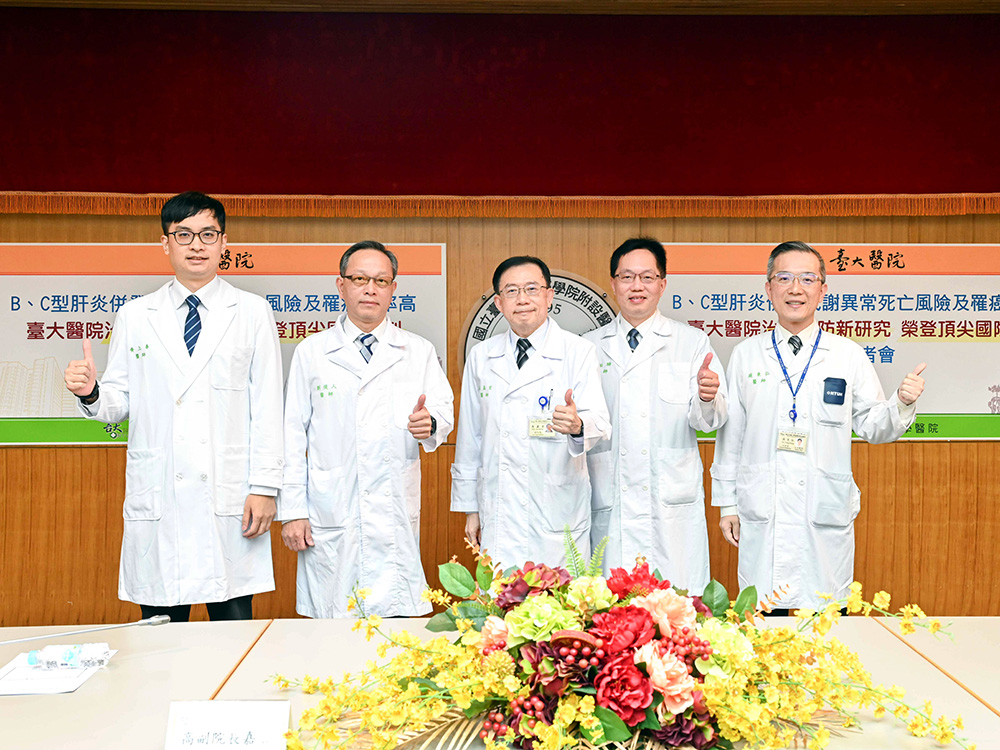
Liver disease remains a major health issue in Taiwan, driven by the high prevalence of chronic hepatitis B (HBV) and hepatitis C (HCV). A research team at National Taiwan University (NTU) Hospital, led by Vice Superintendent Jia-Horng Kao, has been investigating the interaction between hepatitis viruses and metabolic abnormalities. Their latest findings, published in the Journal of Hepatology, have drawn global attention.

Prof. Tung-Hung Su and Dr. Shang-Chin Huang reported that HBV patients with metabolic syndrome face a significantly higher risk of death. In contrast, those with only simple fatty liver but no other metabolic issues have a 50% lower long-term mortality rate. For HCV, Prof. Chen-Hua Liu showed that even after patients are cured with direct-acting antiviral (DAA) therapy, those with metabolic-associated fatty liver disease (e.g., diabetes, hypertension, obesity) remain at a substantially higher risk of developing hepatocellular carcinoma (HCC). These findings stress the importance of early intervention for metabolic abnormalities alongside antiviral treatment.

Prof. Jun-Ren Liu, Director of National Taiwan University (NTU) Hospital’s Hepatitis Research Center, emphasized that in addition to controlling hepatitis viruses, patients must also manage metabolic health through weight control, diet, and regular monitoring. Timely screening for blood pressure, blood sugar, and lipid abnormalities, combined with regular liver ultrasound, can help reduce risks of cirrhosis and liver cancer and improve long-term prognosis.

Full articles:

https://www.journal-of-hepatology.eu/article/S0168-8278(24)02763-6/fulltext
https://www.journal-of-hepatology.eu/article/S0168-8278(24)02578-9/fulltext

Robot Explorer Challenge Sparks STEM

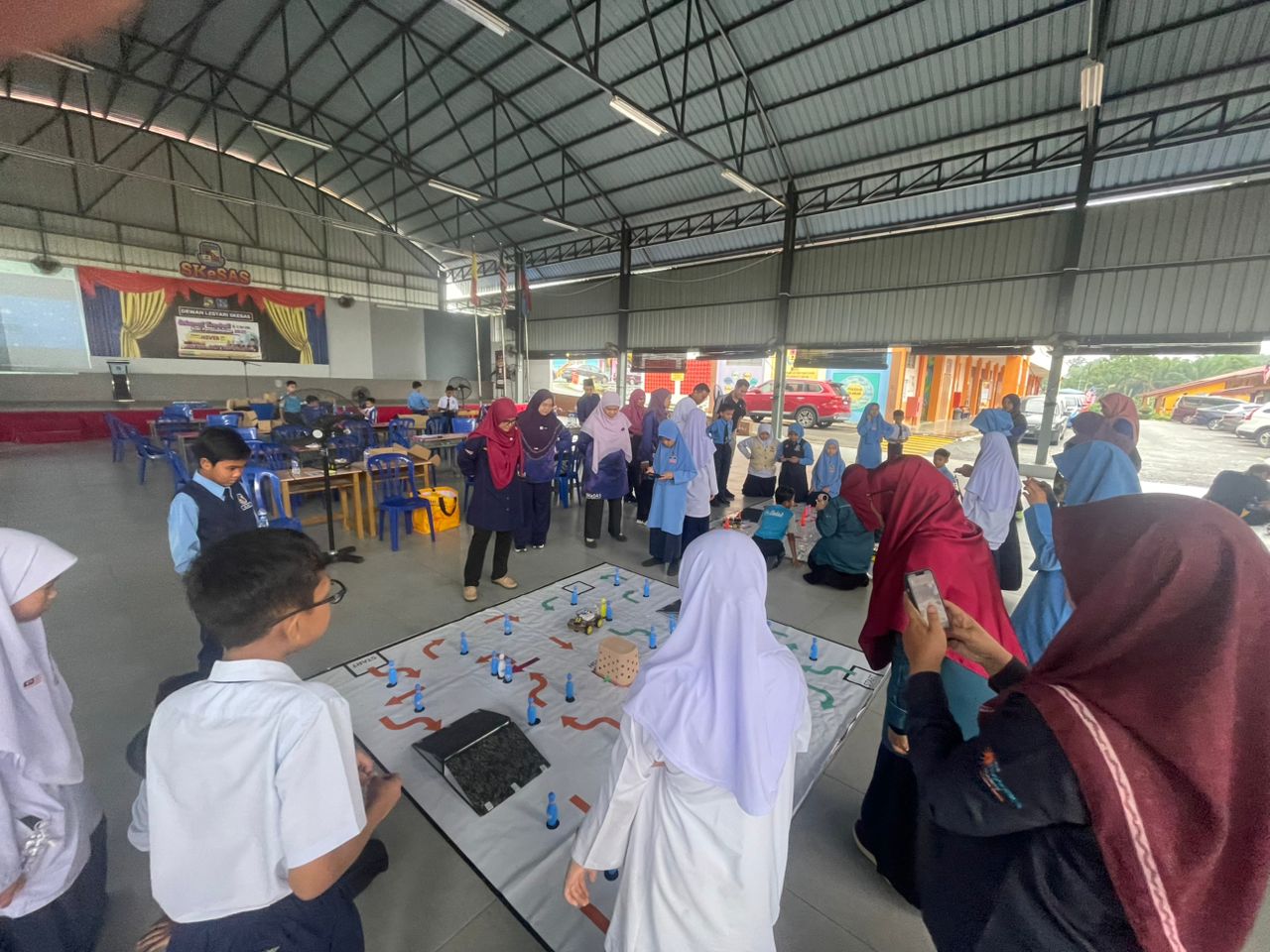
Malaysia, August 2025 – Universiti Teknologi MARA (UiTM), in collaboration with the IEEE Photonics Society Malaysia Chapter, has introduced the “STEM Robotic: My Robot Explorer Challenge” to ignite students’ passion for science, technology, engineering, and mathematics (STEM).

Targeted at Year 4 and Year 5 students, the initiative combines theory and hands-on robot building to encourage creativity, problem-solving, and technological awareness. The program includes a Training of Trainers workshop (8 August 2025) for facilitators and a Robotics Challenge Day (21 August 2025) at SK Salak, featuring interactive sessions, robot development, and competitions.

Led by UiTM academics with support from IEEE Photonics Society, the initiative reflects a strong commitment to community engagement and sustainable STEM education. Students will be recognized with certificates, prizes, and robotic kits, fostering long-term interest in robotics and innovation.

KPI, ASPILSAN Enerji discuss cooperation

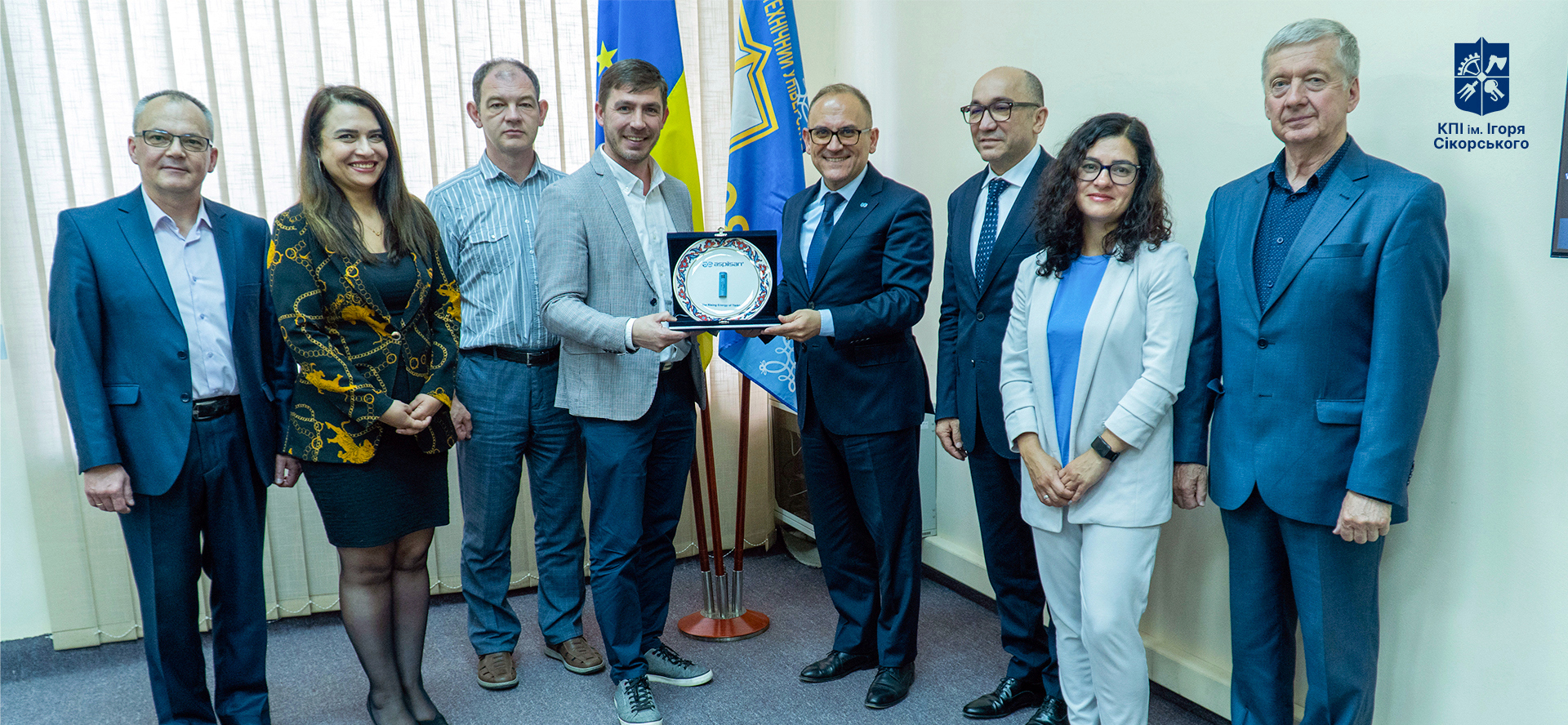
An inaugural meeting with representatives of the Turkish high-tech company, ASPILSAN Enerji, took place at the Igor Sikorsky Kyiv Polytechnic Institute (KPI). ASPILSAN Enerji, whose products are exported across the globe, expressed a keen interest in joint initiatives with Kyiv Polytechnic.

During the first working meeting, the potential areas of cooperation were under discussion, including:

·        Engineering developments in the sphere of energy for aerospace programmes, radio engineering and communication systems;

·        Joint energy projects with Kyiv Polytechnic’s departments – particularly with the Institute of Energy Saving and Energy Management, the Institute of Aerospace Technologies, the Faculty of Electric Power Engineering and Automatics, the Faculty of Chemical Technology, and the Faculty of Chemical Engineering – to create innovative materials for batteries;

·        Cooperation between ASPILSAN Enerji R&D centres and Kyiv Polytechnic’s research subdivisions;

·        Retraining programmes for specialists, as well as student exchange opportunities for internships at company’s manufacturing facilities;

·        Development of the university’s stand-alone energy infrastructure, particularly the expansion of the network of solar power plants.

ASPILSAN Enerji develops batteries and energy storage systems for various industries, ranging from aviation to the construction sector and civil infrastructure, and is the largest battery manufacturer in Turkey.

The meeting reflected a shared commitment to innovation, energy efficiency, and academic-industry cooperation — laying the groundwork for a promising partnership.


Thammasat Ranks Global Top 4 in SDG 16

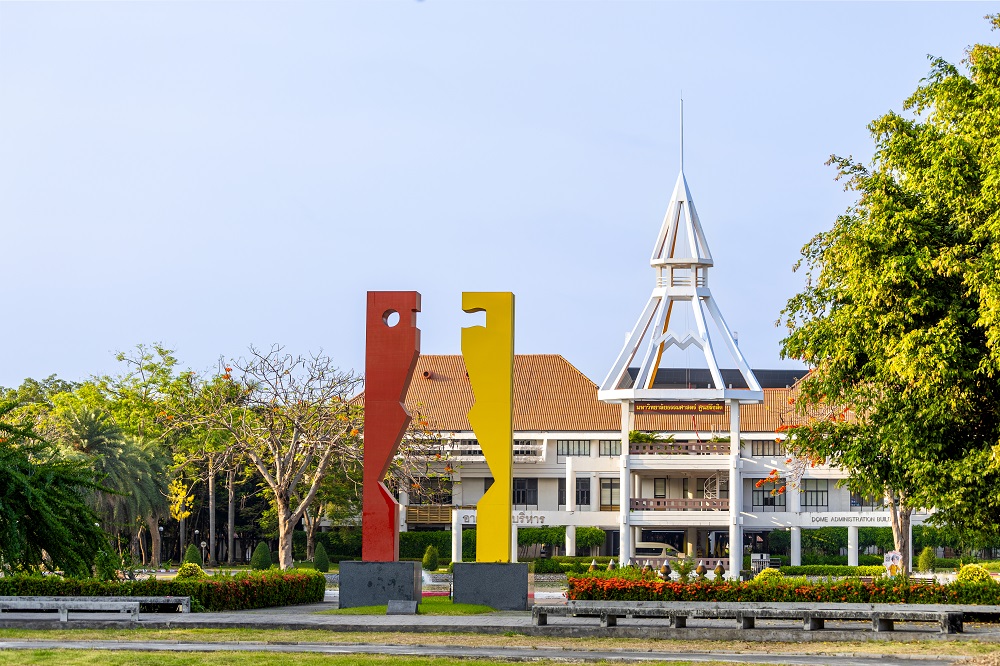
Inequality and injustice remain deeply rooted problems within Thai society and economy, necessitating the drive for change to rely on knowledge from various disciplines that are profound and interconnected with real life. In this regard, “Thammasat”, as a “university for the people,” has earnestly demonstrated this role as a center of knowledge for social justice, particularly in relation to Sustainable Development Goal 16 (SDG16), which addresses “peace, justice, and strong institutions.”

Today, a key aspect of strategically implementing SDG16 involves the insights of Asst. Prof. Chol Bunnag, who serves as both the Director of the Research and Support Center for Sustainable Development Goals (SDG Move) and the Assistant to the Rector for Quality Development and Sustainability. This discussion reflects Thammasat University’s role as a “common ground” that connects diverse fields of knowledge, driving insights towards policy change and nurturing a new generation of students who are courageous enough to question inequality, while standing firm for a society that leaves no one behind. This commitment has led Thammasat University to achieve the ranking of 1st in Thailand and 4th in the world for SDG16, according to the THE Impact Rankings 2025.

• Behind-the-scenes of the success of SDG 16: 1st in Thailand and 4th in the world

Asst. Prof. Chol highlighted Thammasat University’s role as a “Center of Knowledge for Social Justice,” reflecting its commitment to freedom and democracy while driving SDG16 goals. This led to its 2025 Impact Rankings success, ranking first in Thailand and fourth globally for “Peace, Justice, and Strong Institutions” among over 1,214 universities. Thammasat’s strength lies in generating new knowledge on peace and justice, fostering transparent governance, and achieving a perfect score in “Working with Government,” demonstrating its continuous influence on public policy.

From 2023-2024, Thammasat University had over 70 faculty and researchers advising the government, showcasing public trust. The university also builds capacity for community leaders and local government officials, participates in 125 annual policy research projects, and offers a neutral platform for political dialogue, fostering understanding and democratic culture. Additionally, Thammasat’s law and related field graduates, exceeding the average, serve in various sectors like government, policymaking, and social activism.

• Shaping justice across all disciplines, truly embodying “Thammasat”

Asst. Prof. Chol revealed that Thammasat University does not limit its thinking solely within the confines of law or governance but rather opens space for other disciplines to participate in the creation of knowledge and the promotion of policies that comprehensively address issues of justice across various dimensions. Thammasat University’s 2023 Sustainability Report shows that ‘justice’ is a pervasive concept, extending beyond law and political science to nearly all faculties. This includes Nursing (human rights in health), Sociology and Anthropology (analyzing inequality), and Commerce and Accountancy (fair market mechanisms for vulnerable groups).

The Faculty of Law, which possesses expertise in legal matters, has advocated for policy-oriented research aimed at reforming the justice system to ensure equal access for all citizens. Meanwhile, the Faculty of Political Science has taken on the role of critiquing and evaluating state mechanisms, while also proposing ways for public political participation. This aligns with the specific objectives of SDG 16, particularly target 16.3, which seeks to promote the rule of law at the national and international levels, and target 16.7, which emphasizes the creation of guarantees and participatory decision-making that is accountable.

The Faculty of Sociology and Anthropology at Thammasat plays a role in gathering the voices of marginalized groups and conveying them into policy, enhancing the design of institutions that encompass all segments of society. Furthermore, the Faculty of Nursing and the Faculty of Sociology contribute by enriching the perspective on structural equity, reflecting the voices of vulnerable groups, and developing health and wellness care for both body and mind in an equitable manner,” Asst. Prof. Chol elaborated.

Achieving SDG 16 requires diverse academic collaboration, not a single faculty. Disciplines like law, politics, public health, economics, and anthropology collectively build a society founded on rule of law, transparency, participation, and fairness. Thammasat University students, through interdisciplinary learning and participation, are becoming “citizens with a heart for justice,” prepared to drive societal change.

• Research transforming society, reforming policies, and driving global initiatives

Asst. Prof. Chol has highlighted Thammasat’s impactful policy research, which translates into practical societal applications through new knowledge, systematic approaches, or structural reform inspiration. A 2024 Scopus publication, “Pathways, Situations, and Factors Associated with Youth Violence in Educational Settings,” exemplifies this academic-societal integration. This interdisciplinary study on violence in Thai educational institutions is academically recognized and has informed government policy and guidelines, attracting attention from the Ministry of Education and youth organizations.

Thammasat’s research on birth control among minority women in Thailand, “A determination of the influence of birth control among minority women in Thailand: a qualitative study,” highlights the sexual and reproductive health limitations faced by women in marginalized ethnic groups due to structural inequalities and cultural insensitivity in healthcare. This research, presented internationally, supports the university’s 84.8/100 score in Research on Peace and Justice, demonstrating its commitment to a just society.

Thammasat University’s SDG Move Center partners with NSTDA to assess sustainability across Thailand’s six regions, gathering local feedback for the national science, research, and innovation plan (2023-2027). This collaborative effort involves leading universities nationwide and the global SDSN, integrating government agencies and local voices into national policies. This project contributed to Thammasat’s perfect score in “Working with Government,” highlighting its support for Thailand’s SDG advancement.

Thammasat’s top SDG 16 ranking reflects its core values of justice, freedom, and social responsibility, upheld by strong University Governance and academic freedom. The university will host annual events to maintain academic freedom and social justice, reinforcing its mission and promoting societal awareness that true freedom requires responsibility for democratic coexistence. Asst. Prof. Chol Bunnak emphasizes Thammasat’s steadfast commitment to defining freedom responsibly, for the common good, and within reason and societal norms, irrespective of trends.


 

CXO Connect: AU Bridges Academia and Industry

As part of its strategic commitment to enhancing graduate employability, Ajman University (AU) launched its flagship CXO Connect initiative—a platform designed to bridge the gap between higher education and industry. Through curated engagements with top executives, the initiative equips students with real-world insights, leadership perspectives, and the skills needed to thrive in an increasingly competitive job market.

In a recent session titled “Leading with Creativity: How Executive Leadership Drives Innovation and Impact,” AU convened a distinguished panel of industry leaders: Mr. Sajith Ansar, Founder and CEO of Idea Spice; Mr. Jatin Kalra, Vice President of Apparel Group; and Mr. Christoph Koster, CEO of ruya. The session was moderated by Dr. Abeer Al Ghananeem, Dean of the College of Pharmacy and Health Sciences.

The panelists shared insights on the role of creativity in executive leadership, the importance of long-term strategic thinking, and how today’s graduates can position themselves for sustained success. A recurring theme was the growing demand for soft skills, including empathy, adaptability, and communication—essential qualities that complement technical expertise in the modern workplace.

Reflecting on the strategic significance of the initiative, Dr. Karim Seghir, Chancellor of Ajman University, stated: “AU has launched the CXO Connect program to cultivate a robust ecosystem of industry partnerships. This initiative is designed to develop highly-skilled talent, promote industry-relevant research, and champion continuous learning. By doing so, AU aims to contribute to the UAE’s national vision of becoming a prominent leader in the global knowledge economy.”

Panelists also underscored the UAE’s growing role as a global innovation and entrepreneurship hub, highlighting the rise of homegrown ventures, fintech expansion, and the country’s long-term commitment to economic diversification.

Through initiatives like CXO Connect, Ajman University reinforces its position as a catalyst for career readiness and innovation—ensuring that its graduates are not only academically equipped, but also industry-aware, globally competitive, and future-focused.

WUACD Summit boosts ASEAN collaboration

Universitas Airlangga (UNAIR) proudly hosted the 2025 WUACD Summit, held in conjunction with the ASEAN Microbial Biotechnology Conference (AMBC 2025) and the ASEAN Bio-Circular-Green (BCG) Network Conference. The summit, running from Friday to Sunday (June 13–15, 2025), was held at the ASEEC Tower, Dharmawangsa-B Campus, UNAIR, Surabaya. The international summit welcomed representatives from over 12 countries and featured a comprehensive lineup of conferences, workshops, MoU signings, and field visits to community outreach sites.


This year’s conference aimed to strengthen regional collaboration across ASEAN nations in microbiology, biotechnology, and community development—fields increasingly vital in the face of global issues such as climate change, food insecurity, and biodiversity loss. The event brought together academics, researchers, private sector representatives, and international development organizations.


Building networks, creating solutions

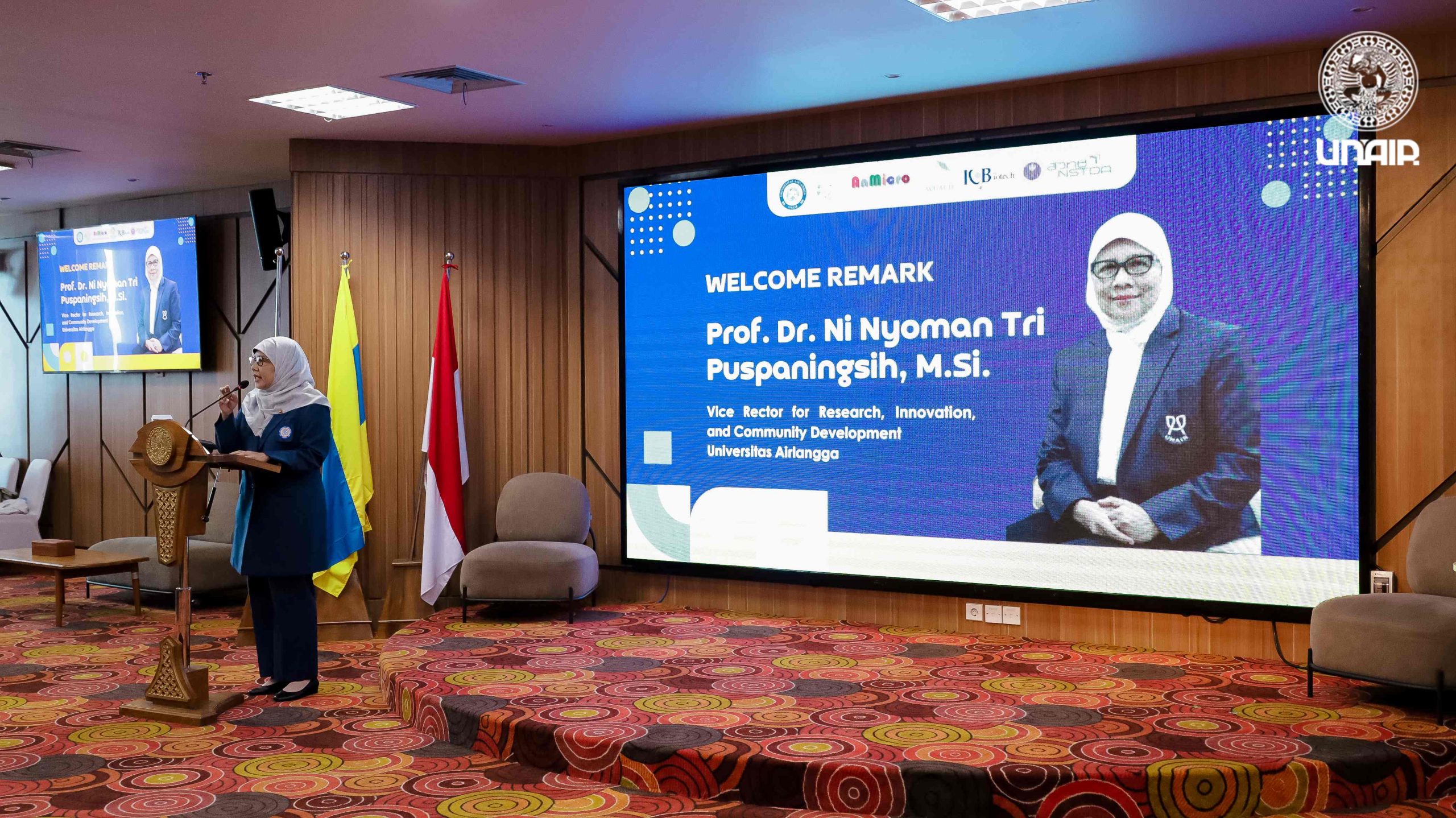
In her opening remarks, Prof. Dr. Ni Nyoman Tri Puspaningsih, M.Si, UNAIR Vice Rector for Research, Innovation, and Community Development, described the conference as a key opportunity to align interdisciplinary research efforts across borders. “Today, we are not just hosting a conference—we are uniting global networks to strengthen international and cross-disciplinary partnerships. We hope this leads to new collaborations with real impact on communities,” Prof. Puspaningsih stated.


Echoing her remarks, AMBC 2025 Chair Prof. Dr. Ni’matuzahroh emphasized the forum’s role as a hub for knowledge exchange and regional innovation. “This forum is essential for fostering dialogue, innovation, and partnerships among microbiology and biotechnology experts across ASEAN, in support of sustainable development,” she noted.


Microbial science and innovation for ASEAN’s future

Prof. Dr. Ni’matuzahroh also highlighted the importance of leveraging the momentum of the conference to tackle future regional challenges through strengthened interdisciplinary cooperation. “This event serves as a platform to expand professional networks, deepen scientific perspectives, and drive innovative research collaborations that address upcoming crises,” she said.

Kazakhstan-India: High-Tech Partnership

A meeting was held in the city of Akkol between the Minister of Science and Higher Education of the Republic of Kazakhstan, Sayasat Nurbek, and the Ambassador Extraordinary and Plenipotentiary of India, Dr. Thathipamula Venkata Nagendra Prasad, to discuss Kazakh-Indian cooperation in the field of high technologies and scientific innovations.

The delegation visited the Data Processing Center (DPC) of JSC “Kazakhtelecom,” where they observed the PARAM BILIM supercomputer. Modernized and relaunched in March 2025, the supercomputer has become a key tool for scientific and educational initiatives.

A 144-hour educational program has been implemented, developed by faculty members of ENU in collaboration with C-DAC and Sharda University. The program covers quantum computing, quantum communications, high-performance computing, and artificial intelligence technologies.

To date, more than 60 specialists, including employees of JSC “Kazakhtelecom,” JSC “Kazpost,” the Ministry of Digital Development, as well as master’s and doctoral students and faculty members of the Faculty of Information Technology at ENU, have completed training on operating the supercomputer.

The meeting continued in the conference hall of the Republican Space Communication Center, where the participants discussed the potential use of the supercomputer for analyzing telemetry data from the KazSat satellite constellation.

A key topic of discussion was the development of a supercomputing cluster, considering the commissioning of the KazNU supercomputer and the national supercomputer. Scientists from the Faculty of Information Technology at ENU presented a vision for establishing a regional Quantum Alliance involving India, Central Asian countries, Russia, and South Korea. This alliance aims to unite the region’s scientific potential for breakthrough developments in quantum technologies, which the Academy of Sciences of Kazakhstan has identified as a priority area during the foresight session.

Among the promising projects proposed by the scientists are the creation of digital maps of Kazakhstan’s minerals and forests, as well as the forecasting of agricultural crop yields using supercomputing technologies. These initiatives are aimed at addressing strategic challenges in the areas of ecology, agriculture, and resource management.

Minister Sayasat Nurbek expressed gratitude to the Ambassador of India for supporting the activities of the India-Kazakhstan Centre of Excellence in ICT (IKCEICT) at ENU and for contributing to the strengthening of bilateral cooperation.

KPI Rector participates in HR Wisdom Summit

The 10th anniversary HR Wisdom Summit brought together more than 6,000 participants, including CEOs and HR leaders of large companies. This year’s agenda placed a particular emphasis on education and the professional training of future specialists.

During the panel discussion “Interaction of Educational Institutions and Real Business,” Anatolii Melnychenko (pictured right), Rector of the Igor Sikorsky Kyiv Polytechnic Institute (KPI), joined representatives from leading companies – Ajax Systems, Metinvest, ArcelorMittal Kryvyi Rih, Philip Morris International, and Kormotech – to reflect on the importance of the relationship between educators and employers.

In his remarks, Anatolii Melnychenko emphasised the need to expand and deepen cooperation between Kyiv Polytechnic and big businesses. He outlined the spectrum of formats for effective cooperation, including:

·         Equipment of laboratories

·         Software provision

·         Scholarship programmes supported by companies

·         Dual education

·         Certificate programmes.

These interaction formats enable an improvement in the quality of training and help to meet the needs of companies for specialists in accordance with the type of their business.

The panel also explored the relevance of higher engineering education and the future of engineering specialisations – an area where Igor Sikorsky Kyiv Polytechnic Institute, with its deep-rooted tradition and innovative drive, continues to stand in the forefront.


AU Recognized for Sustainability Education

Ajman University is proud to announce that it has won the prestigious QS Reimagine Education Award 2024 for “Sustainability Education Action.” This accolade was awarded in recognition of the University’s groundbreaking initiative, the ‘Greening Communities: Mangrove Planting Project.’ This honor underscores the University’s commitment to environmental sustainability and its dedication to empowering youth and communities with the necessary skills and knowledge to drive the UAE’s ambitious sustainability goals.

The project’s objectives align with the UAE’s national plan to plant 100 million mangrove trees by 2030. Spearheaded by Ajman University’s Office of Sustainability, in partnership with Al Zorah Development Private Company and Quest for Adventure, the initiative engages students and local communities in the preservation and rejuvenation of mangrove ecosystems, highlighting Ajman University’s pivotal role in advancing a sustainable future.

Reflecting on this significant achievement, Dr. Karim Seghir, Chancellor of Ajman University, said, “Receiving the QS Reimagine Education Award for Sustainability Education Action is a powerful validation of our commitment to sustainability. It invigorates our efforts to engage youth and communities in impactful environmental action, driving meaningful change in alignment with the UAE’s sustainability objectives.”

The project incorporates a variety of educational programs and workshops designed to heighten awareness about critical environmental issues. These initiatives equip participants with the skills and knowledge needed to tackle environmental challenges, empowering them to become advocates for positive change within their communities.

Moreover, the initiative supports several United Nations Sustainable Development Goals, including Quality Education, Climate Action, Life on Land, and Partnerships for the Goals.

The QS Reimagine Education Award is a highly esteemed honor within the education sector, recognizing innovative approaches that enhance learning outcomes, improve employability, and advance sustainability education. Now in its 11th year, the award features 17 categories, celebrating transformative educational practices globally. Each year, the competition attracts over 1,200 submissions from around the world, evaluated by a distinguished panel of more than 900 international expert judges.

CU Performs at Siam Square

On August 16, 2025, at Block I, Siam Square, Professor Dr. Wilert Puriwat, President of Chulalongkorn University, presided over the opening of the performance by the Chulalongkorn University Symphony Orchestraunder the royal patronage of Her Royal Highness Princess Galyani Vadhana Krom Luang Naradhiwas Rajanagarindra. The performance was conducted by Associate Professor Dr. Nora-ath Chanklum, Silpathorn Artist. Also present to welcome the audience were Associate Professor Dr. Sittidaj Pongkijvorasin, Vice President of Chulalongkorn University; Assistant Professor Dr. Vitchatalum Laovanich, Assistant to the President for Arts and Culture; Assistant Professor Dr. Charasphat Preuksarattanawut, Assistant to the President for Property Management; and Mr. Kunchit Jitratan, Director of the Office of Arts and Culture Administration. 

The CU Symphony Orchestra’s performance, under the project “Music Street @ Siam Square,” is a collaboration between the Office of Arts and Culture Administration and the Property Management Office of Chulalongkorn University, in line with the President’s policy to make Siam Squarea hub of learning for people of all ages—into a “creative learning space.” The project aims to bring meaningful activities from the university to the public on a regular basis. 

Showcasing the talents of its students for the public to enjoy and appreciatethe CU Symphony Orchestra is a source of pride for the university. It also helps cultivate valuable experiences for students aspiring to become professional musicians in the future, while giving them the opportunity to discover their identities, passions, happiness, and even potential careers. This project reflects Chulalongkorn University’s strategic vision: “Chula Togetherness – All-round Growth with Students at the Center.” 

Read more at: https://www.chula.ac.th/en/news/255574/