Clinical Pharmacy Integration

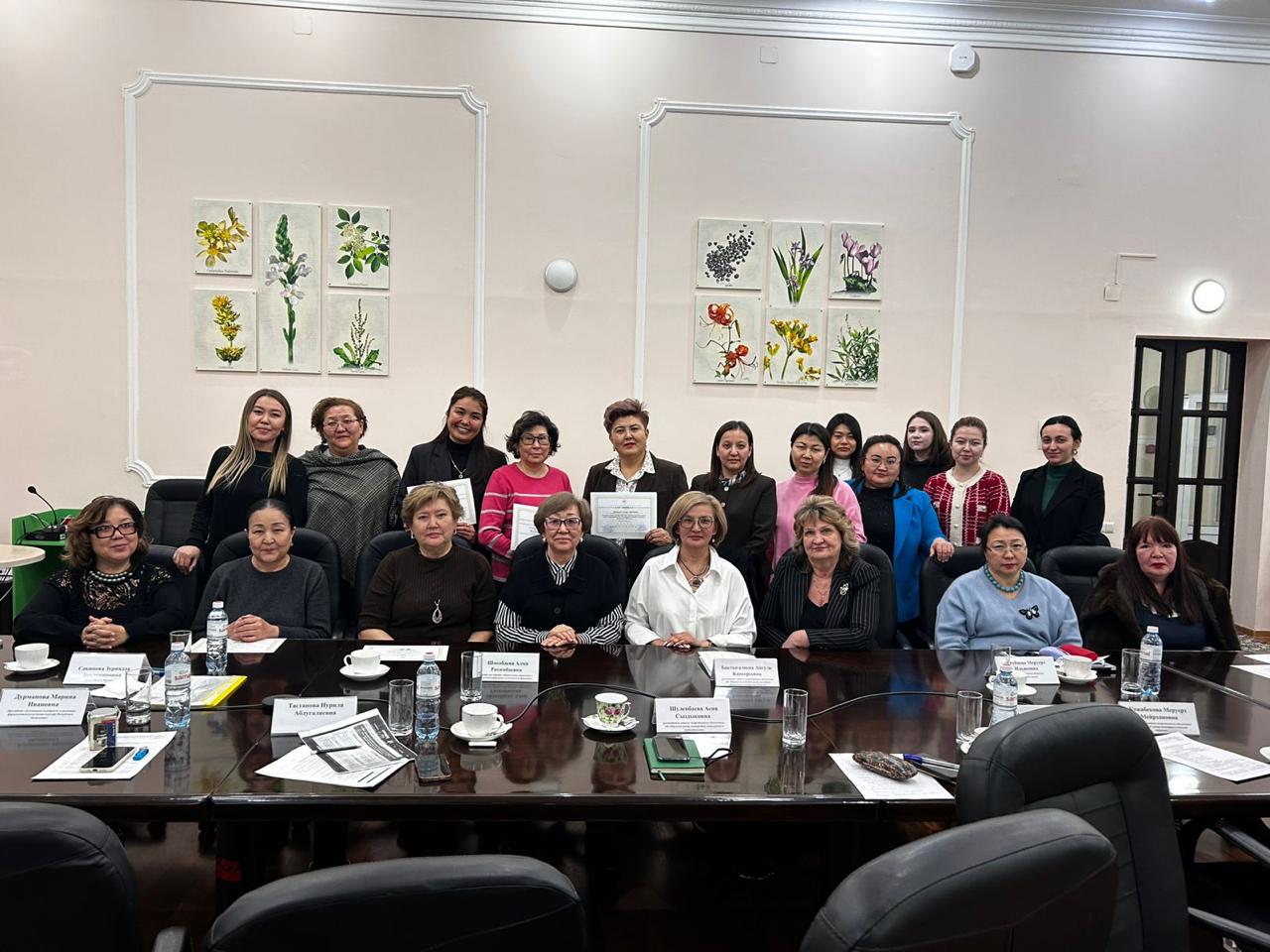
As part of a national strategy to improve pharmaceutical education, Asfendiyarov Kazakh National Medical University hosted a round table titled “Learning Through Practice. Clinical Pharmacy: Issues of Medicines Provision in Multidisciplinary Medical Organizations.”

The event brought together representatives from leading scientific and medical institutions across Kazakhstan, as well as educators, employers, and postgraduate students of the “Pharmacy” program. Organized by the School of Pharmacy and the Department of Organization, Management and Economics of Pharmacy and Clinical Pharmacy, the discussion focused on aligning academic training with the realities of modern healthcare.

Participants emphasized the importance of strengthening the connection between education and clinical practice. They highlighted the growing role of clinical pharmacists in ensuring safe and effective pharmacotherapy, contributing to public health through pharmaceutical care, and supporting the efficient use of medical resources within national healthcare programs such as the Guaranteed Volume of Free Medical Care (GVFMC) and the Mandatory Social Health Insurance (MCSI).

In the context of a transforming healthcare system, increasing life expectancy, and an expanding pharmaceutical market, the demand for highly skilled clinical pharmacists continues to grow. Professionals are now expected to assess drug quality and safety, support rational prescribing, manage pharmaceutical logistics, and work within integrated digital health systems like Damumed.

The round table concluded with recommendations aimed at improving pharmacy curricula, implementing practice-based learning models, and expanding partnerships with clinical and research institutions. This initiative marks a significant step toward preparing future clinical pharmacists to meet the evolving needs of Kazakhstan’s healthcare system.

Summer Program FPEB UPI & Universiti Malaya

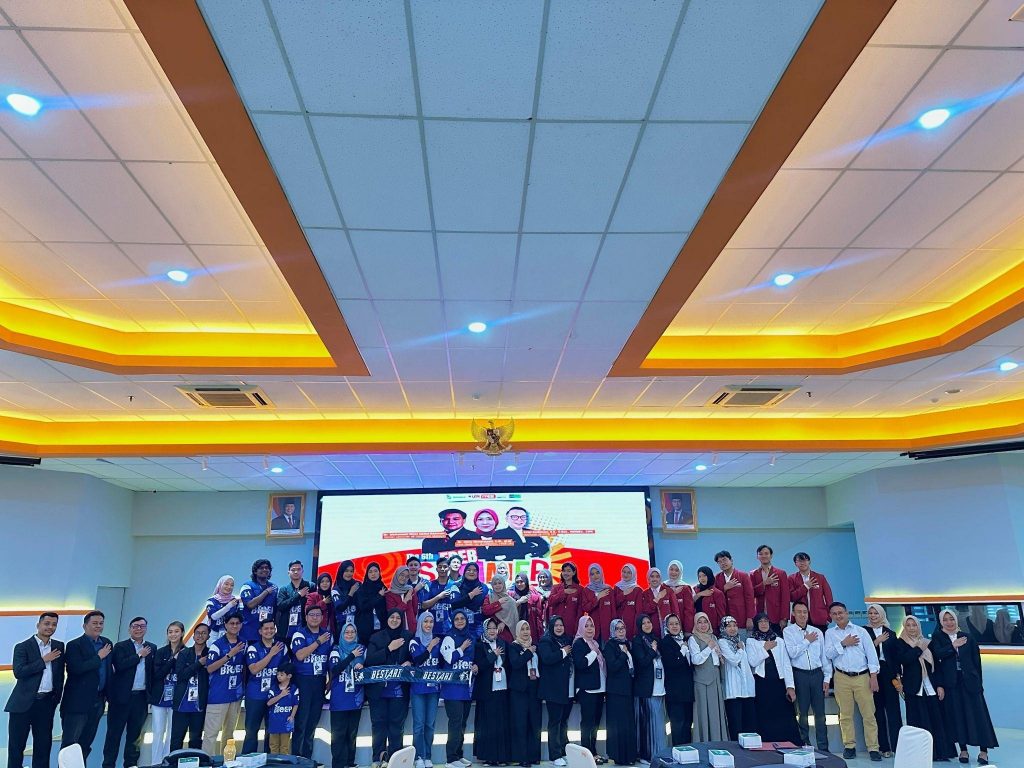
The Dean of the Faculty of Economics and Business Education (FPEB) at the Universitas Pendidikan Indonesia (UPI), Prof. Dr. Ratih Hurriyati, M.P., CSBA, officially opened the series of activities for The 6th FPEB Summer Program 2025, an annual international academic program that brings together students and academics from FPEB UPI and Universiti Malaya, Malaysia.

The 6th FPEB Summer Program 2025 not only provides academic experience, but also opens up opportunities for cultural interaction and soft skills development among participants. Through this activity, it is hoped that a broader understanding will be built regarding the importance of cross-border collaboration in developing joint solutions to future global challenges.

The objective of the 6th FPEB Summer Program 2025 is to build a cross-border collaboration space in the fields of education and business, as well as to become a forum for the exchange of knowledge, culture, and global perspectives for participants.

The first day of the 6th FPEB Summer Program began with an opening ceremony, followed by a tour of the UPI campus using the UPI Shuttle as part of an introduction to the academic environment and local culture. This was followed by two main sessions held in the FPEB Smartclass room. The first session focused on Design Thinking for Global Problem Solving, discussing how creative and innovative thinking approaches can be used to address various cross-border challenges

The event continued with a presentation on the topic of We Can Solve By Using The Same Kind Design Thinking and Artificial Intelligence for Sustainable Business Innovation, which discussed the role of artificial intelligence in supporting sustainable innovation in the business world. Participants were active in discussions and Q&A sessions, showing enthusiasm in understanding the role of technology in shaping the future of global industry.

The second day of the 6th FPEB Summer Program began with an introduction to the various facilities at the Faculty of Economics and Business Education to the participants. They had the opportunity to visit several laboratories, including the Microteaching Laboratory for teaching practice, the Forensic Laboratory for accounting examination, and the Business Education Study Program laboratory for digital printing practice. Additionally, participants also visited the Space Ex Lab and the Sharia Investment Gallery to see firsthand the various activities of FPEB students outside of lectures.

In the next session, participants were divided into groups to work on business prototype projects using the design thinking method and integrating AI technology into their business ideas. On the third day, each group presented their business ideas and showcased the prototypes they had designed. Held in the FPEB Auditorium, Building A, participants received input and feedback from a number of experts, including FPEB UPI lecturers and academics from the University of Malaya.

The event continued with a Cultural Showcase featuring the arts and culture of each country participating in the Summer Program. Participants from UPI presented a variety of arts, such as poetry readings, West Javanese folk songs, traditional dances, and kaulinan barudak. Meanwhile, participants from the University of Malaya performed Malaysian folk songs and the Boria dance, a popular Malay theater performance on Penang Island that combines elements of dance, music, drama, and comedy.

ITS Robotics Team Claims 16 Global Titles

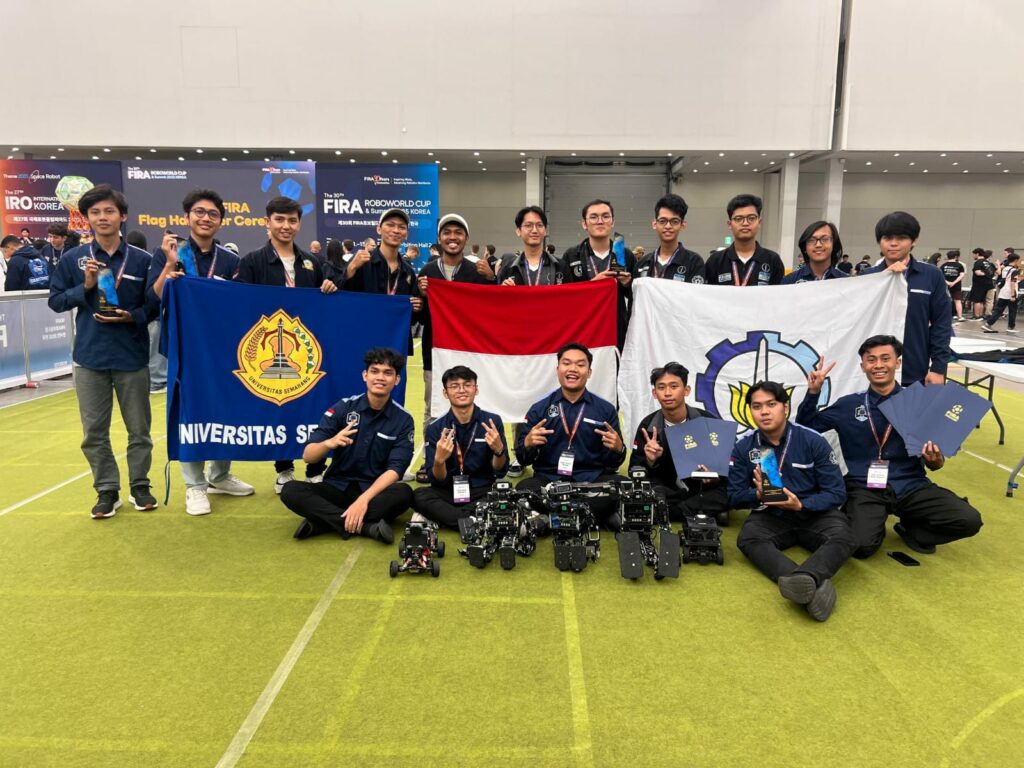
The Robotics Team from Institut Teknologi Sepuluh Nopember (ITS) has once again shown its strength on the global stage, securing 16 awards at the Federation of International Robot Association (FIRA) Roboworld Cup 2025, held in Daegu, South Korea. FIRA is a non-profit organization dedicated to advancing the global robotics industry and serving as a platform for researchers to exchange ideas and innovations. This year, ITS participated in three competition categories: autonomous car robots, adult-size humanoid robots, and kid-size humanoid robots. 

According to the ITS Robotics Team Coordinator, Mr. Muhtadin, the university was represented by two sub-teams, Iris and Ichiro. In the autonomous car category, Team Iris achieved outstanding results by winning 1st place in both the Physics Pro and Race challenges, while also securing 2nd place in the Urban challenge. 

Meanwhile, Team Ichiro dominated the adult-size humanoid category, sweeping 1st place in five events: the United Challenge, All-round, Manipulation, Hybrid, and Mobility. Ichiro also deployed two teams in the kid-size humanoid category, which consistently reached the podium across all events. The first team captured second place in the All-round, Manipulation, Hybrid, and Mobility challenges. Meanwhile, the second team also secured strong results by achieving third place in the same four events: All-round, Manipulation, Hybrid, and Mobility. 

Before competing in the main event at EXCO, Daegu, from August 11 to 15, 2025, the ITS Robotics Team had conducted extensive research and innovation since February 2025. Their preparations included submitting scientific papers detailing robot specifications and material usage, as well as continuous evaluations during trial phases. 

The team’s accomplishments at the FIRA Roboworld Cup also reflect ITS’ strong commitment to advancing the United Nations Sustainable Development Goals (SDGs) Goal 9 (Industry, Innovation, and Infrastructure) by fostering cutting-edge research and developing technologies that can strengthen future industries. At the same time, the competition experience itself embodies Goal 4 (Quality Education), as it provides students with hands-on learning, international exposure, and the opportunity to transform classroom knowledge into real-world innovation. Through these efforts, ITS not only promotes academic excellence but also prepares the next generation of engineers to create meaningful solutions for society. 


Thammasat Students Design Thai F1 Circuit

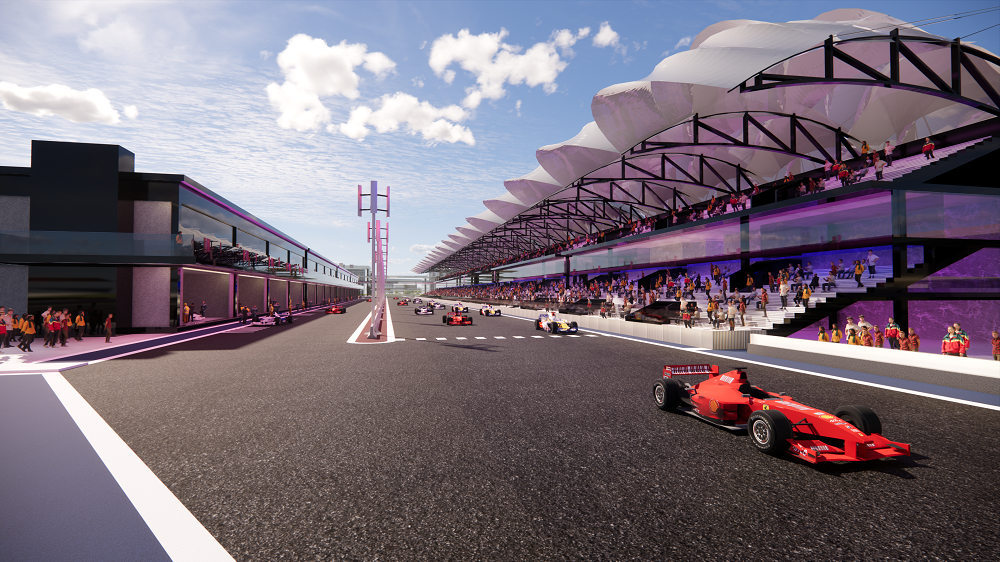
Public interest in Formula 1 is growing in Thailand, despite never having hosted a race. An F1 event in Thailand, a first for the nation, is becoming a more realistic prospect. With this growing popularity, combined with a passion for Formula 1 racing, Thawatchai Saelim or ‘Archa’, a fourth-year student in Architect for Real Estate Development program at the Faculty of Architecture and Planning, Thammasat University, has designed the “Goudaria Circuit Thailand.” This racetrack serves not only as a graduation project but also exceeds the standards of a world-class racing circuit, while also considering the linkage to tourism and the economy of Thailand.

From Passion to Inspiration

The primary inspiration stems from his personal passion for Formula 1 racing. Archa has been following the competitions closely and has observed that Thailand possesses significant potential in various aspects, including its landscape, tourism, and culture, all of which are essential components suitable for hosting a world-class event. This motivates him to seize the opportunity to design an F1 circuit that not only accommodates the race but also serves as a new entertainment landmark for the country.


Goudaria Circuit Thailand: Uniquely Positioned in the Global Racetrack Landscape

 The “Full Entertainment Racetrack” is Thailand’s first F1-standard racing circuit, envisioned as a comprehensive “Full Entertainment City.” This integrated destination offers sports, entertainment, shopping, dining, and hospitality. Its design emphasizes an “experience of enjoyment” with challenging routes, unique lighting, and relaxation zones, making it a year-round lifestyle destination beyond just racing.

What are the challenges in architectural design?

The main challenge lies in integrating the high-precision infrastructure of the racetrack, which must meet FIA standards, with various other commercial functions. The layout must consider the safety of spectators and racers, accessibility, public service areas, noise and pollution control, as well as the flow of people and vehicles, or maintaining the landscape’s appeal in the long term.


Thailand Grand Prix: A Game-Changer for Tourism?

An F1 racetrack could undoubtedly serve as a significant destination for promoting sports tourism. In my view, if an F1 event were to be organized, it would attract many international tourists, not only to cheer for the races but also to engage in overnight stays, shopping, and further tourism in the surrounding areas. Additionally, the project could accommodate tourists year-round through other activities such as music festivals, fairs, exhibitions, and local motorsport events, thereby generating income circulation and creating jobs for the community in the long term.


Reflection on Faculty of Architecture and Planning, Thammasat University

This project integrates knowledge from various disciplines within the field of real estate development innovation, particularly in design, planning, and project feasibility analysis. For instance, the Real Estate Development course, which is a crucial element that connects all components, ranging from site analysis, business concept design, project management, to long-term value creation for the property. The structural and construction techniques courses ensure the racetrack meets safety and high standards. Environmental management and sustainability courses, as well as project analysis (Feasibility Study) courses, evaluate the project’s economic viability, market suitability, and investment potential. All this knowledge is woven together to create a project that meets the needs of functionality, design, and future commercial potential.

Chula–Betagro Join Forces for Innovation

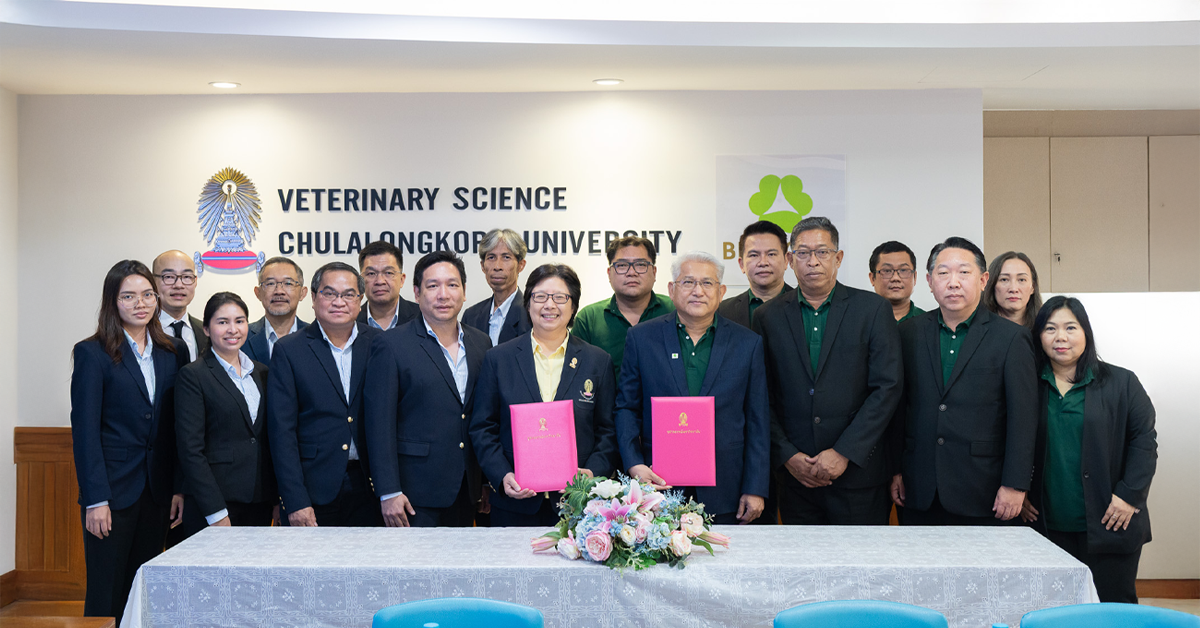
The Faculty of Veterinary Science, Chulalongkorn University, signed a Memorandum of Understanding (MoU) for academic cooperation with Betagro Public Company Limited on September 1, 2025, at Meeting Room 4, 2nd Floor, Chai Asawaraks Building, Faculty of Veterinary Science, Chulalongkorn University. 

The signing ceremony was presided over by Prof. Dr. Sanipa Suradhat, Dean of the Faculty of Veterinary Science, Chulalongkorn University, and Mr. Taweekiat Kukiatrat, Chief Operating Officer of Betagro’s Agro-Industrial Business Group. Witnesses included Asst. Prof. Dr. Theerawat Swangchan-Uthai, Assistant Dean and Director of the Veterinary Teaching Hospital—Nakhon Pathom Training Center, Faculty of Veterinary Science, Chulalongkorn University, and Mr. Sarayut Julrat, Assistant Managing Director, Academic Service Office, Agro-Industrial Business Group, Betagro Public Company Limited. 

Under this MoU, the Faculty of Veterinary Science and Betagro will collaborate on research and development to promote dairy farming. The partnership aims to: 

  • Develop frameworks and management tools for feed systems on dairy farms to improve production efficiency, control feed costs, and encourage environmentally friendly dairy farming. 
  • Research and develop sustainable dairy farming practices tailored for agricultural organizations to strengthen farmer groups and enhance management capabilities. 
  • Conduct community-based research and development in dairy farming areas. 
  • Design curricula and training programs to build the capacity of stakeholders across the dairy value chain—from farmers to milk and dairy product industries. 
  • Establish academic cooperation networks and knowledge exchange among industry, academia, and farming communities.

Read more at: https://www.chula.ac.th/en/news/258163/

Strategies for Acing Life

From taking our first steps to upskilling during our careers, learning is a lifelong endeavour. Our experiences and brains’ neural networks shape how we perceive and process information.

In a shifting social, digital and professional landscape, learning effectively and continuously is essential.

Drawing on research into brain networks, social interactions and learning techniques, NTU’s researchers offer tips to help us – and our children – unlock potential at every age.

Provide a positive and warm environment for your baby

Children learn by observing how adults behave and react, especially when they are unsure of what to do. Caregivers also facilitate learning by directing the child’s attention to information that is important, providing timely cues and responses to ensure the child stays engaged when learning.

“Caregivers can scaffold their child’s learning by using social cues such as making eye contact, calling the child’s name and using ‘infant-directed speech’ with the child,” says Prof Victoria Leong, who examines the neural processes between parents and infants that support learning through observation and interaction.

“These cues help the child pay attention to information that is relevant and prioritise learning it.” However, if a caregiver often reacts negatively, a child might copy those behaviours and learn to respond negatively too.

“Over time, these ‘negative biases’ in understanding and reacting to events in life can seed vulnerabilities for poor mental health. That’s why providing a positive, warm and responsive environment early in life is so important,” says Prof Leong, Director of the Early Mental Potential and Wellbeing Research Centre.

Get involved in your child’s developmental needs early

Neurodevelopmental conditions in children, such as autism spectrum disorder, can hamper the development of higher order mental skills, such as those needed to focus and plan.

To reduce the lifelong impact of such conditions, it’s important for parents to recognise and address them early, says Prof Leong, who is also Deputy Director of the Cambridge-NTU Centre for Lifelong Learning and Individualised Cognition.

Most clinical screening tools can only be applied for children aged two and older, which misses a crucial window for early detection and intervention. So, Prof Leong’s team is developing an infant screening tool and a play-based programme that parents can use at home to help babies with mild to moderate neurodevelopmental risk improve their developing cognition.

The programme uses “smart toys” with sensors to record a child’s interactions during play. Algorithms analyse the data to recommend play activities that support a child’s development. 

Give students space to be creative and learn from one another

A growing child’s learning is further shaped in school. When given space to be curious and draw their own conclusions with the support of adults, children learn to build their own understanding of the world around them, a skill they can continue using throughout life.

Instead of focusing on getting the correct answer, parents and teachers can encourage students to independently explore and make sense of new ideas.

“Sometimes, with good intentions, we as adults intervene too much and we hinder children’s natural curiosity,” says Dr Teo Chew Lee, who is Deputy Centre Director at the National Institute of Education’s Centre for Research in Pedagogy and Practice.

A knowledge-building and learning-analytics expert, Dr Teo is behind the student Knowledge Building Design Studio, where students of different ages and from different schools come together to explore sustainability issues, investigate problems and co-create solutions.

“For example, we can engage students in discussion using sentence starters, such as ‘This idea doesn’t quite explain…’,” says Dr Teo. “That way, they will learn to appreciate different ideas, voice disagreements and build on one another’s ideas.”

Challenge students to work beyond their abilities

Teachers tend to over-structure classroom activities and minimise uncertainties, out of concern that students – especially lower-achieving ones – cannot follow through.

This strategy may aid procedural learning to some extent, but will limit the students’ potential in the long run, as it does not foster the students’ ability to think critically or challenge them to stretch their limits.

Instead, Dr Teo encourages educators to recognise students’ ability to learn and grow through trial and error. Rather than stepping in to help once students get frustrated and stuck, it may be more beneficial to support them from the sidelines and let them solve problems independently.

“In a positive sense, frustration and inquiry are actually what’s required for them to be creative,” she says.

Overcoming challenges also builds growth mindsets. Dr Teo says: “Seeing yourself achieving something you previously thought impossible can encourage you to keep learning.”

Instil a learning and development work culture

Learning continues into adulthood and companies should create an environment conducive to learning so employees can keep up with rapidly changing developments.

Assoc Prof Trevor Yu and Principal Research Fellow Dr Vijayan Munusamy from the Centre for Research and Development in Learning (CRADLE) suggest that since formal training can be costly, small- and medium-sized enterprises (SMEs) can implement alternative methods like on-the-job training and informal learning, creating spaces for employees to learn from one another.

Assoc Prof Yu specialises in helping organisations design and implement practices that attract, engage and retain their best talent, while Dr Munusamy’s research focuses on learning and development, human capital and intercultural leadership.

Involving employees in decision-making can also promote a sense of ownership in their learning journey.

Resource-constrained employers like SMEs can still cultivate a learning culture that supports employee development. The key is to be resourceful, leverage available support and integrate learning into daily work, say the researchers.

Move and interact more as you age

While some brain functions decline with age, the brain remains remarkably adaptable. It can build scaffolds, which are alternative neural pathways, to accomplish tasks in new ways. 

Engaging in physical activity and social interaction helps keep these diverse neural pathways active, enabling older adults to continue learning effectively.

“So interventions that combine exercise with cognitive engagement have been shown to enhance executive function and processing speed, which are the core abilities that support ongoing learning,” says Prof Annabel Chen, Director of CRADLE.

Prof Chen, a clinical neuropsychologist who studies how brain networks influence thinking and behaviour, adds: “We also observed that older adults relied more on movement-related and deeper brain areas when faced with challenging tasks, suggesting they were finding new ways to compensate. These scaffolds help people stay mentally active and support learning well into later life.”


NTU Uses AI to Advance Circular Economy Policy

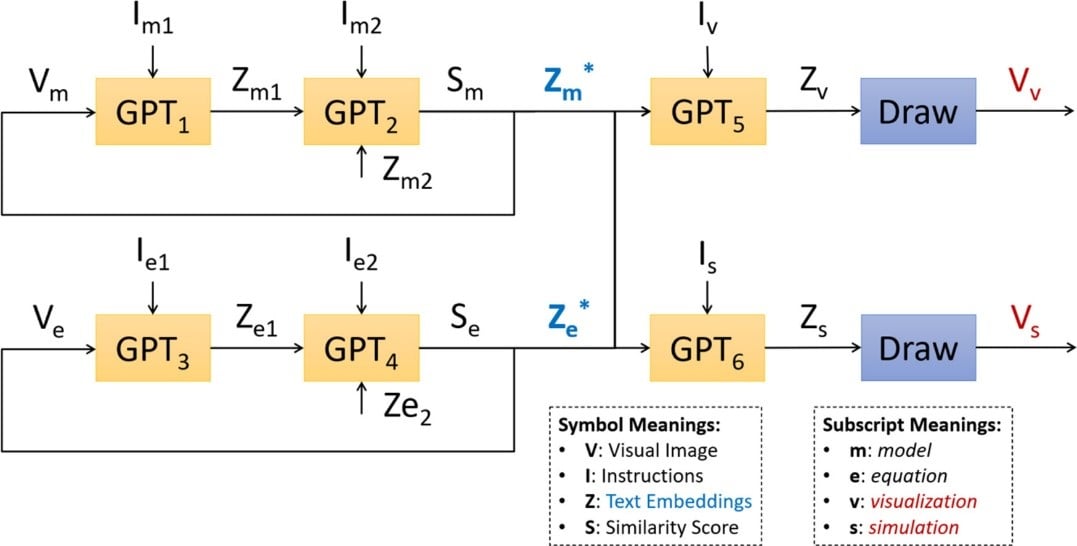
Researchers from National Taiwan University have developed an AI-assisted workflow combining multimodal GPT technology with system dynamics modeling to accelerate circular economy policy analysis. Using Taiwan’s material flow data from 2013 to 2022, the team built dynamic simulations exploring nine policy scenarios to guide the nation’s 2030 circularity goals.

The innovative approach enables GPT to interpret complex system diagrams, including industrial activities, emissions, and resource flows, transforming them into executable simulation models. A six-stage AI process (GPT1–GPT6) allows comprehensive evaluation of policy impacts across Taiwan’s material flow network.

Simulation results suggest that Taiwan’s national circular material use rate could rise from 22% in 2022 to 29% by 2030, with resource productivity increasing from NT$65 to NT$88 per kilogram. Prof. Hwong-wen Ma emphasized that this scalable AI workflow provides data-driven insights for policymakers in Taiwan and other regions seeking to implement effective circular economy strategies.

FDP & tNavigator Workshop by UiTM

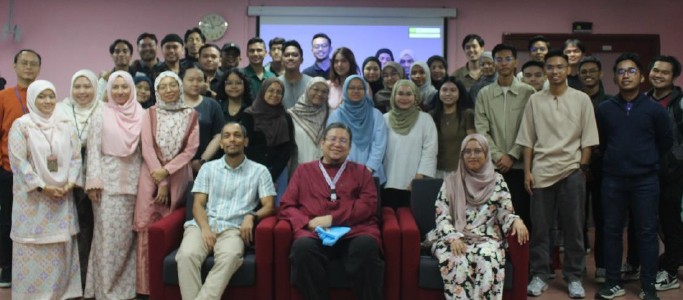
Universiti Teknologi MARA (UiTM), through its Society of Petroleum Engineers (SPE) Student Chapter, successfully organized the FDP Workshop: Reservoir Modeling & tNavigator Demonstration on 25 April 2025 at the College of Engineering. The initiative brought together 42 oil and gas engineering students for a focused engagement on reservoir modeling and digital simulation tools, reinforcing UiTM’s commitment to bridging academic learning with industry practice.

The workshop introduced participants to the fundamentals of Field Development Planning (FDP), emphasizing the integration of technical and economic parameters in reservoir evaluation. A key highlight was the demonstration of tNavigator, a high-performance simulation software widely adopted in the oil and gas sector. Students gained firsthand exposure to its capabilities in dynamic modeling, scenario analysis, and decision-making support—skills increasingly demanded in modern energy operations.

Beyond technical enrichment, the program served as a platform to cultivate essential professional competencies. Students actively participated in discussions, collaborative exercises, and Q&A sessions with industry experts, enhancing their communication, leadership, and critical thinking abilities. These soft skills are vital for navigating multidisciplinary challenges in upstream energy environments.

The event also fostered meaningful academic-industry linkages, allowing students to engage directly with practitioners and explore real-world applications of their coursework. Feedback from participants highlighted the value of such experiential learning, with recommendations to incorporate more hands-on group simulations in future sessions to deepen applied understanding.

Overall, the workshop exemplified UiTM’s strategic approach to producing industry-ready graduates equipped with both technical acumen and professional agility. By aligning curriculum exposure with evolving sectoral needs, UiTM continues to position its engineering talent at the forefront of Malaysia’s energy transformation.

ITS & UNAIR Lead ASEAN BCG Network Meeting 2025

Institut Teknologi Sepuluh Nopember (ITS) continues to assert its leadership in sustainable research and innovation by hosting the prestigious ASEAN Bio-Circular-Green (BCG) Economy Network Meeting & Conference 2025 on 14 June 2025, in collaboration with Universitas Airlangga (UNAIR). This forum positions ITS and UNAIR at the center of ASEAN’s efforts to integrate bio, circular, and green economy principles into regional research strategies.

The event brought together delegates from 8 (eight) ASEAN member states along with Japan as a dialogue partner. The representatives, drawn from universities and research institutions, were introduced to several of ITS’ flagship initiatives in sustainable technology and innovation. 

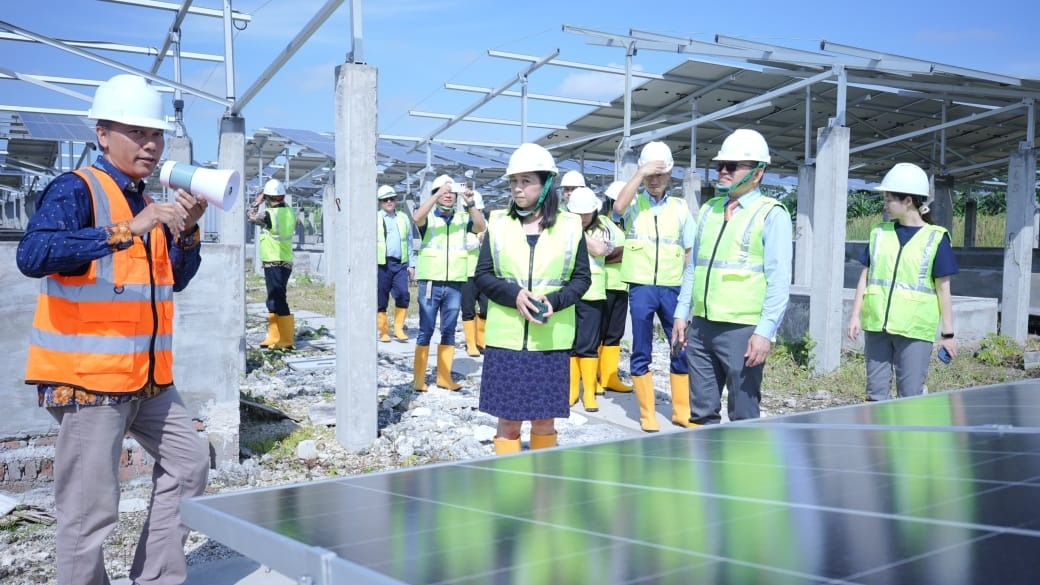
One of the highlights was a visit to the Renewable Energy Integration Demonstrator of Indonesia (REIDI), a pioneering ITS and Nanyang Technological University (NUS) project integrating solar panels, biomass, and rooftop agriculture to generate 300 kWh of independent, renewable electricity. “REIDI reflects ITS’ readiness to contribute to ASEAN’s energy transition through a self-sustained, research-based innovation platform,” explained Dr. Dedet Candra Riawan, REIDI’s Operational Coordinator. 

Further showcasing its research strength, ITS presented its collaboration with Nanyang Technological University (NTU) Singapore on Black Soldier Fly (BSF) larvae research. Conducted at ITS’ Environmental Engineering Laboratory, the project supports circular waste management by converting organic waste into high-value biomass for fertilizers, animal feed, and bioplastics. Prof. I Dewa Ayu Agung Warmadewanthi, Head of the ITS Sustainable Infrastructure and Environment Research Center, emphasized the potential of this research to address regional waste challenges through scalable, nature-based solutions. 

The event also highlighted ITS’ academic innovation through its Biotechnology Study Program, which now offers a curriculum focused on green biotechnology. According to Dr. Triono Bagus Saputro, Head of the Program, students will be trained in cutting-edge research such as plant metabolite extraction, nanoparticle production, and microalgae-based protein development. 

Prof. Ketut Eddy Purnama, Chairperson of the BCG Forum and Head of ITS Center for AI and Digital Technology, closed the forum with a clear vision: “We envision ITS as a collaborative hub for ASEAN in shaping a resilient future. Ecologically, economically, and socially.” 

Through this event, ITS reinforces its position as a regional leader in sustainability-focused higher education and research, building networks that transcend borders to realize a greener, more innovative ASEAN.

Ukrainian coin shines on global stage

Nataliia Fandikova, the Head of the Laboratory at the Department of Graphic Arts of the Igor Sikorsky Kyiv Polytechnic Institute, and a renowned Ukrainian artist, won the International Coin Design Competition 2022, staged by the Japan Mint.


Although she was awarded the Most Excellent Work Gold Medal for her design of the coin “Good morning, Ukraine” in 2022, the official award ceremony took place this year because of the impact of the current global situation. The announcement was made by Norio Yamani, Chairman of the Jury and President of the Japan Mint.


For Kyiv Polytechnic, this recognition carries considerable weight: the university is not only about engineering, drones, or chemistry, but also about art, cultural symbols, and cultural diplomacy that bolster Ukraine’s positive image in the world.


Igor Sikorsky Kyiv Polytechnic Institute takes pride in Nataliia Fandikova’s achievement, a shining example of how Ukrainian talent and inspiration continue to propel national art and culture to the global stage.


https://www.mint.go.jp/eng/enjoy-eng/competition-eng/eng_event_finaljudge2022.html