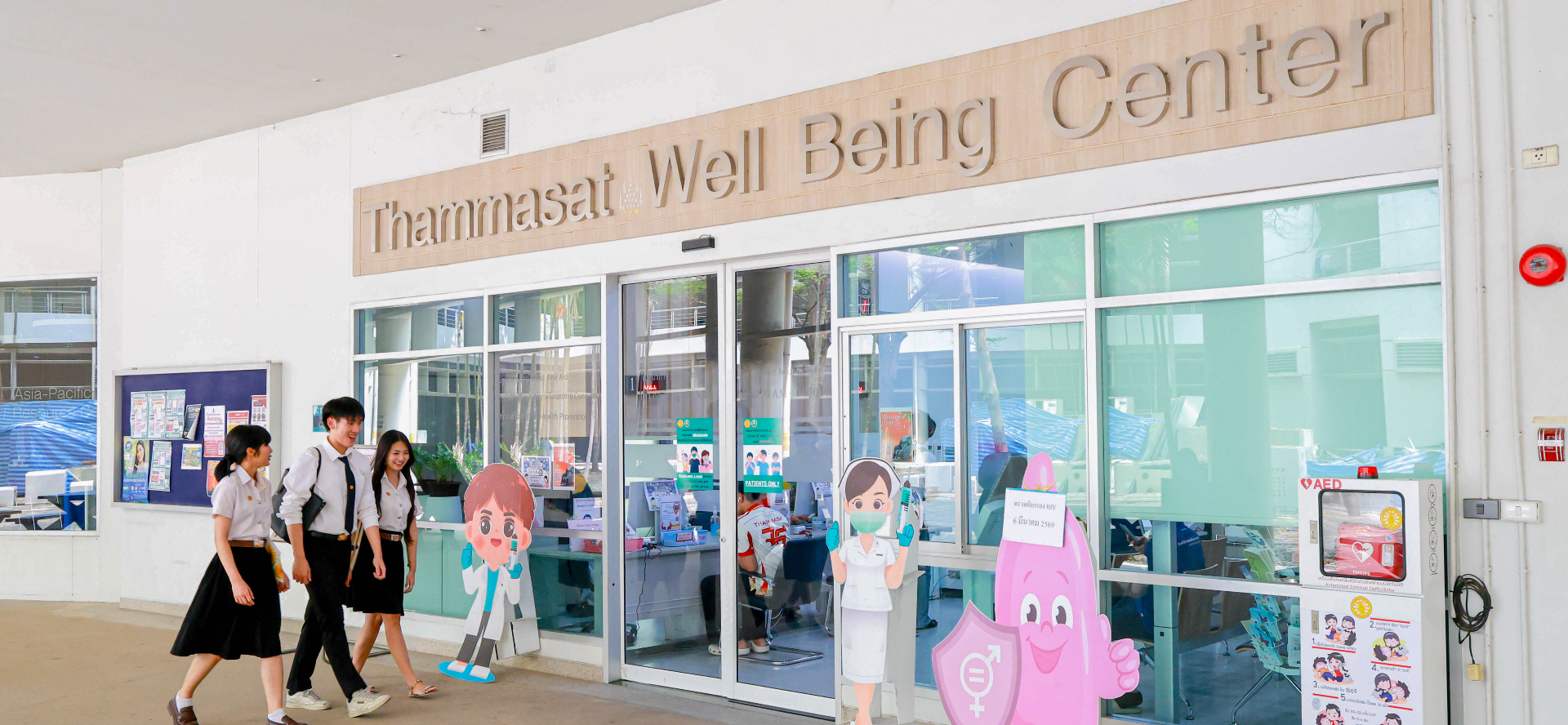
Thammasat Reinvents to Tackle Aging Society

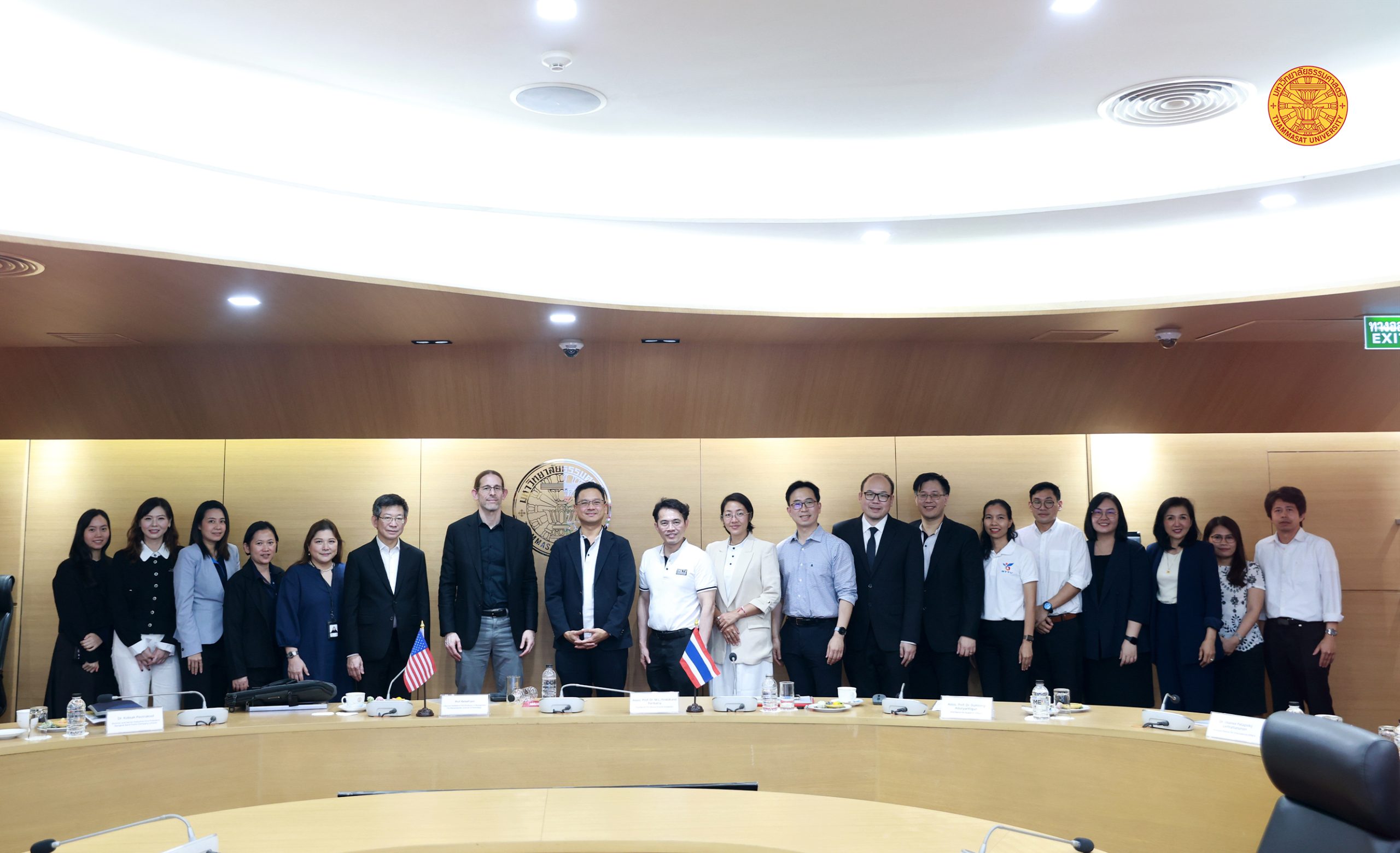
Thammasat University, in collaboration with its Faculty of Public Health, has partnered with the global organization Leave a Nest from Singapore and a network of innovation affiliates to launch the international academic conference, Hyper Interdisciplinary Conference (HIC) Thailand 2026, on January 31, 2026, at Puey Ungphakorn Centenary Learning Park, Thammasat University, Rangsit Center. The conference committed to “Universities Reimagined,” transforming universities into Innovation Catalysts to address the national agenda for a sustainable transition to a Super-Aged Society. This platform unites professors, researchers, students, entrepreneurs, and partners, both domestic and international, to exchange knowledge, build networks, and promote applicable research and innovation through lectures, discussions, and exhibitions.

The HIC Thailand 2026 event this year is held under the theme “Re-imagining Connections: From Education to Ecosystem,” which represents a significant reform in the structure of collaboration. It is not limited to academic exchanges but aims to connect “social structures, communities, the environment, and the industrial sector” together. Crucially, it seeks to transform visionary ideas into tangible innovations to enhance competitiveness on a global scale and to keep pace with the challenges of the digital age.

Assoc. Prof. Dr. M.L. Phinitbhand Paribatra, Vice President for Research and Innovation revealed that in 2025, Thammasat University, through the Faculty of Public Health, received support under the Reinventing University project on the topic of Creating Supportive Environments and Strengthening Health Behaviors for Quality Aging. This initiative aims to leverage science and innovation to address the national agenda concerning an aging society. The collaboration with Leave a Nest thus serves as a crucial mechanism in transforming the university into a future-oriented institution that focuses on providing solutions for society and developing the potential for elderly health on an international level.

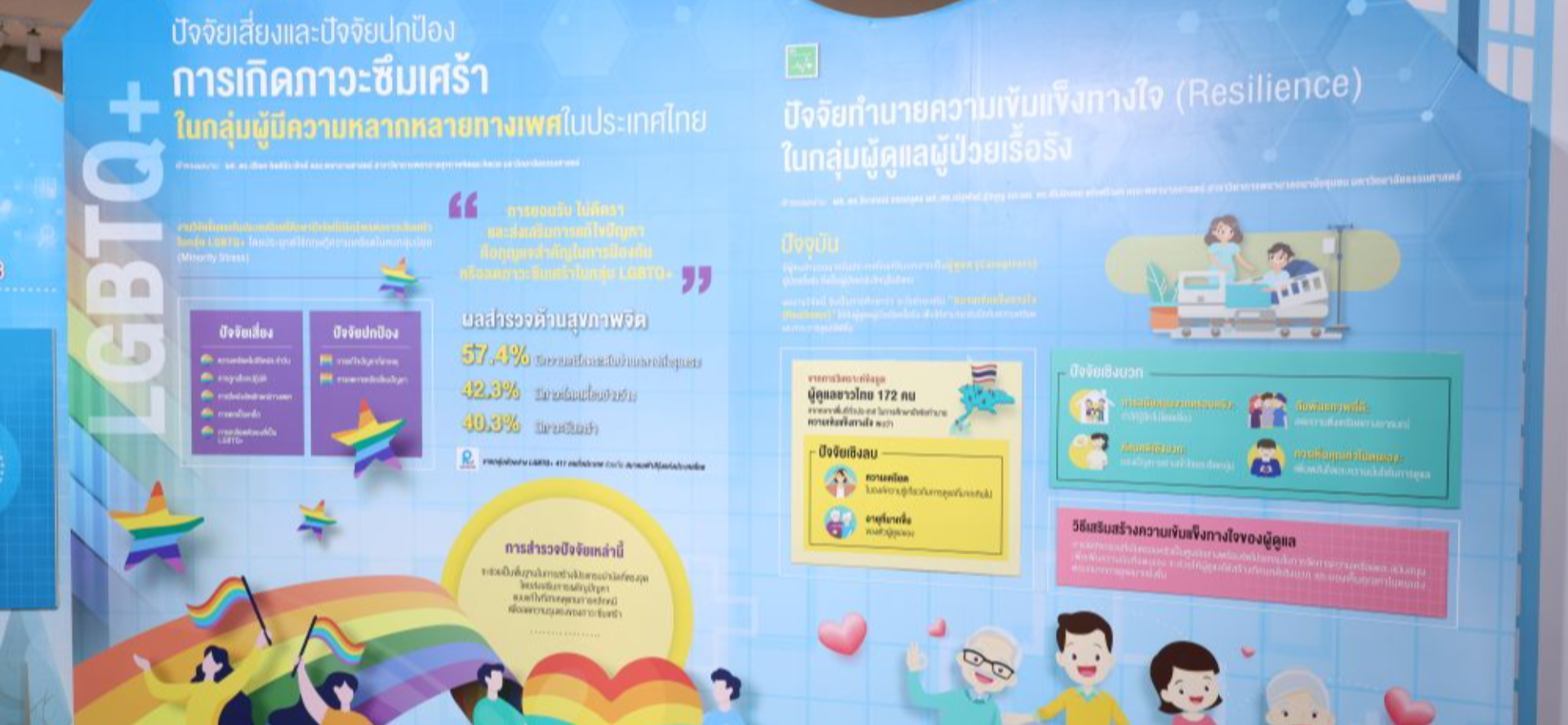
Prof. Dr. Takeo Ogawa discussed “Innovation in Aging Society,” emphasizing that innovation includes social restructuring and leveraging age diversity, not just technology, to turn “burden” into “strength.” The platform allows researchers, startups, and experts to pitch ideas to judges and partners, receive feedback, compete for prizes, and gain commercial development opportunities. This fosters academia-business collaboration for comprehensive elderly care innovations, showcases Thai research and personnel readiness, and includes discussions to inform public policy. An exhibition will feature diverse health innovations (Health Tech) for the aging society, reflecting the innovation ecosystem promoted by Thammasat University.

Asst. Prof. Dr. Soisuda Kesornthong, Dean of Faculty of Public Health, added towards the end of the exchange that today’s interdisciplinary collaboration underscores that innovation and cross-border cooperation are essential in addressing the challenges of an aging society. The knowledge gained will be leveraged to create an environment and health behaviors conducive to sustainable quality of life, marking a significant step in Thailand’s innovation ecosystem. This is a crucial step that reaffirms that “Thammasat University and the Faculty of Public Health” are not merely providers of knowledge but are Future Shapers ready to drive Thailand towards becoming a regional hub for health innovation.

Thammasat–UDC: 10 Disability Proposals

Universal Design Center, Faculty of Architecture and Urban Planning, Thammasat University (Thammasat UDC), is a partner in organizing a public forum on disability policy in society.

Thammasat University, through the Universal Design Center (Thammasat-UDC), Faculty of Architecture and Planning, is a network partner organizing the forum “Scanning Political Party Policies Regarding Persons with Disabilities… A Promise or Just a Deception for Votes?” on February 4, 2026, at Room 208, 2nd Floor, Lecture Building 1, Thammasat University, Rangsit Campus. The forum provides a platform for discussing disability policies, including proposals from disability representatives to political parties and presentations of parties’ disability policies. It aims to showcase policy progress, promote political participation among persons with disabilities and relevant sectors, and ensure persons with disabilities are informed about party policies for the upcoming 2026 elections, aiding their decision-making.

The collaborating organizations for this event include the Disabilities Thailand Association (DTH), Thammasat-UDC, Redemptorist Foundation for People with Disabilities (Mahatai), Independent Living Foundation for Persons with Disabilities, Thailand Council for Independent Living, Thai Health Promotion Foundation (ThaiHealth), Thailand Association of the Blind, National Association of the Deaf in Thailand (NADT), Association of the Physically Handicapped of Thailand (APHT), Association for the Mentally Ill of Thailand, Association for Parents of Person with Intellectual Disability of Thailand (APID), and Association of Parent for Thai Persons with Autism.

DTH, in collaboration with partner networks, has developed “Policy Proposals for the Promotion and Development of the Quality of Life of Persons with Disabilities” in accordance with the resolutions of the National Assembly of Persons with Disabilities and the Annual General Meeting of 2024, addressing 10 urgent key issues as follows:

DTH, with partner networks, created policy proposals based on resolutions from the National Assembly of Persons with Disabilities and the 2024 Annual General Meeting, addressing 10 urgent key issues.

1. The acceleration of the improvement and enforcement of the Disability Quality of Life Promotion and Development Act, B.E. 2550 (2007) 

2. The promotion and support of services for persons with disabilities in localities and communities 

3. A disability allowance of 3,000 baht in full 

4. The enhancement of the fund for the promotion and development of the quality of life of persons with disabilities 

5. The promotion of employment opportunities for persons with disabilities and the support of social enterprises for persons with disabilities

6. Inclusive education management 

7. Creating an accessible Environment for all 

8. Disability inclusive disaster risk reduction 

9. Promoting disability initiatives in collaboration with Local Administrative Organizations for practical implementation at the local and community levels 

10. Tax measures for civil society organizations receiving government funding

Thammasat Hosts 11th SUN Conference

On February 2, 2026, at the Phra Kiao Pavilion, Chulalongkorn University, Assoc. Prof. Chol Bunnag, along with the working committee, represented Thammasat University in taking over the role of host for the 11th conference of the Sustainable University Network of Thailand (SUN Thailand). The event marks a significant milestone in demonstrating Thammasat University’s commitment to being a leader in sustainable development.

Asst. Prof. Chol Bunnag, Assistant to Rector for Quality Development and Sustainability at Thammasat University, stated that by hosting the 11th event, Thammasat aims to foster learning and innovation, enabling member universities to find solutions to global crises through teaching, research, and campus management, aligning with its “sustainability for the future” vision. The university emphasizes becoming a “mechanism for real change” locally by applying research for community and commercial development, integrating diverse knowledge for tangible progress. This establishes a responsive learning cycle relevant to Thai society for true sustainability.

The Sustainable University Network of Thailand (SUN Thailand) currently comprises over 65 higher education institutions across the country. Its primary mission is to facilitate knowledge exchange and collaboratively drive initiatives in alignment with the United Nations Sustainable Development Goals (SDGs). Furthermore, SUN Thailand serves as a crucial component at the regional level, being a member of the Asian Sustainable Campus Network (ASCN), alongside leading university networks from Japan, China, and South Korea, to collaboratively establish a foundation for environmentally friendly and socially responsible university management on an international scale.

Thammasat Welcomes Israeli Ambassador

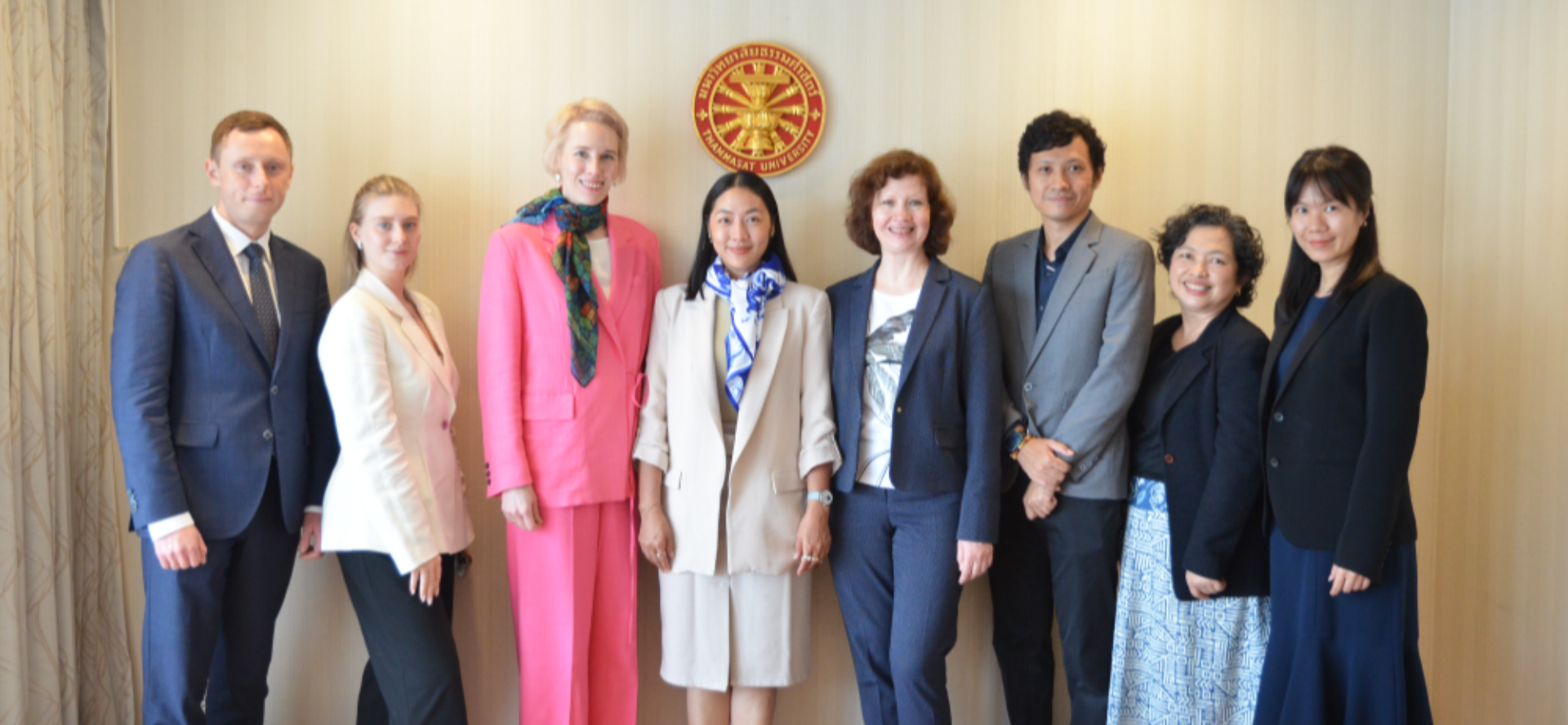
On 28 January 2026, Professor Dr. Supasawad Chardchawarn, Rector of Thammasat University, received a courtesy call from H.E. Ms. Alona Fisher-Kamm, Ambassador of the State of Israel to Thailand, on the occasion of her assumption of duty and introductory visit. The Ambassador was accompanied by senior officials from the Israeli Embassy. The welcoming meeting was also attended by Thammasat University’s Vice Rector and the Assistant to the Rector for International Affairs.

The visit aimed to explore potential avenues for academic cooperation between Thammasat and academic institutions in Israel, with particular emphasis on joint seminars, collaborative research, short-term academic programs and other cooperative initiatives.

During the discussion, the Rector highlighted the importance of internship opportunities at the undergraduate level across all disciplines to enhance students’ practical experience and career readiness. He also emphasized Thammasat University’s interest in strengthening knowledge and research capacity in the fields of agriculture and medical technology, areas that align closely with Israel’s recognized expertise.

The Assistant to the Rector further noted Thammasat’s strong commitment to the United Nations Sustainable Development Goals (SDGs) and expressed the University’s readiness to collaborate on SDG-related activities.

This visit represented a significant step in strengthening educational and academic ties between Thammasat and institutions in Israel.

Thammasat Graduates Achieve 92% Employment Rate, Highlighting ‘Strong Soft Skills’

Thammasat University has
revealed the results of a survey on the employment status of its bachelor
’s degree graduates, indicating an employment rate of
92.62%, which shows a continuous increase from previous cohorts. This reflects
the strength of the curriculum and the readiness of graduates to enter the
labor market. The majority of graduates, accounting for 64.77%, are employed in
the private sector, followed by 15.83% in government positions and 12.45% in
independent businesses. This success is attributed to the essential special
skills that the university consistently provides to students throughout the
program, such as the integration of practical professional skills, internships
with leading organizations both domestically and internationally, and a
cooperative education and career development center that effectively assists in
career path planning.


Professor Dr. Supasawad Chardchawarn, Rector of Thammasat
University
,
commented on a survey of 6,366 graduates, revealing that those in the health
sciences group had the highest employment rate at 95.67%, followed by social
sciences and humanities at 92.46%, and science and technology at 91.32%. This
reflects the continued high demand for labor in the health sector in the
post-COVID-19 era, as well as the potential for curriculum development and
effective support from the university. Additionally, the average monthly income
of graduates has increased by approximately 2.78% compared to the previous
graduating class.


Mook – Arthitayaphorn Palasoon, a graduate of
the Faculty of Nursing at Thammasat University
, stated
that the curriculum at Thammasat University is robust and fully aligned with
the higher education qualification standards. It effectively integrates real
professional skills, allowing students to gain work experience and build
confidence as they prepare to enter the job market. These elements are crucial
in making Thammasat graduates highly sought after in the labor market, as they
are well-equipped with both professional skills and the ability to adapt to a
rapidly changing work environment. Furthermore, Thammasat graduates possess
outstanding soft skills, enabling them to collaborate effectively with others,
adapt well, think critically, speak boldly, take action, and exhibit
creativity.


Additionally, graduates
from faculties, colleges, and institutions in the social sciences and
humanities fields have been found to have equally high employment rates,
exceeding 90%. For instance, the Faculty of Learning Sciences and Education has
an employment rate of 98.33%, the Faculty of Commerce and Accountancy 96.56%,
the Faculty of Sociology and Anthropology 94.64%, the Faculty of Journalism and
Mass Communication 93.36%, the Faculty of Law 92.04%, the Faculty of Liberal
Arts 91.39%, and the Faculty of Fine Arts 91.18%, among others.


The aforementioned
statistics result from the systematic implementation of curriculum development
that aligns with the demands of the labor market at Thammasat University. In
terms of knowledge and essential skills that influence employability, critical
thinking, proficiency in foreign languages, and communication are significant
factors that enhance job-seeking opportunities. Therefore, in addition to
academic knowledge, soft skills are equally important in creating
differentiation in the labor market.


Thammasat University
continues to uphold its position as a
“Leading
Comprehensive University for Future Societies”
by focusing on producing
graduates with the knowledge and adaptability needed for a rapidly changing
work environment. The university is committed to developing curricula that
align with labor market demands, fostering a learning-friendly environment, and
supporting employment opportunities through internship programs, career
guidance, and essential skill development, enabling graduates to adapt and
compete confidently in the job market.


Thammasat University Partners with CP to Develop Entrepreneurs for the 5.0 Era

On April 3, 2025, at True Tower Ratchada, Thammasat University, Rangsit campus, a collaboration discussion with Charoen Pokphand Group (CP) was held through the exchange of visions to prepare for the transition into the 5.0 era. The common goal is “to develop curricula and learning models that meet the demands of the new world,” aiming to produce graduates with comprehensive skills in AI technology, creativity, and practical business understanding. The meeting was led by Professor Dr. Supasawad Chardchawarn, the Rector of Thammasat University, along with the executive teams of Thammasat and Charoen Pokphand Group (CP). Thammasat University and Charoen Pokphand Group have collaborated for over 20 years. The partnership began with student exchange programs with Shanghai International Studies University (SISU), and has expanded to internships for Thammasat students with CP Group.

Professor Dr. Supasawad Chardchawarn affirmed the strong partnership between CP and Thammasat University. CP’s 104 years of growth and adaptability, along with its focus on essential consumer goods, position it for continued success. The collaboration aims to develop a workforce that meets business needs and contributes to sustainable national development. One of the key projects that has been further discussed is the “Entrepreneur Project,” providing opportunities for students to learn the process of becoming an entrepreneur, from the initial concept to practical implementation. This initiative aims to prepare them for the new business world and to inspire young entrepreneurs.

Mr. Soopakij Chearavanont, Chairman of the CP Group, stated that they are in a significant transitional era. CP must adapt swiftly, not merely to keep pace with the world but to lead by cultivating talented individuals who are proficient in utilizing technology.

Mr. Thanakorn Seriburi, Vice Chairman of CP Group, as a pioneer in the relationship between CP and Thammasat University, revealed that the collaboration between CP and Thammasat University is a valuable relationship because it is not merely an exchange of knowledge; they create real experiences for Thai students on the international stage. The partnership with SISU University, which started from a small group, has now expanded to several faculties and is evolving into new projects, such as the “Tao Kae” or the Entrepreneurs project, reflecting that human development is the most powerful long-term investment.

Dr. Teerapol Tanomsakyut, Chief of Data Strategy and Organizational Communication and Chief of Sustainability and Strategic Development, further stated that today, human development needs to go beyond traditional learning to create real-world experiences. The “Tao Kae” project with Thammasat University will provide a space for students to become entrepreneurs, learning from idea to business operation. This model combines creativity, technology, and entrepreneurship.

In addition to project-based collaboration, CP also has executives who play a continuous role in providing academic support, such as Mr. Prasertsak Ongwattanakul, Senior Consultant of the Automotive and Industrial Business Group in China. He continues to serve as a guest lecturer in various faculties at Thammasat University, sharing real-world business experiences in the classroom to prepare students to face challenges in the actual working world.

CP and Thammasat University firmly believe that the deep integration of the power of educational institutions and the private sector is the key to building a strong human capital to propel Thailand forward in a rapidly changing world.


Thammasat Forum 2026: Future Workforce

On January 21, 2026, the Cooperative Education and Employment Center of Thammasat University (TUCEEC), in collaboration with the Case of Thammasat (COT), organized the Thammasat Forum 2026 under the theme “New Colors for The Future of Thammasians” at the Puey Ungphakorn Centenary Learning Park, Thammasat University, Rangsit Center. This event served as a platform for exchanging knowledge, experiences, and solutions to the challenges faced by the new generation in the workforce, emphasizing the creation of inspiration and providing opportunities for students and youth to pose questions and collaboratively seek answers regarding the future of their career paths and lives amid the uncertainties of the present era.

This project reflects the significant role of TUCEEC in supporting the preparation of students in terms of skills and real-world experience, enabling them to respond to the rapidly changing demands of the labor market. It also promotes the establishment of professional networks, fosters collaboration with the private sector, and enhances students’ abilities to adapt and plan for sustainable careers.

The event was honored by Dr. Punpermsak Aruni, Deputy Permanent Secretary of the Ministry of Higher Education, Science, Research and Innovation, and Assoc. Prof. Dr. Kittiwat Chunchaemsai, Vice Rector for Administration of the Lampang Center and Student Affairs at Thammasat University, who served as the chairpersons for the opening ceremony.

Assoc. Prof. Dr. Kittiwat highlighted 2026 as a crucial transition year. Thammasat University aims to produce graduates with academic and innovative skills, contributing to the sustainable development of Thai society and the global community. The Thammasat Forum 2026, which invited esteemed experts to share real-world experiences and discuss various topics, reflects the university’s commitment to dialogue and collaboration between students and professionals to design the future.

A talk show by Assoc. Prof. Dr. Chadchart Sittipunt, Governor of Bangkok, and Mr. Chai Iamsiri, Chief Executive Officer of Thai Airways International Public Co., Ltd., on the topic “The Wealthy Canvas: Defining Wealth” were presented. Additionally, the topic “The Price of Growing Up: The Expensive Lessons of Maturity in a World That Is Not as Kind as We Thought” was presented by Mr. Vasupol Tangsombatwisit, Executive Director of Yunnan Yuyun Corporation Group Co., Ltd., alongside Mr. Piradon Meiyakhorn, Chief Executive Officer and Founder of i HAVE CPU Co., Ltd.

The forum included discussions by faculty and experienced professionals sharing work insights.


One discussion, “The Well of Opportunities Leading to the Field of Practical Application: The Role of Cooperative Education in Student Development,” featured Assoc. Prof. Dr. Rachada Kongkachandra (Vice Rector for Academic Affairs, Thammasat University) and Assoc. Prof. Dr. Surin Ngaemngam (Director of the Cooperative Education Office, Rajamangala University of Technology Thanyaburi).


Another discussion, “3 Dilemma Problem: 3 Structural Crises Challenging the New Generation,” included Assoc. Prof. Dr. Dumrong Adulyarittikul (Vice Rector for Academic Affairs, Thammasat University); Asst. Prof. Dr. Parinya Thaewananarumitkul (Faculty of Law, Thammasat University); Mr. Atichan Chingchawano (automotive expert, “Spin 9” YouTube owner); Dr. Tany Thanayawan (pulmonary medical expert, “Doctor Tany” YouTube owner); and Mr. Jaruwat Laohawisit (Executive Director, Pet Protect Food Co., Ltd.). The event drew a large audience of students, faculty, and staff.


In an ever-changing world, Thammasat University adapts its education to meet labor market demands, focusing on graduates with practical skills and experiential learning. The university is establishing sector networks to support internships. The Thammasat Forum 2026 will officially launch the Thammasat University Center for Cooperative Education and Employment (TUCEEC), a central hub for public and private employment networks, dedicated to preparing students for the future job market.

Thammasat and Cheongju Universities Sign MOU

On 20 January 2026, Professor Dr. Supasawad Chardchawarn, Rector of Thammasat University, welcomed Dr. Kim Yoon-Bae, President of Cheongju University of the Republic of Korea, for an official meeting at Thammasat’s Rangsit campus.

Joining the Rector in the discussions were the Assistant to the Rector for International Affairs, along with executives from the Faculties of Science and Technology, Allied Health Sciences and Pharmacy. The Korean delegation included the former Korean Ambassador to Portugal, a First Secretary from the Embassy of the Republic of Korea in Thailand, and administrative staff from the Office of International Affairs at Cheongju University.

During the meeting, the two universities explored prospective avenues for cooperation within a bilateral academic framework. Key areas of discussion included student and faculty exchanges, internship opportunities, and joint academic initiatives. In particular, the Faculty of Science and Technology has expressed strong interest in developing collaborative academic activities in Food Science, with a focus on kimchi studies, food innovation, and fermentation technology.

Following the meeting, Thammasat and Cheongju Universities marked a significant milestone by formally signing a Memorandum of Understanding (MOU), co-signed by the Rector of Thammasat University and the President of Cheongju University. The agreement reflects the shared commitment of both institutions to strengthening academic collaboration across key disciplines.

Through this MOU, students and faculty from both institutions will benefit from expanded opportunities for international engagement, academic collaboration and cross-cultural exchange. 

Thammasat Innovates One-Day Artificial Eyes

While most eye diseases are treatable, some conditions like accidents or tumors can lead to irreversible vision loss and eye removal, impacting patients’ social confidence. Artificial eyes are crucial for these patients to maintain their self-assured lifestyle. Off-the-shelf ocular prosthetics often lack realism. To address this, Thammasat University’s ophthalmologists and dentists created “3D Printed Customized Ocular Prosthesis in One Visit Delivery.” This innovation uses 3D printing and photographic imaging to produce personalized, realistic ocular prosthetics in a single day, eliminating long waits for patients.

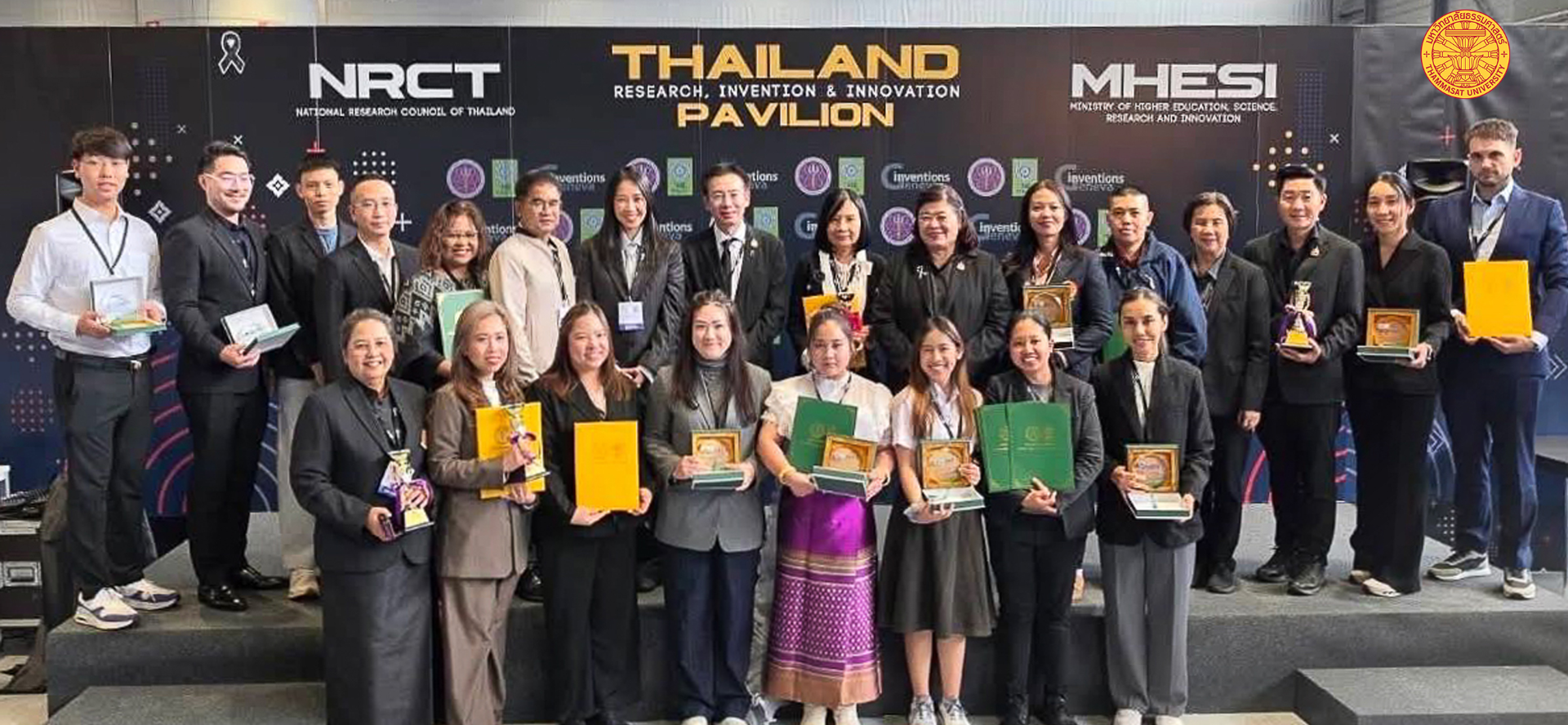
3D Printed Customized Ocular Prosthesis in One Visit Delivery” is the result of the efforts of the Artificial Eye Center team at Thammasat University, led by Assoc. Prof. Dr. Sakchai Wongkittiruk (M.D.), Dr. Waraporn Mitsantisuk, an ophthalmologist, and Asst. Prof. Dr. Jitpimol Siriphan, a dentist. This work has successfully won the JDIE Best Invention Award at the Japan Design, Idea and Invention Expo held in Tokyo, Japan, competing against over 366 entries from 25 countries. In addition, it has also been able to receive numerous prestigious awards, such as the Gold Medal from the World Invention Intellectual Property Associations and the NRCT Special Award from the National Research Office, among others.

Create a realistic ‘artificial eye’ within one day.

Ocular prosthetics can be categorized into two types: ready-made prosthetics and custom prosthetics. The process of creating custom prosthetics originally involved several steps, including the initial printing of the eye socket, fitting of the clear glass eye, marking the position of the pupil, and applying color to the sclera and iris to achieve a realistic appearance that closely resembles the patient’s natural eye. This craftsmanship requires varying levels of skill and time. Therefore, the innovation of “3D Printed Customized Ocular Prosthesis in One Visit Delivery” utilizes technology to enhance aesthetics, reduce the time required for production, and improve the ability to predict the outcome with precision.

Asst. Prof. Dr. Jitpimol, a faculty member of the Faculty of Dentistry at Thammasat University, explained that this innovation combines 3D printing to create a sclera-like piece from a patient’s eye socket scan and a photography technique to apply the image onto it. This multi-step process for personalized prosthetic eyes is reduced to just 4 hours. Assoc. Prof. Dr. Sakchai further stated that the limitation is that it previously took months, or even several months, to obtain a custom prosthetic eye. This is due to the need for various molds and steps in the process, as well as the skill of the prosthetic eye maker in replicating the appearance of the other eye. While it may be an improvement over traditional ready-made prosthetic eyes, achieving a lifelike beauty requires both science and artistry, making the results difficult to predict. This has led to the innovation we see today. Currently, we observe a significant use of 3D printing technology in the medical field, including its application in dentistry for creating dentures for patients.       

Thammasat Researchers: Innovators for Society

Thammasat University, a pillar of society, educates quality graduates and supports research and innovation to address social issues. The university is currently aligning faculty and student research with pressing needs to create tangible societal benefits. Assoc. Prof. Dr. Sakchai emphasized that universities, beyond teaching, must generate practical research and innovations that improve quality of life. This specific innovation aims to empower visually impaired patients to live confidently.

The innovation “3D Printed Customized Ocular Prosthesis in One Visit Delivery” has been implemented at Thammasat University Hospital since the beginning of 2025. Currently, there are over 10 patients utilizing ocular prostheses from this innovation. The feedback received indicates increased happiness and confidence in social interactions among the patients. In the future, this innovation will be developed to reduce the time required for creating ocular prostheses, making them more aesthetically realistic, and enhancing public access to the services provided by this innovation.

Thammasat Partners ThaiHealth

Thammasat University, in collaboration with the Office 8 (Happy 8 Workplace) of the Thai Health Promotion Foundation (ThaiHealth), held the “Summary of Lessons Learned and Success of the Future Wellness University Project”, Future Wellness University: Closing Press Conference on September 5, 2025, at Thammasat University, Rangsit Center.


Assoc. Prof. Dr. Pharuhat Tor-Udom, Vice Rector for Administration (Health Sciences), Thammasat University, and Chairman of the Project’s Executive Committee, stated that the project’s success stems from two years of systematic collaboration. Activities like the “TU Future Wellness Fit Journey” program increased exercise frequency for 120 participants and improved sleep. The “Mental Health Check-up Day” event reached over 620 individuals, providing timely referrals for severe mental health issues. Thammasat Hackathon: Future Wellness event also enables students to develop innovations in health and wellness which promotes mental health. There is also a campaign reducing traffic accidents in the area, which has been found to decrease by up to 55% per month. Additionally, there is a campaign to make the university smoke-free and free from electronic cigarettes. He also announced the TU Future Wellness Application’s success. With over 6,000 users, it’s a key platform for health data and services, including mental health referrals (1,200+). The app offers holistic health assessments, covering mental health, addiction, happiness, and 10+ well-being dimensions, providing self-assessment and personalized recommendations.

Mr. Phongsak Thongrattana, Director of the Office 8 (Happy 8 Workplace) of ThaiHealth, stated that the project aligns with ThaiHealth’s mission to promote sustainable well-being, especially for youth. ThaiHealth provided comprehensive support, and the project’s success demonstrates effective collaboration among stakeholders. The initiative has translated well-being concepts into practice, promoting behavioral and health changes that reduce risks and foster health discipline. The project establishes a system and policy for a “University of Future Wellness,” using the TU Future Wellness app to align with university and international policies like SDG 3 and AUN-HPN. This collaboration helps Thammasat University become a model “University of Future Wellness” nationally and internationally, according to Mr. Phongsak.


Asst. Prof. Dr. Thanyaporn Soontornthum, Director of the Thammasat Institute of Area Studies and Project Leader, announced that the Future Well-Being University project, which enhances student quality of life and promotes a well-being university for staff, will continue into its next phase to ensure uninterrupted care for the Thammasat community. The project aims to expand its reach to include personnel nearing retirement and vulnerable students. Key activities like Mental Health Check-up Day and TU Future Wellness Fit Journey will persist. Dr. Thanyaporn also advocated for a central budget to support individuals in promoting well-being within their organizations.

There is an exhibition titled “Wellness Journey,” which conveys the story of the project’s journey and the inspiration behind creating a space for the well-being of students and staff. It showcases actual activities and operations, as well as the use of technology to promote wellness, leading to systemic outcomes that have brought about changes in policy, the enhancement of healthcare, and the establishment of a sustainable wellness culture within the university’s learning environment.