NTU-Led Team Solves Ancient Sea Rise Puzzle

Understanding how quickly ice sheets can collapse is among the most urgent questions in climate science—and the geological past offers the only real-world test cases. An international research team led by Professor Chuan-Chou Shen of the Department of Geosciences at National Taiwan University (NTU) has now reconstructed the mechanism behind the most extreme warming and sea level rise event of the past million years. Published in Nature Communications in June 2026 and selected by editors as a Featured Article, the study shows that the weakening and subsequent recovery of the Atlantic Meridional Overturning Circulation (AMOC) drove a large-scale redistribution of heat within the ocean, triggering rapid ice shelf melting and abrupt sea level rise.

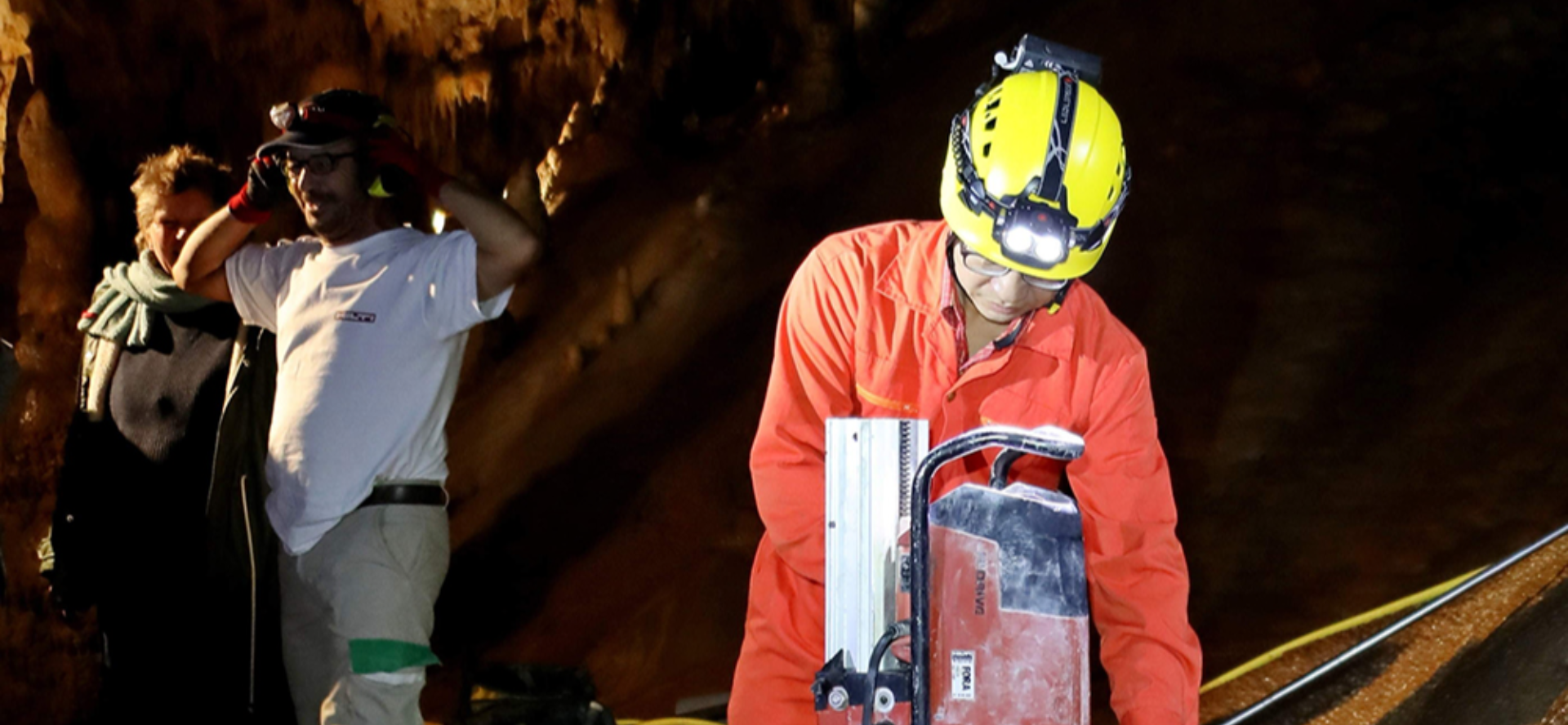
The team focused on Termination IV, a deglaciation roughly 340,000 years ago during which sea levels rose by as much as five meters per century—orders of magnitude faster than today’s rate of a few millimeters per year. Previous research had struggled to establish causality because marine sediment records lacked precise absolute dating. Beginning in 2012, the team conducted repeated fieldwork at Bàsura Cave in northern Italy, drilling flowstone cores and applying high-precision uranium-thorium dating at NTU’s HISPEC laboratory to build an independently dated hydroclimate record of the European westerlies. Integrating this framework with North Atlantic sediment records allowed the first precise reconstruction of the sequence linking circulation change, ocean warming, and sea level rise. The team established a chronology for five termination events across 440,000 years, finding that AMOC weakened for approximately 13,000 years during Termination IV—the longest such interval on record—trapping enormous heat in the deep ocean before releasing it toward polar regions.

The implication is that oceans do not merely store heat passively but actively regulate ice sheet stability through circulation. Professor Shen notes that while conditions 340,000 years ago cannot be mapped directly onto the present, the finding matters because the Greenland and Antarctic ice sheets are currently shrinking, and whether AMOC weakens or reorganizes will be decisive for future projections. Should deep ocean heat again be delivered rapidly beneath ice shelves, sea level rise may prove abrupt rather than gradual. Completed by more than 15 institutions across Asia and Europe, with core laboratory work and manuscript preparation led by NTU graduate Dr. Hsun-Ming Hu, the study offers a stronger scientific basis for coastal and low-lying regions planning climate adaptation.

NTU Physicist Wins Top Asian Magnetics Award

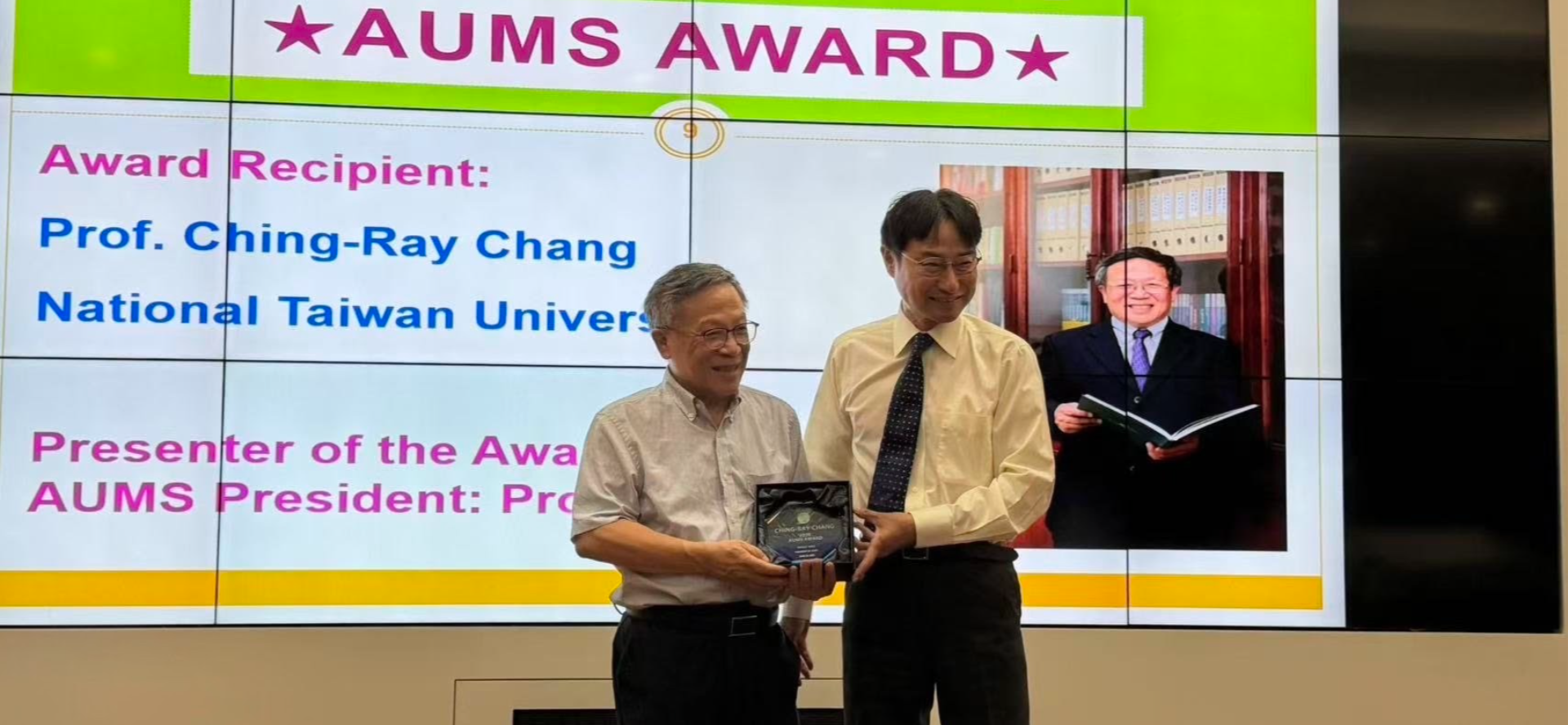
Recognition from regional scholarly bodies offers one of the clearest measures of a university’s standing among its peers, and Asia’s magnetics community has just delivered such a verdict. At the Taiwan Magnetics Annual Conference held in Kinmen on July 21, 2026, the Asian Union of Magnetics Societies (AUMS) announced that its highest honor, the AUMS Award, would go to Professor Ching-Ray Chang, Emeritus Professor in the Department of Physics at National Taiwan University (NTU) and Chair Professor at Chung Yuan Christian University, jointly with Professor Yoshishige Suzuki of the Osaka Institute of Technology in Japan. Conference chair Professor Teruo Ono of Kyoto University presented the award and certificate in person.

Established in 2009, AUMS brings together the magnetics societies of Taiwan, Japan, Korea, China, Vietnam, Indonesia, and Russia, and confers its flagship award every two years to honor Asian scholars whose work in magnetism, magnetic materials, and applications has achieved world-class significance. The award citation highlighted Professor Chang’s pioneering contributions across quantum computing, spintronics, nanotechnology, and quantum education, noting how his research integrates quantum information science, advanced materials, and quantum-inspired computing. It further credited his visionary leadership with advancing international collaboration and cultivating scientific talent throughout Asia, thereby strengthening the region’s strategic position within the global quantum technology landscape. Both laureates have been invited to deliver keynote addresses at the International Conference of AUMS (IcAUMS) in 2028.

The honor follows Professor Chang’s recent inclusion in the Quantum 100, a global list compiled in connection with the United Nations International Year of Quantum Science and Technology in 2025, underscoring the breadth of a career spanning fundamental physics, applied technology, and science education. NTU’s presence at the awards extended to the next generation as well: Dr. Danru Qu of the university’s Center for Condensed Matter Sciences was among the recipients of the AUMS Young Researcher Award, established to encourage emerging scholars. Taken together, the two awards point to sustained research capacity in spintronics at NTU and to a pipeline of talent connecting established leadership with early-career researchers—a combination increasingly central to how universities build durable influence in strategically important scientific fields.

TMU Identifies New Brain Target for Diabetes

Diabetes and obesity remain major global health challenges, and researchers are increasingly looking beyond peripheral organs such as the pancreas, liver, muscle, and adipose tissue to better understand how metabolic diseases develop and progress. The brain, particularly the hypothalamus, has emerged as a key regulatory center for energy balance, blood glucose control, and systemic metabolism. However, the neural mechanisms linking brain signaling to metabolic dysfunction are still not completely clear.

A recent study led by Assistant Professor Ya-Tin Lin at the Graduate Institute of Metabolism and Obesity Sciences, College of Nutrition, Taipei Medical University (TMU), provides new insight into this field. Her research identifies a hypothalamic neuropeptide pathway that may contribute to central insulin resistance and systemic metabolic imbalance, offering a new perspective on the relationship between the brain and metabolic disease.

Hypothalamic arcuate nucleus NPFFR2 signaling impairs central insulin sensitivity and exacerbates diabetes-related metabolic dysregulation in mice, suggesting that its activation exerts a negative modulatory effect on centrally mediated metabolic parameters.
With these research findings, Assistant Professor Lin received 2nd Prize in the 9th (2025) Professor Juei-Hsiung Tsai Excellent Research Award. The award-winning study, “Hypothalamic NPFFR2 attenuates central insulin signaling and its knockout diminishes metabolic dysfunction in mouse models of diabetes mellitus,” was published in the international journal Clinical Nutrition (2024 Impact factor 7.4; ranked in the top 7.1% in NUTRITION & DIETETICS).

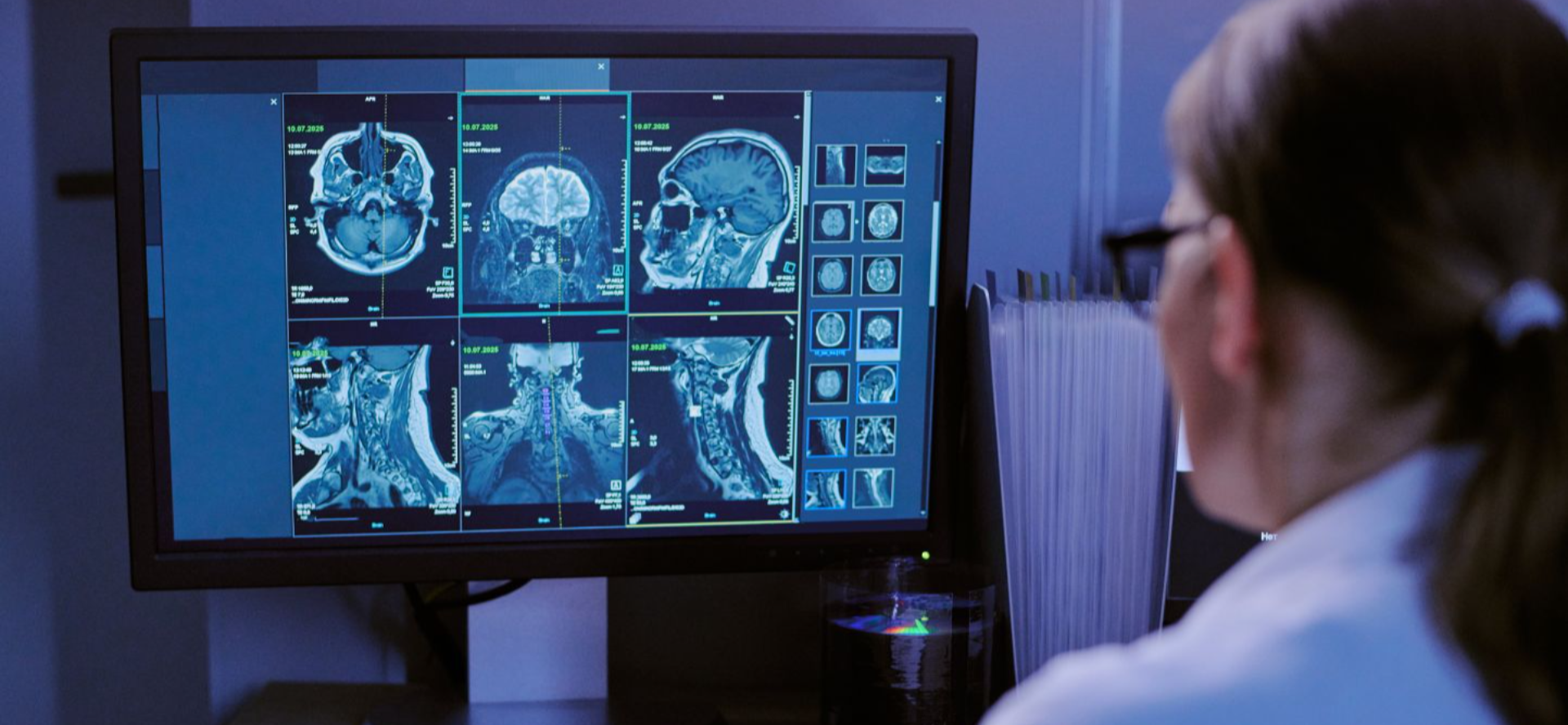
The study focuses on neuropeptide FF (NPFF) and its receptor, neuropeptide FF receptor 2 (NPFFR2), in the hypothalamus. The findings show that this neuropeptide system plays an important role in regulating the sensitivity of neuronal insulin signaling pathways. When NPFFR2 is abnormally activated in the arcuate nucleus of the hypothalamus, central insulin signaling may be impaired, worsening insulin resistance in the diabetic brain and negatively affecting systemic glucose and lipid metabolism.

Using mouse models of diabetes, together with molecular, cellular, and physiological approaches, the research team demonstrated that deletion of NPFFR2 attenuated both central and peripheral metabolic dysfunction. These findings suggest that NPFFR2 may be a key factor in the progression of metabolic diseases such as diabetes and obesity.

The research also highlights the active role of the brain in metabolic regulation. Rather than merely passively receiving information about the body’s metabolic state, the brain serves as a central hub that helps coordinate energy balance and blood glucose control. Understanding how neural signals influence peripheral metabolism may therefore open new directions for the prevention and treatment of chronic metabolic disease.

Looking ahead, the NPFFR2 pathway may serve as a potential target for future drug development or nutritional intervention strategies. By improving central insulin resistance, such approaches could create new opportunities for managing diabetes, obesity, and related metabolic disorders.

Look for More Information

NTU-Led Team Pioneers Operando Semiconduct

As the semiconductor industry pushes transistors toward atomic dimensions, a long-standing measurement bottleneck has threatened progress: no reliable way to directly observe how charge carriers behave at the shrinking contact between metal and semiconductor. A research team led by Distinguished Professor Ya-Ping Chiu of the Department of Physics at National Taiwan University (NTU) has now overcome that barrier, developing a technique capable of probing a working chip at atomic-scale resolution. The findings were published in Nature on July 1, 2026 (Nature 655, 350–356).

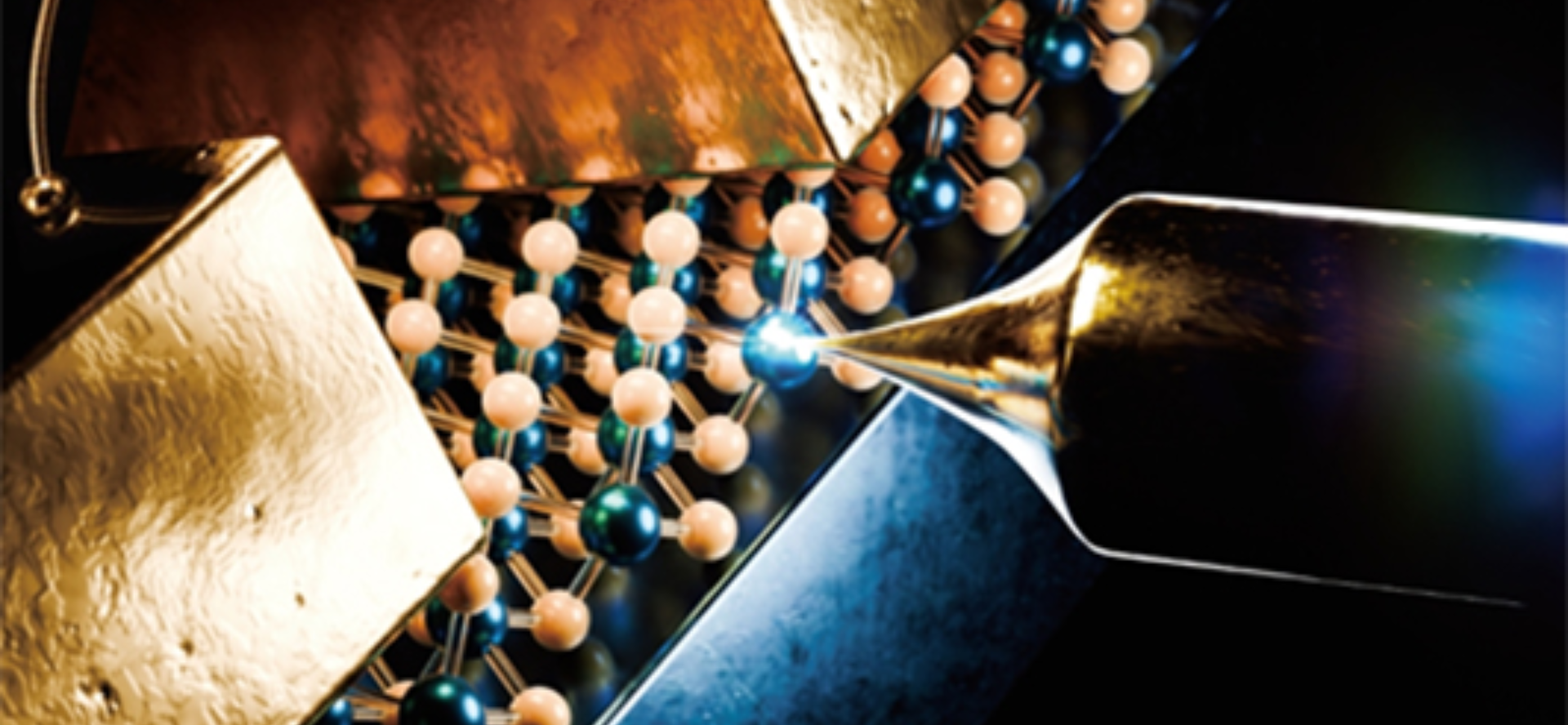
The breakthrough centres on a method the team calls Operando Cross-sectional Scanning Tunneling Microscopy (Operando XSTM), which measures electron transport at the metal–semiconductor contact edge while the device is actually powered and operating. Drawing on nearly two decades of cross-sectional STM expertise, the team integrated functioning transistors into an ultra-high-vacuum platform, mechanically cleaved them to expose a clean cross-section, and scanned the contact region point by point under real operating voltages. This allowed the first direct measurement of the carrier transfer length—a core quantity governing contact resistance—without relying on model-based extrapolation. For a monolayer molybdenum disulphide transistor with a bismuth contact, the measured transfer length was roughly 2 nanometres, far below the 9.25 nanometres inferred by conventional models, confirming the design’s promise for next-generation technology nodes.

The achievement reflects a genuinely international, cross-disciplinary partnership. NTU developed the operando inspection platform; National Taiwan Normal University fabricated and electrically characterised the two-dimensional devices; and the National University of Singapore, led by Professor Lain-Jong Li, contributed materials, structural analysis, and simulation—forming a collaboration spanning materials, devices, metrology, and theory. Validated across multiple material systems, the platform establishes a versatile new standard for direct semiconductor inspection and underscores Taiwan’s deepening capacity to lead the frontier of advanced chip research on the global stage.

Student Ingenuity Drives NTU Racing to Win

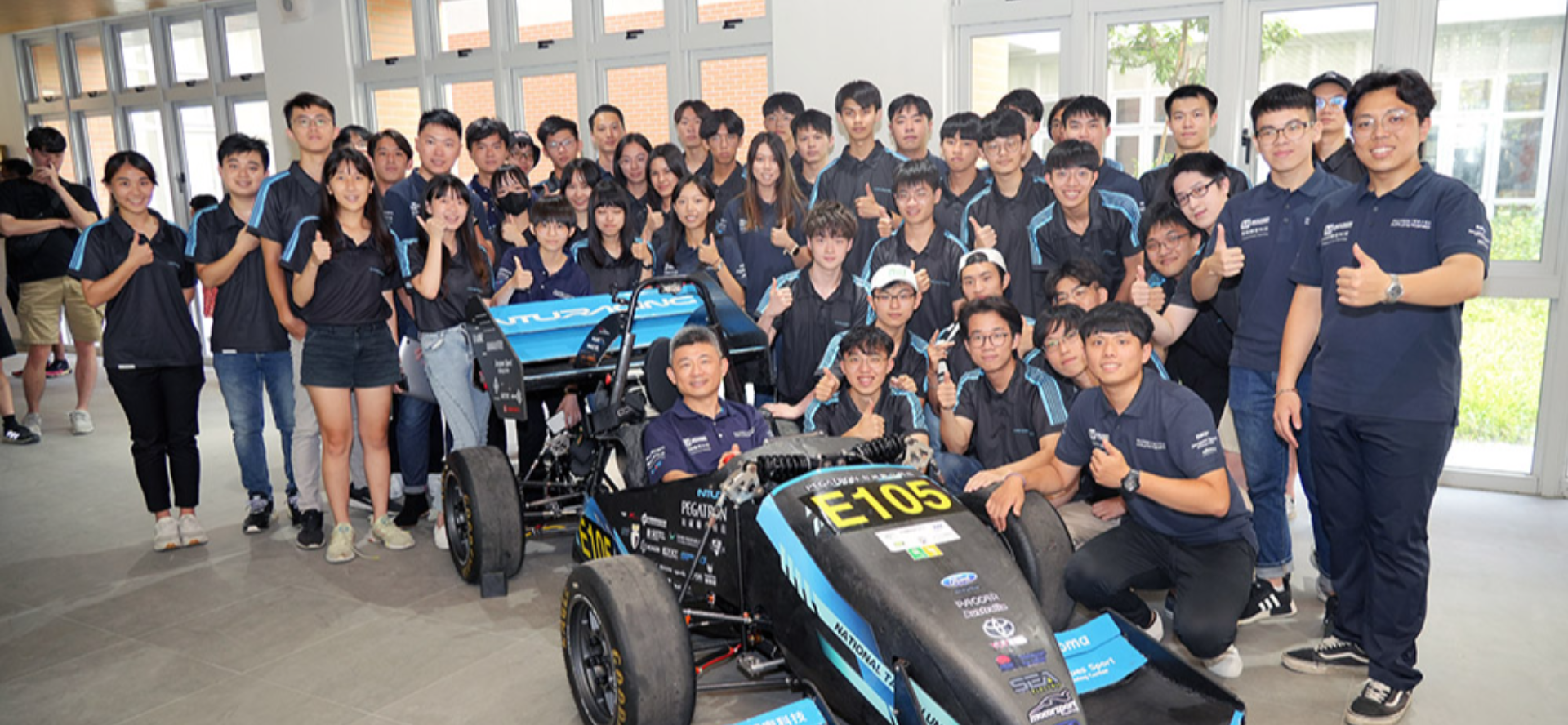
Experiential, project-based engineering has become one of the clearest ways for universities to translate classroom theory into real-world capability, and few programmes embody this better than student-run motorsport. At National Taiwan University (NTU), that spirit is captured by NTU Racing, a wholly student-led team that designs, builds, and tests its own electric Formula-style racecars. Its latest machine, Epsilon 6 (EP6), recently delivered the best competitive result in the team’s history, placing 11th in the electric vehicle category at Formula SAE Japan—one of Asia’s premier collegiate racing events—while also earning the JAMA Chairman Award and the Sportsmanship Award.

The road to that result was defined by pressure and problem-solving. After completing EP6 in mid-2025, the team entered Formula Student Taiwan, where rainwater breached the motor system and forced a withdrawal from the endurance race—an early but decisive lesson in waterproofing that the students corrected before travelling to Japan. There, a tougher test came off the track: inspectors initially rejected the car over safety concerns during technical inspection. Rather than accept the setback, the team drafted a formal appeal while preparing on-site modifications as a contingency. The chief judge ultimately upheld their case, allowing EP6 to compete in its original form and secure its landmark finish. For the team, the episode reflected a guiding philosophy that racing is less about building a flawless car than building the best one possible before the deadline arrives.

What distinguishes NTU Racing is a deliberately interdisciplinary and sustainable model. The team recruits students from across the university rather than engineering alone, running hands-on workshops in welding and carbon-fibre fabrication so members of every background can contribute, and it institutionalises knowledge transfer by having incoming leaders shadow veterans for months before each handover. Recently relocated to the upgraded Advanced Vehicle Research Center on NTU’s ShuiYuan Campus, the team is already developing its successor, EP7, which will advance EP6’s torque-vectoring system toward a four-wheel-drive configuration—research the students have presented at the SAE WCX 2026 World Congress. Guided by the motto “Go the extra mile,” NTU Racing offers a compelling model of how iteration, resilience, and cross-disciplinary collaboration prepare students to lead in a fast-moving global industry.

NCU Reveals the Linguistic Creativity

From socialite Lee Ching-ching, whose English-mixed speech became an online sensation, to former Kaohsiung Mayor Han Kuo-yu, whose phrase, “Student by day, security guard by night,” (白天是student、晚上是security guard) sparked widespread discussion and imitation, Chinese-English code-mixing has long attracted attention in Taiwan’s online communities. A new study by National Central University (NCU) shows that such language practices extend far beyond simple code-mixing. Instead, they demonstrate how Taiwan’s online communities creatively combine multiple languages and communicative resources to engage in social interaction and commentary, reflecting the dynamic interplay between multilingualism and online discourse. The findings were published in the Applied Linguistics Review, offering new insights into Taiwan’s multilingual digital culture.

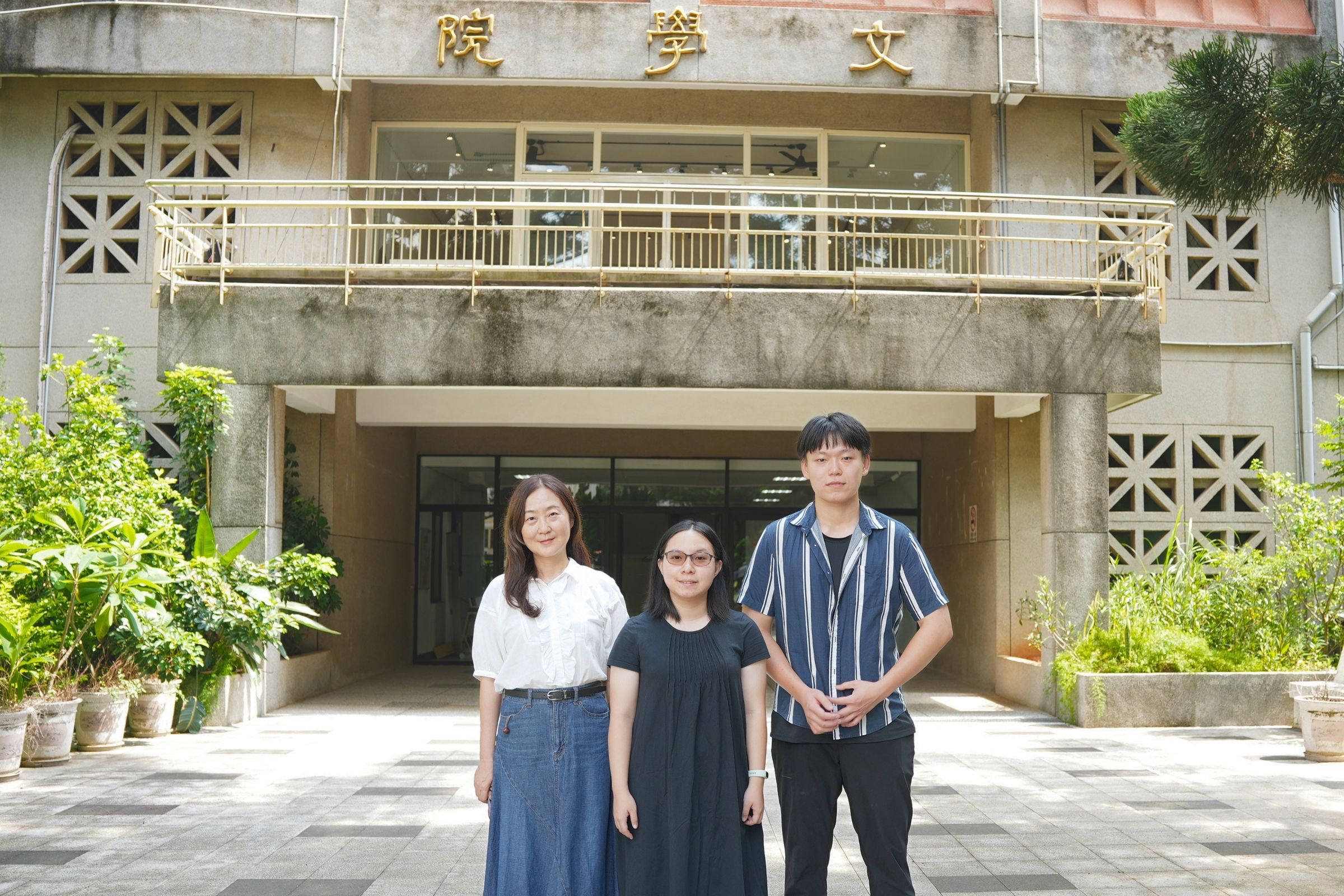
 The study was conducted by Professor Liang Mei-Ya of the Virtual Language Learning Lab, National Central University, together with student researchers Wang Chih-Cheng and Lee Shu-Ning. The researchers analyzed 15 discussion threads and 1,145 comments posted between 2019 and 2022 on six major PTT discussion boards—Gossiping, WomenTalk, Tech_Job, Soft_Job, Crosstalk, and NTU—to examine how internet users employ translanguaging strategies in online interaction and commentary.

 The researchers noted that examining translanguaging from historical, critical, and socio-political perspectives provides valuable insights into language norms, workplace hierarchies, and gender bias. The study also offers a new perspective for understanding Taiwan’s multilingual online society and the relationship between language practices and digital communication.

Publication Information

NTU and Mahidol Deepen AI Healthcare Ties

As artificial intelligence reshapes the future of medicine, cross-border academic partnerships have become essential to turning technological promise into better patient care. On March 5, 2026, National Taiwan University (NTU) hosted a high-level delegation from Mahidol University for discussions on AI, medical research, and long-term academic collaboration. Led by Vice President Nopraenue Sajjarax Dhirathiti and comprising 12 faculty specialising in information technology and medicine, the delegation was received by NTU Executive Vice President Prof. Shih-Torng Ding and Vice President for International Affairs Prof. Hsiao-Wei Yuan, reflecting the enduring partnership between the two institutions.

Founded in 1888, Mahidol University is among Thailand’s leading universities in medicine, engineering, and health sciences, and maintains close research ties with NTU across medicine, engineering, and information and communication technology. During the visit, the delegation toured the NTU Cancer Center to observe first-hand how AI is being integrated into cancer diagnosis, treatment, and clinical care, before joining NTU’s College of Electrical Engineering and Computer Science for talks on future research collaboration, interdisciplinary innovation, and talent cultivation. Both sides expressed particular interest in expanding cooperation in AI for medicine, intelligent healthcare, and digital health technologies.

Representatives from both universities framed the partnership as part of a wider global movement to fuse advanced technological innovation with medical research and healthcare delivery. By strengthening joint research initiatives and academic exchange, NTU and Mahidol aim to cultivate globally competitive talent capable of shaping the future of AI-driven healthcare—reinforcing the role of Asia-Pacific institutions in the international effort to build smarter, more equitable health systems.

NTU and SMU Expand Business Education Ties

As higher education across the Asia-Pacific grows more interconnected, universities are increasingly building cross-border alliances to prepare students for a globalised economy. On March 13, 2026, National Taiwan University (NTU) welcomed a delegation from Singapore Management University (SMU) led by President Lily Kong—her first official visit to NTU since assuming leadership. Received by NTU President Wen-Chang Chen, the two sides discussed business education, interdisciplinary collaboration, and expanded international academic exchange, underscoring a partnership rooted in a shared commitment to cultivating globally competent talent.

Founded in 2000 and modelled on the American university system, SMU is widely regarded as one of Asia’s leading institutions in business and management education, known for interdisciplinary learning, research excellence, and close engagement with industry and the public sector. During the visit, representatives explored deeper collaboration between SMU’s business school and NTU’s College of Management, focusing on curriculum innovation, joint research, student mobility, and the potential expansion of dual-degree and collaborative academic programs.

The two universities also reflected on existing cooperation, including SMU students’ participation in NTU’s International Internship Program, with placements at organisations such as STMicroelectronics, the State of Montana Asia Trade Office–Taiwan, and Impact Hub Taipei that offer cross-cultural professional experience. Looking ahead, NTU expressed interest in deepening ties with SMU’s Global Summer Program to create reciprocal pathways for its own students in Singapore. University leaders described the partnership as part of a broader Asia-Pacific vision for higher education—one that integrates business, innovation, and international collaboration to equip students for an increasingly interconnected world.

Why Marine Heatwaves Persist

Marine heatwaves in the northwestern Pacific can persist for four to five years, making them among the world’s longest-lasting ocean warming events. A new study led by researchers at National Central University (NCU) identifies the atmospheric mechanism that sustains these prolonged extremes, challenging the long-held view that they are driven mainly by local ocean and weather conditions.

The study, led by Jin-Yi Yu, Chair Professor in NCU’s Department of Atmospheric Sciences, and Yu Zhao, a doctoral researcher at the University of California, Irvine, appears in Science Advances.

The researchers found that these long-lived marine heatwaves are closely linked to the Circumglobal Wave (CGW), a large-scale atmospheric wave pattern that circles the Northern Hemisphere through Europe, Asia, the North Pacific and the North Atlantic. Rather than isolated regional events, the study suggests that northwestern Pacific marine heatwaves are part of a cross-basin climate phenomenon connected by atmospheric teleconnections.

Drawing on more than 150 years of observations, simulations from 43 climate models and atmospheric model experiments, the team also identified a self-reinforcing feedback that helps marine heatwaves persist. Since the 1970s, stronger summertime Circumglobal Wave activity has intensified interactions between ocean basins, extending the duration of these warming events.

The findings provide a new framework for understanding persistent marine heatwaves and could improve seasonal climate predictions by enabling scientists to better forecast how long these events will last. Better prediction of prolonged ocean warming could support fisheries management, marine ecosystem conservation and climate adaptation in a warming world.

From Pharmacist to Global Biotech Leader

From a trained pharmacist to a former drug reviewer at the U.S. Food and Drug Administration (FDA), and ultimately a leader in innovative drug development, Jane Ching-Liu Jan has dedicated more than two decades to advancing Taiwan’s biotechnology industry on the global stage.

Jane Ching-Liu Jan, Distinguished Alumna of Taipei Medical University, Chairperson of PharmaEssentia

During her tenure at the FDA, Jane was directly involved in drug evaluation and regulatory review, gaining extensive insight into global regulatory standards and clinical assessment processes. This experience later became a critical foundation for establishing PharmaEssentia and shaping its international regulatory and research strategies.

One of the company’s most significant achievements was the U.S. FDA approval of Ropeginterferon alfa-2b, the world’s first long-acting interferon of its kind for the treatment of polycythemia vera (PV). This milestone not only marked a major breakthrough for the company, but also demonstrated Taiwan’s growing capabilities in innovative drug research and global regulatory advancement.

The journey of new drug development was not without challenges. Regulatory complexities, international arbitration, and market uncertainties tested both leadership and organizational resilience. Throughout these challenges, Jane and her team remained committed to scientific rigor, long-term value creation, and patient-centered innovation.

Today, her professional journey stands as a compelling example of how expertise, global perspective, and sustained commitment can enable Taiwan’s biotechnology sector to engage confidently with the international community and contribute meaningfully to global health innovation.

For more information, please refer to the original Mandarin article:

https://bookzone.cwgv.com.tw/article/34665