TMU Expert Insights on Dairy and Dementia Risk

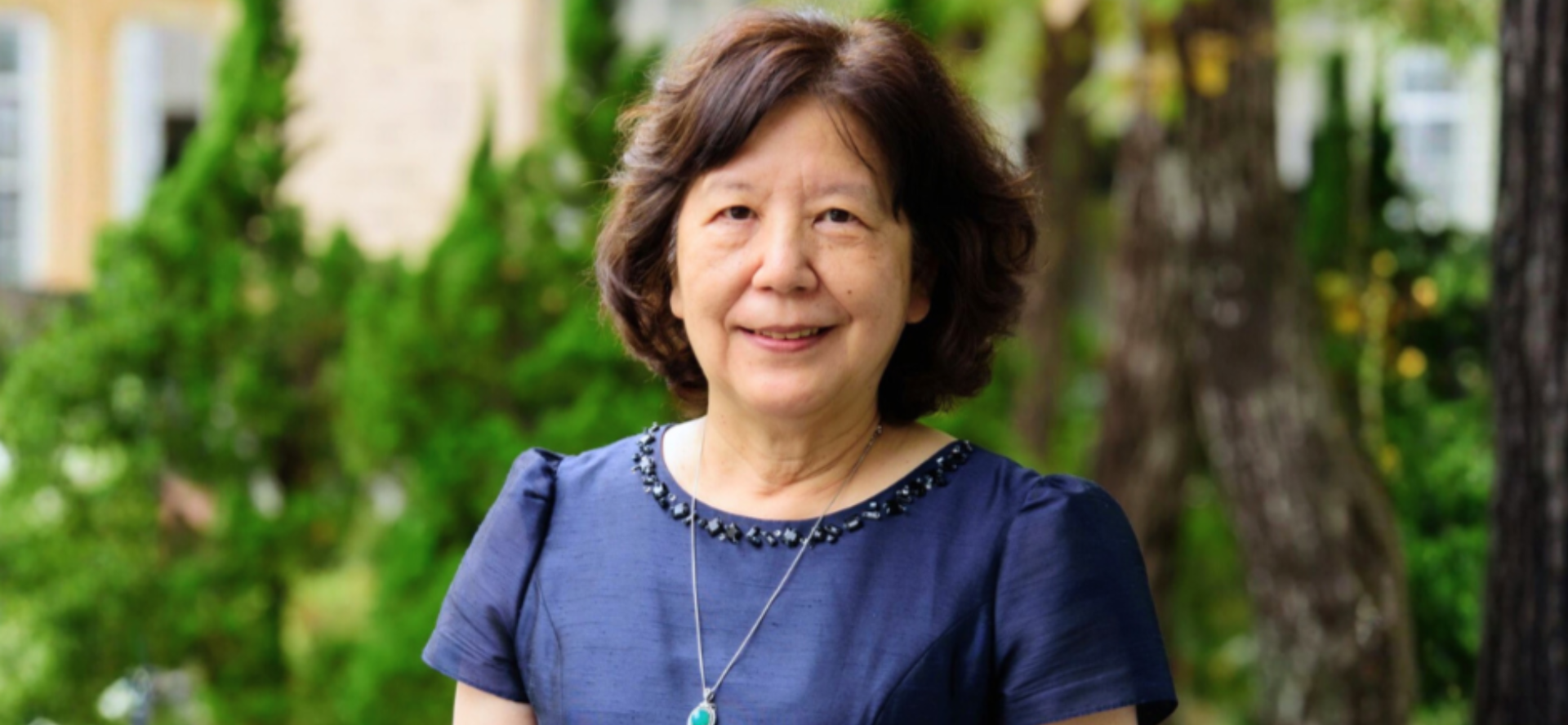
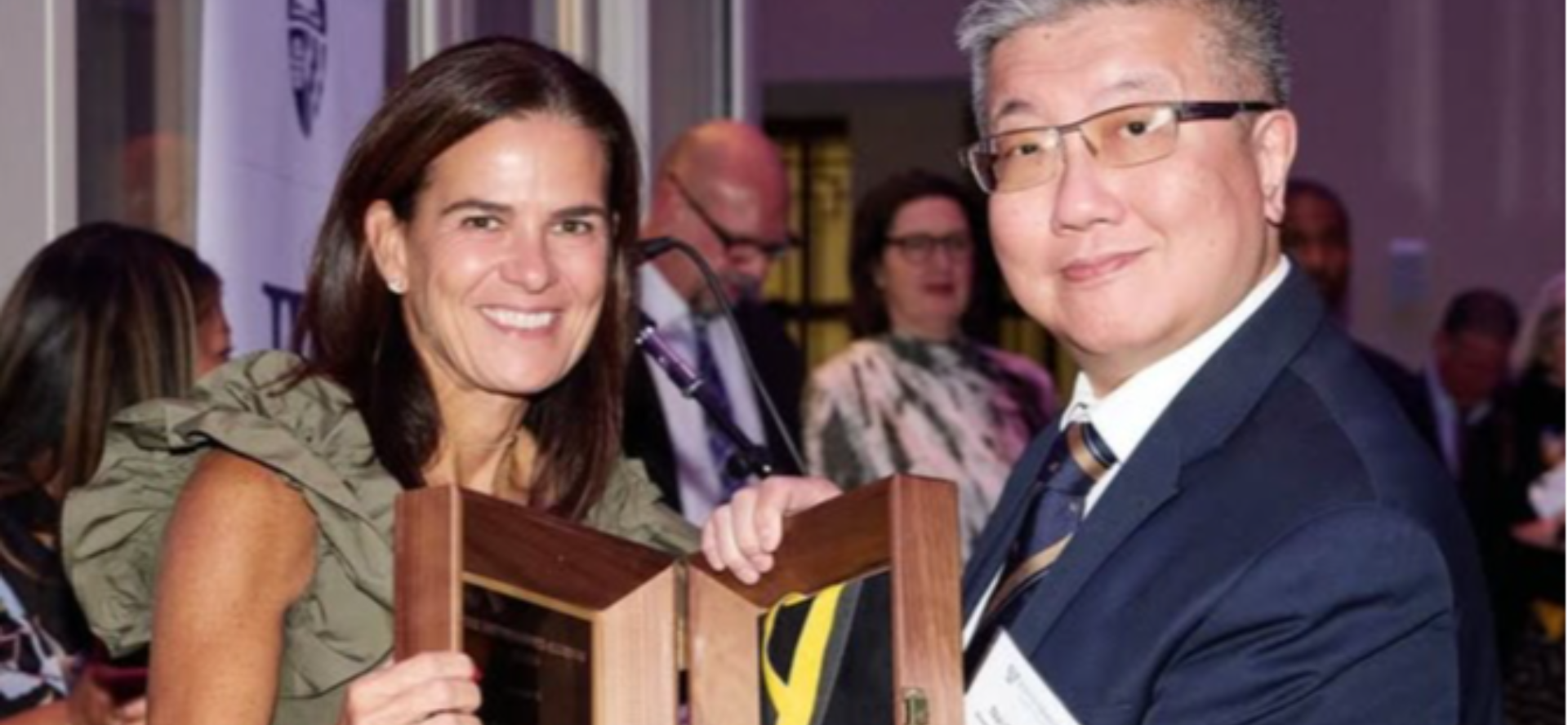
Dr. Tian-Shin Yeh, Associate Professor and attending physician at Taipei Medical University (TMU), recently shared her academic perspective on the relationship between dairy consumption and cognitive health in an editorial published in Neurology, the official journal of the American Academy of Neurology.

Dr. Tian-Shin Yeh is Associate Professor and attending physician at Taipei Medical University, with expertise in epidemiology and evidence-based interpretation of long-term health studies.

In the article, titled High-Fat Dairy and Cognitive Health: What Are the Alternatives, Dr. Yeh examined findings from a long-term cohort study investigating the potential association between dairy intake and dementia risk. Drawing on her expertise in epidemiology and evidence-based interpretation of population studies, she highlighted several methodological considerations that are important when interpreting the study’s conclusions.

Dr. Yeh noted that the research relied on dietary data collected at a single time point and that the reported associations lost statistical significance in certain follow-up analyses. These limitations, she explained, suggest that the findings should be interpreted with caution and should not be taken as definitive evidence that high-fat dairy products are inherently neuroprotective.

Instead, Dr. Yeh emphasized that broader dietary patterns and food substitutions may play a more meaningful role in long-term brain health. In particular, replacing processed or high-fat red meats with foods of higher nutritional quality may contribute more substantially to cognitive health outcomes.

Her commentary reflects TMU researchers’ active participation in international scientific dialogue and their commitment to promoting evidence-based perspectives on nutrition and dementia research.

Dr. Tian-Shin Yeh’s editorial:

High-Fat Dairy and Cognitive Health: What Are the Alternatives

https://doi.org/10.1212/WNL.0000000000214587

NCU Unravels the Mystery of Deep Moonquakes

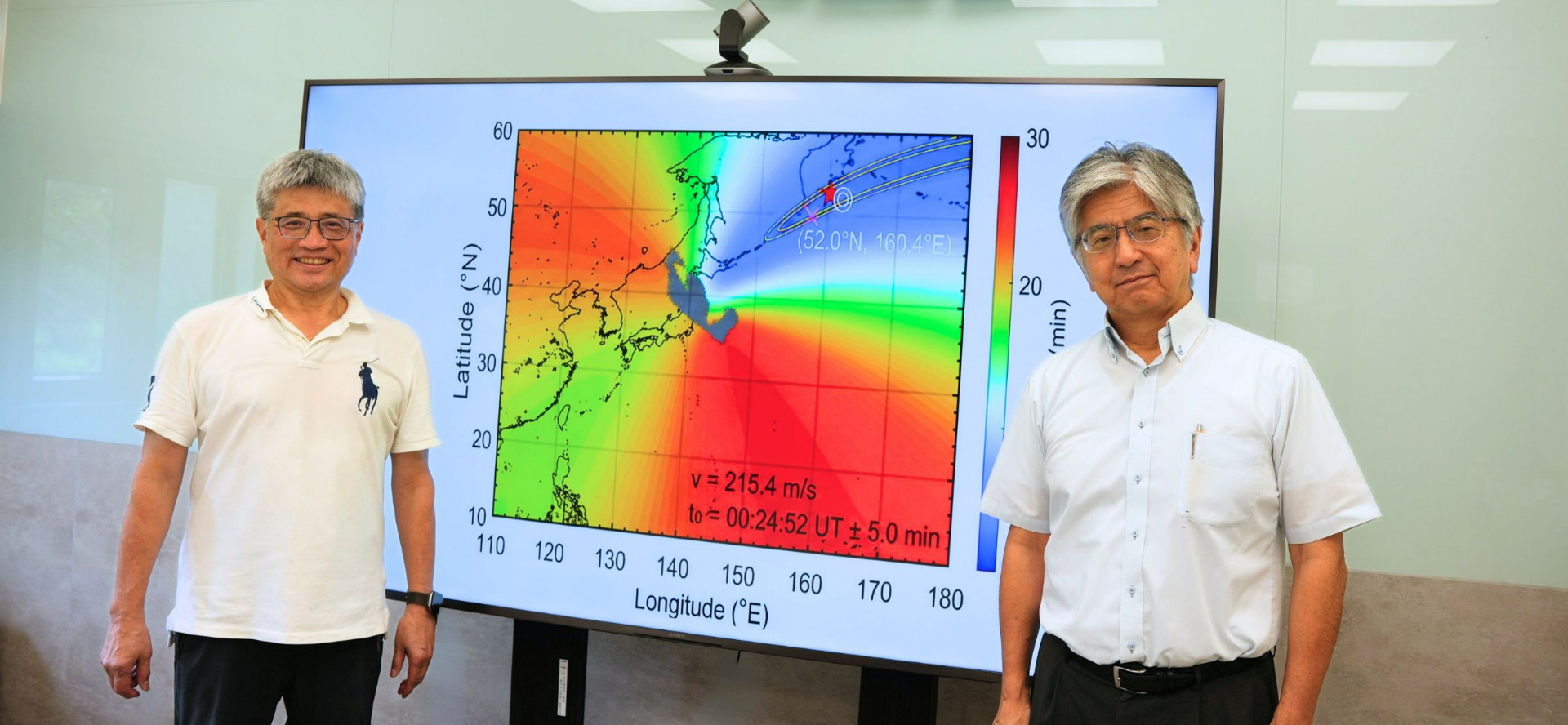
The research applies a mature electromagnetic exploration technique widely used in Earth sciences—Geomagnetic Depth Sounding (GDS)—to analyze natural magnetic field disturbances experienced by the Moon when it passes through Earth’s magnetotail. As variations in the external magnetic field penetrate the lunar interior, their propagation characteristics are influenced by subsurface electrical conductivity structures. By analyzing these magnetic variations, researchers can invert for the resistivity distribution at different depths within the Moon, allowing them to infer its composition and thermal state.

Notably, part of the magnetic field data used in this study originated from original magnetic tapes recorded during the Apollo missions. After the missions ended, these tapes were stored in archives for decades and were nearly forgotten. In recent years, scientists rediscovered these more than forty-year-old datasets while reorganizing Apollo mission archives. Through modern digital restoration and reconstruction techniques, the historical lunar observations have been revived and made available for new scientific analysis.

Professor Chang noted that the research is also closely related to the Lunar Vector Magnetometer (LVM) mission currently being developed at NCU under commission from the Taiwan Space Agency (TASA). Deploying a new generation of electromagnetic instruments on the lunar surface would enable scientists to resolve the Moon’s deep interior structure and thermal evolution with greater precision. The study not only deepens our understanding of the Moon’s interior but also provides important scientific foundations for future in-situ electromagnetic exploration missions, highlighting NCU’s growing international influence in planetary geophysics and deep-interior exploration research.

How Sleep and Mood Drugs Shape Women’s Health

Summary

A new study from Taipei Medical University, led by Assoc. Prof. Jihwan Myung of the Graduate Institute of Mind, Brain and Consciousness (GIMBC), reveals how disrupted sleep, mood stabilizers, and artificial light interfere with women’s menstrual cycles and mental health—highlighting the need for rhythm-aware treatments that align the body’s daily and monthly clocks.

This study reveals how disruptions in the body’s internal clock (caused by modern life and certain mood medications) can interfere with women’s hormonal health and potentially worsen mood disorders. This research underscores the need for more rhythm-aware treatments that balance mental health and hormonal well-being.

Sleep Loss, Shift Work, and Mood Drugs Disrupt Menstrual Cycles in Millions of Women

Millions of women experience disruptions in their menstrual cycles due to irregular sleep patterns, shift work, jet lag, and mood stabilizers. These disruptions not only affect reproductive health but can also signal or worsen mood disorders like depression and bipolar disorder. The study calls for a better understanding of how biological timing systems regulate both mood and menstruation—information that could shape how doctors manage mental health in women.

New Insights Reveal How the Body’s Daily Clock Governs Monthly Hormonal Cycles

The study outlines several vital discoveries that explain how circadian rhythms and reproductive cycles are intertwined and how this relationship can be disrupted. The circadian clock refers to the body’s internal 24-hour timing system, which helps regulate sleep, hormone release, and other essential bodily functions.

  • Disrupted rhythms affect cycles: Exposure to artificial light at night and irregular schedules can interfere with the body’s circadian clock, which in turn can disrupt menstrual cycles.
  • Mood stabilizers have hormonal side effects: Lithium, a common drug used to treat bipolar disorder, was shown to lengthen circadian rhythms and disturb hormonal cycles, possibly contributing to menstrual irregularities.
  • Timing systems are deeply connected: The brain’s master clock (in the hypothalamus) not only keeps daily time but also interacts with reproductive systems that operate on monthly cycles.
  • Photoperiod matters: Shorter daylight periods tend to lengthen reproductive cycles, while longer daylight periods shorten them—suggesting our internal systems are sensitive to seasonal changes.

“Our biological clocks don’t just govern when we sleep. They deeply shape how we feel and how our bodies function. By understanding how daily and monthly rhythms interact, we can begin designing treatments that support both mental and hormonal health, rather than forcing women to choose between the two,” said Prof. Jihwan Myung, lead author of the study.

Study Combines Human and Animal Data to Show How Mood Drugs Disrupt Hormonal Rhythms

The study drew on existing anatomical and physiological research, combining insights from animal models and human data. It reviewed how various biological clocks, daily (circadian) and monthly (ovarian), interact in the brain and reproductive system. Special focus was placed on how mood medications like lithium alter these rhythms. The author advocates for future models that integrate multiple timescales to predict and manage these effects more accurately.

Bridging the Gap: Why Mental Health Treatments Must Consider Women’s Hormonal Rhythms

This research highlights a critical but often overlooked intersection between mental and reproductive health. Understanding how the body’s clocks operate together opens the door to more personalized, rhythm-informed treatments—helping women manage mood disorders without compromising hormonal health. This research perspective was published in Chronobiology in Medicine in June 2025, contributing valuable insight to the growing field of chronobiological research.

Original Research Article: Integrating Circadian and Reproductive Rhythms in Mood Regulation

Look for More Information

Original Article: Integrating Circadian and Reproductive Rhythms in Mood Regulation

NTU Hosts Nobel Laureates for Research Talks

National Taiwan University (NTU) hosted 2013 Nobel Prize in Physiology or Medicine laureate Prof. James E. Rothman and renowned neuroscientist Prof. Joy Hirsch from Yale University on November 5 as part of the “NTU Raymond Soong Chair Professorship of Distinguished Research” They delivered keynote lectures and joined a panel discussion, engaging NTU faculty and students in an enriching day of scientific exchange.

Prof. Rothman, known for uncovering the molecular mechanism of intracellular vesicle transport—often called the “logistics of life”—shared new findings on how synaptic vesicle fusion enables extremely rapid neurotransmission. Prof. Hirsch presented her pioneering hyperscanning research that reveals how the human brain behaves differently during real social interaction, aiming to build neuro-inspired models for human–machine communication.

During the dialogue session, both scholars encouraged young researchers to embrace challenges, maintain passion, and pursue curiosity-driven inquiry. Their visit highlights NTU’s commitment to fostering global academic connections and advancing scientific excellence through interactions with world-leading researchers.

https://www.ntu.edu.tw/spotlight/2025/2434_20251126.html

NTU Biomedical Prof. Honored with TECO Award

National Taiwan University (NTU) Biomedical Engineering distinguished professor Dr. Yang Tai-Hung, also Director of the Life Sciences Development Division at the National Science and Technology Council, received the 32nd TECO Award in the Biomedical/Agricultural field. The award recognizes his innovative work on polycaprolactone membranes for reparable pneumothorax, which are both effective and safe for high-risk medical applications, as well as his development of a simple and efficient system for capturing circulating tumor cells, advancing precision medicine technologies.

Dr. Yang expressed deep gratitude to his family, especially his parents, whose unwavering support and love gave him the courage to pursue his research ambitions. He emphasized that their encouragement has been a constant source of motivation throughout his solitary research journey.

He also acknowledged his mentors and over 80 graduate students, highlighting that their guidance and teamwork have been essential to his achievements. Dr. Yang noted that facing challenges with dedication and a commitment to truth allowed him to advance in his field and reach new academic heights.

https://sec.ntu.edu.tw/epaper/article.asp?num=1670&sn=39639

NTU Boost Renewable Energy Catalysis

Researchers at National Taiwan University (NTU) have developed a new perovskite photocatalyst that integrates molecular chirality and electron spin effects to drive artificial photosynthesis. The material efficiently converts carbon dioxide into useful fuels using sunlight, offering a promising route for clean energy technologies.

The team successfully engineered left- and right-handed chiral structures within perovskite crystals, discovering that chirality induces spin polarization and enhances charge separation. This leads to higher reaction selectivity and efficiency, opening a new direction in the design of chiral optoelectronic and green catalytic materials. The breakthrough highlights the critical role of spin-controlled chemistry in solar-energy conversion.

Led by NTU Distinguished Professor Chun-Wei Chen from the Department of Materials Science and Engineering and the NTU-MST program, the collaboration included National Taiwan Normal University, the National Synchrotron Radiation Research Center, National Pingtung University, and National Yang Ming Chiao Tung University. The findings were published on the cover of the Journal of the American Chemical Society (JACS):

https://pubs.acs.org/doi/full/10.1021/jacs.5c11357

https://sec.ntu.edu.tw/epaper/article.asp?num=1668&sn=39618

NTU Boosts Campus Disaster Resilience

National Taiwan University (NTU) has long prioritized building a resilient campus as part of its social responsibility, aiming to ensure a safe and sustainable environment for learning and research while strengthening its capacity to respond to extreme weather, earthquakes, and other emergencies. Through the multi-year Resilient Campus Project, NTU has progressively enhanced disaster preparedness and institutional response capabilities.

To strengthen campus-wide skills, NTU launched a Disaster Prevention Specialist Training Program, inviting professional instructors to equip faculty, staff, and students with practical disaster-response knowledge. This initiative improves readiness and will be expanded in the coming years to further enhance institutional resilience.

To foster leadership awareness of disaster risks, NTU invited Secretary General Li Wei-Sen of the National Science and Technology Center for Disaster Reduction to deliver a keynote at the December 31 administrative meeting. His talk, titled “Campus Disaster Preparedness from a Business Continuity Perspective,” provided insights into both domestic and international risk management practices, enabling university leaders to refine response strategies and further strengthen overall campus resilience.

https://sustainable.ntu.edu.tw/uploads/files/shares/USR-Report/NTU%202024%20USR%20Report%20(EN).pdf

NTU Boosts Sustainability in Yunlin Farming

The National Taiwan University (NTU) plant and animal medical team, spanning multiple departments in the College of Bioresources and Agriculture, has long partnered with Yunlin County to support local farms. By providing on-site diagnosis and consultation across 20 townships, the plant hospital helped farmers manage approximately 111 hectares of farmland, which led to an estimated NT$12.59 million in added value according to agricultural data and Social Return on Investment (SROI) analysis.

The veterinary team’s interventions—including lectures, workshops, mobile diagnoses, and economic animal dissections—improved pig growth and health, thereby enhancing food safety and increasing economic benefits for local farmers. Over the year, the team completed 8,836 cases of serology, molecular biology, and pathological diagnoses, directly strengthening farm productivity and livestock welfare.

Because NTU’s Animal Disease Diagnostic Center in Yunlin provided free precision diagnostics, biosecurity guidance, and vaccination planning, farmers were able to adopt better practices. Collaborating with young farmers and the county’s only HACCP-compliant slaughterhouse enabled full cold-chain processing, which reduced transport costs and greenhouse gas emissions, stabilized pork supply and quality, and fostered a more sustainable agricultural ecosystem in Yunlin.

https://sustainable.ntu.edu.tw/uploads/files/shares/USR-Report/NTU%202024%20USR%20Report%20(EN).pdf

NCU Confirms a Superluminous Supernova

In this international collaboration, the NCU team played a central role in key observing and data-analysis efforts, providing crucial data to confirm this rare strongly gravitationally lensed supernova system. Assistant Professor Ting-Wan Chen’s team used the Lulin One-meter Telescope (LOT) for image confirmation and photometric monitoring. She noted that on nights with good weather and excellent seeing, LOT images can even resolve the individual lensed images of SN Winny, providing key observational constraints for the photometric analysis and lens modeling.

Postdoctoral researcher Dr. Amar Aryan analyzed r-band imaging from the Canada-France-Hawaii Telescope (CFHT) and identified an additional transient point source near the previously reported multiple images. He reported it via a Transient Name Server AstroNote as a possible fifth lensed image. Using the positions of all five copies, Leon Ecker and Allan Schweinfurth et al., built the first model of the lens mass distribution. On the data-processing side, the DETECT tool developed by graduate student Yu-Hsing Lee independently flagged this bright transient through routine cross-matching between newly discovered transients and Dark Energy Spectroscopic Instrument (DESI) galaxy data. This substantially improves candidate-identification efficiency and rapid follow-up capability, providing a robust basis for precise measurements of the time delays between the multiple images.

Assistant Professor Ting-Wan Chen explained that gravitational lensing is like a natural magnifying glass in the universe: it bends the light from the same background object along multiple paths, allowing us to see several “duplicate” images. Because each light path travels a different distance and experiences a different amount of gravitational bending, the light reaches Earth at different times, so the images can brighten at different moments. By precisely measuring these time delays between the multiple images and combining them with a mass-distribution model of the lensing galaxy, the team can constrain cosmological distances and key parameters of the Universe’s expansion, such as the Hubble constant. First author of the paper Dr. Stefan Taubenberger added that, unlike the cosmic distance ladder, this is a one-step method, with fewer and completely different sources of systematic uncertainty, helping to clarify the long-standing Hubble tension.

For further details, please refer to the articles published/submitted in Astronomy & Astrophysics at:

Taubenberger et al.: https://arxiv.org/abs/2510.21694

Ecker, Schweinfurth et al: http://arxiv.org/abs/2602.16620

NTU–UTokyo Geothermal Breakthrough

Professor Chen-Hao Kuo of National Taiwan University (NTU) ’s Center for Carbon Exploration Technologies collaborated with Professor Ken Tsuji from the University of Tokyo’s Graduate School of Engineering to study supercritical geothermal systems in Japan’s Kyushu volcanic region. Their findings, published in Communications Earth & Environment, mark a milestone in Taiwan–Japan collaboration. The team used advanced seismic reflection imaging and AI-powered data analysis developed in Taiwan to visualize the three-dimensional structure beneath volcanoes, revealing how supercritical fluids are trapped, migrate, and trigger microseismic activity.

The study identified impermeable rock layers that seal supercritical fluids at depths of 2–3 km, while fault zones act as “permeable windows” for fluid escape. Professor Kuo emphasized that monitoring is crucial for early warning systems. This breakthrough demonstrates how integrating AI with seismic exploration can overcome traditional limitations, offering new possibilities for geothermal development, disaster prevention, and renewable energy innovation.

https://www.nature.com/articles/s43247-025-02774-4