Korea–China Data & AI Law Research

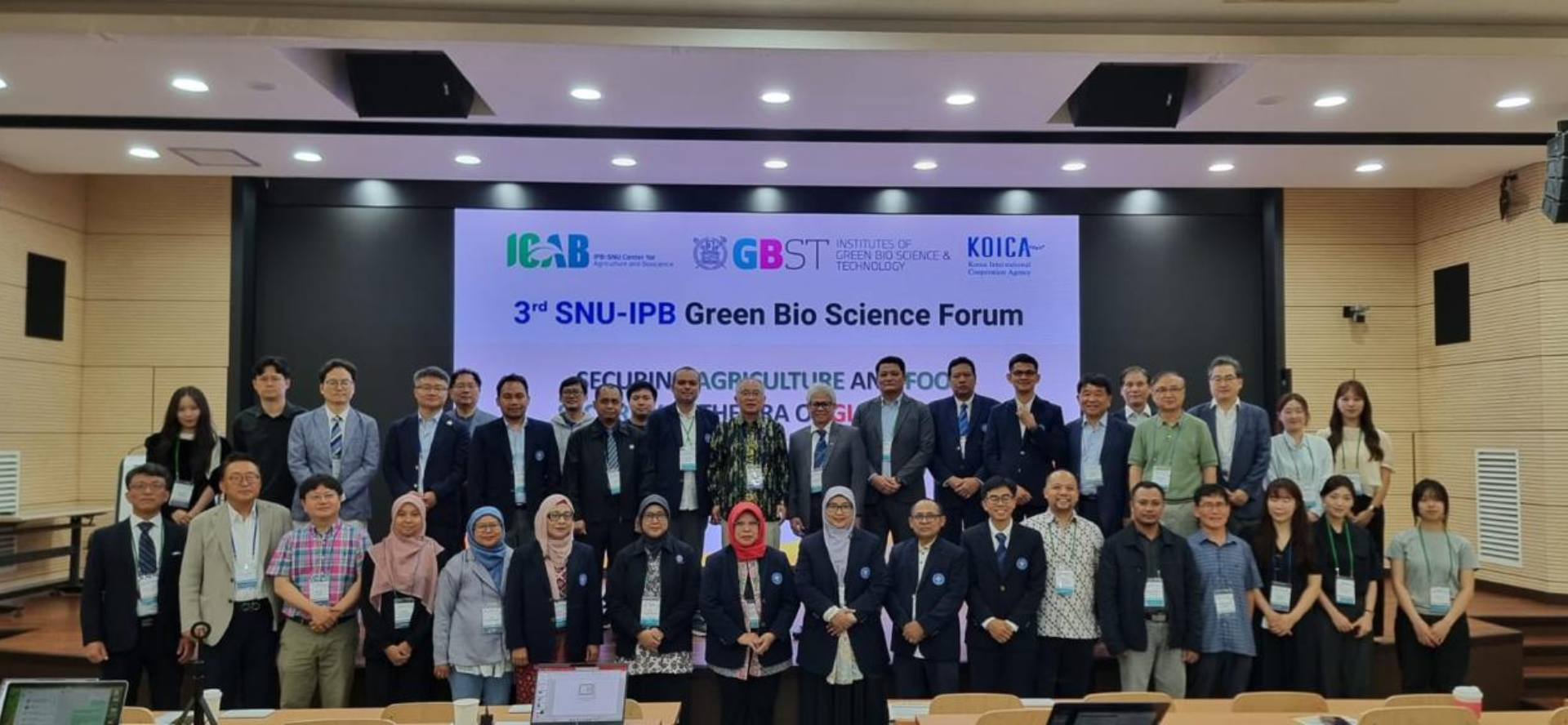
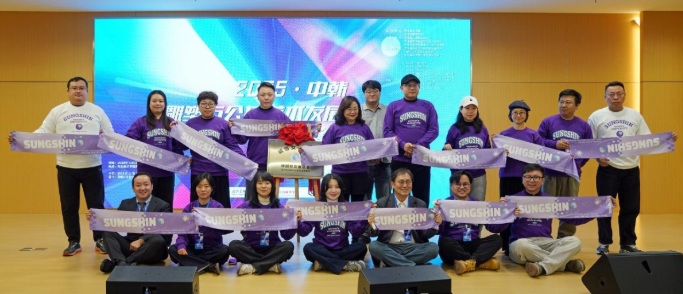
The AI & Data Law Center at Inha University recently hosted a publication ceremony for the Korean edition of Lectures on the Data Economy, authored by Professor Gao Fuping (高富平) of East China University of Political Science and Law.

The event was held in conjunction with the Winter Academic Conference of the Department of AI & Data Law at Inha University and served as a platform for sharing research achievements on data and artificial intelligence law between Korea and China, while further deepening academic exchange between the two countries.

Lectures on the Data Economy is regarded as a seminal work representing China’s research on data law and policy. The book systematically analyzes the data factor market, public data systems, digital governance, and legal and policy structures in the era of artificial intelligence. The publication of the Korean edition goes beyond a simple translation, providing an important opportunity to comparatively examine China’s institutional experience within Korea’s legal and policy environment through research led by Inha University scholars.

Professor Gao Fuping stated, “The data economy is not merely an issue of markets or transactions; it concerns how data is socially reused and transformed into knowledge and intelligence.” He added, “This Korean edition goes beyond linguistic translation and serves as an academic bridge through which China and Korea can jointly reflect on shared challenges in the data and AI era,” expressing his expectations for expanded academic cooperation across East Asia.

Professors Kim Won-oh, Jung Young-jin, Jung Chan-mo, and Kim Young-soon of Inha University Law School, along with Professor Lee Sang-woo, an adjunct professor in the Department of AI & Data Law, participated in translator presentations. They shared key issues from each chapter, perspectives encountered during the translation process, and implications for the Korean legal system. In the subsequent panel discussion, chaired by Professor Kim Won-oh of Inha University, in-depth discussions were held on future research agendas for the data economy and AI law, as well as directions for Korea–China joint research.

The university assessed the event as more than a simple celebration of a translated publication, viewing it as an opportunity to expand legal and policy discourse surrounding data and artificial intelligence from an East Asian perspective. Inha University’s AI & Data Law Center plans to continue expanding academic exchange and joint research between Korea and China.

Professor Jung Young-jin remarked, “This translation does more than introduce an outstanding Chinese academic work; it provides a shared analytical framework for comparing how Korea and China have designed their data and AI legal systems.” He added, “The translation process itself became an opportunity to reassess Korea’s AI Framework Act and digital strategy, and it will serve as a starting point for expanding future joint research between the two countries.”

Professor Kim Won-oh, Director of the AI & Data Law Center and lead translator, emphasized, “As Korea prepares for the implementation of its AI Framework Act, understanding how to conceptualize and institutionally support the data economy is a crucial task.” He continued, “Lectures on the Data Economy is an important guide that encourages an integrated view of data and AI—not merely as technological issues, but as matters of law, policy, and governance.” He concluded by noting, “This publication is the result of sustained joint research and mutual trust between Inha University and East China University of Political Science and Law.”

Original Article Link

Sogang Fosters Youth Engagement in Gochang

The Ignatius Center for Human Development at Sogang University successfully concluded the “2025 Xavier Immersion Gochang” program, held from August 7 to 9, under the theme “Dialog with Youth in Gochang, a UNESCO World Heritage Site.” The program was designed to promote UAP (Universal Apostolic Preferences of the Society of Jesus), SDGs, and ESG values, reflecting the Jesuit educational mission of walking with marginalized communities, accompanying young people, caring for our common home, and fostering discernment and social justice.

Since 2021, Xavier Immersion Gochang has been continuously implemented under a cooperation agreement between Sogang University and Gochang-gun. The program aims to support the emotional and academic development of local youth while fostering mutual learning and cultural exchange between university students and adolescents in a region facing demographic decline. This year’s program brought together nine Sogang undergraduates and nine local middle and high school students through a one-to-one mentoring initiative.

The first day focused on building rapport between mentors and mentees through department introductions, icebreaking activities, and open conversations. Participants then explored Gochang Eupseong Walled Town, learning about its historical background, and visited the Ungok Ramsar Wetland, where they experienced the area’s ecological diversity and natural environment.

During the mentoring sessions, students discussed career paths and academic concerns, shared effective study strategies by grade level, and worked together to strengthen areas of low confidence. A hands-on natural soap-making activity further encouraged informal dialogue and deepened personal connections. On the final day, participants visited Seonunsa Temple, reflecting on their shared experiences while spending time together in nature.

Sogang students reflected on the program, noting that “the one-to-one mentoring was the most meaningful part,” and that “walking through Gochang and having sincere conversations created lasting memories.” Local middle and high school students also expressed positive feedback, stating that “meeting university mentors provided diverse perspectives and helpful advice for thinking about our future.”

The 2025 Xavier Immersion Gochang program is not intended as a one-time volunteer activity. Instead, it is designed to establish a sustainable cooperative network between the university and the local community, presenting an educational model for shared growth. Building on this foundation, Sogang University plans to further expand community-linked education and service initiatives that embody its Jesuit values and commitment to social responsibility.

Plaque & Development Fund Handover Ceremony

Inha university held the “Alumni Company Plaque and Development Fund Handover Ceremony” on the 17th at the new headquarters of Korea Biznet Co., Ltd., located in Guro-gu, Seoul.

The university selected Korea Biznet, celebrating its 40th anniversary, as an excellent alumni company and presented a commemorative plaque. President Cho Myung-woo, Korea Biznet Chairman Kim Yong-pil (Electronic Engineering, Class of ’70), and CEO Kim Min-jung (Industrial Engineering, Class of ’99), among others, attended the plaque handover ceremony.

Korea Biznet was recognized for its contribution in enhancing the university’s reputation by leading the digital transformation of the logistics industry over the past 40 years.

Korea Biznet is a leading company in the digital transformation of logistics, having improved work efficiency for domestic and international companies in the international logistics ERP (Integrated Management System) sector. It currently supplies solutions to 18 countries and operates a local subsidiary in Vietnam.

Its representative solution, “G-SABIS,” is an ERP system used by approximately 1,500 companies through a monthly rental model, and is regarded as a standard solution in the domestic logistics industry.

Korea Biznet has strengthened the connection between industry and education through industry-academia cooperation with the university, and at this event, further solidified this partnership by pledging an additional total of 30 million KRW to the “Graduate School of Logistics Development Fund” over the next three years.

Meanwhile, the university operates the “Alumni Excellent Company Certification and Plaque Handover Program” to honor exemplary alumni companies that demonstrate innovation and social responsibility in the industrial field.

President Cho Myung-woo stated, “Korea Biznet’s practical innovation that connects the field and data has enhanced the reliability and efficiency of the industry,” and added, “Inha University will also create the standard for the next 40 years together with Korea Biznet, based on industry-academia cooperation and talent cultivation.”

Original Article Link

the reliability and efficiency of the industry,” and added, “Inha University will also create the standard for the next 40 years together with Korea Biznet, based on industry-academia cooperation and talent cultivation.”

Sogang Strengthens IP Support for Innovation

Sogang University has officially launched the SOGANG IP Lounge, a dedicated patent consultation hub designed to support researchers, staff, and students in protecting intellectual property and advancing research commercialisation. Opened on 30 September, the initiative reflects the university’s strategic effort to build a sustainable research–patent–technology transfer ecosystem amid growing global competition in innovation.

Operated by the Office of Industry–Academic Cooperation, the IP Lounge offers free, professional IP consultations to all members of the Sogang community. Located in the Teilhard Hall (Room 517), the centre is staffed by in-house and partner patent attorneys specialising in patents, trademarks, designs, and copyrights. Consultations are held twice a month and cover the entire IP lifecycle, from early-stage ideas and prior art review to licensing, technology transfer, start-ups, and investment strategies.

Supporting Researchers and Student Innovators

The IP Lounge has been designed to address a critical gap faced by researchers and students, particularly those without access to dedicated patent support. Undergraduate students involved in capstone design projects and start-up preparation, as well as faculty members preparing for publication or international patent filings, have actively used the service.

“Once research findings are published, the technology is disclosed. This makes early IP planning essential,” said Park Ye-seul, a patent attorney and alumna of Sogang University who currently oversees the operation of the IP Lounge. “Our goal is to help researchers identify patentable value early and guide them toward effective protection and commercialisation.”

Expanding Global IP Awareness

As part of its broader IP capacity-building efforts, Sogang University also hosted a U.S. Patent Seminar in July, inviting a partner attorney from a leading Washington, D.C.-based patent law firm. The seminar addressed key issues such as authorship versus inventorship, U.S. patent strategy, and global monetisation pathways, attracting strong interest from faculty, researchers, and staff. The event highlighted the growing importance of international patent strategies as Sogang’s research output increasingly targets global markets.

Building a Sustainable Innovation Ecosystem

By establishing the SOGANG IP Lounge, Sogang University aims to move beyond fragmented support and toward an integrated system that links research excellence, IP protection, and real-world impact. The initiative aligns with the university’s long-term vision to strengthen industry collaboration and ensure that academic innovation translates into social and economic value.

“In today’s era of global technological competition, patents are not optional—they are a core asset,” the university noted. “Through the IP Lounge, Sogang is committed to empowering its researchers and students to transform ideas into protected, impactful innovation.”

INHARoSAT Reaches Orbit on Nuri’s 4th Launch

▲3U-class CubeSat ‘INHARoSAT’ (10×10×30 cm), developed by the Aerospace Control and Systems Laboratory

The CubeSat developed by the research team led by Professor Ki-Young Choi of the Department of Aerospace Engineering at Inha University has successfully entered Earth’s orbit along with the fourth launch of Korea’s Nuri rocket.

The 3U-class CubeSat ‘INHARoSAT’, designed and built by the Aerospace Control and Systems Laboratory, features a groundbreaking technology: it is the world’s first CubeSat to carry a flexible solar cell module rolled up for launch and deployed in space.

INHARoSAT was selected as a flight mission in the 2022 CubeSat Competition hosted by the Korea Aerospace Research Institute (KARI), and was launched aboard Nuri during its successful fourth flight on the 27th.

Upon entering its target orbit, INHARoSAT deployed the RoSADA (Rollable Solar Array Drum Assembly)—a roll-out solar array structure developed by the research team—and is set to conduct various missions, including evaluating the performance of the flexible solar cells developed by the domestic company Plexel Space.

In small satellites, limited surface area often results in chronic power shortages. Traditional satellites use folded panel-type solar arrays, which increase both size and mass. The Inha research team addressed this issue by proposing a method of rolling up flexible solar cells for compact stowage, enabling the deployment of wider solar arrays in space. This approach is expected to contribute to future technologies such as space solar power stations.

A key mission of INHARoSAT is to verify Inha university’s independent capability to develop and operate space-grade electronics. In addition to its main computer, the satellite carries an internally developed Integrated Onboard Computer (I-OBC). Successful validation of the I-OBC will demonstrate Inha University’s ability to produce space-qualified electronics.

To support the mission, Inha university has also established its own ground station at the Songdo Aerospace Convergence Campus, enabling direct communication with the satellite. Through operating the ground station and communicating with INHARoSAT, Inha university aims to further strengthen its operational expertise.

The project has significantly enhanced Inha university’s capacity in space development, with faculty and graduate students across aerospace specializations participating in CubeSat development. Looking ahead, Inha University plans to continue advancing education and research in space technologies and contributing to the growth of the national space industry. As part of this vision, Inha university recently established the Aerospace & Defense Specialized Graduate School, aimed at leading global innovation in aerospace and defense fields.

Professor Ki-Young Choi, principal investigator of the CubeSat project, stated, “The successful orbital insertion of INHARoSAT marks the culmination of Inha University’s continuous challenges and investments in core aerospace fields—from launching its first indigenous rocket in the 1960s to establishing the Aerospace Convergence Campus. We will continue to strengthen our role in space technology education, research, and industry collaboration, ensuring that our students develop the core competencies needed to lead the future space industry.”

열진공챔버에서 고온 시험 중인 ‘인하로샛’(INHARoSAT).

▲ INHARoSAT undergoing high-temperature testing in a thermal vacuum chamber.

Original Article Link

riginal Article Link

Sogang Expands Academic–Industry Ties

Sogang University has established the Sogang–Pangyo Digital Innovation Campus in Pangyo Techno Valley, creating a new industry–academia collaboration platform focused on artificial intelligence, semiconductors, and advanced mobility. Located in Widen Tower, the campus serves as a strategic base for education, research, startup incubation, and global partnership development within South Korea’s leading innovation cluster.

The university has secured approximately 10,000 square metres of dedicated campus space, housing educational facilities for system semiconductor design and technology management–entrepreneurship, alongside an integrated industry–academia hub. Designed as a practice-oriented campus embedded within an industrial environment, the Pangyo Campus brings together teaching, research, and startup activities in close proximity to industry partners, offering a new model of collaboration distinct from conventional university campuses.

The establishment of the Pangyo Campus reflects Sogang University’s long-term strategy to strengthen links between academia and industry while cultivating talent for future industries. By leveraging its research strengths and entrepreneurial expertise, the university aims to foster global startups and train professionals equipped to lead technological innovation.

The campus has garnered strong support from local and national stakeholders, including Gyeonggi Province and Seongnam City, as well as from corporate partners located in Pangyo Techno Valley. Executives from the four holding companies of Widen Tower—Motrac, Inox Advanced Materials, Estraffic, and YMC—along with representatives from Gyeonggi Housing & Urban Corporation (GH) and innovation partners such as Pii Co., Ltd., have participated in building the campus’s collaborative ecosystem. Additional support has been provided by domestic and international partners, including HT Holdings, BDC Accelerator, and global research and innovation institutions.

The Pangyo Digital Innovation Campus also integrates creative and interdisciplinary elements into its innovation environment. Digital works produced by students from Sogang University’s Department of Art & Technology are showcased across campus spaces, highlighting the convergence of technology and creativity and contributing to a dynamic, open innovation culture.

Key entrepreneurship support organisations, including a Startup Support Foundation, Technology Holding Company, and accelerator programmes, operate within the campus. Facilities include joint industry–academia research centres, private and co-working offices, and startup training spaces designed to support innovation-driven enterprises. Through partnerships with global institutions such as TNO and GDIN, the campus facilitates international collaboration and supports the global expansion of promising startups. Further cooperation with institutions in India and China is also under discussion, strengthening the campus’s global reach.

Across its facilities, the Pangyo Campus hosts student- and faculty-founded ventures, international research collaborations, and customised training programmes for working professionals, alongside startups in AI, semiconductors, and advanced mobility. Faculty members conduct teaching and research directly on site, reinforcing the campus’s role as a practice-based innovation hub embedded within an active industrial ecosystem.

Through the Pangyo Digital Innovation Campus, Sogang University aims to identify and support high-potential startups both domestically and internationally, expand global university–industry collaboration projects, and provide hands-on learning opportunities for students and professionals. The campus is envisioned as an open space for innovation where local communities, companies, and entrepreneurs can collaborate, experiment, and translate ideas into real-world impact.

President Shim Jong-hyeok emphasized that the Pangyo Campus is designed to serve as a hub where companies can access advanced technologies and talent, young entrepreneurs can pursue and realise their startup ambitions, and the broader Pangyo–Seongnam community can engage with innovation and culture. He noted that, through sustained collaboration between universities and industry, the initiative aims to establish a pioneering model that contributes to regional development and enhances national competitiveness.

INHA Launches AI Innovation Headquarter

Inha University held the inauguration ceremony for its new AI Convergence Innovation Headquarters on December 2 at the Orakai Songdo Park Hotel.

The AI Convergence Innovation Headquarters will serve as a comprehensive AI governance system encompassing education, research, and industry–academic cooperation. It was established to strengthen future innovation capabilities and reinforce the foundation for collaboration with the local community.

By integrating Inha University’s AI-specialized capabilities—including the College of Software Convergence, the BK21 AI Education & Research Group, and the AI Convergence Research Center—the new headquarters aims to become a university-centered AI hub that systematically manages AI talent development, advanced R&D, and industry partnerships.

Building on this foundation, Inha University plans to accelerate the convergence of AI technologies with key regional strategic industries—such as biomedical, logistics, maritime, new drug innovation, future mobility, and manufacturing innovation—ultimately creating an AI-driven innovation ecosystem that will lead broader industrial transformation.

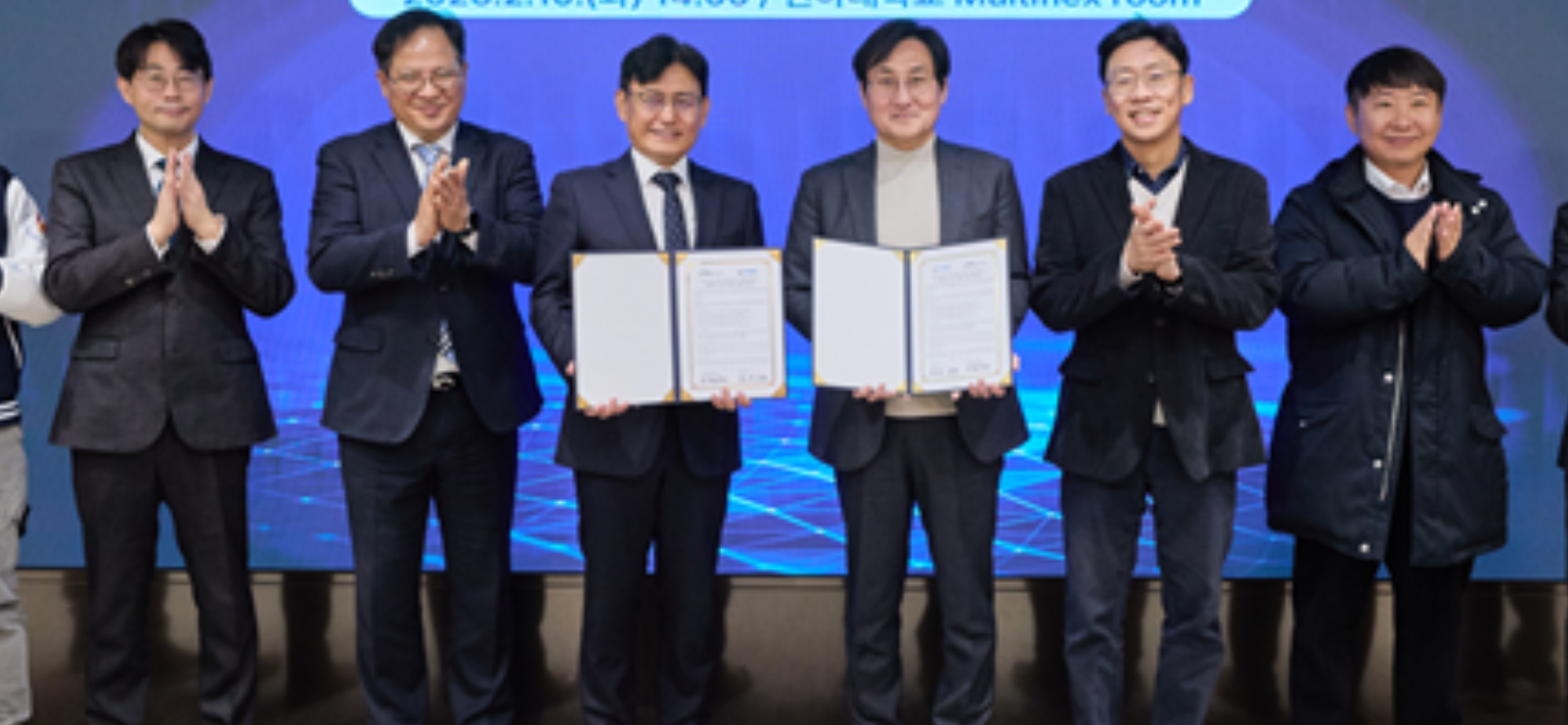
During the event, Inha University also signed an MoU with KINX and LS ELECTRIC to build an AI-based innovation ecosystem.

Under the agreement, the three institutions will strengthen cooperation in various areas supporting regional innovation, including:

• Developing AI convergence–focused professional talent

• Joint R&D for digital transformation in Incheon’s strategic industries

• Sharing human and physical resources

They will jointly carry out core tasks under the I-RISE initiative—such as developing AI-based educational programs and conducting collaborative research in AI and digital transformation—while also expanding academic and research exchanges.

President Myungwoo Cho stated, “With the launch of the AI Convergence Innovation Headquarters, we expect Inha University’s AI education, research, and industry–academic cooperation to become more systematically integrated and expanded. We will continue building a consistent framework for AI technology development, real-world testing, and professional talent cultivation to strengthen Incheon’s future competitiveness.”

▲President Myungwoo Cho delivers remarks at the inauguration ceremony.

▲Executive Vice President Seonghyeon Baek presents on the mission and structure of the new AI Convergence Innovation Headquarters.

▲KINX Director Jonghong Won, President Myungwoo Cho, and LS ELECTRIC CEO Daeseok Chae pose for a commemorative photo after signing the MoU.

Original Article Link

Sogang Hosts Pet Blessing Ceremony

The Office of Campus Ministry Affairs at Sogang University recently held a pet blessing ceremony in front of Saint Ignatius Chapel, marking the first event of its kind in six years. The ceremony drew strong participation from members of the university community, reflecting growing social interest in companion animals and responsible coexistence.

Participants included individuals currently living with their companion animals, those remembering pets that had passed away, and others caring for animals undergoing medical treatment. Despite their diverse circumstances, participants came together with a shared sense of respect for life and a commitment to caring relationships between humans and animals.

The ceremony, which lasted approximately one hour, was officiated by Rev. Kim Chi-hun, Dean of Campus Ministry Affairs. In his address, Rev. Kim highlighted the interconnectedness of ecological awareness and sustainable environments, noting that these values are practiced through everyday relationships, including those with companion animals. He emphasized that sustainable coexistence begins with recognizing animals as partners in shared living environments rather than as objects of ownership.

Rev. Kim also reflected on the broader significance of the ceremony, noting that harmony between humans and nature is essential for fostering balanced relationships within ecosystems. Referring to the legacy of St. Francis of Assisi, he underscored the long-standing ethical tradition of respect for all forms of life and the idea that care for companion animals can extend into wider responsibility toward society and the natural world.

Following the address, companion animals and their owners received blessings, along with commemorative certificates prepared for the occasion. Each certificate included the names of the animal and owner, an image of St. Francis, and a short prayer, allowing participants to retain a meaningful record of the ceremony.

Throughout the event, the atmosphere remained calm and orderly, enabling the ceremony to conclude smoothly. Beyond its ceremonial aspects, the gathering also served as a space for communication, where participants shared personal experiences and reflected collectively on themes of empathy, care, and sustainability.

Through this community-based initiative, the university highlighted how everyday practices of care and coexistence can contribute to more inclusive, responsible, and environmentally conscious communities.

8th IUT Commencement Ceremony Held

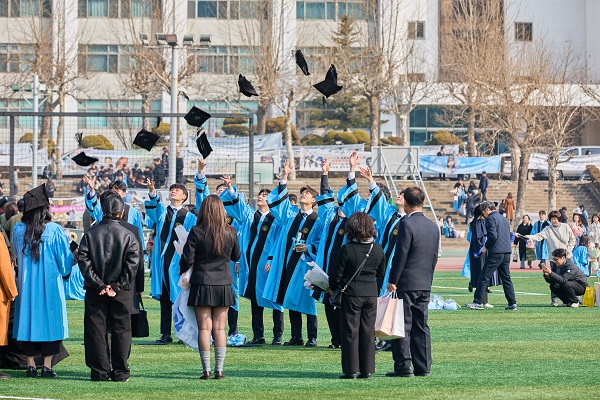
▲Graduates celebrate with the traditional cap-tossing ceremony at the 8th Commencement Ceremony of Inha University in Tashkent (IUT).

Inha university held the 8th Commencement Ceremony of Inha University in Tashkent (IUT) in Tashkent, Uzbekistan, on the 23rd.

This year, 307 graduates received their degrees, joined by their families and friends in celebration. Among them, 213 students from the School of Computer and Information Engineering earned their degrees through the 4+0 joint curriculum program, while 75 students from the School of Business and Logistics completed a 3+1 joint program to obtain degrees from our university. Additionally, 19 MBA students received graduate-level degrees after completing the 1+1 joint program operated with our Graduate School of Business.

The ceremony was attended by President Myeong Woo Cho; Sung Yong-rak, Chair of the Jungseok-Inha Foundation; Managing Director Kim Yun-hwi; National Assembly members Kim Kyo-heung, Yang Moon-suk, and Jin Jong-oh; Korean Ambassador to Uzbekistan Won Do-yeon; Uzbekistan’s Minister of Digital Technologies Sherzod Shermatov; and IUT President Bobur Abdullaev, all of whom congratulated the graduates.

At the ceremony, Tursunova Mokhira Botir Kiz received the Jungseok-Inha Foundation Chairman’s Award for graduating as valedictorian, while Yuldashev Komiljon and Abdullajanov Azizjon received the President’s Award.

IUT was established in 2014 in Tashkent, the capital of Uzbekistan. It is recognized as Korea’s first successful case of exporting a full university-level education system, pioneering initiatives such as the 3+1 visiting education program and 4+0 joint curriculum model.

Under the university’s strong academic framework, IUT produced its first graduating class in 2018, and now—with this year’s ceremony—has educated and sent more than 2,300 students into various fields of society.

Most graduates have secured employment at leading local IT companies, state-owned enterprises, and government agencies, solidifying IUT’s status as one of Uzbekistan’s top institutions.

In his congratulatory address, President Myeong Woo Cho stated, “Since their founding, Inha University and IUT have walked together with the shared mission of nurturing global talent,” adding, “The knowledge and experiences you have gained at IUT will become a driving force for the future of Uzbekistan.”

성용락 정석인하학원 이사장이 제8회 타슈켄트 인하대학교(Inha University in Tashkent·IUT) 학위수여식에서 축사를 하고 있다.▲ Sung Yong-rak, Chair of the Jungseok-Inha Foundation, delivers congratulatory remarks at the 8th IUT Commencement Ceremony.

조명우 총장이 제8회 타슈켄트 인하대학교(Inha University in Tashkent·IUT) 학위수여식에서 축사를 하고 있다.▲ President Myeong Woo Cho delivers a congratulatory address at the 8th IUT Commencement Ceremony.

김교흥 국회의원이 제8회 타슈켄트 인하대학교(Inha University in Tashkent·IUT) 학위수여식에서 축사를 하고 있다.▲ National Assembly member Kim Kyo-heung delivers congratulatory remarks at the 8th IUT Commencement Ceremony.

Original Article Link

Inha Launches Tech Institute in Hen Univ.

▲Attendees pose for a commemorative photo at the launch ceremony of the Inha Institute of Technology, a Sino-foreign cooperative education institution established by Henan Polytechnic University and Inha University.

Inha University recently held the launch ceremony for the Inha Institute of Technology, a Sino-foreign cooperative education institution jointly established with Henan Polytechnic University in China.

The ceremony was attended by Inha University President Myung Woo Cho, Vice President for External Affairs Woonghee Kim, Global Affairs Director Taejoon Jeon, as well as Henan Polytechnic University President Wu Zhishen and Vice President Zhao Renyong.

During the launch ceremony, the two universities established a Joint Steering Committee to build an official operational system and discussed future cooperation directions along with detailed implementation plans.

Inha University began pursuing the establishment of this Sino-foreign cooperative education institution in December 2020. After extensive discussions regarding participating departments, admission quotas, and the operational structure, the program received official approval from the Chinese Ministry of Education this September.

China’s Sino-foreign cooperative education system allows Chinese universities with strong educational and research capabilities to jointly operate academic programs with overseas universities upon approval from the Ministry of Education. Institutions (機構) established under this system are independent educational entities jointly founded by a Chinese and foreign university, and the issuance of dual degrees is mandatory.

Because all Sino-foreign cooperative education programs require approval from the Chinese Ministry of Education, the review and approval process is known to be extremely rigorous. Inha University’s newly approved institution represents only the fifth time in history that a Korean university has received approval for an “institution-level” Sino-foreign cooperative education program. Among all Korea-China cooperative education applications submitted for the 2025 academic year—both program-level and institution-level—this is the only case approved, underscoring its significant achievement.

Henan Polytechnic University is one of the most prominent industry-specialized universities in Henan Province and is recognized as one of the province’s four core higher education institutions. The university is widely known for its outstanding research capabilities, including receiving the prestigious National Science and Technology Progress Award (First Class). It has also been selected for China’s “Plan for Educating and Training Outstanding Engineers,” showcasing its strong educational infrastructure and ability to cultivate top-tier engineering talent.

With the launch ceremony complete, Inha University has begun full-scale preparations for operating the Inha Institute of Technology.

The institute will offer undergraduate 4+0 dual-degree programs in Biotechnology, Geoinformation Engineering, and Chemical Engineering.

Under the 4+0 dual-degree model, Chinese students will study for four years at the Inha Institute of Technology using Inha University’s curriculum and, upon completion, receive degrees from both universities.

Faculty members from Inha University will be dispatched to China to deliver lectures in person, ensuring that students receive high-quality and systematic academic instruction.

The university aims to recruit the first cohort of freshmen in September 2026. Chinese students will be admitted through the local university entrance examination system, and the institute plans to enroll 270 students annually through 2037.

Building on the success of Inha University in Tashkent (IUT) — established in 2014 as Korea’s first exported university-level education system — Inha University continues to expand international academic cooperation with leading institutions worldwide.

Original Article Link

Original Article Link