Ambassador has dialogue with KPI students

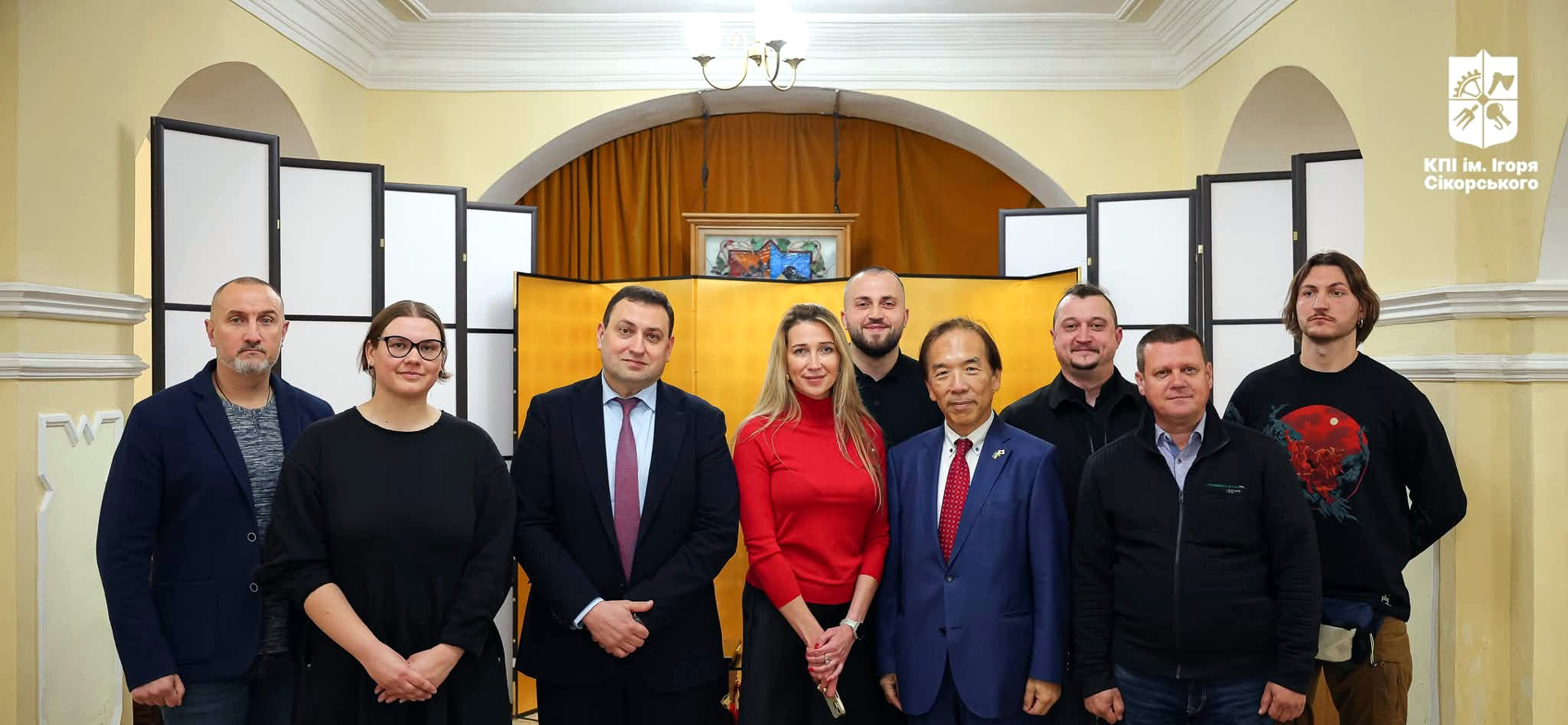
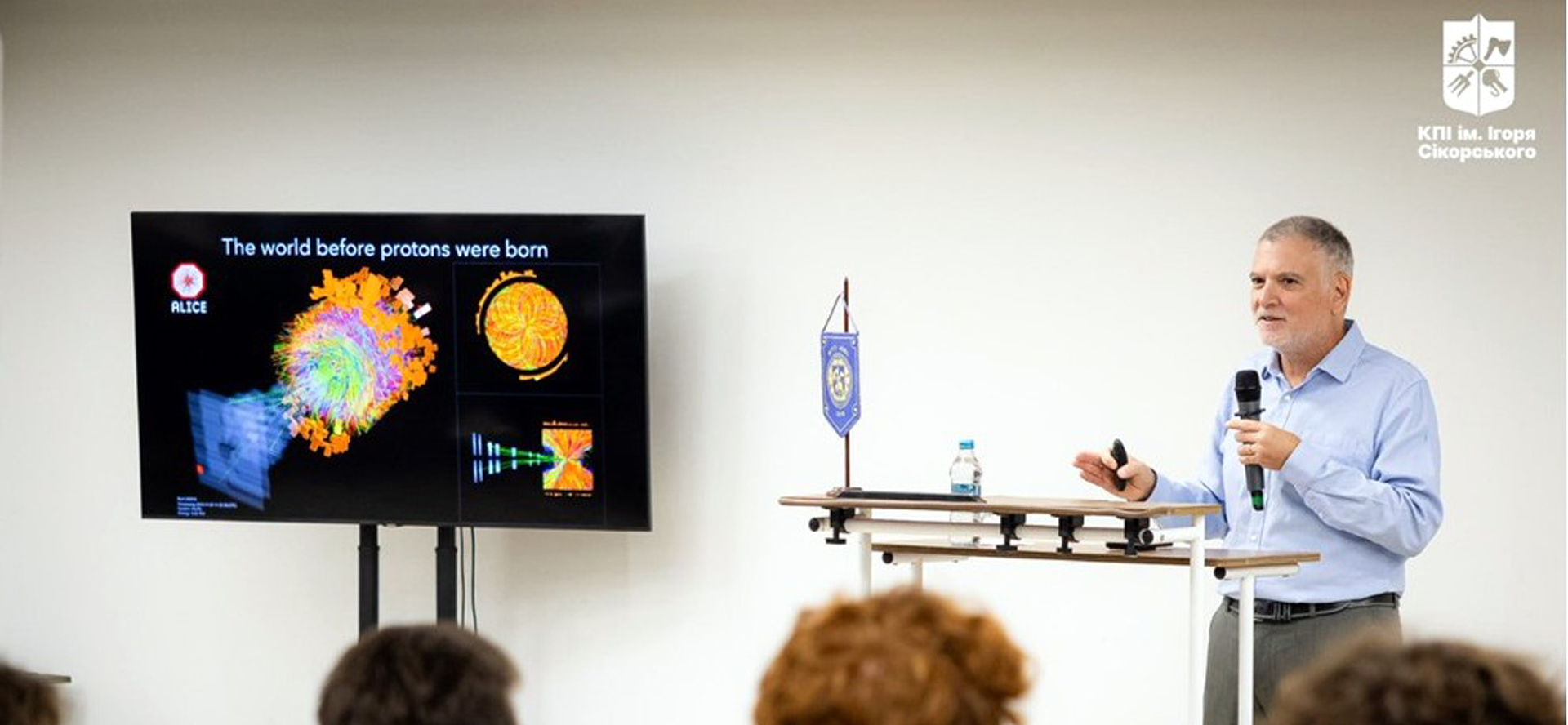
During his third visit to the Igor Sikorsky Kyiv Polytechnic Institute (KPI), Michael Brodsky, Ambassador Extraordinary and Plenipotentiary of the State of Israel to Ukraine, delivered a lecture entitled “Israel and Ukraine – Lessons of War” to students. His lecture laser focused on international relations and the adaptation of Israel’s experience to the needs of Ukraine. The ambassador expressed firm support for Ukraine in its fight for sovereignty and territorial integrity.


The meeting with the diplomat took place in an engaging question-and-answer format, highlighting the following key issues:

• role of innovation and technology in modern warfare;

• principles of effective diplomacy in crises;

• Israel’s practical experience in responding to security challenges;

• potentialities for implementing relevant approaches in the context of today’s Ukraine.


In addition, a working meeting was held with the university administration to discuss cooperation with Israeli universities, particularly the Technion, one of the world’s leading universities of technology in the domain of digital education. Plans are afoot for the visit of a Kyiv Polytechnic delegation to Israel to explore the country’s educational and scientific ecosystem.


Special attention was also paid to joint cultural and institutional initiatives, including the establishment of the Ukrainian-Israeli Centre at Igor Sikorsky Kyiv Polytechnic Institute — a platform for consultations, cultural exchange and academic cooperation, with a view to enabling and supporting entrepreneurship and start-ups.

Zelenskyy awards KPI scientists Paton Prize

Ukrainian President Volodymyr Zelenskyy presented diplomas and honorary badges of the Borys Paton National Prize of Ukraine to three scientists from the Department of High-Temperature Materials and Powder Metallurgy at the Yevhen Paton Institute of Materials Science and Welding, affiliated to the Igor Sikorsky Kyiv Polytechnic Institute (KPI).


Specifically, among the 2025 Paton Prize laureates are Prof Yurii Bohomol (pictured left), Corresponding Member of the National Academy of Sciences of Ukraine and Head of the Department; Oleksandra Yurkova (pictured right), Professor at the Department; and Yevhen Solodkyi, Associate Professor at the Department.


This high government award recognises the staff’s significant contribution to the development of modern materials science and powder metallurgy.


“All of this is extremely valuable; all of this proves – and this is no secret either – that our Ukrainian science is alive,” Volodymyr Zelenskyy said. “However hard it may be for scientists. Science, alongside the army, alongside diplomacy, is just as effective a force in countering Russian evil. Our science is progressing well, growing, which is vital during the war; it creates, and it makes Ukraine stronger.”


The Borys Paton National Prize of Ukraine was established in May 2021. The President awards it to recognise scientific research that contributes to the development of the humanities, natural and technical sciences, medicine, education, and environmental protection.


P.S. The Igor Sikorsky Kyiv Polytechnic Institute is a public, research-intensive university based in the capital city of Kyiv. It is one of the largest technical universities in Ukraine.


Established in 1898, Kyiv Polytechnic aims to pursue global cooperation, research and innovation to establish itself as Ukraine’s representative university of technology. Scaling up innovation, it coordinates a national innovation ecosystem of 18 startup schools and 15 innovation clusters. Specifically, its Sikorsky Challenge Innovation Ecosystem is dedicated to empowering groundbreaking projects and startups, fostering collaboration, and providing unparalleled growth opportunities.


For Kyiv Polytechnic, knowledge is power. It is the university of ideas and startups. Kyiv Polytechnic boasts more than 70 research labs and centres, alongside three science parks, serving as hubs for technology transfer and startup incubation.


The university has a history of turning out prominent figures. Among its top-flight alumni are Yevhen Paton, inventor of electric welding, Igor Sikorsky, Ukrainian-US pioneer in aircraft design, and Serhii Koroliov, designer of guided missiles, particularly the world’s first intercontinental ballistic missile (ICBM), rockets, and spacecraft. The Kyiv Polytechnic Institute was named after Igor Sikorsky on 17 August 2016.


Currently, Kyiv Polytechnic is organised into 100+ scientific schools. Its priority research areas include mechanical engineering, chemistry, materials science, ICT, energy efficiency, environmental monitoring, nuclear safety, aerospace technologies, prosthetics, robotics, humanitarian demining, and cybersecurity.


It is home to over 2,000 faculty members and more than 23,000 undergraduate and graduate students. The university campus is arranged over 135 acres within Kyiv, and features 21 student residences, as well as five gardens and green-space areas.


Studying in Igor Sikorsky Kyiv Polytechnic Institute offers a truly global-standard education, driven by research, collaboration and innovation.

KPI leads Ukrainian universities in IP

Data from the Ukrainian National Office for Intellectual Property (IP) and Innovations show that the Igor Sikorsky Kyiv Polytechnic Institute (KPI) tops Ukrainian universities in intellectual property.


Kyiv Polytechnic demonstrated systematic and effective research in the first nine months of 2025. During this period, the university filed 112 applications for industrial property rights, including inventions, utility models, industrial designs, trademarks, and copyright. It also ranked first among higher education institutions under the jurisdiction of the Ministry of Education and Science of Ukraine for the highest inventive activity.


These indicators evidence the huge research capacity and innovative potential of scientists and inventors at Igor Sikorsky Kyiv Polytechnic Institute, as well as a sustainable and effective model of university science, in which research is transformed into viable solutions and innovations that contribute to the development of Ukraine.

https://nipo.gov.ua/wp-content/uploads/2026/01/Pokaznyky-diialnosti-u-sferi-IV-za-9-misiatsiv-2025.pdf

KPI team wins Global Greenchem Hackathon 2025

Following the wrap-up of the 14th International Festival of Innovation Projects Sikorsky Challenge, the Global Greenchem Hackathon 2025 took place from 31 October to 2 November 2025, in line with the format of the festival and within the framework of the Global GreenChem Innovation & Network Programme.


The purpose of hackathon’s tasks was to find opportunities to replace traditional petrochemical substances with alternative functional additives of natural origin for industrial use in the production of building materials.


More than ten teams of researchers and students from the cities of Kyiv, Kharkiv, Dnipro, Sumy, Lviv and Khmelnytskyi worked on innovative solutions commissioned by Dow, the US materials science company, and Elf Decor, the leading Ukrainian manufacturer of decorative materials. Over the course of three days, the teams not only developed their own concepts to fulfil the set tasks, but also attended the lecture “Fundamentals of Green Chemistry: How to Develop Safe Products” delivered by Oleksandr Khokhotva, a chemical management expert at the Resource Efficient and Cleaner Production (RECP) Centre. Team members also participated in the workshop “Theory of Solving Inventive Problems” conducted by Kateryna Vershynina and Andrii Salamatov, co-owners of the 4press creative agency and the Zelena Ka4ka (green duck) Telegram channel.


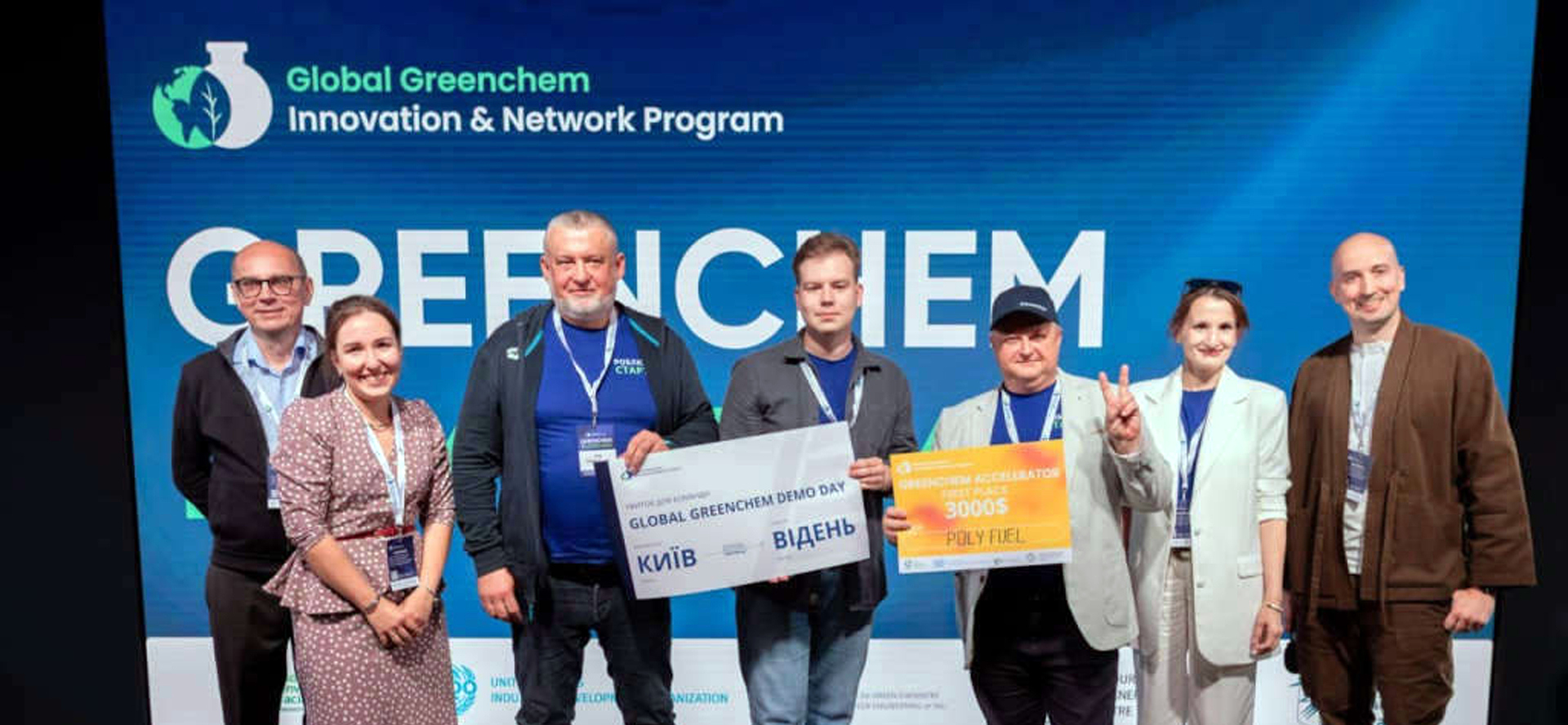
A team called “Synergy 404” from the Faculty of Biotechnology and Biotechnics (FBT) at the Igor Sikorsky Kyiv Polytechnic Institute (KPI) won the contest and received a cheque for $1,500. The winning team was made up of fourth-year students Yuliia Horbachova, Mariia Dolbeshchenkova and Oleksandra Sapitash from the FBT Department of Industrial Biotechnology and Biopharmacy. The team was led by Vitalii Klochko, associate professor at FBT. They proposed a technology for developing water-dispersible latex based on terpene monomers obtained through biosynthesis.


It is worth noting too that the FBT team participated in the Global Greenchem Hackathon for the second time. In addition to his teaching duties, Vitalii Klochko’s areas of responsibilities include the scientific work of the department and he serves as a senior researcher at the Department of Physiology and Systematics of Micromycetes of the D.K. Zabolotny Institute of Microbiology and Virology, affiliated to the National Academy of Sciences of Ukraine. Fruitful scientific cooperation between the FBT and this institute enabled the Synergy 404 team to offer well-founded and balanced solutions.


The programme was implemented within UNIDO’s major initiative on Green Chemistry, supported by the Global Environment Facility, in partnership with US-based Yale University and the Ukraine’s RECP Centre.


According to the members of Synergy 404, participation in such events is very useful, as it empowers students to use practically the theoretical knowledge they have gained at university to solve real-world problems or create prototypes of innovative solutions. They also have a unique opportunity to network with like-minded peers, lecturers, mentors, industry representatives, and potential employers. Looking ahead, young participants in hackathons will be able to add a notable achievement to their CVs. Thus, scientific hackathons are not merely contests, but a powerful educational platform that prepares students to work in the challenging environment of the modern technological world.

KPI hosts conference on crisis response

The international scientific and practical conference themed “Resilient Communities – Stable Future: Ukrainian-Polish Experience in Crisis Response” took place at the Igor Sikorsky Kyiv Polytechnic Institute (KPI) from 18 to 19 November 2025. It was devoted to contemporary challenges to the functioning of socio-economic systems, the promotion of sustainable development in local communities, and the implementation of effective crises response models.


The event was held within the framework of the NATO Science for Peace and Security Programme, project G6119 entitled “Increasing the Capacity of Local Communities to Counteract Crisis Situations”. The project is led by Poznan University of Technology, with Kyiv Polytechnic acting as a partner institution.


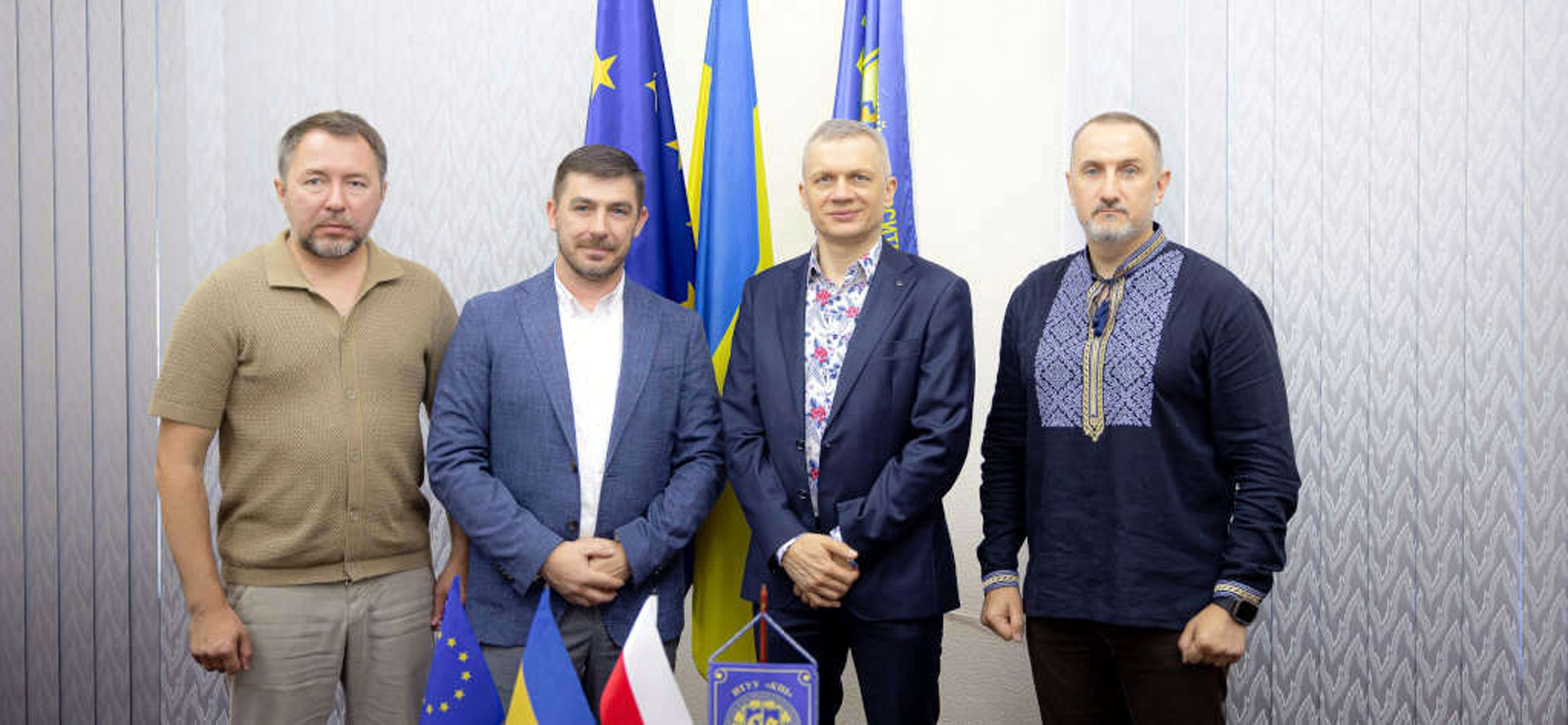
Anatolii Melnychenko, Rector of Kyiv Polytechnic, opened the conference. Senior staff and scientists from the Kyiv Polytechnic’s Institute for Applied System Analysis, the Faculty of Management and Marketing (FMM), the Faculty of Sociology and Law, and the International Collaboration Department took an active part in it. Over the course of two working days, 26 reports were presented by participants from Ukraine, Poland, Romania, and China. A total of nearly 90 participants attended the event.


The conference featured the following topics: “Ukrainian realities of society’s ability to respond to crises,” “Model of resilience: how Polish municipalities adapt to new challenges,” “Good governance and digital resilience of communities,” and “Data science to counter threats to communities’ development”.


Important issues discussed during the conference included community governance in wartime, psychological preparedness of the population for emergencies, crisis communication, digital transformation, and strategies for ensuring local security. In addition, particular attention was paid to strengthening social cohesion, adapting management models, and developing resilient social systems in times of war and global challenges.


Prof Serhii Voitko, Head of the FMM Department of International Economics and Project Co-Director representing Igor Sikorsky Kyiv Polytechnic Institute, emphasised that a vital component of the joint activities is facilitating international support for Ukraine’s efforts to achieve victory. He noted that the conference demonstrated the international community’s awareness of the existential threats facing humanity at the end of the first quarter of the 21st century.


The purpose of the project is to formulate basic principles for enhancing the efficiency of the crisis management system in local communities, capable of anticipating adverse situations (threats, accidents, and disasters) and preparing the necessary resources to address them. Accordingly, the conference laser focused on analysing standard acts applied by local authorities, exploring the experience of overcoming crises in Ukraine and Poland, pinpointing efficient and inefficient crisis management practices, as well as considering the phenomenon of self-organisation of local communities, among other things.


The three-year joint activity under this grant funding project involves studying the ability of decision-makers at community, regional or state levels to exert social influence, legitimise authority and ensure social resilience in crisis management processes in Poland and Ukraine. The final beneficiaries of the project are local communities in the Poznan Poviat of the Wielkopolska Voivodeship (Poland) and in the Bucha District of the Kyiv Region (Ukraine).

Students meet with ASPILSAN General Manager

During the second visit of the delegation of Turkey’s ASPİLSAN Enerji Industry and Trade Inc to the Igor Sikorsky Kyiv Polytechnic Institute, Prof Dr Ahmet Turan Özdemir, General Manager of this high-tech company, delivered the lecture titled “Battery Technologies and Energy Solutions Shaping the Future” to students of the Faculty of Electric Power Engineering and Automatics (FEA) and the Faculty of Chemical Technology (FCT).


In his lecture, students learned about:

• technological trends that may prove useful for their research;

• history and evolution of ASPILSAN Enerji;

• company’s areas of operations and its wide range of products, including communication system and device batteries, robotic system batteries, aviation batteries, rail transportation and marine system batteries, energy storage systems, and other advanced solutions.


In the course of the visit, the university administration and Turkish partners also held a working meeting to discuss the following points:

• electric power and chemical engineering projects at the FEA and FCT;

• opportunities for conducting R&D;

• exchange of experience and the extension of cooperation with Turkish universities.

KPI helps heroic defenders of Ukraine

About 15 military personnel and war veterans, some of them are students and graduates of the Igor Sikorsky Kyiv Polytechnic Institute (KPI), participated in the recovery programme implemented by the Kyiv Polytechnic’s Veteran Development Centre, the “Veterans – the Path Home” movement, and a team of the British-Ukrainian project “Hopeful Future” – the innovative peer-to-peer psychological recovery programme for veterans.


Over the course of three days, the group engaged in a series of activities:

• classes at a social ranch and horse riding providing psychological and emotional relief;

• open discussions with a psychologist held in a safe and supportive space;

• question-and-answer session where participants could talk about vital issues and hear from others who have had similar experiences.


This recovery programme was designed by Simon Edwards, a British Army veteran and internationally recognised expert in veteran rehabilitation and trauma recovery with more than 12 years of experience working with veterans in many countries. Currently, the programme is carried out in Ukraine in consideration of the grim realities of war conflicts and their repercussions.


It is important to note that Igor Sikorsky Kyiv Polytechnic Institute systematically supports military personnel and veterans, creating an environment for their reintegration, new opportunities, and renewed development.


https://hopefulfuture.com.ua/en/

KPI talents among winners of AI competition

Every year, the International Student Research Competition in Artificial Intelligence brings together young researchers who come up with innovative solutions and new ideas while exploring the latest trends in artificial intelligence, ranging from computer vision to natural language processing.


Among 15 projects that reached the finals this year, three winners came from the Igor Sikorsky Kyiv Polytechnic Institute (KPI).


Danil Brovko, a Kyiv Polytechnic student at the Institute for Applied System Analysis (IASA), took first place and received a cash certificate in the amount of 30,000 Ukrainian hryvnias from the general sponsor of the competition, Credit Agricole Bank, for his project “SpectralCA: Bi-Direction Cross-Attention for Next-Generation UAV Hyperspectral Vision”.


Svitlana Mykhailenko at the Faculty of Biomedical Engineering earned third place for the project “Identification of predictors of post-traumatic stress disorder diagnosis based on the parameters of BOLD signal connectivity models of brain structures.” Another sponsor, the DataArt AI software development company, presented gifts to her.


IASA student Artem Golovachov also won third place for the project “Aircraft Trajectory Generation Method Based on Visual Transformer,” receiving gifts from DataArt.


Congratulations to the winners from Igor Sikorsky Kyiv Polytechnic Institute, with best wishes for their new successes and for many more inspiring projects.


Special thanks are due to the sponsors – Credit Agricole, DataArt, EvoLogics GmbH, the SoftServe software development and consulting company, the Solidgate payment processing and orchestration platform, and the Unicorn company – as well as to the competition’s partner, Sikorsky Challenge Innovation Ecosystem, for supporting innovation and student research.

KPI participates in MERIT-Ukraine project

A delegation of the Igor Sikorsky Kyiv Polytechnic Institute (KPI) has participated in a series of events within the framework of the “Mechatronics, Energy, Robotics, and Innovation Technologies with Ukraine” (MERIT-Ukraine) project, supported by the German Academic Exchange Service (DAAD) from the funds of the German Federal Ministry of Research, Technology, and Space.


The project is carried out in collaboration with Germany’s Leibniz University Hannover and the Lviv Polytechnic National University. It is intended to establish a sustainable German-Ukrainian academic collaboration in the fields of energy technology, power engineering, mechatronics, robotics, and artificial intelligence.


Representatives of Kyiv Polytechnic’s International Collaboration Department discussed the development and systematic expansion of academic mobility and exchanges, the prospects for new joint projects, and the organisation of shared courses.


In addition, the representatives of Igor Sikorsky Kyiv Polytechnic Institute took part in the Night of Science 2025 events, the largest scientific forum in Hannover, where they showcased their technological developments, generating great interest among the German academic and industrial communities.

KPI representatives meet academic diaspora

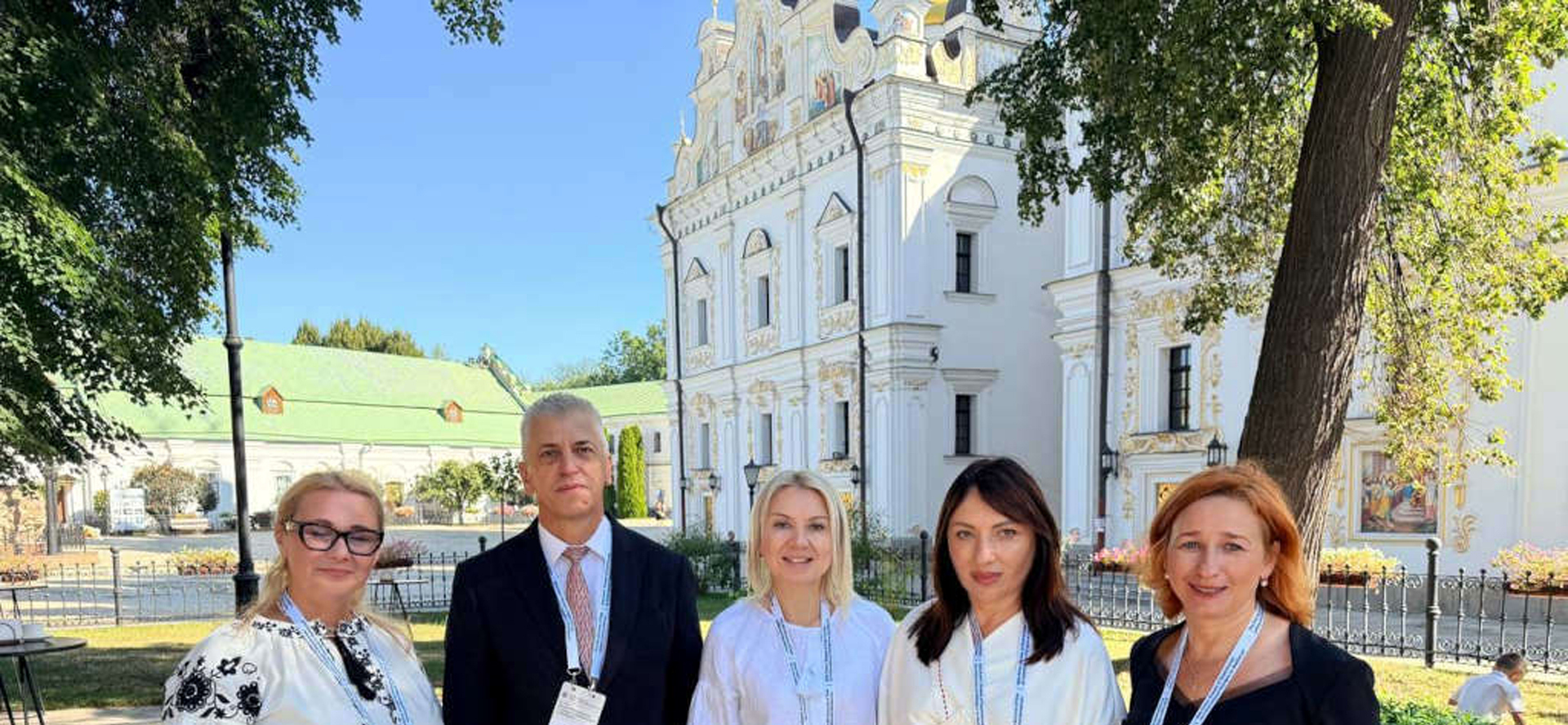
In Vienna, representatives of the Igor Sikorsky Kyiv Polytechnic Institute (KPI) met with members of the Ukrainian academic diaspora in Austria.


Kyiv Polytechnic Rector Anatolii Melnychenko, and the Vice-Rector for International Relations, Andrii Shysholin, introduced the audience to the university and emphasised that the academic diaspora plays a vital role as a bridge for expanding international cooperation. They highlighted that these are people who not only care deeply for Ukraine but also stand ready to foster partnerships between Austrian colleagues and Ukrainian universities.


Discussions during the meeting centred on:

• areas of cooperation, including joint projects, the involvement of Ukrainian researchers abroad in projects with Kyiv Polytechnic scientists, and lectures;

• feasible options of university’s participation in maintaining refugee children’s links with Ukraine. In particular, through the enrolment of the Ukrainian children, who relocated to Austria because of the full-scale Russian invasion, in preparatory courses at Igor Sikorsky Kyiv Polytechnic Institute.


Special thanks are due to the Ukrainian academic diaspora in Austria for the open dialogue, and to the Embassy of Ukraine in the Republic of Austria for its support of Ukrainian science and for facilitating this meeting.