Chula President Chairs TCAS69 Launch

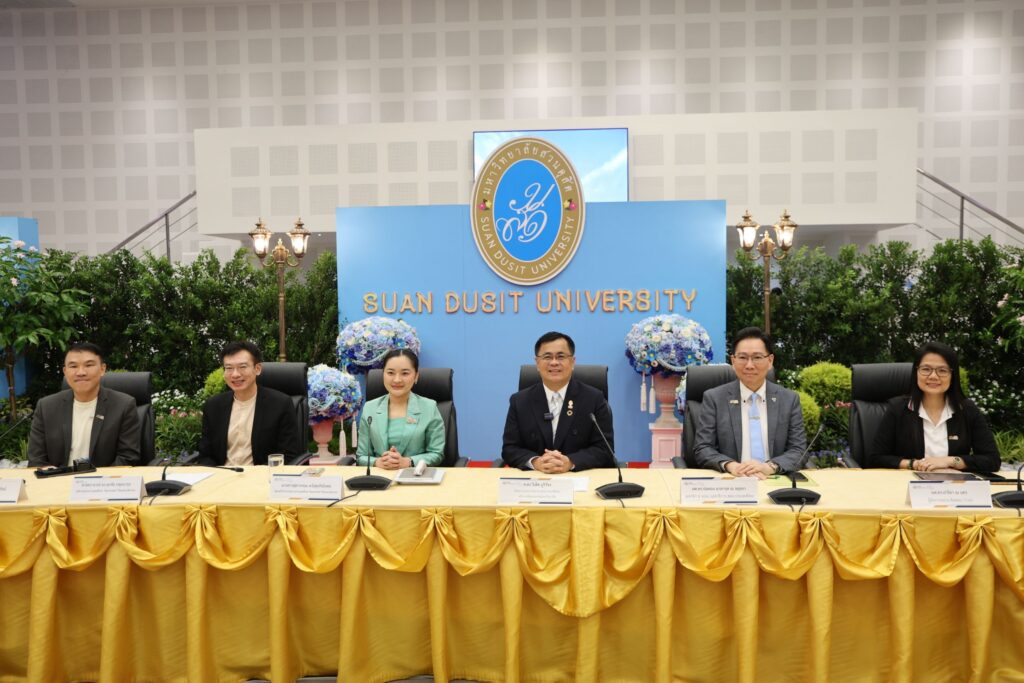
The Council of University Presidents of Thailand (CUPT) held a press conference to launch the “Thai University Central Admission System 2026 (TCAS69): Opportunities for All” on Sunday, August 17, 2025, at Raktanakit Auditorium, 2nd Floor, Suan Dusit University. The event was attended by Ms. Sudawan Wangsupakitkosol, Minister of Higher Education, Science, Research, and Innovation (MHESI); Prof. Dr. Supachai Pathumnakul, Permanent Secretary of MHESI; Prof. Dr. Wilert Puriwat, President of Chulalongkorn University and Chairman of CUPT; Assoc. Prof. Dr. Pomthong Malakul Na Ayudhaya, Secretary-General of CUPT; Assoc. Prof. Dr. Charlie Charoenlappanopparat, TCAS69 System Manager; and Assoc. Prof. Dr. Pariya Na Nakorn, TCAS69 Examination Manager. 

CUPT declared its commitment to “A New Step for TCAS69: Opportunities for All” with TCASfolio—a standardized digital portfolio platform, statistical database, and financial support scheme to promote equal access to education. Continuing from last year, CUPT reaffirmed its mission to build a transparent, fair, and inclusive selection process that reduces inequality and helps students prepare comprehensively. For the 2026 academic year, 82 higher education institutions are participating in the TCAS69 system. 

Ms. Sudawan Wangsupakitkosol, MHESI Minister, stated that CUPT plays a key role in working with the ministry to develop TCAS: Opportunities for All—an initiative to expand equitable educational opportunities for every youth. Recognizing that education should not be limited by financial burdens, the ministry has allocated funding in 2026 to cover student application fees under TCAS. This includes:

  • TGAT exam fees at 100 baht per subject 
  • TPAT exam fees (including TPAT1) at 140 baht per subject 
  • Admission Round (Round 3) fees, which allow students to apply to up to 7 programs 

These measures underscore the government’s commitment to invest in equal access to education while reducing financial barriers. 

Prof. Dr. Wilert Puriwat, Chula President and CUPT Chair, emphasized CUPT’s ongoing commitment to developing TCAS into a transparent, fair, and inclusive admission system. This year, 82 universities are participating. In the Portfolio Round, participating universities agreed to prioritize the quality and accuracy of applicants’ information rather than the “aesthetics” of the portfolio. Clear scoring criteria and evaluation components will be announced on https://www.mytcas.com/ to ensure equal access to information. 

CUPT has also developed TCASfolio, a free tool to create standardized portfolios. Students can input their activities, achievements, and awards, and upload images. The system will automatically generate a PDF file and a shareable link for submission. Trial use of TCASfolio will begin in October 2025, helping reduce workload while ensuring a standardized format across institutions. 

To ensure fairness, TCAS69 has introduced “reserve examination days” in case of unforeseen disruptions. CUPT assured parents and students that every effort will be made to manage exams smoothly and fairly. 

The official TCAS69 calendar has been released, covering all four admission rounds, along with exam schedules for TGAT/TPAT and A-Level exams. Key dates include:

  • Student registration on https://www.mytcas.com/ from October 28, 2025 
  • TGAT/TPAT2–5 exams: December 13–15, 2025 
  • A-Level exams: March 14–16, 2026 
  • Exam registration: October 30 – November 6, 2025 

Exams will be offered in both Thai and English:

  • Thai exams: Paper-Based Tests (PBT) 
  • English exams (pilot): Computer-Based Tests (CBT) for TGAT (General Aptitude) and TPAT3 (Science & Engineering Aptitude). CBT registration will be on a first-come, first-served basis. A-Level exams will remain paper-based, and students may take their question papers home after the test. 

Additionally, past exams and statistical data will be published starting August 18, 2025, on https://www.mytcas.com/. This includes 2025 A-Level exams with answer keys and TCAS68 selection statistics, helping students plan and prepare more effectively. 

Exam fees for 2026 remain unchanged: 

  • TGAT/TPAT: 140 baht per subject 
  • A-Level: 100 baht per subject 
  • These rates have not increased for over 19 years. 

“TCAS69 is not only a central admission system but also a significant step toward raising the standards of Thai education — ensuring fairness, equality, and open opportunities for all youth nationwide,” said Prof. Dr. Wilert.

Read more at: https://www.chula.ac.th/en/news/256687/
UNAIR sustainable initiatives in Gili Iyang

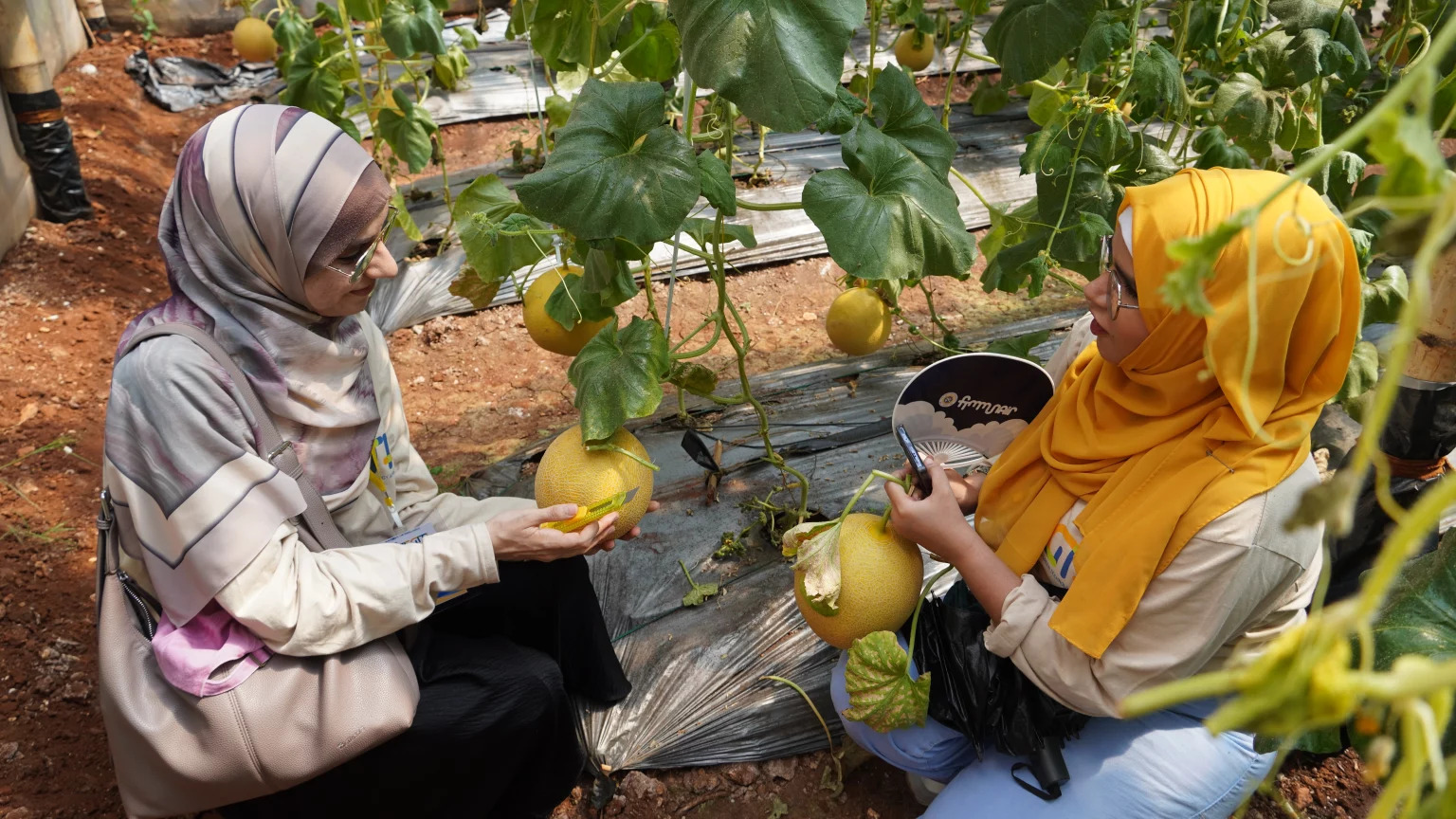
The Sustainable Energy and Green Technology Applications (SEGTA) program has once again embarked on a community engagement mission. Hosted by the Faculty of Advanced Technology and Multidiscipline (FTMM), this international initiative reflects a strong commitment to achieving the United Nations Sustainable Development Goals (SDGs). On Sunday, August 10, 2025, SEGTA conducted activities in Kalianget and Gili Iyang, Sumenep, Madura, drawing participation from 91 individuals, including international students and faculty. This year’s efforts centered on six targeted projects in the Sumenep region.

The projects included: Solar-Powered Hydroponics: A Solution for Enhancing Food Security and Reducing Reliance on Fossil Fuels; Coconut Tree Planting to Preserve Oxygen Quality in Gili Iyang, Education Outreach; Empowering Students through Electric Mobility and Renewable Energy Education, Real-Time Air Quality Monitoring: Toward a Green and Sustainable Gili Iyang Island, Drone Applications; Green Technology, and Policy for Supporting Sustainable Tourism; and Maintaining Solar Shelters to Ensure Renewable Energy Quality in Gili Iyang.

According to Prof. Dr. Retna Apsari, M.Si., FTMM’s Vice Dean for Research, Innovation, Community Engagement, and Partnerships, the Kalianget program concentrated on the solar-powered hydroponics project. Hosted at a melon greenhouse operated by Bumdes Setia Makmur in West Kalianget Village, the event featured sessions by Rizki Putra Prastio, S.Si., M.T., a lecturer in Robotics and Artificial Intelligence Engineering, and Dr. Tri Siwi Agustina, S.E., M.Si., from UNAIR’s Faculty of Economics and Business.

While differing from conventional hydroponic systems, Prastio explained that the greenhouse could greatly benefit from Internet of Things (IoT) integration. Drawing from a project in Ngerong, Pasuruan, he noted that IoT combined with solar power can significantly boost crop yields for vegetables such as bok choy and lettuce. Effective implementation, however, would require aerial mapping through drone-based photography.

Meanwhile, Tahta Amrillah, S.Si., M.Sc., Ph.D., a Nanotechnology Engineering lecturer at FTMM and coordinator of the Coconut Tree Planting initiative, oversaw the planting of 20 coconut saplings at Green Island Gili Iyang—a newly developed green tourism site. Coconut trees serve dual purposes: providing ecological benefits such as windbreaks and coastal protection, and offering substantial economic value through their diverse byproducts. The planting was carried out symbolically and involved international student representatives.

Another SEGTA innovation this year was the promotion of biofertilizers—organic fertilizers derived from naturally occurring microorganisms through the fermentation of organic waste. These biofertilizers improve plant growth and enhance soil fertility without harmful chemicals. The SEGTA team also trained local residents in biofertilizer production and application, empowering them to use the method in their own farms.

The initiative aligns with SDG 13 (Climate Action) and SDG 15 (Life on Land), furthering Gili Iyang’s vision as a model for green tourism.

As part of the Real-Time Air Quality Monitoring program, Dr. Agus Mukhlisin, S.T., M.T., deployed technology to track oxygen and carbon dioxide levels in real time. “Accurate, real-time oxygen monitoring is essential for understanding environmental health. With this data, communities can better appreciate the need to maintain Gili Iyang’s high oxygen levels,” Dr. Mukhlisin said.

The monitoring device was installed at the Bancamara Health Center on Gili Iyang. It provides direct readings of oxygen concentration (%vol) and carbon dioxide levels (ppm). As of Sunday, August 10, 2025, the system recorded oxygen levels at 20.89%. This effort reflects FTMM’s commitment to SDG 13 (Climate Action) and SDG 11 (Sustainable Cities and Communities).

AU Researcher Advances PCOS Diagnosis

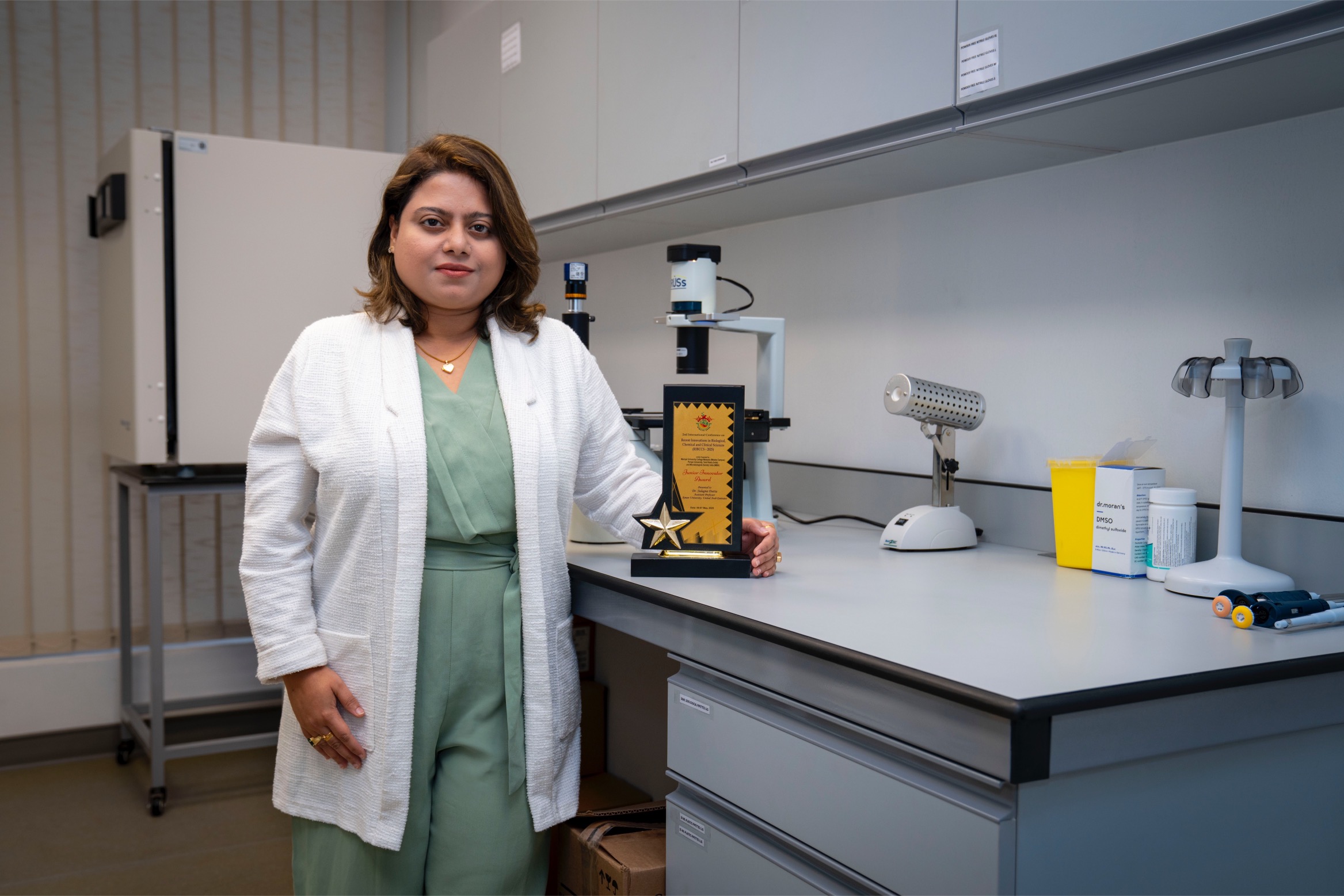
Dr. Sulagna Dutta, Chair of Research and Assistant Professor in Physiology at the College of Medicine, Ajman University, has been honored with the prestigious Junior Innovator Award at the 2nd International Conference on Recent Innovations in Biological, Chemical & Clinical Sciences (RIBCCS 2025), held in Malaysia.

Jointly presented by Manipal University College Malaysia, Periyar University (India), and the Microbiologists Society India (MSI), the award recognizes young scientists for their impactful contributions to biomedical research. Dr. Dutta was recognized for her pioneering work in infertility research, particularly in the early diagnosis and risk stratification of Polycystic Ovary Syndrome (PCOS). Her research integrates anthropometric, hormonal, and metabolic markers to develop predictive models that support earlier intervention and improved clinical outcomes in women’s health.

Dr. Dutta presented this body of work as an Invited Speaker at the RIBCCS 2025 conference, delivering a talk titled: “Predictive Risk Assessment Model for Polycystic Ovary Syndrome (PCOS) Using Anthropometric, Hormonal, and Metabolic Parameters.”The presentation highlighted her AU-funded research aimed at developing diagnostic tools that could transform clinical practice in reproductive medicine.

“Receiving the Junior Innovator Award is both an honor and a responsibility,” said Dr. Dutta. “It affirms the significance of our work in addressing one of the most underdiagnosed conditions in women’s health. This recognition strengthens our commitment to advancing research that can lead to earlier diagnoses, more effective interventions, and ultimately, a better quality of life for women affected by infertility and PCOS.

PCOS affects 1 in 10 women globally, yet many remain undiagnosed for years. Dr. Dutta’s predictive models offer a promising pathway for earlier, more accurate screening, potentially improving fertility outcomes and long-term health interventions across the region.

Dr. Dutta’s international recognition builds on her impressive academic profile, which includes a #2 Expertscape ranking in Malaysia in reproductive health and her inclusion in the Top 2% of Scientists worldwide by Stanford University’s Global Ranking since 2020.

This achievement further reinforces Ajman University College of Medicine’s mission to advance evidence-based, community-centered healthcare education and research. Dr. Dutta’s ongoing work exemplifies the college’s commitment to addressing real-world healthcare challenges and enhancing the quality of life through scientific innovation.

AU to Lead Global DNS Security Project

Ajman University has secured a prestigious international grant from the Internet Corporation for Assigned Names and Numbers (ICANN) worth USD 410,300.00, in the inaugural cycle of the ICANN Grant Program. This competitive international award, secured through the dedicated efforts of Prof. Rao Naveed Bin Rais from the College of Engineering and Information Technology, will support the development of a groundbreaking system to archive and analyze global data related to the Domain Name System Security Extensions (DNSSEC) — a vital cybersecurity protocol that safeguards the integrity of Internet infrastructure.

The project aims to build a 24/7 operational platform that analyzes historical DNSSEC data, identifies vulnerabilities, and highlights gaps in its global implementation. This first-of-its-kind system will offer diagnostic tools with visual analysis, helping enhance DNSSEC adoption worldwide.

Ajman University is the only institution in the Middle East to receive this grant, and one of just 23 selected entities out of 247 global applicants. Out of 23 entities, only 3 are selected from Asia including Ajman University. Moreover, AU is also among the only five universities worldwide to receive the award — including three from Europe, one from Latin America, and Ajman University as the sole representative from Asia.

This milestone reinforces Ajman University’s global standing, particularly as it enabled the University to obtain U.S.-equivalent charitable organization status — a prerequisite for applying to this grant. This designation aligns with AU’s identity as a non-profit academic institution and paves the way for securing additional international funding opportunities that support its academic and community missions. Being the only awardee from both the Middle East and the only university from the Asia highlights the University’s ability to compete at the highest levels in fields such as cybersecurity and Internet governance.

The grant-funded project represents a significant addition to the University’s research and technological infrastructure. It involves the development of a passive, integrated system to collect and analyze DNSSEC data — the first of its kind globally — and is expected to boost AU’s international visibility as global Internet community begins using the platform. The project will also include the establishment of a high-tech hardware lab on campus, further strengthening AU’s capacity for applied research and innovation in digital infrastructure.

The initiative promises to create research and training opportunities for AU graduates, while providing current students and researchers access to valuable datasets for research and development purposes — supporting their growth in analytical and technical skills.

The project addresses a major global challenge related to the implementation of DNSSEC, a protocol strongly advocated by global Internet bodies like ICANN and IETF for securing the DNS ecosystem. In the adoption of DNSSEC protocol, one of the main obstacles has been the lack of visibility into global adoption and implementation gaps. Through the newly developed system, Ajman University seeks to bridge that gap by monitoring and analyzing DNSSEC adoption across Internet domain names worldwide.

This project reflects Ajman University’s strong commitment to leveraging scientific research in service of global challenges and underscores its active role in building secure and sustainable digital infrastructure that benefits academic and technical communities both locally and globally.

UNAIR alumnus named ambassador

An alumnus of Universitas Airlangga has earned recognition on the international stage. K. Candra Negara, an alumnus of the International Relations program at the Faculty of Social and Political Sciences (FISIP) UNAIR, has been appointed Ambassador Extraordinary and Plenipotentiary of the Republic of Indonesia to Mozambique, concurrently accredited to Malawi. He was officially sworn in by President Prabowo Subianto on Monday (March 24, 2025) at the State Palace in Jakarta.

Ambassador Negara reflected that his years at UNAIR, especially in the FISIP academic environment, expanded his worldview and shaped his cultural awareness. Participating in wide-ranging discussions, studying global cultures through courses on society, culture, and politics, and being part of an open intellectual community gave him the perspective now essential in diplomacy.  “UNAIR taught me how to empathize and engage with diverse cultures. In the international arena, the ability to understand differences is not just an advantage—it is indispensable,” he said.

Although becoming an ambassador was never his explicit goal, Ambassador Negara pursued each stage of his diplomatic career with dedication and a commitment to continuous development. He credits UNAIR with instilling a growth mindset and strategic thinking—qualities that have proven vital in every overseas assignment.

Assigned to Mozambique and Malawi, Ambassador Negara quickly encountered challenges unique to the region. “The lack of information exchange and the limited understanding between Indonesian and Southern African communities presented particular hurdles. But we have started to address these through a series of strategic measures,” he explained.

One of his top priorities is maximizing the Preferential Trade Agreement (PTA) between Indonesia and Mozambique. This agreement is particularly significant as Mozambique remains the only African country with such a trade accord with Indonesia. Ambassador Negara sees Mozambique as a gateway for Indonesian products to reach landlocked nations in Southern Africa, including Zambia, Zimbabwe, and Malawi.

In addition to trade, he is also advocating for a Bilateral Investment Treaty (BIT) designed to provide legal protections for Indonesian investments in the region.“We want Indonesian investments not only to expand but also to be legally safeguarded. With this agreement, our investors will have both certainty and the confidence to venture further into Africa,” he emphasized.

Chula Grants Full Scholarship

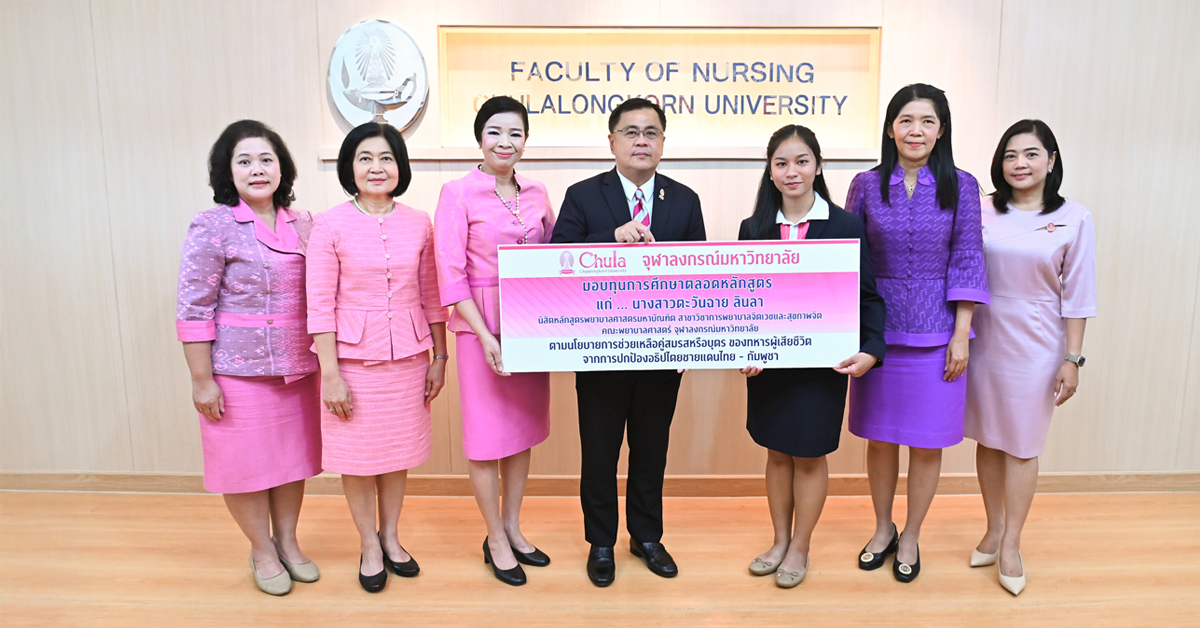
Chulalongkorn University has granted an educational scholarship to Ms. Tawanachai Linla, a professional nurse at Surin Hospital and wife of Sergeant Amarin Phasuk of the 3rd Infantry Battalion, who lost his life in the line of duty defending Thailand’s sovereignty at the Prasat Ta Muen Thom border area with Cambodia. She has been admitted to pursue a Master of Nursing Science in Psychiatric and Mental Health Nursing (part-time program) in the first semester of the 2025 academic year, with full financial support covering the entire 2-year program. 

On August 18, 2025, at the Borommarajonnani Sri Satapat 11th-floor conference room, Professor Dr. Wilert Puriwat, President of Chulalongkorn University, presided over the scholarship award ceremony and offered words of encouragement to Ms. Tawanachai, now a graduate student at the Faculty of Nursing under this special support program. 

This scholarship reflects Chulalongkorn University’s policy to support the spouses and children of soldiers who sacrificed their lives in defense of national sovereignty along the Thai–Cambodian border. On August 12, 2025, the President and university executives visited Surin Hospital to express their care and officially announce this policy. 

Prof. Dr. Wilert emphasized that the University recognizes the ultimate sacrifice of the nation’s brave soldiers, under the principle that “all Thais are one family.” Therefore, Chulalongkorn has allocated a comprehensive scholarship for the fallen soldier’s spouse to pursue a master’s degree, covering tuition fees, academic expenses, monthly living allowance, textbooks, and learning materials throughout the 2-year program. 

“This scholarship is not only about free education but also an expression of care, solidarity, and the bond among the Thai people. The families of fallen soldiers are part of our family, and we must take care of one another. This initiative reflects Chulalongkorn’s commitment not only to producing knowledgeable graduates but also to standing by the people in every circumstance—together building a strong and resilient Thai society,” said the President. 

Prof. Dr. Ratsiri Thato, Dean of the Faculty of Nursing, added that the faculty fully supports the University’s policy and has admitted Ms. Tawanachai into the part-time master’s program in Psychiatric and Mental Health Nursing for the first semester of academic year 2025. The scholarship covers tuition, monthly allowance, books, educational supplies, and access to academic journals. 

Ms. Tawanachai expressed her gratitude, saying she feels deeply honored to receive this scholarship from Chulalongkorn University. She shared that her inspiration stemmed from conversations with her late husband, who once encouraged her and set a goal that she would study at Chulalongkorn one day—a dream now fulfilled. 

Her decision to specialize in child and adolescent mental health comes from her awareness of the growing severity of mental health problems in society, coupled with the shortage of specialized professionals. She noted that “children are like young seedlings—if we focus only on physical health while neglecting mental well-being, their overall development will be compromised.” 

She views this opportunity to pursue a master’s degree as a critical step in improving the quality of life for children, families, and the wider community. For her, the scholarship is not only a personal honor but also a responsibility to give back to society, becoming a force to help advance the mental health and well-being of Thai children and youth.

Read more at: https://www.chula.ac.th/en/news/256675/

NTU–Japan Study Uncovers Adzuki Bean Origins

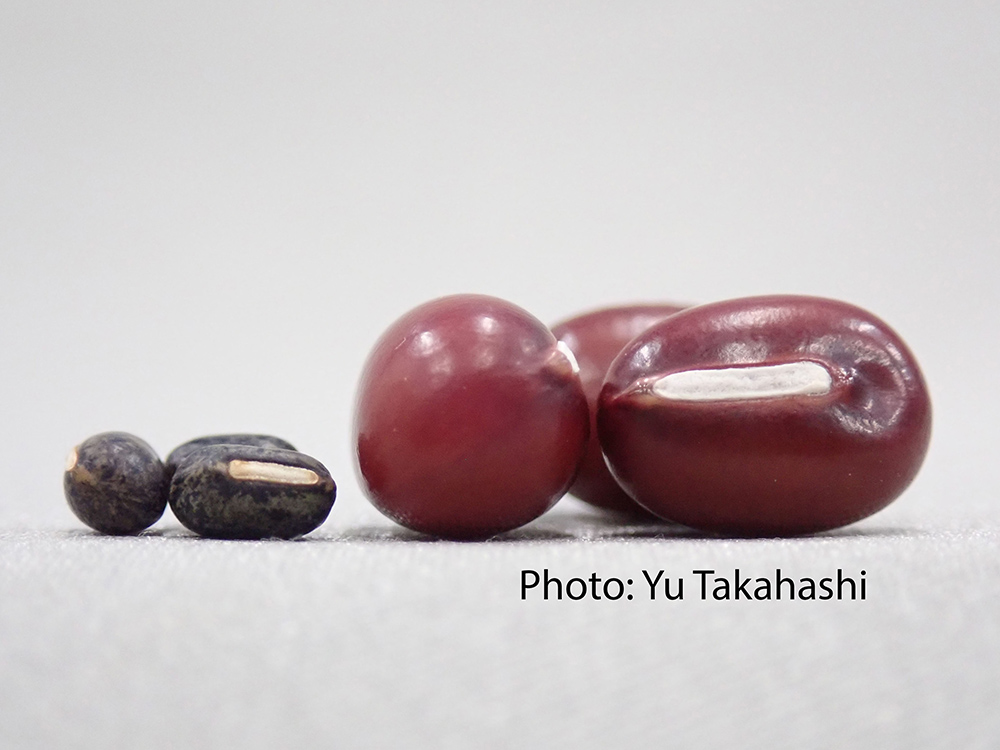
A multinational team led by Prof. Cheng-Ruei Lee of National Taiwan University (NTU) has revealed that domesticated adzuki beans originated in Japan. Their findings, published in Science, show that agriculture in Japan began thousands of years earlier than previously believed, offering new insights into the history of farming in East Asia.

Working with Dr. Ken Naito of Japan’s National Agriculture and Food Research Organization (NARO), the team analyzed genetic material from adzuki beans preserved in Japan’s national germplasm collections. The results provide the first genomic evidence that the Jōmon people, long thought to be solely foragers, practiced early crop selection between 3,000 and 5,000 years ago.

The researchers also identified genes responsible for seed color and domestication traits, finding mutations that date back nearly 10,000 years. This suggests that adzuki bean trait selection began far earlier than previously assumed and demonstrates how genomics can complement archaeological research.

This study, supported by Taiwan’s National Science and Technology Council, Academia Sinica, and NTU, not only reshapes our understanding of Japanese agriculture but also opens new directions for crop breeding and plant domestication research.

Link to the article in Science: https://www.science.org/doi/10.1126/science.ads2871

RSE, KPI to train future power engineers

In a vital step toward strengthening Ukraine’s energy autonomy, RSE – a manufacturer of modular, flexible cogeneration solutions based on MWM gas engines (Caterpillar Energy Solutions) – has signed a memorandum about strategic partnership with the Igor Sikorsky Kyiv Polytechnic Institute (KPI) and announced the launch of the equipment of the Energy Resilience Lab.

The new space is supposed to form part of Kyiv Polytechnic’s Centre for Energy Decarbonisation and its Energy Innovation Hub. The lab will become an educational and demonstration centre this autumn, where students, engineers and the representatives of communities will learn to come up with and apply energy sustainability solutions.

Why does it matter?

In the context of war, energy autonomy has become a problem of the survival of cities and communities.

“RSE are modular containerised CHP [Combined Heat and Power] units that keep this country going. We design standalone energy facilities for communities, hospitals and the critical infrastructure – places where they are much needed,” explained Andrii Hrinenko, RSE founder. “Together with Kyiv Polytechnic, we at RSE aspire to train the next generation of power engineers. This is more than an educational project – it is a contribution to Ukraine’s reconstruction and energy independence.”

“Not only should universities provide a high level of theoretical training today, but they must serve as platforms for practical solutions that truly transform the country. And the Energy Resilience Lab exemplifies this mission,” stated Kyiv Polytechnic Rector Anatolii Melnychenko. “Owing to our partnership with RSE, we are creating not just another classroom, but an environment where students will gain experience to work on cutting-edge technologies that are already saving lives and restoring Ukraine’s energy sustainability.”

What will the lab offer?

Once completed, the Energy Resilience Lab will become Ukraine’s first training platform where it will be possible to:

·        Learn how to operate modular cogeneration plants

·        Master the principles of decentralised and backup energy

·        Study the best cases of real-world RSE application in frontline cities, hospitals and logistics hubs

·        Work with demonstration stands built on MWM/Caterpillar technologies.

What comes next?

Construction and maintenance are well underway, with the laboratory set to open its doors to the first cohort of students in autumn 2025. A team of teachers and mentors is being organised, training modules developed, and demonstration equipment prepared.

Through this partnership, RSE and Igor Sikorsky Kyiv Polytechnic Institute are not only building a lab — they are building the future of energy resilience in Ukraine.

About RSE

RSE is a Czech engineering and manufacturing company established by Ukrainian specialists during the war. It produces modular cogeneration plants based on MWM/Caterpillar Energy Solutions. More than 200 RSE modular plants are already in operation across Ukraine and Europe, ensuring the energy sustainability of communities, hospitals, and the critical infrastructure.


Thammasat Foster Next-Gen Talent

Thammasat University and Boon Rawd Brewery Co., Ltd. collaborate to advance education, research, and cooperative education, preparing students for the professional world.

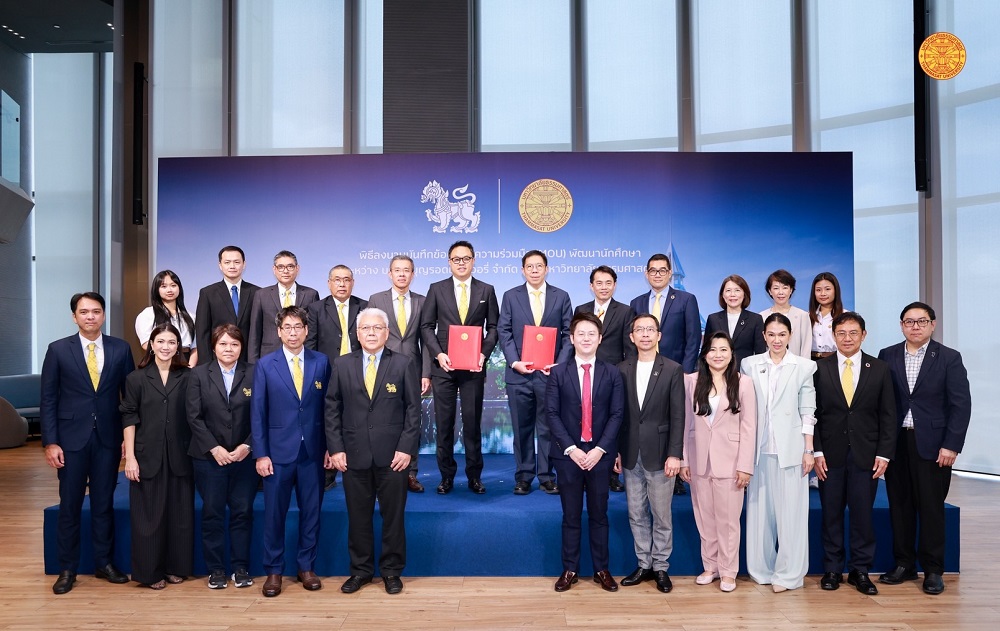
Professor Dr. Supasawad Chardchawarn, the Rector of Thammasat University, and Mr. Titiporn Thammapimookkul, Chief Marketing Officer of Boonrawd Brewery Co., Ltd., jointly signed a Memorandum of Understanding (MOU) to promote the exchange of knowledge and academic resources through various activities or projects, such as cooperative education, internships, and academic activities, as well as the exchange of information and research resources between the two parties through innovation contests, grants to promote education and research, on August 8, 2025, at Singha Complex, Bangkok.

Professor Dr. Supasawad expressed gratitude to Boon Rawd Brewery Co., Ltd. for honoring the university with the signing of this cooperation agreement. Thammasat is moving forward to transform its teaching and learning methods to provide students with opportunities to practice skills through real-life experiences while still in university. Today marks the beginning of a promising collaboration that has the potential for future development. This initiative not only facilitates students’ internships but also fosters the exchange of expertise between both organizations in terms of academics and research, with the aim of jointly developing personnel who meet the needs of society and the trends in employment both in the present and the future.

Through this collaboration, students will develop knowledge and derive inspiration from business case studies to enhance their personal and professional growth. This initiative will also provide career opportunities for both current students and graduates to participate in professional activities, working alongside the professional executives of Boon Rawd and its affiliated companies. This will effectively prepare students for a successful transition into the real-world workforce after graduation.

A delegation of executives from Boon Rawd Brewery Co., Ltd. and administrators from Thammasat University participated in the event, including Assoc. Prof. Dr. Dumrong Adunyarittigun, Vice Rector for Academic Affairs; Asst. Prof. Dr. Chayakrit Asvathitanont, Vice Rector for Human Resources; Assoc. Prof. Dr. Nattira Suksudaj, Assistant to the Rector for Academic Affairs; Assoc. Prof. Prapaipit Muthitacharoen, Assistant to the Rector for Corporate Communications; Prof. Dr. Sanya Mitraem, Dean of the Faculty of Engineering; Assoc. Prof. Dr. Auschala Chalayonnavin, Dean of the Faculty of Social Administration; and Asst. Prof. Dr. Adisorn Juntrasook, Dean of the Faculty of Learning Sciences and Education, along with faculty members, staff, and students from Thammasat University.


Chula Alumnus Appointed Governor

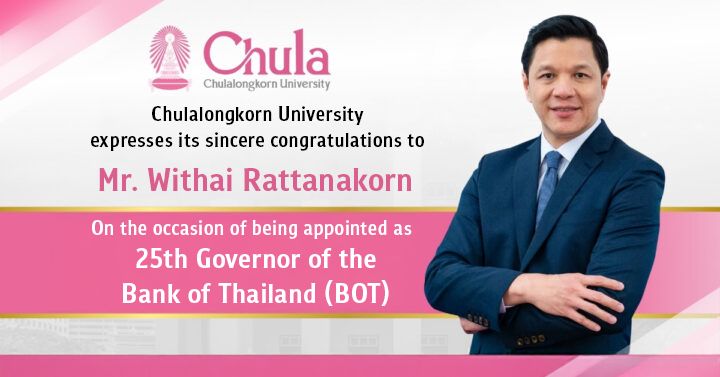
Chulalongkorn University congratulates Mr. Withai Rattanakorn on the occasion of his royal appointment as the 25th Governor of the Bank of Thailand

Mr. Withai is an alumnus of Chulalongkorn University, holding master’s degrees from both the Faculty of Economics and the Faculty of Law

Read more at: https://www.chula.ac.th/en/news/255712/