ISCALE 2025 : UiTM and Akashi College,Japan

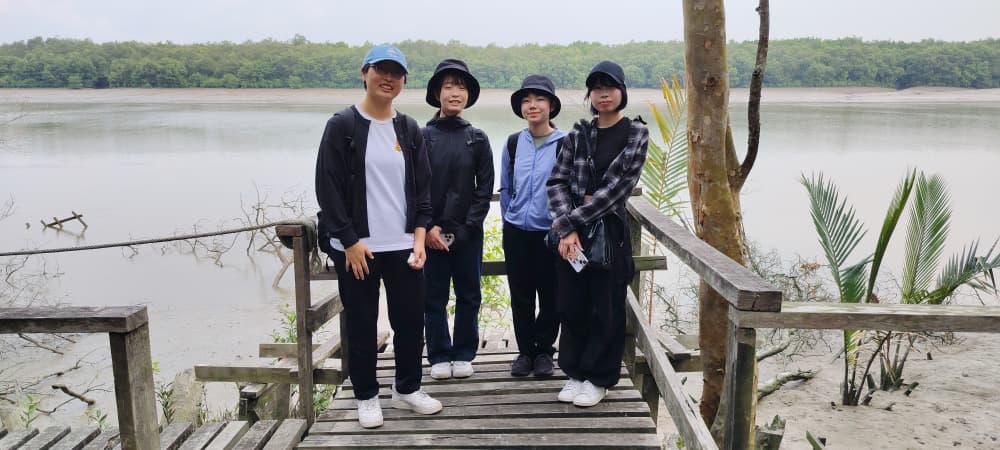
Shah Alam, Malaysia, September 2025 – The International Sustainable Coastal and Environmental Leadership Program 2025 (ISCALE2025) has set a new benchmark for academic collaboration and experiential learning. Hosted by UiTM Global in partnership with the National Institute of Technology, Akashi College, Japan, the program brought together four dynamic Japanese students for a two-week summer internship that combined academic rigor, cultural immersion, and environmental leadership training.

Spanning from August 17 to 31, 2025, ISCALE2025 was meticulously designed under the leadership of AP Dr. Marfiah Ab. Wahid, supported by a dedicated team comprising Ts. Dr. Nurul Rabitah Daud, Ts. Dr. Azlinda Saadon, Ir. Dr. Nur Syahiza Zainuddin, Ts. Dr. Nurhidayah Hamzah, and Ts. Dr. Irma Noorazurah Mohamad. The program’s success was further strengthened by the collaboration of the International Student Development team at UiTM Global and the industry partner Landasan Lumayan Sdn. Bhd. This smart partnership between UiTM and the National Institute of Technology, Akashi College, stands as a model of how academic institutions and industry can unite across borders to bridge knowledge, culture, and innovation for real-world impact.

Learning Beyond Borders

The program featured masterclasses on Sustainable Development Goals (SDGs), technical workshops on plastic waste management, microplastic analysis, river waste analysis, and the use of VR360 technology for environmental storytelling. Participants also engaged in eco-printing workshops using natural dyes and delivered collaborative SDG presentations—a testament to the program’s emphasis on applied learning and creative problem-solving.

Cultural Exchange Meets Environmental Science

Beyond the labs and workshops, students experienced Malaysia’s rich cultural heritage through traditional music and dance, Malaysian games, and heritage tours across Melaka, Putrajaya, and Kuala Lumpur. Guided mangrove explorations and river monitoring activities provided hands-on environmental education, connecting classroom concepts to real-world ecosystems.

A Model for Future Global Programs

As Assistant Vice-Chancellor (International) Associate Prof. Datin Dr. Norazida Mohamed emphasized, “This partnership shows how universities can work hand-in-hand to nurture future leaders who are not only academically strong but also globally aware and socially responsible.”

The farewell ceremony showcased cross-cultural appreciation, with Malaysian and Japanese students exchanging cultural performances, origami art, and heartfelt reflections. For UiTM and Akashi College, ISCALE2025 was more than a summer program—it was a model of international academic collaboration empowering the next generation of global environmental leaders.

With its success, ISCALE2025 paves the way for future collaborations between UiTM and Akashi College, reaffirming the role of smart partnerships in driving sustainable education and research.
Cosmetic Product from Rosehip Flowers

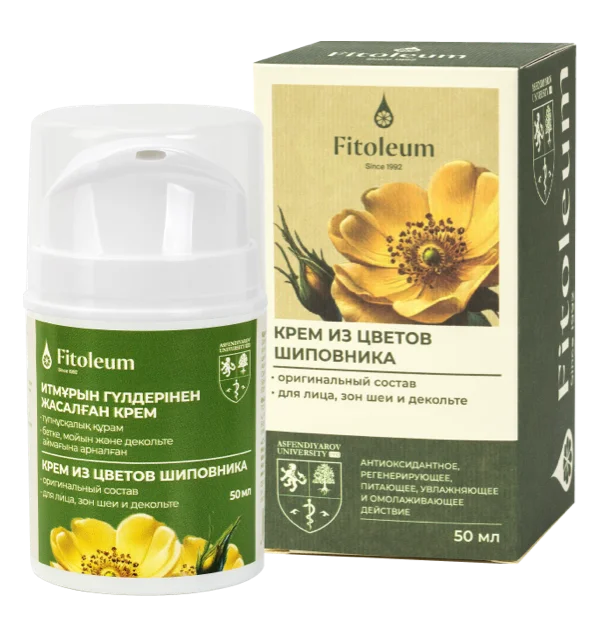
S.D. Asfendiyarov Kazakh National Medical University (KazNMU) is the leading Kazakhstani university in the field of medical and pharmaceutical education, and its Faculty of Pharmacy, transformed in 2017 into the School of Pharmacy, has become part of the modern pharmaceutical industry, the first in the country forge of pharmaceutical personnel with a rich history and traditions. The School of Pharmacy has developed a number of original formulations of perfume and cosmetic products created by introducing the achievements of modern pharmaceutical science and new production technologies from plants growing in Kazakhstan. The new domestic cosmetic product Fitoleum Cream from rosehip flowers is one of the examples of such effective cooperation of pharmaceutical

science, production and new technologies. Development of plant pharmaceutical substances and on their basis innovative cosmetic products from Kazakhstani plants – one of the leading areas of pharmaceutical-technological research in the School of Pharmacy KazNMU.

Plants growing in the harsh natural conditions of the mountains of Almaty region are rich in phytochemical compounds with a wide range of biological activity, including antioxidant, anti-inflammatory and UV-protective properties. Extracts of such plants are a potentially interesting source of active ingredients for cosmetics that protect the skin from the harmful effects of environmental factors, including air pollution and UV radiation.

The School of Pharmacy of KazNMU and the pharmaceutical company “FITOLEUM” have been cooperating for more than 30 years. The University provides the company with professional staff. And the company organizes scientific and industrial practice of students at its base, production, laboratories. Master’s and PhD-doctoral students have the opportunity to conduct their scientific research at the production facilities.

As a result of cooperation, pharmaceutical developments of new drug substances, original technologies, creation of dosage forms based on natural plant and mineral raw materials are created.

In the School of Pharmacy of KazNMU named after S.D.Asfendiyarov an original formulation and optimal technology of cosmetic cream with rosehip was developed. The patent of the Republic of Kazakhstan on “Cream possessing antioxidant, brightening, anticollagenase, anti-elastase, antityrosinase, antimelanoma actions” was received.

An integrated concept of full cycle production of cosmetic products has been developed in accordance with the requirements of international standards of good practices (GACP, GMP, GSP), as well as the Technical Regulations of the Customs Union, State Standard and Sanitary Rules of the Republic of Kazakhstan.

To standardize the quality of cosmetic cream with rosehip developed and approved normative document for perfumes and cosmetic products ̶̶ standard of the organization ST LLP 040840006381-01-2022. Consumer quality and safety of cosmetic cream is provided by checking its organoleptic and physico-chemical indicators, determination of impurities of elements, pesticides and microbiological purity.

Long-term stability tests of the cream showed that for the study period (12 months) significant changes in quality indicators are absent, and the results are within the regulated norms. Based on the data obtained, the recommended storage conditions of the cream cosmetic (temperature not more than 25 ° C and relative humidity not more than 65%). The shelf life (shelf life) of the product until the completion of long-term stability tests was 1 year.

Fitoleum Rosehip Flower Cream is a cosmetic product for the skin of the face, neck and décolleté areas. It contains a high concentration of natural ingredients, which deeply moisturizes and nourishes the skin, helps to smooth wrinkles and even out the tone. The cream restores the hydrolipidic mantle, reduces and prevents inflammation, reduces capillary fragility, lightens age spots.

The delicate texture of the product makes the skin soft, silky and well-groomed. Rosehip flowers reduce skin irritation, slow down the destruction of collagen and elastin in the skin, neutralizes free radicals, which helps to prolong

skin youth and protect against photo-aging. The cream’s active ingredients are: rosehip flowers, shea butter (or karite oil), panthenol, hyaluronic acid and aloe vera – a plant known for its medicinal and cosmetic properties for thousands of years.

Rosehip flowers are collected by hand in ecologically clean areas of Zailiyskiy Alatau during the period of maximum accumulation of pharmacologically active substances.

The uniqueness of the product is that the original formula contains an extract of wild mountain rosehip flowers, which has a pronounced antioxidant, regenerating, nourishing, moisturizing and rejuvenating effect. The technology and

composition of the cream are patented in the Ministry of Justice of the Republic of Kazakhstan.

Pharmaceutical quality system of production of FitOleum LLP is four times confirmed by GMP certificate, which means that the company guarantees the release of high-quality, safe and effective medicines based on natural raw materials collected in ecologically clean areas of Zailiyskiy Alatau and on its own plantations.

KPI hosts forum on mechanical engineering

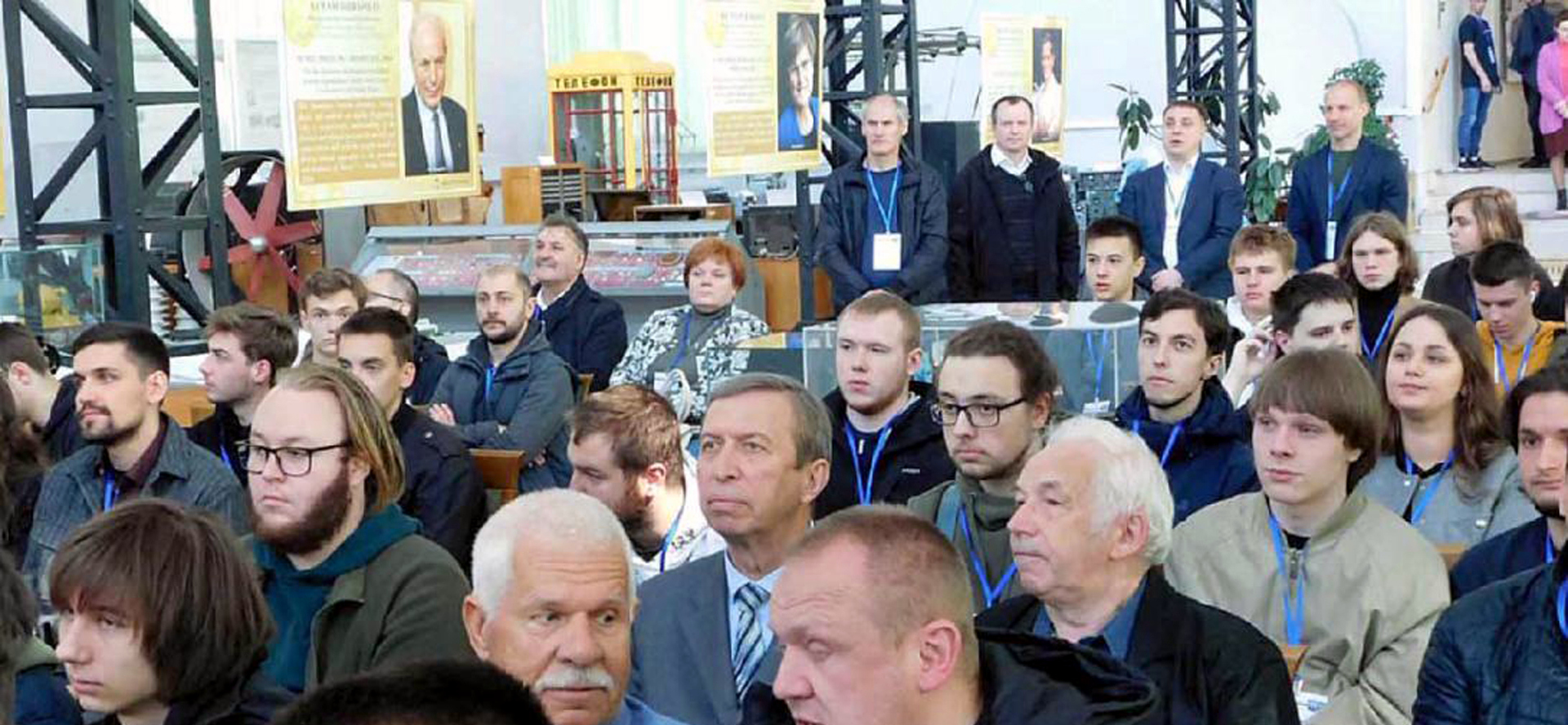
The 16th International Scientific and Technical Conference of Young Scientists and Students, Innovations of Youth in Mechanical Engineering, was held in a hybrid format – both in person and online – in the State Polytechnic Museum at the Igor Sikorsky Kyiv Polytechnic Institute (KPI). The event featured a wide range of reports.


The organisers of this forum, the staff of the Kyiv Polytechnic’s Institute of Mechanical Engineering (IME), believe that this conference has established itself as a platform for communication among young scientists. It provided space for discussing topical issues in the area of mechanical engineering and supported participants in developing and applying innovative technologies in the manufacture and operation of modern machinery.


The scientific and technical tasks currently tackled by young mechanical engineers include design, technical calculations, technologies for manufacturing engineering products, testing and operation of parts, and units. Young scientists from Kyiv Polytechnic, Kharkiv Polytechnic Institute, Sweden’s Karlstad University, the Kyiv Junior Academy of Sciences, and the Polytechnic and Technical Lyceums affiliated to Igor Sikorsky Kyiv Polytechnic Institute took part in the sessions. The themes of the sessions speak for themselves: “Dynamics and Strength of Machines,” “Mechanical Engineering Technologies,” “Processes and Equipment for Plastic Forming of Structures in Mechanical and Aerospace Engineering,” “Machine Design,” and “Engineering of Welding, Laser and Related Technologies.” These themes reflect the broad spectrum of research areas engaging young scientists, students, and high school students alike.


At the plenary session, Prof Vitalii Pasichnyk, Chairman of the IME Academic Council, said: “Kyiv Polytechnic is an institution where education, science and innovation are directed toward the further development of Ukraine as a state. I would like to thank the soldiers of the Armed Forces of Ukraine for the opportunity to host such events at our university, where education and science serve the future – for the sake of our Victory over the enemy.”


IME’s business partners also participated in the conference. These included representatives from such companies as Boeing Ukraine LLC, Progresstech Ukraine LLC, Bureau of Special Technical Engineering Standard.T LLC, 3D Metal Tech, SkyFall, Ukrop, and Zbroyar Group. In their addresses, representatives of machine-building and tech implementation companies encouraged young scientists and students to join them in advancing promising areas within their engineering specialisations.


Among schoolchildren participating in the event were pupils from the Kyiv Junior Academy of Sciences: Oleksandr Bihun, Bohdan Koval, Oleksandr Polinchyk, Maksym Prykhodko, Danylo Shtovbonko, and Yehor Matveiev. The scientific interests of the high school students, who gave presentations at the sessions and received relevant certificates, ranged from the modernisation of a mobile depot, research on the friction properties of ball and roller bearings, a train on magnetic cushions, to a system of adaptive spikes for car wheels, and an advance on a technology for building Metro tunnels.


“This event will contribute to the restoration and revival of engineering education,” stated Ihor Hryshko, Chairman of the Conference Organising Committee and IME Director. “In the presentations delivered by young scientists and schoolchildren, I observed many personalities who will lead Ukrainian engineering to new technological heights.”

NTU Launches Global Research Center

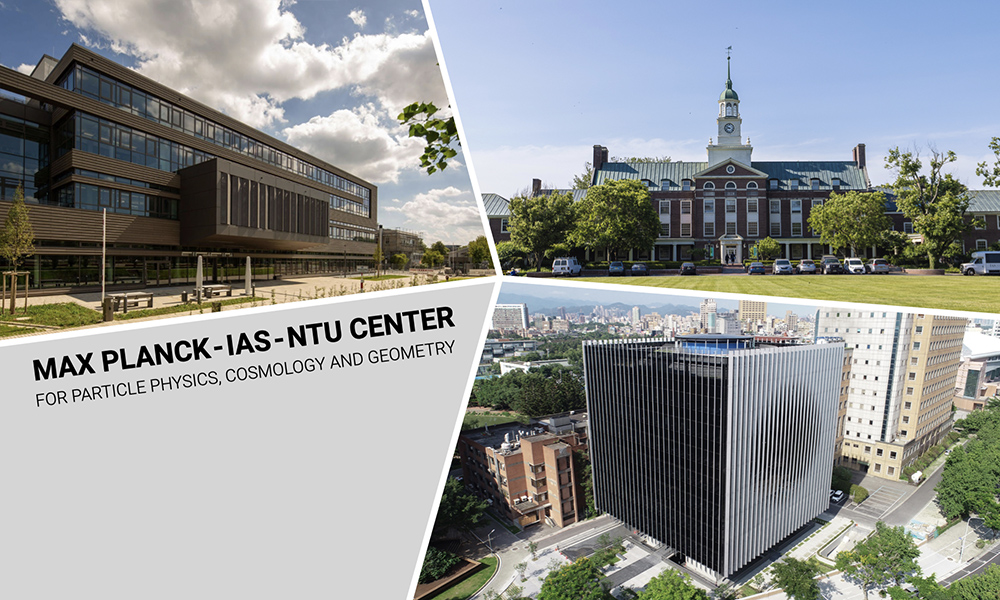
The Max Planck-IAS-NTU Center (MPC) for Particle Physics, Cosmology, and Geometry has been founded through cooperation between the Max Planck Society in Germany, the Institute for Advanced Study (IAS) in Princeton, and National Taiwan University (NTU). The Center will begin operations in July 2025 with five years of initial funding. An opening symposium will be held at NTU in September 2025, followed by a kick-off conference at IAS in March 2026.

Led by co-directors Johannes Henn (Max Planck Institute for Physics), Nima Arkani-Hamed (IAS), and Daniel Baumann (NTU), the Center unites leading scholars in particle physics, cosmology, and geometry. Their goal is to develop new frameworks for quantum field theory, study particle interactions, and explore the origins of the Universe.

The initiative will act as a global hub for collaboration, engaging faculty, postdoctoral scholars, and students from around the world. Planned activities include international workshops, summer schools, and research exchanges across institutions and disciplines.

Funded by NTU and Taiwan’s National Science and Technology Council, the Center is part of the broader Max Planck Centers program. NTU President Wen-Chang Chen emphasized that this collaboration strengthens Taiwan’s role in global science and will spark exciting new discoveries in fundamental physics.

Chula scores 91.62 in ITA 2025

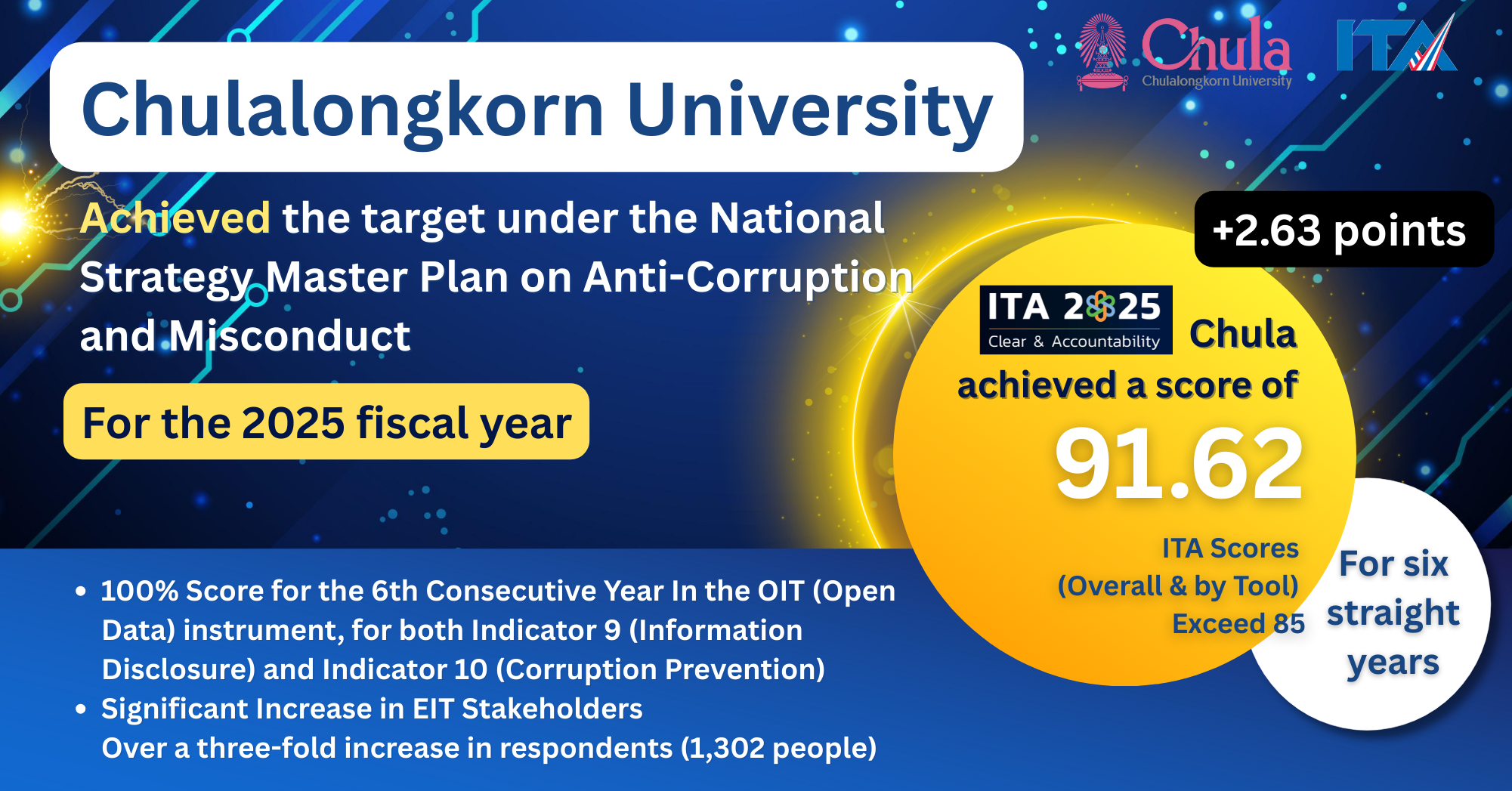
Chulalongkorn University was recognized for its performance in the Integrity and Transparency Assessment (ITA) for the 2025 fiscal year at the ITA DAY & ITA AWARDS 2025, organized by the National Anti-Corruption Commission (NACC) under the theme “Active for Change – Transparency, Drive, Transformation.” The event was broadcast nationwide via Facebook and YouTube. 

This year’s results reflect that “transparency is not only a standard but an organizational culture cultivated at Chula.” The university achieved a rating of “Good” with a score of 91.62 points (an increase of +2.63 points). Both the overall ITA score and individual assessment tool scores were above 85, highlighting key strengths. 

Notably, in the OIT (Open Data Integrity and Transparency Assessment), Chulalongkorn maintained a perfect score of 100 in two indicators — Indicator 9: Information Disclosure and Indicator 10: Corruption Prevention — for the sixth consecutive year. This demonstrates strong transparency in public data. In the EIT (External Integrity and Transparency Assessment), the number of respondents tripled, reflecting growing participation and confidence among external stakeholders, including undergraduate and graduate students, as well as online learners via MOOCs. 

Meanwhile, the IIT (Internal Integrity and Transparency Assessment) revealed ongoing challenges in communication and internal motivation. The university has acknowledged these and prepared proactive plans for 2026 to strengthen a culture of participation and shared accountability at all levels. 

Next Steps: Transparency as a Strategic Advantage 

For the fiscal year 2026, Chulalongkorn University will move forward by: 

  • Prioritizing corruption prevention: Taking swift action in cases of staff misconduct, while communicating deterrence and promoting awareness through training programs such as Chula Newcomers, Chula Prospect Development Program, and other continuous workshops. 
  • Integrating ITA with Enterprise Risk Management (ERM) and EdPEx quality assurance at the faculty and departmental levels. 
  • Advancing data-driven decision making to enhance accuracy in management. 
  • Empowering CU-ITA Agents as “Change Agents” to drive cultural transformation, not just as survey respondents. 
  • Strengthening the Whistleblower System with transparent and secure status tracking to build public confidence. 
  • Promoting the AI University initiative by linking AI and Data Science expertise with university governance and stakeholder engagement. 

A University of Trust and Global Responsibility 

For Chulalongkorn University, ITA is not merely an evaluation but an opportunity to elevate its credibility as a model of transparency in Thai society and as a leading international university. Guided by the Chula Togetherness 2024–2028 Strategy, the university remains committed to advancing as a Transparent University — one that is data-driven, leads society toward sustainability, and upholds its role as a “hub of knowledge and trust” on the global stage. 

Read more at: https://www.chula.ac.th/en/news/256660/

USU and UINSU Preserve Mangroves

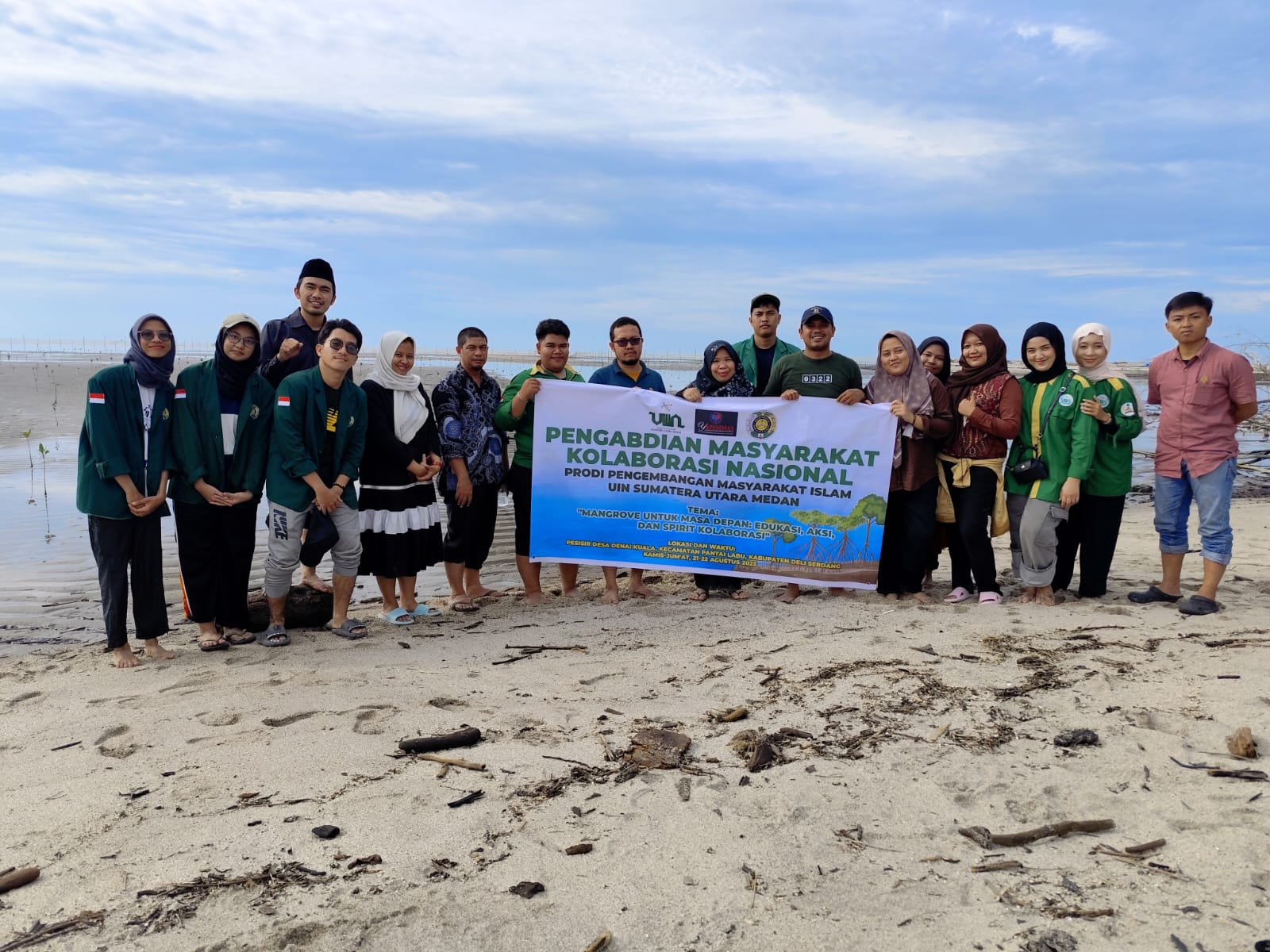
Universitas Sumatera Utara (USU) through the Faculty of Social and Political Sciences carried out a community engagement program in collaboration with Universitas Islam Negeri Sumatera Utara (UINSU). The initiative focused on mangrove rehabilitation in the coastal area of Denai Kuala, Deli Serdang, North Sumatra. The activity contributes to the achievement of Sustainable Development Goal 13 on climate action and Goal 14 on life below water.

The program was coordinated by the Social Welfare Study Program of FISIP USU together with the Islamic Community Development Study Program of UINSU. Faculty members and students from both universities joined local community group pk. KEPLING to conduct socialization, environmental education, and the planting of 100 mangrove seedlings on Pulau Oong.

The activity began with an introduction from the leader of pk. KEPLING, who explained the ecological functions of mangroves in preventing coastal abrasion and supporting marine biodiversity. After the session, participants planted mangrove seedlings in designated areas. Despite heavy rain during the journey to the site, the activity continued with strong participation and commitment.

For students, the program provided a direct learning experience by combining academic knowledge with practical action. The collaboration between USU and UINSU encouraged them to engage with real issues of community empowerment and environmental preservation. It also nurtured awareness and responsibility toward sustainable development among young scholars.

The mangrove seedlings planted are expected to grow within three to five years and strengthen the coastal ecosystem of Denai Kuala. Beyond the ecological impact, the program highlighted the importance of university partnerships in addressing social and environmental challenges.

This initiative reflects FISIP USU’s continuous commitment to impactful community engagement. By working with partner institutions and local communities, the faculty demonstrated its role in advancing knowledge that benefits society and the environment while motivating students to contribute actively to sustainable futures.

Spinal Muscular Atrophy

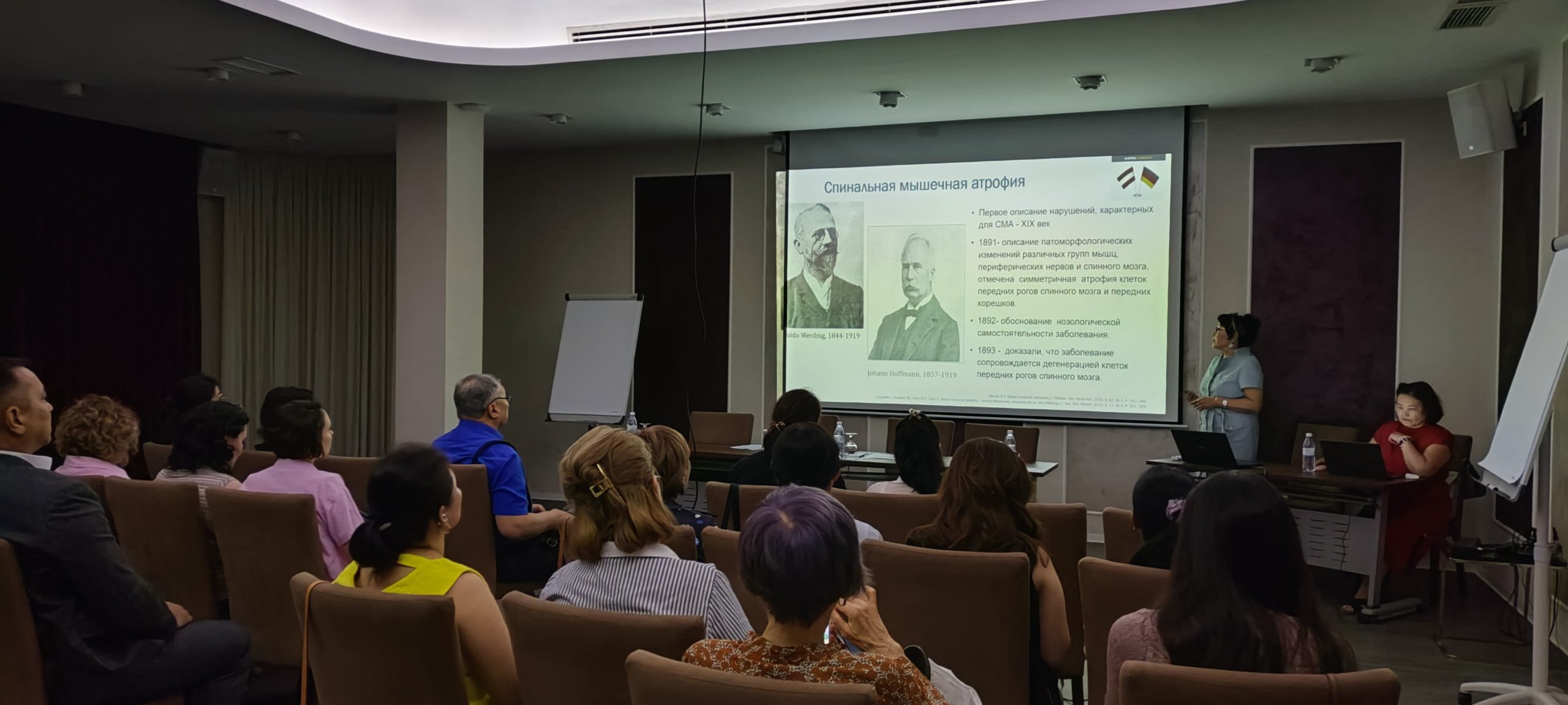
As part of the continuing celebration of the 95th anniversary of S.D. Asfendiyarov Kazakh National Medical University and the 90th anniversary of Professor S.K. Kaishybayev’s legacy, the Department of Neurology at KazNMU hosted an educational seminar focused on spinal muscular atrophy (SMA) in adolescents and adults. The event took place on June 12–13 and was held within the framework of a cascade training initiative aimed at improving practical healthcare, in alignment with the Roadmap for Enhancing Neurological Care for the Adult Population of the Ministry of Health of the Republic of Kazakhstan (No. 03324, dated January 23, 2025).

The seminar was organized with the support of the “Association of Neurologists” of Kazakhstan and the Institute of Continuing Professional Education at KazNMU.

Understanding Spinal Muscular Atrophy (SMA)

Spinal muscular atrophies (SMA) comprise a group of inherited neuromuscular disorders characterized by progressive degeneration of motor neurons in the anterior horns of the spinal cord and brainstem motor nuclei, leading to muscle weakness and atrophy. While SMA typically presents in infancy or childhood, there are adult-onset forms that emerge between the ages of 30 and 60 and progress slowly, primarily affecting proximal muscle groups. Diagnosis is confirmed through genetic testing. Notably, despite the physical decline, patients with SMA retain normal intellectual function.

Seminar Highlights

The seminar was led by Dr. S.T. Turuspekova, Head of the Department of Neurology at KazNMU, together with Prof. G.A. Mukhambetova, Assoc. Prof. R.B. Nurzhanova, Dr. N.A. Zharkynbekova (Head of the Department of Neurology, Psychiatry, Neurorehabilitation and Neurosurgery, South Kazakhstan Medical Academy), and Dr. B.D. Myrzalieva (Senior Lecturer, Department of Neurology, Kazakh-Russian Medical University).

Key topics discussed during the seminar included:

  • Epidemiology and diagnostic approaches to SMA
  • Common misdiagnoses masking SMA cases
  • Advances in pathogenetic therapy
  • Recent data on treatment response evaluation
  • Intrathecal drug administration and its therapeutic advantages
  • The importance of continuity in care and a multidisciplinary approach to treatment

The program also featured detailed case studies, video and photo materials from the personal archives of the speakers, and hands-on training in the functional assessment of SMA patients. Participants practiced using standardized tools such as RULM, HFMSE, and the 6MWT. A live demonstration was conducted with a real patient who had given prior consent to participate in the training.

Participant Feedback

A total of 25 neurologists from various regions across Kazakhstan—including Kokshetau, Astana, Kostanay, Kyzylorda, Shymkent, Zhetysu, Aktobe, Taraz, Semey, Shu, Petropavlovsk, and Almaty—attended the seminar. The attendees praised the high level of professionalism and expertise of the speakers and emphasized the importance of such educational events in raising awareness and enhancing care standards for patients with SMA across the country.

ITS’ Sapuangin Rules Shell Eco-Marathon 2025

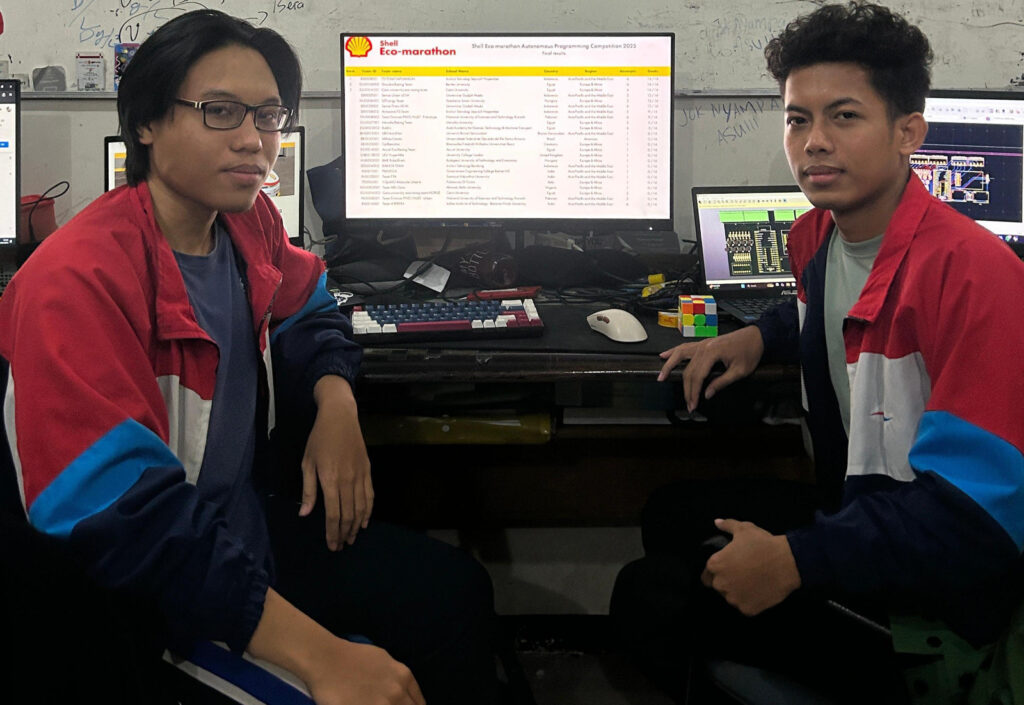
The Sapuangin Team from Institut Teknologi Sepuluh Nopember (ITS) has claimed first place in the prestigious Autonomous Programming Competition (APC), a key event in the Shell Eco-Marathon 2025 series. This marks the team’s second major victory this year, following their win at the Shell Eco-Marathon on-track competition held at Lusail International Circuit, Qatar, from February 8–12, 2025. Together, these achievements reaffirm their growing expertise in autonomous systems and energy-efficient mobility on the international stage. 

Held virtually from April to May 2025, the APC challenged university teams worldwide to develop intelligent driving algorithms capable of navigating virtual environments with maximum efficiency. Using ROS and CARLA simulators and a virtual Tesla Model 3, each team was given ten minutes to complete a simulated driving route while minimizing energy consumption. 

“Our biggest challenge was adjusting to a tighter, more complex simulation map,” explained Nurul Ilmi Rojabia Hermuttaqien, APC team leader. “We had to fine-tune our algorithm multiple times to ensure the vehicle could drive efficiently, avoid collisions, and stay within energy targets.” 

The Sapuangin team focused on building an autonomous driving system that prioritized route efficiency, collision avoidance, and real-time optimization. The result was a system that outperformed teams from across the Asia Pacific and beyond. 

This win adds to a series of recent achievements by Sapuangin at the Shell Eco-Marathon Asia Pacific and the Middle East 2025, where they also won 1st place in the Urban Concept Commercial Engine category, 1st place in Vehicle Design, 2nd place in Data and Telemetry, and 3rd place in the Regional Championship. 

Team member Bagus Subekti emphasized the importance of resilience throughout the competition. “Despite limited resources and a packed timeline, we stayed committed. This win reflects not just our technical skill, but our determination to keep pushing forward.” 

Beyond competition results, this success also reflects ITS’s broader commitment to enhancing the students’ learning experience. By ensuring close academic supervision and involving highly qualified research staff, ITS fosters an environment where students from all backgrounds can thrive on high-impact projects, such as Sapuangin. 

Backed by ITS through strong research support and development facilities, the team plans to continue refining its autonomous technology and hopes to inspire other students to compete globally in the field of smart mobility. 

“This isn’t just about winning a competition,” said Nurul. “It’s about proving that Indonesian students can lead in future mobility innovation.” 

KPI to host demining innovations competition

At present, Ukraine faces a formidable challenge – widespread contamination of land with explosives. Not only does this endanger the lives and health of citizens, but landmines and unexploded shells hinder economic growth and agricultural development, and prevent millions of displaced people from returning to their homes. Humanitarian demining is not merely a logistical task, it is a vital step towards a safe and peaceful future.


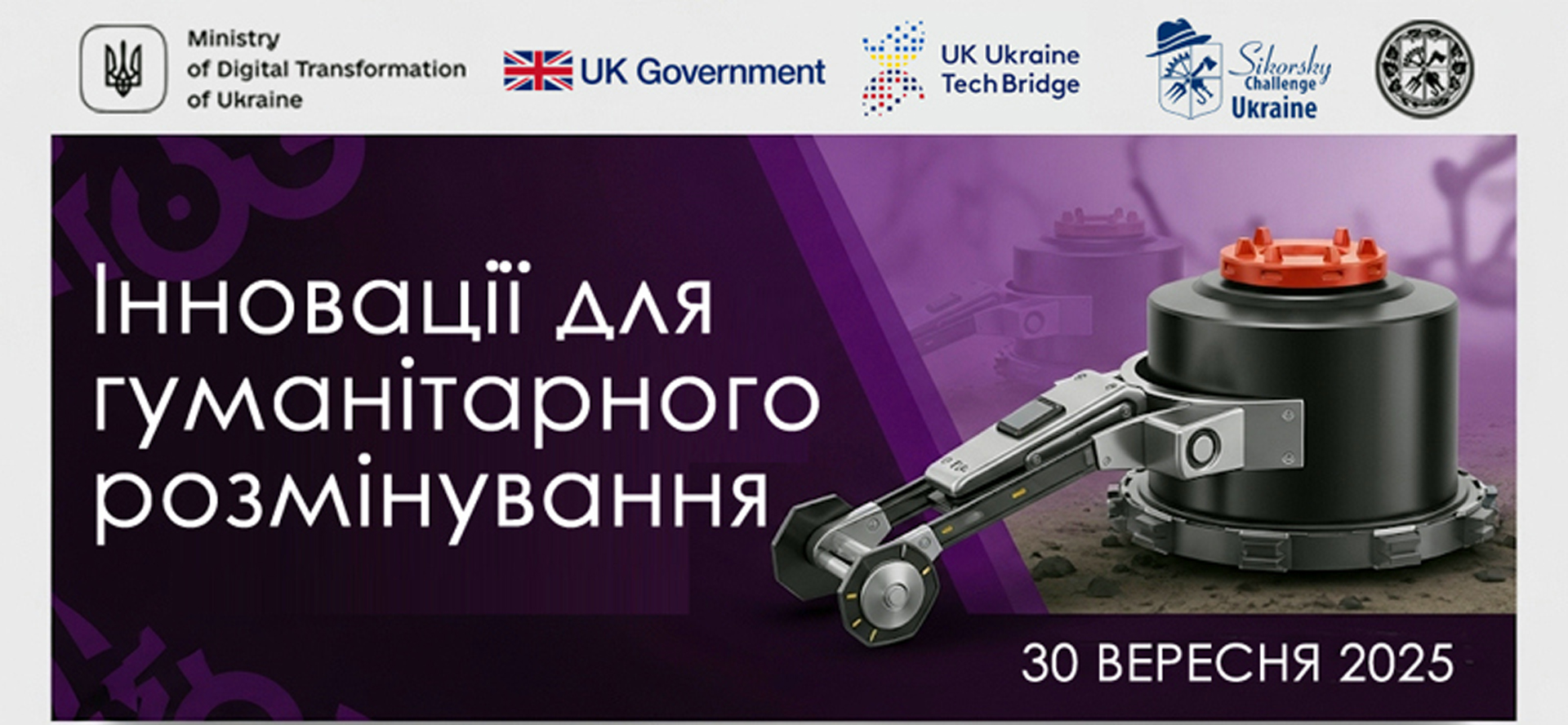
That is why TechBridge x Sikorsky Challenge have announced a competition of innovative solutions for humanitarian demining. The organisers are seeking out audacious, efficient, and creative ideas that will help to fast-track and make safer the process of clearing Ukrainian lands of mines and ammunition.


The TechBridge x Sikorsky Innovation Challenge competition is organised by the Ministry of Digital Transformation of Ukraine, the UK Government, the Sikorsky Challenge Innovation Holding, the Igor Sikorsky Kyiv Polytechnic Institute, and the Kyivska Politechnika Science Park.


The competition will take place at Kyiv Polytechnic on 30 September 2025 in a hybrid format (in-person and online).


The purpose of the competition is to cherry-pick and support innovative technologies for humanitarian demining developed by Ukrainian researchers and start-ups. Participation in the competition offers opportunities to:

·        Pitch solutions to international stakeholders

·        Collaborate with leading demining experts and operators

·        Attract investment and form partnerships with British companies

·        Win prizes, mentoring support, and the possibility of using engineering developments via viable projects


What solutions are being sought?


The organisers invite concepts or feasible projects in the following areas:

·        Use of drones, unmanned ground vehicles, AI-driven data analysis, multi-sensor platforms (GPR, LiDAR, thermal imaging cameras) for accurate and safe detection of landmines and ammunition across large areas

·        Development of ground and aerial robotic devices for the automated mine clearing of territories, minimising human involvement and risks to deminers in the field

·        Drawing and use of electronic maps of contaminated zones, platforms for collecting and analysing field data, and real-time processing


Why is this vital?


Successful solutions can contribute to the rapid and safe mine clearing of Ukraine’s territories, the return of people to their homes, and the recovery of infrastructure and agriculture. Concerted efforts will speed up recovery and ensure a safer future for thousands of Ukrainian families.


Winners will receive the following prizes:

First place – $3,000

Second place – $2,000

Third place – $1,000


Register now:

https://docs.google.com/forms/d/e/1FAIpQLScQh8rdFEx1_Xe-a3JocgOFBahRSuGQBADLcEttNyvDrTqI0w/viewform


The deadline for applications is 22 September 2025.


The UK-Ukraine TechBridge is a joint initiative undertaken by the UK Government and the Government of Ukraine, starting January 2024. It aims to forge connections between British and Ukrainian tech eco-systems by seeking mutual trade and investment opportunities, supporting innovation, and promoting training to develop technical skills in Ukraine.

NTU Achieves Beating Heart Transplant

National Taiwan University Hospital (NTUH) has successfully completed the world’s first beating heart transplant with zero ischemic time, with the patient recovering smoothly and being discharged. This groundbreaking surgery was recently featured in the Journal of Thoracic and Cardiovascular Surgery Techniques, marking a major advancement in global heart transplantation.

Since performing Taiwan’s first heart transplant in 1990, National Taiwan University Hospital has completed over 700 transplants, establishing itself as a national leader in the field. This extensive experience laid the foundation for the innovative surgery, which represents a paradigm shift in organ transplantation.

Unlike traditional heart transplants that require cold storage and inevitably involve ischemic time, the new method maintains continuous perfusion, keeping the donor heart beating throughout the procedure. This approach eliminates ischemic injury, minimizes reperfusion damage, and is expected to significantly improve both heart function and patient survival rates.

As a leading force in cardiac transplantation in Asia, National Taiwan University Hospital’s achievement opens new possibilities for organ preservation and transplant success worldwide. Moving forward, the hospital will continue advancing its techniques and technologies, enabling more patients to benefit from zero-ischemic-time transplantation.