KazNMU Empowers Students Through Research

In today’s rapidly evolving world of science and technology, fostering a strong research culture among students is paramount to the advancement of higher education. This emphasis on research and innovation has been repeatedly highlighted by Kassym-Jomart Tokayev, President of the Republic of Kazakhstan, who underscores science as a key driver of progress and national development. Reflecting this vision, Asfendiyarov Kazakh National Medical University (KazNMU) is dedicated to integrating education and scientific research, positioning itself firmly within the global academic and scientific community.

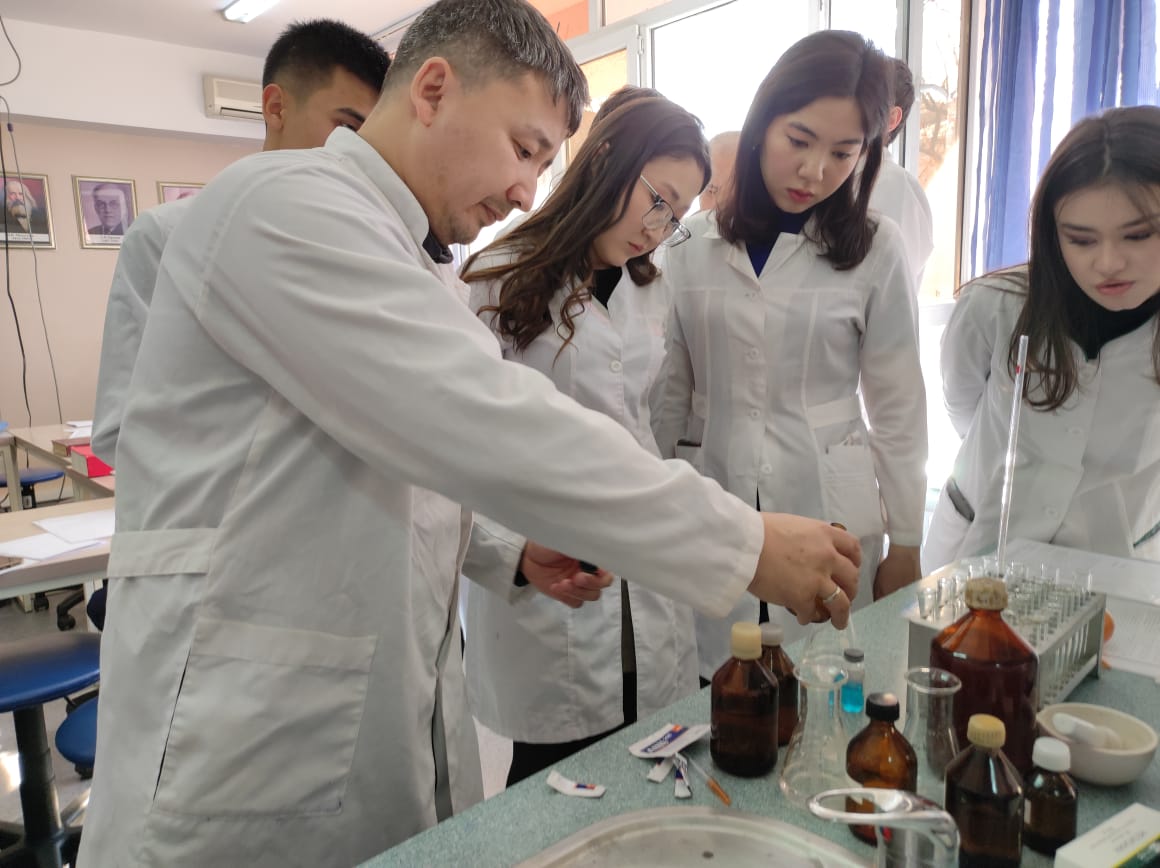
A major pillar of KazNMU’s approach is the organization and promotion of undergraduate research activities (URA), which play a crucial role in nurturing future scientists and healthcare professionals. For the academic year 2024-2025, KazNMU successfully orchestrated a comprehensive two-stage intra-university research and development competition focused on the field of Pharmacy. This initiative saw remarkable student participation, with 88 students submitting their research papers from seven different departments within the School of Pharmacy during the initial stage. Following a rigorous expert review, 56 of these research projects were selected to proceed to the university-wide competition, which took place over two days in early April 2025.

The submitted projects were noted not only for their scientific innovation but also for their practical applicability, demonstrating the students’ ability to bridge theory with real-world relevance. Among the distinguished winners were students specializing in Pharmaceutical Production Technology, including Sovetbek Indira and Bakhytzhan Azamat, who secured second place, as well as Kaimova Mukadas, Kairbekova Adelya, and Imangazy Ayazhan, who earned third place. The competition also featured special awards recognizing the best innovative ideas and the most outstanding student scientific teams. These accolades highlighted the creativity and interdisciplinary nature of the students’ research efforts, showcasing how their projects transcend traditional academic boundaries.

KazNMU’s commitment to research excellence extends beyond the university level, as evidenced by its active student involvement in national competitions. The Republican Research and Development Competition, organized by the Ministry of Science and Higher Education of Kazakhstan and hosted by Karaganda University and Astana Medical University, provided another platform for KazNMU students to demonstrate their scientific prowess. Students such as Bakhytzhan Azamat and Sovetbek Indira received prestigious diplomas for their work in the Educational Program “Technology of Pharmaceutical Production,” earning second and third degrees respectively. Similarly, students Tanaguzov Temirkhan and Adilbekova Assel were honored with second and third degree diplomas in Pharmacy. These achievements not only brought recognition to the students but also underscored KazNMU’s role as a nurturing ground for future leaders in pharmaceutical science.

Supporting this vibrant research culture is KazNMU’s robust scientific infrastructure, which grants students access to leading international scientific databases like Scopus and Web of Science. This access ensures that students engage with the most current and relevant scientific literature, enriching their research with a global perspective. Moreover, the university encourages collaborative learning through student research circles, which provide a community for peer support and knowledge exchange. The incorporation of project-based and problem-oriented learning further enhances students’ practical skills, enabling them to tackle real-world scientific challenges effectively.

Each year, KazNMU hosts a student scientific conference alongside various competitions aimed at young researchers, creating continuous opportunities for students to present their work, receive feedback, and refine their scientific communication skills. These initiatives collectively contribute to a dynamic and supportive environment where student researchers can thrive.

At its core, Asfendiyarov Kazakh National Medical University offers a stable and resource-rich platform for the scientific development of its students. By actively involving students in research and development activities, the university not only cultivates essential professional competencies but also boosts academic motivation and engagement. This holistic approach prepares students to contribute meaningfully to national and international scientific endeavors, positioning them as capable professionals ready to advance the frontiers of knowledge in pharmaceutical and medical sciences.

Through these concerted efforts, KazNMU embodies the vision articulated by Kazakhstan’s leadership, demonstrating how investment in student research can drive innovation, foster academic excellence, and support the broader goals of societal progress. As students continue to push boundaries and explore new scientific territories, KazNMU remains committed to empowering the next generation of scholars and innovators in the healthcare sector and beyond.
AU Researcher Advances PCOS Diagnosis

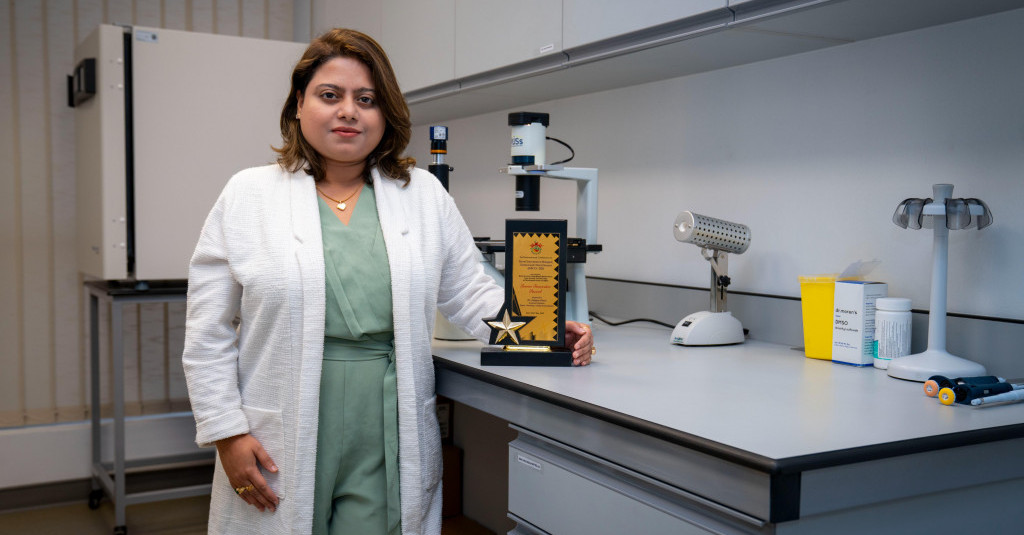
Dr. Sulagna Dutta, Chair of Research and Assistant Professor in Physiology at the College of Medicine, Ajman University, has been honored with the prestigious Junior Innovator Award at the 2nd International Conference on Recent Innovations in Biological, Chemical & Clinical Sciences (RIBCCS 2025), held in Malaysia.

Jointly presented by Manipal University College Malaysia, Periyar University (India), and the Microbiologists Society India (MSI), the award recognizes young scientists for their impactful contributions to biomedical research. Dr. Dutta was recognized for her pioneering work in infertility research, particularly in the early diagnosis and risk stratification of Polycystic Ovary Syndrome (PCOS). Her research integrates anthropometric, hormonal, and metabolic markers to develop predictive models that support earlier intervention and improved clinical outcomes in women’s health.

Dr. Dutta presented this body of work as an Invited Speaker at the RIBCCS 2025 conference, delivering a talk titled: “Predictive Risk Assessment Model for Polycystic Ovary Syndrome (PCOS) Using Anthropometric, Hormonal, and Metabolic Parameters.”The presentation highlighted her AU-funded research aimed at developing diagnostic tools that could transform clinical practice in reproductive medicine.

“Receiving the Junior Innovator Award is both an honor and a responsibility,” said Dr. Dutta. “It affirms the significance of our work in addressing one of the most underdiagnosed conditions in women’s health. This recognition strengthens our commitment to advancing research that can lead to earlier diagnoses, more effective interventions, and ultimately, a better quality of life for women affected by infertility and PCOS.

PCOS affects 1 in 10 women globally, yet many remain undiagnosed for years. Dr. Dutta’s predictive models offer a promising pathway for earlier, more accurate screening, potentially improving fertility outcomes and long-term health interventions across the region.

Dr. Dutta’s international recognition builds on her impressive academic profile, which includes a #2 Expertscape ranking in Malaysia in reproductive health and her inclusion in the Top 2% of Scientists worldwide by Stanford University’s Global Ranking since 2020.

This achievement further reinforces Ajman University College of Medicine’s mission to advance evidence-based, community-centered healthcare education and research. Dr. Dutta’s ongoing work exemplifies the college’s commitment to addressing real-world healthcare challenges and enhancing the quality of life through scientific innovation.

AU Researcher Advances PCOS Diagnosis

Dr. Sulagna Dutta, Chair of Research and Assistant Professor in Physiology at the College of Medicine, Ajman University, has been honored with the prestigious Junior Innovator Award at the 2nd International Conference on Recent Innovations in Biological, Chemical & Clinical Sciences (RIBCCS 2025), held in Malaysia.

Jointly presented by Manipal University College Malaysia, Periyar University (India), and the Microbiologists Society India (MSI), the award recognizes young scientists for their impactful contributions to biomedical research. Dr. Dutta was recognized for her pioneering work in infertility research, particularly in the early diagnosis and risk stratification of Polycystic Ovary Syndrome (PCOS). Her research integrates anthropometric, hormonal, and metabolic markers to develop predictive models that support earlier intervention and improved clinical outcomes in women’s health.

Dr. Dutta presented this body of work as an Invited Speaker at the RIBCCS 2025 conference, delivering a talk titled: “Predictive Risk Assessment Model for Polycystic Ovary Syndrome (PCOS) Using Anthropometric, Hormonal, and Metabolic Parameters.”The presentation highlighted her AU-funded research aimed at developing diagnostic tools that could transform clinical practice in reproductive medicine.

“Receiving the Junior Innovator Award is both an honor and a responsibility,” said Dr. Dutta. “It affirms the significance of our work in addressing one of the most underdiagnosed conditions in women’s health. This recognition strengthens our commitment to advancing research that can lead to earlier diagnoses, more effective interventions, and ultimately, a better quality of life for women affected by infertility and PCOS.

PCOS affects 1 in 10 women globally, yet many remain undiagnosed for years. Dr. Dutta’s predictive models offer a promising pathway for earlier, more accurate screening, potentially improving fertility outcomes and long-term health interventions across the region.

Dr. Dutta’s international recognition builds on her impressive academic profile, which includes a #2 Expertscape ranking in Malaysia in reproductive health and her inclusion in the Top 2% of Scientists worldwide by Stanford University’s Global Ranking since 2020.

This achievement further reinforces Ajman University College of Medicine’s mission to advance evidence-based, community-centered healthcare education and research. Dr. Dutta’s ongoing work exemplifies the college’s commitment to addressing real-world healthcare challenges and enhancing the quality of life through scientific innovation.

KU research group discovers the principles of in vivo thermopower generation

Professor Yoon Hyo-jae’s research team from the Department of Chemistry at KU (President Kim Dong-One) has discovered the principle of generating electricity from rubber plant leaves without any additional processing, thereby successfully implementing thermoelectric performance superior to that of existing artificial materials.The results of this study were published online on July 26, 2025, in Advanced Materials, a globally renowned journal in materials science.

Leaves have long been recognized as mediators of photosynthesis and gas exchange. However, Professor Yoon Hyo-jae’s research group has demonstrated that plants can also serve as high-performance energy conversion devices.

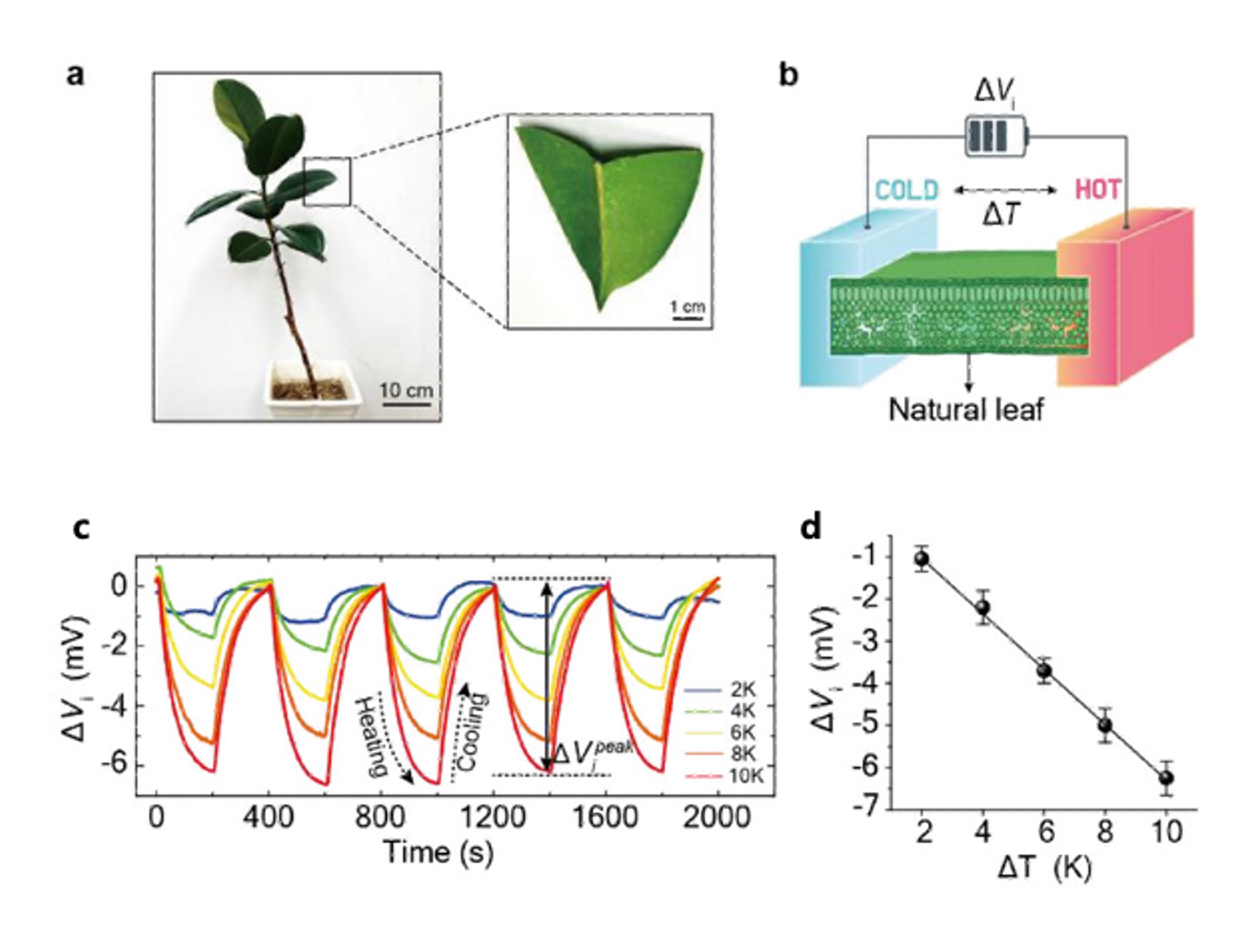
The research group discovered the ionic Seebeck effect of plants in which moisture and ions within plant tissues move in response to temperature differences, thereby generating voltage differences. Specifically, when leaves are partially dried, an electrically conductive layer is formed on their surface, which dramatically amplifies the effect.

The researchers confirmed that the ionic Seebeck effect is exhibited not only in dried leaves but also in living leaves, enabling electricity generation. They also discovered that when electrodes were attached to living leaves and exposed to light, a stable voltage was repeatedly generated and that this energy conversion process did not affect the leaf’s physiological functions.

Kang Hun-gu, the first author of the article, said, “The fact that leaves can serve as ‘living thermoelectric devices’ that generate electricity by receiving heat is a new plant function that has not been observed until now. Our study well demonstrates a convergence research paradigm that interconnects chemistry, biology, and energy science.”

This research holds significant value from a sustainability point of view because the results could enable the utilization of plants in their natural state. Furthermore, since changes in plant health can be detected in real time, the results of this study are expected to have wide applications in environmental and agricultural fields, such as climate change response and plant growth monitoring.

This study was supported by the National Research Foundation of Korea.

Study of Male Denisovan from Taiwan in Science

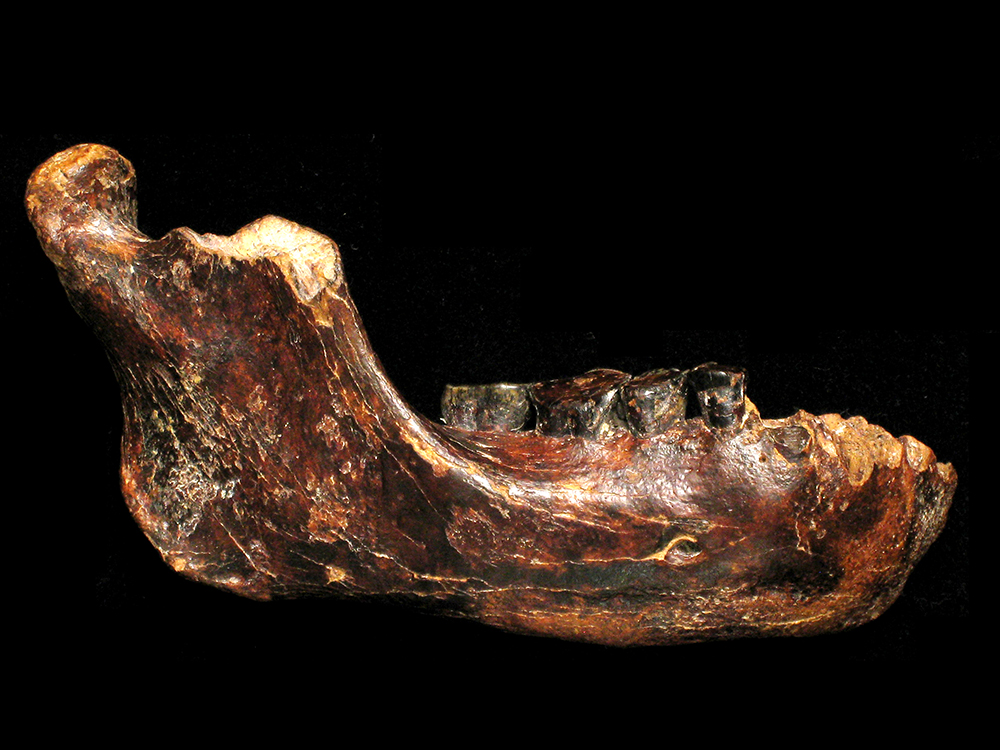
A groundbreaking study published in Science confirmed that a fossil discovered in Taiwan belonged to a male Denisovan, marking the first molecular evidence of this ancient human lineage in low-latitude regions. The research was led by an international team of 15 scientists, including Associate Professor Cheng-Hsiu Tsai from National Taiwan University and collaborators from Taiwan, Japan, and Denmark. Using ancient protein analysis (paleoproteomics), the team identified Denisovan traits in the fossil and further determined the individual’s sex by detecting the male-specific amelogenin Y protein.

The discovery is significant because Denisovan fossils with molecular confirmation have so far been limited to Siberia and Tibet, even though genetic studies suggest their presence across East Asia, Southeast Asia, and Oceania. Until now, warmer regions lacked direct fossil evidence. This Taiwanese specimen therefore fills a critical gap, expanding our understanding of Denisovan distribution and the complexity of human evolution.

While ancient DNA could not be retrieved, the successful extraction of proteins offered crucial molecular insights. The fossil, curated at the National Museum of Natural Science in Taiwan, was recovered from the seabed between Taiwan and the Penghu Islands, where other prehistoric animal remains such as Stegodon have also been found. The findings highlight the scientific importance of Taiwan’s fossil record for studying ancient humans and evolutionary history.

This is not the first time fossils from Taiwan have drawn global attention. In 2023, Tsai’s lab contributed to another Science paper on island extinctions, demonstrating the international impact of Taiwan’s paleontological research. Together, these discoveries reaffirm Taiwan’s role in uncovering key chapters of life’s evolutionary journey.

Chula Joins Hands with OJ and NDID

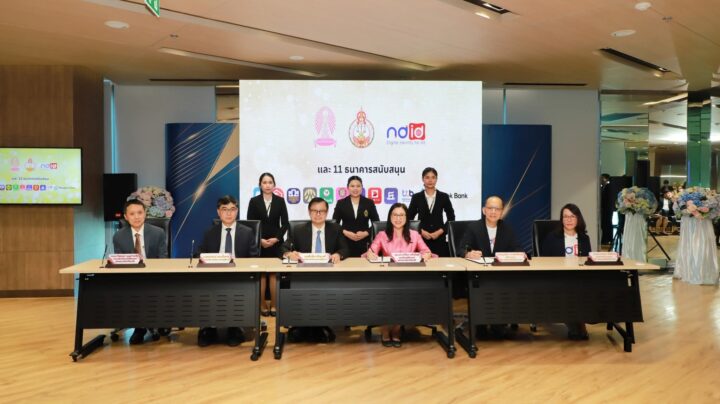
The Faculty of Law, Chulalongkorn University, led by Asst. Prof. Dr. Pareena Srivanit, Dean of the Faculty of Law, participated in the signing ceremony of a Memorandum of Understanding (MOU) with the Office of the Judiciary, represented by Mr. Thiratai Charoenwong, Secretary-General of the Office of the Judiciary, and the National Digital ID Company Limited (NDID), represented by Mr. Boonsun Prasitsumrit, Managing Director, with the support of the Thai Bankers’ Association and the Association of State Financial Institutions, on Wednesday, August 20, 2025, at the Chom View Room, 22nd Floor, Office of the Judiciary Building, Ratchadaphisek Road. 

The collaboration between the Faculty of Law, Chulalongkorn University, the Office of the Judiciary, and NDID—supported by the Thai Bankers’ Association and the Association of State Financial Institutions—aims to expand public access to judicial services through COJ Connect, utilizing digital identity verification and authentication via the NDID Platform. 

This signing marks another significant step for Chulalongkorn’s Faculty of Law in driving the adoption of digital technology in judicial services, creating a system that is efficient, transparent, secure, and responsive to the needs of citizens in the digital era. The initiative also paves the way for knowledge development and future advancements in digital justice systems. 

Read more at: https://www.chula.ac.th/en/news/257344/

KPI discusses cooperation in energy sector

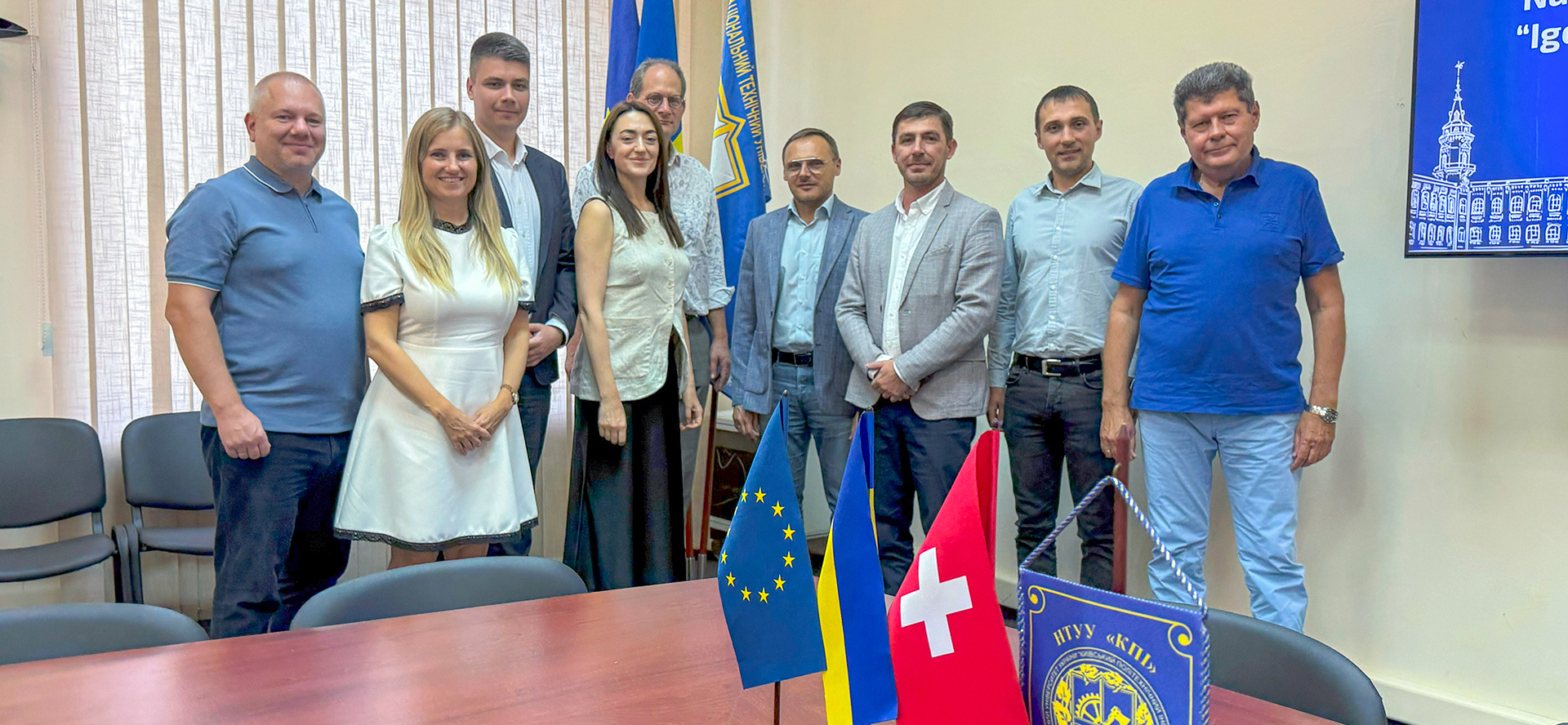
Andreas Dreisiebner, member of the board of directors at Solarspar, the Swiss Solar Energy Association, together with representatives of the NGO Ukraine2Power visited the Igor Sikorsky Kyiv Polytechnic Institute (KPI) to discuss prospects for further cooperation in the energy sector.


Discussions focused on:

• International exchange of knowledge and innovations in energy, particularly in the operation of conventional and vertical solar power plants;

• Expansion of Kyiv Polytechnic’s cooperation in power engineering with Swiss universities;

• Organisation of trips to introduce a Kyiv Polytechnic delegation to Solarspar’s activities;

• Collaborative research and educational initiatives.


During the visit, the guests made a tour of one of the solar power plants at the university, which ensures the uninterrupted operation of the Centre for Collective Use of Scientific Equipment “Materials Science of Refractory Compounds and Composites,” the solar energy laboratory, and the wind energy lecture hall.


There are new steps and challenges ahead for the partners in the realm of green energy, energy efficiency, and rebuilding Ukraine’s energy system.


Solarspar, a member of the Climate Alliance Switzerland, has long been active in the renewable energy sector, supporting projects on energy, climate action, and other related areas.


Ukraine2Power is a Ukrainian non-profit organization founded in response to Russian attacks on Ukraine’s energy system.

Thammasat Support Elderly Caregivers

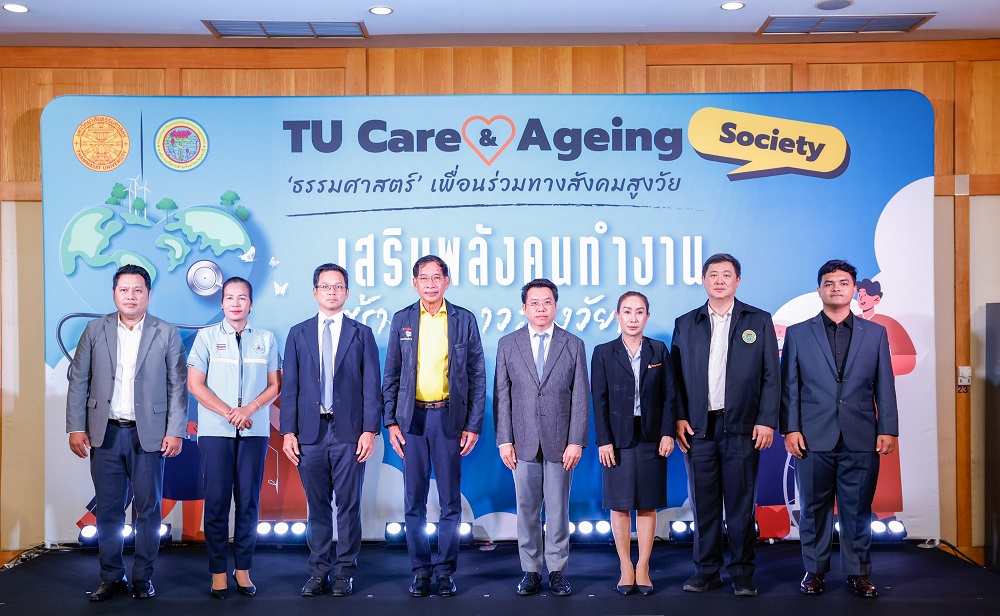
Thammasat University, in collaboration with the Pathum Thani Provincial Administrative Organization (PAO), has organized a forum to listen to the needs and feedback from frontline workers involved in elderly care in Pathum Thani Province. This includes village health volunteers (VHVs), caregivers, and representatives from subdistrict health promotion hospitals (HPHs). Under the project “TU Care & Ageing Society,” the information gathered from this forum will be analyzed and used to establish collaborative working agendas between Thammasat University and the Pathum Thani PAO, aimed at supporting the provision of services, reducing barriers, and facilitating elderly care in the region moving forward.

Assoc. Prof. Dr. Attasit Pankaew, Assistant to the Rector for Special Affairs at Thammasat University, revealed that currently, local administrative organizations in Thailand have high potential and are closely connected to and understand the issues and needs of the local populace. This has led them to become a refuge for citizens, especially in the context of an aging society and the environment of decentralizing primary health care services to local areas, resulting in increased public expectations of local governance. Therefore, Thammasat University, as an educational institution with a spirit of serving society and the public, has initiated the “TU Care & Ageing Society” project to support these organizations in enhancing the quality of life for the elderly through the provision of academic services, social services, skills development training, and community communication.

The effectiveness of elderly care in the community largely depends on the frontline workers, namely the VHVs and caregivers, who are the heart of the operation. Therefore, both agencies will collaboratively establish targeted policies to reduce obstacles and support the workers, enabling them to perform their duties as efficiently and happily as possible. This will ultimately lead to the promotion of well-being for the elderly in Pathum Thani Province.

Pol. Lt. Gen. Kumronwit Toopkrajang, Chief Executive of the Pathum Thani Provincial Administrative Organization, stated that he personally places great importance on health issues and the care of the elderly. Future initiatives include providing blood pressure and diabetes monitoring equipment to community health volunteers via health promotion hospitals in Pathum Thani. Additionally, we will partner with Pathum Thani Technical College to repair damaged medical equipment for patients. These efforts demonstrate our commitment to leading local healthcare.

Assoc. Prof. Dr. M.L. Pinitbhand Paribatra, Vice Rector for Research and Innovation at Thammasat University, stated that Thailand may be one of the first developing countries to transition into a highly aged society. The direction of Thammasat University under these circumstances is to promote the institution as a center for elderly care, providing knowledge support and addressing the needs of the country through social research. Therefore, the work model established today will serve as another form of development to enhance cooperation in healthcare for the elderly in Pathum Thani Province.

For the year 2025, which marks the first phase, cooperation will be established with Pathum Thani Province. At the policy level, Thammasat University will provide academic services to the local community on a broader scale, with a focus on the Provincial Administrative Organization (PAO) of Pathum Thani, to identify needs and pain points in the care of the elderly at the community level. This will lead to policy proposals for Pathum Thani PAO, challenging Thammasat University to resource solutions. 

Lessons from a pandemic

Five years ago, COVID-19 wreaked havoc across the globe. Most countries enacted months-long lockdowns or implemented extensive movement restrictions and testing. Planes were grounded, businesses were shuttered and healthcare systems were stretched to their limits.

Today, we continue to grapple with outbreaks of different types of infectious diseases, many of which are zoonotic and spread from animals to humans, such as mpox, the H5N1 bird flu and ebola. These diseases have been met with varying responses.

“Society’s response to COVID-19 and other infectious disease outbreaks has been a complex mix of successes and failures,” says Professor of Infectious Diseases Laurent Renia at the Lee Kong Chian School of Medicine in NTU.

“The speeds at which diagnostic tools and vaccines were developed and deployed demonstrated the power of collaborative science,” he adds. “But the combination of misinformation, the politicisation of public health and, in some instances, ineffective and poorly explained state responses generated deep societal divisions that severely hampered any chance of an effective overall response.”

Additionally, as healthcare systems dealt with the pandemic, and investors and governments came together in an urgent rush to address COVID-19, deaths from one of the world’s most fatal diseases, tuberculosis (TB), rose.

According to expert estimates, a diversion of resources to COVID-19 from TB efforts could have resulted in 1.4 million additional deaths from the disease between 2020 and 2025.

TB expert Prof Gerhard Grüber from NTU’s School of Biological Sciences believes that TB research has been set back by several years as well.

“Because we are less aware of TB, we are also not so careful anymore,” he adds. 

Building resilience

The impact of COVID-19 underscores the need to develop resilient global health systems that can effectively respond to immediate crises without neglecting long-term health priorities. Beyond the immediate demands of crisis response, we must consider the broader context of industrialisation, climate change and globalisation.

Many pathogens originate from animals, before making the jump to humans. As a result, activities that bring people in close contact with animals may facilitate the transmission of zoonotic diseases to humans.

“Deforestation and climate change have increased human-animal contact, and this raises the risk of new outbreaks,” explains Prof Renia. “Mitigating climate change by reducing emissions, protecting biodiversity and promoting sustainable land use is crucial to minimising these environmental drivers.”

Currently, Prof Renia and his team are investigating the molecular mechanisms behind the spillover of monkey parasites into humans to further mitigate some of these zoonotic risks.

The interconnectedness of human society has also accelerated the spread of infectious diseases, and there is a need for additional measures to complement existing border screening procedures to contain outbreaks.

At the Lee Kong Chian School of Medicine, Asst Prof Keisuke Ejima uses mathematical models to understand the transmission of infectious diseases. One of his recent studies demonstrated that border screening for mpox may not be effective on its own to prevent the virus’ entry into a country due to the disease’s long incubation period and limitations in viral detectability during the pre-symptomatic phase.

While his study highlights the need for science-backed policymaking, Asst Prof Ejima notes that scientific research to inform policy is time-sensitive. But during global health emergencies, sufficient data may not be available to promptly develop, evaluate and implement effective measures. In such cases, a robust global health surveillance system that enables early collection of key clinical and epidemiological data is crucial.

“This includes real-time data sharing between countries, genomic sequencing of viruses and the integration of artificial intelligence-driven predictions with public health decision-making,” he adds.

Innovative treatments

Beyond immediate surveillance and containment, research into the human immune response is also necessary for developing effective long-term interventions against infectious diseases.

Asst Prof Loh Jia Tong from the School of Biological Sciences, who investigates the immune responses of children during illness, believes that a better understanding of their immune systems could go a long way in protecting them from infections.

“Recurrent and severe infections in early life have been shown to impact the lifelong health of individuals,” she explains. “By understanding how the immune system is shaped by early life factors – such as nutrition, antibiotics treatment and infections passed from mother to child during pregnancy – we can help set a child’s immune development on the right trajectory.”

Aside from our bodies’ natural immune systems, pharmaceuticals play a vital role in combating infections. According to Prof Grüber, effective drug development hinges on cultivating a deep understanding of the pathogen before translating that knowledge into novel therapeutic applications.

This translation often requires interdisciplinary collaboration, especially when tackling drug resistance in tricky pathogens like Mycobacterium tuberculosis, which he studies. M. tuberculosis, the cause of TB, results in almost two million deaths worldwide each year. Working with collaborators, he has identified potential drug candidates that inhibit the energy generation pathway in M. tuberculosis, offering a new approach to combat drug-resistant tuberculosis.

However, Prof Grüber acknowledges a major hurdle: access to pharmaceuticals. “There are huge inequalities in terms of access to pharmaceuticals between the rich and the poor,” he says. Addressing this will require coordinated action from multiple stakeholders, including governments and pharmaceutical companies, to drive systemic change in healthcare systems.

Infectious disease outbreaks over the past decade, like COVID-19, have exposed weaknesses in global pandemic preparedness. But they have also provided invaluable lessons. Improvements can be made across infrastructure, education, investment and policy for a more effective response that protects everyone.

“Ultimately, preparing for the next pandemic requires a proactive, science-driven and globally coordinated approach –along with cultivating the next generation of talent to carry this work forward,” says Asst Prof Ejima.

Neurorehabilitation Development

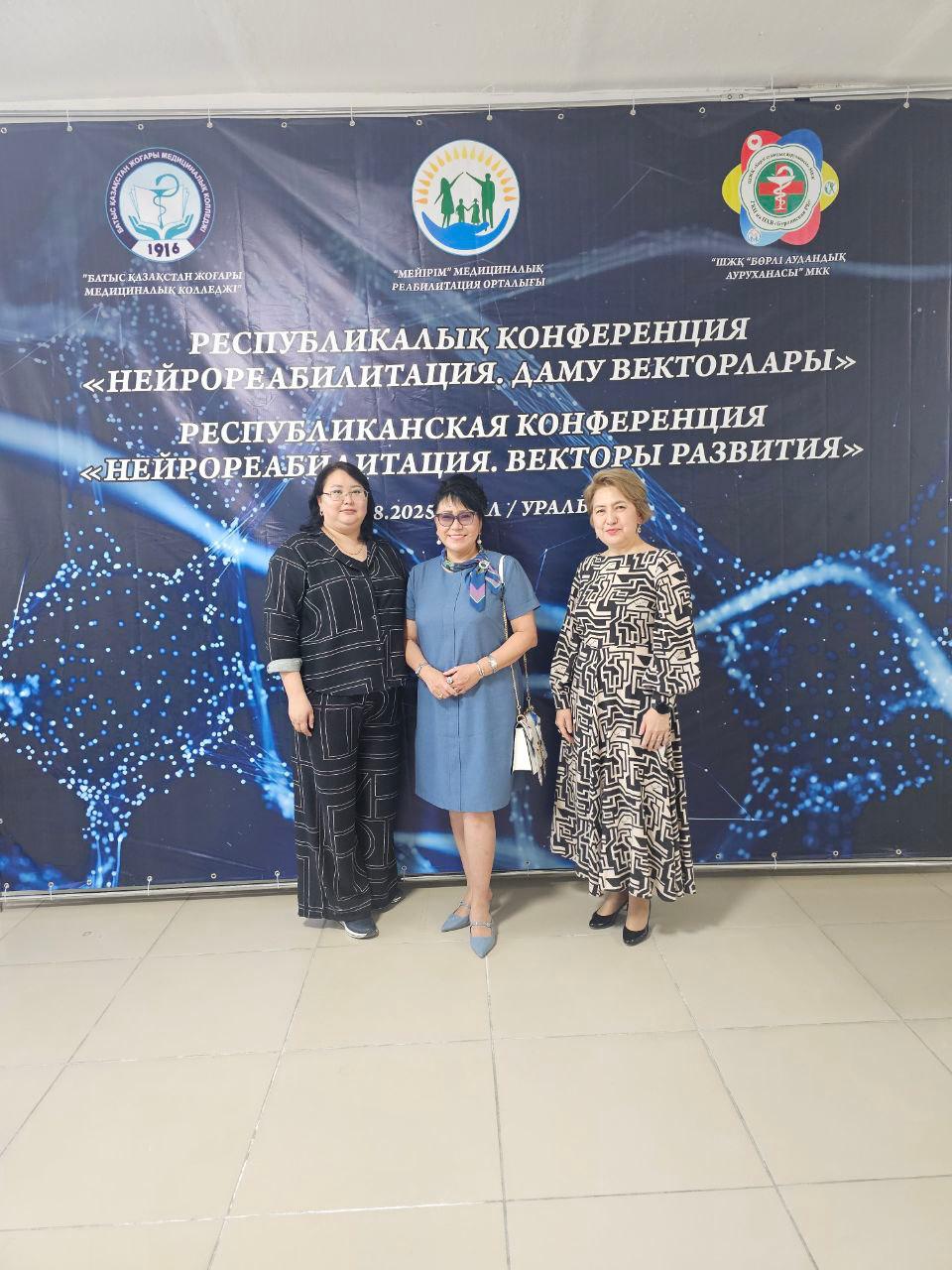
On August 30, the city of Uralsk hosted a Republican-level conference titled “Neurorehabilitation: Vectors of Development,” bringing together specialists from across Kazakhstan to address pressing issues in modern neurology and interdisciplinary rehabilitation. The event placed a strong emphasis on the treatment of motor disorders and post-stroke rehabilitation, particularly focusing on patients experiencing speech impairments.

Organized by local and regional healthcare institutions—including a higher medical college, a medical rehabilitation center, and a district hospital under the regional Health Department—the conference served as a dynamic platform for exchanging knowledge and advancing collaborative approaches in neurorehabilitation.

The conference opened with a welcoming address from senior leadership in medical education, emphasizing the need for improved regional access to evidence-based neurological care. Moderated by a leading regional neurologist, the event brought together representatives from national universities, research centers, and public health institutions.

Participants explored a wide range of topics highlighting the strategic development of the neurological service in Kazakhstan. Presentations examined the national framework for managing neurological diseases, including the development of clinical standards and guidelines. Special attention was given to the creation and implementation of a national strategy for managing dementia and Alzheimer’s disease.

The role of rehabilitation in post-stroke care was one of the central themes. Experts presented on organizational models for stroke rehabilitation, regulatory policies, and clinical protocols currently in use. Discussions also covered therapeutic approaches for motor disorders, addressing challenges such as post-stroke shoulder complications and spasticity, with a focus on the integration of modern rehabilitation techniques.

Another key focus was the development of neurorehabilitation infrastructure within the healthcare system. This included the expansion of multidisciplinary teams comprising neurologists, rehabilitologists, speech therapists, physical therapists, and ergotherapists, aimed at providing patient-centered and continuous care. Presenters highlighted successful case studies and shared insights on standardizing care pathways from acute treatment to long-term rehabilitation.

In addition to physical rehabilitation, the conference examined cognitive and speech therapy methods, including innovative practices in aphasiology and music therapy for neurological patients. Emphasis was placed on interdisciplinary collaboration, as well as the importance of early intervention and individualized therapy plans to improve recovery outcomes.

Representatives from universities and national medical centers contributed expertise on neurology education and professional development. Their presentations emphasized the need for continuing medical education in neurorehabilitation and the integration of new technologies and treatment protocols into clinical practice.

The event also included discussions on the use of botulinum therapy in managing spasticity, the role of ergorehabilitation in restoring functional independence, and the impact of neurosurgical support for certain motor disorders. These contributions reflected the growing intersection of neurology, physical medicine, and rehabilitative sciences in Kazakhstan’s healthcare landscape.

The conference attracted a diverse and engaged audience, including neurologists, general practitioners, rehabilitation specialists, physical therapy instructors, speech-language pathologists, aphasiologists, and healthcare administrators. Their participation underscored the shared commitment to improving patient outcomes through interdisciplinary collaboration and system-level innovation.

As Kazakhstan continues to strengthen its healthcare system, events such as “Neurorehabilitation: Vectors of Development” play a crucial role in shaping national strategies and elevating the quality of care. By fostering dialogue across specialties and institutions, the conference highlighted the collective drive to advance neurorehabilitation practices and improve the lives of patients affected by neurological conditions.