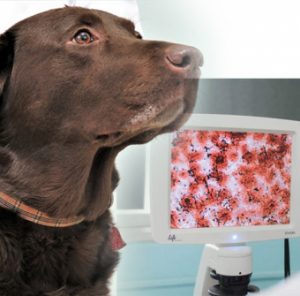
Thammasat University, Lampang Campus strengthen communities, upgrading entrepreneurs and local products

Thai Khadi Research Institute, Thammasat University studies and researches on ‘King Narai Medicine Pharmacopoeia’, decoding and updating to be present. Currently, up to 4 formula were successfully completed.

Assoc. Prof. Roj Khunanaek, Vice Rector for Student Affairs, Thammasat University and Former Director of the Thai Khadi Research Institute. As a pioneer educator of the “King Narai’s Medicine Pharmacopoeia” revealed that from the study of medical palm leaf scriptures in the reign of King Narai the Great that have been passed down from generations known by the name of “Phra Narai’s Medicine Pharmacopoeia”, which is over 300 years old of the Thai Khadi Studies Institute, Thammasat University is found to compose good properties medicinal formulas and are very useful.

However, being an ancient medicinal formula, people today may have misunderstandings or misinterpreation. Thai Khadi Research Institute, Thammasat University therefore, has been systematically studying and researching the wisdom of traditional Thai herbal medicine since 2009 with the aim of reviving the medicine according to the King Narai’s Medicine Pharmacopoeia to be accurate, easy to understand and present.

Thai Khadi Research Institute, Thammasat University has been able to restore 4 formula of the King Narai’s Medicine Pharmacopoeia, namely, Herbal tonic (Ya-Tha-Phra-Sen), Herbal compress (Phra-Aung-Kob-Phra-Sen-Tueng-Hai-Yon), Mahajak oil (Nam-Mun-Ma-Ha-Jak) and Herbal tonic pills (Ya-Hom-Dum). Thai Khadi Research Institute has also published the book “Inheriting wisdom, the King Narai’s Medicine Pharmacopoeia” that portrays the details of the aforementioned four medicinal preparations for those who are interested as well.

Assoc. Prof. Rungrawee Temsirirekkul, Faculty of Pharmacy, Thammasat University mentioned about the properties of the 4 medicinal formulas, namely: 1. Herbal tonic, which is used for applying to adjust displaced tendons, cure paralysis, cure tendon tightness, cure cramps, cure osteoarthritis or pain, swelling, redness, hotness in the knee and ankle joints, and aches.

2. Herbal compress, having properties to loosen and relax stiff tendons, relieve stress and promote deep sleep.

3. Mahajak oil, having properties from the specific properties of each type of herbs. Thus, it was assumed that Mahachak oil might be effective in reducing pain due to its anti-inflammatory effect and can also heal wounds from antibacterial effect, anti-inflammatory effect, and accelerate wound healing.

4. Herbal tonic pills, relieves fever along with thirst, headache, and arthritis which are symptoms of the common cold or influenza.

Chula’s own solar cell project high-powered, diverse formats that meet world standards

Chula’s researchers have garnered themselves a world-class reward for their latest solar cell project which increases the capacity of electricity production and can be applied to numerous types of merchandise. These new solar cells are guaranteed to meet international standards and develop clean energy for society.

What used to wow us in sci-fi movies is now coming true as a reality. The day when we all become electric humans who can produce our electric currents using our clothing with built-in solar cell fibers or our wristwatches, cellular phones, or even your favorite hat.

These are the merits of research like “Developing the Stability of Perovskite Solar Cell” by Dr. Rongrong Cheacharoen of the Institute of Metallurgy and Materials Science, Chulalongkorn University who was one of the three researchers from the ASEAN region to recently win in the Green Talents Competition 2021 in Germany. The research has succeeded in overcoming the limitations of current solar cells and increasing the diversification of various types of products.

Limitations of current solar cells
Current solar cell panels have several limitations such as production problems, large panel sizes, and diminished performance in hot and humid environments.

As Dr. Rongrong explained, “most of the solar cell panels on the roofs of houses or those found in solar farms are the silicon type. Their capacity reduces by about 15% when the panel temperature reaches 60-70 degrees Celsius.”

Moreover, the solar cell panels production process is also highly complicated and relies on high temperatures which could pose a serious problem if the world would require more solar energy.

“The research question is how to find solutions to materials, production, and solar cell panels efficiency in a hot and humid country like Thailand.”

A new type of heat-resistant solar cell panel at maximum production capacity
Other than the silicon panels, another type of solar cell panel that is gaining popularity and merits further study is the Perovskite Solar Cell which has the same capacity to produce electricity as the silicon type but requires fewer materials and works well in a wider range of temperatures than the silicon type or as high as 65 degrees Celsius.

“What is special about the Perovskite Solar Cell, aside from the flexible and thin materials (a mere 500-nanometer thinness) it is also fast and easy to produce since the forming of the Perovskite Solar Cell uses a solution process similar to printing which makes it possible to be used on surfaces of any type whether it is fabric, bent surfaces, or even tiny tools making it possible for this type of solar cell to be used in a vast range of products like wristwatches, fabric fibers, and hats.”

Solar Cells with High-Quality World Standards
With all its advantages, the new type of solar cell still has certain limitations such as stability. Damp weather or UV rays can make the materials or solar cell fringes alter their appearance after an extended period of use. Dr.Rongrong has tried to address these problems leading to her endeavors since 2015 to work with leading academic institutions both in Thailand and abroad to study the stability of the Perovskite Solar Cell by putting it to use in an environment with UV rays, humidity, and voltage difference to determine whether the capacity is equivalent to normal circumstances. This research led to the design of the tools and the selection of materials that have been developed as encapsulation that would enable the Perovskite Solar Cell to pass the IEC 61215 industrial standards (first world standards for solar cell panels).

“In terms of testing standards, we conduct an accelerated test which involves replicating various conditions anticipated to happen in the next 25 years and noticed certain problems. However, the encapsulation and materials for this research enabled us to pass the test.”

Dr. Rongrong takes great pride in the fact that winning the Green Talents Competition 2021 from Germany is an affirmation of the standards and efficiency that meet the Sustainability Development Goals. Currently, the Netherlands and many other countries are adopting the new Solar Cell and adapting it to different forms of Solar Cell structures. For Thailand’s future in clean energy, Dr. Rongrong believes additional research is needed on the stability of new solar cells that suit our hot and humid climate. She is certain, however, that we will be seeing various forms of solar cell products being manufactured here in Thailand.

Chula’s innovations for the aging society

The increased longevity happening all over the world means we are likely to live longer than our parents and grandparents.

According to the United Nations, the world’s population age structure will continue to shift due to increasing life expectancy and decreasing levels of fertility. The global number of older persons is expected to more than double over the next three decades, reaching over 1.5 billion in 2050.

As one of the countries with a rapidly increasing aging population, especially this 2022, Thailand is now becoming an ‘aging’ society and will likely become a ‘super-aging society’ by 2031. To better meet the needs and provide services to the nation’s aging society, experts from various fields at Chulalongkorn University have conducted research to produce and develop innovations for the elderly.

To read more about Chula’s innovations that support healthy aging, follow the links below:

– Chula Dementia Day Center Can Help You Prepare for Old Age with a Clear Mind and Away from Alzheimer’s
https://www.chula.ac.th/en/highlight/73820/

– DeepGI AI – A Thai Innovation for the Precision in Colorectal Polyp Detection
https://www.chula.ac.th/en/highlight/73670/

– “Intestinal Microflora” as Health Indicator, A National-level Research Project by Chula Doctors in Response to Problems of an Aging Society
https://www.chula.ac.th/en/highlight/71551/

– Chula Launches PDPlus Application to Monitor Symptoms in Parkinson’s Patients for a Better Quality of Life
https://www.chula.ac.th/en/highlight/71287/

– A Success for Thai Medical Doctors! Producing Hip Prosthesis for the First Time – Enabling the Aged to Walk Again and Enjoy a Better Quality of Life
https://www.chula.ac.th/en/highlight/68527/

– Chula Medical Breakthrough! RED-GEM Molecules to Reverse Aging
https://www.chula.ac.th/en/highlight/59580/

– How to Sleep to Ensure Good Health – The Excellence Center for Sleep Disorders (Nidra Vej Center) Has the Answers
https://www.chula.ac.th/en/highlight/48356/

– Continuing Education, Skills Enhancement, and Self-Reliance: Essential Ingredients for an Aging Society
https://www.chula.ac.th/en/highlight/46792/

– Chula Ari, an Innovation Driving the Model Society to Support the Thai Aging Community
http://www.sustainability.chula.ac.th/report/2547/

A painless, micro injection that you can do yourself

A startup under the umbrella of CU Innovation Hub in collaboration with the Chula Faculty of Science has developed an innovative “Detachable and Dissolvable Microneedle” that makes any injections easy and painless for everyone, while also significantly reducing medical wastes.

Those afraid of needles and injections rejoice! Today, getting an injection is no longer scary or painful, because we have a “Detachable and Dissolvable Microneedle”, an innovative microneedle patch that can be implanted, fully detached, and dissolved under your skin! A product from Mineed Technology Co., Ltd., a startup under the umbrella of the Innovation Hub of Chulalongkorn University (CU Innovation Hub) with Prof. Dr. Supason Wanichwecharraung, Department of Chemistry, Faculty of Science, Chulalongkorn University.

“Injection is one form of a typical treatment and prophylaxis that everyone has to deal with, whether it’s vaccination, insulin for diabetics treatment, or even a typical injections to treat facial acnes. In contrast, for people with Trypanophobia, the injection can significantly causes distress, in some cases, severe physical trauma, such as hyperhidrosis patients, who would require 30 injections under each armpit,” Prof. Supason explained about the kickoff ideas of the microneedle patch.

From Problems to the Development of “Detachable and Dissolvable Microneedles”
Microneedles were invented and have been used globally for a while, but they have not been as popular as they should be. Prof. Supason revealed the problem of the previous generation of microneedles “the needles do not dissolve immediately so that patches have to be left on for 2-6 hours. In addition, the levels of moisture on each person’s skin are different, causing the active medication embedded in the needles to absorb at a different rate, not completely dissolve, or do not penetrate the skin of the users.”

“So, we developed this innovation that once the needle patch is in place, the implanted needle can be instantly detached itself into the skin, similar to implanting a splinter into human skin, but in this case, it doesn’t hurt, 100% safe, and a lot quicker than other typical dissolving microneedles.”

Small but full-performance needles
The innovative microneedle contains active medication in a tiny needle of no more than 1 millimeter (1,000 microns). It can quickly dissolve into the skin giving a different sensation than an injection with a typical syringe.

Mr. Chokchai Puangsiri, Director of Business Development, Mineed Technology Co., Ltd., who frequently try the microneedle, described the experience of using the patches, “although it feels like something is touching the skin, it feels far less painful than a typical syringe injection, more like touching the prickly part of the velcro tape. The microneedles can also be self-administered anytime, anywhere without the need for any medical expert anymore.”

In addition to reducing the pain and fear of the syringe, another advantage of using microneedles is that the dosage of medication is much lower. Prof. Dr. Supason gave an example of the COVID-19 vaccination, “there are two types of COVID-19 vaccinations, intramuscular vaccinations, and subcutaneous vaccinations. Subcutaneous injections are better at stimulating the immune while using lower doses than intramuscular injections, but subcutaneous injections are more difficult to inject and, if done frequently, it can cause scarring.”

The innovative soluble microneedles, therefore, make subcutaneous injections a simple matter and eliminate the likelihood of “scarring” from injections with syringes, especially among patients who need regular subcutaneous injections, such as diabetics. Also, dissolving microneedles help significantly reducing the amount of hazardous medical waste like needles and syringes as well.

Microneedles are easy to use. Anyone can give themselves an injection.
Microneedles cater to those who need to have frequent subcutaneous injections so that they do not have to waste their time and money traveling to receive services from healthcare profession. It is also a suitable for those who are afraid of needles or do not dare to give themselves injections.

“In the past, many diabetic patients died because they did not dare to give themselves insulin injections, and therefore, were not properly treated. Therefore, microneedles are the answer for this group of people, because patients can inject themselves easily.”

“Microneedles also help extend drugs’ shelf life, as liquid drugs are solidified to be used in the microneedles, thus their shelf life is extended for up to 1-2 more years.

With various microneedle properties, Mr. Chokchai said the innovation will help healthcare profession in providing telemedicine services without patients having to come to the hospitals for their injections in the future, which is really cost inefficient.

How to use “Detachable and Dissolvable Microneedles”
The Detachable and Dissolvable Microneedle set consists of two components: a microneedle patch, and a moisture patch resembling a wet tissue. The application starts with placing the microneedle patch on the skin where the injection is needed. Use your fingers to press all over the sheet so that the needle containing the drug is embedded under the skin. Place the wet patch over the microneedle patch to dissolve it. Leave it for at least 2 minutes for those needle to be detached and dissolved under the skin. Then, peel off the wet and microneedle patches, and it’s done – both conveniently and quickly.

For people who are worried about allergic reactions, Prof. Dr. Supason explained that “the microneedle is made from hyaluronic acid, which is a polymer that is already exist in any human body, so it surely doesn’t cause any allergic reaction. The needle can be used by anyone, but it also depends on the type of drug or vaccine that is injected. If the user is allergic to the drug or vaccine, it is inevitable that there is a chance for an allergic reaction.”

Group of medicines suitable for microneedles
Microneedles can be used with all types of drugs and vaccines injected subcutaneously, whether they are topical, such as anti-acne, anti keloid scarring medicines, or drugs for bodily systems, such as diabetes, migraine, contraception, etc.

“In our Detachable and Dissolvable Microneedles, we can exactly control the dosage, the depth of the skin layer to be injected, and the time for dissolution rate appropriate to the drugs,” Mr. Chokchai said.

Unsuitable drug types for microneedles are those with high dosage, because of the limited size of patches and needles making them too small for high-dose drugs. The proper dose is 1 mg per square centimeter.

Marketing opportunities for microneedles
Mr. Chokchai mentioned that the current development of microneedles is for two markets: the cosmetics market and the pharmaceutical market.

In the cosmetics market, hospitals and cosmetology clinics, both local and overseas, have ordered and used the microneedles, which have already been registered with FDA in Thailand and Europe, with vitamins and skincare agents. In the future, interested parties with drug formulas can commission the company to develop microneedles.

For the pharmaceutical market, the process is at the Proof of Concept stage, and clinical trials are underway in collaboration with the company’s partners before the products are launched at general pharmacies.

“We tested a variety of medications, such as anti-inflammatories for the skin, acne medicines, and blood-glucose-lowering medicines for diabetics, and it worked well. But to sell them, we need to comply with the Food and Drug Administration’s regulations,” Chokchai said.

The innovative Detachable and Dissolvable microneedles can be developed for many types of medicines, such as herbal patches for mosquito bites. The characteristics and components of the microneedles can also be adjusted to match the performance of any specific medicines, such as the size of the needle, or the duration of dissolution.

Dissolvable microneedles will give people wider access to treatment and preventive medicine because there’s no need to be afraid of needles or pain any longer. Now, needles are only minute matters.

Cloudbae Company and Chula sign MoU for the exchange and cooperation of overseas young talents

On April 21, Cloudbae Company and Chulalongkorn University held the signing ceremony of the MoU on Innovation and Entrepreneurship Cooperation for Overseas Talents at the China-ASEAN Smart City Collaborative Innovation Center. Assoc. Prof. Natcha Thawesaengskulthai, Vice President of Strategic Planning, Innovation and International Cooperation of Chulalongkorn University, and Prof. Worsak Kanok-Nukulcha, Executive Director of Bachelor of Arts and Science in Integrated Innovation (BAScII), attended the signing ceremony and delivered speeches.

The advantage of this MoU is to:

• Jointly research and work on entrepreneurial venture projects in areas of entrepreneurship, smart city solutions, and emerging technologies, including AI, machine learning, and data science.

• Recruit the next generation of employees for consecutive implementation

• Exchange knowledge and talents

Cloudbae Company, started in March 2017, is dedicated to the development and operation of new Smart Cities. The company focuses on Smart City collaborations among Chinese and ASEAN cities and delivers the building, operating and upgrading of smart city collaborations with local governments.

“I-Nanning APP” is the first product launched by CloudBae company in Jan 2018. It is a Municipal Public Service Platform connected with 47 government departments, offering more than 100 services.

By Jan 2021, Cloudbae has accumulated 6 million registered users, out of which more than 600,000 are daily active users. Some highlights of the application are the E-Identification, Once Code Smart Pass, and Real Estate E-Services.

Thammasat University lecturer invents ‘Smart Handy’

Faculty of Engineering, Thammasat University led by Asst. Prof. Dr. Prachaya Prempraneerat and the Faculty of Allied Health Sciences, Thammasat University, led by Assoc. Prof. Dr. Worada Samosornsook, has collaborated to invent the ‘Smart Handy’ innovation, a UVC disinfection tunnel that can kill up to 99% of viruses and bacteria on various materials in 18 seconds to help reduce the current epidemic of coronavirus disease 2019.

Asst. Prof. Dr. Prachaya Prempraneerat, Faculty of Engineering, Thammasat University revealed that behind the development of this innovation was an experiment with UVC radiation with a wavelength of 253.7 nm which is found to destroy the DNA and RNA of small organisms, making them unable to reproduce nor cause more disease. This equates to a high potential to destroy pathogens’ DNA and RNA and therefore kill the pathogens. Importantly, the concentration of UVC can kill viruses and bacteria as well. Then selected high quality equipment from leading manufacturers that does not cause substances that destroy the Earth’s ozone layer which is the cause of global warming.

Assoc. Prof. Dr. Worada Samosornsook, Faculty of Allied Health Sciences, Thammasat University said that as an expert in microbiology, from the research, the result has shown that ‘Smart Handy’ is capable of killing Bacillus Atrophaeus, a spore-forming organism. Hence, it can be used to kill viruses and bacteria as well, and it is effective in stopping up to 10,000 cells and has been tested by instilling Bacillus atrophia on various surfaces such as leather bags, luggages, plastic materials, parcel boxes, etc., and then go through the disinfection process with the ‘Smart Handy’ automatic disinfection tunnel. It was found that within 15 seconds, it can kill 95% of germs. If the disinfection process time is extended to 18 seconds, it was found that it can kill up to 99% of germs attached to objects. Therefore, this innovation can help stop the epidemic of the viruses and bacteria, protecting people’s health and well-being, and increasing confidence for the people to be living in an era where pathogens are rapidly evolving species, including those associated with emerging diseases.

‘Smart Handy’, an automatic disinfection tunnel has registered a patent from the Department of Intellectual Property. In addition, it has already been installed for testing at the Suvarnabhumi International Airport office building, Airports of Thailand Public Company Limited or AOT.

Dean of Thammasat Business School wins national researcher of the year award

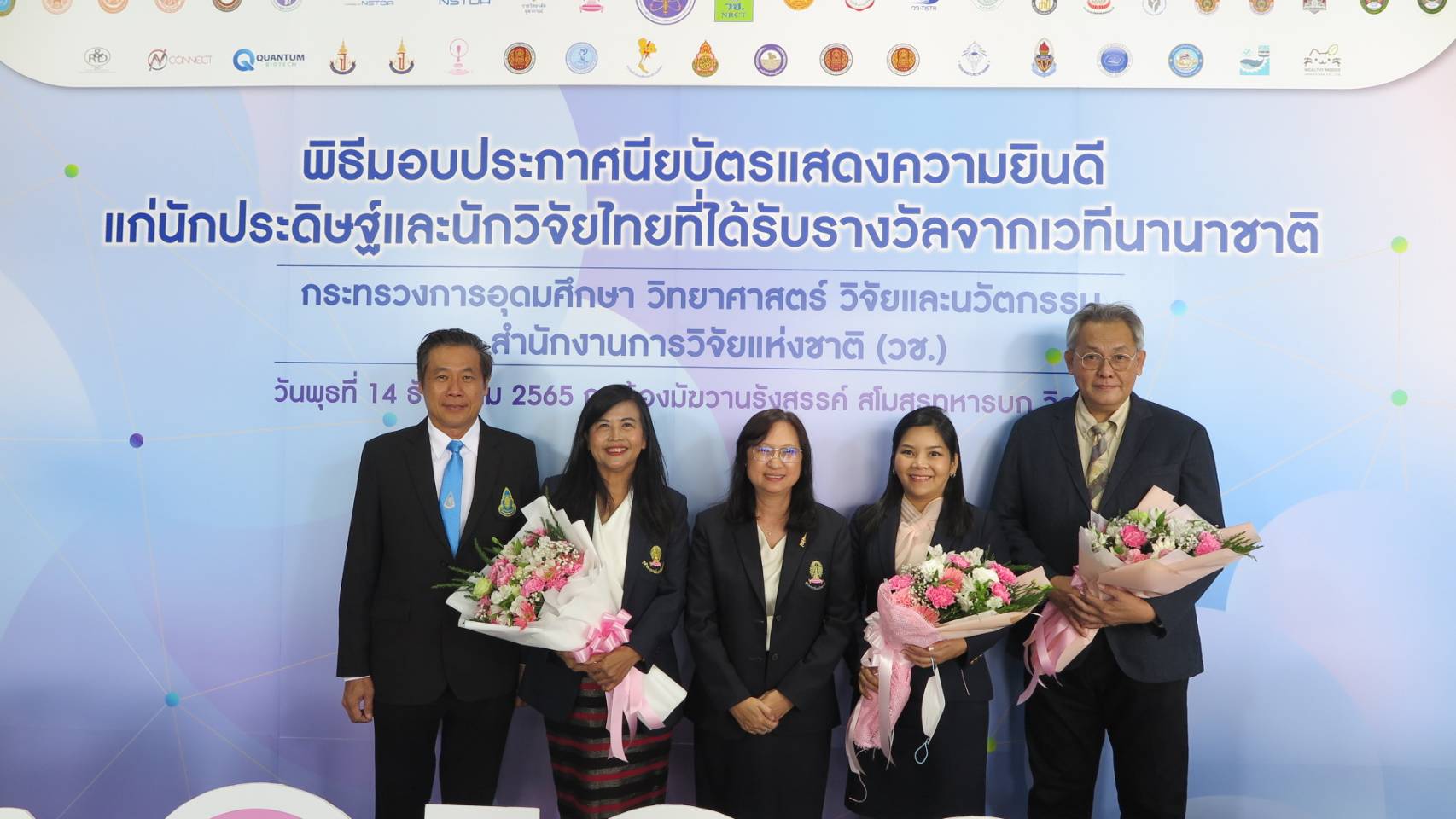
The Dean of Thammasat Business School (TBS), Professor Ruth Banomyong, Ph.D., has been named National Researcher of the Year in Economics (2022) by the National Research Council of Thailand (NRCT).

On receiving the award, he expressed his hope that Thai business and industry will use his research as a model to further develop logistics infrastructure, connect and integrate supply chains in all dimensions, and increase the capacity of the Thai economy.

Prof Banomyong said that receiving the honor was a source of great pride. He is optimistic that the study would become a model for practical use in the development and optimization of logistics and supply chains.

The research has applications in many areas: development of universal logistics tools, indexes, calculation methods, geography characteristics, logistics policy, supply chain efficiency measurement, trade facilitation, and multi-form continuous transportation.

According to Prof. Banomyong, “Academic research is a kind of philosophy of life. This fact must be understood by anyone who wants to do research. What we want to see is that our work is valid and can be applied. Fortunately, my work has come at the right time: Thailand needs logistical knowledge, and there are many other opportunities in the region, and with the Asian Development Organization, ASEAN, the World Bank, the United Nations. This all gives a great opportunity for a university professor to play a role in turning research into policy. It’s a much more important factor than purely academic performance.”

“Logistics management is a new science for Thailand and countries in the region. (It is) bringing new knowledge which enables entrepreneurs to compete on the world stage. Such experiences travel to many regions around the world through research which also influences policymakers. To conduct research for the country is to contribute to its competitiveness, grow the economy, infrastructure, regulations, exports, imports, globalization, and help it manage shocks like COVID-19. Entrepreneurs are not equipped for that. The content of this research is important as an educational tool for entrepreneurs, both in the private sector and government.

“When we do research, we don’t focus on gaining trophies. We do it for cognitive growth, and ….so that our country develops competitively. Knowledge related to logistics and supply chains is very important. For example, the World Bank develops country scorecards to evaluate the quality of logistics on offer around the world. Currently, Thailand is poorly rated. What I’m doing is improving our logistics system to allow us to connect with the world, and to promote our country rankings.”

Professor Ruth ended by noting, “To successfully build on research, a collaboration between three main stakeholders is essential- the public, private and academic sectors. They must work together. We can also add in a fourth sector- local communities- which link all the other sectors together. All four parts lead to the development of the Thai logistics ecosystem, and can improve the economy and increase competitiveness.”

Thammasat Business School partners with eight business schools to enhance Thai business education

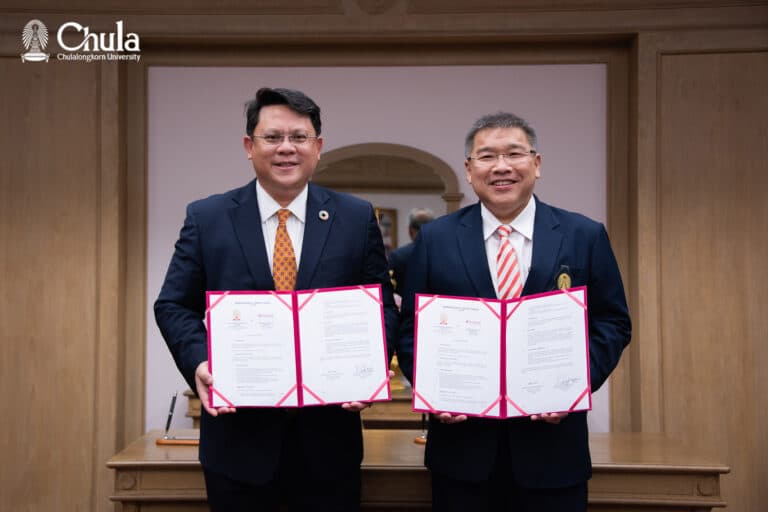
For the first time in Thailand’s history, Thammasat Business School (TBS), Thammasat University has signed a Memorandum of Understanding (MOU) with eight other leading Thai business schools to enable the building of a business school network in Thailand (Business School Network of Thailand: BSNT).

This historical event, which took place at Thammasat University Tha Prachan Campus on 4th April 2022, consisted of 9 representatives from 9 leading Thai business schools coming together to show their solidarity in working together to shape and form the future of business management education in Thailand.

The main goals of the BSNT are to promote academic and research activities, to exchange knowledge and expertise among its members, to enhance the competence of Thai business schools, and to develop world-class academic personnel in Thailand, facilitating the development of the Thai economy in the future.

Since its inception in 2020, Professor Ruth Banomyong, Ph.D., Dean of Thammasat Business School has worked diligently for almost 18 months to initiate and coordinate the MOU ceremony for the nine members of the BSNT, which include: 1. Chulalongkorn Business School, Chulalongkorn University; 2. CMU Business School, Chiang Mai University; 3. Kasetsart Business School, Kasetsart University; 4. Khon Kaen Business School, Khon Kaen University; 5. Faculty of Management Sciences, Prince of Songkla University; 6. Faculty of Management and Tourism, Burapha University; 7. National Institute of Development Administration (NIDA); 8. Sasin School of Management, Chulalongkorn University; and 9. Thammasat Business School, Thammasat University.

One of the main goals of the BSNT collaboration is to develop and certify national accreditation standards for business management education, which will be discussed in more detail throughout the course of 2022.

After the MOU signing is completed, members will continue to work together on academic collaboration, academic activities, sharing experiences, and developing expertise in various business related fields to enhance the competence of business schools in Thailand.

A breakdown of the details of the MOU agreement are as follows:

– Academic activities: teaching and learning, faculty development, staff and student exchange, and sharing of best practices between member schools.

– Academic research networking: collaborations between BSNT faculty members on common research interests

– Academic seminars: knowledge sharing and pooled resources (e.g., faculty and staff)

– Community service: organizing free training or seminars for the general public and the provision of academic mentors from member institutions according to each school’s field of expertise. In addition, each school will take turns in hosting annual BNST meetings. This may consist of visits to each school in various regions or the schools from surrounding provinces attending or organizing activities in Bangkok.

Prof. Dr. Ruth also added that this is to improve and advance the potential of Thai business education and build a strong foundation for creating skilled and academically orientated personnel that can help lead in the development of the Thai economy in the future.

In addition, the BSNT network aims to initiate an important turning point in the history of the Thai educational system from a classic model (focused more on competition) to one more focused on networking in education. This cooperation and mutual support will strengthen the capability of all member institutions. Faculty members from the BSNT now have an opportunity to exchange knowledge, ideas, and perspectives to teach students.

As for the students, which make up a key part of each school, they will have a broader vision from learning exchanges with faculty and students from other schools. Students will be equipped with various professional skills and be able to apply and adjust their own knowledge to work and be ready for driving the labor market.

“For the future direction, there may be an agreement with other schools. I think that networking will be beneficial for the Thai education system. All the business schools in the country have great potential and play a role in Thai education. If we bring the expertise and strengths of each school and work together, it will definitely have a positive effect on the Thai education system”, Prof. Dr. Ruth concluded.

World’s new stream frog found in Myanmar

At about the same time that a new type of green frog was found in the forests of Myanmar, Dr. Panupong Thammachoti a lecturer at the Department of Biology, Faculty of Science, Chulalongkorn University has also found two new types of stream frogs in the Bago region to the north of Yangon, Myanmar.

For Dr. Panupong, a taxonomist and ecologist who has continuously researched reptiles and amphibians in this region, the discovery of these frogs in Myanmar is a reflection of the biodiversity in Southeast Asia which we all should be aware of and work together to ensure its survival.

Genome technology reveals the heredity of a new species of frogs

This discovery is a result of the collaboration between research teams from three countries – Chulalongkorn University’s Faculty of Science, East Yangon University of Myanmar, and Germany’s Senckenberg Forschungs institut und Naturmuseum led by Prof. Dr. Gunther Köhler, an expert in taxonomy and genome technology for reptiles and amphibians.

“We took two years to conduct our research and most of the time was spent collecting specimens both in Thailand and Myanmar after which the frogs were sent for analysis at the Senckenberg laboratory in Germany. The process involved applying our knowledge in physics that’s applied to biology to examine the DNA, analyze the vocal variations of frogs, as well as study the genome, or the entire genetic data of these frogs until we found two of the world’s newest species of frogs.” Dr. Panupong explained the process of the research project on the diversity of stream frogs in Myanmar, and the mountain range in the western and southern part of Thailand which began in 2019.

The study that led to the discovery of the two species of stream frogs has been documented and published in the international journal, Diversity, in August of 2021.

The characteristics of the world’s new stream frogs

Dr. Panupong explained the general characteristics of the stream frog that “their habitat is in the streams of tropical forests like the jungles in the western and southern part of Thailand. The size of each frog is about 3-5 centimeters. Their bodies are brown and appear much like a leaf which is a form of camouflage. These frog species only make mating calls at night. As tadpoles, they live around the streams where the gush of water isn’t very strong and when they are fully grown will move to the side of the stream. They are found mostly in the rainy season which is their mating season.”

The two newly discovered species of stream frogs are the Bago Stream Frog (Limnonectes bagoensis) and the Bamboo Forest Bago Frog (Limnonectes bagoyoma).

“Both types of frogs are similar in that their skin is slippery, they are dark brown or brown mixed with olive green. Their forelegs have four toes without connective tissue while the hind legs have five toes with connective tissues that enable them to swim. The skin on their backs is quite smooth with only a few lumps while the skin on their stomachs is white or cream-colored, very smooth and not lumpy.”

“In terms of differences, the Bago Stream Frog has a black strip from the end of its nose to the side of the ear and its body size is 30-49 centimeters. It is larger than the Bamboo Forest Bago Frog which measures 23-29 centimeters.”

Relationship between frogs and the ecosystem

The discovery of these new species of frogs is a good indicator of the fertility of the forests in Southeast Asia since the habitat of these frogs are natural bodies of water that are clean, clear, and always flowing.

Although there are still some stream frogs remaining, Dr. Panupong reminds us that the numbers are dwindling and if deforestation continues the changes in forest conditions could eventually lead to the frogs’ extinction.

“We hope that the knowledge generated from this research will let people see the importance of forests and refrain from cutting down trees and destroying forests. It is also important to find ways to develop the appropriate form of ecotourism that also leads to the conservation of forests.” Dr. Panupong added.

The future of other species discoveries

Dr. Panupong continues to study and disseminate knowledge on reptiles and amphibians in Thailand. He plans to further his research on stream frogs and frogs in the south of Thailand which have features that are similar to frogs found in Myanmar. Research will also be carried out on other reptiles such as the world’s new skink found on the mountains of Indonesia, the Kukri snake which isn’t poisonous but often likes to eat the eggs of poisonous snakes, and the rattlesnake which is highly poisonous. We often hear news of people being bitten by this type of snake.

Dr. Panupong ended by sharing his opinion that “The discovery of new animal species is an indicator of the fertility of forests in our region.

I believe there are still a large number of reptiles and amphibians waiting for us to discover and study. Research on these animals will enable us to understand the significance of the animal life that coexists with humans in the ecosystem. Some of the reptiles and amphibians can be beneficial in terms of science and technology.

Even if their appearance isn’t as attractive as other animals and some are also poisonous but they are important to the ecosystem, the study and research on natural history and biology which also includes the way of life of these animals will help us humans to be able to sustainably maintain the balance of the ecosystem.”

Chula urges researchers to launch Deep Tech

Chulalongkorn University Technology Center (UTC) urges Deep Tech researchers to push forth deep innovations onto the market, promote business ventures, and be the driving force in the Thai economy.

DeepGI artificial intelligence detection of colorectal cancer, Aqua Innovac needle-free aqua vaccine for farmed fish, ReadMe by eikonnex.ai, an artificial intelligence device that reads texts, images, and videos and transfers them to digital documents.

These are but a few of the 30 outstanding innovations from in-depth research or Deep Tech by Chulalongkorn Universities researchers and their networks supported by Chulalongkorn University Technology Center: UTC.

According to Dr. Pravee Kruachottikul who heads Chulalongkorn University Technology Center (UTC) “Good research not only contributes towards cultivating academic knowledge but can also be of added value when it is put to actual use. UTC is determined to provide a platform to accelerate Deep Tech research works onto the market by creating impactful research that sustainably addresses social and economic questions.”

Deep Tech is in-depth technology that is highly complex and cannot be easily imitated within a short time which proves advantageous in the highly competitive business arenas. Dr. Pravee also added that there are a large number of Deep Tech research in Thailand that have been published and are widely accepted internationally, but unfortunately, haven’t been utilized fully. Moreover, if researchers were to work on their own, they might not be able to add the commercial dimension to their work in a more substantial manner. UTC was therefore established to address this gap.

“Innovations deriving from Deep Tech can be patented, and are therefore able to add social and economic value following Chula’s Innovations for Society concept.”

How does UTC provide support for Deep Tech research?

Currently, UTC concentrates on working with three types of Deep Tech research, namely Artificial Intelligence (AI), Medical Technology (MedTech), and Biotechnology (BioTech). Its work begins with a search for Deep Tech research, after which UTC will work closely with the research team to improve its capacity for commercialization and specific technology readiness by UTC’s qualified specialists as well as its alliance of experts comprising experts in innovation project development, and business planning.

They will help in offering advice at various stages such as business model development, market testing, selection of commercial models, etc. Experts in business laws and patent strategies can offer advice on such matters as the IP landscape or food and drugs registration.

Specialists in specific areas, such as applied AI in medical technology will offer their advice on how to conduct clinical trials, disbursement systems, or strategies for ensuring physician’s adoption of technology, etc. There are also coaches from outside Chulalongkorn University who provide advice on innovation development, some of whom are Chula alumni, business practitioners, and those working on social projects.

Developing Deep Tech for the Innovation Market

Dr. Pravee explained that turning research into a commercialized innovation should not extend over 12 months. The process entails the three major steps:

1. The search for available research
UTC is constantly on the lookout for and welcomes submissions of research and has committees to consider plausible research projects. Once the research has been accepted, another team of experts on innovation development will oversee the project to enhance its business potentials alongside technological development until a primary business model is derived. They are then able to assess the potential of the research in providing solutions for the target market and whether there are interested customers.

2. Product Development and field testing with potential customers or actual product users.
With the derived business plan, the research team can soon develop a model that can then undergo actual market testing with the target group. UTC’s experts or coaches in various dimensions are there to provide advice after which the test results are applied to make changes or improvements as needed so that the product follows the direction set within the determined timeframe.

3. Proceeding with the commercial aspect
Once the desired product has been developed, the next step is to plan how to handle its commercial aspect to derive the highest benefits. UTC’s experts are there to provide such useful information as legal matters, patent application, the transmission of technology/patents from the university, negotiations with business partners, and fundraising for example.

UTC’s Deep Tech Innovations

For almost three years (2019 onward), the UTC has played a part in cultivating more than 36 Deep Tech research projects. At the end of 2021, the UTC Deep Tech Demo Day was organized to showcase outstanding AI and MedTech Innovations from 15 teams that showed the potential to become Thailand’s Deep Tech Startups in the future. The event had online booths displaying more than 30 AI and MedTech innovations and also featured a Business Matching activity with agencies from both the government and private sectors. Internationally renowned experts were invited to share their expertise on matters related to Deep Tech. Some of the innovations presented at the event are as follows:

ReadMe by eikonnex.ai
by researchers from Chulalongkorn University’s Faculty of Engineering — an AI innovation with the ability to read texts in Thai and English along with symbols on documents, images, and videos and transform them into digital documents that can be used in various ways, such as company’s financial documents storage, credit scoring for bank loans, etc.

Aqua Innovac
a needleless vaccine for farmed fish by researchers from the Faculty of Veterinary Science, Chulalongkorn University. An innovation that prevents infection from a bacterium that causes Branchiomycosis or “gill rot disease”, and reduces deaths in fish caused by stress after vaccination with needles.

DeepGI
by a joint research team from the Faculty of Engineering, and the Faculty of Medicine that features AI detection of colorectal cancer that improves diagnosis and reduces the number of examination errors.

How does one join UTC projects?

Not only does UTC lend its support to researchers affiliated with Chulalongkorn University, but it is also open to Deep Tech researchers from elsewhere, especially in the fields of AI, MedTech, and Biotech which are UTC’s main concentrations. Other Deep Tech research works are also welcome.

Dr. Pravee concluded that students who are interested in Deep Tech but do not have any research works can also join the UTC team to undergo practical training.