Seeds of Change: KazNU Innovation

As drought tightens its grip on regions across the globe, the race to secure the future of agriculture has never been more urgent. Yet while many institutions are only beginning to confront the challenge, Al-Farabi Kazakh National University is already delivering results. In a striking demonstration of scientific leadership, KazNU researchers have developed a biodegradable seed coating that enables plants to germinate faster, grow stronger, and consume dramatically less water — an innovation that places the university at the forefront of sustainability-driven science.

The idea itself reads like a glimpse into the future. KazNU scientists engineered a delicate, environmentally friendly coating made from polymer hydrogels, clay, rice husk ash, and a starch solution. Applied to seeds, this thin layer functions as a natural reservoir, storing moisture and releasing it gradually. The impact is transformative: seedlings emerge within just seven to eight days, develop noticeably denser foliage, and withstand stressful climatic conditions with far greater resilience. Perhaps most impressively, they require watering only once a week — a game-changing reduction for regions facing water scarcity.

Achievements of this scale rarely happen by accident. Behind the innovation stands a multidisciplinary team of more than ten KazNU researchers, bringing together expertise in materials science, agronomy, environmental chemistry, and biotechnology. Their coordinated effort not only resulted in a functioning product but also secured a national patent and earned publication in leading international journals. For Kazakhstan, this represents an unprecedented scientific advance; for the global community, it is a promising model for sustainable agricultural innovation emerging from Central Asia.

What makes this development even more noteworthy is how precisely it aligns with global sustainability priorities. Agriculture is one of the world’s most water-intensive sectors, and technologies that can conserve even a portion of this resource are vital to climate adaptation strategies. KazNU’s coating reduces water consumption, improves crop stability, and uses only biodegradable materials — a combination that positions it as a forward-looking solution to a problem many countries are only beginning to grapple with.

This breakthrough sends a clear signal: KazNU is not simply participating in global scientific dialogue — it is helping shape it. The university’s ability to transform fundamental research into impactful, practical solutions illustrates the strength of its scientific ecosystem and its growing international relevance. While others discuss the importance of innovation in sustainable development, KazNU is delivering it, one seed at a time.

In a world where climate challenges are accelerating, the work being done at KazNU stands as a testament to what a leading research university can achieve. It is science with purpose, innovation with immediate relevance, and a powerful example of how Kazakhstan’s flagship university is pushing the boundaries of what is possible in modern agricultural science.

Candy Made from Maral Products

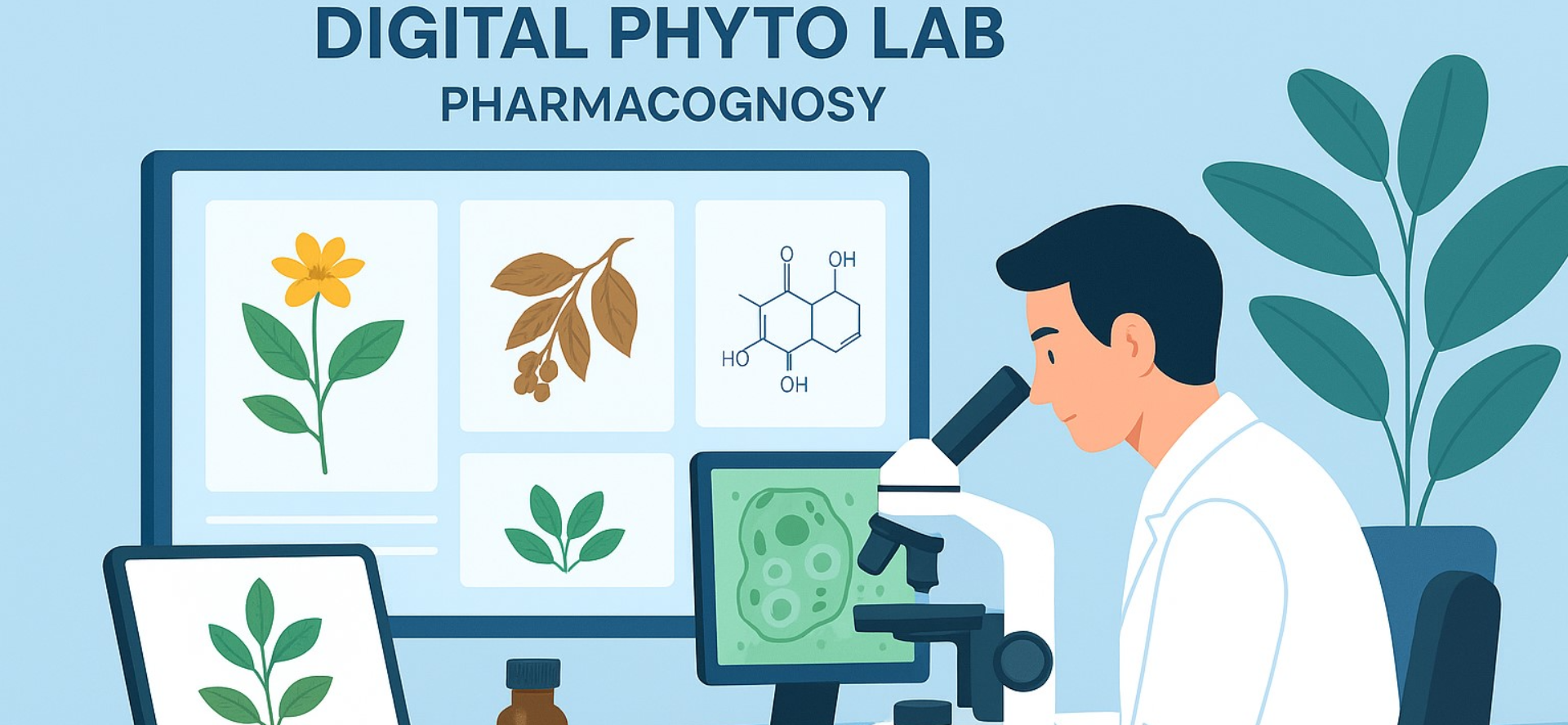
At the Department of Pharmacognosy with a course in Botany of the Asfendiyarov Kazakh National Medical University (KazNMU), researchers are exploring the potential of maral-based products to create innovative, naturally inspired functional foods. Raw materials for these studies are supplied by “Zere” LLP, located in the ecologically pristine Martuk village of the Aktobe region. The animal-derived ingredient at the heart of this work is prepared from dried maral antlers rich in high-quality blood, forming the basis for a new generation of nutraceutical products.

Among the most notable outcomes of this research are collagen candies enriched with maral products—an embodiment of the harmony between natural strength and modern technological advancement. Developed for consumers who value purity, quality, and self-care, each candy offers more than flavor: it represents a step toward inner balance, sustained energy, and natural beauty. These candies belong to the category of premium functional sweets and natural tonics designed to support overall vitality. By uniting valuable animal proteins, natural collagen, and biologically active compounds, the product offers a unique solution for individuals seeking conscious nutrition and natural energy support rooted in Kazakhstan’s traditional bioresources.

Hydrolyzed collagen, or collagen peptides, forms the core of the formulation. Broken down into smaller fragments through gentle hydrolysis, this collagen is easily absorbed when taken orally, making it an effective component for daily nutritional support. The product is particularly appealing to people with active lifestyles who prioritize physical well-being, appearance, and a balanced diet.

The advantages of these collagen candies stem from their natural raw materials, including dried maral blood sourced from environmentally clean regions and processed through gentle, quality-preserving technologies. As a natural source of collagen and proteins, the candies help maintain tissue structure and contribute to the body’s overall resource balance. Their development reflects a synergy between traditional knowledge and modern, simplified processing methods. Presented in a convenient and enjoyable edible form, the candies provide an appealing alternative to capsules or powders while maintaining a premium product identity associated with strength, vitality, and robust health.

In addition to their functional benefits, the candies offer a pleasant sensory experience. With a soft texture and natural notes of sea buckthorn, blackcurrant, honey, or herbal extracts, they become a harmonious and enjoyable part of daily nutrition. Although not classified as a medical drug and not intended to treat diseases, the candies deliver beneficial preventive physiological effects characteristic of products containing collagen.

Regular consumption may support joint and ligament health by improving cartilage nutrition, reducing dryness and stiffness, and enhancing ligament elasticity. The product also promotes skin vitality through improved elasticity, reduced dryness, and stimulation of natural collagen synthesis. Consumers may notice stronger hair and nails as structural integrity improves and brittleness decreases. The peptides and adaptogenic compounds present in maral products may contribute to increased vitality, reduced fatigue, and better post-exertion recovery. Additionally, the candies may help support vascular health and metabolic processes by strengthening vascular walls, improving microcirculation, and offering mild antioxidant effects.

“Miracle Juice” from Natural Plant Sources

The increasing prevalence of chronic stress, environmental pollution, and irregular dietary patterns has created a modern health landscape marked by widespread vitamin deficiencies and reduced intake of biologically active substances. Responding to these challenges, the Department of Pharmacognosy with a Course in Botany at the Asfendiyarov Kazakh National Medical University has undertaken a significant scientific project: the development of a natural vitamin drink known as “Miracle Juice.” Led by Professor Sayakova G.M., the project not only resulted in the creation of a unique plant-based formulation but also received a patent for a utility model and an RNSTD registration, reflecting its novelty and scientific value.

The researchers recognized that sustainable, locally sourced plant materials offer a vital solution to the growing need for natural vitamin supplementation. Kazakhstan’s agricultural landscape provides abundant ecologically clean raw materials, and this resource potential served as the foundation of the project. Pumpkin, carrot, apple, and sea buckthorn were selected as the core ingredients of the drink. Each plant was chosen for its proven nutritional richness: pumpkin is high in carotenoids and essential minerals, carrot provides beta-carotene and fiber, apples supply polyphenols and vitamin C, and sea buckthorn is valued for its exceptional concentration of antioxidants and vitamins C, K, and E. In combining these components with auxiliary ingredients, the researchers sought to create a beverage that was not only nutritious, but also safe, accessible, and beneficial for daily consumption.

The development process involved a thorough investigation of the biological activity of each ingredient and the creation of an optimal mixture that would deliver maximum vitamin content and therapeutic effect. Equally important was the establishment of a regulated technological scheme for producing the drink. By defining each stage of processing, the team ensured consistency, quality, and safety. The resulting beverage underwent rigorous organoleptic, physicochemical, and microbiological evaluation, confirming its compliance with established standards. These assessments demonstrated that the drink maintained stability over time, presented favorable sensory qualities, and met microbiological safety requirements.

Scientific analysis confirmed several important findings. The extracts used in the formulation possess measurable therapeutic potential, providing experimental justification for their use as functional ingredients. Their pronounced vitamin activity makes them reliable natural sources of essential nutrients needed to address hypovitaminosis and weakened immunity. For the first time, an optimized formulation and a standardized juice-processing method were created according to predefined quality criteria. The completed drink successfully passed standardization procedures, which verified its nutritional and safety indicators. Additionally, researchers identified anti-inflammatory properties within the beverage, attributable to biologically active compounds such as flavonoids, phenolic substances, carotenoids, and vitamins C and K. These effects were validated through experimental studies, confirming that the drink offers not only nutritional value but also functional health benefits. Another innovative aspect of the project was the execution of preclinical safety assessments, including toxicity and sub-toxicity tests on laboratory animals. These studies demonstrated the safety profile of the developed drink and contributed to its scientific substantiation as a preventive health product.

The creation of “Miracle Juice” aligns with current global and national trends in both the pharmaceutical and food industries. As consumers increasingly prioritize natural ingredients, minimal processing, and preventive health measures, demand for functional beverages continues to rise. Products enriched with vitamins, antioxidants, and immunomodulating agents are particularly valued for their ability to enhance quality of life and support everyday wellness. Within this context, “Miracle Juice” stands out as a product that meets consumer expectations while also providing scientifically proven benefits. Its formulation emphasizes natural sources of vitamins, making it applicable for preventing vitamin deficiencies, strengthening the immune system, and supporting overall health. Moreover, by relying on domestically sourced ingredients, the product has the added advantage of supporting local agriculture and reducing dependence on imported raw materials.

The practical significance of the project extends beyond the drink itself. Its development demonstrates how Kazakhstan’s natural plant resources can be integrated into pharmaceutical and food manufacturing processes aimed at producing effective, natural, vitamin-based beverages. It also highlights the essential role of academic research in creating products that are not only scientifically grounded but also relevant to public health needs. “Miracle Juice” exemplifies how traditional botanical knowledge, when combined with modern scientific methodology, can yield innovative solutions for contemporary health challenges.

As interest in plant-based functional foods continues to grow worldwide, the development of “Miracle Juice” represents a meaningful contribution to national scientific progress and global wellness trends. By uniting natural resources, technological expertise, and pharmaceutical rigor, this project demonstrates Kazakhstan’s potential to create health-enhancing products that meet both scientific and consumer expectations.

Development of the Dementia

The Department of Neurology at S.D. Asfendiyarov Kazakh National Medical University (KazNMU) continues its important series of educational events aimed at advancing practical healthcare. These efforts coincide with the 95th anniversary of KazNMU and the 90th commemoration of Professor S.K. Kaishibaev. The initiative is part of the Ministry of Health of the Republic of Kazakhstan’s Roadmap for Improving Neurological Medical Care for the Adult Population for 2025–2027, targeting enhanced dementia care and neurological expertise.

During the summer, the department held a cycle of educational lectures for primary healthcare physicians as part of the project titled the “Alzheimer’s Disease School.” These sessions took place on July 10, July 22, and August 22, attracting dozens of healthcare professionals from across the region. The core aim of the project is to elevate the competency of physicians by disseminating the latest knowledge on the diagnosis, treatment, and prevention of Alzheimer’s disease—one of the most urgent medical and social challenges of the 21st century.

Advancing Knowledge in Alzheimer’s Disease

The keynote lecture was delivered by the Chief Freelance Neurologist of the Ministry of Health and Head of the Department of Neurology at KazNMU. The presentation offered a comprehensive overview of Alzheimer’s disease, covering global and national prevalence data, current understandings of causes and risk factors, and highlighting innovative strategies for early diagnosis and treatment. The speaker stressed the significance of an interdisciplinary approach and early identification of cognitive impairments as critical components in improving patient outcomes.

Modern Diagnostics and Clinical Practice

Following the keynote, a neurologist and assistant professor at KazNMU presented a practice-oriented session on modern diagnostic tools and clinical approaches to cognitive disorders. This included a detailed overview of instrumental and neuropsychological diagnostic methods, international assessment scales, and real-life clinical cases. Attendees appreciated the practical relevance of these insights, emphasizing their immediate applicability to routine patient care in primary healthcare settings.

Supporting Families and Building the Dementia Alliance

One of the most impactful presentations focused on the vital role of psychological and social support for families of patients living with dementia. The discussion also introduced the recently established Kazakhstan Alzheimer’s and Dementia Alliance—a pioneering initiative aimed at uniting efforts to enhance care quality for patients and their caregivers. This alliance fosters Kazakhstan’s integration into the international dementia care community, enabling the exchange of best practices and collaborative advancements in treatment and support frameworks.

Project Significance and Impact

The series of educational events generated strong interest and active participation from primary healthcare doctors. Through discussions, case studies, and up-to-date scientific findings, the “Alzheimer’s Disease School” has become a valuable resource for practitioners looking to deepen their expertise.

Key outcomes for participating physicians included:

  • Enhanced understanding of modern diagnostic and therapeutic methods for dementia.
  • Access to internationally recognized clinical scales and protocols.
  • Appreciation of the multidisciplinary approach, incorporating medical treatment alongside family and social support.
  • Opportunities to join a professional network dedicated to improving the quality of life for dementia patients.

The initiative clearly underscores the crucial role of educating primary healthcare providers as a frontline defense in early detection and intervention for Alzheimer’s disease. By equipping doctors with the latest tools and knowledge, these educational activities help improve the accessibility and effectiveness of neurological care across Kazakhstan.

Looking Ahead: The Future of the Alzheimer’s Disease School

The project is part of a broader national initiative aimed at strengthening healthcare professionals’ competencies in dementia diagnosis and treatment. Future plans for the Alzheimer’s Disease School include expanding training formats, integrating digital learning tools, and fostering partnerships with international experts to further elevate neurological care standards.

Such developments promise to create a sustainable model for continuous professional development, ensuring that healthcare providers remain updated on breakthroughs in dementia research and patient care methodologies.

With the rising prevalence of neurodegenerative diseases globally and in Kazakhstan, comprehensive educational programs like the Alzheimer’s Disease School play a pivotal role in addressing this growing challenge. By focusing on both clinical excellence and family support, and by establishing collaborative alliances, Kazakhstan is advancing toward a more responsive and compassionate healthcare system for dementia patients.

This series of events, supported by Egis, highlights the commitment of the Kazakh healthcare community to enhancing neurological care, promoting interdisciplinary cooperation, and improving patient outcomes through education and innovation.

KazNARU Hosts Green Week 2025 Advancing SDG

The Green Week programme at KazNARU spotlighted the South-South educational collaboration with the launch of Biochar and SmartAgri, a collaborative publication featuring research from Pakistan’s NUST and Quaid-i-Azam University. A subsequent roundtable on the “Sustainability Discourse of Almaty Universities” brought together representatives from all major universities in Almaty, such as KBTU, KIMEP, Abai University, and KazNARU to exchange best practices in SDG-focused education and institutional reform. During the discussions, participants also debated the need to shift the educational paradigm in response to the growing impact of artificial intelligence on learning, research, and university management.


The opening ceremony featured keynote addresses from Dr. Rafis Abazov, Vice-Rector for International Relations and Director of the Institute of Green and Sustainable Development at KazNARU, and Vlastimil Samek, Representative of the United Nations Department of Global Communications. Dr. Abazov underscored the university’s role as a catalyst for sustainability dialogue, stating, “Our commitment to the SDGs is not just academic—it is a call to action for the entire agricultural sector to embrace resilience, equity, and ecological stewardship.”


Mr. Samek echoed the sentiment, highlighting the global relevance of local leadership: “Kazakhstan’s convening of Green Week 2025 exemplifies how regional institutions can drive global progress. The UN stands ready to support initiatives that translate SDG principles into tangible outcomes for communities and ecosystems.”


Green Week 2025 has attracted participation from key stakeholders, including the Ministry of Foreign Affairs, IOFS, ICESCO, UNEP, FAO, and Erasmus Kazakhstan. The event’s hybrid format ensures broad accessibility, enabling engagement from across Central Asia and beyond. Workshops, youth-led initiatives, hackathons, and strategic planning sessions throughout the week aim to embed sustainability principles into agricultural policy, curriculum design, and innovation ecosystems.


The forum also marks a pivotal moment in regional cooperation, with new partnerships emerging among universities, government bodies, and international organizations. Delegates discussed various success stories, such as “green campus”, “Monday against plastic”, and the concept of “digital campus” and emphasized youth empowerment, digital and AI transformation, and climate-smart agriculture as foundational pillars for long-term impact.


The opening ceremony set a collaborative tone for the week ahead, reinforcing KazNARU’s strategic vision to position Kazakhstan at the forefront of global sustainability discourse in higher education and agricultural development.

Shaping Tomorrow: KazNARU Hosts Green Week.

On September 8, 2025, the Kazakh National Agrarian Research University (KazNARU) inaugurated Green Week 2025: Innovation, Education, and Sustainable Development – The Future of Kazakhstan’s Agricultural Sector. The initiative highlights the university’s commitment to advancing the UN Sustainable Development Goals (SDGs) through research, international collaboration, and innovative approaches to agriculture.

The program featured projects on sustainable farming, smart agriculture, and digital transformation, emphasizing the role of artificial intelligence and biotechnology in strengthening food security. In his opening remarks, First Deputy Chairman of the Board-Rector Primkul Ibragimov stressed the importance of integrating AI technologies, expanding laboratory capacity, and building global partnerships. He also underlined the significance of Kazakhstan’s collaboration with China, Uzbekistan, and other regional partners, as well as the recent establishment of the UN Sustainable Development Hub in Almaty.

The opening ceremony was marked by the participation of distinguished guests, including representatives of the Islamic Organization for Food Security, Sergei Khristolyubov, Regional Director of QS for Eastern Europe and Central Asia, and leading figures from the United Nations, FAO, ICESCO, and Erasmus. Their contributions highlighted the importance of global cooperation in tackling sustainability challenges.

As part of the event, KazNARU also presented new monographs, including Smarter Agriculture, Brighter Futures and The Use of Biotechnology for Sustainable Farming: Harnessing the Potential of Biochar. Discussions underscored the urgent need for innovative solutions to optimize the use of land, water, and technology in addressing future food security challenges.

“Green Week 2025 demonstrates KazNARU’s leadership in fostering interdisciplinary dialogue and practical innovations for sustainable agriculture,” said Rafis Abazov, Vice-Rector for International Relations and Director of the Institute of Green and Sustainable Development.

The event brought together experts from KIMEP University, the Kazakh-British Technical University, and Abai Kazakh National Pedagogical University, who shared best practices and research outcomes in the field of sustainability.

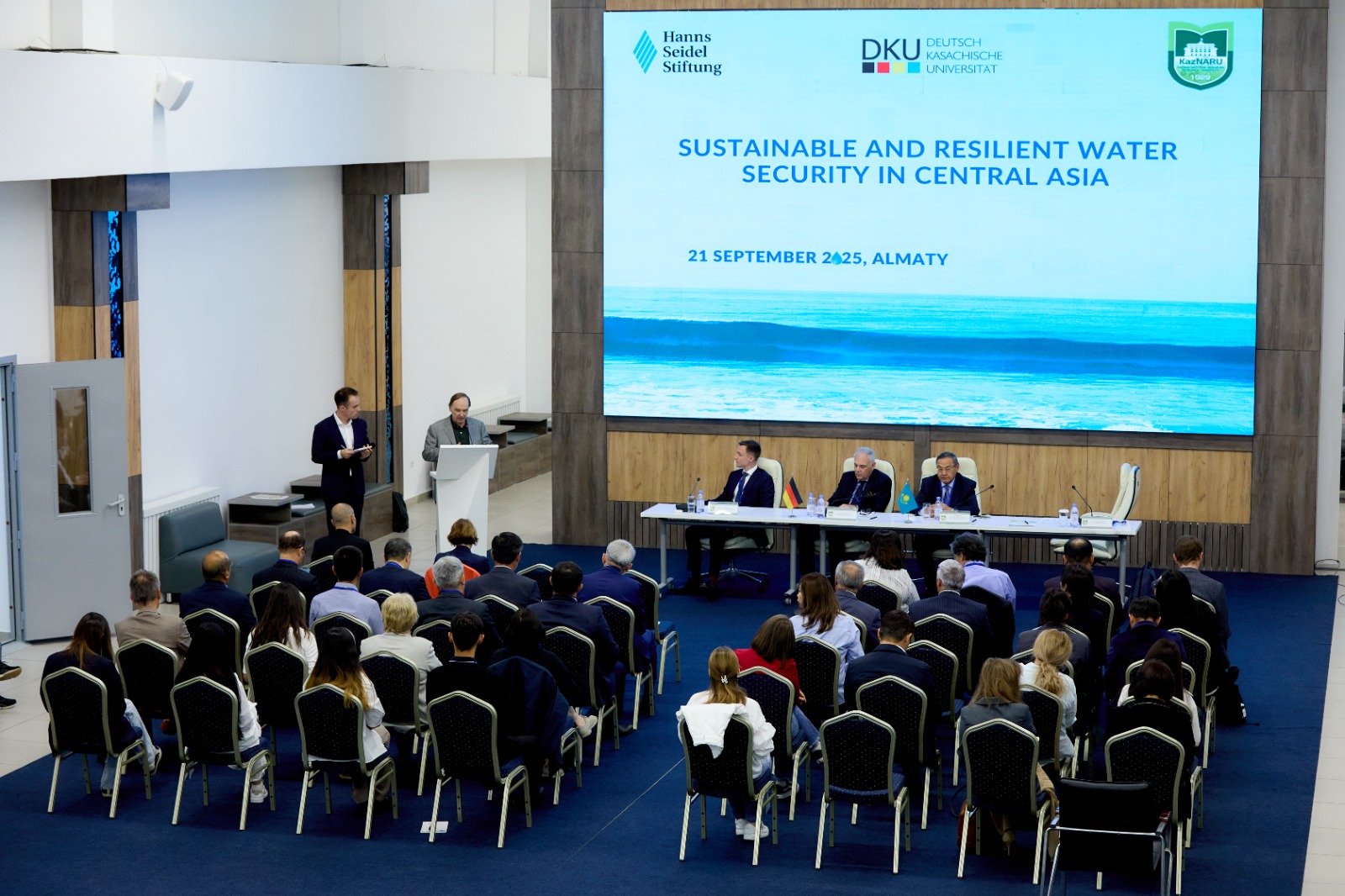
Hosted at KazNARU’s Water Hub in Almaty, the program was supported by the university’s International Office and the Institute of Green and Sustainable Development.

#SustainableDevelopment #GreenTechnology #Kazakhstan #HigherEducation

Clinical Pharmacy Integration

As part of a national strategy to improve pharmaceutical education, Asfendiyarov Kazakh National Medical University hosted a round table titled “Learning Through Practice. Clinical Pharmacy: Issues of Medicines Provision in Multidisciplinary Medical Organizations.”

The event brought together representatives from leading scientific and medical institutions across Kazakhstan, as well as educators, employers, and postgraduate students of the “Pharmacy” program. Organized by the School of Pharmacy and the Department of Organization, Management and Economics of Pharmacy and Clinical Pharmacy, the discussion focused on aligning academic training with the realities of modern healthcare.

Participants emphasized the importance of strengthening the connection between education and clinical practice. They highlighted the growing role of clinical pharmacists in ensuring safe and effective pharmacotherapy, contributing to public health through pharmaceutical care, and supporting the efficient use of medical resources within national healthcare programs such as the Guaranteed Volume of Free Medical Care (GVFMC) and the Mandatory Social Health Insurance (MCSI).

In the context of a transforming healthcare system, increasing life expectancy, and an expanding pharmaceutical market, the demand for highly skilled clinical pharmacists continues to grow. Professionals are now expected to assess drug quality and safety, support rational prescribing, manage pharmaceutical logistics, and work within integrated digital health systems like Damumed.

The round table concluded with recommendations aimed at improving pharmacy curricula, implementing practice-based learning models, and expanding partnerships with clinical and research institutions. This initiative marks a significant step toward preparing future clinical pharmacists to meet the evolving needs of Kazakhstan’s healthcare system.

KazNARU Unveiled Biochar SmartAgri Manuals

As part of the landmark Green Week 2025 hosted by Kazakh National Agrarian Research University (KazNARU), a special presentation was held to unveil two transformative training manuals developed through a joint initiative by the Islamic Organization for Food Security (IOFS), the Islamic World Educational, Scientific and Cultural Organization (ICESCO), and KazNARU. These manuals—Biochar Application for Sustainable Soil Improvement and Smart Agriculture: IoT-Based Technologies—offer practical, low-cost solutions tailored for researchers, students, and farmers across Central Asia and the wider Global South.

Presented by IOFS Project Manager Mr. Bakytzhan Arystanbek, the manuals were introduced during a dedicated workshop attended by 48 participants, including faculty, Master’s and PhD students, and researchers from KazNARU’s Water and IT Hub, as well as representatives of other institutions. The session featured hands-on demonstrations in collaboration with Kyzylorda University and Astana IT University, showcasing real-world applications of biochar and IoT technologies in agriculture.

The Biochar manual highlights pyrolysis techniques and field-tested case studies from Pakistan, Egypt, Jordan, Qatar, and Türkiye, offering scalable methods to improve soil fertility, water retention, and climate resilience. The SmartAgri manual introduces IoT-based tools for precision farming, including sensor networks, cloud platforms, and AI-driven systems for irrigation and crop monitoring.

These resources are designed to empower agricultural communities with affordable, accessible innovations that reduce reliance on chemical inputs and enhance digital literacy. As KazNARU’s Vice Rector, Prof. Rafis Abazov noted, “Our goal is to democratize agricultural technology—making it usable and impactful for smallholder farmers and young innovators across the Global South.”

The manuals align with IOFS’s Vision 2031 and ICESCO’s commitment to science and technology for food security. Certificates were awarded to participants, reinforcing the initiative’s focus on capacity-building and youth engagement.

This presentation marks a milestone in Kazakhstan’s leadership in sustainable agriculture and its role in fostering South-South cooperation. By bridging traditional practices with modern innovation, the manuals serve as living tools for future training, research, and field deployment—advancing the SDGs and transforming agriculture from the ground up.

Clinical Pharmacy Integration

As part of a national strategy to improve pharmaceutical education, Asfendiyarov Kazakh National Medical University hosted a round table titled “Learning Through Practice. Clinical Pharmacy: Issues of Medicines Provision in Multidisciplinary Medical Organizations.”

The event brought together representatives from leading scientific and medical institutions across Kazakhstan, as well as educators, employers, and postgraduate students of the “Pharmacy” program. Organized by the School of Pharmacy and the Department of Organization, Management and Economics of Pharmacy and Clinical Pharmacy, the discussion focused on aligning academic training with the realities of modern healthcare.

Participants emphasized the importance of strengthening the connection between education and clinical practice. They highlighted the growing role of clinical pharmacists in ensuring safe and effective pharmacotherapy, contributing to public health through pharmaceutical care, and supporting the efficient use of medical resources within national healthcare programs such as the Guaranteed Volume of Free Medical Care (GVFMC) and the Mandatory Social Health Insurance (MCSI).

In the context of a transforming healthcare system, increasing life expectancy, and an expanding pharmaceutical market, the demand for highly skilled clinical pharmacists continues to grow. Professionals are now expected to assess drug quality and safety, support rational prescribing, manage pharmaceutical logistics, and work within integrated digital health systems like Damumed.

The round table concluded with recommendations aimed at improving pharmacy curricula, implementing practice-based learning models, and expanding partnerships with clinical and research institutions. This initiative marks a significant step toward preparing future clinical pharmacists to meet the evolving needs of Kazakhstan’s healthcare system.

KazNMU Empowers Students Through Research

In today’s rapidly evolving world of science and technology, fostering a strong research culture among students is paramount to the advancement of higher education. This emphasis on research and innovation has been repeatedly highlighted by Kassym-Jomart Tokayev, President of the Republic of Kazakhstan, who underscores science as a key driver of progress and national development. Reflecting this vision, Asfendiyarov Kazakh National Medical University (KazNMU) is dedicated to integrating education and scientific research, positioning itself firmly within the global academic and scientific community.

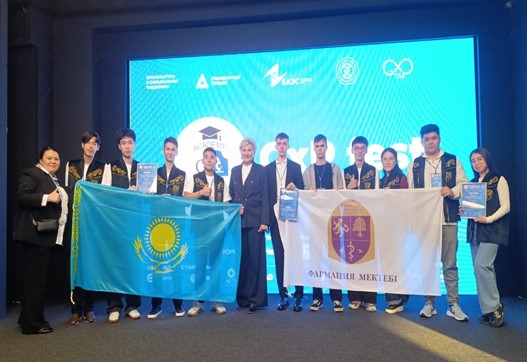
A major pillar of KazNMU’s approach is the organization and promotion of undergraduate research activities (URA), which play a crucial role in nurturing future scientists and healthcare professionals. For the academic year 2024-2025, KazNMU successfully orchestrated a comprehensive two-stage intra-university research and development competition focused on the field of Pharmacy. This initiative saw remarkable student participation, with 88 students submitting their research papers from seven different departments within the School of Pharmacy during the initial stage. Following a rigorous expert review, 56 of these research projects were selected to proceed to the university-wide competition, which took place over two days in early April 2025.

The submitted projects were noted not only for their scientific innovation but also for their practical applicability, demonstrating the students’ ability to bridge theory with real-world relevance. Among the distinguished winners were students specializing in Pharmaceutical Production Technology, including Sovetbek Indira and Bakhytzhan Azamat, who secured second place, as well as Kaimova Mukadas, Kairbekova Adelya, and Imangazy Ayazhan, who earned third place. The competition also featured special awards recognizing the best innovative ideas and the most outstanding student scientific teams. These accolades highlighted the creativity and interdisciplinary nature of the students’ research efforts, showcasing how their projects transcend traditional academic boundaries.

KazNMU’s commitment to research excellence extends beyond the university level, as evidenced by its active student involvement in national competitions. The Republican Research and Development Competition, organized by the Ministry of Science and Higher Education of Kazakhstan and hosted by Karaganda University and Astana Medical University, provided another platform for KazNMU students to demonstrate their scientific prowess. Students such as Bakhytzhan Azamat and Sovetbek Indira received prestigious diplomas for their work in the Educational Program “Technology of Pharmaceutical Production,” earning second and third degrees respectively. Similarly, students Tanaguzov Temirkhan and Adilbekova Assel were honored with second and third degree diplomas in Pharmacy. These achievements not only brought recognition to the students but also underscored KazNMU’s role as a nurturing ground for future leaders in pharmaceutical science.

Supporting this vibrant research culture is KazNMU’s robust scientific infrastructure, which grants students access to leading international scientific databases like Scopus and Web of Science. This access ensures that students engage with the most current and relevant scientific literature, enriching their research with a global perspective. Moreover, the university encourages collaborative learning through student research circles, which provide a community for peer support and knowledge exchange. The incorporation of project-based and problem-oriented learning further enhances students’ practical skills, enabling them to tackle real-world scientific challenges effectively.

Each year, KazNMU hosts a student scientific conference alongside various competitions aimed at young researchers, creating continuous opportunities for students to present their work, receive feedback, and refine their scientific communication skills. These initiatives collectively contribute to a dynamic and supportive environment where student researchers can thrive.

At its core, Asfendiyarov Kazakh National Medical University offers a stable and resource-rich platform for the scientific development of its students. By actively involving students in research and development activities, the university not only cultivates essential professional competencies but also boosts academic motivation and engagement. This holistic approach prepares students to contribute meaningfully to national and international scientific endeavors, positioning them as capable professionals ready to advance the frontiers of knowledge in pharmaceutical and medical sciences.

Through these concerted efforts, KazNMU embodies the vision articulated by Kazakhstan’s leadership, demonstrating how investment in student research can drive innovation, foster academic excellence, and support the broader goals of societal progress. As students continue to push boundaries and explore new scientific territories, KazNMU remains committed to empowering the next generation of scholars and innovators in the healthcare sector and beyond.