USU Student Volunteer Teaching in Vietnam

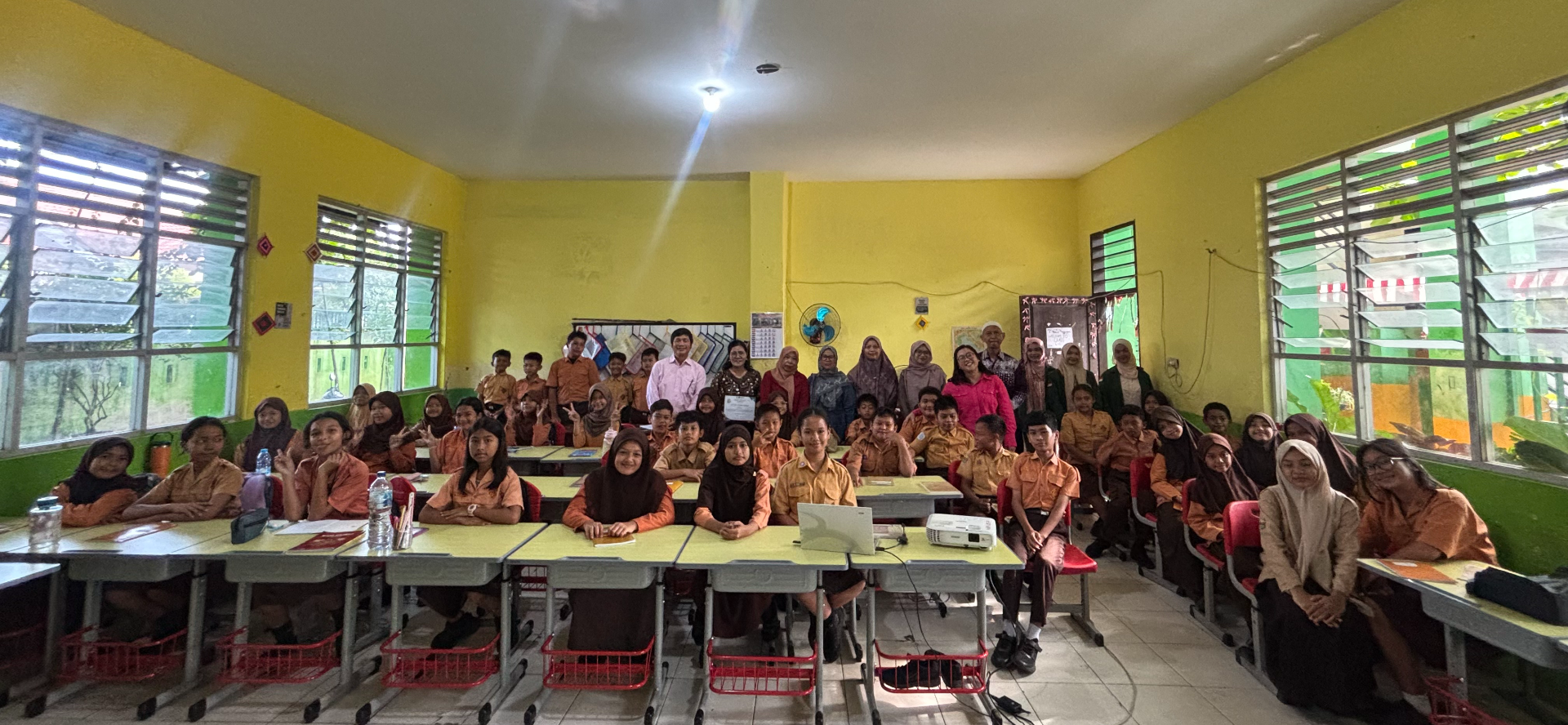
A Political Science student from the Faculty of Social and Political Sciences, Universitas Sumatera Utara (FISIP USU), participated in the MBKM Global Volunteer program organized by AIESEC in USU in Vietnam. The program took place in Hai Phong City for 50 days, from December 21, 2025, to February 8, 2026. During the program, Chairunnisa joined the Happy Bus Project, which focuses on teaching students from preschool to senior high school.

Her interest in joining the program was driven by curiosity about Vietnam’s rapidly developing education system. “Since my second semester, I have been volunteering to teach underprivileged children in Medan. From that experience, I realized that education plays a huge role in shaping someone’s future,” she explained.

In the Happy Bus Project, she taught English using interactive and engaging learning methods adapted to different age groups. For younger students, activities such as games, storytelling, and singing were used to make learning more enjoyable. Meanwhile, older students practiced writing, discussions, and role play to improve their English communication skills.

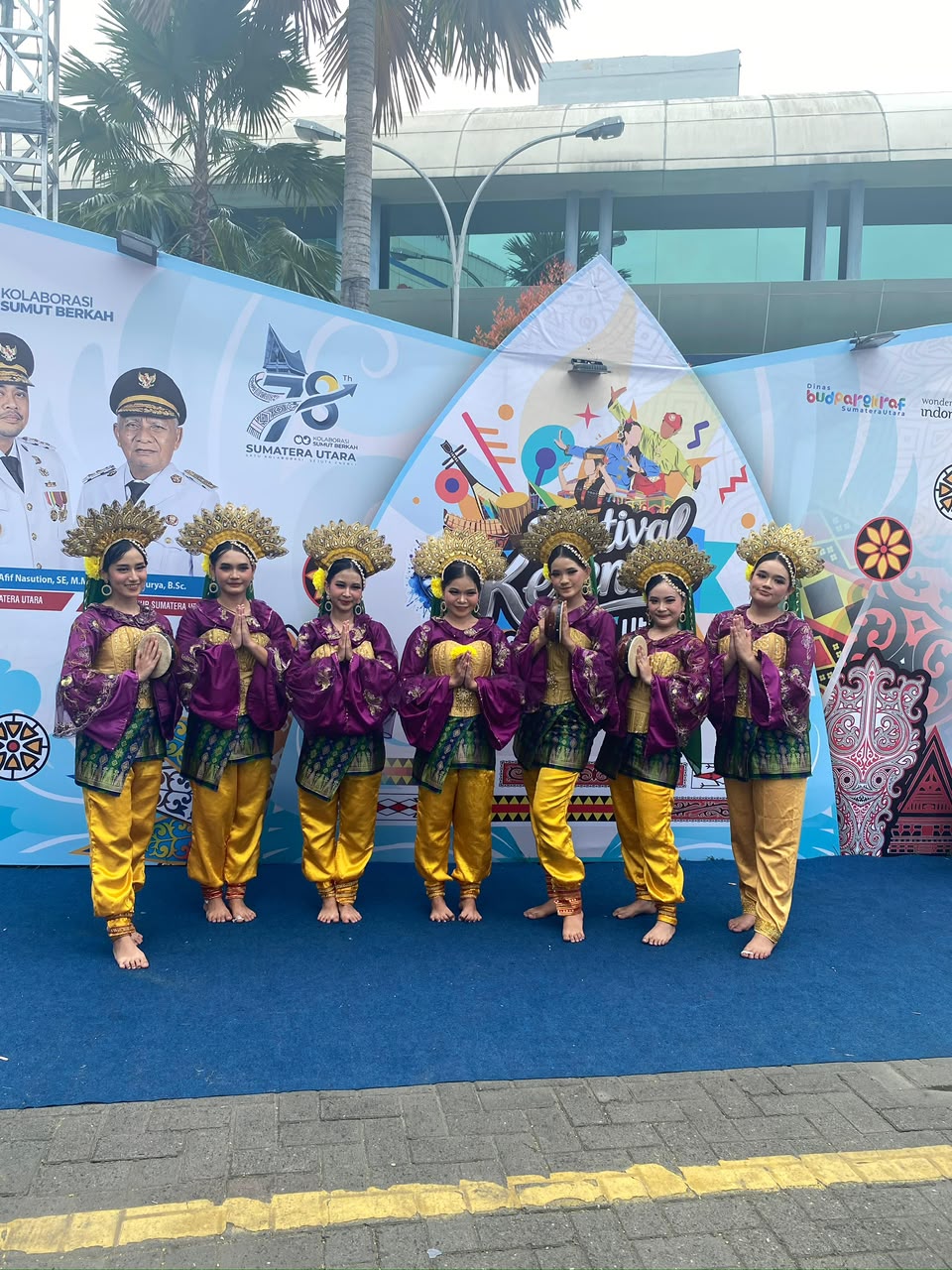
Besides teaching, she also introduced Indonesian culture to the local community by performing the traditional Tor-Tor dance while wearing kebaya and ulos. The performance received an enthusiastic response, with several participants even joining her on stage to dance together.

During the program, she also had the opportunity to visit the Embassy of the Republic of Indonesia in Hanoi, where she met Minister Counsellor Made Santi Ratnasari. The experience gave her broader insight into the connection between education, culture, and international cooperation.

She believes the program not only enriched her academic experience but also helped her grow personally. “This program really pushed me to leave my comfort zone and learn how to adapt in a completely new environment,” she said.

Sweeping Victory at RoboBoat 2026 for ITS

A student team from Institut Teknologi Sepuluh Nopember (ITS), Barunastra, achieved international recognition after winning the Grand Champion title at the International RoboBoat Competition 2026 in Sarasota, Florida, United States. The prestigious competition, held over six days starting on 19 February 2026, gathered 36 teams from 10 countries to showcase innovations in autonomous maritime technology. 

Representing ITS, the Barunastra research team delivered an outstanding performance by dominating several key categories. The team secured first place in the Autonomy Challenge and Design and Documentation, and received the Best Technical Design Report award. These achievements made Barunastra the only team to sweep the competition’s core categories. 

The International RoboBoat Competition focuses on the development of Autonomous Surface Vehicles (ASVs), autonomous vessels designed to navigate and complete missions independently. The event attracts participation from globally recognized universities, including Massachusetts Institute of Technology, Queen’s University, and Georgia Institute of Technology, highlighting the high level of competition faced by the ITS team. 

Barunastra’s success was driven by its prototype vessel Nala Ares Mark II, developed to address the competition theme Storm Response: Technology in Action for Recovery and Relief. During the Autonomy Challenge, the vessel successfully navigated a simulated disaster-response environment, autonomously identifying routes, avoiding debris, and delivering logistics supplies without human intervention. 

According to team advisor Dr. Rudy Dikairono, the victory demonstrates the global competitiveness of ITS students in advanced maritime technology. Team leader Davin Abhinaya Briet added that beyond the competition, the event also fostered international collaboration among researchers developing autonomous maritime systems. 

Women and Grassroots in Climate Resilience

The role of women and grassroots communities continues to gain attention in efforts to strengthen climate resilience. This was reflected in a Focus Group Discussion (FGD) titled The Bloom Project: Safe and Climate Resilient Shelters in Medan 2026, coordinated by Yuli Efriani, founder of Seabolga and an alumna of the Environmental Engineering program at Universitas Sumatera Utara, bringing together interfaith communities to discuss climate change, disaster preparedness, and community-based resilience.

As part of the Harmony in Action initiative by the Wahid Foundation and Temasek Foundation, the Bloom Project focuses on strengthening the capacity of interfaith communities in disaster preparedness. The initiative also encourages houses of worship to function as centers for protection and social activities for surrounding communities.

Participants highlighted the importance of collaboration in building a society that is more resilient to various disaster risks. The discussion emphasized that resilience is not only built through infrastructure, but also through strong community engagement and shared responsibility.


According to Laila Sari, founder of the Ila Education Foundation and a family education coach, women play a crucial role in addressing a wide range of issues, particularly those related to disasters. She noted that women often take on leadership roles within families and communities, making them key agents in disaster mitigation and recovery efforts.


Women are capable of overcoming many obstacles, especially in times of emergency. They can play a significant role in disaster mitigation and post-disaster recovery by empowering themselves and guiding their families and communities,” she said.


She also emphasized that the true strength of a community lies at the grassroots level. When individuals at this level take initiative, coordination becomes more effective and solutions can be implemented more quickly.


“We see that the greatest strength lies within grassroots communities. Once they start moving, it becomes easier to organize efforts and improve people’s lives,” she added.


Laila further explained that women’s involvement is essential, as they often lead within family structures and influence broader community participation. Their initiative can help mobilize collective action more effectively.


“Women are like the heart. When the heart pumps blood, it sustains life and enables many functions. In the same way, women often become the driving force of family and community life,” she said.


Through initiatives like the Bloom Project, there is a growing emphasis on shifting from reactive disaster response to preventive measures. Environmental awareness, waste management, and social responsibility are encouraged to begin within families and be strengthened through community action.


By fostering interfaith collaboration and empowering women-led grassroots movements, such initiatives are expected to contribute to building more resilient and inclusive communities in Medan, better prepared to face the ongoing challenges of climate change.

UNAIR establish cooperation with CUPL

Collaboration with international universities is one of Universitas Airlangga (UNAIR)’s strategic efforts to advance world-class education. On Friday, March 27, 2026, UNAIR welcomed a visit from the China University of Political Science and Law (CUPL). The visit took place at the Plenary Meeting Room, 4th Floor, Management Office, MERR-C Campus.

The meeting was attended by UNAIR Rector Prof. Dr. Muhammad Madyan, S.E., M.S.,i M.Fin., along with vice rectors. Representatives from the Faculty of Law (FH), Faculty of Social and Political Sciences (FISIP), and Airlangga Global Engagement (AGE) were also present. UNAIR Rector, Prof Madyan, stated that the collaboration between the two parties had begun through the Faculty of Law. The initiative served as a solid foundation to expand broader collaboration opportunities, including the academic exchange program agreed upon during the meeting.

“We believe that this collaboration initiative will enhance academic exchange between both parties and provide valuable global experience for our students,” Prof Madyan said.

Furthermore, the professor from the Faculty of Economics and Business (FEB) also outlined UNAIR’s commitment to making a meaningful impact at the international level. “UNAIR is committed to strengthening collaboration that contributes not only to academic excellence but also creates meaningful impact for society,” Prof Madyan said.

Prof Madyan hoped that the visit would further strengthen collaboration between both institutions and open up new opportunities for future collaboration. In line with Prof Madyan, Chair of CUPL University Council Jiang Zeting stated that UNAIR and CUPL have strong collaboration potential. He explained that CUPL, as one of the leading centers for legal and political studies in China, has established collaborations with various universities across Asia and worldwide.

UNAIR became one of the universities in Southeast Asia selected by CUPL to explore potential collaboration, particularly in academic exchange. “We believe that UNAIR and CUPL can develop promising collaborations in the future. We hope to strengthen collaboration in broader areas, such as research, innovation, and economics,” Jiang Zeting said.

UNAIR signs MoU with Chiang Mai University

Universitas Airlangga (UNAIR) continues to strengthen cross-border academic synergy through collaboration with Chiang Mai University (CMU), Thailand. The partnership was marked by the signing of a memorandum of understanding (MoU) between the two institutions. The signing ceremony took place on March 11, 2026, at the Dean’s Meeting Room, Faculty of Medicine (FK), Dharmahusada-A Campus, UNAIR.

The visit is considered crucial for fostering cooperation between the two universities, particularly involving the Faculty of Science and Technology (FST) and the Faculty of Fisheries and Marine Sciences (FPK). Vice Rector for Research, Innovation, and Community Development Prof Muhammad Miftahussurur, dr M Kes Sp PDKGEH PhD delivered a warm welcome to the delegation. He expressed his gratitude and hoped that the collaboration between Chiang Mai University and UNAIR would continue to develop. “I would like to thank the delegation from Chiang Mai University, Thailand, for the visit. We hope this cooperation can continue to grow in the future,” Prof Miftahussurur said.

Working on common grounds

Vice Dean for Research, Innovation, and Community Development of FST Prof Dr Fatmawati MSi revealed plans to expand collaboration with the Faculty of Science, Chiang Mai University (CMU). According to her, the plan was based on the alignment of study programs that offer strong opportunities for cooperation. “FST previously met with representatives from Chiang Mai for a research project that will run for three years. Considering that an ASEAN-level mathematics research conference is held in Chiang Mai, FST UNAIR intends to expand collaboration with the Faculty of Science CMU,” Prof Fatmawati said.

In line with Prof. Fatmawati, Dean of FPK Prof Dr Endang Dewi Masithah Ir MP noted several promising opportunities for collaboration, including student and staff exchanges. This initiative also aligns with the community development program in Sebatik, established by FPK by inviting CMU students and staff to participate. “In addition, UNAIR has a research competition program called International Research Network (IRN) funded by the university to support collaboration with Chiang Mai University. There is also the possibility of collaboration with other universities,” Prof Masithah said.

Chiang Mai University responded positively to the proposed collaboration initiatives. This was reflected in a statement by Vice President of CMU Prof. of Practice Charin PhD, who noted that CMU not only plans to invite UNAIR staff for research collaboration and international conferences in Bangkok, but also aims to develop cooperation in student mobility programs. Through this strategic meeting between UNAIR and Chiang Mai University, both institutions hope the collaboration plans can be realized, particularly in student and staff mobility as well as community development programs in Indonesia and Chiang Mai.

UNAIR students conduct fieldwork at UPM

In an effort to broaden its global reach, Universitas Airlangga (UNAIR) continues to send students from the Faculty of Fisheries and Marine Sciences (FPK) to participate in academic programs at the Institute of Bioscience (IBS) Universiti Putra Malaysia (UPM). One of these initiatives is the international fieldwork practice (PKL). The one-month program, held from October 28 to November 24, 2025, included seven students organized into two groups. The participants were Febrina Maria Vienna Pardede, Elisa Calista Paulin Sitanggang, Aulia Mahdavikia Syaharani, Sahna, Lutfiana Puspitasari, Naura Nada Kamelia, and Kayla Satvaya.

Febrina Pardede explained that the PKL program is part of FPK’s mandatory curriculum. What sets the international PKL apart from its domestic counterpart, she noted, is that students gain the chance to intern with FPK’s overseas partners and engage directly in scientific research projects. “We conducted a study on a symbiotic formulation combining probiotics from Lactobacillus plantarum L20 and prebiotics derived from Sargassum polycystum. This mixture will be used in vannamei shrimp feed to improve shrimp health,” she said.

She added that the PKL experience was highly meaningful for her. In addition to gaining hands-on scientific research experience, the project is expected to be published in a scientific journal, and her team will have the opportunity to serve as co-authors. “This program also introduced us to new research knowledge and practices, especially since we had never before participated directly in a study with such detailed requirements and procedures. The project also helped prepare us for the research we will undertake in our undergraduate theses,” she said.

She also highlighted that her team received strong support from both the faculty and the university. According to her, FPK offered extensive guidance and assistance throughout the program. Additionally, the warm reception from UPM and the new insights shared by its researchers made the experience even more memorable. “There is no harm in trying something new, because opportunities like this rarely come twice. Meeting new people and gaining new experiences are incredibly valuable. Don’t be afraid to grow, take every opportunity that comes your way, including programs like this PKL,” she concluded.

UNAIR FV hosts ICAE with UiTM Melaka

Universitas Airlangga‘s The Faculty of Vocational Studies (FV) has organized an Inbound Collaborative Academic Engagement (ICAE) program to advance international academic cooperation. The initiative was spearheaded by the D4 Digital Office Management Study Program in collaboration with Universiti Teknologi MARA (UiTM) Cawangan Melaka, Malaysia. The ICAE is structured as a series of joint activities running from January through April 2026. Vice Dean III of UNAIR Faculty of Vocational Studies, dr. Lailatul Muqmiroh, SpRad Subsp RI (K), highlighted the program’s strategic value for institutional growth.

“ICAE provides a key platform for expanding the Faculty of Vocational Studies’ global network. Through this collaboration, we aim to strengthen the quality of instruction, research, and skills development across our academic community,” dr. Muqmiroh said.

ICAE benchmarking marks the first phase of academic cooperation

A central component of the ICAE program was a benchmarking session held on Tuesday (January 27, 2026). The event was part of the Staff Inbound Full-time Program and included a visit from UiTM faculty members. Discussions focused on the management of the Digital Office Management Applied Bachelor’s Degree Program, its curriculum framework, and courses designed to build competencies in records management and office information systems.

Erindah Dimisqiyani, SAB, MAB, coordinator of the Digital Office Management Applied Bachelor’s Degree Program, explained why UiTM Melaka was selected as a partner. “Our academic disciplines closely align, allowing the benchmarking process to be both focused and productive. This partnership has also been established previously and will continue to be expanded,” she said.

During the presentations, the UNAIR team outlined the program’s curriculum design, expected learning outcomes, and hands-on learning experiences offered to students. Key topics included records management, business correspondence, office information systems, the integration of artificial intelligence, and entrepreneurial practice through Meetings, Incentives, Conferences, and Exhibitions (MICE).

The discussions also produced several preliminary agreements and plans for continued dialogue between UiTM Cawangan Melaka and the Faculty of Vocational Studies at UNAIR. The benchmarking and teaching mobility sessions were attended by 15 active lecturers from UiTM Melaka’s Office Management Study Program, alongside all faculty members from UNAIR’s Digital Office Management Applied Bachelor’s Degree Program. The collaboration is expected to move toward concrete outcomes, including the preparation of a memorandum of understanding to support sustained inter-program cooperation. 

UNAIR strengthens collaboration with IJN UC

Universitas Airlangga (UNAIR) continues to strengthen its global engagement in healthcare and higher education. During an official visit to the Institut Jantung Negara (IJN) Hospital and IJN University College (IJN UC) Malaysia on Wednesday (February 4, 2026), UNAIR expanded its strategic partnerships covering medical training, cardiovascular research, and patient-centered services.

The delegation was led by UNAIR Rector alongside senior university leaders. Their presence underscored the university’s commitment to forging international partnerships that are practical, sustainable, and capable of delivering long-term impact.

At the meeting, UNAIR conveyed its appreciation for the effective implementation of the existing Memorandum of Agreement (MoA), particularly the fellowship programs for healthcare professionals. The university also welcomed the ongoing transition in the management of the fellowship scheme, previously facilitated through IJN University College, viewing it as a step toward stronger academic coordination and improved educational standards.

In his address, UNAIR Rector Prof. Dr. Muhammad Madyan, SE, MSi, MFin said the meeting marked a key opportunity to align perspectives while widening cross-faculty cooperation. “This meeting allows us to harmonize our understanding and further develop collaborative initiatives with the Faculty of Pharmacy, Faculty of Nursing, Faculty of Psychology, and the Faculty of Public Health,” he said.

The discussion between UNAIR and IJN was open and productive, focusing on the preparation of a revised cooperation framework to guide collaboration over the next five years. Both institutions agreed to reinforce a partnership that extends beyond academic exchange to produce measurable improvements in healthcare delivery.

In addition to strengthening existing initiatives, UNAIR proposed expanding collaboration into several priority areas. These include clinical observation and patient services to raise the standard of cardiac care, joint cardiovascular research, academic exchanges for staff and students through IJN University College, and specialized nursing training programs emphasizing critical care, operating room practices, and cardiovascular expertise.

Concluding the meeting, Prof. Madyan expressed optimism that UNAIR, IJN Hospital, and IJN University College would cultivate a long-term partnership integrating education, research, and healthcare services. He noted that such collaboration is expected to advance medical science while contributing to better quality of life for communities in Indonesia and Malaysia alike.

MoA between Bakrie Uni and Leeds Beckett Uni

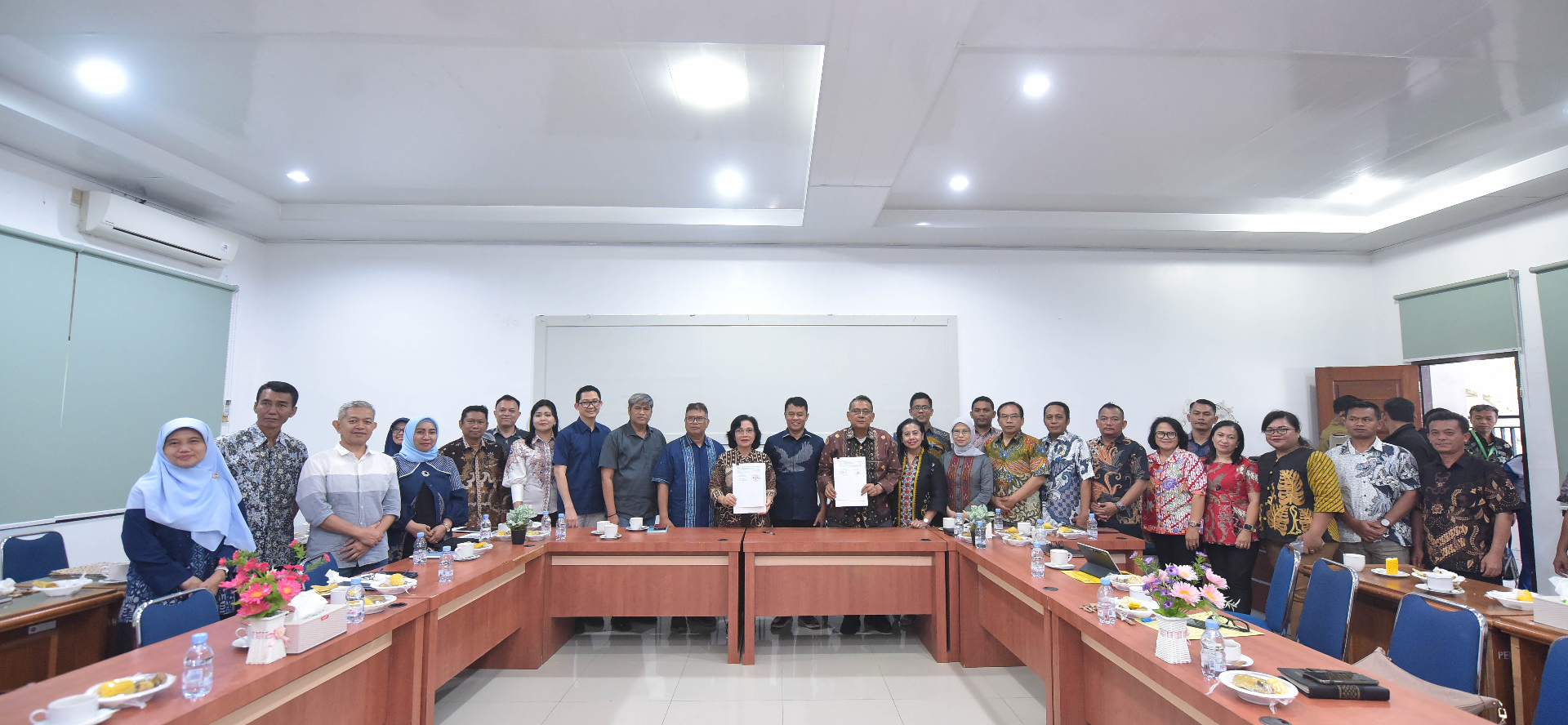
Bakrie University, Indonesia, has officially signed a Memorandum of Agreement (MoA) with Leeds Beckett University, UK, as a strategic step to strengthen international cooperation in higher education. The signing of this MoA marks the start of a collaborative double degree program for the Informatics and Management Study Programs.

Leeds Beckett University was represented by Dominic Ramsden, Head of Academic Quality Enhancement, and Liam Howarth, Regional Manager for East and Southeast Asia. Both expressed Leeds Beckett University’s commitment to maintaining academic quality standards and expanding strategic partnerships in the Southeast Asian region through transnational education (TNE) schemes.

Meanwhile, the Bakrie University delegation was led by Rector Prof. Sofia Alisjahbana, accompanied by Tri Pujadi Susilo (Vice Rector I) and Dr. Muhammad Tri Andika Kurniawan (Vice Rector II). Also in attendance were Dr. Mohammad Ihsan (Dean of the Faculty of Information and Creative Technology), Prof. Dudi Rudianto (Dean of the Faculty of Economics and Social Sciences), Dr. Iwan Adhicandra (Head of Informatics), Safrilah (Director of Quality Assurance), Kurniati Putri Haeirina (Head of Public Relations and Cooperation), and Holilla Hatta (Director of the International Office). Also present were representatives from Noble Solutions, Michael Noble and Hoang Nam Pham.

This double degree collaboration includes curriculum alignment, academic quality assurance, credit recognition, and an integrated study scheme that allows students to complete their studies at Bakrie University in accordance with Leeds Beckett University’s academic standards. The program is designed to equip students with global competencies, international experience, and readiness to enter the global workforce.

Bakrie University Rector, Prof. Sofia Alisjahbana, stated that the signing of the MoA demonstrates the university’s commitment to providing international-class education. “Collaboration with Leeds Beckett University opens up strategic opportunities for students to gain global academic experience without having to leave Indonesia entirely,” she said.

With the signing of this MoA, Bakrie University and Leeds Beckett University affirm their shared vision of strengthening the internationalization of higher education and offering double degree programs focused on quality, global relevance, and graduate competitiveness.

IPB Strengthens Research with KOICA-ICAB

IPB University, in collaboration with Seoul National University (SNU) supported by the Korea International Cooperation Agency (KOICA), continues to advance the KOICA–ICAB Project: Capacity Building for the Center for Agriculture and Bioscience of IPB University in Indonesia. 

This seven-year initiative (2022–2028), valued at USD11 million, aims to establish the National Instrumentation Center for Agriculture and Bioscience (NICAB) as a national shared research facility supporting innovation, advanced research, and sustainable development.

Since its launch in 2022, the project has focused on strengthening research facilities and infrastructures, as well as enhancing human resource capacity and fostering innovation in the green biosciences. Key activities include the construction of new laboratories, the modernization of existing facilities, and the provision of advanced academic and professional training programs. The project supports IPB University’s mission to become a leading center of excellence in bioscience and environmental management.


As of October 2025, several major milestones have been achieved. The architectural design for the NICAB building has been finalized, the Advanced Research Laboratory (ARLab) remodeling has been completed, and the Animal Cell Culture Laboratory was officially inaugurated during the second KOICA–ICAB Steering Committee Meeting in September 2025. In addition, eight training programs have been conducted, four IPB faculty members are currently pursuing Ph.D. degrees at SNU, and three faculty members from the National University of East Timor (UNTL) are undertaking graduate studies at IPB University, one of whom completed an M.Sc. last year.

The beneficiaries of the project include IPB faculty members, researchers, and students, as well as academic partners from Universidade Nacional Timor Lorosa’e (UNTL), Timor-Leste. With active involvement from Indonesia’s Ministry of Higher Education, Science, and Technology; Ministry of Forestry; and the National Research and Innovation Agency (BRIN); the KOICA–ICAB project also strengthens cooperation between academia, industry, and government. 

Through the KOICA–ICAB Project, IPB University reinforces its role as a leading center of excellence in agriculture and bioscience, while further deepening cooperation between Indonesia and the Republic of Korea. By 2028, NICAB is expected to be fully operated as a national shared research facility.

and bioscience, while further deepening cooperation between Indonesia and the Republic of Korea. By 2028, NICAB is expected to be fully operated as a national shared research facility.