Sri Alem Br. Sembiring
Published on 14 August 2026




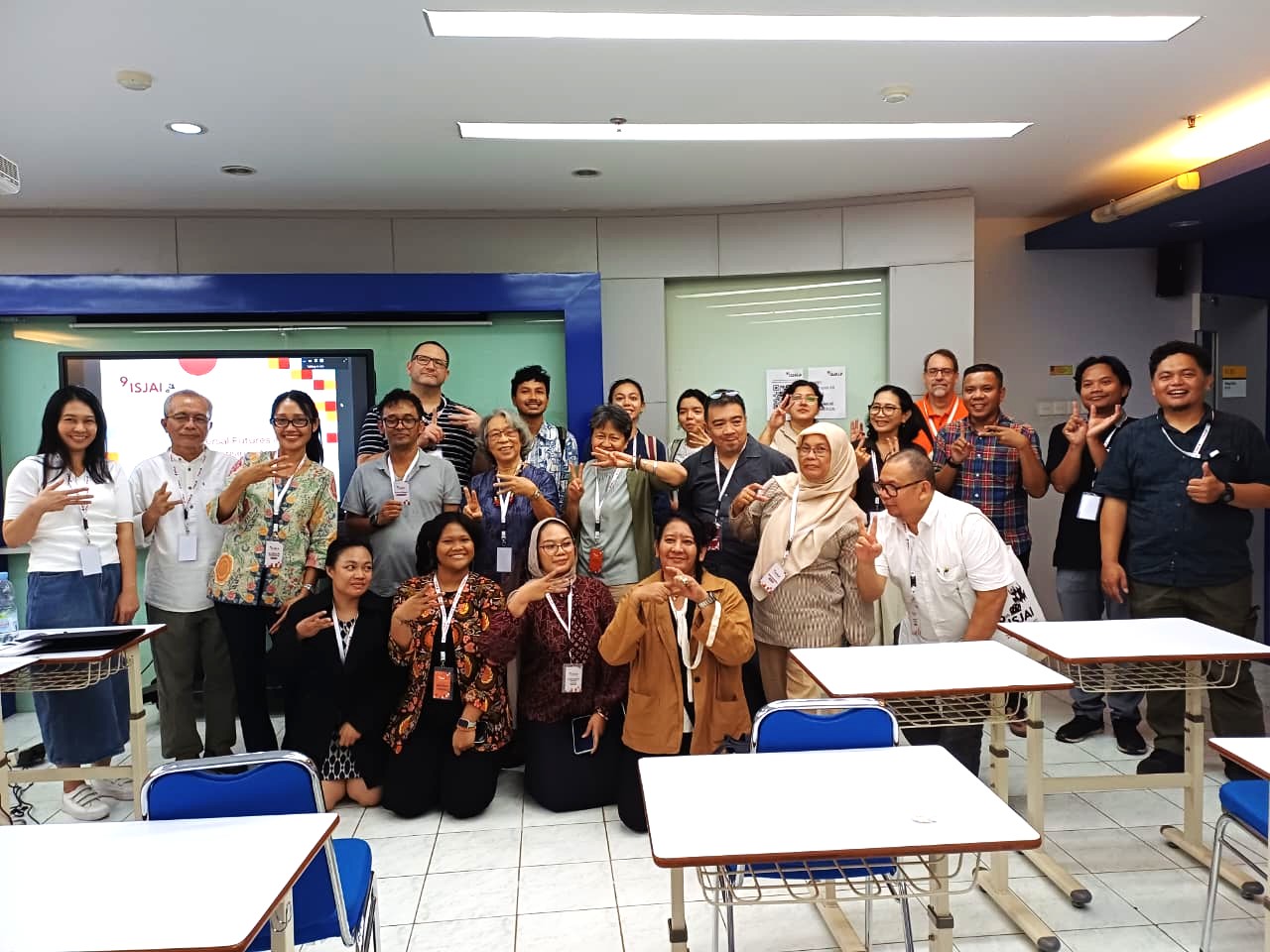
The 9th ISJAI 2026 showed how Global South voices actively shape anthropology’s future. Nearly 300 scholars debated issues from agrarian resources, gendered ecologies, migration, and digital health to indigenous multi‑species relations and the decolonization of knowledge. By foregrounding pluriversal perspectives, the symposium decentered Western dominance and positioned Indonesia as a hub of intellectual exchange. The outcomes, collaborations, publications, and policy insights affirm anthropology’s need to remain inclusive, anticipatory, and responsive to the complexities of a multipolar world.
The symposium emphasis on pluriversality highlighted the recognition that multiple world coexist, each with distinct ways of knowing and living. By foregrounding perspectives from the Global South, ISJAI challenged the dominance of singular narratives from Western academic centers and created a space for solidarity across nations and disciplines. Participation spanned generations, with senior academics, emerging researchers, students, and practitioners contributing diverse insights. This inclusivity enriched debates with empirical experiences and methodological reflections, while fostering new collaborations between Indonesian and international institutions.
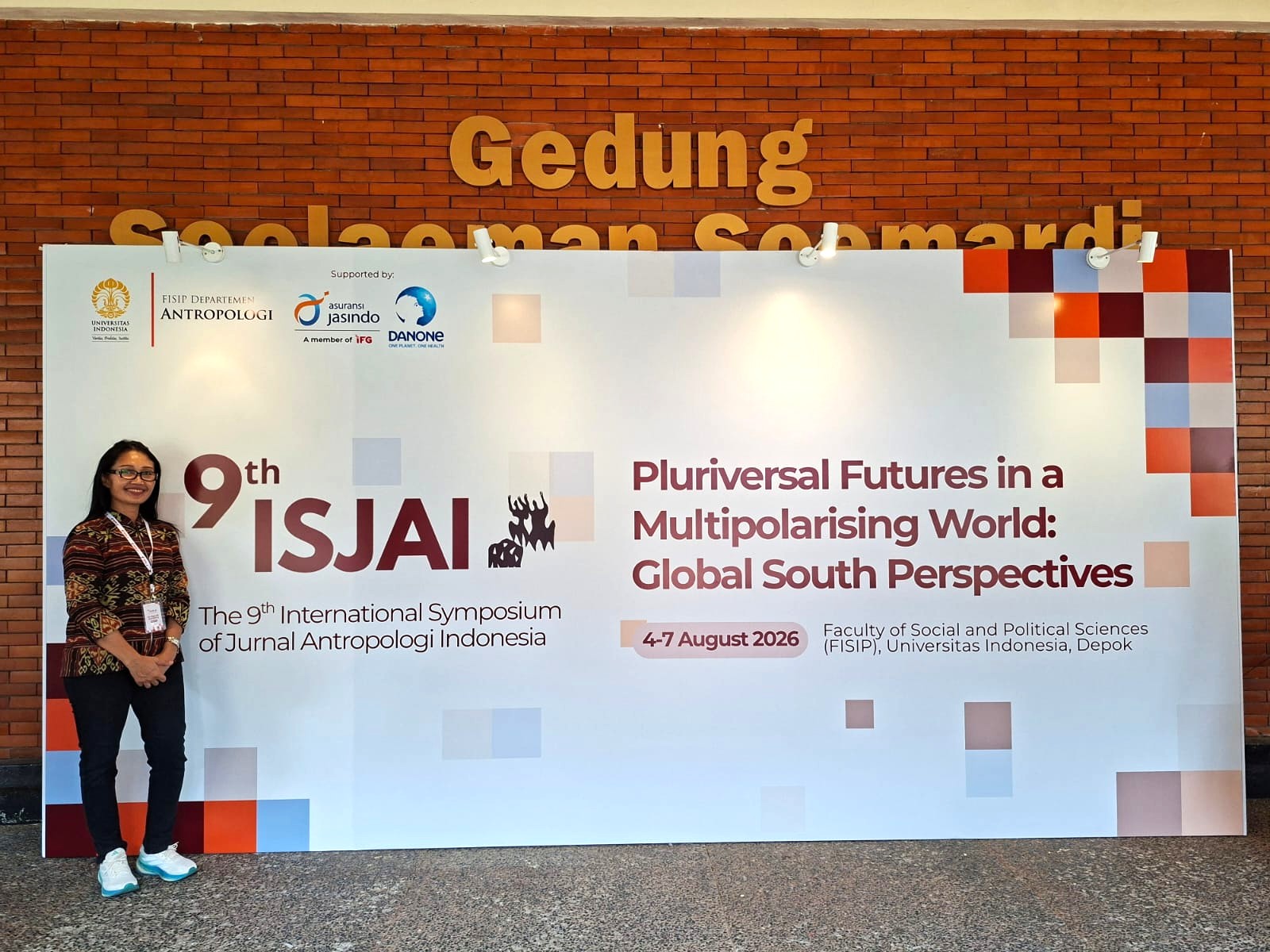
Held at Universitas Indonesia from 4-7 August 2026, the 9th International Symposiun of Jurnal Anthropology Indonesia gatherd nearly 300 scholars and practitioners from across the globe. With the theme “Pluriversal Futures in a Multipolarising World: Global South Perspectives,” the symposium underscored the urgency of plural epistemologies in confronting contemporary challenges. Keynote addresses by leading scholars; Prof. Amita Baviskar (India), Els Tieneke, Ph.D (Papua Indonesia), Prof. Li Xiaoyun (China), and Gideon Lasco, Ph.D (Philippines) provided conceptual anchors for discussions across 68 parallel panels, six book launches, and thirteen ethnographic film screenings. These sessions tackled issues ranging from political ecology, indigenous multi‑species, and gender to migration, digital health, and the decolonization of knowledge, reflecting the breadth of anthropology’s engagement with pressing global concerns.
As a result, 9th ISJAI 2026 not only facilitated the exchange of ideas but also produced tangible outcomes; collaborative research initiative, academic publication, and policy-relevant recommendation. The symposium thus stands as a milestone in advancing an anthropology that is inclusive, pluriversal, and responsive to the complexities of a multipolar world, while affirming Indonesia’s pivotal role in shaping global intellectual discourse. The concluding reflections emphasized two key points: pluriversal futures must be enacted as everyday practices, and multipolarity must be understood beyond geopolitics, extending into epistemology, methodology, and social life.
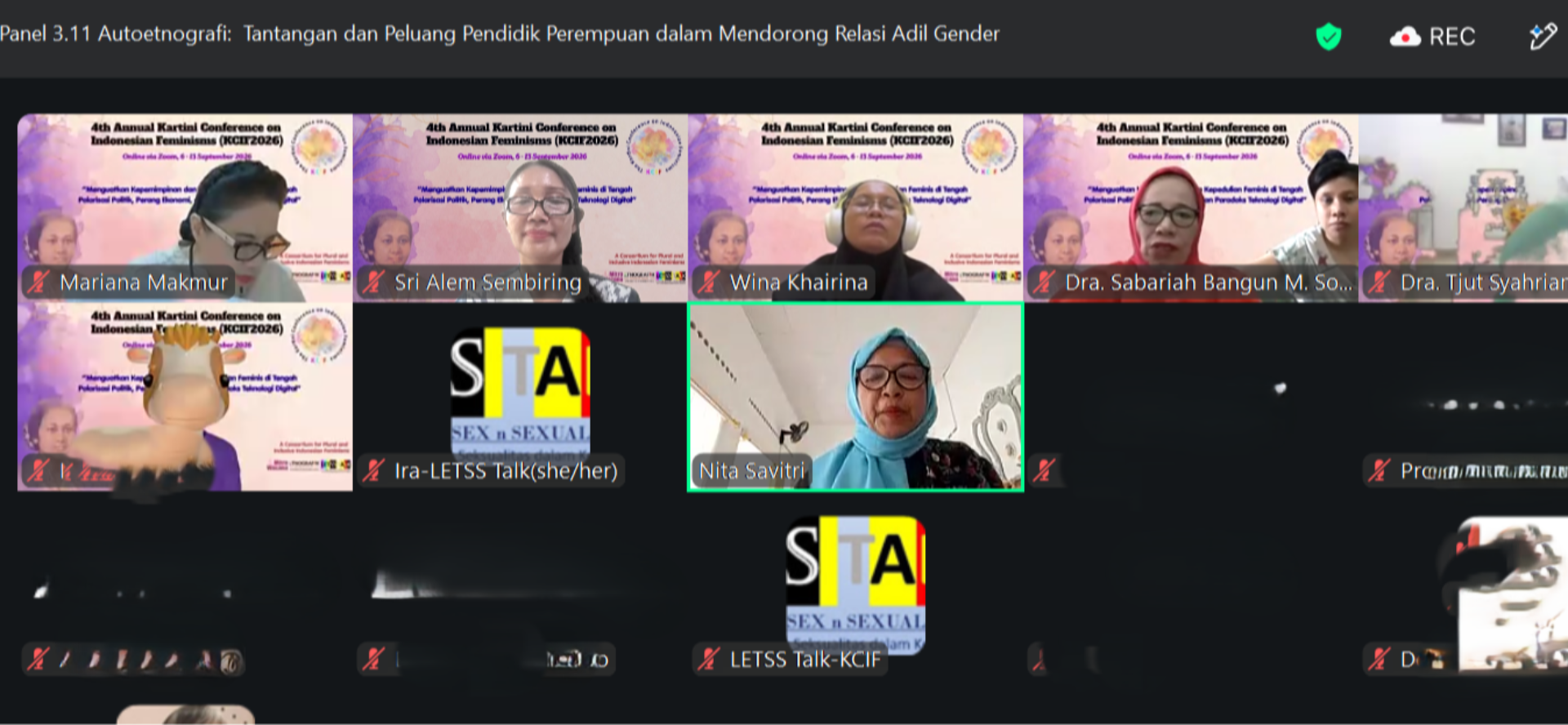
Notably, three faculty members of Social Anthropology Departmenent, Faculty of Social and Political Sciences, Universitas Sumatera Utara (USU); Dr. Dra. Sri Alem Br. Sembiring, M.Si and Dr. Zulkifli Lubis, M.Si in the panel "Addressing the Polyphonic Voices and the Increasing Complexity of Human Life: Developing Diverse Ethnographics Genre" and Dr. Wina Khairina, S.Sos., M.Si in the panel "Agrarian Resources and Pluralizing Sosial Reproduction" were selected as presenters. All three are lecturers in both the undergraduate (BA) and graduate (MA) programs in Anthropology at FISIP USU, underscoring the department’s active role in shaping contemporary anthropological debates.
Related Tags: Indonesia, Universitas Sumatera Utara, Universitas Indonesia