Lee Myung-chul Wins ICT Minister’s Award

Trainee Lee Myung-chul from the Research Equipment Specialist Training Program received the Minister of Science and ICT Award.

The award was presented at the International Research Industry Convention 2025, hosted by the Ministry of Science and ICT and co-organized by the Korea Research Industry Association, the Korea Technology Commercialization Promotion Agency, and the Korea Basic Science Institute. Lee received the top prize, the Minister’s Award, at the event.

A graduate of the Department of Biotechnology, Lee is currently enrolled in the Research Equipment Specialist Training Program at the Institute for Standard Analysis, where he is receiving specialized training focused on research and analytical instruments. Based on his coursework, he presented a project titled “Quantification of Protein and Detection of Heavy Metals in Protein Supplements,” which won first place.

In his project, Lee verified whether the protein content of commercially available protein supplements matched their labeled information by using EA (Elemental Analyzer) and UV-Vis spectroscopy, and analyzed the presence of heavy metals using ICP-OES (Inductively Coupled Plasma Optical Emission Spectroscopy) to determine whether any products exceeded regulatory limits.

The Research Equipment Specialist Training Program aims to cultivate research equipment engineers with strong practical skills through field-oriented, hands-on education.

Among the seven designated professional training institutions nationwide, the Institute for Standard Analysis at the university oversees the program in Incheon and recruits new trainees annually. Graduates of the program achieve an impressive average employment rate of around 80%.

Professor Yong-sun Kim from the Department of Materials Science and Engineering, who serves as the project director, stated, “This Minister’s Award demonstrates that the Research Equipment Training Program significantly contributes to enhancing trainees’ capabilities,” adding, “We will continue to focus on both theoretical and practical training in research equipment, as well as strengthening employability, to cultivate highly skilled professionals in this field.”

Original Article Link

Thammasat Launches 3 New SDG Programs

Thammasat University is launching three new programs to cultivate human resources at all levels, from entry to senior executive. These initiatives, reinforcing government and private sector cooperation, aim to equip organizations to achieve Sustainable Development Goals (SDGs) and ensure secure, sustainable adaptation across the entire supply chain.


Professor Dr. Supasawad Chardchawarn, Rector of Thammasat University, stated that Thailand and the rest of the world have a tight five-year deadline to meet the UN’s Sustainable Development Goals (SDGs) targets by 2030. The Rector emphasized the critical nature of the SDGs, noting their role in shaping new global regulations such as the Carbon Border Adjustment Mechanism (CBAM) and in unlocking vast economic opportunities. Specifically, the global green economy is projected to be worth $10.3 trillion (300 trillion baht) by 2050.


To capitalize on this trend and boost Thailand’s economic growth and competitiveness, educational institutions must prioritize the development of a workforce skilled in SDGs. This aligns with the national BCG Model and the global shift toward ESG frameworks, as specialized human resources are essential for the public, private, and industrial sectors in Thailand.

For Thammasat University, three new programs have been developed to support the establishment of a sustainable foundation for the country. These include: 1. Bachelor of Science Program in Sustainable Management, 2. Bachelor of Arts Program in Human Potential and Well-being, and 3. Training Program for Leaders in Sustainability: TU ESG NEXT FOR SUSTAINABILITY LEADERSHIP (for senior executives).

The Bachelor of Science program in Sustainable Management at Thammasat University is a collaboration between the Interdisciplinary College, Social Administration, Puey Ungpakorn School of Development Studies, Science and Technology, Engineering, and Global Compact Network Thailand (GCNT). Dean Assoc. Prof. Dr. Saifon Suindramedhi stated its goal is to train a workforce for in-demand sustainability (ESG) roles and develop innovators for community and societal collaboration. The curriculum emphasizes practical experience, requiring over 1,000 internship hours, which students can design globally or locally from year one, supported by GCNT’s network of over 140 private organizations. Students gain interdisciplinary knowledge in sustainability, environmental science, biodiversity, sustainable management, economics, business, and applying digital technology and AI to sustainable practices.

Asst. Prof. Dr. Adisorn Juntrasook, Dean of the Faculty of Learning Sciences and Education at Thammasat University, highlights that the uniqueness of human potential and well-being lies in integrating multidisciplinary knowledge (neuroscience, psychology, art therapy, social equality, etc.). This integration develops graduates with knowledge, self-management, relationship skills, and diverse perspectives on societal conflicts, ultimately promoting well-being and enhancing others’ potential. Dr. Adisorn notes this professional role is currently scarce but highly sought-after. Many large organizations now hire Well-Being Specialists to enhance potential, oversee organizational well-being, and bridge generational gaps for harmonious coexistence. This position is expected to become standard in nearly all organizations in the future.

Internal conflicts significantly impact organizations, even causing skilled staff to resign, and require human intervention, not just technology or AI, stated Asst. Prof. Dr. Adisorn. The Leadership Training Program for Sustainability, according to Professor Dr. Teera Sindechaluck, Director of the Institute for Continuing Education and Human Resources at Thammasat University, aims to cultivate leaders across all sectors (government, state enterprises, private) to integrate ESG sustainability concepts into their organizations and build a network for advancing Thai society towards SDGs. The TU ESG NEXT program at Thammasat University features expert faculty and national speakers, including Bangkok Governor Mr. Chatchart Sitthiphan and Dr. Sorapol Tulayasathien of the Stock Exchange of Thailand, to share ESG knowledge, real-world insights, and practical learning. The goal is to create a network of leaders ready to drive change in a complex world. Registration details are at https://icehr.tu.ac.th/.

STEM4FUN: UiTM FKE Inspire STEM Learning

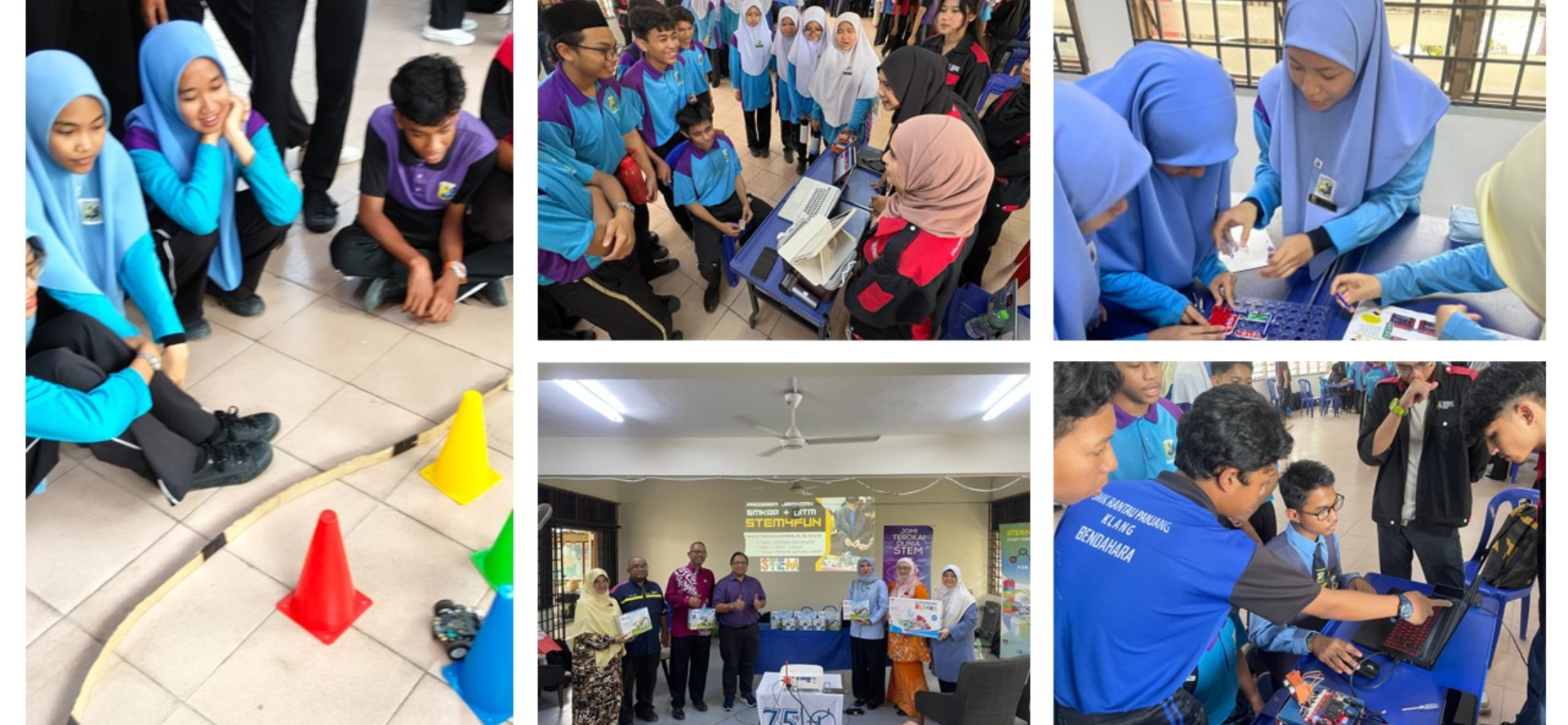
On October 30, 2025, students from UiTM Shah Alam’s Electrical Engineering program (CEEE222C7A and CEEE222T7A) organized a community outreach program titled STEM4FUN at SMK Rantau Panjang, Klang. The program was conducted under the Engineers in Society (EEE621) course in collaboration with the IEEE Electron Devices Society Malaysia Chapter.

Supervised by Prof. Ir. Dr. Ahmad Sabirin bin Zoolfakar, Ir. Dr. Maizatul binti Zolkapli and Assoc. Prof. Ir. Dr. Rozina Abdul Rani, along with a total of 36 facilitators, guided 163 Form 3 students in various interactive STEM activities. Participants explored the world of electronics through hands-on sessions using Electronic Block, Zoombit, and TinyBit kits to understand basic circuit concepts, sensors, and system control in a fun and engaging way.

The initiative successfully sparked students’ curiosity and interest toward Science, Technology, Engineering, and Mathematics (STEM) while nurturing creativity, teamwork, and problem-solving skills. At the same time, it provided UiTM students with a meaningful platform to share their technical knowledge and inspire the next generation of innovators.

Supported by the Faculty of Electrical Engineering, UiTM Shah Alam (FKE) and the IEEE Electron Devices Society, the program reflects UiTM’s ongoing commitment to cultivating innovative, future-ready graduates equipped for the digital and sustainable era.

Reported by: Ir. Dr. Maizatul binti Zolkapli, Prof. Ir. Dr. Ahmad Sabirin bin Zoolfakar, and Assoc. Prof. Ir. Dr. Rozina Abdul Rani

Candy Made from Maral Products

At the Department of Pharmacognosy with a course in Botany of the Asfendiyarov Kazakh National Medical University (KazNMU), researchers are exploring the potential of maral-based products to create innovative, naturally inspired functional foods. Raw materials for these studies are supplied by “Zere” LLP, located in the ecologically pristine Martuk village of the Aktobe region. The animal-derived ingredient at the heart of this work is prepared from dried maral antlers rich in high-quality blood, forming the basis for a new generation of nutraceutical products.

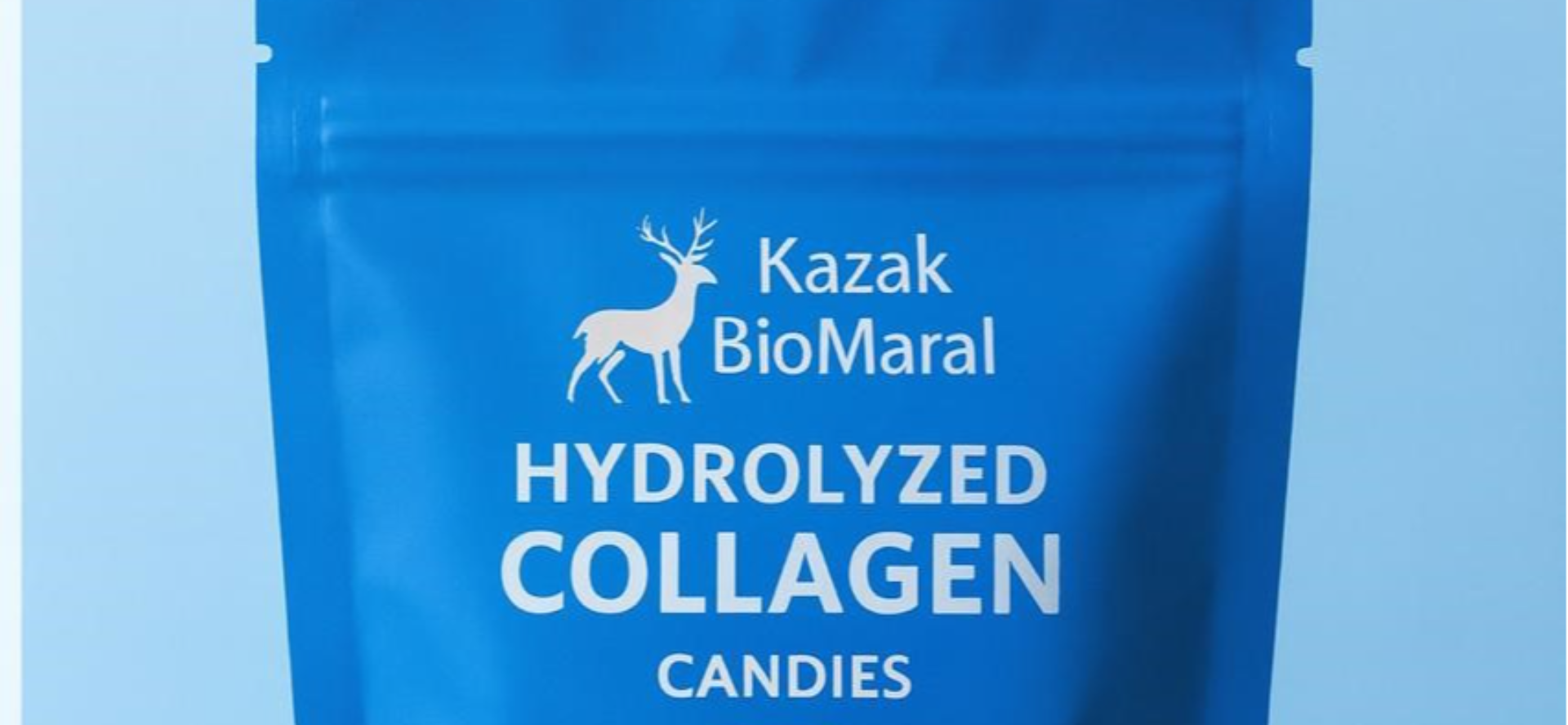
Among the most notable outcomes of this research are collagen candies enriched with maral products—an embodiment of the harmony between natural strength and modern technological advancement. Developed for consumers who value purity, quality, and self-care, each candy offers more than flavor: it represents a step toward inner balance, sustained energy, and natural beauty. These candies belong to the category of premium functional sweets and natural tonics designed to support overall vitality. By uniting valuable animal proteins, natural collagen, and biologically active compounds, the product offers a unique solution for individuals seeking conscious nutrition and natural energy support rooted in Kazakhstan’s traditional bioresources.

Hydrolyzed collagen, or collagen peptides, forms the core of the formulation. Broken down into smaller fragments through gentle hydrolysis, this collagen is easily absorbed when taken orally, making it an effective component for daily nutritional support. The product is particularly appealing to people with active lifestyles who prioritize physical well-being, appearance, and a balanced diet.

The advantages of these collagen candies stem from their natural raw materials, including dried maral blood sourced from environmentally clean regions and processed through gentle, quality-preserving technologies. As a natural source of collagen and proteins, the candies help maintain tissue structure and contribute to the body’s overall resource balance. Their development reflects a synergy between traditional knowledge and modern, simplified processing methods. Presented in a convenient and enjoyable edible form, the candies provide an appealing alternative to capsules or powders while maintaining a premium product identity associated with strength, vitality, and robust health.

In addition to their functional benefits, the candies offer a pleasant sensory experience. With a soft texture and natural notes of sea buckthorn, blackcurrant, honey, or herbal extracts, they become a harmonious and enjoyable part of daily nutrition. Although not classified as a medical drug and not intended to treat diseases, the candies deliver beneficial preventive physiological effects characteristic of products containing collagen.

Regular consumption may support joint and ligament health by improving cartilage nutrition, reducing dryness and stiffness, and enhancing ligament elasticity. The product also promotes skin vitality through improved elasticity, reduced dryness, and stimulation of natural collagen synthesis. Consumers may notice stronger hair and nails as structural integrity improves and brittleness decreases. The peptides and adaptogenic compounds present in maral products may contribute to increased vitality, reduced fatigue, and better post-exertion recovery. Additionally, the candies may help support vascular health and metabolic processes by strengthening vascular walls, improving microcirculation, and offering mild antioxidant effects.

NTU and Garmin Foster Research Talent

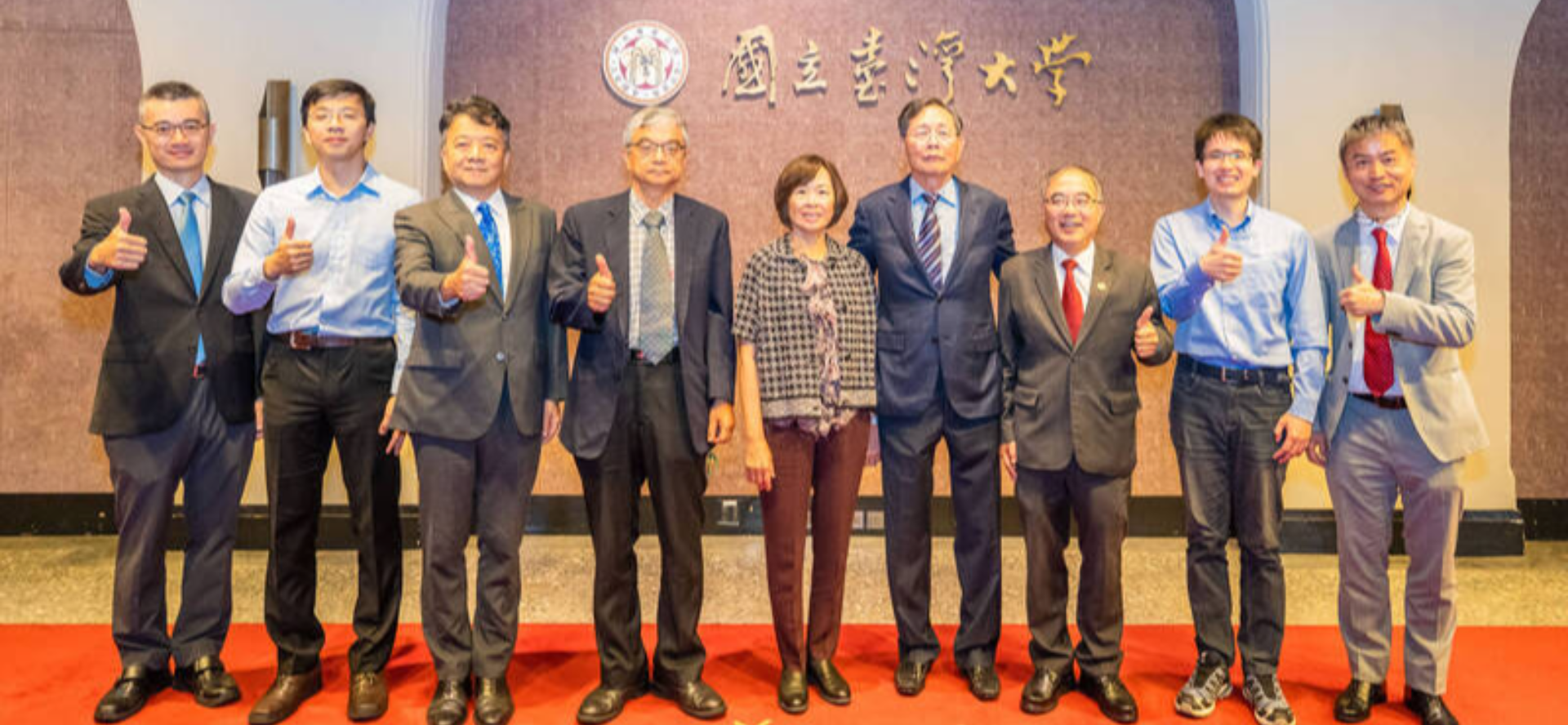
National Taiwan University (NTU) recently held the Garmin Professorship and Scholar Awards ceremony alongside the inauguration of the NTU–Garmin Faculty Residence. Garmin Founder and Chairman Dr. Min Kao personally presented awards to three endowed professors—Professors Chi-Kuang Sun (Graduate Institute of Photonics and Optoelectronics), Chih-Wei Liu (Department of Electrical Engineering), and Chen-Hung Kao (Department of Materials Science and Engineering)—and four Garmin Scholars: Professors Chao-Chieh Lan, Chia-Ya Lan, Nien-Tze Lee, and Yi-Teng Huang. Each awardee will receive an annual grant of US$30,000 for a renewable three-year term.

The newly completed NTU–Garmin Faculty Residence features 14 housing units and shared living spaces to provide a supportive environment for teaching and research. By integrating accommodation with the professorship program, NTU aims to strengthen its capacity to attract and retain top scholars and to further enhance international academic competitiveness.

NTU President Wen-Chang Chen expressed gratitude to Dr. Kao for his sustained generosity, noting that in addition to establishing the endowed professorships, Dr. Kao has also donated to support the construction and maintenance of faculty housing. Dr. Kao announced an additional US$5 million donation to expand the program, extending eligibility to the College of Science and further advancing NTU’s research and global engagement goals.

KPI participates in MERIT-Ukraine project

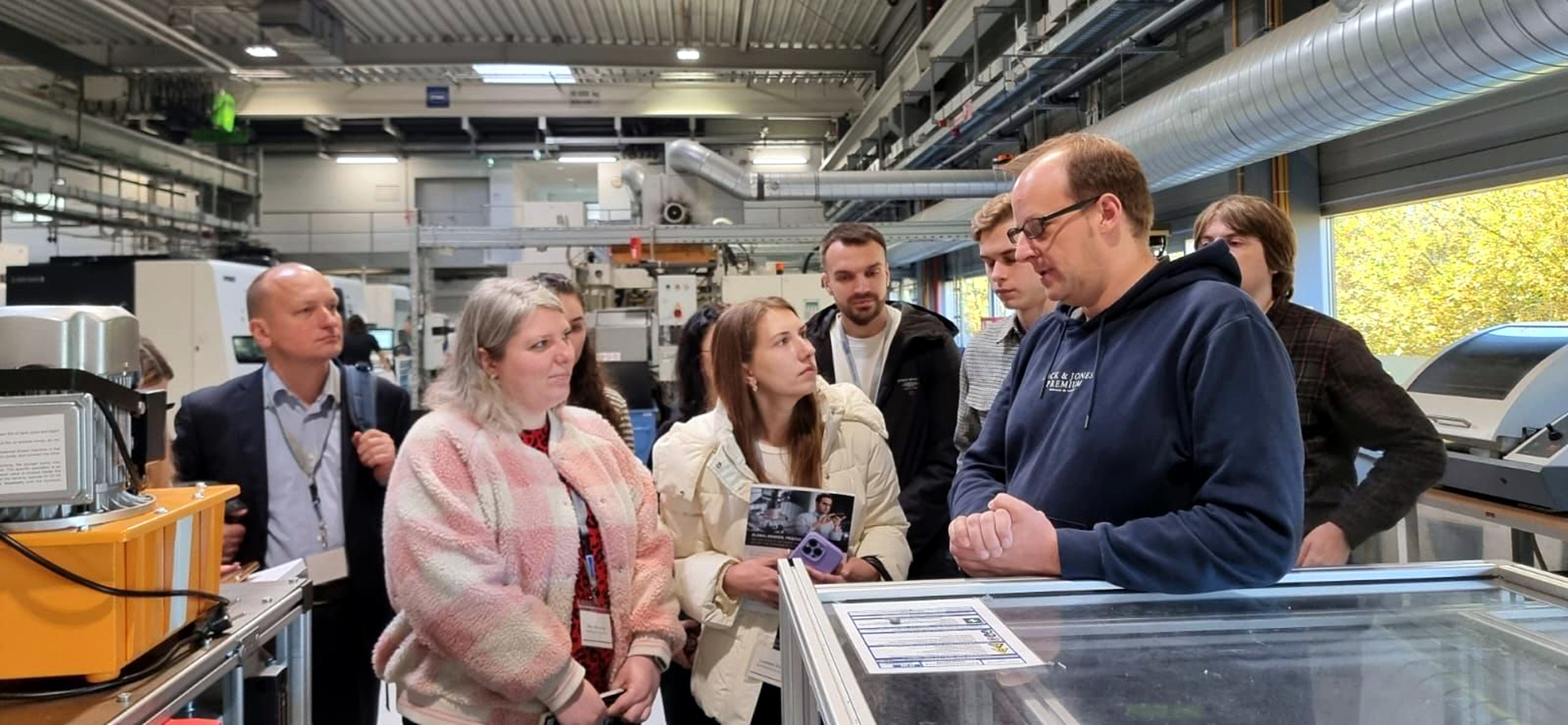
A delegation of the Igor Sikorsky Kyiv Polytechnic Institute (KPI) has participated in a series of events within the framework of the “Mechatronics, Energy, Robotics, and Innovation Technologies with Ukraine” (MERIT-Ukraine) project, supported by the German Academic Exchange Service (DAAD) from the funds of the German Federal Ministry of Research, Technology, and Space.


The project is carried out in collaboration with Germany’s Leibniz University Hannover and the Lviv Polytechnic National University. It is intended to establish a sustainable German-Ukrainian academic collaboration in the fields of energy technology, power engineering, mechatronics, robotics, and artificial intelligence.


Representatives of Kyiv Polytechnic’s International Collaboration Department discussed the development and systematic expansion of academic mobility and exchanges, the prospects for new joint projects, and the organisation of shared courses.


In addition, the representatives of Igor Sikorsky Kyiv Polytechnic Institute took part in the Night of Science 2025 events, the largest scientific forum in Hannover, where they showcased their technological developments, generating great interest among the German academic and industrial communities.

“Miracle Juice” from Natural Plant Sources

The increasing prevalence of chronic stress, environmental pollution, and irregular dietary patterns has created a modern health landscape marked by widespread vitamin deficiencies and reduced intake of biologically active substances. Responding to these challenges, the Department of Pharmacognosy with a Course in Botany at the Asfendiyarov Kazakh National Medical University has undertaken a significant scientific project: the development of a natural vitamin drink known as “Miracle Juice.” Led by Professor Sayakova G.M., the project not only resulted in the creation of a unique plant-based formulation but also received a patent for a utility model and an RNSTD registration, reflecting its novelty and scientific value.

The researchers recognized that sustainable, locally sourced plant materials offer a vital solution to the growing need for natural vitamin supplementation. Kazakhstan’s agricultural landscape provides abundant ecologically clean raw materials, and this resource potential served as the foundation of the project. Pumpkin, carrot, apple, and sea buckthorn were selected as the core ingredients of the drink. Each plant was chosen for its proven nutritional richness: pumpkin is high in carotenoids and essential minerals, carrot provides beta-carotene and fiber, apples supply polyphenols and vitamin C, and sea buckthorn is valued for its exceptional concentration of antioxidants and vitamins C, K, and E. In combining these components with auxiliary ingredients, the researchers sought to create a beverage that was not only nutritious, but also safe, accessible, and beneficial for daily consumption.

The development process involved a thorough investigation of the biological activity of each ingredient and the creation of an optimal mixture that would deliver maximum vitamin content and therapeutic effect. Equally important was the establishment of a regulated technological scheme for producing the drink. By defining each stage of processing, the team ensured consistency, quality, and safety. The resulting beverage underwent rigorous organoleptic, physicochemical, and microbiological evaluation, confirming its compliance with established standards. These assessments demonstrated that the drink maintained stability over time, presented favorable sensory qualities, and met microbiological safety requirements.

Scientific analysis confirmed several important findings. The extracts used in the formulation possess measurable therapeutic potential, providing experimental justification for their use as functional ingredients. Their pronounced vitamin activity makes them reliable natural sources of essential nutrients needed to address hypovitaminosis and weakened immunity. For the first time, an optimized formulation and a standardized juice-processing method were created according to predefined quality criteria. The completed drink successfully passed standardization procedures, which verified its nutritional and safety indicators. Additionally, researchers identified anti-inflammatory properties within the beverage, attributable to biologically active compounds such as flavonoids, phenolic substances, carotenoids, and vitamins C and K. These effects were validated through experimental studies, confirming that the drink offers not only nutritional value but also functional health benefits. Another innovative aspect of the project was the execution of preclinical safety assessments, including toxicity and sub-toxicity tests on laboratory animals. These studies demonstrated the safety profile of the developed drink and contributed to its scientific substantiation as a preventive health product.

The creation of “Miracle Juice” aligns with current global and national trends in both the pharmaceutical and food industries. As consumers increasingly prioritize natural ingredients, minimal processing, and preventive health measures, demand for functional beverages continues to rise. Products enriched with vitamins, antioxidants, and immunomodulating agents are particularly valued for their ability to enhance quality of life and support everyday wellness. Within this context, “Miracle Juice” stands out as a product that meets consumer expectations while also providing scientifically proven benefits. Its formulation emphasizes natural sources of vitamins, making it applicable for preventing vitamin deficiencies, strengthening the immune system, and supporting overall health. Moreover, by relying on domestically sourced ingredients, the product has the added advantage of supporting local agriculture and reducing dependence on imported raw materials.

The practical significance of the project extends beyond the drink itself. Its development demonstrates how Kazakhstan’s natural plant resources can be integrated into pharmaceutical and food manufacturing processes aimed at producing effective, natural, vitamin-based beverages. It also highlights the essential role of academic research in creating products that are not only scientifically grounded but also relevant to public health needs. “Miracle Juice” exemplifies how traditional botanical knowledge, when combined with modern scientific methodology, can yield innovative solutions for contemporary health challenges.

As interest in plant-based functional foods continues to grow worldwide, the development of “Miracle Juice” represents a meaningful contribution to national scientific progress and global wellness trends. By uniting natural resources, technological expertise, and pharmaceutical rigor, this project demonstrates Kazakhstan’s potential to create health-enhancing products that meet both scientific and consumer expectations.


Indonesia Diplomatic Grant Leadership

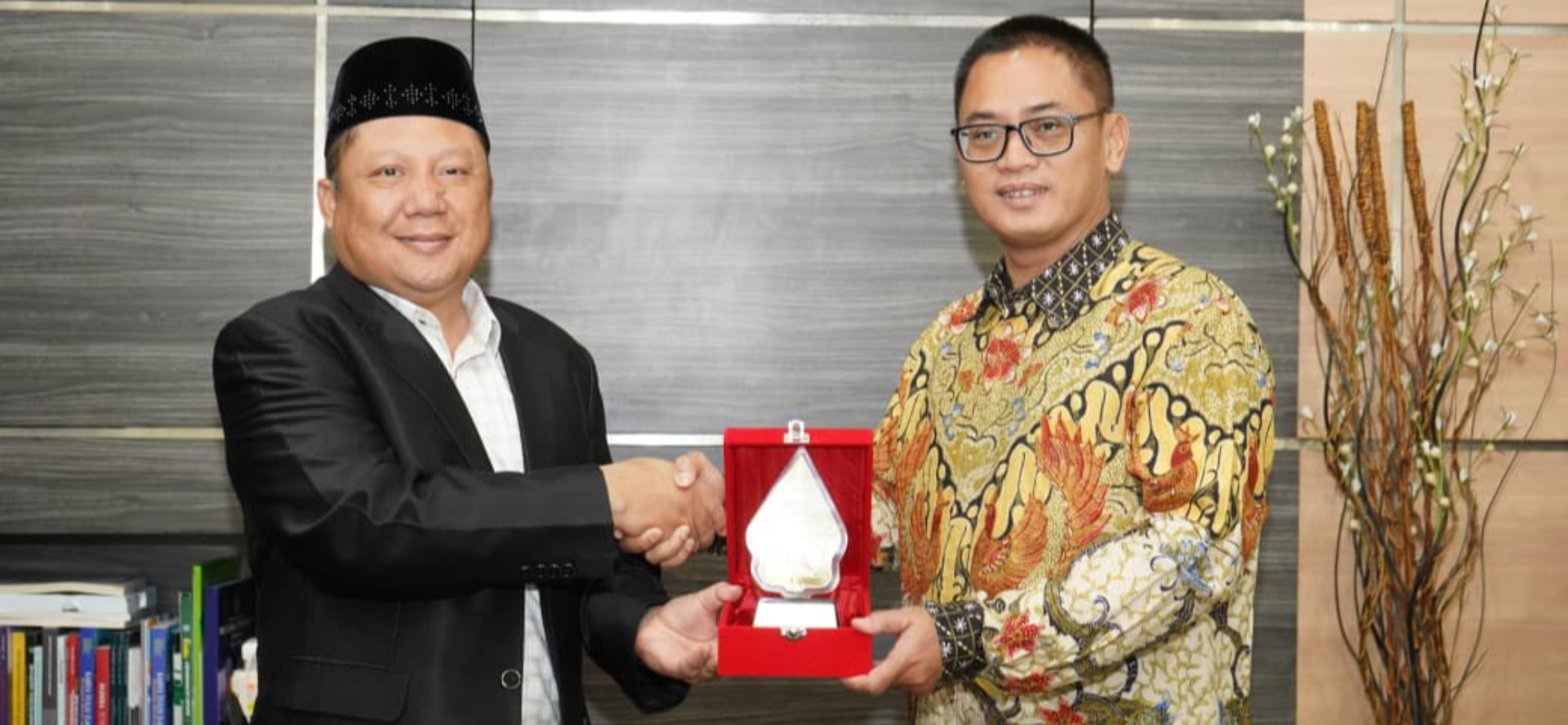
The International Development Cooperation Fund Institution (LDKPI), or Indonesian Agency for International Development (Indonesian AID), together with the Faculty of Social and Political Sciences at the University of North Sumatra (FISIP USU), held a talk show titled “Indonesian AID: Strengthening Economy, Deepening Diplomacy” on Tuesday, 2 September 2025. Conducted online via Zoom and streamed live through USU Media on YouTube, the event aimed to open public and academic dialogue about Indonesia’s role as an international grant donor. In the opening remarks, the Dean of FISIP USU, Dr. Hatta Ridho, said that students need to assess whether Indonesia is currently “worthy” of giving international grants not only in terms of budget but also in terms of impact, transparency, and swift diplomatic action. He called for grant policies to be more than diplomatic optics, insisting they deliver real benefits on the ground. 

Azhar Basyir, Head of the Legal and Institutional Relations Division at Indonesian AID, demonstrated that Indonesia’s roots in humanitarian diplomacy stretch back well before formal institutions were established: “In 1946, one year after independence, Indonesia already sent 300,000 tons of rice to India… But those aid efforts were sporadic and unorganized. Therefore, in 2019 Indonesian Aid was established to be more integrated and more strategic.” He also pointed out that aid is not always financial; material support and physical activities are included, such as vaccines and locally-produced biscuits, school renovations, and leadership training in the Pacific and Africa. Additionally: “It is important to note that these grants do not burden the annual state budget. Grants are given from the returns of the endowment fund investments that we manage.”

Prof. Drs. Heri Kusmanto, Secretary of the S3 Development Studies Program at FISIP USU, emphasized that foreign aid should not be mere charity but a political and economic instrument that also benefits Indonesia. He warned that lengthy bureaucratic processes can delay aid and reduce its effectiveness: “The main challenge is the lengthy bureaucracy, for example needing the approval of four ministers. As a result, aid can be delayed and lose its effectiveness. Therefore, mechanisms must be simplified.”

Public data supports that Indonesian AID has made significant achievements since its establishment. As of September 2024, Indonesian AID has distributed grants worth IDR 523.56 billion to 97 countries and foreign institutions through various grant programs, ranging from health, humanitarian, to training. Moreover, Prof. Heri reminded that academic evaluation is absolutely necessary so that the benefits of grants can be measured with precision, targeted correctly, and have meaningful impact for both recipients and Indonesia as the donor. This view responds to Azhar’s statement that humanitarian diplomacy yields mutual benefits, such as Indonesia’s shipment of oxygen concentrators to India during the COVID-19 pandemic and India’s response to Indonesia during the Delta wave. 

The talk show discussion also raised the issue of administrative mechanisms as a determining factor in the speed of international response. Students actively participated in the question and answer session, asking how the evaluation system works, how aid is implemented so that it is not delayed due to approvals from various parties, and how academics or researchers are involved in evaluating the impact of grants. Indonesia does have the capacity and intention to become an international donor, not only as a symbol of diplomacy but with tangible evidence. However, in order for Indonesia to be truly worthy in all aspects, focus needs to be directed towards effectiveness, transparency, and simplification of bureaucracy so that international momentum is not missed.

As a form of appreciation for active participation from students, the event concluded with the presentation of souvenirs to those involved in discussions and direct dialogues. The souvenirs symbolized that the input from the younger generation is valued and regarded as important by the organizers.

ML/QM-Guided Catalyst for Green H₂

A research team in computational catalysis and nanomaterials science led by Professor Ham Hyeong-cheol of the Department of Chemical Engineering, together with a research team from the Korea Institute of Science and Technology (KIST), has developed a liquid-phase reforming bimetallic catalyst for green hydrogen production using quantum-mechanical training data and artificial-neural-network models.

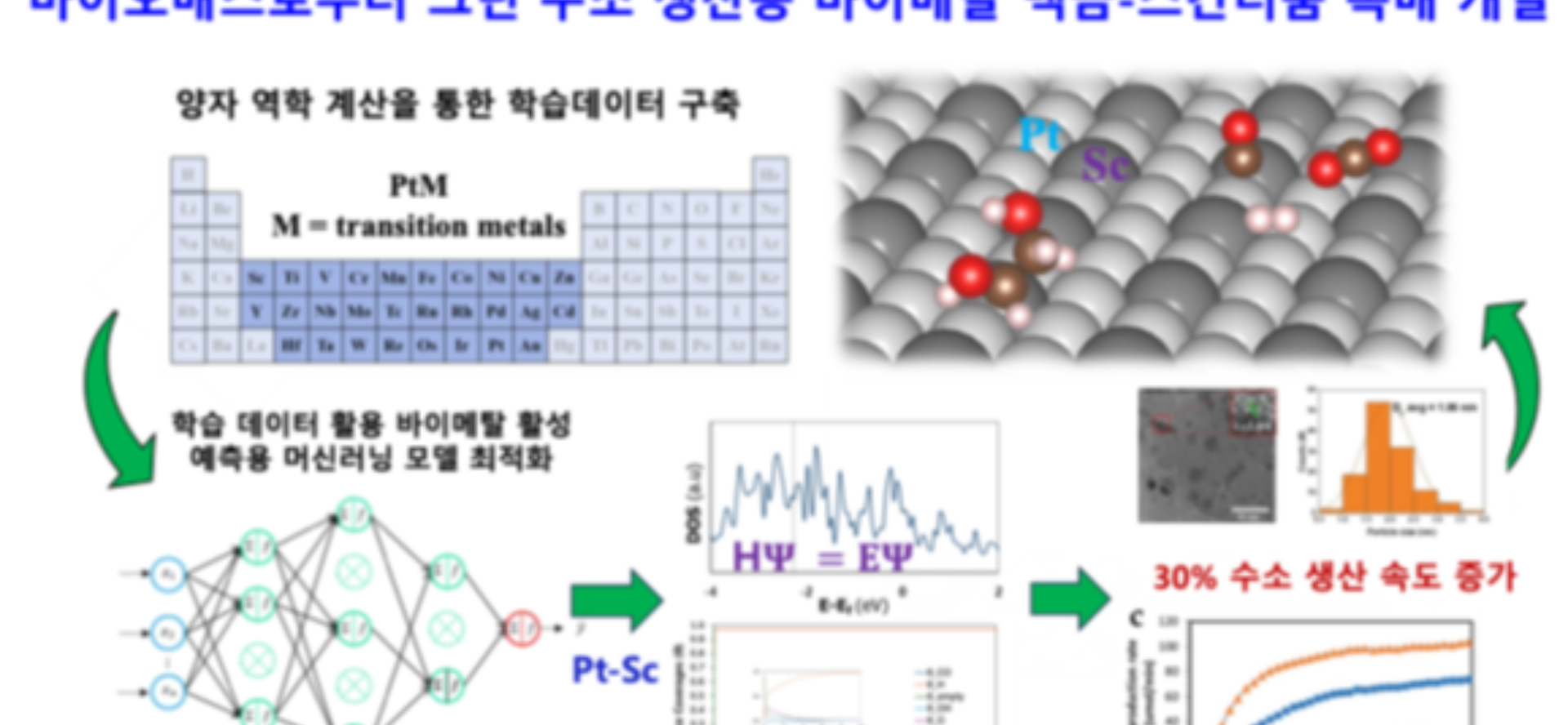
The joint research team trained an artificial-neural-network (AI) model with quantum-mechanics calculation data and developed a technology that can predict and screen the reactivity of bimetallic catalysts at ultra-high speed.

Through this, they rapidly identified high-activity candidates among numerous rapid combinations and clarified, at the atomic level, the causes of catalytic-activity changes, presenting new guidelines for catalyst design.

Based on these guidelines, the team developed a new catalyst capable of producing green hydrogen from biomass, thereby improving the efficiency of eco-friendly hydrogen-production processes. Green hydrogen is regarded as a key fuel for carbon-free clean energy.

Hydrogen production using discarded biomass is an eco-friendly process with nearly zero carbon emissions, but its commercialization has been limited due to the low efficiency of catalysts that accelerate the reaction.

The research team developed an artificial-neural-network model capable of predicting catalyst activity for hydrogen production from ethylene glycol, a type of biomass.

Through the neural network, they identified a bimetallic catalyst combining platinum (Pt) and scandium (Sc), and confirmed that this combination exhibits much higher reactivity and selectivity than existing catalysts.

The team precisely analyzed the electronic structure of the bimetallic catalyst and systematically evaluated how catalyst properties influence reactivity through modeling that combined quantum-mechanics calculations and machine learning.

As a result, they confirmed that a ligand effect occurs in which platinum and scandium exchange electrons with each other, causing the electronic structure to change in a unique way. This enhances the reaction that produces hydrogen while suppressing unnecessary by-product reactions, greatly improving hydrogen-production efficiency.

In addition, through collaborative experiments with the research team of Dr. Son Hyun-tae and Dr. Choi Sun-hee of KIST’s Hydrogen Fuel Cell Research Center, the Pt–Sc bimetallic catalyst identified theoretically was actually synthesized, analyzed, and evaluated. The results proved that its hydrogen-production rate improved by about 30% compared to existing catalysts — successfully achieving a high-efficiency liquid-phase reforming catalyst and conclusively validating the research outcomes.

Professor Ham Hyeong-cheol said, “By using machine learning and quantum-mechanics calculations, we were able to elucidate the mechanism of green hydrogen production via biomass decomposition and significantly shorten the development timeline for multi-component metal catalysts,” adding, “Going forward, we will focus our research capacity on raising catalyst performance to a commercially viable level.”

Original Article Link

NTU Study Links Urban Nature to Vitality

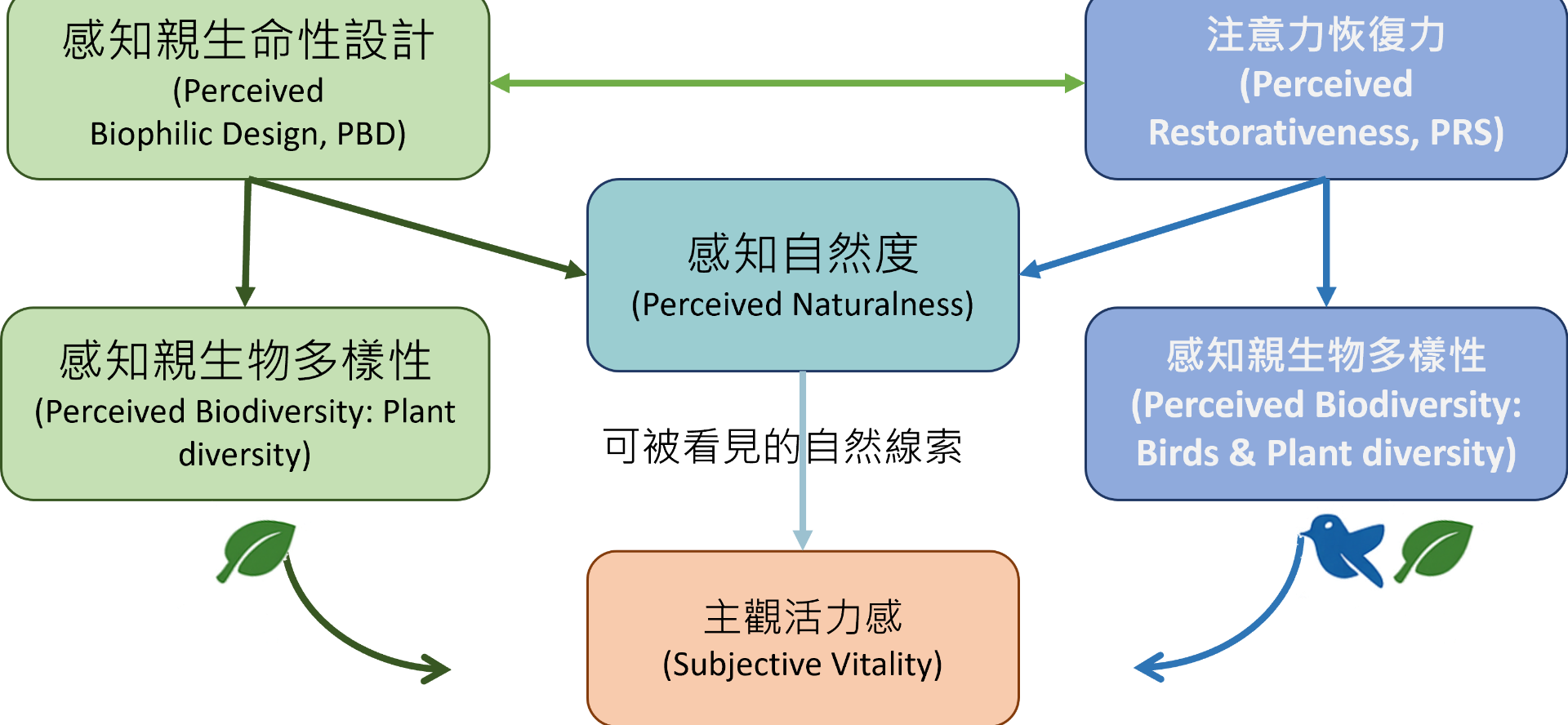
In the rush of urban life, reconnecting with nature can restore mental energy. Dr. Shih-Han Hung from National Taiwan University (NTU)’s International College and her team examined how perceptions of naturalness and biodiversity influence subjective vitality—the feeling of being energetic and alive. Based on surveys from over 1,000 Taichung park visitors, they proposed a dual-path model: biophilic design and restorative experience, both centered on perceived naturalness. Their findings, published in Urban Forestry & Urban Greening, highlight that clear and perceivable nature cues—rather than random wildlife encounters—offer more consistent psychological benefits.

Using immersive virtual reality, the team simulated five environments—from streams to urban forests—to test mental responses. Results showed urban forests most effectively boosted vitality, while streams and parks enhanced attention restoration. This psychological pathway of “restoration → preference → vitality” was detailed in Landscape and Ecological Engineering.

Dr. Hung further applies these insights in teaching, integrating biodiversity and AI tools to train students in evidence-based spatial design (Journal of Scholarship of Teaching and Learning). In collaboration with Chiang Mai University and the University of Helsinki, her team continues exploring how the “dose” of urban nature exposure supports well-being and resilience in sustainable cities.