2026 SKKU ISS Begins

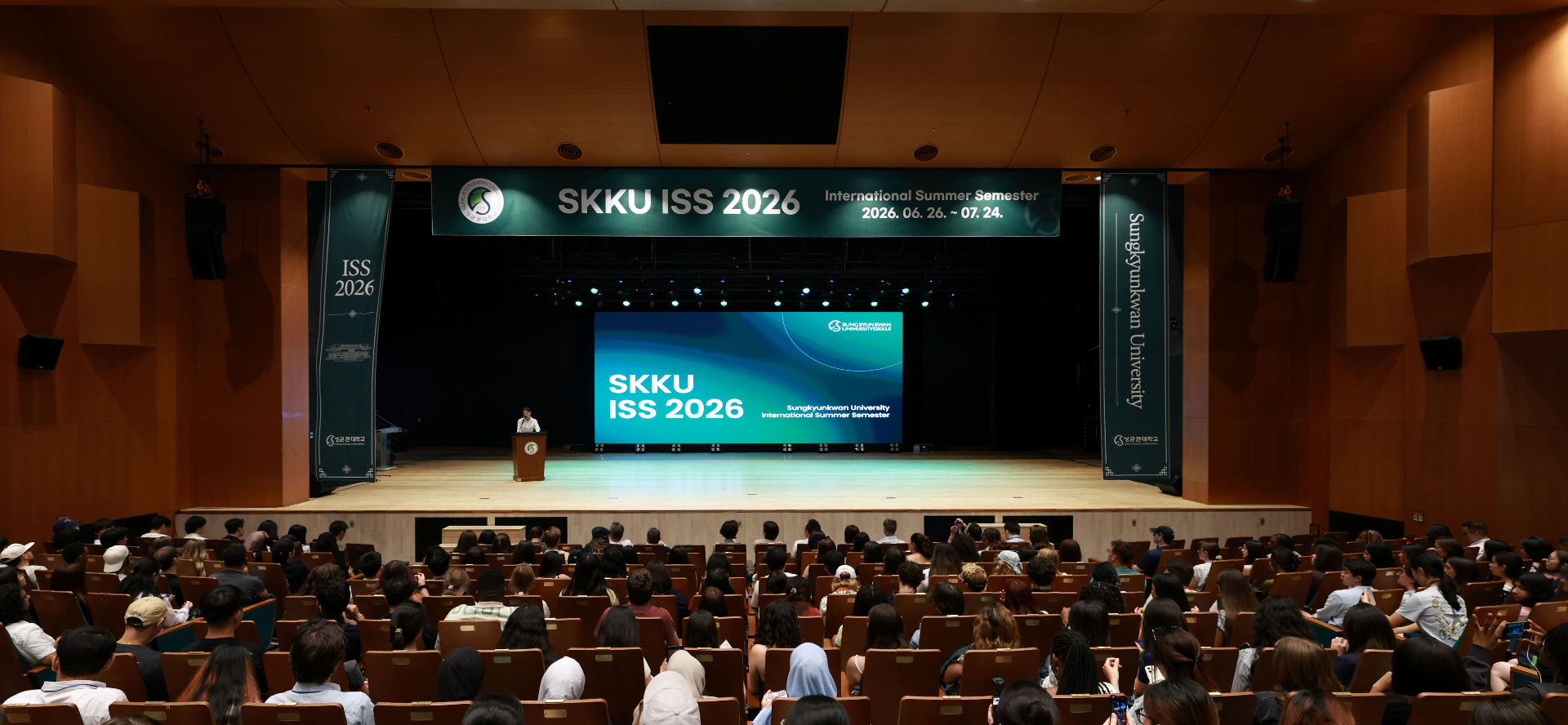
International Affairs Division (Vice President of International Affairs Min Hyo Cho) successfully launched its flagship global program, the International Summer Semester (ISS), now in its 18th year. This year’s ISS runs for four weeks from June 26 to July 24 at the Humanities and Social Sciences Campus.

A total of 1,021 students from 126 universities in 39 countries are participating this year, representing a 26.4% increase from the previous year. Among international participants excluding SKKU students, the United States recorded the highest participation with 116 students, followed by the United Kingdom (100) and Australia (80).

The 2026 ISS offers 42 courses spanning a wide range of disciplines, including business and economics, humanities and social sciences, AI and data science, and Korean language and Korean studies. The program features lectures delivered by 17 visiting professors from overseas institutions and 10 SKKU faculty members.

Regular classes are held from Monday through Thursday, while Fridays are dedicated to cultural activities such as visits to Gyeongbokgung Palace, performances, and tours to Everland and the DMZ, encouraging active interaction among students. This year, a new program in collaboration with SKKU student clubs has been introduced to help participants from overseas universities build deeper connections with SKKU students.

In addition, the Global Colloquium, an academic event featuring faculty members from leading overseas universities including Toronto, Carnegie Mellon, Houston, and Albany, will be held on July 23 for the second consecutive year. Under the theme “Reimagining Service and Well-being in the Digital Age,” the colloquium will explore interdisciplinary research and opportunities for global collaboration.

Following the completion of ISS, selected international students will continue their academic journey through the Research Internship program, participating in full-time research activities in SKKU laboratories. Building on last year’s initiative, this year’s internship program will welcome 26 students, up from 15 participants in 2025. Through this initiative, the Office of International Affairs aims to attract outstanding international talent to SKKU’s graduate programs and further expand the foundation for international collaborative research.
SKKU Selected for NRL2.0 Program

SKKU announced that its “SKKU National Research Laboratory for Intelligent Energy Solutions” has been selected for the National Research Laboratory (NRL2.0) Program jointly promoted by the Ministry of Science and ICT and the Ministry of Education.

The National Research Laboratory (NRL2.0) Program is Korea’s flagship research initiative designed to foster university-affiliated research institutes capable of leading world-first, world-class basic research. Selected institutes receive approximately KRW 10 billion annually, with total funding of up to KRW 95 billion over a ten-year period.

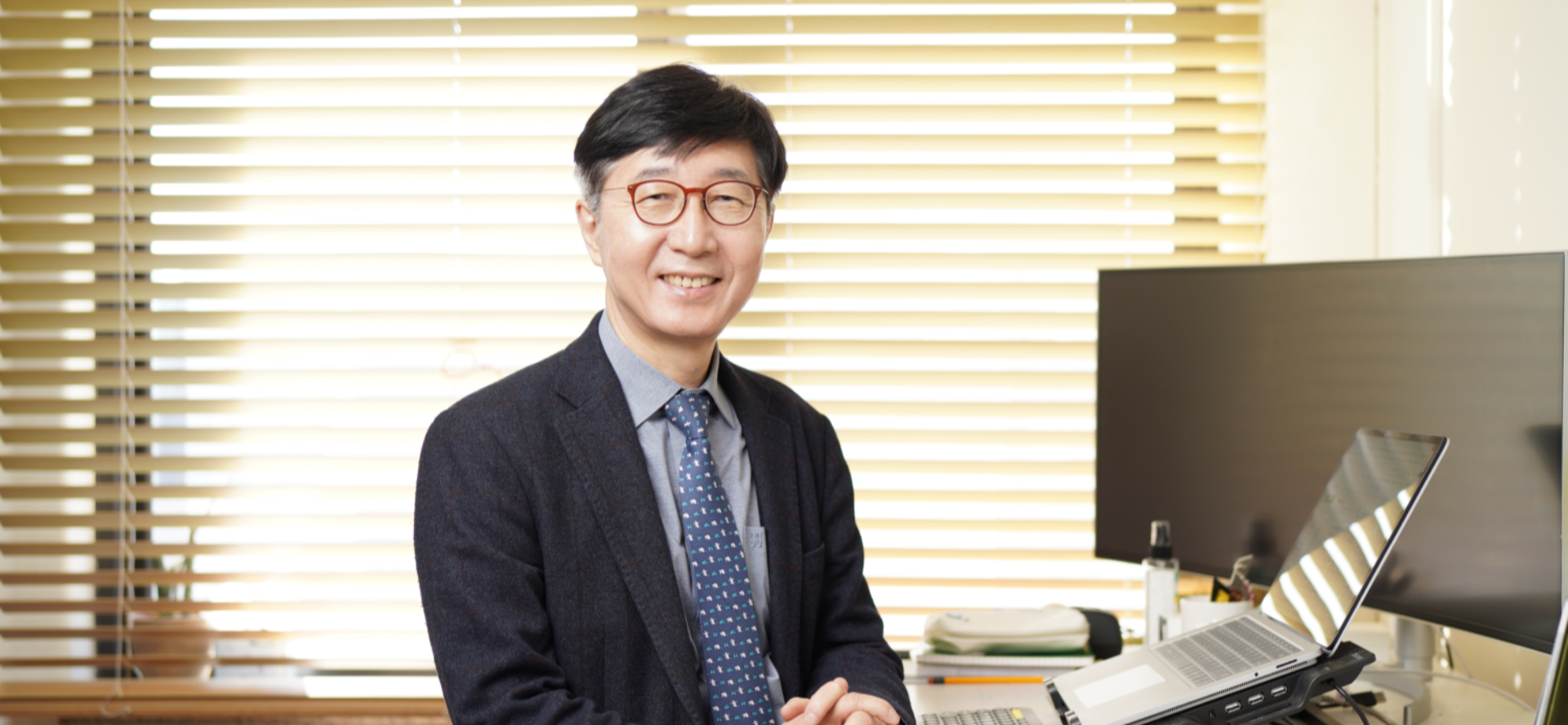
The newly selected SKKU National Research Laboratory for Intelligent Energy Solutions will be directed by Professor Nam-Gyu Park and aims to establish a next-generation intelligent energy platform that integrates energy generation, storage, and utilization technologies with artificial intelligence (AI) and digital twin technologies.

The laboratory plans to develop industry-tailored intelligent energy solutions capable of providing stable large-scale energy supplies while responding to highly fluctuating loads such as AI Data Centers (AIDCs). To achieve this, it will organically combine high-efficiency solar cells, next-generation Energy Storage Systems (ESS), industrial electrification technologies, and AI-powered digital twin technologies.

In particular, the laboratory seeks to secure core technologies for “Sovereign Energy,” enabling not only energy independence and carbon neutrality but also strengthening national energy security and future industrial competitiveness. Through these efforts, the institute is expected to present a new paradigm for future energy systems and further enhance Korea’s global competitiveness in energy technologies.

The laboratory will bring together 122 researchers from across SKKU, including 40 faculty-level co-investigators and 82 research personnel representing the fields of energy, semiconductors, AI, power systems, and engineering systems. Through interdisciplinary collaboration, the initiative is expected to contribute significantly to cultivating future energy talent, expanding global research and industry partnerships, and accelerating technology commercialization.

Professor Nam-Gyu Park, Director of the laboratory, stated, “Building on the innovation of fundamental research and the strengths of interdisciplinary collaboration, we will develop this institute into a national flagship research center that elevates Korea’s energy technologies to a world-leading level. By advancing sovereign energy technologies that integrate AI and energy, we aim to contribute simultaneously to national energy security and industrial competitiveness.”

With its selection for the National Research Laboratory Program, SKKU plans to further strengthen its position as a global research hub in energy–AI convergence, while accelerating efforts to secure future strategic technologies and foster a sustainable innovation ecosystem.

Selected for Brain Pool+ Recruitment Program

Sungkyunkwan University (SKKU) has been selected for the 2026 Brain Pool+ Institutional Recruitment Program, funded by the Ministry of Science and ICT and administered by the National Research Foundation of Korea. Through this initiative, SKKU will receive a total of KRW 13.5 billion in government funding over the next five years.

The Brain Pool+ Institutional Recruitment Program enables universities to identify and recruit outstanding international scientists aligned with their long-term research strategies while providing comprehensive support for their successful settlement and research activities in Korea. The funding can be used flexibly to cover researchers’ salaries and living expenses, as well as to establish advanced research equipment and infrastructure.

Notably, the project will be led directly by President Yoo Ji-Beom, reflecting a university-wide strategic commitment to strengthening global research competitiveness. Through this initiative, SKKU aims to build a sustainable platform for attracting world-renowned scholars in Korea’s key strategic technology areas, including next-generation energy, biomedicine, nanoscience, and quantum materials.

To maximize the impact of the program, five major institutes will collaborate under a unified framework: three leading research institutes—Biomedical Institute for Convergence at SKKU (BICS), Sungkyun Advanced Institute of Nano Technology (SAINT), and the Institute for Next Generation Energy Materials (NEM)—along with two global collaboration hubs, the Sungkyun Global Research Center (SGRC) and the Precision Biology Research Center (PBRC).

The program will operate under a presidential leadership structure. President Yoo will serve as Principal Investigator, while Professor Jeon Il (Vice Dean of International Affairs, Director of SGRC, and faculty member of SAINT) will oversee planning and operations. The leadership team also includes Vice President for Planning and Coordination Piljin Yoo, Director of Industry–Academic Cooperation Jachoon Koo, Vice Director of Industry–Academic Cooperation In Su Kim, BICS Director Kyung Kyu Kim, NEM Director Hoseok Park, PBRC Director Donghwan Kim, Professors Jae Cheol Lee and Jung Kyu Kim, as well as the Office of Research Planning Team of the Research & Business Foundation.

Through this initiative, SKKU plans to recruit not only globally recognized scholars but also outstanding mid-career researchers and promising early-career scientists. Moving beyond conventional short-term collaborations, the university aims to create an environment where international researchers can conduct long-term, stable research in Korea. By doing so, SKKU expects to enhance its global research competitiveness and contribute to a virtuous cycle in which top international talent is increasingly drawn to Korea.

“This selection for the Brain Pool+ Institutional Recruitment Program will serve as a critical foundation for SKKU’s advancement as a world-class research university,” said President Yoo Ji-Beom. “Together with leading scholars from around the world, we will pursue groundbreaking research that helps shape the future of humanity.”

SKKU 「Distinguished Lecture & Nexus Forum」

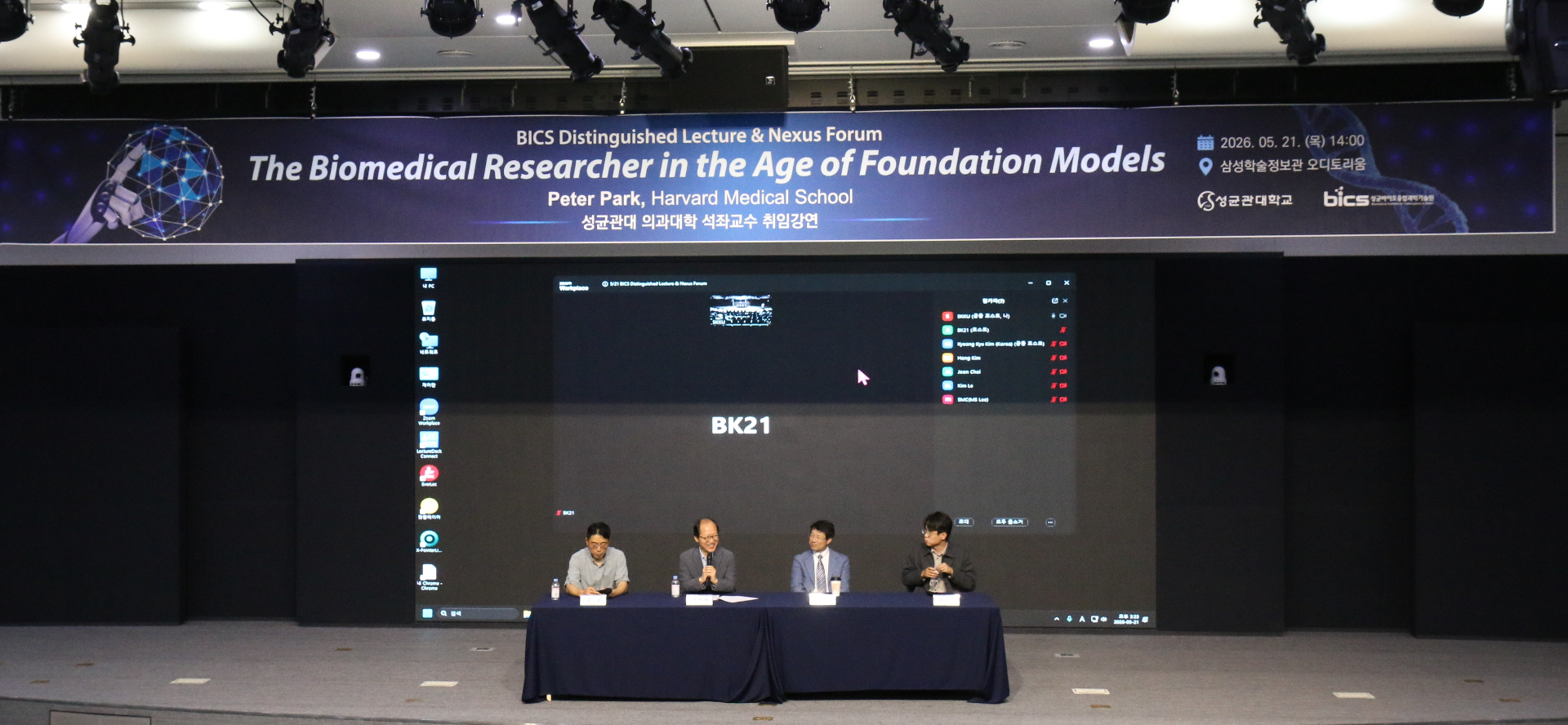
The Biomedical Institute for Convergence at SKKU (BICS) hosted the BICS Distinguished Lecture & Nexus Forum on May 21 at the Auditorium of the Samsung Library. The event was organized to share global research trends and firsthand experiences from the research community through a distinguished lecture by an internationally renowned scholar and networking opportunities for students and researchers.

Professor Peter Park of Harvard University, who also serves as a Distinguished Chair Professor at SKKU School of Medicine, delivered the keynote lecture. He introduced the latest developments in bioinformatics and interdisciplinary research, while sharing insights from his experience in the global research community. The lecture attracted strong interest from a diverse audience, including undergraduate and graduate students, researchers, and faculty members.

The subsequent BICS Nexus Forum featured an interactive discussion and networking session where students and researchers freely exchanged ideas. Participants engaged in lively conversations on research experiences, career development, and the potential of interdisciplinary research.

Through this event, BICS expanded opportunities for global academic exchange and strengthened its international research network, while providing students and researchers with a valuable opportunity to interact directly with a world-leading scholar. BICS plans to continue offering a variety of international academic programs and exchange activities to promote interdisciplinary research in the biomedical sciences and foster the next generation of research leaders.

SKKU Language Institute Opens New Chapter

The Sungkyun Language Institute (Director: Professor Minhyo Cho) has taken a meaningful first step toward expanding its global education infrastructure.

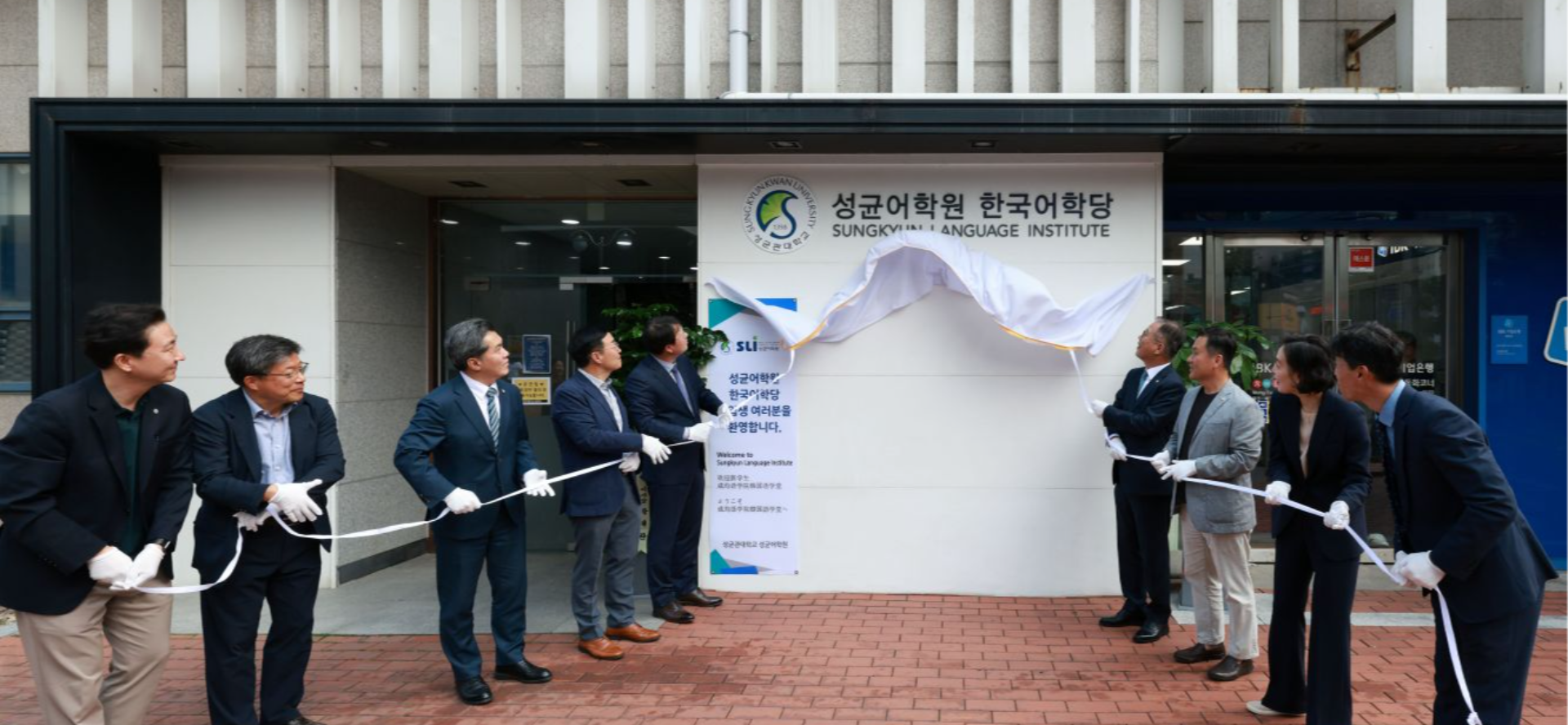
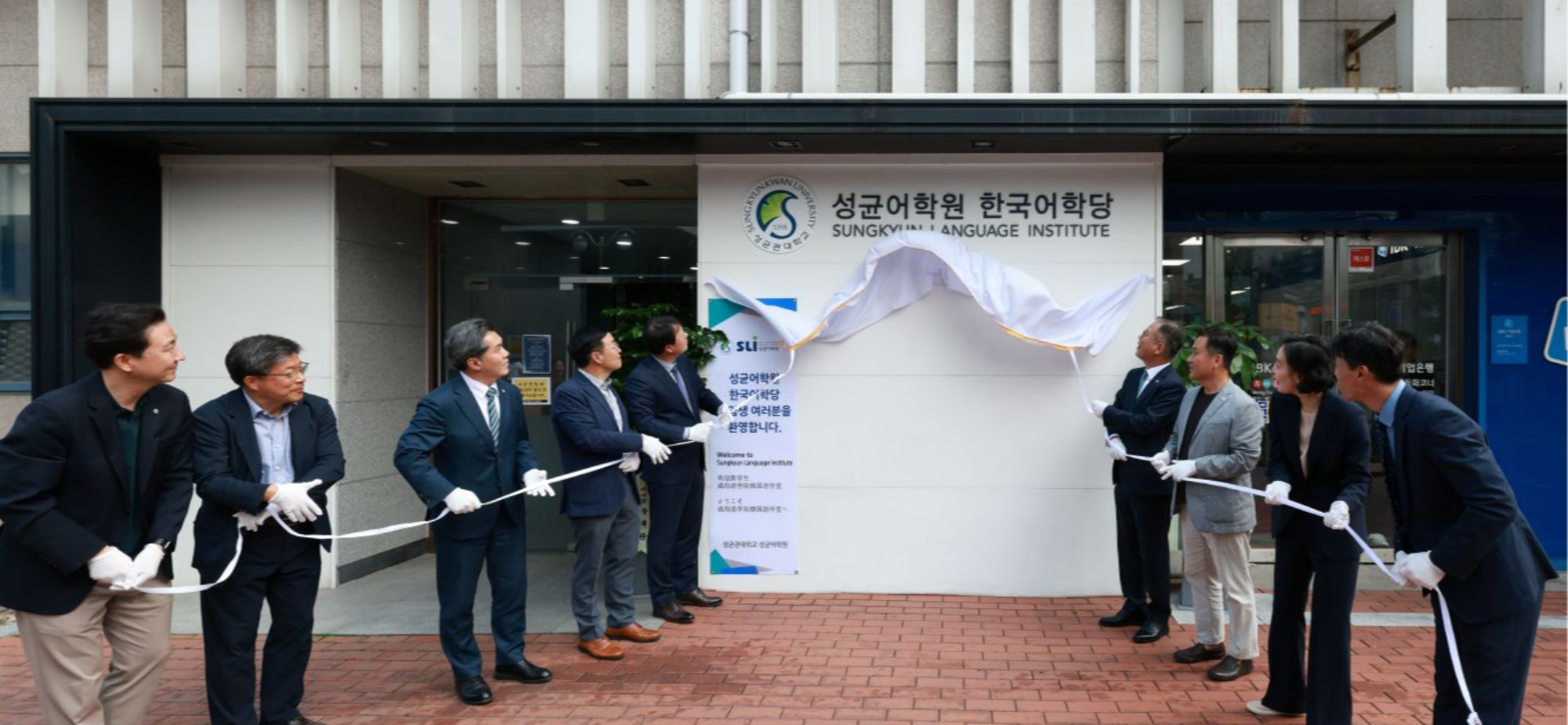
On June 15, the institute held a successful inauguration ceremony for the newly established SKKU Daehak-ro Building in Seoul’s Daehak-ro district.

The new facility was established in the heart of Daehak-ro to further strengthen the institute’s expertise in Korean language education and global talent development.

As the fourth and fifth floors of the building are dedicated to the Korean Language Institute’s state-of-the-art classrooms and educational facilities, the inauguration ceremony was held in conjunction with the unveiling of the Korean Language Institute signboard, making the occasion even more meaningful.

President Ji-Beom Yoo, Executive Director Youngsoo Joo, Corporate Director Donghwan Lee, Vice President for Planning and Coordination Piljin Yoo, Vice President for Academic Affairs Sang Hoon Bae, Vice President for International Affairs Minhyo Cho, and approximately 50 distinguished guests and university officials attended the event to celebrate this new beginning.

Participants expressed their warm congratulations and support for the institute’s new milestone and the future growth of its Korean Language Institute.

The ceremony began with the unveiling of the signboard at the front entrance of the SKKU Daehak-ro Building.

Amid the congratulations of the attendees, the newly revealed Korean Language Institute signboard symbolized SKKU’s vision for global education and its commitment to reaching the world from Daehak-ro, where tradition and modernity coexist. The unveiling was met with enthusiastic applause.

Following the ceremony, guests toured the Korean Language Institute facilities on the fourth and fifth floors of the building. The modern educational infrastructure—including advanced classrooms designed to provide international students with a comfortable and effective learning environment, faculty offices, instructors’ rooms, student lounges, and an administrative office offering one-stop support services for international students—drew admiration from attendees.

After the tour, guests gathered for refreshments and informal discussions in a warm and welcoming atmosphere. During the reception, participants shared the view that the SKKU Daehak-ro Building would serve as a key hub for K-education, attracting students from around the world, while exchanging ideas on the sustainable growth and global competitiveness of the Sungkyun Language Institute.

In his congratulatory remarks, President Ji-Beom Yoo stated, “I am delighted that SKKU has secured a dedicated space for global education on Daehak-ro, the cultural and artistic center of Seoul. Through the opening of the SKKU Daehak-ro Building, we will provide world-class Korean language education services and further strengthen SKKU’s standing as a leading global university.”

The newly opened SKKU Daehak-ro Building is expected to become a vibrant hub where talented individuals from around the world can learn the Korean language and culture, connect with one another, and help shape the future of global education.

SKKU Language Institute Opens New Chapter

The Sungkyun Language Institute (Director: Professor Minhyo Cho) has taken a meaningful first step toward expanding its global education infrastructure.

On June 15, the institute held a successful inauguration ceremony for the newly established SKKU Daehak-ro Building in Seoul’s Daehak-ro district.

The new facility was established in the heart of Daehak-ro to further strengthen the institute’s expertise in Korean language education and global talent development.

As the fourth and fifth floors of the building are dedicated to the Korean Language Institute’s state-of-the-art classrooms and educational facilities, the inauguration ceremony was held in conjunction with the unveiling of the Korean Language Institute signboard, making the occasion even more meaningful.

President Ji-Beom Yoo, Executive Director Youngsoo Joo, Corporate Director Donghwan Lee, Vice President for Planning and Coordination Piljin Yoo, Vice President for Academic Affairs Sang Hoon Bae, Vice President for International Affairs Minhyo Cho, and approximately 50 distinguished guests and university officials attended the event to celebrate this new beginning.

Participants expressed their warm congratulations and support for the institute’s new milestone and the future growth of its Korean Language Institute.

The ceremony began with the unveiling of the signboard at the front entrance of the SKKU Daehak-ro Building.

Amid the congratulations of the attendees, the newly revealed Korean Language Institute signboard symbolized SKKU’s vision for global education and its commitment to reaching the world from Daehak-ro, where tradition and modernity coexist. The unveiling was met with enthusiastic applause.

Following the ceremony, guests toured the Korean Language Institute facilities on the fourth and fifth floors of the building. The modern educational infrastructure—including advanced classrooms designed to provide international students with a comfortable and effective learning environment, faculty offices, instructors’ rooms, student lounges, and an administrative office offering one-stop support services for international students—drew admiration from attendees.

After the tour, guests gathered for refreshments and informal discussions in a warm and welcoming atmosphere. During the reception, participants shared the view that the SKKU Daehak-ro Building would serve as a key hub for K-education, attracting students from around the world, while exchanging ideas on the sustainable growth and global competitiveness of the Sungkyun Language Institute.

In his congratulatory remarks, President Ji-Beom Yoo stated, “I am delighted that SKKU has secured a dedicated space for global education on Daehak-ro, the cultural and artistic center of Seoul. Through the opening of the SKKU Daehak-ro Building, we will provide world-class Korean language education services and further strengthen SKKU’s standing as a leading global university.”

The newly opened SKKU Daehak-ro Building is expected to become a vibrant hub where talented individuals from around the world can learn the Korean language and culture, connect with one another, and help shape the future of global education.

SKKU Successfully Hosts NGPT 2026

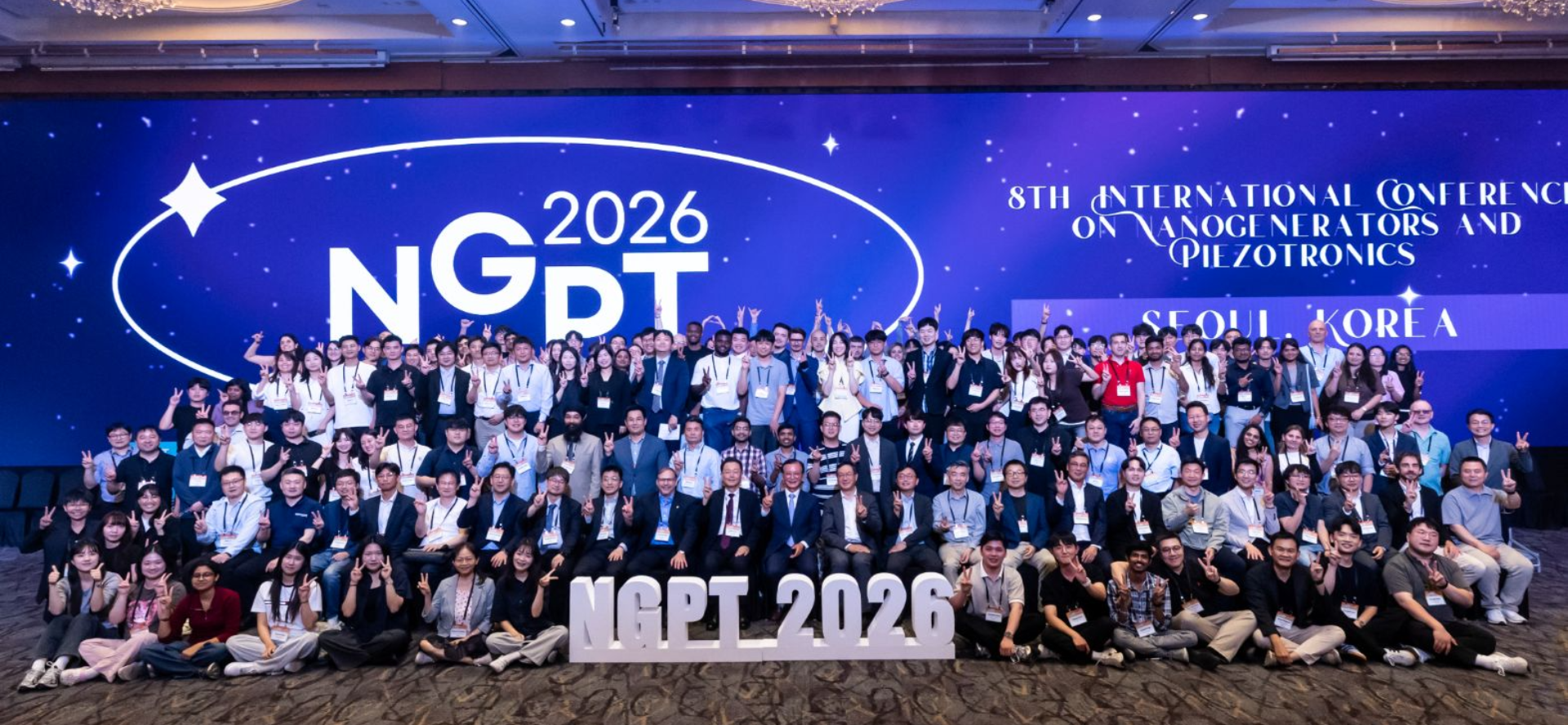
SKKU successfully hosted the 8th International Conference on Nanogenerators and Piezotronics (NGPT 2026) from June 9 to 12 at its Humanities and Social Sciences Campus in Seoul.

NGPT is one of the world’s leading international conferences in the fields of nanogenerators, piezotronics, self-powered sensors, and energy harvesting. The conference serves as a premier platform where researchers share the latest scientific advances and discuss future technological directions.

Having previously hosted NGPT in 2018, SKKU welcomed the conference for the second time this year. More than 500 researchers, students, and industry representatives from 21 countries, including the United States, China, Germany, the United Kingdom, Canada, and Singapore, participated in the event.

The conference featured presentations on a wide range of cutting-edge topics, including self-powered sensors, wearable electronics, AI-integrated sensing technologies, bioelectronics, energy harvesting, and sustainable energy technologies. Participants actively exchanged ideas through keynote lectures, tutorial sessions, invited talks, oral presentations, and poster sessions.

Among the distinguished speakers were Professor Zhong Lin Wang of Georgia Institute of Technology, the pioneer of nanogenerators and piezotronics; Professor Mark Hersam of Northwestern University, a world-renowned expert in nanomaterials and electronic devices; and Professor Orlando J. Rojas of The University of British Columbia, a leading scholar in sustainable biomaterials. Together with other internationally recognized researchers, they discussed the future directions of next-generation energy and sensor technologies.

Editors from top-tier journals, including Nano Energy, Advanced Materials, and Joule, also attended the conference, sharing insights on emerging research trends and academic publishing strategies. In addition, a special issue featuring outstanding research presented at NGPT 2026 is planned, which is expected to further disseminate the conference’s scientific contributions and foster follow-up studies and international collaborations.

A particularly significant milestone of NGPT 2026 was the official launch of the Nanogenerators and Piezotronics Society (NPS), an international academic organization established to promote global collaboration and scholarly advancement in the field. Researchers from around the world gathered for the inaugural ceremony to share the society’s vision and discuss future directions for international research cooperation and academic exchange.

Professor Jung Min Baik of the Department of Materials Science and Engineering, Chair of the Organizing Committee, stated, “It is especially meaningful for SKKU to host NGPT once again following the 2018 conference. We hope this conference not only provides an opportunity for researchers worldwide to share their latest findings and discuss future technological visions, but also serves as a catalyst for strengthening global research collaboration through the launch of the Nanogenerators and Piezotronics Society.

Korea’s AI Policy: A Global Media Visit to SKKU

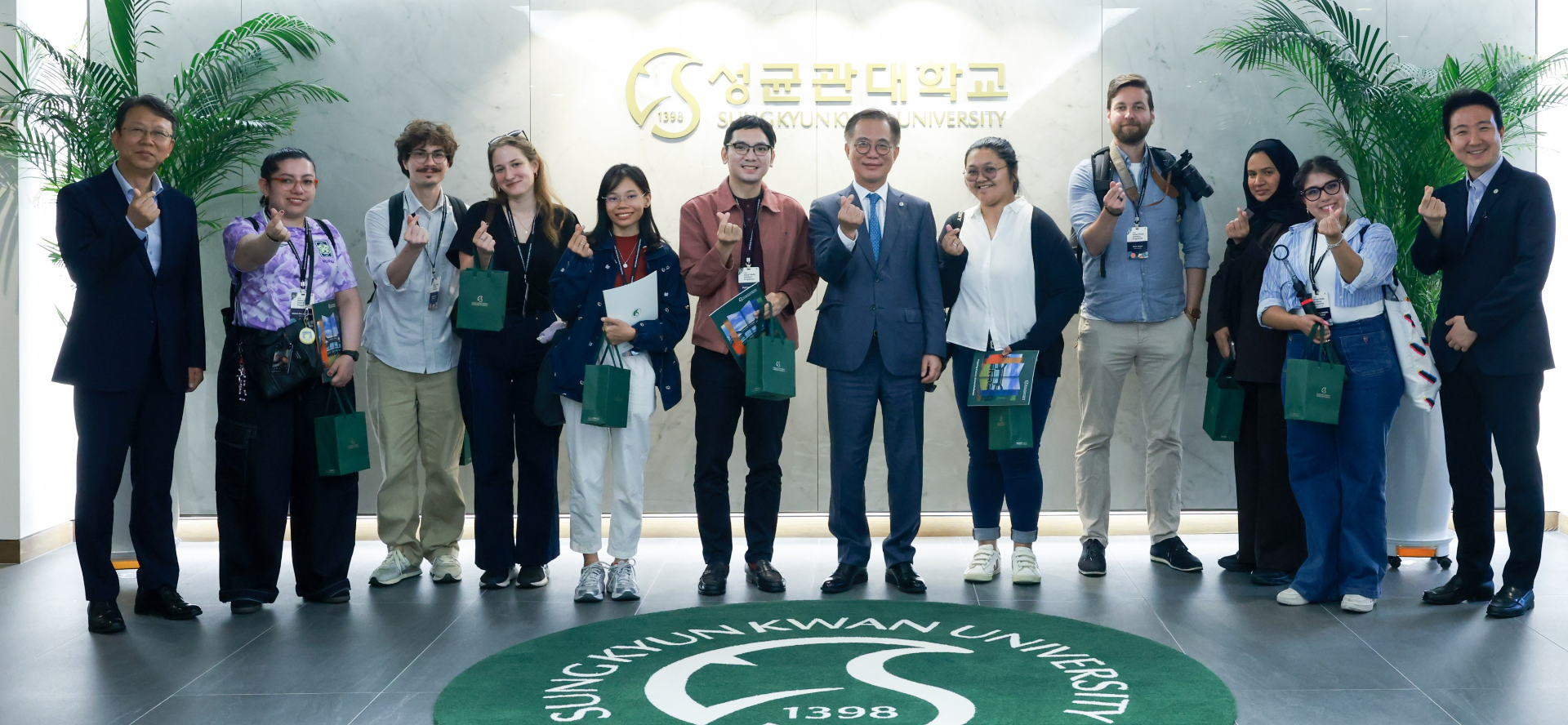
A delegation of journalists from seven countries visited SKKU on June 4. The delegation included reporters from major media outlets in Hungary, Brazil, Mexico, the Philippines, the Czech Republic, the United Arab Emirates (UAE), and Vietnam, who visited the university to learn about Korea’s AI policies, educational initiatives, and talent development practices. The visit was part of their Korea program conducted from May 31 to June 6.

The delegation attended a meeting with President Ji Beom Yoo, during which they were introduced to SKKU’s educational vision and the current status of its education and research initiatives in the field of artificial intelligence. During the subsequent Q&A session, participants exchanged views on the university’s AI education system and its approach to nurturing future talent.

The delegation then visited the Convergence and Open Sharing System for AI (AICOSS) Project Group, where they received an overview of the project’s operations and key educational programs. They also toured AI learning facilities to observe students’ learning environments and educational activities firsthand.

This visit served as an opportunity to showcase SKKU’s strengths in AI education and research to an international audience and to further expand its global collaboration network.

Kenyan Foreign Minister Visits SKKU

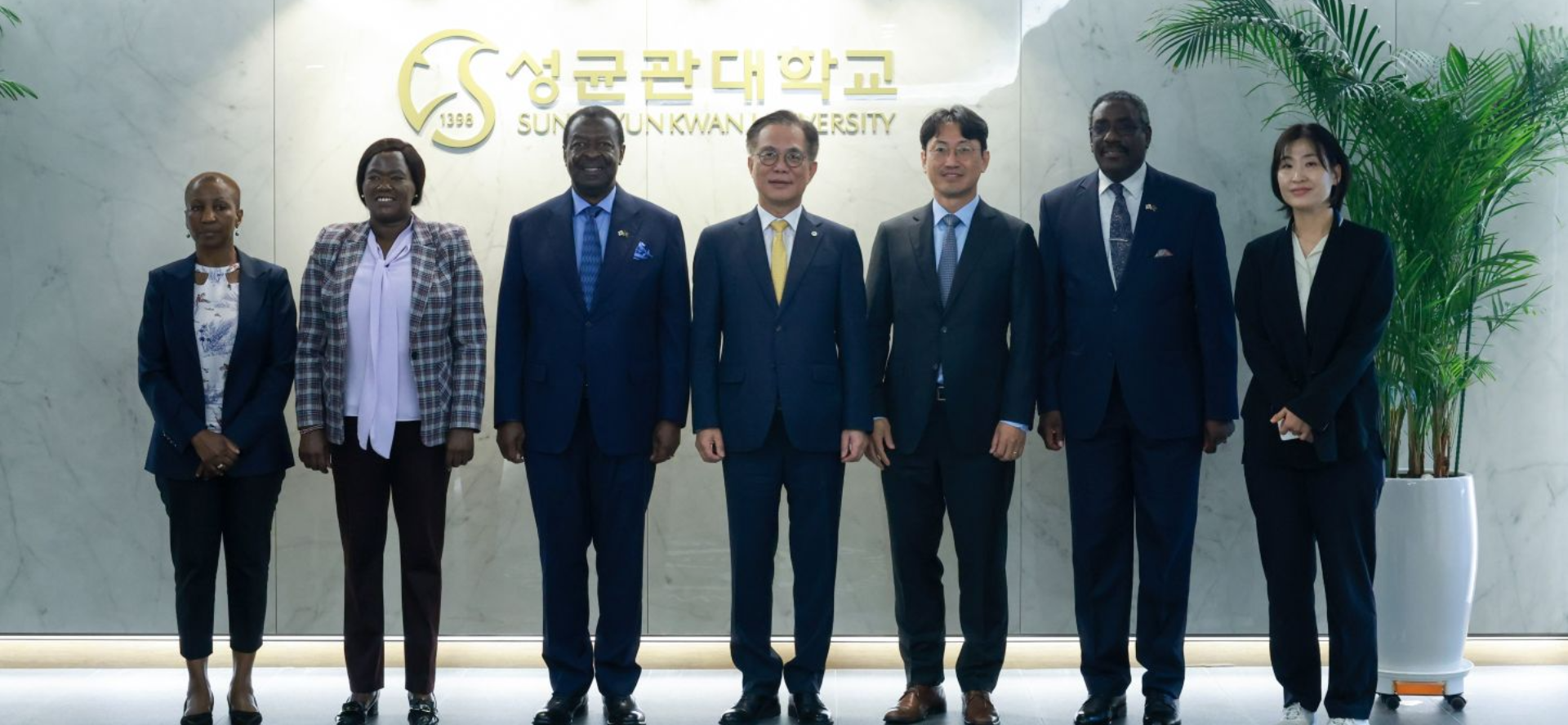
The Department of Political Science and Diplomacy, the Graduate School of Strategic Studies, and the Center for Good Democracy of SKKU hosted a special lecture by Wycliffe Musalia Mudavadi, Kenya’s Cabinet Secretary for Foreign and Diaspora Affairs, on June 2 (Tuesday) at Sohyang Hall on the 6th floor of the 600th Anniversary Hall.

Prior to the lecture, Minister Mudavadi and Emmy Jerono Kipsoi, Ambassador of Kenya to Korea, met with President Ji Beom Yoo. During the meeting, they introduced the Kenyan government’s policy to expand the ICT sector and requested SKKU’s interest and cooperation. President Yoo expressed his commitment to promoting exchanges and expanding collaboration between SKKU and Kenyan universities.

Under the title “Korea–Kenya Partnership for Future Cooperation,” Minister Mudavadi delivered a one-hour lecture to SKKU students. He noted that the international community is currently facing serious geopolitical crises and economic instability, including the resurgence of unilateralism, the increasing transactional nature of diplomacy, conflicts involving the United States, Israel, and Iran, and the ongoing Russia–Ukraine war. In response to these challenges, he emphasized that Africa is strengthening regional economic integration through the African Continental Free Trade Area (AfCFTA) and building diversified global partnerships, thereby moving beyond aid dependency and promoting mutually beneficial development.

He further explained that Kenya and the Republic of Korea have developed a close partnership centered on ICT technologies, highlighting Kenya’s smart city project, Konza Technopolis, in which the Korean government is participating. He also introduced the two countries’ expanding cooperation in healthcare and medicine, including efforts related to attracting a branch of the International Vaccine Institute (IVI), as well as in sustainable green economy sectors such as climate change response and renewable energy.

Minister Mudavadi was elected to the Kenyan National Assembly at the age of 29 and has pursued a political career for 35 years. His major public service positions include Vice President (2002–2003) and Deputy Prime Minister (2008–2013). He currently also serves as Prime Cabinet Secretary, a position comparable to the Prime Minister-level role in Korea. In response to students’ questions about career development, he shared his own experiences and advised them that, regardless of their aspirations, they should cultivate the self-discipline necessary to maintain control over themselves.

Following the lecture, Minister Mudavadi toured Bicheondang and Myeongnyundang, where he learned firsthand about the origins of SKKU’s 600-year history. Observing that the main shrine of the Confucian shrine, lecture halls, and student residences were all located within the same area, he remarked that he could understand why Korea places such a strong emphasis on education.

SKKU Hosts Oxford Mindfulness Talk

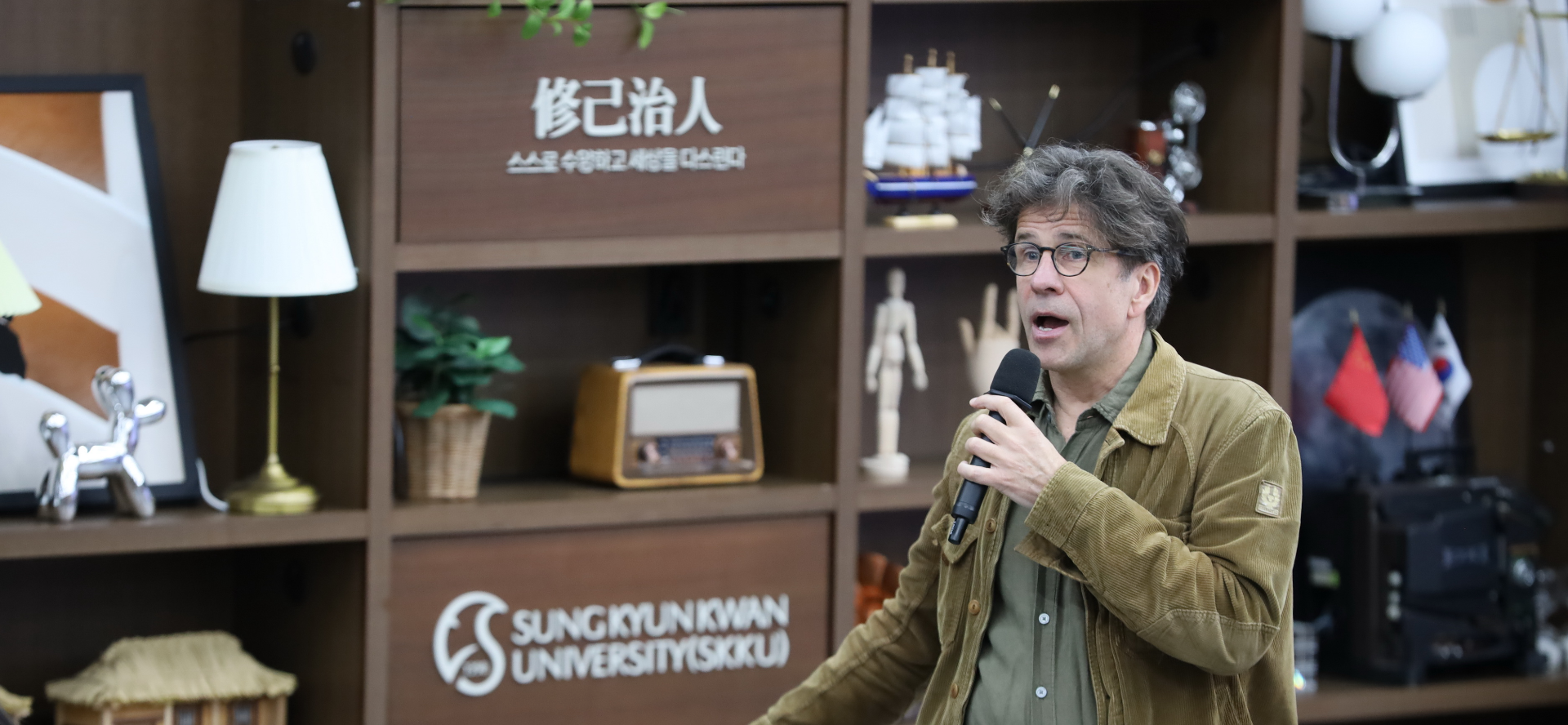
SKKU’s International Affairs Division and the Department of Social Welfare held the “Mindfulness for Life” talk concert on March 18, inviting Professor Willem Kuyken, a clinical psychologist at the University of Oxford in the United Kingdom. The event was organized to offer students who are experiencing psychological difficulties amid various concerns such as academics, career paths, and interpersonal relationships a new perspective and practical support through mindfulness.

Professor Kuyken is a world-renowned authority in the field of mindfulness-based cognitive therapy (MBCT) research and has been actively conducting studies on the prevention of depression and anxiety and the promotion of mental health. In his lecture that day, he explained how mindfulness helps people recognize and accept present experiences as they are and introduced practical ways to ease recurring cycles of negative thoughts and emotions.

In the session that followed, in-depth discussions were conducted around three cases based on students’ concerns collected through a pre-event survey. In particular, Professor Sungmin Yoon of the Department of Social Welfare participated in this session together with Professor Kuyken, enabling a more extensive discussion. The first case presented a perspective that viewed “rest” not as failure but as part of sustainable growth through the experience of a student who repeatedly set excessive goals and experienced burnout. The second case focused on how to understand one’s identity and values separately amid achievement-centered self-perception and career-related anxiety. Finally, through a case involving loneliness and disappointment in interpersonal relationships, the importance of mindfulness in finding balance in relationships with others and caring for oneself was emphasized.

For each case, Professor Kuyken and Professor Sungmin Yoon presented ways for students to view their emotions and thoughts more flexibly from the perspective of mindfulness, and attendees took time to reflect on and empathize with their own experiences.

During the Q&A session that followed, students continued to participate actively, raising questions on a wide range of topics, including mindfulness-based cognitive therapy (MBCT), career concerns, and methods of emotional regulation. The speaker drew a strong response by empathizing with each student’s situation and offering practical advice.

The International Affairs Division and the Department of Social Welfare, which co-hosted the event, expressed their hope that the program served as an opportunity for students to view the anxiety and concerns they had felt only vaguely from a new perspective. They also stated that they plan to continue organizing a variety of programs that can support students’ growth in the future.