Dutch CRM Partnership at Satbayev University

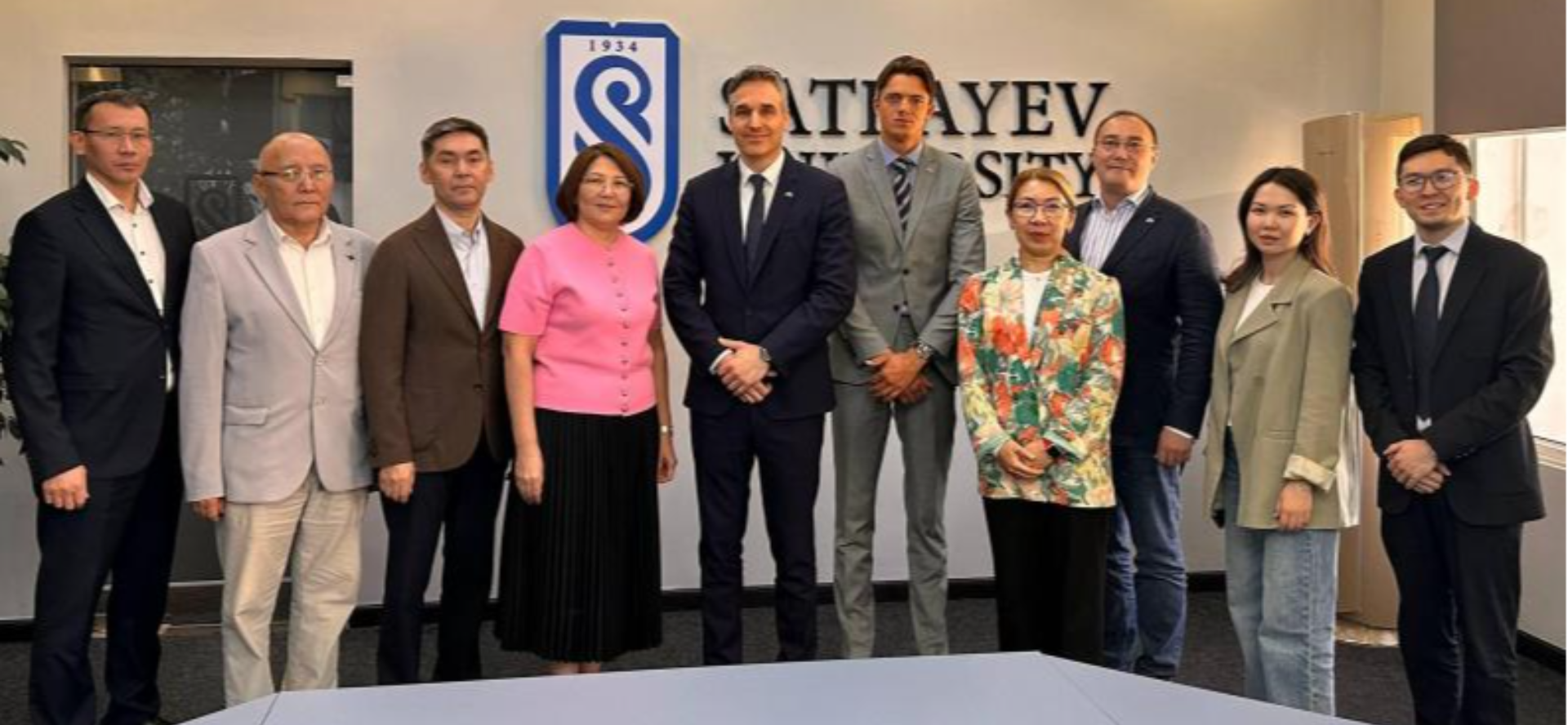
Satbayev University hosted an official delegation from the Embassy and Consulates of the Kingdom of Netherlands in Kazakhstan to discuss strategic academic and industrial collaboration. The meeting, led by Martijn van Buren, Deputy Head of Mission at the Embassy of the Kingdom of the Netherlands, and Saule Sherubay, Vice-Rector for Academic Affairs at Satbayev University, focused on advancing joint initiatives in critical raw materials, academic mobility, and the commercialization of scientific research for industrial applications.

A primary focus of the discussions centered on building research partnerships between SU and leading Dutch institutions, including Delft University of Technology (TU Delft), the Netherlands’ oldest and largest technical university. The proposed collaboration aims to synthesize SU’s core competencies in geology, mining, and metallurgy with Dutch expertise in advanced raw material processing, secondary resource recovery, and mine water purification.

This initiative directly aligns with plans to establish a specialized Center for Critical Raw Materials hosted within SU’s Institute of Mining and Metallurgy. Designed as an international hub for scientific research and technological innovation, the center will drive the development of sustainable mining solutions. University representatives formally invited Dutch academic and industrial partners to participate in the center’s research framework.

To support long-term technological transfer, the partnership incorporates bidirectional academic mobility programs for students, faculty, and researchers. This exchange framework is designed to accelerate the creation of international research consortiums, foster spin-off enterprises, and bridge the gap between academic innovation and commercial deployment. By aligning university research directly with industrial needs, the collaboration aims to enhance the technological resilience and sustainable development of Kazakhstan’s mining and metallurgical sectors.

Kazakhstan and Korea Join Rare Metals

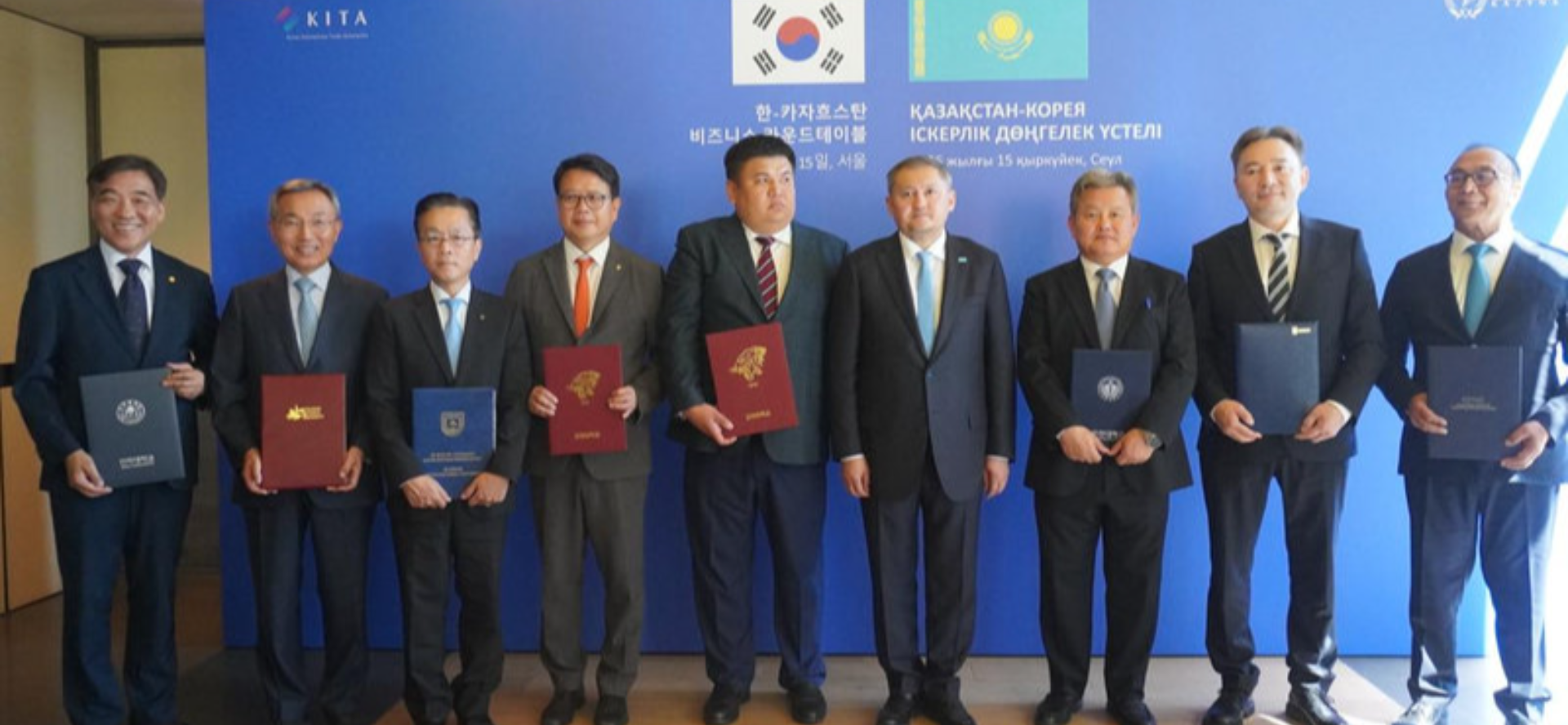
Kazakhstan and the Republic of Korea have signed a Memorandum of Understanding on industrial cooperation in rare metals during President Kassym-Jomart Tokayev’s state visit to South Korea and the Kazakhstan-Korea Business Summit in Seoul.

The partnership brings together KORAM, the Korea National Institute of Rare Metals of the Korea Institute of Industrial Technology (KITECH), and the Institute of Metallurgy and Beneficiation at Satbayev University as coordinating organizations.

“We seek to develop technologies that transform Kazakhstan’s resource potential into advanced processing capabilities, innovative materials, and new industrial expertise. This is precisely the role of a modern technical university: connecting science, industry, and international technology partnerships,” said Satbayev University Rector Meiram Begentayev.

A distinctive feature of the memorandum is the participation of major industrial companies from both countries. The Kazakh partners include Tau-Ken Samruk, Eurasian Resources Group (ERG), Kazzinc, Ulba Metallurgical Plant, Kazakhmys, Zhezkazganredmet, Tau-Ken Altyn, Phoenix Mining, and the Central Asian Institute for Environmental Research (CAIER). The Korean side is represented by 19 industrial companies, including Korea Zinc, LS MnM, TaeguTec, SeAH Changwon Integrated Special Steel, and COSMO AM&T.

The cornerstone of the partnership will be the Kazakhstan-Korea Rare Metals Centre, which is being established in Almaty. The Centre will serve as a long-term platform for joint research, technology development and testing, rare metals processing and recycling, technology transfer, and the commercialization of scientific developments. The memorandum also covers investment cooperation, specialist training, and the development of joint industrial projects.

The initiative will help Kazakh companies explore advanced Korean processing technologies and expand the production of higher-value-added materials domestically, while creating new opportunities for Korean companies to cooperate with Kazakhstan’s mining and processing industries.

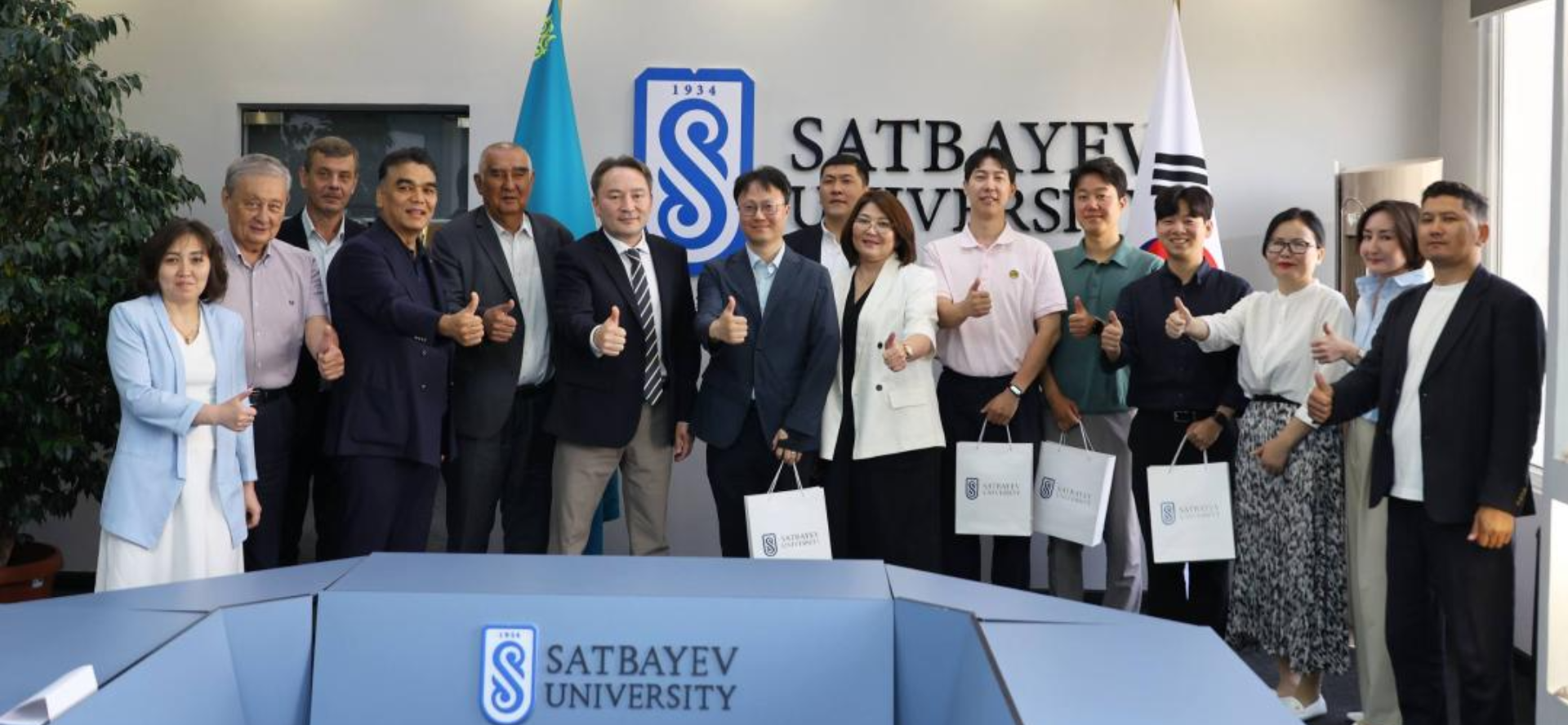
In July 2026, KITECH and KORAM specialists visited the Institute of Metallurgy and Beneficiation at Satbayev University to develop the technological concept and equipment requirements for the future Centre together with Kazakh scientists and engineers.

By combining Satbayev University’s scientific expertise, Korean technological capabilities, and the industrial resources of both countries, the Centre aims to advance innovative solutions for the electronics, battery, energy, and advanced materials sectors and support the development of Kazakhstan’s rare metals industry.

SU Launches New Prototyping Center

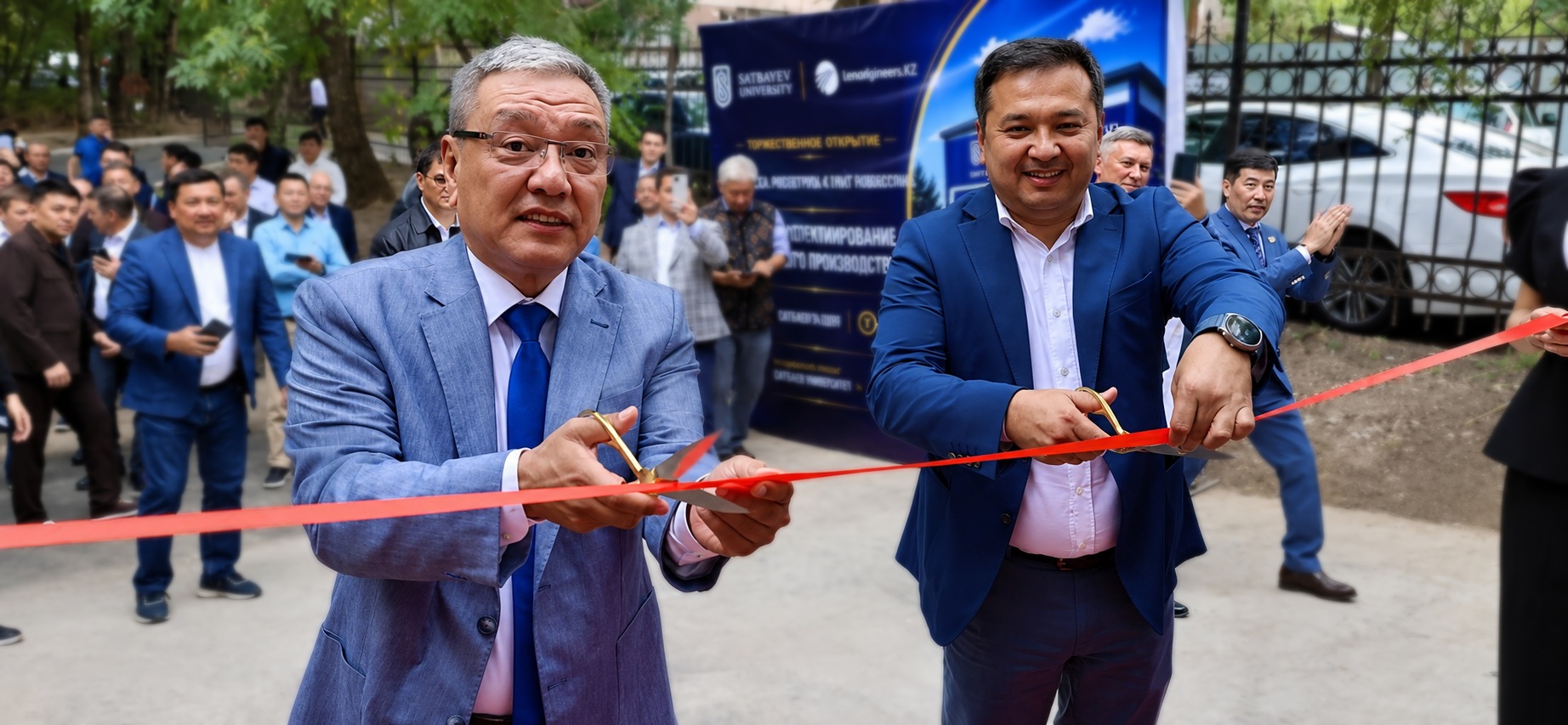
Satbayev University has officially opened its new Mechanical Prototyping & Pilot Production center – an advanced facility engineered to bridge the gap between digital concepts and physical manufacturing. Operating under a comprehensive “Idea to Product” framework, the center is to unify design, fabrication, and testing under one roof, allowing engineering projects to progress seamlessly from CAD/CAM models and technical documentation to functional prototypes, industrial samples, and small-batch production runs. Accommodating up to 100 students and researchers in its training and manufacturing zones, the facility offers a collaborative ecosystem where young innovators work alongside experienced mentors on real-world engineering challenges while scientists refine their own technologies into market-ready products.

The center’s manufacturing infrastructure is equipped for precision laser metal cutting, bending, forging, welding, and assembly, complemented by rigorous testing capabilities including environmental, climatic, tensile strength, and quality control assessments.

One of the facility’s flagship initiatives focuses on railway engineering through a joint project with LocoSystems KZ to manufacture brake blocks for rolling stock, an effort aimed at import substitution for critical components and advancing domestic competence in railway manufacturing. Maksat Kanatbaev, head of LocoSystems KZ and a SU alumnus, emphasized that the goal was to bring together science, education, business, and industry in a single space so that young researchers could bring their ideas to life right at the workbench.

In addition to student training, the center serves as a robust production base for university scientists to build prototypes, conduct tests, prepare technology for market deployment, fulfill commercial engineering orders, and produce pilot batches. Sapar Shalabaev, Vice-Rector of SU, underscored the core philosophy behind the facility, stating that a good engineering idea must be able to quickly transform into a working prototype and then into a real product, requiring equipment, competence, and an environment where a student or young researcher can try, make mistakes, and try again.

By combining engineering education, technological innovation, and industrial implementation, the Mechanical Prototyping & Pilot Production center creates a dynamic pipeline where student ideas become real physical products and scientific research achieves meaningful industrial application.

SU opens Kazakh-Korean Rare Metals Center

In a major boost to international scientific and technological collaboration, Kazakhstan is launching a landmark joint research hub dedicated to the processing of critical raw materials. Supported by the Ministry of Science and Higher Education of the Republic of Kazakhstan, the Kazakh-Korean Center for Rare and Rare-earth Metals is being established on the basis of the Institute of Metallurgy and Enrichment at Satbayev University, in direct partnership with the Korea Institute of Industrial Technology (KITECH) and the Korea National Institute of Rare Metals (KORAM).

During a recent high-level working meeting, leadership representatives from Satbayev University, KITECH, and KORAM outlined the key development phases of the project. Discussions centered on equipping the new center with state-of-the-art analytical and technological machinery, deepening joint scientific initiatives, and building an international framework for technology transfer.


Beyond advanced research, the center will serve as an educational and scientific hub for training highly qualified engineers and researchers in the rare metals sector. Kazakhstani scientists will gain direct access to modern experimental equipment, opening new avenues for applied R&D and international scientific exchange.


“Combining the scientific potential of Kazakhstan and the Republic of Korea will allow us to introduce modern technologies for processing strategic raw materials, expand scientific research, and train world-class specialists,” said Professor Meiram Begentayev, Rector of Satbayev University.

The new center is set to become Kazakhstan’s first full-cycle specialized platform dedicated to rare and rare earth metals. Its operational scope will encompass every stage of research and technological adoption:


  • Developing, testing, and scaling environmentally safe technologies to extract and produce pure and ultra-pure rare and rare earth metals.
  • Conducting comprehensive studies on mineral chemistry, extraction kinetics, and advanced material synthesis.
  • Running pilot trials to evaluate the commercial viability of novel processing technologies for both primary mineral ores and industrial technogenic waste (tailings and slag).


By combining research excellence, state-of-the-art laboratory infrastructure, and industry-aligned specialist training, the Kazakh-Korean Center will reinforce Kazakhstan’s standing as a reliable, high-tech global supplier of critical rare metals.

Kazakh Scientists Test Site Safety Tech

Satbayev University scientists successfully tested modern fiber-optic sensors that continuously monitor the technical condition of metal and concrete structures. As part of the scientific project, the effectiveness of an innovative monitoring system based on fiber Bragg gratings (FBG), designed to improve the engineering structures safety, was investigated and confirmed.

Research was carried out with the support of Science Committee at Ministry of Science and Higher Education of the Republic of Kazakhstan.

Project’s principal goal is to elaborate domestic technological solutions that allow real-time monitoring of the stress-strain state of metal and concrete structures. The created system makes it possible to detect changes in the condition of construction sites at an early stage and prevent possible defects and emergencies.

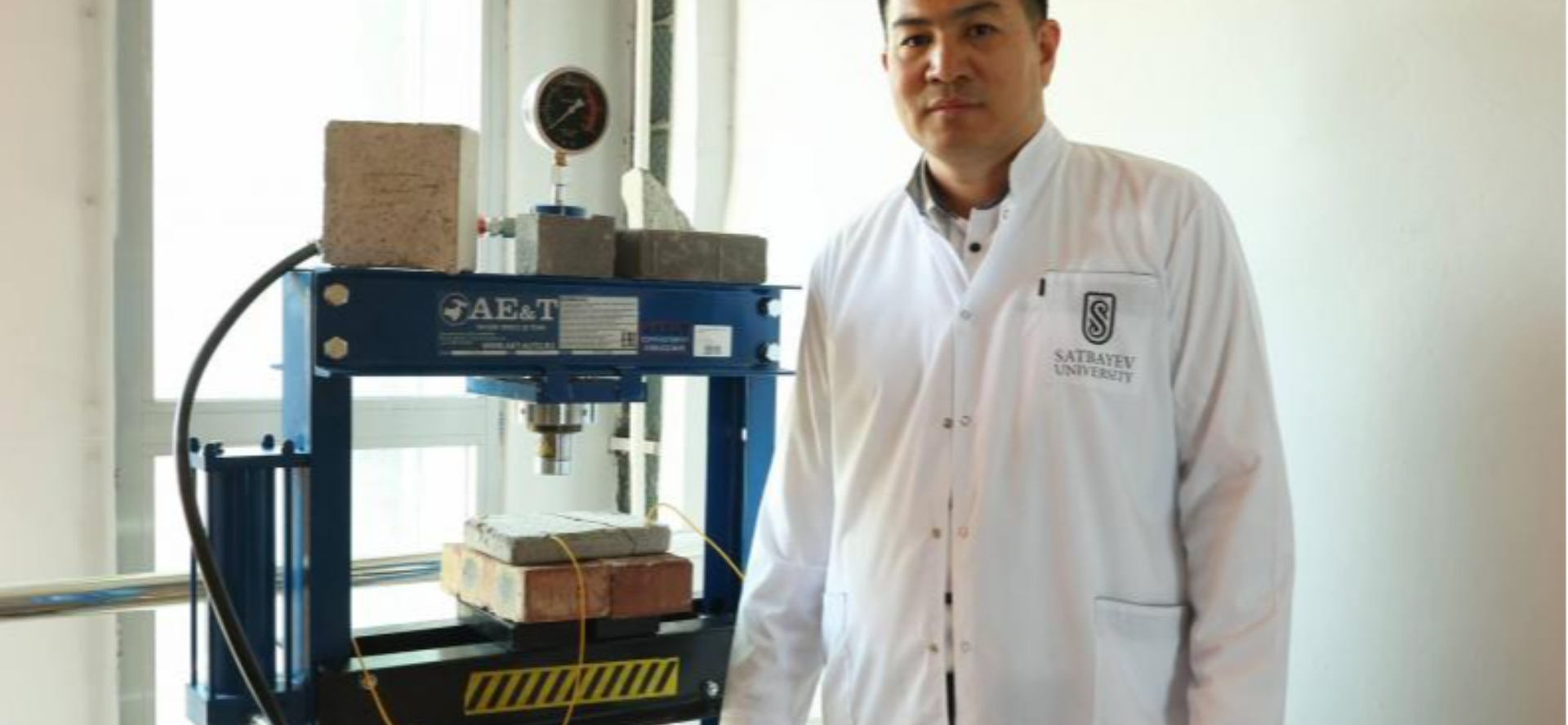
During the research, fiber-optic sensors were installed on metal and concrete samples and underwent comprehensive tests on the specially designed experimental stand. Scientists conducted a comparative analysis with traditional electric-strain-measuring methods and found that the new technology is highly accurate and reliable.

Test results showed that fiber-optic sensors are resistant to electromagnetic interference, corrosion and aggressive environments. This opens up wide opportunities for their use on bridges, tunnels, industrial facilities, residential complexes and transport infrastructure.

In line with the project manager, PhD, professor Nurzhigit Smaylov, fiber-optic monitoring systems make it possible to monitor the construction sites safety throughout their entire life.

“The given technology provides continuous monitoring of the structures condition, helps to identify defects in a timely manner and prevent emergencies. As a result, the reliability of facilities increases and operating costs decrease,” said Nurzhigit Smaylov.

One of the important results of the project was the formation of scientific and technical base for evolving the intelligent structural monitoring systems in Kazakhstan. Launch of such technologies not only increases the security of infrastructure facilities, but also provides economic benefits by reducing repair and maintenance costs.

In addition, the development of the given area contributes to creating the high-tech industries, training of engineering personnel and increasing the competitiveness of domestic scientific elaborations on the international market.

University undergraduates and doctoral students, who gained practical experience working with present-day measuring systems, actively participated in the project execution. Research results have been presented at international scientific conferences and published in scientific publications.

Scientific work was performed jointly with foreign partners. International cooperation has made it possible to use world best practices and improve the research quality. 

Project opens up new opportunities for ensuring safety in the construction and industrial sectors of Kazakhstan and once again confirms the national science’s high potential in engineering infrastructure digitalization sphere.

SU Opens Rail and Electronics Testing Lab

Satbayev University continues to evolve strategically important infrastructure projects that combine engineering education, applied science and real-world industrial challenges. “Baiganat” industrial certification testing center will become one of these projects, the given one is being created in Astana jointly with Scientific research center for complex transport problems. University is taking over the research base and training of engineering personnel, and SRC CTP will ensure that the project is linked to the transport sector’s practical needs.

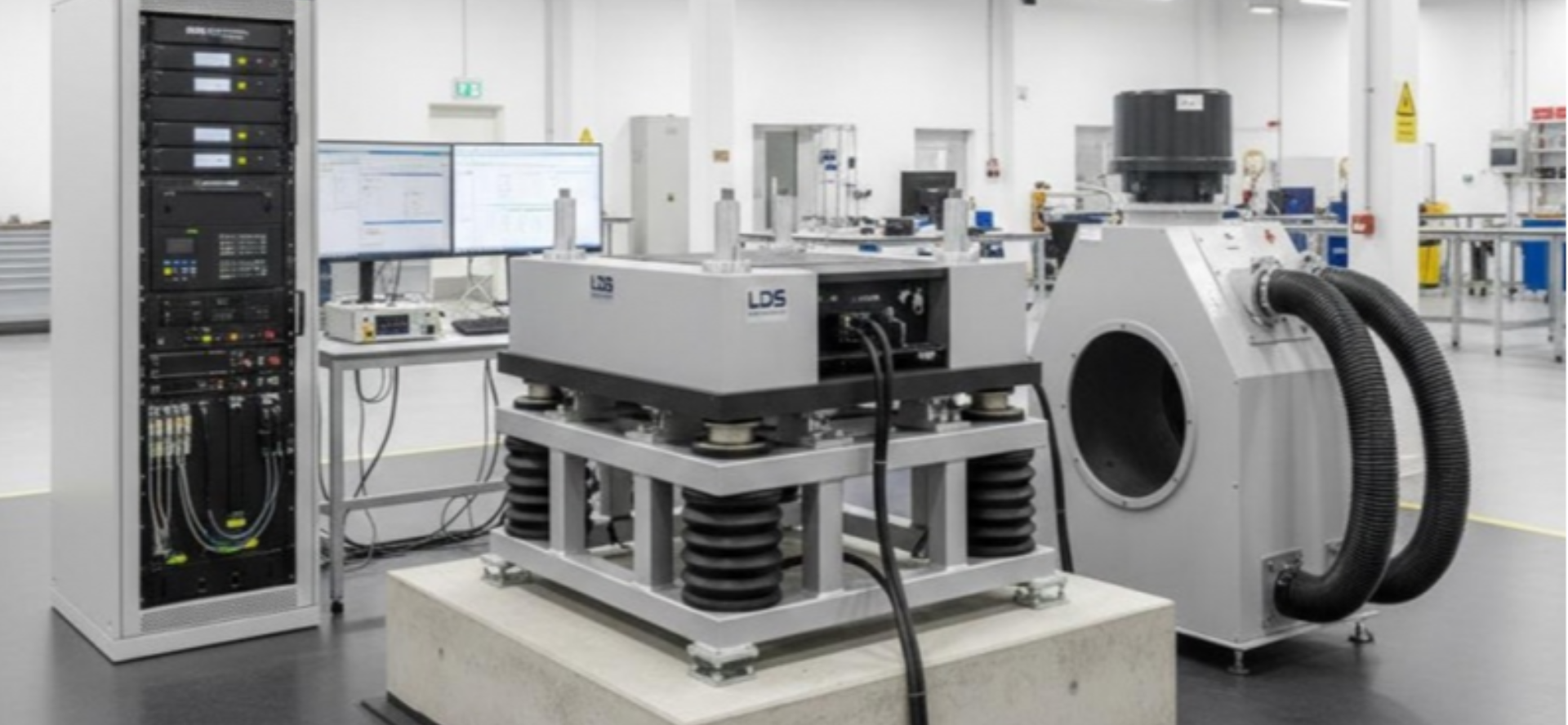
Laboratory will include four main areas: vibration tests, climate tests, IP dust and moisture protection tests, as well as tests of low-voltage and high-voltage electrical equipment. It will allow companies to confirm their products’ quality and safety in the shortest possible time, reduce dependence on foreign laboratories and help them enter new markets more confidently.

– Kazakhstan is currently experiencing the shortage of sites capable of performing a full cycle of tests for the railway, transport and medical industries, – said Raushan Aimagambetova, head of the branch of Mechanical engineering department at A. Burkitbayev Energy and Mechanical Engineering Institute in Astana. – Therefore, the new laboratory is designed not only to provide domestic manufacturers with the necessary testing base and significantly reduce the time required for testing, but also to make the process absolutely transparent. Transparency and results are our motto.

To ensure this, the laboratory will be equipped with the LIMS system. It is a software that integrates the key stages of the laboratory’s work into a single digital circuit: from receiving the samples and planning tests to recording the results, storing data and preparing reports. This is especially important for a laboratory that will work based on the logic of international requirements for the testing centers competence.

– We relied on present-day equipment from the world’s best manufacturers, such as Brüel&Kjær, Angelantoni Test Technologies, Chroma ATE, Siglent Technologies, Hioki, Sonel, HBK, Tunkia and Guildline Instruments,” said Rassul Tlegenov, the future head of the laboratory. – We also pay special attention to preparing the building so that the laboratory meets its purpose in all aspects.

In addition to its role as a national platform for scientific and technical support of railway and transport sector enterprises, “Bayganat” laboratory will become a competence center for students, undergraduates, doctoral students and young researchers. Center’s planned accreditation according to the international standard ISO/IEC 17025 will confirm the laboratory’s competence and form the basis for further cooperation with overseas universities, testing centers and industrial partners as well.

Satbayev University to hold EUSPN and ICTH

Satbayev University will officially host two premier international scientific milestones this autumn: the International Conference on Emerging Ubiquitous Systems and Pervasive Networks (EUSPN 2026) alongside the International Conference on Current and Future Trends of Information and Communication Technologies in Healthcare (ICTH 2026).

Scheduled to take place from October 28-30, 2026, on the university’s main campus in Almaty, Kazakhstan, these interconnected forums highlight Satbayev University’s growing stature as a regional hub for global research collaboration and technical innovation.

The upcoming 2026 conferences are strictly tailored around modern breakthroughs that are transforming industrial and social infrastructures. Key focus tracks will feature pioneering research in:

  • Artificial Intelligence & Intelligent Systems
  • The Internet of Things (IoT) & Pervasive Networks
  • Cybersecurity & Data Analytics
  • Digital Technologies in Healthcare Systems

By bridging the gap between theoretical science and industrial application, the events will establish an expansive networking landscape. Global scientists, technical researchers, institutional faculty members, students, and prominent enterprise leaders will converge to deliberate on prevailing technological trends and map out future cross-disciplinary breakthroughs.

The organizing committee warmly invites the international scientific community, academic institutions, and tech visionaries to submit their latest empirical data and project conclusions.

The strict deadlines for academic consideration are as follows:

  • Paper Submission Deadline (Final Extension): July 15, 2026
  • Notification of Peer-Review Results: August 21, 2026
  • Camera-Ready Final Paper Submission: September 18, 2026

The international academic community can direct inquiries, track abstract submissions, or request organizational details by contacting the program chair:

  • Contact Person: Dr. Elhadi Shakshuki
  • Institution: Acadia University, Nova Scotia, Canada
  • Official Correspondence: [email protected]

The foreign university’s branch has open

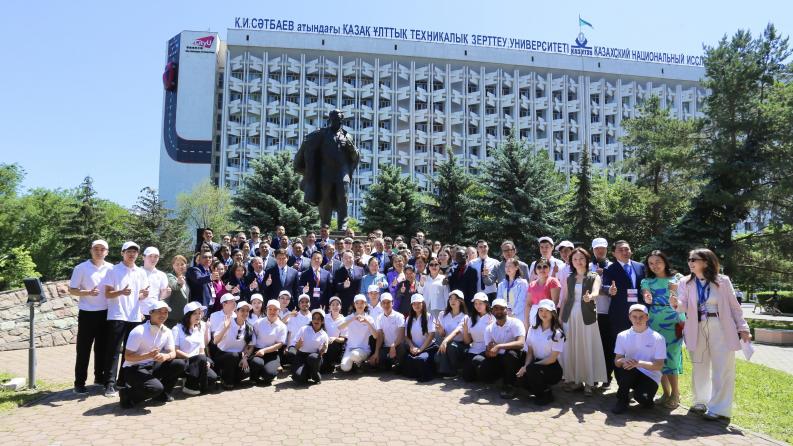
The first 100 Kazakhstani students started studying at one of the best universities in the world: the grand opening of the CityU Institute of Research and Innovation (CIRI) took place on the basis of Satbayev University. This is the first scientific and educational institute in Kazakhstan, created jointly with City University of Hong Kong, as part of executing the instruction of State’s Head Kassym-Jomart Tokayev to increase the number of foreign universities’ branches. The new institute will become a platform for cross-border scientific cooperation and world-class personnel training. This is the first City branch established outside of China, which marks an important milestone for both China and Kazakhstan.

“The opening of the foreign university’s branch at Satbayev University is part of a large-scale program of RK Science and Higher Education Ministry, which is aimed at improving the education quality and scientific research in Kazakhstan. Thanks to the support of the state, Kazakhstani students will have the opportunity to receive world-class education in world-class research centers such as CityU,” said Meiram Begentayev, Rector of Satbayev University.

The ceremony was attended by: Vice Minister of RK MSHE Dinara Shcheglova, Deputy Akim of Almaty Azamat Kaldybekov, Consul General of PRC Jiang Wei and other officials.

“Today we have opened not just a branch, we are creating a foundation for training global leaders and innovative scientists who are able to solve the fundamental problems of all mankind and contribute to the prosperity of both Kazakhstan and Hong Kong, as well as the entire global community,” said Michael Ngai, Chairman of CityU Board of Directors.

On the same day, the memorandum was signed between Satbayev University and CityU on launching the joint dual PhD program. This is the first such agreement between the university in Kazakhstan and a leading foreign university among the TOP 100 universities in the world.

“Congratulations on the official opening of the reputable foreign university campus in our glorious city. I am convinced that this step will open up new opportunities for Kazakhstani students to receive world-class education at leading universities such as CityU and Satbayev University. I believe that CIRI will serve not only as a research and innovation center, but also stimulate the introduction of new resource-saving and innovative developments into the city’s economy, as well as strengthen the position of the metropolis as a leading educational hub in the Central Asian region,” said Deputy Akim of Almaty Azamat Kaldybekov.

CityU is one of the fastest growing young research universities in the world, which in a short time won 62nd position in the QS ranking and 78th place in Times Higher Education ranking. According to Stanford University, more than 170 CityU faculty are among the top 2% of the most cited scientists in the world.

According to the previously signed strategic partnership agreement between the two universities, two-degree educational programs in Material Science, Computer Science (computer science with the focus on artificial intelligence) and Civil Engineering were launched in the “2+2” format for bachelor’s degree and “1+1” for master’s degree.

Studying at the branch gives Satbayev University students the opportunity to study entirely in English as part of the state grant from Science and Higher Education Ministry. The first 2 years of bachelor’s degree are held in Almaty, the remaining 2 years in Hong Kong, and PhD program participants will have a unique opportunity to train in the world’s leading laboratories together with global research teams while studying in Hong Kong.

The opening of CityU Institute of Research and Innovation at Satbayev University is an important step in executing the instructions of State’s Head and Concept of higher education and science development. The establishment of the branch of one of the world’s leading universities is aimed at developing the Kazakh higher education system, increasing its competitiveness through knowledge transfer, the introduction of world best practices and attracting international students.


Dry building mixes plant under construction

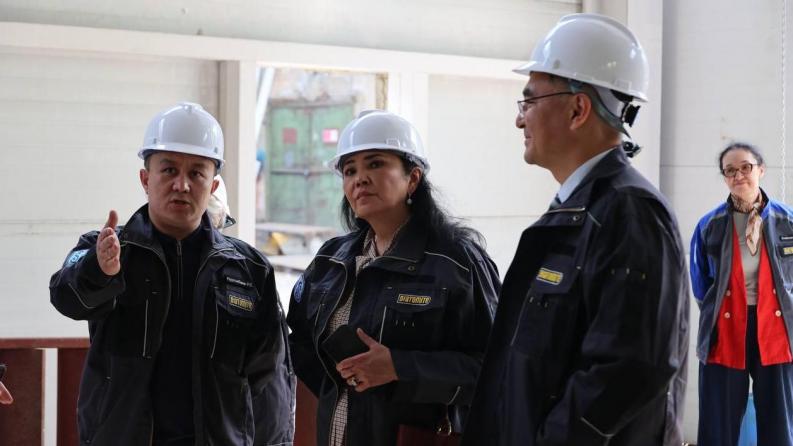
As part of the working meeting, Satbayev University Board of Directors visited DIATOMITE Scientific and production complex, a plant for producing dry building mixes, which is being built on STROYTECH Techno park territory.

The project is being implemented within the framework of “Integrated Development of Sustainable Construction Industry” program and is aimed at creating an industrial base according to the university’s scientific elaborations. It will produce dry building mixes, tiles and plaster adapted to the climatic conditions of Kazakhstan and modern construction standards.

DIATOMITE Research and production complex is one of the key projects of the university, which is already showing the first results: its own technologies have been developed, contracts for the supply of products have been signed, three spin-off companies have been created for the industrial implementation of scientific solutions, and STROYTECH techno park itself will become a center for training the specialists and scientific research in building materials field.

NATGEO Club was opened at Satbayev University

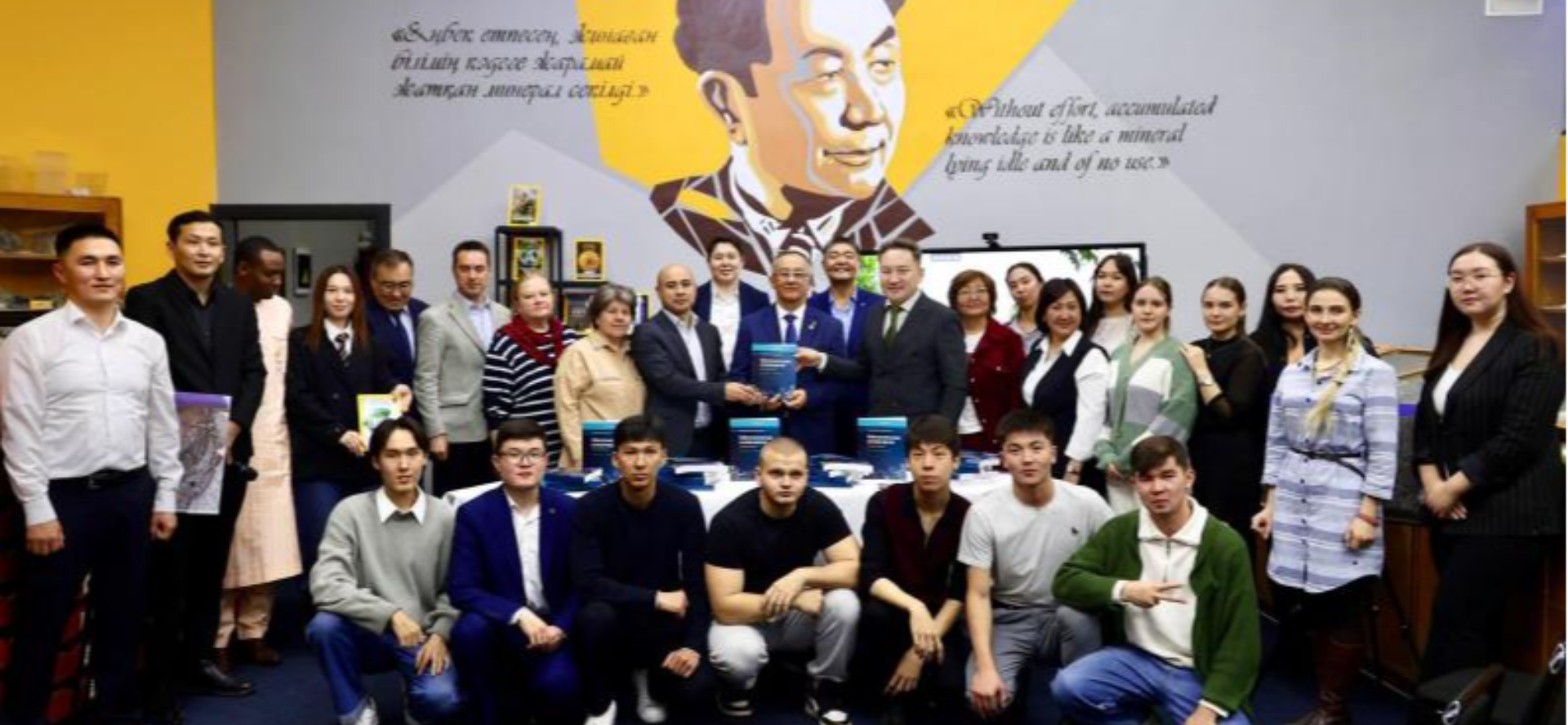
A ceremonial opening of the NATGEO Qazaqstan Club took place at Satbayev University, established in partnership with the editorial office of National Geographic Qazaqstan. This new student platform will serve as a unique space dedicated to promoting science, studying ecosystem sustainability, and implementing projects “from idea to public outcome.”

The new NATGEO Qazaqstan Club will continue work in ecology and sustainable development, including master classes and discussions, scientific projects, field research, and environmental initiatives conducted jointly with schools and youth communities.

“We expect that the NATGEO Qazaqstan Club will become one of the catalysts for developing students’ research, project, and media competencies in the field of sustainable development,” noted Satbayev University Rector Meiram Begentayev. “Undoubtedly, the initiative developed together with the Kazakhstani editorial office of one of the world’s most renowned magazines will inspire greater student engagement and stimulate the emergence of new projects in this critically important field.”

An important area of focus will be building partnerships with National Geographic Qazaqstan, environmental NGOs, research centers, and business organizations, enabling the creation of a sustainable platform for the development of student initiatives and the expansion of international cooperation.

Great attention will be paid to the rich natural heritage and cultural legacy of Kazakhstan, which aligns seamlessly with the mission of the NATGEO Qazaqstan Club. As is well known, National Geographic magazine, specializing in articles on geography, biodiversity, history, science, and culture, is traditionally accompanied by extensive photographic content. Continuing this tradition, the opening featured a photo exhibition that allowed guests to see Kazakhstan through the lenses of both renowned Kazakh photographers and talented students.

We hope that the NATGEO Qazaqstan Club will become a point of attraction for everyone who seeks to explore, preserve, and tell the story of the world around us, inspiring a new generation of students toward scientific discovery and responsible environmental stewardship.