Gastrodiplomacy FISIP USU for Leadership

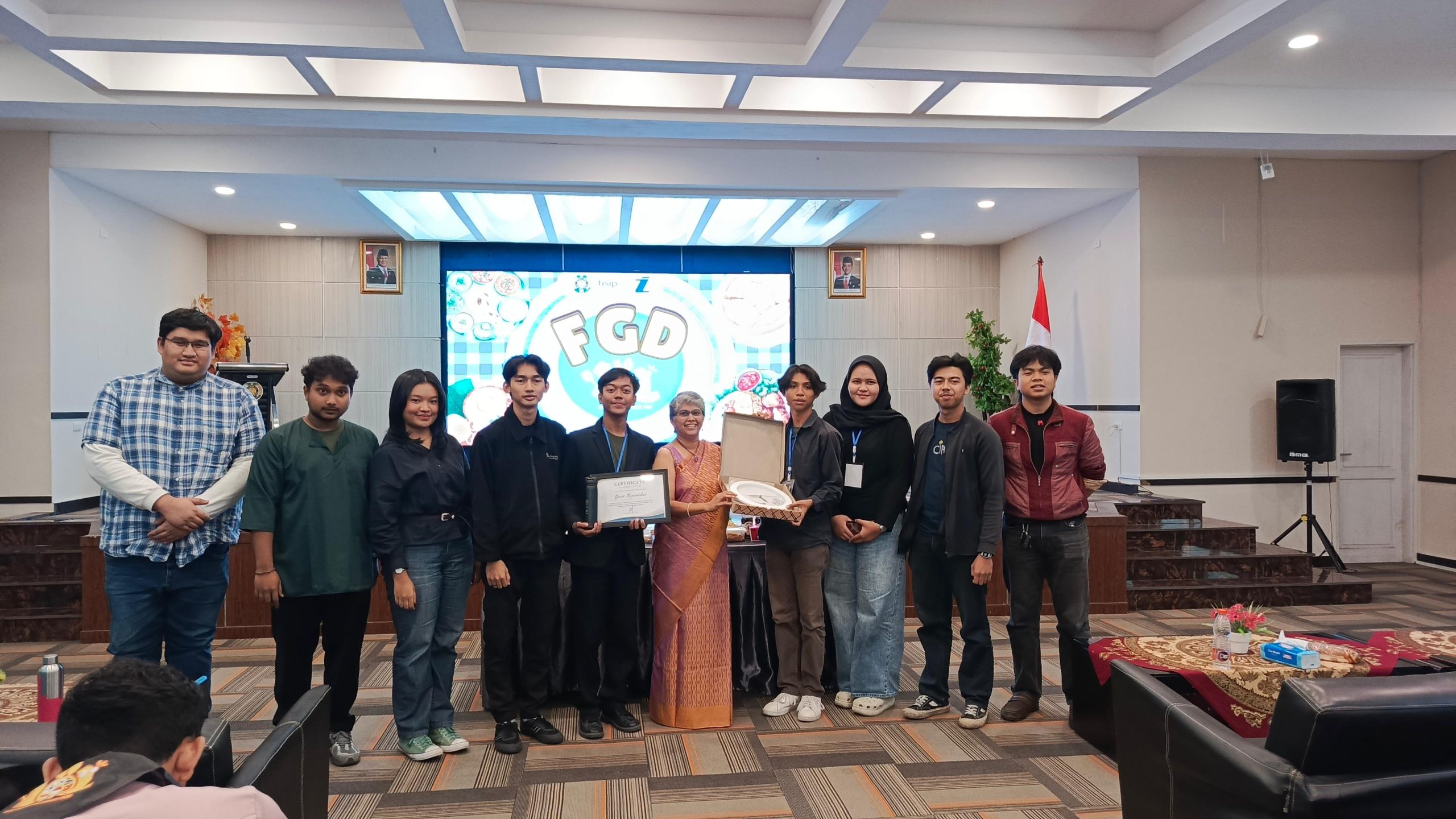
Students of Communication Science at Universitas Sumatera Utara organized a series of activities consisting of a Focus Group Discussion and Leadership Out Loud on 29th November 2025, highlighting gastrodiplomacy as a medium of cross cultural communication while strengthening student leadership capacity.

The activities explored gastrodiplomacy as a form of international communication that conveys national identity, values, and cultural narratives through food. This theme was considered relevant for Communication students as it demonstrates that messages are not only delivered through spoken or written language, but also through symbols, culture, and shared experiences.

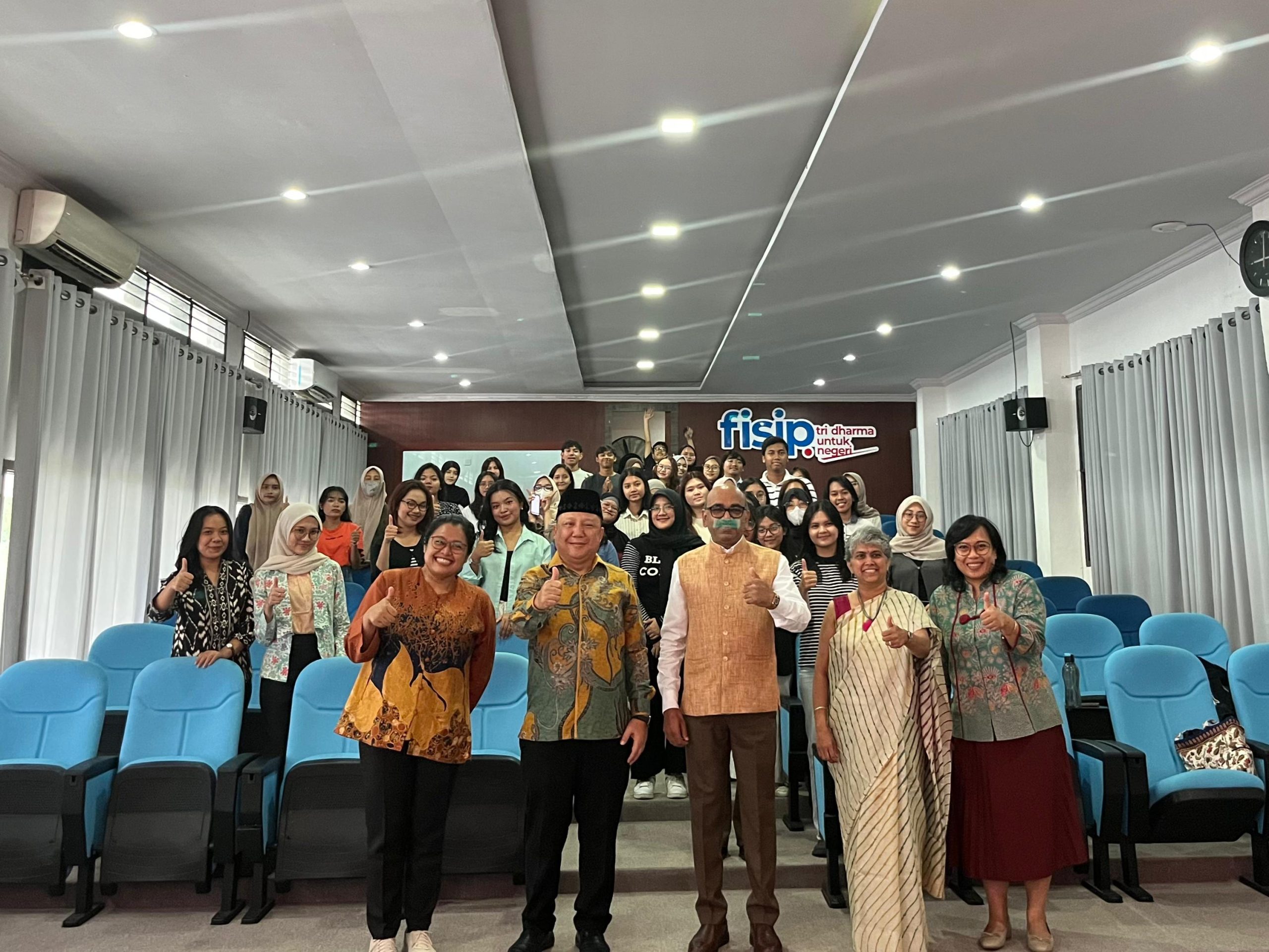
The discussion session, which involved the Consulate General of India in Medan, provided students with direct insights into cross cultural communication from a diplomatic perspective. Through this forum, participants gained a broader understanding of how communication functions as a bridge between nations and cultures, fostering mutual understanding and long term relations.

Complementing the discussion, Leadership Out Loud served as a practical space for students to apply communication and leadership values. The activity encouraged participants to make decisions, collaborate in teams, manage group dynamics, and respond to challenges collectively. It emphasized leadership as a skill developed through experience rather than theory alone.

The head of the organizing committee, M Khalish, explained that the program was designed to connect theoretical understanding with real world practice, enabling students to grasp global communication concepts while strengthening leadership and teamwork skills.

The initiative aligns with the Sustainable Development Goals, particularly SDG 4 on quality education through competency based learning, and SDG 17 on partnerships for the goals by promoting cross institutional and cross cultural collaboration.

Through this program, Communication Science students at Universitas Sumatera Utara are expected to further develop their awareness that communication extends beyond speaking and listening, encompassing understanding, collaboration, and leadership in a global context.

Four Scopus Papers Before Graduation

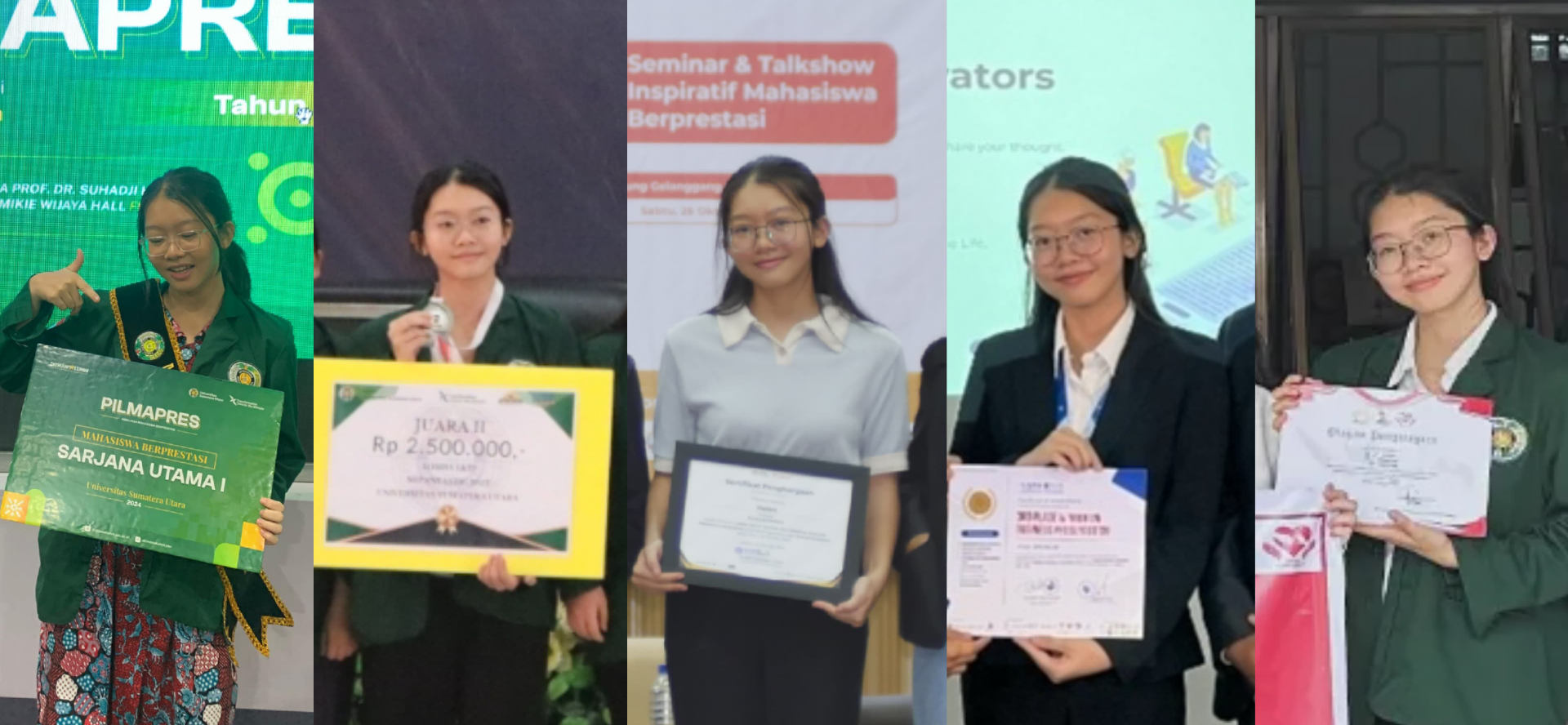
Publishing in a Scopus-indexed journal is widely regarded as one of the highest academic milestones, often achieved only after years of postgraduate study, extensive research experience, and deep immersion in scientific inquiry. For Helen, a graduate of the Faculty of Pharmacy at Universitas Sumatera Utara (USU), this achievement came much earlier than expected. Before completing her bachelor’s degree, she had already authored and co-authored four scientific articles published in reputable Scopus-indexed journals, an accomplishment that sets her apart as a young scholar who entered the global research arena far ahead of her academic stage.

Helen’s journey into the world of international publication began not from an established research background, but from a simple spark of curiosity. In the middle of her undergraduate program, she joined a research project led by her faculty lecturers. The project focused on the exploration of Indonesia’s natural resources and the development of herbal-based pharmaceutical products, an area rich in scientific potential but demanding rigorous methodological precision. What started as a small contribution gradually transformed into a deeper involvement as she proved her dedication and reliability.

Entering a laboratory environment filled with complex procedures and advanced instruments was initially intimidating. Helen had to learn techniques that were entirely new to her, adapt to structured data collection routines, and develop a sharp eye for scientific detail. However, each challenge strengthened her confidence. As her skills grew, so did the responsibilities entrusted to her. She became involved in literature reviews, data processing, and eventually in drafting sections of manuscripts destined for international journals. Her supervisors recognized her commitment and began to place her in more significant roles within ongoing research projects.

The process behind each of her Scopus publications involved intensive collaboration. Academic publishing rarely follows a straight line, and Helen experienced firsthand the non-linear path that every research paper must navigate. Manuscripts underwent multiple cycles of revision, and reviewer comments often required extensive reanalysis or additional experiments. For many young researchers, these critiques may feel discouraging, but Helen approached them as opportunities for growth. Every revision deepened her understanding of academic writing, methodological rigor, and the expectations of international journals.

Throughout her journey, she repeatedly highlighted the importance of strong academic relationships. For Helen, mentorship and professional networks were not supplementary elements of research—they were central. Good communication with lecturers and peers opened doors to opportunities she might otherwise never have encountered. When faculty members trusted her work ethic, they involved her in more advanced studies, expanding both her technical expertise and her exposure to scientific publication. This trust did not develop overnight; it was built through consistency, initiative, and a willingness to contribute whenever needed.

Despite the intensity of her research commitments, Helen did not isolate herself from campus life. She continued to take part in student activities and community initiatives, a balance she believes is vital for maintaining well-being and perspective. Engaging in activities beyond the laboratory kept her grounded and enriched her university experience. Her ability to balance demanding schedules demonstrated that excellence in research does not require sacrificing personal growth, but rather managing time with purpose and intention.

Helen’s four Scopus-indexed publications reflect more than academic competence. They embody her resilience, her willingness to learn from critique, and her belief in collaborative scholarship. Each article draws from Indonesia’s vast natural potential, showcasing how local biodiversity can contribute to global pharmaceutical research. Her achievements also highlight the value of involving undergraduate students in scientific work. Early exposure to research not only strengthens academic skills, but also encourages young scholars to see themselves as contributors to the wider scientific community.

To students who aspire to follow a similar path, Helen offers straightforward advice: start early, seek opportunities, and do not wait for the perfect moment. Progress, she believes, begins with taking the first step, however small. Her journey serves as a reminder that international publication is not an unattainable peak reserved for senior academics. With initiative, mentorship, and consistent effort, undergraduate students can also play a meaningful role in advancing knowledge.

Helen’s accomplishments demonstrate that academic excellence is defined less by age or academic degree and more by determination, curiosity, and openness to learning. Her story illustrates how impactful research begins not with expertise, but with the courage to participate. Through her four Scopus-indexed publications, Helen has shown that young researchers can shape scientific discourse—and that the path to global recognition often begins with a simple willingness to try.


FISIP USU: Academic Diplomacy on Campus

The presence of Assoc. Prof. Dr. Gauri Kopardekar, ICCR Chair Professor from Savitribai Phule Pune University, at the Faculty of Social and Political Sciences, Universitas Sumatera Utara (FISIP USU), demonstrates how academic activities can function as effective forms of cultural diplomacy. Her involvement in academic and cultural initiatives has positions the faculty not only as a learning environment, but also as a space for the exchange of meanings, values and perspectives across cultures, strengthening the university’s role in non-state diplomacy grounded in education and culture.

Within Communication Studies, particularly film studies, the activities facilitated by Dr. Kopardekar highlight audiovisual media as a tool for intercultural communication. Film is understood as a social text that represents culture, social relations and universal values; therefore, it can be analyzed critically in line with communication scholarship that views film not merely as entertainment, but as a medium that shapes perception, identity, and social understanding.

Through programs such as the Indian Movie Club, students interpret films through a cultural-communication lens, explore their social contexts, and reflect on parallels with Indonesian society. Post-screening discussions create space for equal intercultural dialogue while supporting the development of media literacy and cross-cultural sensitivity. In this process, cultural diplomacy emerges organically through narrative and visual storytelling, rather than through prescriptive, one-way initiatives. The programme also contributes to broader cultural understanding by preparing students to engage responsibly with global media and cross-cultural dialogue beyond the campus environment.

Reflecting on this approach, Farida Hanim, S.Sos., M.I.Kom., a lecturer in Communication Studies, explains:

“In communication studies, film holds a strategic position as a medium of cultural communication that not only conveys messages, but also shapes how audiences view social reality. Analytical engagement with film is therefore essential for opening dialogue across perspectives and cultivating critical sensitivity to representation, identity and power relations, especially in the context of Indian cinema, which once dominated Indonesian television.”

As ICCR Chair Professor, Dr. Kopardekar brings a cultural mandate that is closely integrated with academic practice. Her dialogic approach positions students as active participants in cultural communication, making the campus a dynamic meeting point of ideas and meanings rather than merely a venue for displaying foreign culture.

These engagements support the internationalisation of FISIP USU by providing contextual and globally oriented learning experiences. Students gain insight into other cultures while also reflecting on their own through the lens of communication and media. Collectively, these initiatives illustrate how cultural diplomacy on campus can be substantive, relevant, and sustainable.

Academic Rally Empowers Leaders

The Faculty of Social and Political Sciences at Universitas Sumatera Utara (FISIP USU) held its Academic Rally to mark the faculty’s 45th anniversary, under the theme “Critical, Creative, Collaborative: Young Leaders for the Nation.” The program brought together students, alumni, and professionals from diverse sectors, encouraging participants to reflect on leadership, resilience, and the role of young people in shaping social change.

The event featured a motivational session with Meutia Yulanda, Mobile Marketing Communications Officer for the Sumatra Area at Telkomsel. She encouraged students to remain persistent and purposeful in their academic journey, stating:

“I hope this event fuels your spirit… never give up and always stay true to your goals and dreams. Study earnestly and meaningfully so you can achieve what you aspire to after graduating from USU.”

Andi Renreng, Marketing Director of Xiaomi Indonesia, shared five professional principles he considers essential for students entering the workforce: aligned communication, purposeful over-communication, sharing information with full context, avoiding assumptions, and acknowledging the contributions of others. He framed these principles as foundations for success in fast-paced, collaborative professional environments.

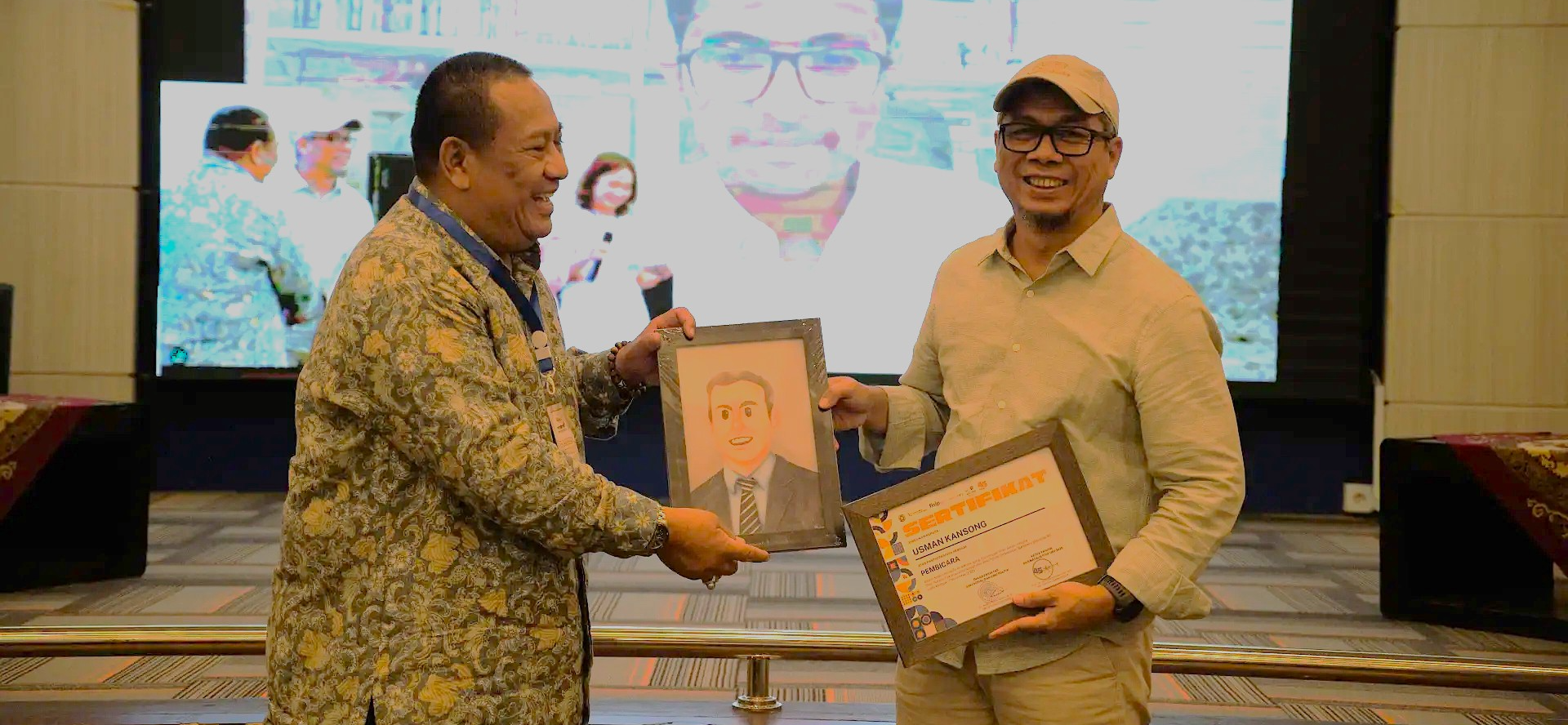
The programme also welcomed Usman Kansong, Special Staff to the Deputy Speaker of the People’s Consultative Assembly (MPR RI), and Mhd. Fadli, Founder of Satu Atap Communication, who attended on site. Alumni contributors joined virtually, including Doley Tobing, Fashion Stylist, and Iqbal Damanik, Climate & Energy Campaign Manager at Greenpeace Southeast Asia, enabling a dynamic exchange covering marketing, creative media, environmental communication, and public policy.

Throughout the event, students demonstrated strong engagement, actively asking questions and sharing perspectives on how critical thinking, creativity, and collaboration can be applied in real-world contexts. The discussions highlighted the synergy between universities, alumni networks, and professional communities in shaping young leaders who are adaptive, innovative, and socially responsible. This programme also had a tangible impact beyond the classroom, equipping students with skills, perspectives, and professional connections that they can apply in their future careers and wider societal contributions.

Through the Academic Rally, FISIP USU reaffirmed its commitment not only to academic excellence but also to fostering character development, creative capacity, and cross-sector collaboration. The program underscored that Indonesia’s young generation is ready to contribute actively to socio-political development and national transformation.

USU and India Foster Exchange

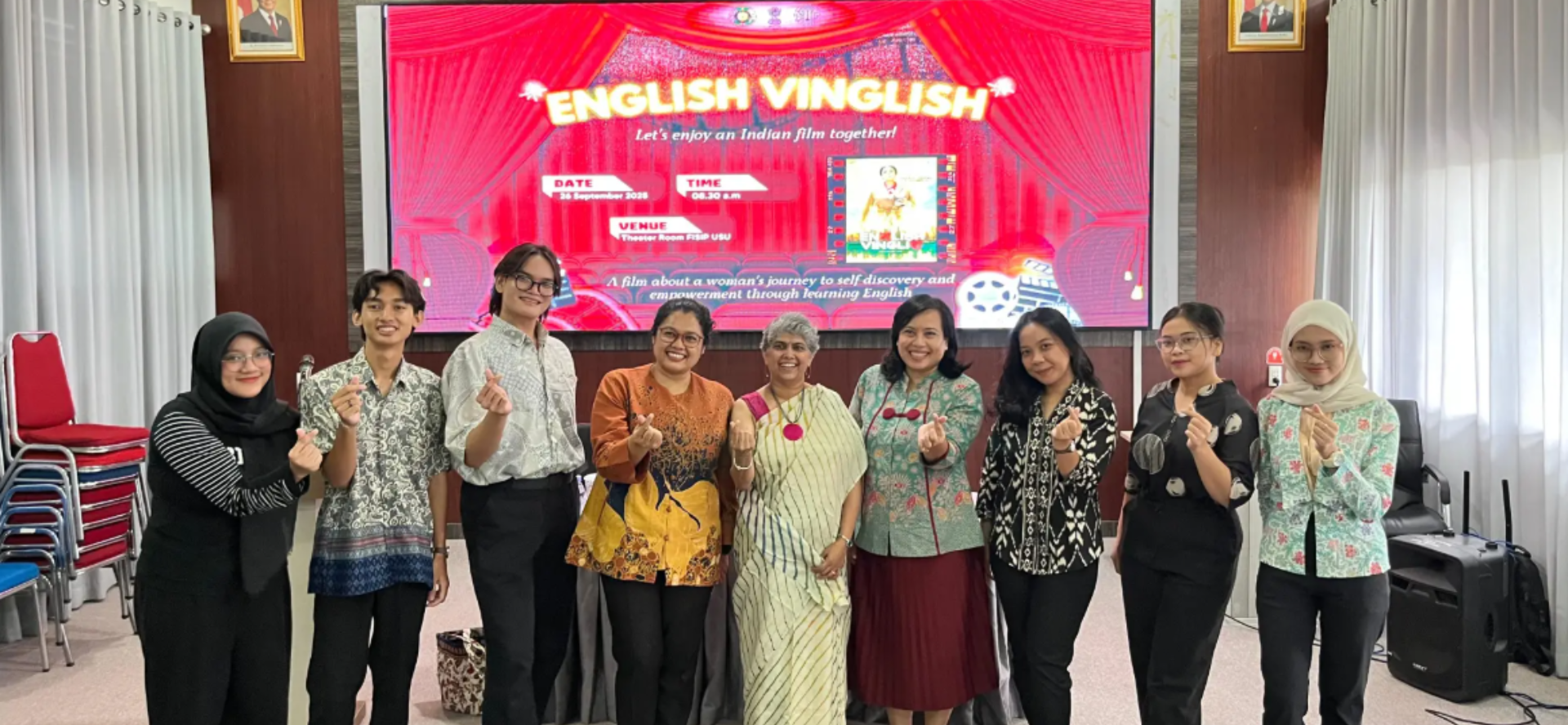
Faculty of Social and Political Science of Universitas Sumatera Utara (FISIP USU) strengthened its international cultural engagement through a collaboration with the Consulate General of India in Medan. The event featured the screening of the acclaimed Indian film English Vinglish on September 26, 2025, at the FISIP Theater Room, attended by Consul General H.E. Ravi Shanker Goel, Dean of FISIP USU Dr. Hatta Ridho, S.Sos., MSP., and students from the Department of Communication Science.

The activity aimed to introduce students to Indian culture and cinema while fostering a shared appreciation of cultural diversity. The Consul General highlighted that film is not only a medium of entertainment but also a reflection of society, values, and traditions. Through this initiative, the Consulate General of India hopes to build stronger people-to-people ties with Indonesia, especially among young generations who will shape future collaboration between both nations.

The film English Vinglish tells the story of a woman’s determination to overcome language barriers and regain self-confidence by learning English. Its universal message on perseverance, self-respect, and empowerment resonated with students, sparking discussions on cultural identity and personal growth.

The event also served as a platform to promote educational exchange opportunities. The Consul General shared information on scholarship programs provided by the Government of India for Indonesian students pursuing undergraduate, postgraduate, and doctoral studies. This gesture reflects India’s long-standing commitment to fostering educational cooperation and academic mobility within the region.

FISIP USU and the Consulate General of India plan to continue their collaboration by hosting monthly film screenings featuring Indian cinema throughout the semester. Each screening will highlight a different aspect of India’s culture, society, and creativity, offering students a broader global perspective while enhancing the faculty’s international visibility.

This partnership aligns with the Sustainable Development Goals (SDGs), particularly Goal 4 (Quality Education) and Goal 17 (Partnerships for the Goals), by promoting cultural learning and global partnerships. For FISIP USU, such initiatives contribute to building an academic environment that is globally connected, culturally inclusive, and supportive of student growth through meaningful international engagement.

Preserving Geopark Kaldera Toba

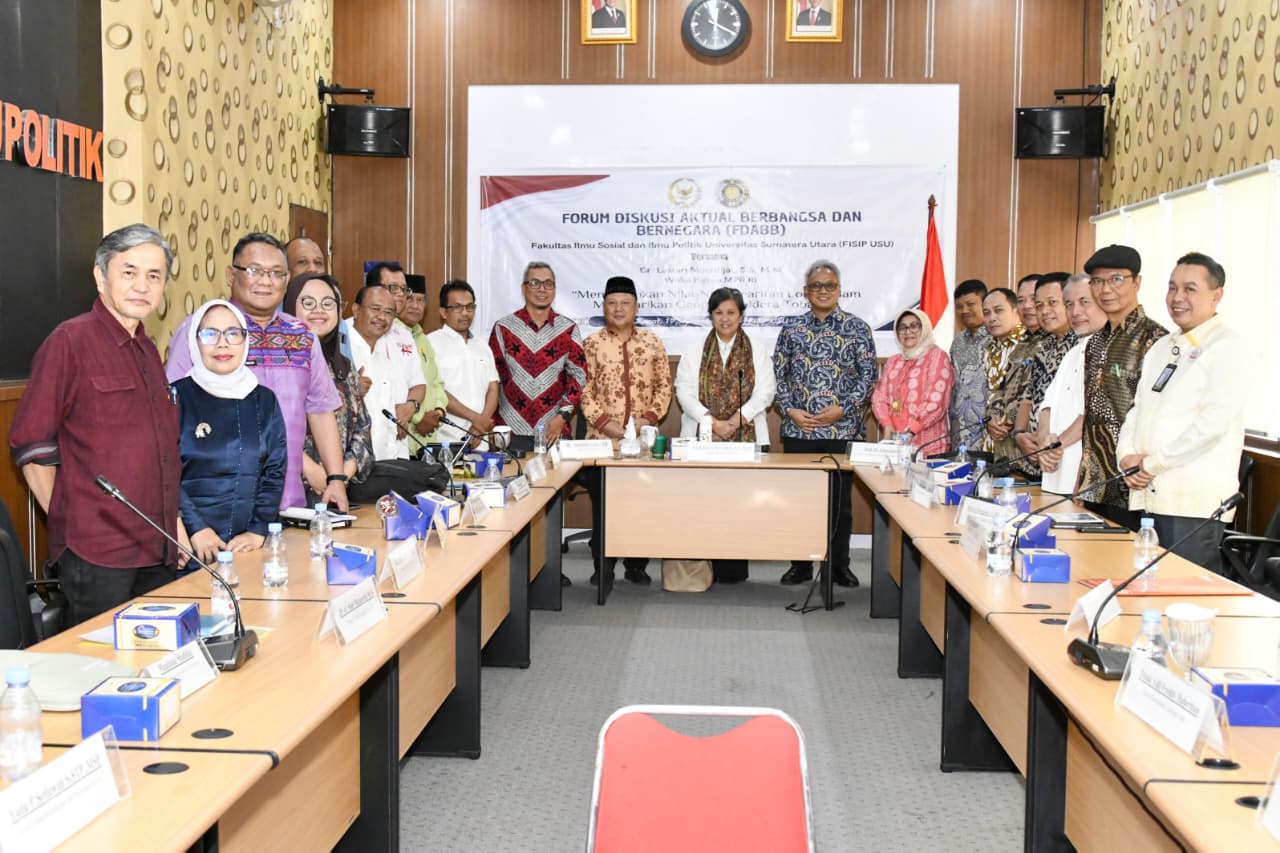
The Geopark Kaldera Toba (GKT) became the focal point of the Forum Diskusi Aktual Berbangsa dan Bernegara (FDABB) a National Dialogue Forum organized by the People’s Consultative Assembly of the Republic of Indonesia (MPR RI) in collaboration with the Faculty of Social and Political Sciences, Universitas Sumatera Utara (FISIP USU) on Friday, September 19, 2025. Carrying the theme “Affirming the Values of Local Wisdom in Preserving the Geopark Kaldera Toba,” the forum emphasized the significance of Batak cultural values as a foundation for sustainable geopark management.

Held at the FISIP USU Executive Meeting Room, the event brought together key figures from local government, academia, and civil society organizations. Among the attendees were Samosir Regent Vandiko Timotius Gultom, Head of the North Sumatra Office of Culture and Tourism Yuda P. Setiawan, representatives from the North Sumatra Environmental Agency, the Kaldera Toba UNESCO Global Geopark Management Agency, as well as scholars from various disciplines within USU.

The forum was attended in person by Deputy Speaker of the MPR RI, Dr. Lestari Moerdijat, S.S., M.M., who highlighted the importance of synergy among communities, government, and academia in maintaining the sustainability of the Lake Toba region.

Although the Geopark Kaldera Toba has now received a Green Card from UNESCO, we must continue strengthening collaboration so that the geopark remains connected to the surrounding communities,” said Dr. Lestari Moerdijat.

This discussion followed UNESCO’s previous issuance of a “yellow card” to the Geopark Kaldera Toba in 2023 due to weak community engagement, environmental preservation, and cultural reinforcement. Although the status improved to a “green card” in 2025, stakeholders acknowledged that consistency and cross-sectoral collaboration remain the key to sustainable management.

Local wisdom within the Batak community such as the Dalihan Na Tolu philosophy that emphasizes social balance and reverence for ancestral lands was recognized as vital social capital. These values are not merely cultural heritage but also serve as instruments for environmental conservation.

The Geopark Kaldera Toba should be approached through the social field perspective as a space of contestation and positioning. It must be understood as a shared space for all ethnic groups surrounding the lake, rather than being perceived solely as belonging to the Batak Toba,” stated Dr. Fikarwin, M.A., Anthropology lecturer at FISIP USU.

This perspective reinforces that the management of the Geopark Kaldera Toba should not only focus on environmental and tourism aspects, but also ensure the inclusion of all ethnic groups around the lake as part of an equitable social space. In line with this, several academics stressed the need to ensure that indigenous communities are not merely symbolically involved, but genuinely integrated into policies and management practices.

The ITMP Kaldera program aims to integrate both environmental and social aspects of the communities surrounding Lake Toba. There needs to be a proper screening of indigenous communities. Around Samosir, cultural heritage remains alive, but it is not yet fully incorporated into village governance and other local systems,” explained Dr. Muba Manihuruk, M.Si., Sociology lecturer at FISIP USU and researcher for the National Tourism Strategic Area (KSPN).

Beyond addressing the challenges of modernization and mass tourism which risk eroding cultural values the forum also formulated several key recommendations. These include strengthening local wisdom within geopark management policies, promoting culture-based community empowerment, and following up through collaborative research, academic publications, and community engagement programs.

By involving diverse stakeholders, the FDABB is expected to help maintain the Geopark Kaldera Toba’s status as part of the UNESCO Global Geopark Network, while also ensuring that it becomes a source of sustainable prosperity for the surrounding communities.

FISIP USU Supports Local Coffee Growth

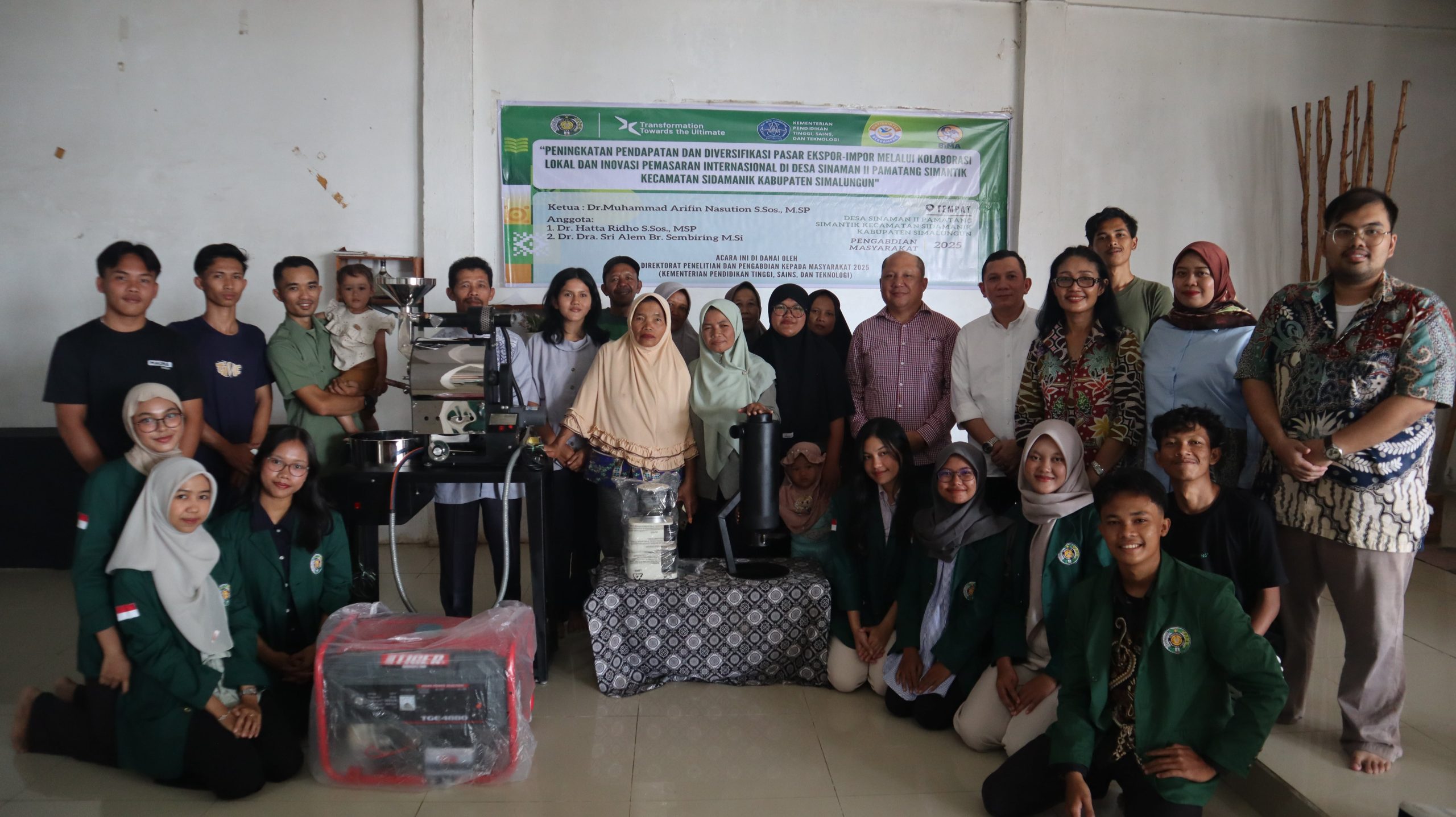
From village fields to international markets, the Faculty of Social and Political Sciences (FISIP) of Universitas Sumatera Utara (USU) is helping coffee farmers in Desa Sinaman II, Sidamanik, Simalungun, improve product quality and expand global opportunities. Despite rich potential in coffee, horticulture, and local crafts, farmers face limited income due to traditional production methods and restricted market access. This initiative showcases how social science knowledge can create tangible community impact.

The program blends hands-on training, technology adoption, and mentoring. Farmers learn Good Agricultural Practices and operate modern equipment, including electric grinders and compact roasters with three-kilogram cooling airflow. These tools are expected to boost daily coffee production from fifty kilograms to between one hundred and one hundred fifty kilograms, while technical and machine handling skills increase by forty to fifty percent.

Business management is strengthened through coaching in financial recording, cost planning, organization, and marketing strategies. Digital marketing, attractive packaging, and identification of local and international markets extend the reach of Sinaman II coffee beyond traditional boundaries.

The initiative is led by M. Muhammad Arifin Nasution, Hatta Ridho, Sri Alem Br. Sembiring, Hafizhah Salsabila Harahap, and Nuri Jannaturrahmi Tambusai, with Desa Sinaman II as the main partner and technical support from the Tebing Tinggi Agriculture Department. Running from April to November, the project aims to increase farmers’ income, enhance product quality, and strengthen global competitiveness.

The program contributes directly to the United Nations Sustainable Development Goals, supporting poverty reduction (SDG 1) through higher income, sustainable agriculture (SDG 2) with improved farming practices, and decent work and economic growth (SDG 8) via entrepreneurial skills and market expansion. By integrating these goals, the project fosters social, economic, and environmental sustainability.

For the Faculty of Social and Political Sciences Universitas Sumatera Utara, the program highlights the application of academic knowledge in real-world community development. Students gain practical experience, leadership skills, and opportunities to implement theory, bridging education with meaningful social impact. This initiative sets a model for sustainable development while helping Sinaman II coffee farmers thrive in global markets.

Coalition for Justice

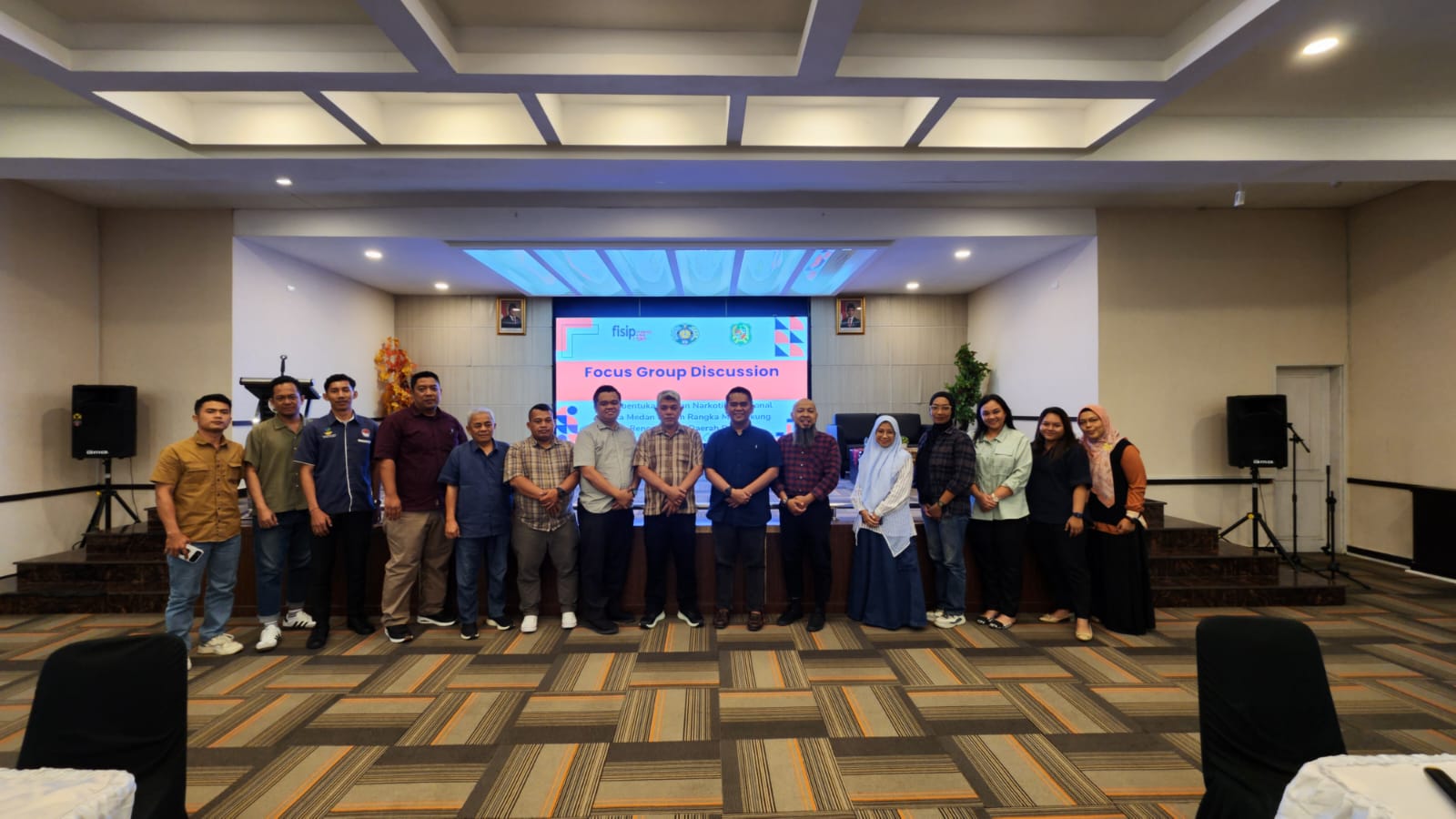
The Faculty of Social and Political Sciences, Universitas Sumatera Utara (FISIP USU), hosted a meeting of the Civil Society Coalition in Medan, bringing together 18 organizations committed to advancing restorative justice in narcotics-related cases. The forum underlined that collaboration among universities, professional associations, and grassroots organizations can create more humane and effective alternatives to punitive approaches.

The event was organized in partnership with the Indonesian Addiction Counselors Association (IKAI) North Sumatra, Yayasan Karisma, Yayasan Galatea, and the Social Welfare Study Program of FISIP USU, with support from the Elton John AIDS Foundation. A wide range of organizations including LBH Medan, PUSAKA Indonesia, Yayasan Medan Plus, and Yayasan Rumah Harapan Sehat took part, reflecting the coalition’s inclusive and diverse character.

Structured around plenary presentations and Focus Group Discussions (FGDs), the forum encouraged participants to exchange insights and develop practical strategies. From these discussions, three main priorities were identified: strengthening the coalition’s institutional capacity, improving documentation of restorative justice practices carried out by the police, and building sustainable advocacy frameworks that ensure long-term collaboration.

One FGD sparked particular interest by proposing the establishment of a Medan City branch of the National Narcotics Agency (BNN). Developed in cooperation with the Medan Regional Research Agency (BRIDA) and FISIP USU, the idea was viewed as an important opportunity to enhance local capacity in addressing narcotics issues through prevention, law enforcement, and rehabilitation programs.

Participants also emphasized that restorative justice should be seen not only as a legal mechanism but also as a pathway to broader social justice. They highlighted that this approach is more effective in repairing relationships between offenders, victims, and communities, while also reducing the recurrence of minor narcotics offenses. Such perspectives demonstrate a growing awareness that justice systems must be adapted to social contexts rather than relying solely on punitive measures.

The meeting concluded with a shared commitment to build stronger, more systematic, and sustainable cooperation between civil society organizations and law enforcement agencies. Participants expressed optimism that the outcomes of this forum will help shape a justice system that is legally sound, socially responsive, and rooted in values of fairness, inclusivity, and humanity.

By positioning restorative justice within both legal and social frameworks, the coalition seeks to advance reforms that not only address narcotics cases more effectively but also strengthen community resilience and compassion in the long run.

USU and UINSU Preserve Mangroves

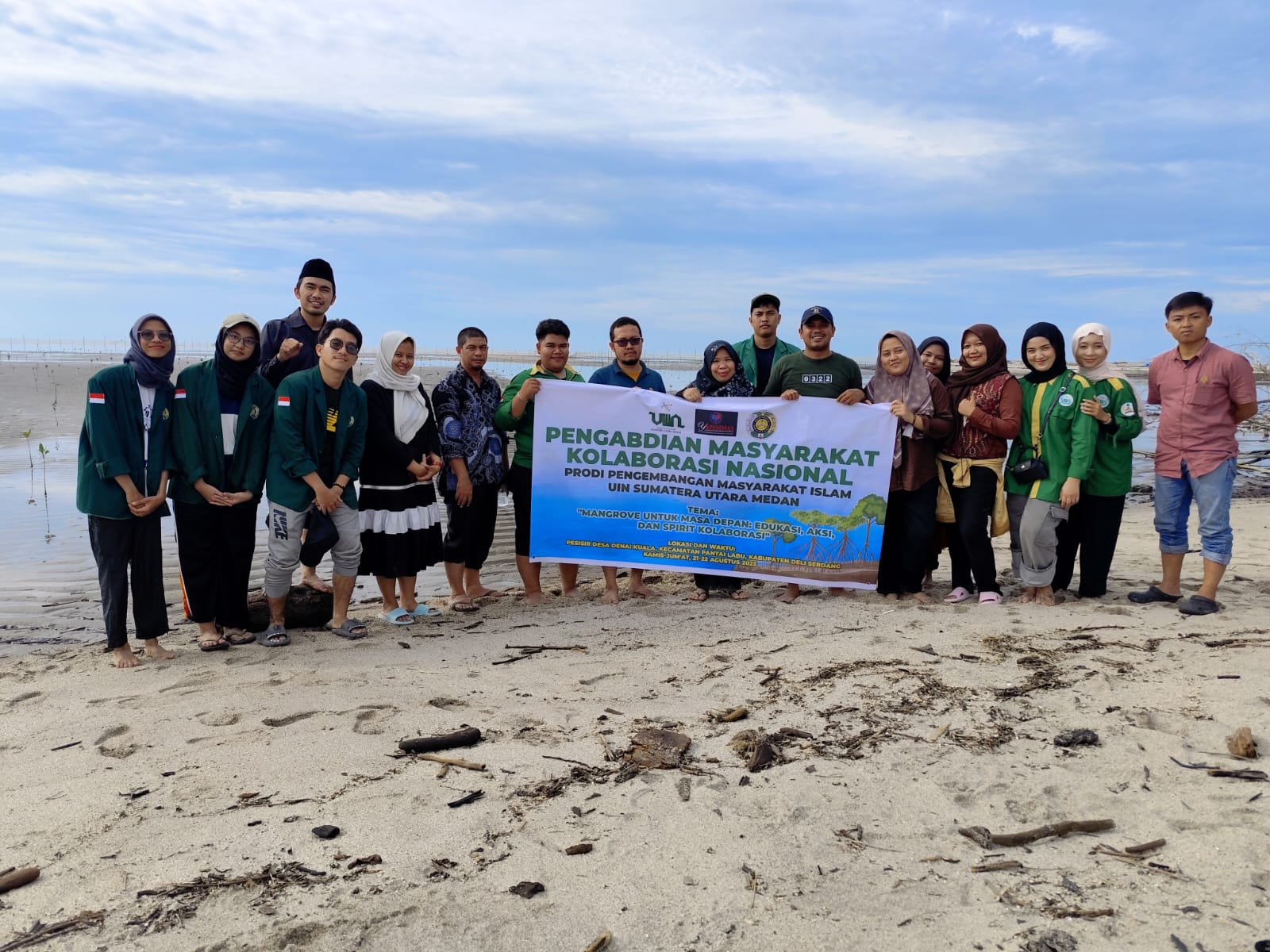
Universitas Sumatera Utara (USU) through the Faculty of Social and Political Sciences carried out a community engagement program in collaboration with Universitas Islam Negeri Sumatera Utara (UINSU). The initiative focused on mangrove rehabilitation in the coastal area of Denai Kuala, Deli Serdang, North Sumatra. The activity contributes to the achievement of Sustainable Development Goal 13 on climate action and Goal 14 on life below water.

The program was coordinated by the Social Welfare Study Program of FISIP USU together with the Islamic Community Development Study Program of UINSU. Faculty members and students from both universities joined local community group pk. KEPLING to conduct socialization, environmental education, and the planting of 100 mangrove seedlings on Pulau Oong.

The activity began with an introduction from the leader of pk. KEPLING, who explained the ecological functions of mangroves in preventing coastal abrasion and supporting marine biodiversity. After the session, participants planted mangrove seedlings in designated areas. Despite heavy rain during the journey to the site, the activity continued with strong participation and commitment.

For students, the program provided a direct learning experience by combining academic knowledge with practical action. The collaboration between USU and UINSU encouraged them to engage with real issues of community empowerment and environmental preservation. It also nurtured awareness and responsibility toward sustainable development among young scholars.

The mangrove seedlings planted are expected to grow within three to five years and strengthen the coastal ecosystem of Denai Kuala. Beyond the ecological impact, the program highlighted the importance of university partnerships in addressing social and environmental challenges.

This initiative reflects FISIP USU’s continuous commitment to impactful community engagement. By working with partner institutions and local communities, the faculty demonstrated its role in advancing knowledge that benefits society and the environment while motivating students to contribute actively to sustainable futures.

USU Creates Impact in Remote Regions

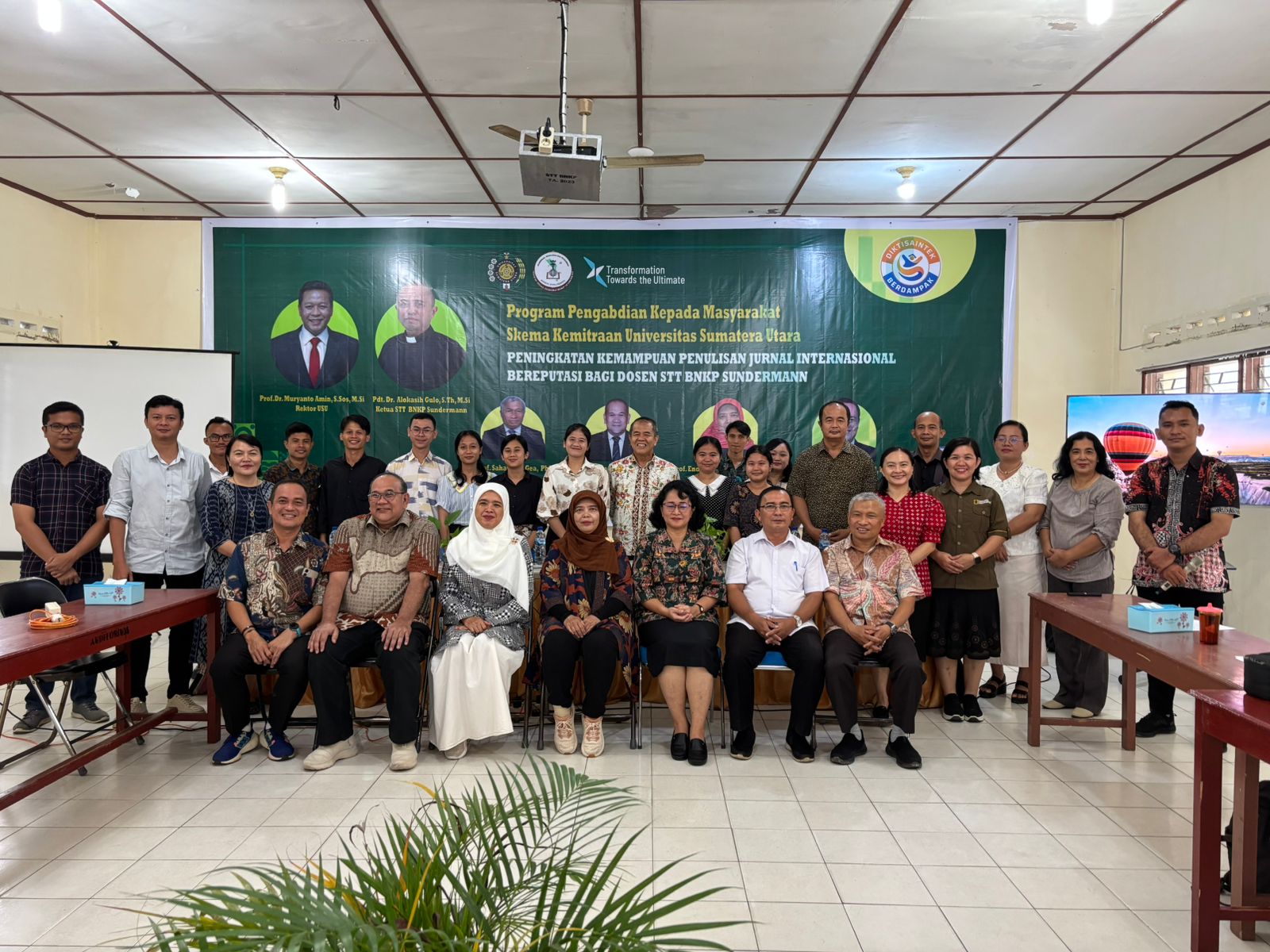
The Indonesian Ministry of Education has introduced an “impact-driven education” policy, requiring all higher education institutions to demonstrate tangible benefits through their activities. In line with this directive, five lecturers from Universitas Sumatera Utara (USU) carried out a capacity-building program for lecturers in remote areas of North Sumatra.

The program took place on Nias Island, which can only be reached by a one-hour flight, or an eight-hour land journey followed by an eight-hour sea trip. The USU delegation conducted training sessions and workshops for more than 100 lecturers from Universitas Nias and Sundermann Theological Seminary.

The five lecturers included Prof. Endang Sulistya Rini, Prof. Dr. Yeni Absah, Prof. Dr. R. Hamdani Harahap, Prof. Saharman Gea, and Dr. Fotarisman Zaluchu. The intensive training was held on August 7–8, 2025.

“This initiative will continue through collaboration with Universitas Sumatera Utara, ensuring that the university’s impact becomes increasingly significant,” said Prof. Saharman.