Sogang Taking the Lead in Sustainability

Sustainability is no longer an optional virtue for higher education; it is an imperative. Grounded in its identity as a Jesuit university, Sogang University has responded to this challenge not with rhetoric, but by constructing a cohesive ecosystem that links campus life, community engagement, cutting-edge research, and graduate education. By integrating the efforts of students, faculty, and practitioners, the university demonstrates how institutional missions rooted in social responsibility can be aligned with the concrete demands of a sustainable future.

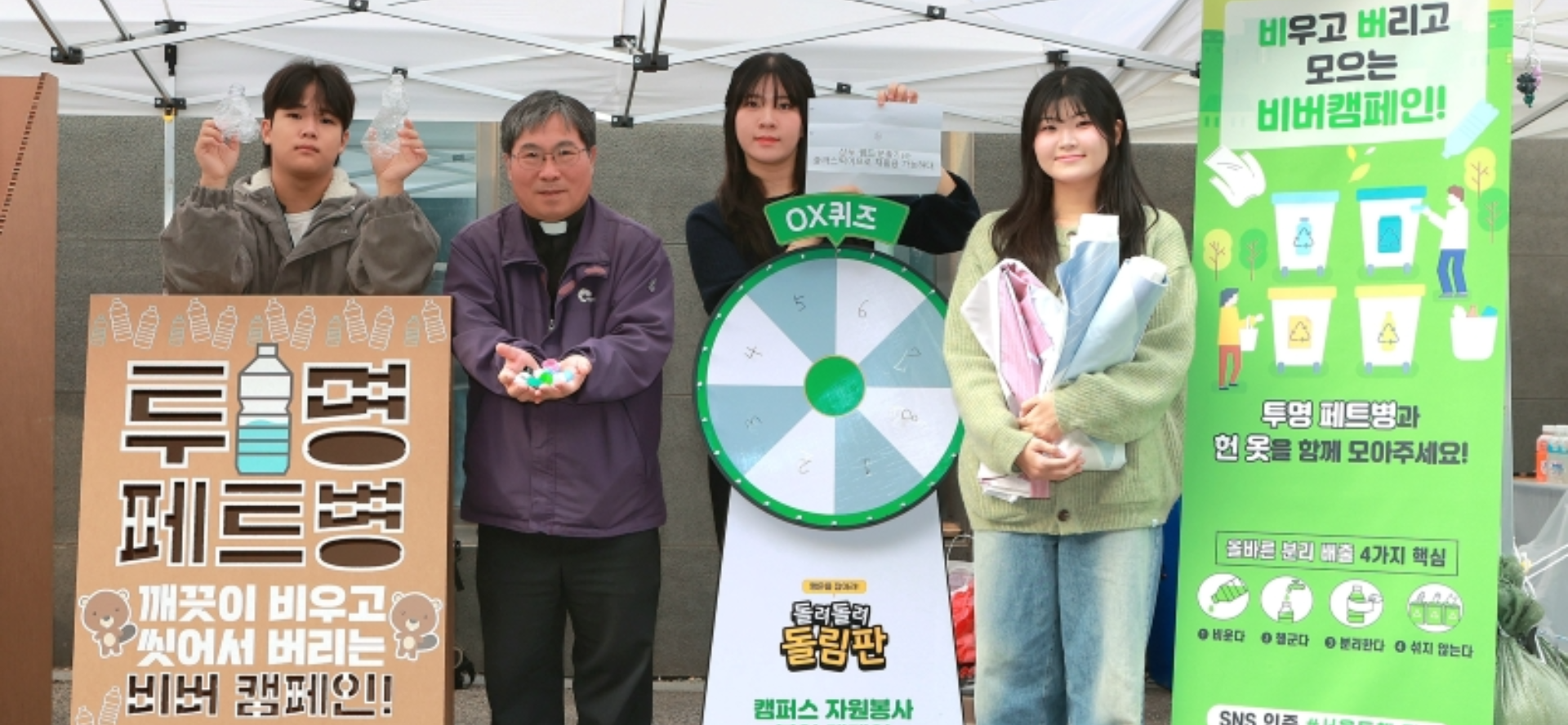
On campus, abstract commitments are translated into tangible practices through student-led initiatives. A recent resource-circulation campaign illustrates this transformation. Students collected PET bottles, discarded textiles, and old banners, directing them into an upcycling process that produced fiber-panel benches for campus use. Beyond simple recycling, this initiative allowed students to observe how small individual actions—emptying leftover drinks, sorting bottles, or cleaning club rooms—can be materially reinvested into shared spaces.

Sogang’s engagement also extends into local communities. In Jeonju, a community urban-innovation program brought together Sogang students and peers from other universities to co-design improvements for village walking trails and rest areas. This collaboration elevated a standard capstone design course into a practical intervention, resulting in infrastructural improvements that residents can directly experience.

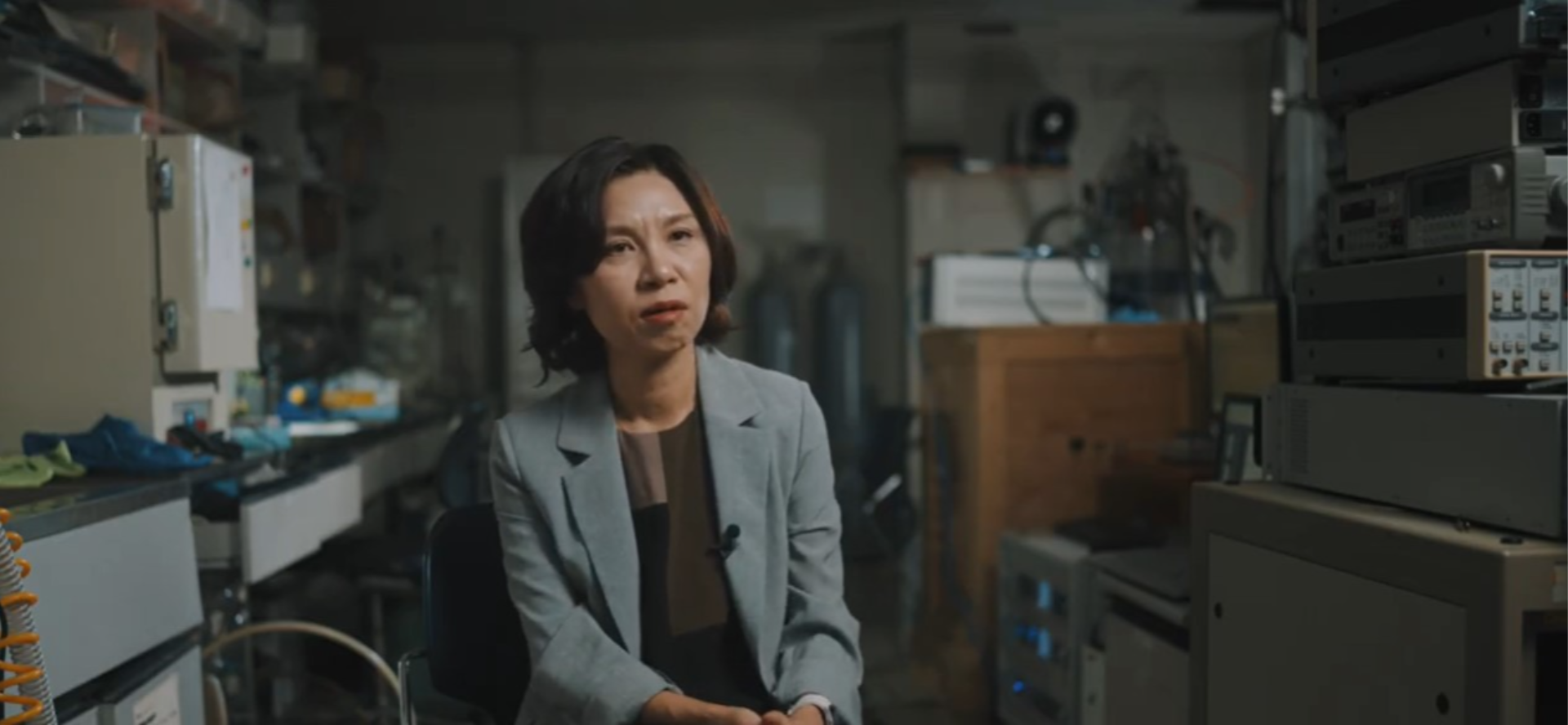
On the research side, the university addresses environmental challenges with scientific depth. In chemical and biomolecular engineering, Professor Jeyoung Park, together with colleagues from Inha University and the Korea Research Institute of Chemical Technology, has developed marine-biodegradable poly(ester amide) materials that combine high mechanical strength with rapid biodegradation, offering potential alternatives to nylon used in fishing gear and textiles. Likewise, Professor Jong Suk Lee’s group, led by doctoral researcher Ju Ho Shin, has produced a new class of extrinsically microporous polymer membranes with exceptional CO₂-separation performance, demonstrating clear industrial relevance for carbon-capture technologies.

Educationally, these values are institutionalized through the Graduate School of Economics. Since 2022, the Master’s program in ESG Economics has offered a specialized curriculum that combines micro and macroeconomics with ESG evaluation methods, corporate governance, financial-market dynamics, and labor policy. Its credit-sharing structure with MBA and other professional programs attracts a diverse cohort—including practitioners from finance, consulting, and corporate ESG roles—ensuring that coursework is consistently grounded in real-world cases and market developments.

Taken together, these initiatives depict a university pursuing a genuinely integrated approach to sustainability. From upcycled benches on campus to biodegradable materials in the laboratory and ESG strategies in the classroom, Sogang University is not simply preparing future professionals—it is actively contributing to the construction of a more sustainable society.

Sogang Advances Lifelong Education

Sogang University and the city of Paju (under Mayor Kim Kyung-il) signed a memorandum of understanding (MOU) on Wednesday, October 22, at 3 p.m. in the President’s Office at Sogang University to promote lifelong education based on the “Once-in-a-Lifetime Project.” This MOU was formed as part of government-academic collaboration to expand the foundation of lifelong education in the local community and to build a model for enhancing citizens’ competencies.

Paju’s “Once-in-a-Lifetime Project” aims to establish a sustainable lifelong learning system by operating lifelong learning centers across different administrative districts (Eup, Myeon, and Dong) in collaboration with Sogang University’s Institute for Continuing Education, with the goal of providing customized education for local residents and establishing community-based learning ecosystems.

The signing ceremony was attended by Kim Kyung-il, Paju’s mayor; Kim Tae-hoon, director of the Culture and Education Bureau of Paju; Lee Hak-hyun, head of Munsan Eup; Choi Hee-jin, section chief for the Institute for Continuing Education; Sogang President Sim Jong-hyeok; Professor Song Tai-kyung, executive vice president for Research & External Affairs; and Professor Ha Byoung-chun, dean of the Institute for Continuing Education.

Under the agreement, the two institutions will cooperate to develop lifelong learning programs customized to local needs, expand future education focusing on AI and digital competencies, establish learning hubs within communities for different district levels (Eup, Myeon, and Dong), and foster resident-involved learning communities.

Speaking about the agreement, President Sim Jong-hyeok said, “This agreement is an important starting point for realizing the public value by sharing the university’s educational capacities with the local community.” For his part, Mayor Kim Kyung-il stated, “We will continue to strengthen the city’s foundation as a place where all citizens can keep learning in their daily lives.”

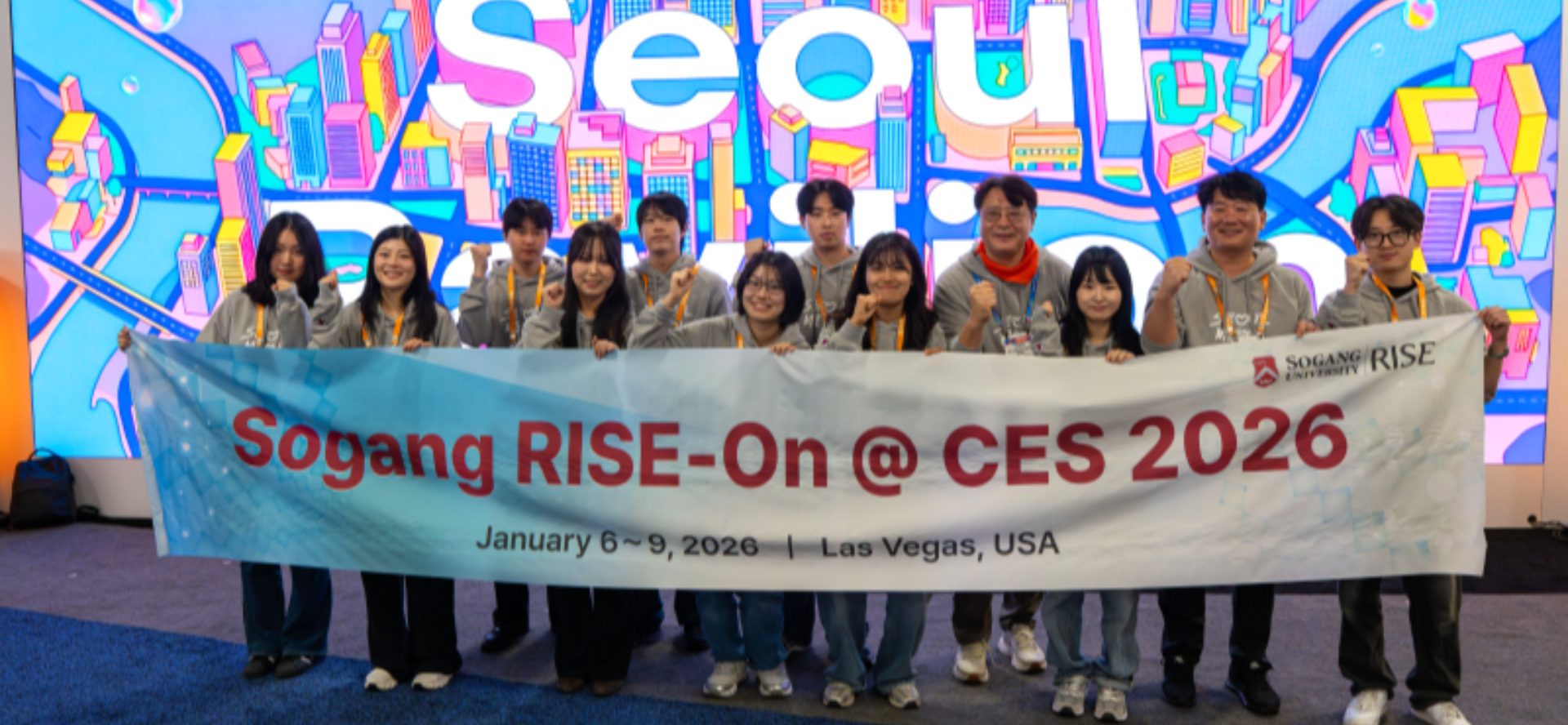
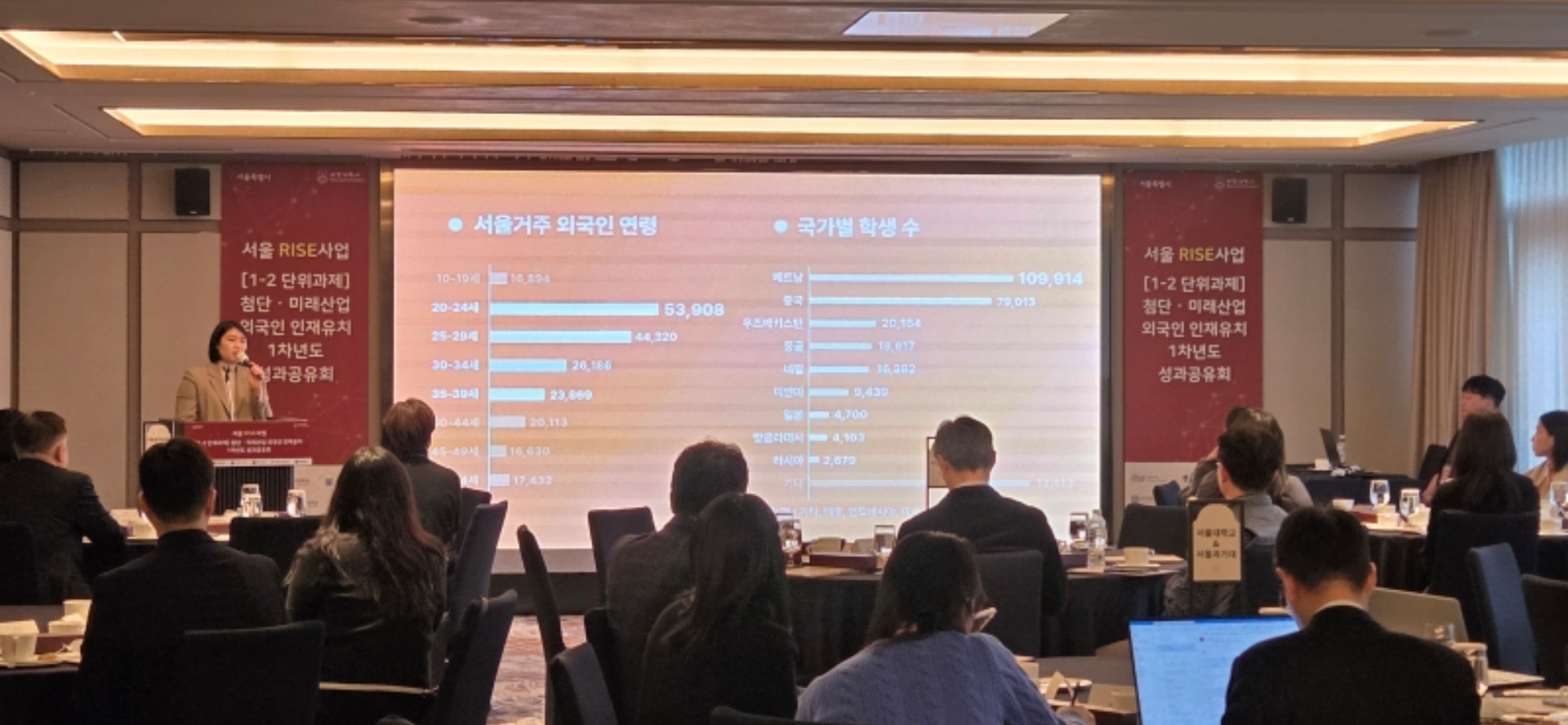
As it is currently implementing the “Seoul RISE (Regional Innovation System & Education)” program, Sogang University is planning to expand its cooperative projects beyond Seoul to other municipalities in the metropolitan area as part of its “Community Co-Prosperity” projects.

Sogang Fosters Youth Engagement in Gochang

The Ignatius Center for Human Development at Sogang University successfully concluded the “2025 Xavier Immersion Gochang” program, held from August 7 to 9, under the theme “Dialog with Youth in Gochang, a UNESCO World Heritage Site.” The program was designed to promote UAP (Universal Apostolic Preferences of the Society of Jesus), SDGs, and ESG values, reflecting the Jesuit educational mission of walking with marginalized communities, accompanying young people, caring for our common home, and fostering discernment and social justice.

Since 2021, Xavier Immersion Gochang has been continuously implemented under a cooperation agreement between Sogang University and Gochang-gun. The program aims to support the emotional and academic development of local youth while fostering mutual learning and cultural exchange between university students and adolescents in a region facing demographic decline. This year’s program brought together nine Sogang undergraduates and nine local middle and high school students through a one-to-one mentoring initiative.

The first day focused on building rapport between mentors and mentees through department introductions, icebreaking activities, and open conversations. Participants then explored Gochang Eupseong Walled Town, learning about its historical background, and visited the Ungok Ramsar Wetland, where they experienced the area’s ecological diversity and natural environment.

During the mentoring sessions, students discussed career paths and academic concerns, shared effective study strategies by grade level, and worked together to strengthen areas of low confidence. A hands-on natural soap-making activity further encouraged informal dialogue and deepened personal connections. On the final day, participants visited Seonunsa Temple, reflecting on their shared experiences while spending time together in nature.

Sogang students reflected on the program, noting that “the one-to-one mentoring was the most meaningful part,” and that “walking through Gochang and having sincere conversations created lasting memories.” Local middle and high school students also expressed positive feedback, stating that “meeting university mentors provided diverse perspectives and helpful advice for thinking about our future.”

The 2025 Xavier Immersion Gochang program is not intended as a one-time volunteer activity. Instead, it is designed to establish a sustainable cooperative network between the university and the local community, presenting an educational model for shared growth. Building on this foundation, Sogang University plans to further expand community-linked education and service initiatives that embody its Jesuit values and commitment to social responsibility.

Sogang Strengthens IP Support for Innovation

Sogang University has officially launched the SOGANG IP Lounge, a dedicated patent consultation hub designed to support researchers, staff, and students in protecting intellectual property and advancing research commercialisation. Opened on 30 September, the initiative reflects the university’s strategic effort to build a sustainable research–patent–technology transfer ecosystem amid growing global competition in innovation.

Operated by the Office of Industry–Academic Cooperation, the IP Lounge offers free, professional IP consultations to all members of the Sogang community. Located in the Teilhard Hall (Room 517), the centre is staffed by in-house and partner patent attorneys specialising in patents, trademarks, designs, and copyrights. Consultations are held twice a month and cover the entire IP lifecycle, from early-stage ideas and prior art review to licensing, technology transfer, start-ups, and investment strategies.

Supporting Researchers and Student Innovators

The IP Lounge has been designed to address a critical gap faced by researchers and students, particularly those without access to dedicated patent support. Undergraduate students involved in capstone design projects and start-up preparation, as well as faculty members preparing for publication or international patent filings, have actively used the service.

“Once research findings are published, the technology is disclosed. This makes early IP planning essential,” said Park Ye-seul, a patent attorney and alumna of Sogang University who currently oversees the operation of the IP Lounge. “Our goal is to help researchers identify patentable value early and guide them toward effective protection and commercialisation.”

Expanding Global IP Awareness

As part of its broader IP capacity-building efforts, Sogang University also hosted a U.S. Patent Seminar in July, inviting a partner attorney from a leading Washington, D.C.-based patent law firm. The seminar addressed key issues such as authorship versus inventorship, U.S. patent strategy, and global monetisation pathways, attracting strong interest from faculty, researchers, and staff. The event highlighted the growing importance of international patent strategies as Sogang’s research output increasingly targets global markets.

Building a Sustainable Innovation Ecosystem

By establishing the SOGANG IP Lounge, Sogang University aims to move beyond fragmented support and toward an integrated system that links research excellence, IP protection, and real-world impact. The initiative aligns with the university’s long-term vision to strengthen industry collaboration and ensure that academic innovation translates into social and economic value.

“In today’s era of global technological competition, patents are not optional—they are a core asset,” the university noted. “Through the IP Lounge, Sogang is committed to empowering its researchers and students to transform ideas into protected, impactful innovation.”

Sogang Expands Academic–Industry Ties

Sogang University has established the Sogang–Pangyo Digital Innovation Campus in Pangyo Techno Valley, creating a new industry–academia collaboration platform focused on artificial intelligence, semiconductors, and advanced mobility. Located in Widen Tower, the campus serves as a strategic base for education, research, startup incubation, and global partnership development within South Korea’s leading innovation cluster.

The university has secured approximately 10,000 square metres of dedicated campus space, housing educational facilities for system semiconductor design and technology management–entrepreneurship, alongside an integrated industry–academia hub. Designed as a practice-oriented campus embedded within an industrial environment, the Pangyo Campus brings together teaching, research, and startup activities in close proximity to industry partners, offering a new model of collaboration distinct from conventional university campuses.

The establishment of the Pangyo Campus reflects Sogang University’s long-term strategy to strengthen links between academia and industry while cultivating talent for future industries. By leveraging its research strengths and entrepreneurial expertise, the university aims to foster global startups and train professionals equipped to lead technological innovation.

The campus has garnered strong support from local and national stakeholders, including Gyeonggi Province and Seongnam City, as well as from corporate partners located in Pangyo Techno Valley. Executives from the four holding companies of Widen Tower—Motrac, Inox Advanced Materials, Estraffic, and YMC—along with representatives from Gyeonggi Housing & Urban Corporation (GH) and innovation partners such as Pii Co., Ltd., have participated in building the campus’s collaborative ecosystem. Additional support has been provided by domestic and international partners, including HT Holdings, BDC Accelerator, and global research and innovation institutions.

The Pangyo Digital Innovation Campus also integrates creative and interdisciplinary elements into its innovation environment. Digital works produced by students from Sogang University’s Department of Art & Technology are showcased across campus spaces, highlighting the convergence of technology and creativity and contributing to a dynamic, open innovation culture.

Key entrepreneurship support organisations, including a Startup Support Foundation, Technology Holding Company, and accelerator programmes, operate within the campus. Facilities include joint industry–academia research centres, private and co-working offices, and startup training spaces designed to support innovation-driven enterprises. Through partnerships with global institutions such as TNO and GDIN, the campus facilitates international collaboration and supports the global expansion of promising startups. Further cooperation with institutions in India and China is also under discussion, strengthening the campus’s global reach.

Across its facilities, the Pangyo Campus hosts student- and faculty-founded ventures, international research collaborations, and customised training programmes for working professionals, alongside startups in AI, semiconductors, and advanced mobility. Faculty members conduct teaching and research directly on site, reinforcing the campus’s role as a practice-based innovation hub embedded within an active industrial ecosystem.

Through the Pangyo Digital Innovation Campus, Sogang University aims to identify and support high-potential startups both domestically and internationally, expand global university–industry collaboration projects, and provide hands-on learning opportunities for students and professionals. The campus is envisioned as an open space for innovation where local communities, companies, and entrepreneurs can collaborate, experiment, and translate ideas into real-world impact.

President Shim Jong-hyeok emphasized that the Pangyo Campus is designed to serve as a hub where companies can access advanced technologies and talent, young entrepreneurs can pursue and realise their startup ambitions, and the broader Pangyo–Seongnam community can engage with innovation and culture. He noted that, through sustained collaboration between universities and industry, the initiative aims to establish a pioneering model that contributes to regional development and enhances national competitiveness.

Sogang Hosts Pet Blessing Ceremony

The Office of Campus Ministry Affairs at Sogang University recently held a pet blessing ceremony in front of Saint Ignatius Chapel, marking the first event of its kind in six years. The ceremony drew strong participation from members of the university community, reflecting growing social interest in companion animals and responsible coexistence.

Participants included individuals currently living with their companion animals, those remembering pets that had passed away, and others caring for animals undergoing medical treatment. Despite their diverse circumstances, participants came together with a shared sense of respect for life and a commitment to caring relationships between humans and animals.

The ceremony, which lasted approximately one hour, was officiated by Rev. Kim Chi-hun, Dean of Campus Ministry Affairs. In his address, Rev. Kim highlighted the interconnectedness of ecological awareness and sustainable environments, noting that these values are practiced through everyday relationships, including those with companion animals. He emphasized that sustainable coexistence begins with recognizing animals as partners in shared living environments rather than as objects of ownership.

Rev. Kim also reflected on the broader significance of the ceremony, noting that harmony between humans and nature is essential for fostering balanced relationships within ecosystems. Referring to the legacy of St. Francis of Assisi, he underscored the long-standing ethical tradition of respect for all forms of life and the idea that care for companion animals can extend into wider responsibility toward society and the natural world.

Following the address, companion animals and their owners received blessings, along with commemorative certificates prepared for the occasion. Each certificate included the names of the animal and owner, an image of St. Francis, and a short prayer, allowing participants to retain a meaningful record of the ceremony.

Throughout the event, the atmosphere remained calm and orderly, enabling the ceremony to conclude smoothly. Beyond its ceremonial aspects, the gathering also served as a space for communication, where participants shared personal experiences and reflected collectively on themes of empathy, care, and sustainability.

Through this community-based initiative, the university highlighted how everyday practices of care and coexistence can contribute to more inclusive, responsible, and environmentally conscious communities.