Lingnan University to help train the public administrators of the future

Across the globe, the challenges faced by those charged with the implementation of public policy are growing all the time. Governments at local, regional and national levels are having to address issues ranging from poverty and unemployment, to disease and environmental degradation, while, at the same time, ensuring their approach is inclusive and, as far as possible, transparent.

In response to these challenges, the New Public Management movement – characterised by its emphasis on concepts such as flat hierarchies, customer orientation, contracting out and market-based governance – has been widely embraced. The new generation of ICTs—big data and AI—have been applied to automatic decision-making within the public services, a development which has far-reaching effects on public administration reform.

To help meet the resulting demand for graduates with the skills required to ensure coordinated, effective and accountable administration, Lingnan University will launch its new Master of Social Sciences in Comparative Public Administration (MSocScCPA) programme in September 2023.

Lingnan’s new programme

Students on the one year full-time or two year part-time MSocScCPA programme will analyse development, public policy and governance issues, from comparative and international perspectives. They will also have the opportunity to attend international symposium and conferences, conduct research projects and attend field trips and seminars.

The programme culminates in the Comparative Public Administration Capstone Project and Symposium Presentation course, which will enable students to apply what they’ve learned to the analysis of real-world public policy and developmental issues.

The MSocScCPA builds upon the Master of Cities and Governance, Master of China and Regional Studies, and the Doctor of Policy Studies programmes, which have been successfully launched by Lingnan’s School of Graduate Studies and Institute of Policy Studies.

Since Lingnan has forged a network of international and national collaborative partnerships, programme participants will hear from a range of renowned speakers from across the globe, and connect with a number of policy studies institutes within the region.

Opportunities for programme graduates in the GBA

One of Lingnan’s key development strategies is to strengthen the university’s connection with China’s Greater Bay Area (GBA), a world-class, city cluster comprising Hong Kong, Macau, and nine other cities in Guangdong Province. Despite the region’s vast potential, the varying levels of economic and social development across the GBA pose challenges for cross-regional public administration in fields such as environmental governance, social mobility, and global risk resilience. In addition, the need to adopt a more humane approach to public administration, and pay greater attention to the grievances of the citizenry, has also become more pressing. Resolving these difficulties, and meeting such needs, will require an end to the opaqueness and the secrecy which has formerly surrounded government activities, and the embracing of accountability and transparency, instead.

Within the GBA, MSocScCPA graduates will be well equipped to meet the rapidly growing demand in both the public and private sectors – in government departments, and in bodies such as NGOs, consultancies and think tanks – where they can work to promote speedy development along with good governance.

Please click here for details of MSocScCPA.

HKBU Global University Film Awards 2022 presents gold award to France’s Le Fresnoy

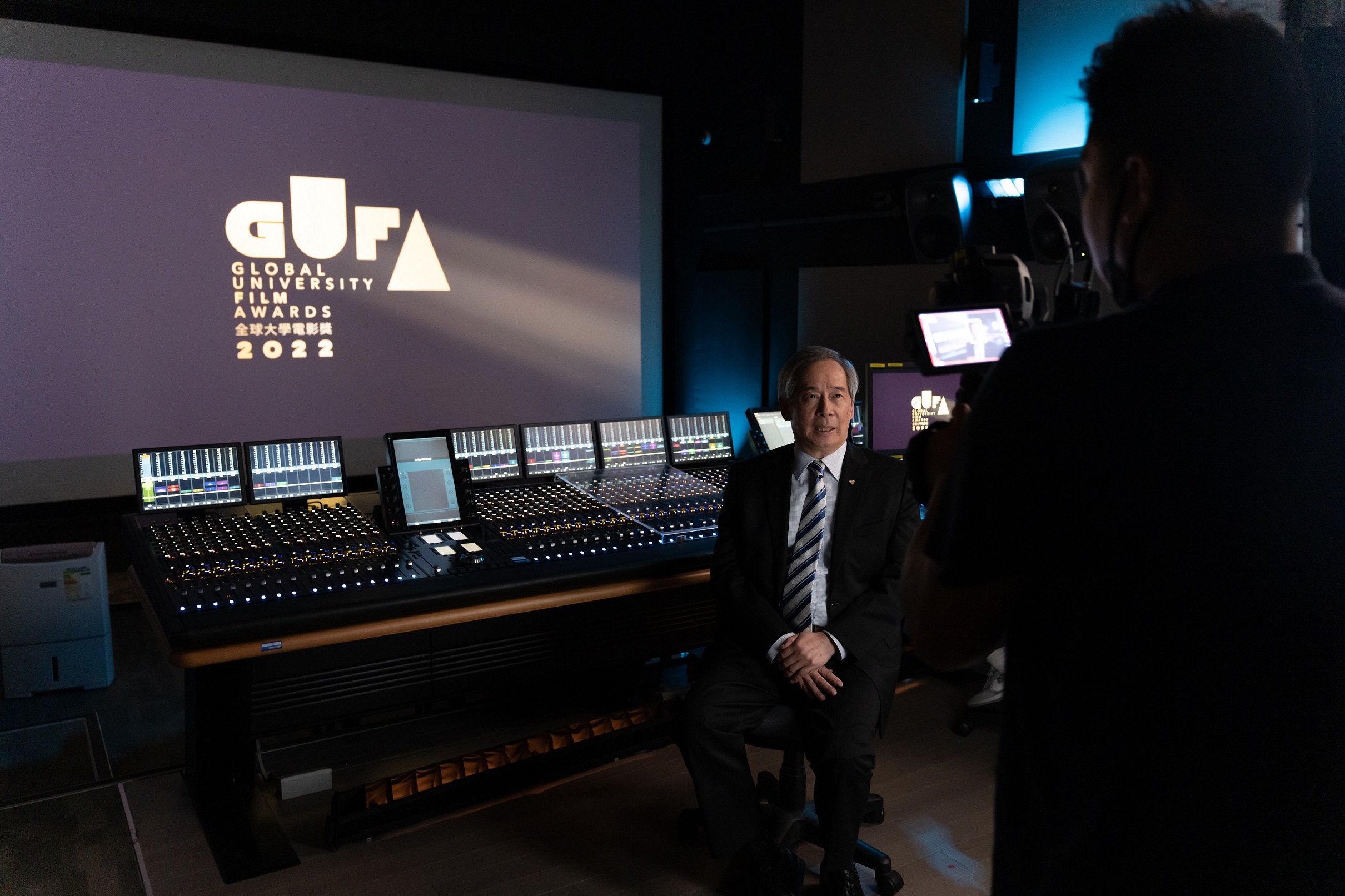
Organised by the Academy of Film (AF) at Hong Kong Baptist University (HKBU), the Global University Film Awards (GUFA) 2022 held its magnificent award presentation ceremony in virtual mode on 11 November. The entry from France’s Le Fresnoy clinched the Gold Award. (The full list of winners is attached in the appendix at the end of this article).

This year’s award presentation ceremony was broadcast live online in a wonderfully designed cinematic setting, using virtual sets and advanced technology to recreate classic scenes in blockbusters such as The Matrix, the Harry Potter film series, and In the Mood for Love. In his opening remarks at the ceremony, Dr Clement Chen, Chairman of the Council and the Court of HKBU, shared the delights of seeing GUFA held for the third time. “We hope to stand as a beacon of encouragement to emerging filmmakers, allowing them to create their art without commercial considerations and industry pressures. At university, they are free to let their imagination fly, share their concerns and explore creative ideas. We at HKBU embrace these ideals and, for over four decades, have been offering the finest teaching and training in the cinematic arts. We continue to celebrate this legacy today as we nurture tomorrow’s filmmakers.”

In his speech, Professor Alexander Wai, President and Vice-Chancellor of HKBU, said: “HKBU is the first institution in Hong Kong to offer film and video production programmes and we always have our eyes on the future. Filmmaking is a global community, and GUFA is a way for all of us to celebrate new young talents from all over the world. It gives me great delight to have a sneak peek at the future voices of filmmaking and to celebrate their progress.”

Widely known as the “University Oscars”, this year GUFA received more than 2,300 submissions from about 100 countries and regions. Celebrated professionals in the film industry, including directors Ms Mabel Cheung, Mr Derek Tsang, Ms Jessey Tsang, Mr Ray Yeung, and actress/producer Ms Josie Ho presented 15 awards to young film talents from all over the world, letting them shine on a glamorous virtual stage.

To further showcase the exemplary works at GUFA 2022, a public screening of the winners was held on 15 November at HKBU. Members of the public were welcome to attend. For more information, please refer to the GUFA website, GUFA Facebook page and GUFA YouTube channel.

GUFA recognises the excellence of film productions by university students from across the world by connecting the global film community and its audiences with outstanding work and groundbreaking ideas presented by the participants. The event not only showcases the students’ talents but also fosters the exchange of ideas and enhances professional networks, building synergy between young regional talents and the international creative industry.

Appendix: Award winners

Award

Winning film

University

Best Narrative

Good German Work

Konrad Wolf Film University of Babelsberg, Germany

Special Mention of Narrative

When Summer Ends

Hong Kong Baptist University, Hong Kong

Best Cine-VFX

Little Gestures

Pearson College London, United Kingdom

Special Mention of Cine-VFX

17 Souls

University of Television and Film Munich (HFF München), Germany

Best Documentary

Pupus

Centro Sperimentale di Cinematografia- Sede Sicilia, Italy

Special Mention of Documentary

Broken

Yangon Film School, Myanmar

Best Experimental Film

$75 000

Le Fresnoy, France

Special Mention of Experimental Film

In Plain Sight

Chulalongkorn University, Thailand

Best Animation

Graziano and the Giraffe

Centro Sperimentale di Cinematografia, Italy

Special Mention of Animation

A Dog under Bridge

China Academy of Art, Mainland China

Best Director

To Each Your Sarah

Korea National University of Arts, South Korea

Best Script

Russian Vodka

University of Applied Science and Technology, Iran

Gold Award

$75 000

Le Fresnoy, France

HKBU Academy of Film’s Choice

Intimate Distance

Hong Kong Baptist University, Hong Kong

HKBU Academy of Film’s Choice Special Mention

Love Delivery

Hong Kong Metropolitan University, Hong Kong

HKBU develops multifunctional nanoparticle for diagnosis and treatment of glioma

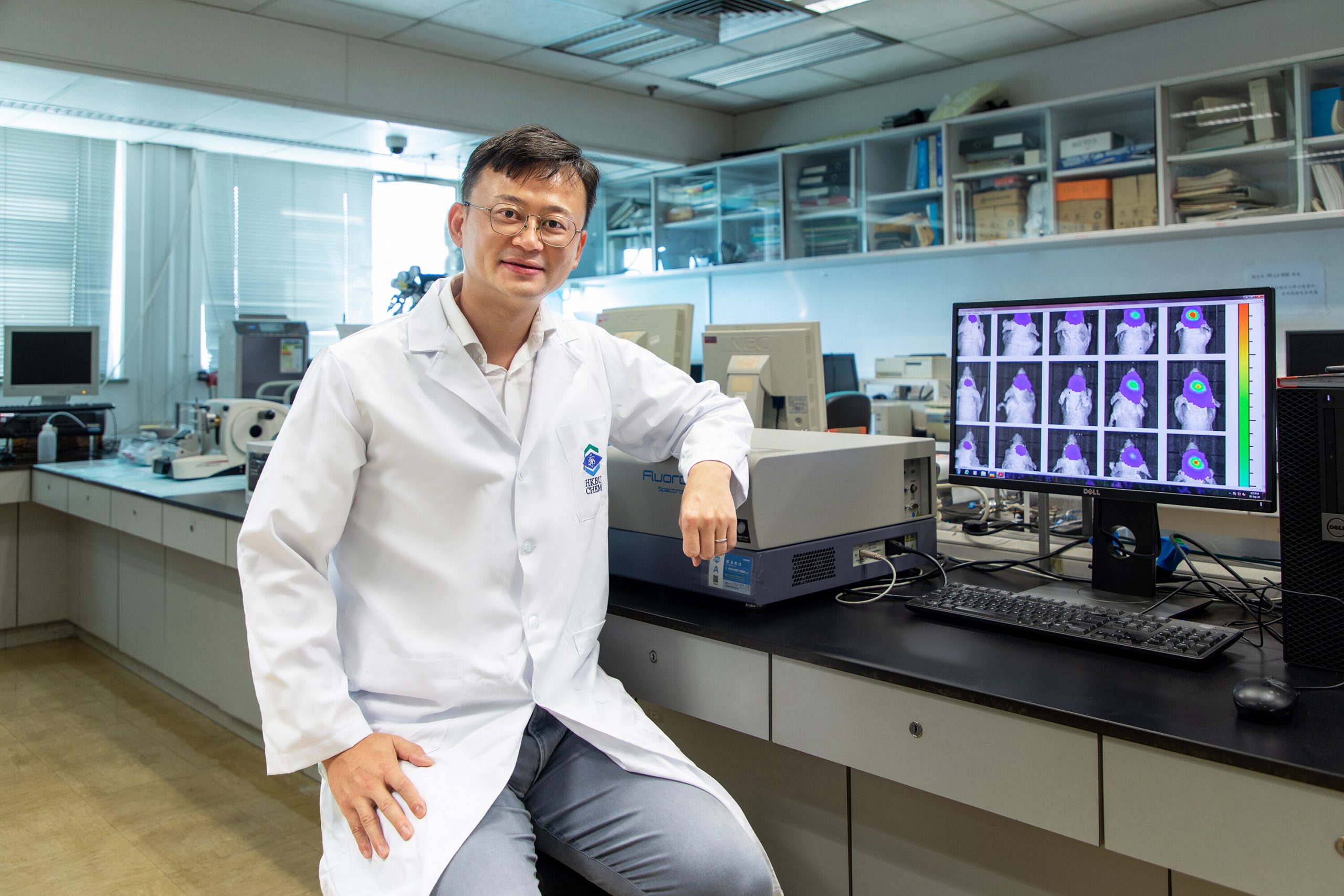
A Hong Kong Baptist University (HKBU) collaborative research team has synthesised a nanoparticle named TRZD that can perform the dual function of diagnosing and treating glioma in the brain. It emits persistent luminescence for the diagnostic imaging of glioma tissues in vivo and inhibits the growth of tumour cells by aiding the targeted delivery of chemotherapy drugs. The nanoparticle offers hope for the early diagnosis and treatment of glioma, especially cerebellar glioma, which is even harder to detect and cure with existing methods.

The research results have been published in Science Advances, an international scientific journal.

Limitations of existing diagnostic and therapeutic approaches

Glioma is the most common form of malignant primary brain tumour, and it accounts for about one-third of all brain tumours. Magnetic resonance imaging (MRI) is commonly used to diagnose glioma, but the technology is not that sensitive. Cerebellar glioma, a relatively rare brain tumour, is even harder to detect with MRI. To facilitate early detection and treatment, an alternative method with improved sensitivity and precision is needed to diagnose glioma.

Doxorubicin, a chemotherapy agent, is an effective treatment for glioma. However, its application may also damage normal cells, and it is associated with a range of side effects. To enhance doxorubicin’s clinical efficacy and minimise its side effects, a novel approach is needed to apply the drug to tumour cells in a more targeted manner.

In response to the diagnostic and therapeutic needs of glioma, a research team co-led by Dr Wang Yi, Assistant Professor of the Department of Chemistry at HKBU, and Professor Law Ga-lai, Professor of the Department of Applied Biology and Chemical Technology at the Hong Kong Polytechnic University, has synthesised a novel near-infrared (NIR) persistent luminescence nanoparticle called TRZD, which can play a dual role in diagnostic imaging and as a drug carrier for glioma.

TRZD has the characteristic of emitting NIR persistent luminescence after excitation with ultraviolet (UV) light. The basic structure of TRZD is a combination of nanoparticles, loaded with the mesoporous structure of silica, which makes it a good carrier of doxorubicin particles. Its surface is coated with red blood cell membranes to increase its stability, and it is embedded with T7 peptides. T7 peptides have a strong affinity for transferrin receptors which are abundant on the surface of tumour cells, and they can facilitate TRZD’s penetration through the blood-brain barrier.

An imaging probe for glioma diagnosis

The research team evaluated the efficacy of TRZ (i.e. TRZD without doxorubicin) in diagnostic imaging for glioma with a mouse model. TRZ particles were first excited by UV light to initiate luminescence. Mice with tumour tissues injected into their cerebrum and cerebellum were then treated with TRZ. In the following 24 hours, TRZ luminescence was detected at the tumour sites of the mice.

However, when the same experiment was conducted with TRZ without T7 peptides, and TRZ without both the red blood cell membrane coating and T7 peptides, no luminescence was detected at the tumour sites of the mice. The results show that the red blood cell membrane coating can prolong the function of TRZ by stabilising the nanoparticle, and it can slow down its natural uptake by the human body. On the other hand, T7 peptides are instrumental in TRZ’s penetration into and accumulation in tumour cells, so that it can perform its imaging function for glioma.

Dr Wang said: “Our experiment suggests that TRZ is a promising bioimaging agent for the diagnosis of glioma. It was observed that TRZ’s luminescence can be detected in tumour cells in both the cerebrum and cerebellum regions of the brain, which is an encouraging result because glioma in the cerebellum region is difficult to detect with existing diagnostic methods. As a result, TRZ offers new hope for the timely and accurate diagnosis of glioma.” 

TRZD inhibits the growth of glioma and extends the lifespan of mice

The research team further evaluated the anti-tumour efficacy of TRZD using a group of mice who had had their cerebrum and cerebellum injected with tumour tissues. After applying TRZD for 15 days, the average diameter of their tumours was reduced to 1 mm. They also survived 20 days longer on average compared to the control group, who had not received TRZD. Besides, cell death was observed in the tumour region but not in normal brain tissue.

Dr Wang said: “The experimental results indicate that TRZD’s therapeutic effect on glioma has good selectivity, because doxorubicin is brought specifically to tumour cells due to T7 peptide’s strong affinity with tumour cells’ surface receptors and its ability to penetrate the blood-brain barrier. As a result, doxorubicin can be applied in a more targeted manner, and hopefully its side effects can be minimised with a reduced drug dosage.

“We concluded that TRZD demonstrates promising potential, and it could be developed into a new generation of anti-glioma drugs that can perform the dual function of diagnosis and treatment. It also offers hope for the development of treatment protocols for other brain diseases.”

EdUHK shares knowledge across Asia

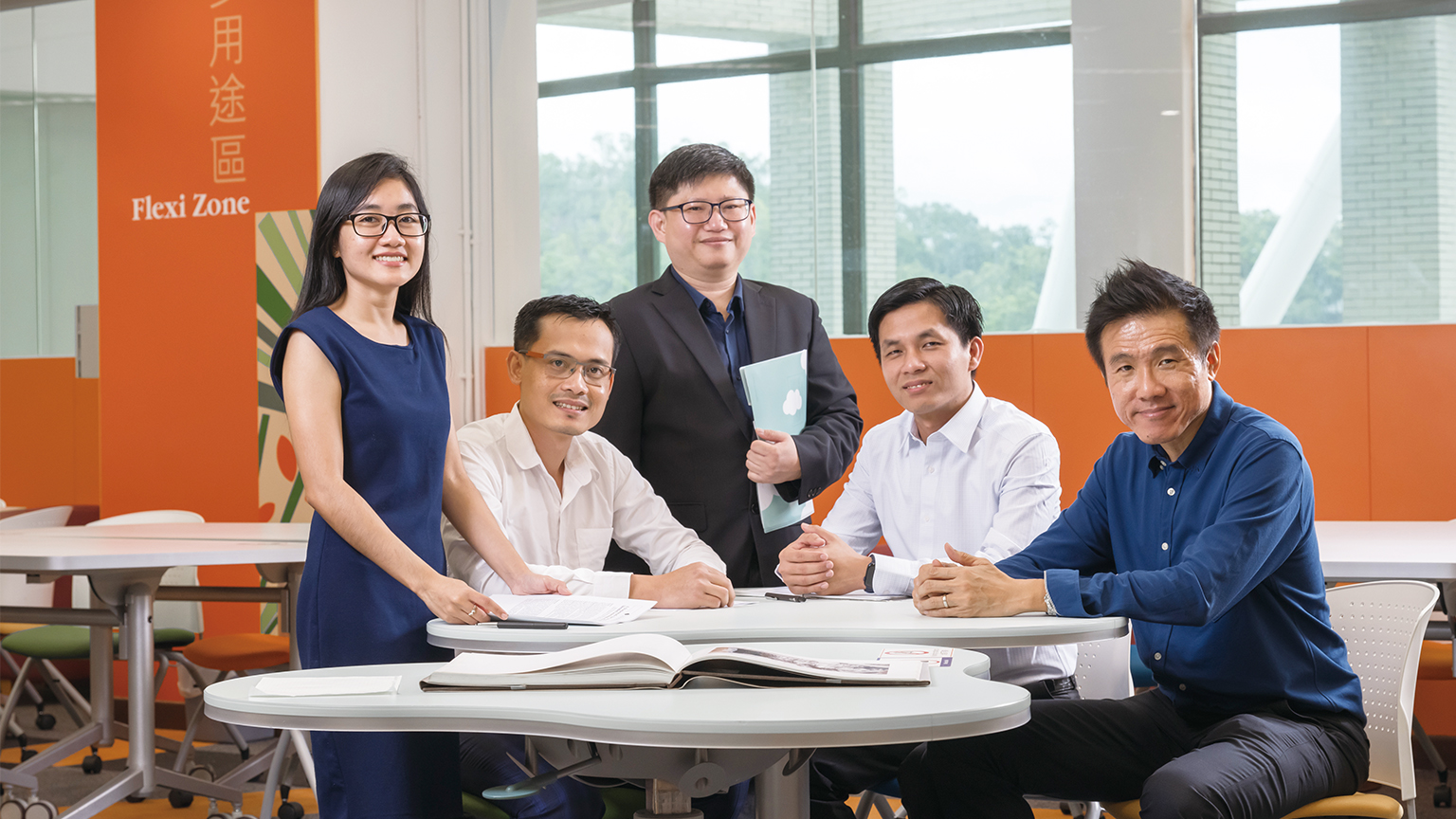
Four Doctor of Education students from Cambodia recently arrived at The Education University of Hong Kong (EdUHK) as part of a World Bank project.

The students were awarded doctoral scholarships funded through the World Bank’s Higher Education Improvement Project. The project aims to improve the quality of higher education learning and teaching, as well as to enhance the research capacity and governance of the Cambodian higher education sector. To attain these goals, EdUHK is collaborating with RUPP, and has been working in partnership with the south-east Asian country’s ministry of education and six universities to set up the Centre of Excellence in Higher Education Teaching and Learning Innovations (CEHETLI).

Passing the torch

With the support of the EdUHK-CEHETLI team, the students will continue their learning journey at the University to build their capacity for quality research, teaching and learning. After graduation, they will serve as key personnel to manage the Centre and its activities, and contribute to quality enhancement of higher education teaching and learning in Cambodia. Also part of the World Bank project, EdUHK and CEHETLI have co-organised a series of policy dialogue events. The fourth of these took place online in February and brought together 48 university leaders and senior higher education management officials from Cambodia and EdUHK, to celebrate the 21 master teachers’ successful completion of the Graduate Certificate in Teaching and Learning in Higher Education programme. This provides a variety of learning opportunities for the master teachers to build their capacity for quality higher education teaching and learning.

The Hong Kong Academy for Performing Arts confers Honorary Doctorate, Honorary Fellowships

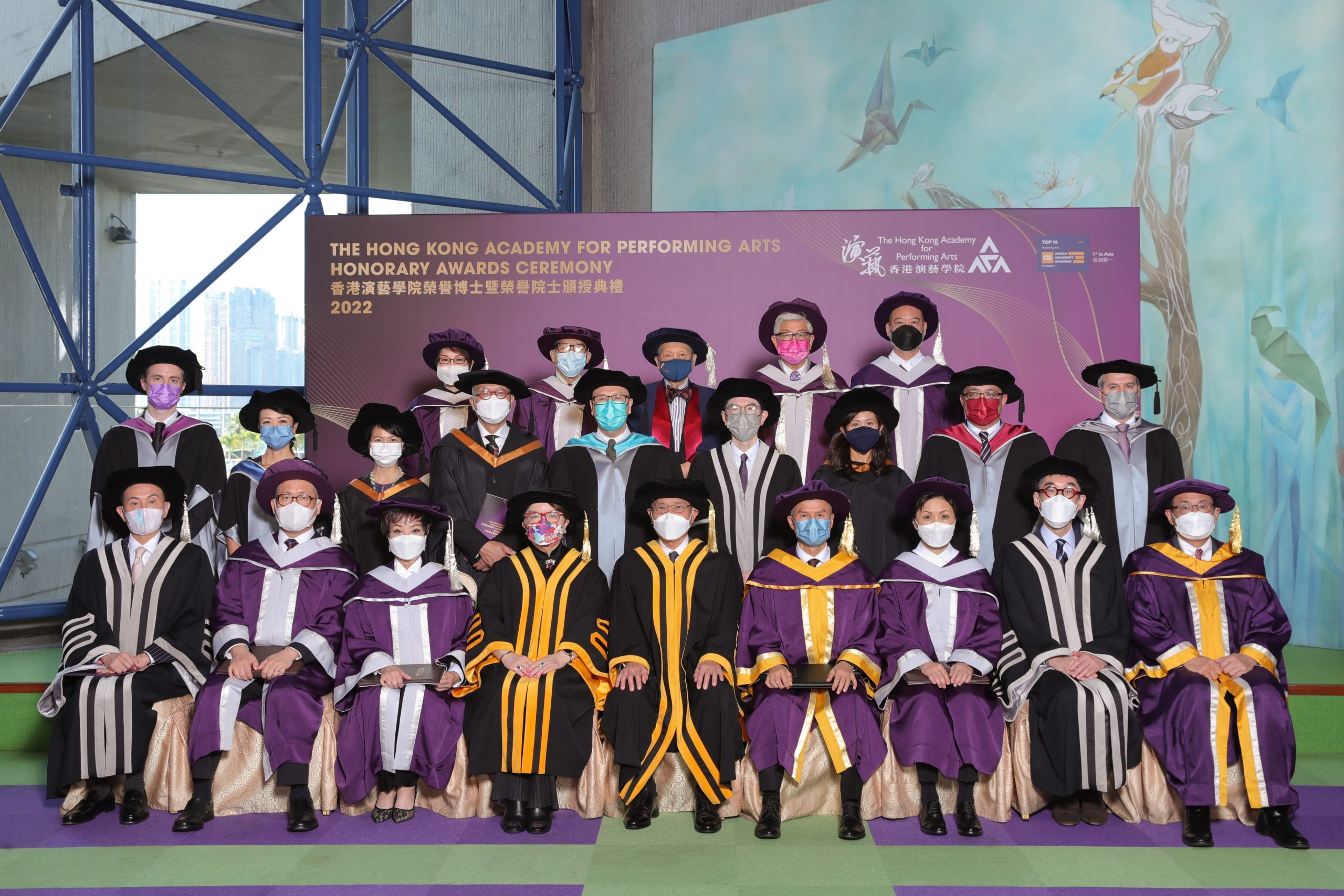
The Hong Kong Academy for Performing Arts (the Academy) has conferred Honorary Awards on seven outstanding individuals in recognition of their remarkable achievements and contributions to the performing arts and cultural industry and also the development of the Academy.

The ceremony held on Oct 21, 2022 at the Academy Lyric Theatre was officiated by the Academy Council Chairman, Mr. Edward Cheng Wai-sun GBS JP. Academy Director, Professor Gillian Choa, expressed her heartfelt gratitude for the Honorary Awardees’ exemplary and valuable support to the Academy. Recipient of Honorary doctorate is Mr. Tang Shu-wing MH.

Recipients of the Honorary Fellowship are Mr. Keith Anderson, Ms. Chow Pui-wan, Ms. Wan Fai Yin Christina MH, Dr. Betty Peh-T’i Wei, Ms. Yip Wing-sie BBS JP and Mr. Yu Kwok-lit MH.

34 EdUHK scholars named by Stanford University in world’s top 2% scientists

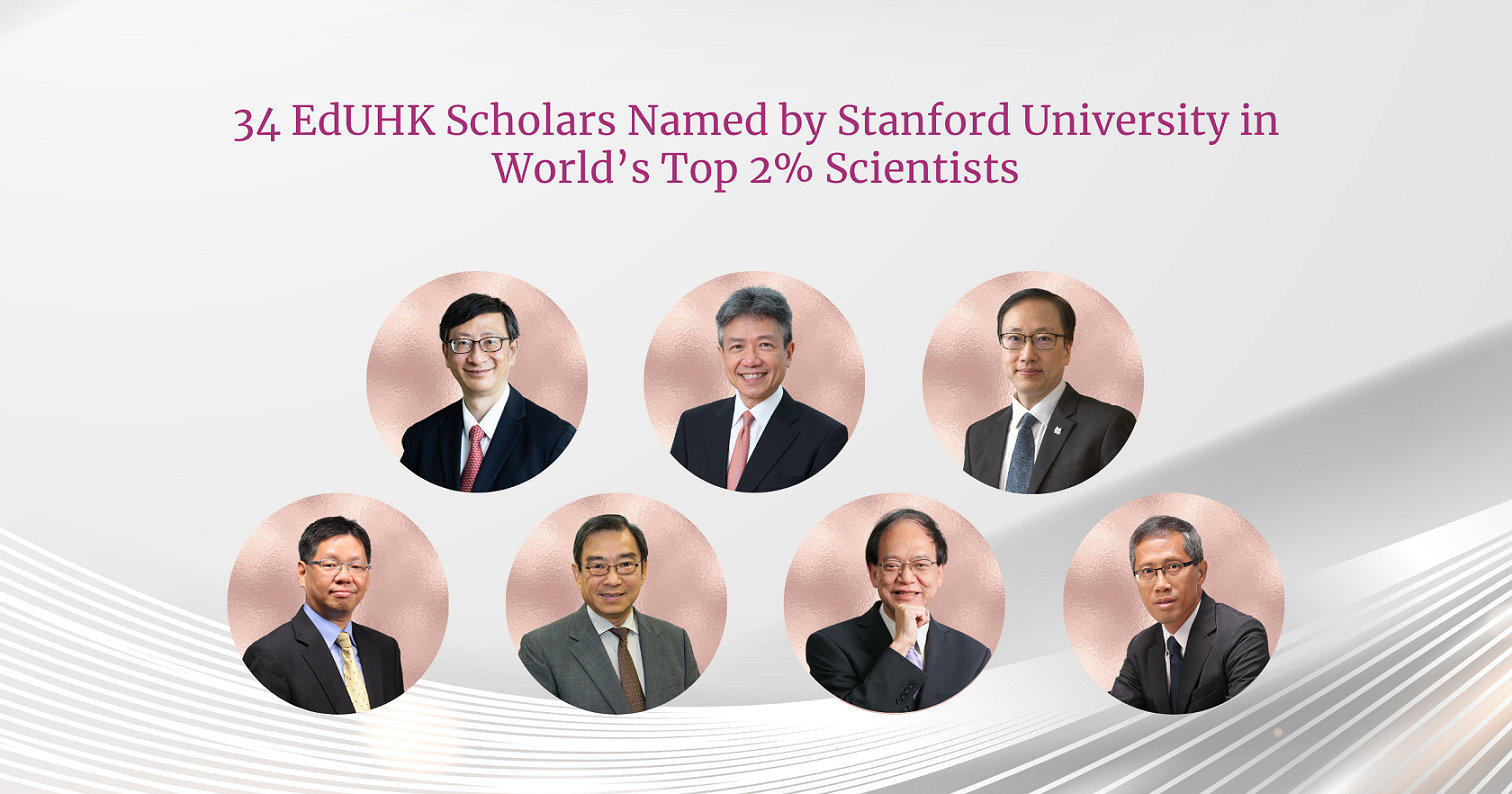
Thirty-four scholars of The Education University of Hong Kong (EdUHK) were named among the top 2% most-cited scientists in the world, in an annual list released by Stanford University.

Among them were President Professor Stephen Cheung Yan-leung, Vice President (Academic) and Provost Professor John Lee Chi-kin, Vice President (Research and Development) Professor Chetwyn Chan Che-hin, Research Chair Professor of Geography and Environmental Science Professor Jim Chi-yung, and Advisor (Environmental Science) Professor Wong Ming-hung.

Compiled by a research team at Stanford University, the list ranked top scientists from a wide range of fields based on their career-long citation impact or single-year citation impact in 2021. The inclusion of EdUHK scholars represents the global recognition and the significant impact of their research output.

EdUHK President Professor Cheung was listed in the field of finance under the category of career-long impact. So were Professor John Lee* and Professor Chetwyn Chan, who were included in the fields of education and rehabilitation. Professor Wong Ming-hung from the Department of Science and Environmental Studies also ranked 6th out of over 100,000 scholars in environmental science.

In terms of single year impact, Chair Professor of Psychology and Gerontology Professor Cheng Sheung-tak and Chair Professor of Social Policy Professor Chou Kee-lee ranked 9th and 19th respectively, in gerontology.

Congratulating the EdUHK team, Professor Cheung said, “I am pleased that under our ‘Education-plus’ approach, we have successfully broadened our academic scope beyond our traditional strength in teacher education. Inclusion in the top 2% list attests to the solid foundation laid over the years, which has led to growing academic strengths in the fields of energy, environmental studies, marine biology and hydrobiology, as well as political science and public administration.”

For eight consecutive years, EdUHK has been ranked among the top three in Asia and the top 20 in the world in education, according to the Quacquarelli Symonds World University Rankings. The University’s research output was also judged as “World Leading” or “Internationally Excellent” in the latest Research Assessment Exercise conducted by the University Grants Committee. The latest accolade came from the 7th International Invention Innovation Competition in Canada (iCAN) in 2022, in which the University won a record high of 26 awards since its first participation.

* Professor John Lee will be EdUHK President next September

HKBU-led research identifies Salvia miltiorrhiza extract as potential preventive agent for gastric cancer induced by bile reflux

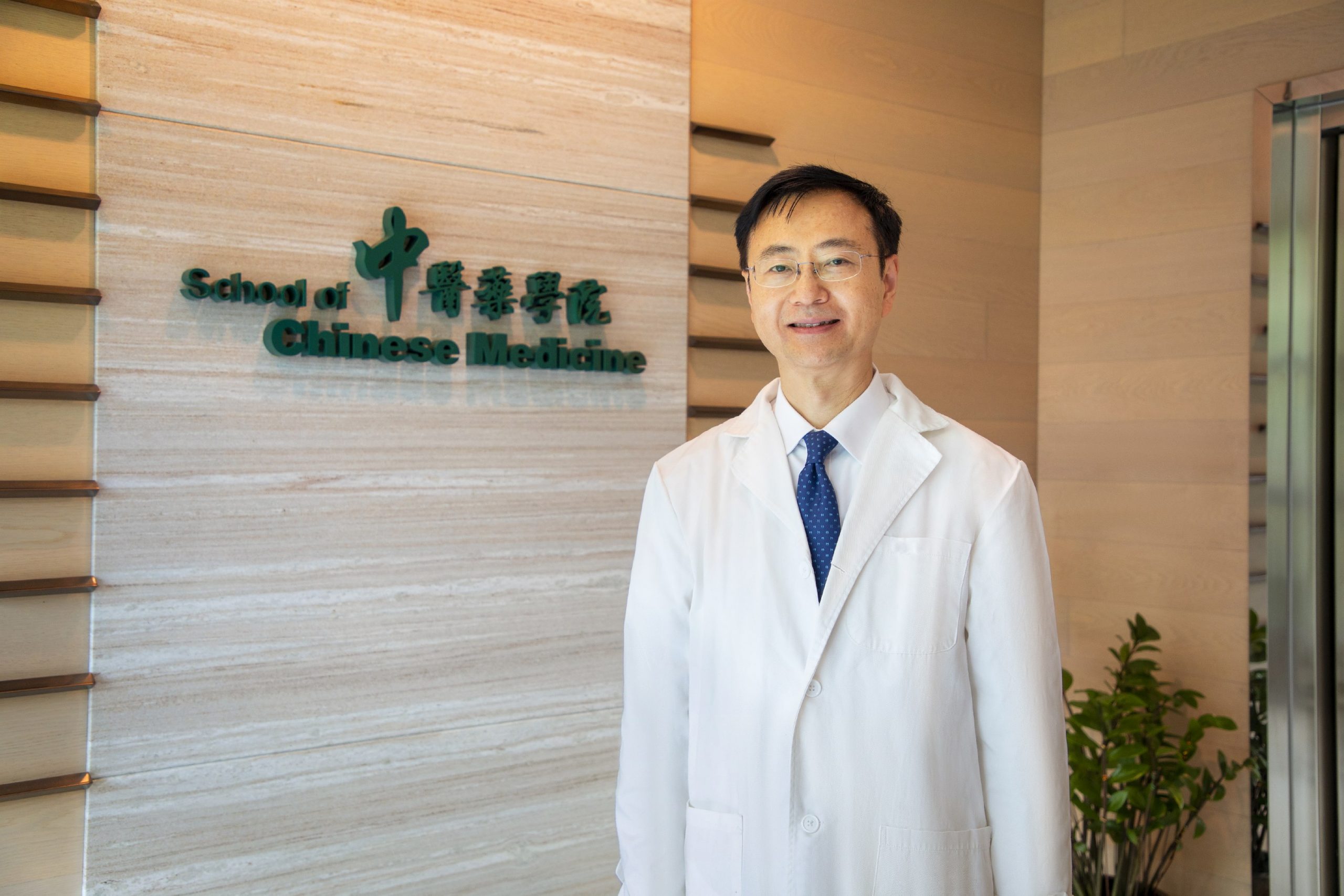
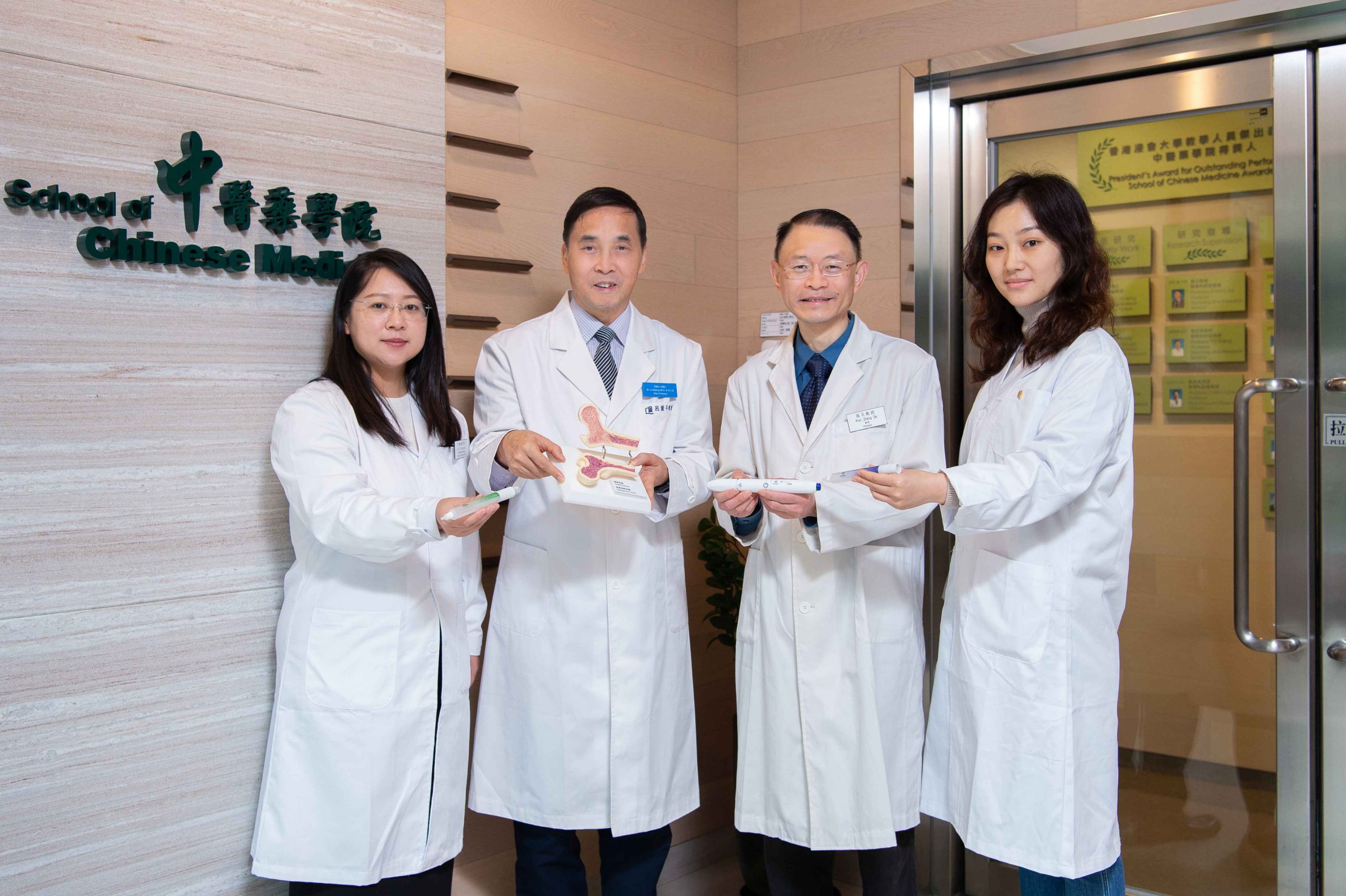
Research led by the School of Chinese Medicine at Hong Kong Baptist University (HKBU) has identified cryptotanshinone, a compound extracted from the Chinese herbal medicine Salvia miltiorrhiza, with the potential for the treatment and prevention of gastric cancer associated with bile reflux. The researchers unveiled the mechanism of how bile reflux induces gastritis and gastric cancer. They explained that refluxed bile acids (BAs) lead to the proliferation of pro-inflammation bacteria that promote gastric carcinogenesis, the formation of cancer.

The research findings have been published in the international scientific journal Advanced Science.

Role of bile reflux in gastric cancer unclear

Bile, secreted by the liver, is stored in the gallbladder and is released to the duodenum to help digest fat. When the pylorus connecting the stomach and the duodenum is damaged or fails to work properly, bile in the duodenum can enter the stomach, causing gastritis. People with stomach surgery complications, peptic ulcers or gallbladder removal surgery have higher risks of bile reflux. However, the mechanism of how bile reflux induces gastric carcinogenesis remains unclear.

Professor Jia Wei, Associate Dean (International Collaboration) of Chinese Medicine and Cheung On Tak Endowed Professor in Chinese Medicine at HKBU, in collaboration with researchers from Shanghai Jiao Tong University Affiliated Sixth People’s Hospital, conducted a study on how bile reflux induces gastric carcinogenesis, and looked for new prevention and therapeutic approaches.

Professor Jia said: “We unveiled for the first time the underlying mechanism by which bile reflux promoted the development of gastric carcinogenesis. It offers important clinical insights on the development of novel prevention and therapeutic approaches for the disease. Based on the newly discovered mechanism, we identified cryptotanshinone as a potential Chinese medicine-based pharmaceutic agent for the prevention and treatment of gastric carcinogenesis due to bile reflux.”

Bile reflux alters gastric environment

The research team analysed the gastric juice samples of 50 patients with bile reflux gastritis (BRG group), 50 patients with gastric cancer (GC group) and 45 subjects in the control group using chromatography and mass spectrometry techniques. It was found that the amounts of BAs, the major component of bile, in the gastric juice samples of BRG and GC groups are significantly higher than in the control group. Furthermore, the acidities of gastric juice samples of the BRG group (pH value about 3.5) and the GC group (pH value about 4) are drastically lower than in the control group (pH value about 2).

The phenomenon is explained by the fact that BAs are weak acids compared with strong gastric acid, and their influx into the stomach changed the gastric environment by upsetting the normal acid-base balance of the gastric juice. Further investigation found that a specific type of BA, called taurodeoxycholic acid (TDCA), showed a strong positive correlation with pH value of gastric juice samples of the BRG and GC groups.

Previous studies showed that bile reflux is closely related to chronic gastric inflammation and gastric carcinogenesis. The researchers thus examined the concentrations of lipopolysaccharide (LPS), a pro-inflammation cytokine, in the gastric juice of the 145 subjects above, and found that the BRG and GC groups have LPS concentrations significantly higher than those of the control group.

Change in microbiota associates with gastric carcinogenesis

As LPS is produced and found in the outer membrane of certain kinds of bacteria, the researchers applied gene sequencing and other techniques and confirmed that LPS-producing bacteria are significantly more abundant in the gastric juice of BRG and CG groups compared to the control group. Among these LPS-producing bacteria, a species called P. melaninogenica had the highest relative abundance.

From these experimental results, it is suggested that bile reflux induces significant changes in the gastric environment, alters the gastric microbiota, and results in the development of gastritis and gastric carcinogenesis. The hypothesis was tested with a series of in vitro and in vivo experiments in mice, which confirmed that application of TDCA and LPS promotes gastric epithelial cell proliferation, and induces gastric inflammation. Cellular and molecular analysis revealed that P. melaninogenica promoted gastric inflammation in mice by activating the IL-6/JAK1/STAT3 pathway, a chain of interactions between proteins in a cell involved in processes such as immunity, cell division, cell death, and tumour formation.

Cryptotanshinone as potential pharmaceutic agent

After unveiling the mechanism of bile reflux-induced gastric cancer, the researchers turned to explore a corresponding preventive and therapeutic approach. They focused on cryptotanshinone, a bioactive compound isolated from the roots of Salvia miltiorrhiza, which is a Chinese herbal medicine that facilitates blood circulation with an anti-inflammatory effect. Cryptotanshinone is also known as an inhibitor of the STAT3 signaling pathway in cells.

The researchers tested the effects of cryptotanshinone with a bile reflux mouse model developed through surgery. In a group of eight mice without application of cryptotanshinone, three mice developed gastric lesions 50 weeks after surgery. However, in another group of six mice injected with cryptotanshinone, no obvious gastric lesions were observed. The results suggested that cryptotanshinone has abolished the effects of TDCA and LPS in activating the IL-6/JAK1/STAT3 pathway.

“Based on the research findings, it can be concluded that cryptotanshinone is a potential Chinese medicine-based pharmaceutic agent for the prevention and treatment of gastric carcinogenesis due to bile reflux. It provides an alternative strategy for the development of medication which targets on the newly discovered mechanism of how bile reflux induces gastric carcinogenesis,” said Professor Jia.

EdUHK research reveals positive parenting on hand hygiene help reduce kindergarteners’ absenteeism from flu-like illnesses

Good hand hygiene has been found to be an effective way to prevent the spread of infectious organisms and the most important defence against disease, but studies have shown that many parents have inadequate knowledge, reporting skills, and parenting practices related to seasonal influenza. Previous research has shown a positive relationship between parents’ and children’s health practices. The research by Dr Peggy Or Pui-lai, Assistant Professor at the Department of Health and Physical Education, The Education University of Hong Kong, investigated whether there was any correlation between flu infection among parents and their kindergarten-age children, and the effectiveness of using hand hygiene interventions in kindergartens to lower kindergarten children’s absenteeism attributable to seasonal flu.

Fifteen kindergartens in Hong Kong were randomly selected, from which 58 parents and two grandparents, and their children or grandchildren were invited to participate in the hand-hygiene programme. To support the validity of the study, the WHO hand-hygiene checklist was used to ensure sufficient coverage of the objectives. An infection-control nurse conducted four weekly 45-minute training session for the children and a separate one-hour session for parents. Parents monitored their children for flu symptoms, and the kindergartens monitored their school attendance. To evaluate the effectiveness of the programme, the children and their parents were required to answer 10 true-or-false questions in a questionnaire on hand hygiene knowledge before and after the hand-hygiene programme. A research assistant explained the questions and answers clearly to the children.

The results of the study showed that children with strong parenting and good hand hygiene had fewer recorded signs and symptoms of flu-like illnesses. The absence rates in all participating kindergartens owing to flu decreased from 21.5% to 12% in the three-month study period.

In the hand-hygiene knowledge test, 6.8% of parents correctly answered the question on the seven-step hand hygiene technique before the programme, while 79.5% answered it correctly after the programme. In the hand-hygiene skills test, the parts of the hands that were not properly washed before the intervention were the back of the hands, the back of the fingers, the thumbs and the wrists. After the programme, the percentages of the properly washed areas on both hands increased significantly, in particular the wrists from 0.5% to 82%, and 27% more children showed concern about the hand hygiene behaviour of the people around them, especially their parents’. The children also shared what they had learnt with their parents, and their parents started paying more attention to proper handwashing. This also provided more common topics for conversation between them, resulting in increased communication and closer bonds.

Researchers concluded that the flu infection rate of the parents and their children was significantly correlated with P = .005. The awareness and personal hygiene skills of parents and children were both raised after the programme. The findings supported that positive parenting on hand hygiene helped reduce kindergarteners’ absenteeism from flu-like illnesses.

HKBU research unveils association between plasma metabolites and COVID-19 antibody levels in recovered patients

A study led by Hong Kong Baptist University (HKBU) has revealed the association between rapidly fading antibody levels in some recovered COVID-19 patients and a high plasma concentration of a metabolite called glycylproline (gly-pro) and its producing enzyme.

The researchers also found that the application of an inhibiting agent can counteract the activities of gly-pro and its producing enzyme, and this helped to maintain COVID-19 antibody levels in a mouse model. The findings offer important insights that could aid the development of novel therapeutic and vaccination strategies against the virus.

The research results have been published in the Proceedings of the National Academy of Sciences (PNAS), a renowned international scientific journal.

Antibody levels drop in some recovered COVID-19 patients

The levels of COVID-19 antibodies among individuals in a community are crucial for herd immunity against the virus. In general, recovered COVID-19 patients have high antibody levels as a result of their natural immune reactions. However, antibody levels in some recovered COVID-19 patients have been seen to drop rapidly over the course of a few weeks, and the underlying mechanism of this phenomenon remains poorly understood.

Since the beginning of the pandemic, research studies have revealed changes in plasma cytokine and metabolite levels in COVID-19 patients. Based on these observations, a research team led by Professor Cai Zongwei, Chair Professor of the Department of Chemistry and Director of the State Key Laboratory of Environmental and Biological Analysis, and Dr Yang Zhu, the first author of this paper and a Research Assistant Professor of the Department of Chemistry at HKBU, investigated how plasma cytokines and metabolites are associated with antibody levels in recovered COVID-19 patients.

Metabolite gly-pro associated with antibody levels

The research team analysed the cytokine and metabolite profiles in the plasma samples of three subject groups. The first group included 17 recovered COVID-19 patients with steady COVID-19 antibody levels; the second group included 30 recovered COVID-19 patients with rapidly fading COVID-19 antibody levels; the third one was a control group comprising 35 individuals who had not been infected with COVID-19.

A series of quantitative computational analyses that involved the use of machine learning techniques were used to compare the levels of different plasma cytokines and metabolites in the three subject groups in relation to their COVID-19 antibody levels. The researchers then compared the two recovered patient groups with the control group, and any cytokines and metabolites with significantly different levels between the two groups and the control group were shortlisted. Among the shortlisted targets, the levels of seven cytokines and 20 metabolites were seen to differ significantly between the two groups of recovered COVID-19 patients.

The researchers then analysed the association between the selected cytokines and metabolites and COVID-19 antibody levels in recovered patients. From the collected data, they concluded that the plasma concentration of the metabolite gly-pro had increased the most in the two recovered patient groups compared with the control group.

Overall, the levels of gly-pro in the recovered patient group with rapidly fading antibody levels were four times higher than the control group, while the levels of gly-pro in the recovered patient group with steady COVID-19 antibody levels were two-and-a-half times higher than the control group. Based on these results, the researchers investigated the relationship between COVID-19 antibody levels in recovered patients and gly-pro, as well as the producing enzyme of gly-pro which is named dipeptidyl peptidase-4 (DPP4).

Inhibiting gly-pro maintains steady antibody levels

The research team set up a four-week mouse model experiment to test the hypothesis that high gly-pro levels are associated with a rapid drop in COVID-19 antibody levels in recovered COVID-19 patients. Four groups of 12 mice were injected with the spike protein of the COVID-19 virus. The groups were then respectively treated with: (1) exogenous gly-pro; (2) an inhibitor that blocks the degradation of endogenous gly-pro; (3) exogenous gly-pro and a DPP4 inhibitor (Sitagliptin, which is also an anti-diabetic drug); and (4) saline.

The serum COVID-19 antibody levels in all groups were similar in the first week of the experiment. The antibody levels of the mice in the first group declined after the second week, suggesting that increased gly-pro levels are associated with a decline in COVID-19 antibody levels. The antibody levels of the mice in the second group, who had relatively steady gly-pro levels, also began to decline in the third week. The slower decline in antibody levels in the second group of mice compared to the first group shows that varying amounts of gly-pro are associated with the amount of time a steady antibody level can be maintained.

Meanwhile, the antibody levels of the mice in the third group remained stable throughout the experiment. This shows that when the activities of DPP4 are inhibited, the negative effects of gly-pro can be neutralised, and a steady level of COVID-19 antibodies can be maintained.

New insights for therapeutic and disease control strategies

Professor Cai said: “Effective shield immunity for a community against the spread of COVID-19 is highly dependent on the maintenance of steady antibody levels in individuals. Our experimental results suggest that DPP4 inhibitors can effectively maintain steady antibody levels in COVID-19-infected mice. As a result, our study offers important insights into how we can develop a similar medical approach to maintain COVID-19 antibody levels in humans, which will contribute to the global fight against the pandemic.”

Dr Yang said: “Further studies based on our research findings are warranted to explore the potential in other areas of therapeutic and disease control, especially in terms of other applications. For example, novel strategies may be developed to enhance the efficiency of vaccination in boosting antibody levels in humans, particularly in diabetic patients, a well-known high-risk population for COVID-19.”

EdUHK EdTech innovations win 26 iCAN Awards

The Education University of Hong Kong received 26 awards at the 7th International Invention Innovation Competition in Canada (iCAN) in 2022, including seven gold medals, three silver, five grand awards and 11 special prizes. It marked a new record high since the University’s first participation in 2018.

Two of the University’s inventions received the Best Invention Awards, including ‘A New Generation of Dissolved Oxygen Sensor Using Replaceable Photo-sensing Film’, which was granted the Top 10 Best Invention Award. The invention was developed by Professor Rudolf Wu Shiu-sun, Advisor (Environmental Science) at the Department of Science and Environmental Studies (SES), and his team. It is a novel device which detects and sends out a permanent record of dissolved oxygen levels using replaceable photo-sensing film. It overcomes the prolonged difficulties of monitoring the marine pollution over large areas of water bodies.

An EdTech invention ‘e-Orch’ developed by Dr Leung Chi-hin, Assistant Professor at the Department of Cultural and Creative Arts (CCA), was awarded the Top 20 Best Invention Award. It is a system consisting of an app and cloud-based software specifically designed for music performance and composition. Integrated with the patented Grid Notation, virtual instruments and AI music generator, the invention makes music education accessible and inclusive.

Congratulating the winners, Professor Chetwyn Chan Che-hin, Vice President (Research and Development), said, “The award-winning innovations cover educational technology, marine conservation, art tech and green construction material, etc. It reflects the broadening scope of our research and knowledge transfer. It is encouraging to see that some of our inventions have been successfully licensed or patented, and are creating a positive impact on society. EdUHK will continue to forge knowledge transfer collaboration with different sectors.”

iCAN is an international competition launched in 2016. This year, the competition received 650 applications from 81 countries and regions. EdUHK’s awarding-winning projects are as follows:

Project: A New Generation of Dissolved Oxygen Sensor Using Replaceable Photo-sensing Film

Principal Investigator: Professor Rudolf Wu Shiu-sun at SES

Award(s): Gold Medal, Top 10 Best Invention Award, Special Award

Project: Reimagining Music Learning with e-Orch

Principal Investigator: Dr Leung Chi-hin at CCA

Award(s): Gold Medal, Top 20 Best Invention Award, Special Award

Project: Upcycling Waste Residuals into Value-added Eco-coasters: From Environmental Facilities to Tables

Principal Investigator: Dr Tsang Yiu-fai at SES

Award(s): Gold Medal, Organizer’s Choice Award, Special Award

Project: Facilitating Emotion Classification Based on Non-Intrusive Learner Data via Deep Neural Networks

Principal Investigator: Dr Zou Di at the Department of English Language Education (ELE)

Award(s): Gold Medal, Jury’s Choice Award, Special Award

Project: Advanced Tai Chi Experience: An Integration of Novel Typefaces and AR Technology

Principal Investigator: Dr Hung Keung at CCA

Award(s): Gold Medal, Two Special Awards

Project: UNISON: Unpaired Cross-lingual Image Captioning

Principal Investigator: Professor Philip Yu Leung-ho at the Department of Mathematics and Information Technology

Award(s): Gold Medal, Special Award

Project: Personalised vocabulary learning system based on artificial intelligence techniques

Principal Investigator: Dr Zou Di at ELE

Award(s): Gold Medal, Special Award

Project: iMaze: A Fun Working Memory Training for Pre-school Children from Low-income Families

Principal Investigator: Dr Kean Poon Kei-yan at the Department of Special Education and Counselling

Award(s): Silver Medal, Best Woman Inventor Award, Special Award

Project: CKC Strokes – An Online Practice Tool for Chinese Strokes Writing

Principal Investigator: Dr Tse Ka-ho at the Department of Chinese Language Studies

Award(s): Silver Medal, Special Award

Project: Smart hands: Are you sure?

Principal Investigator: Dr Peggy Or Pui-lai at the Department of Health and Physical Education

Award(s): Silver Medal, Special Award