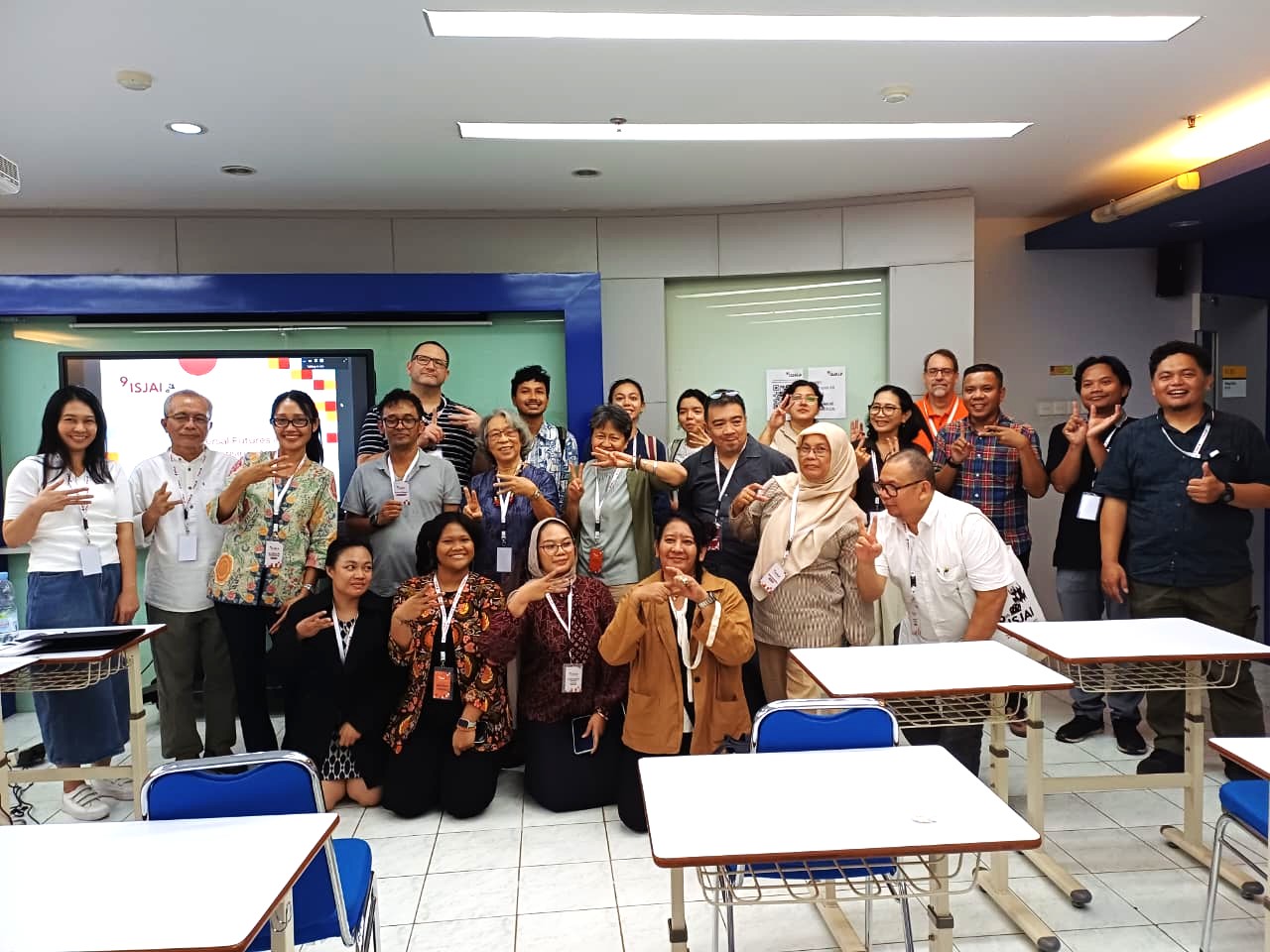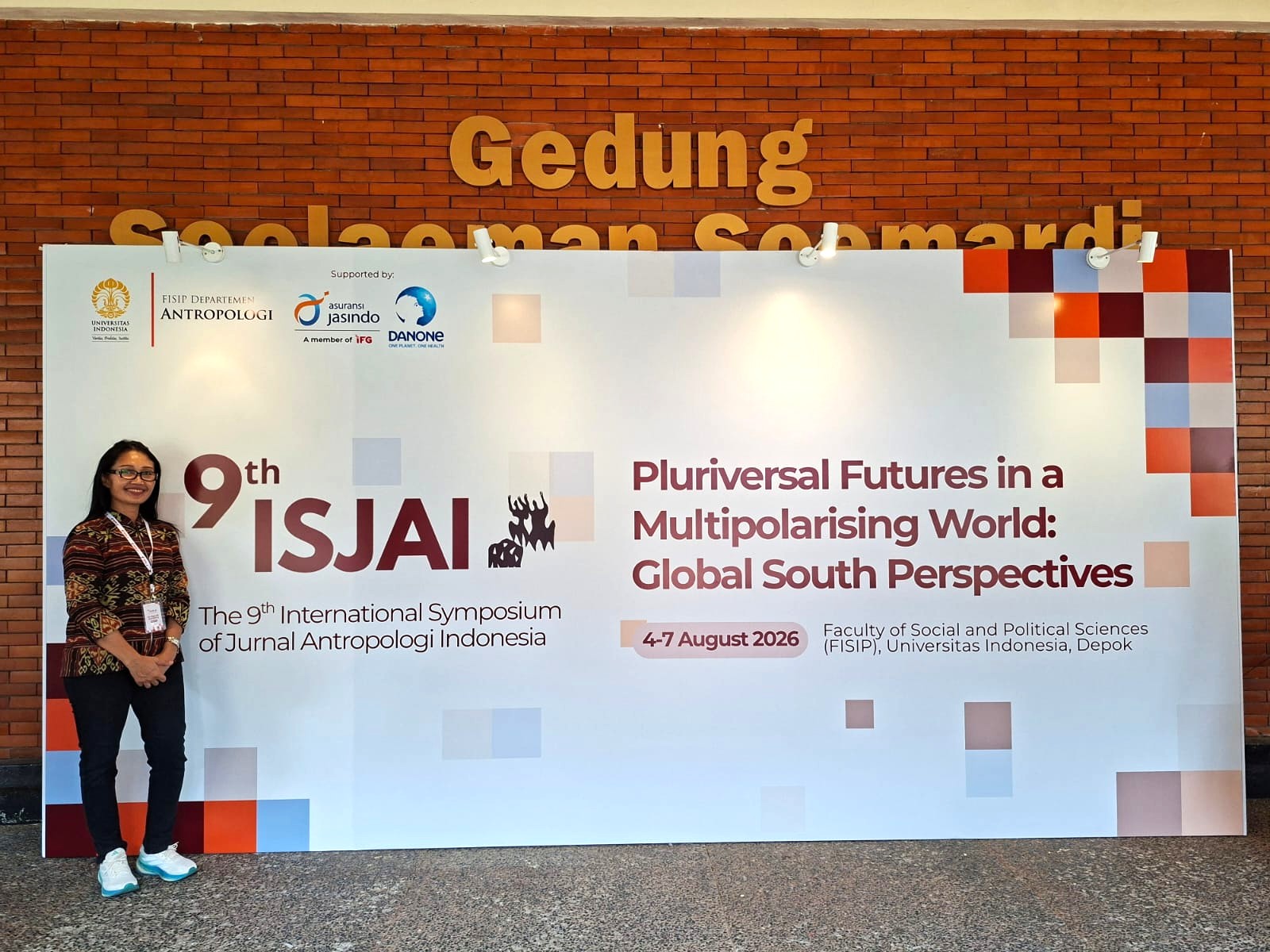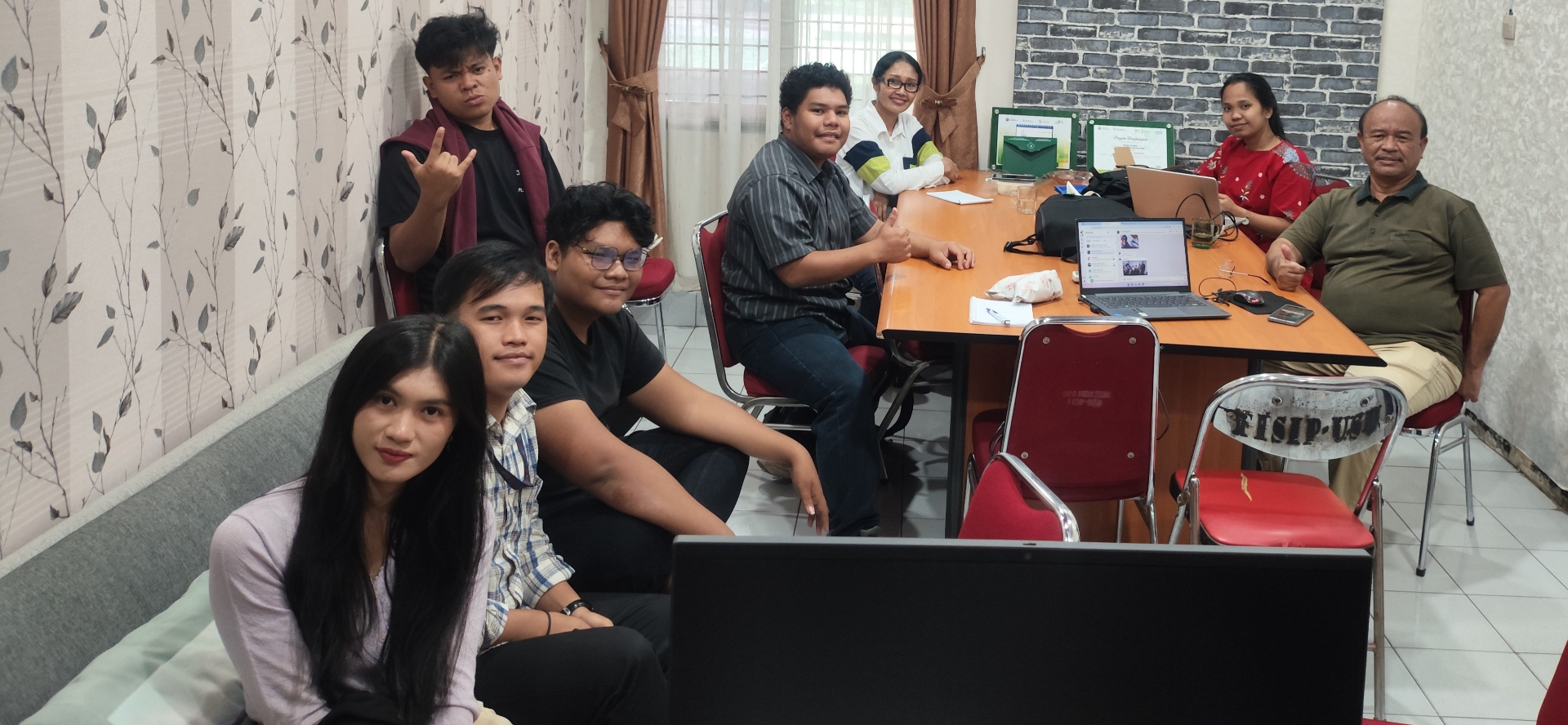
Sri Alem Br. Sembiring
Published on 23 September 2026




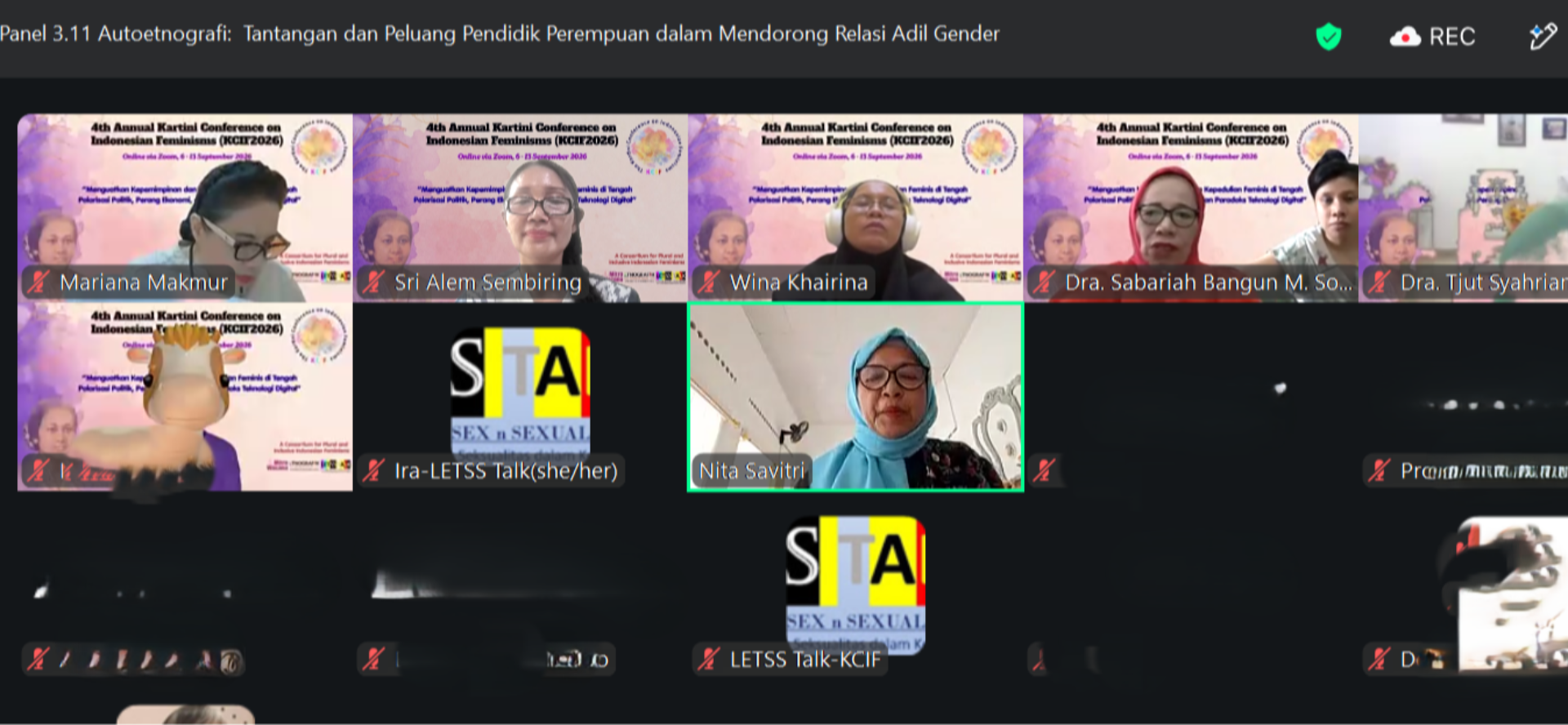
Four anthropologists from Universitas Sumatera Utara (USU) told the 4th Annual Kartini Conference on Indonesian Feminisms (KCIF2026) that autoethnography reveal hidden, bargained and partial gender change in Acehnese, Karo, Chinese Indonesian and university setting with education as a recurring lever. In an Acehnese noble household, a husband who shares housework may lose honour. In a Chinese Indonesian family in Padang, a wife may be quietly barred from work. Such negotiation, hidden from public view, surface when researchers read their own lives as data. The presentations were part of the 4th Annual Kartini Conference on Indonesian Feminisms (KCIF2026), held online via Zoom from 6 to 13 September 2026. Held online via zoom from 6 to 13 September 2026 and organized by a consortium of LETSS Talk, Mitra Wacana and the ETNOGRAFIK Research Center at USU.
In, Aceh, Dra. Tjut Syahriani, M.Soc,Sc. found that noble couples often settle on egalitarian arrangements in private and hide them, since shared housework can cost a husband his honour. Reading this through R.W. Connell's book Masculinities (1995), which describes a dominant ideal of manhood tied to earning and public leadership, she showed men concealing domestic work rather than rejecting it.
In Padang, such constraints have a history. Dr. Mariana Makmur, MA., traced how Dutch colonial schooling divided Chinese Indonesian families: those exposed to it favoured fairer inheritance and wider social participation, while others preserved patriarchal subordination. Across generations, control has shifted from women's bodies and movement to subtler limits, such as spouses forbidding paid work.
Karo women in Medan, in turn, bargain with such constraints. Dra. Sabariah Bangun, M.Soc.Sc., drew on Deniz Kandiyoti's essay "Bargaining with Patriarchy" (Gender & Society, 1988), which describes women accepting constraints while manoeuvring within them, to explain how urban Karo women balance customary obligations against careers. Education, employment and economic contribution widen their room to negotiate.
Bargaining falters, however, where intimacy itself is the danger. Dra. Nita Savitri, M.Hum., found in her classes on gender-based violence that perpetrators frequently come from survivors' closest circles, consistent with National Commission on Violence Against Women (Komnas Perempuan) national annual data, leaving survivors torn between staying and leaving. She proposed trained peer educators and film-based teaching suited to Generation Z, while cautioning that patriarchal structures cannot be dismantled by academic intervention alone.
The panel "Autoethnography: Challenges and Opportunities for Women Educators in Promoting Gender-Just Relations," was moderated by Dr. Sri Alem Br. Sembiring, Head of Social Anthropology at USU's Faculty of Social and Political Sciences. Presenters followed Carolyn Ellis and Arthur Bochner's chapter "Autoethnography, Personal Narrative, Reflexivity: Researcher as Subject" (2000, Handbook of Qualitative Research).
The four studies suggest a working proposition: education widens women's room to bargain, but shifts the terms of negotiation more than the structure around it. Equality remains private in Aceh, control turns subtler in Padang, and academic intervention meets patriarchal limits in the classroom. Whether such private bargains lead to collective change, or settle into a stable accommodation, is what these first-person accounts cannot yet settle.