Asfendiyarov National Medical University
Published on 23 June 2026




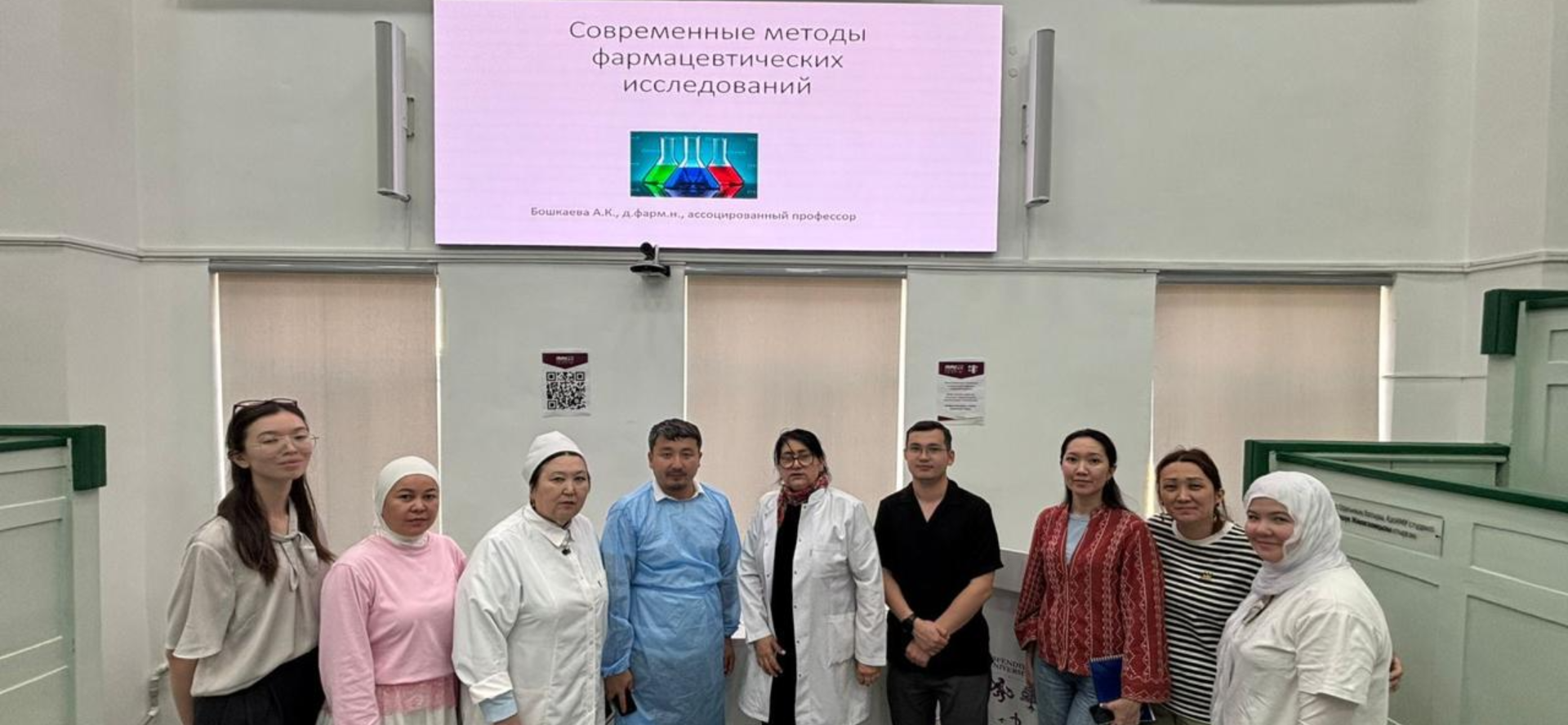
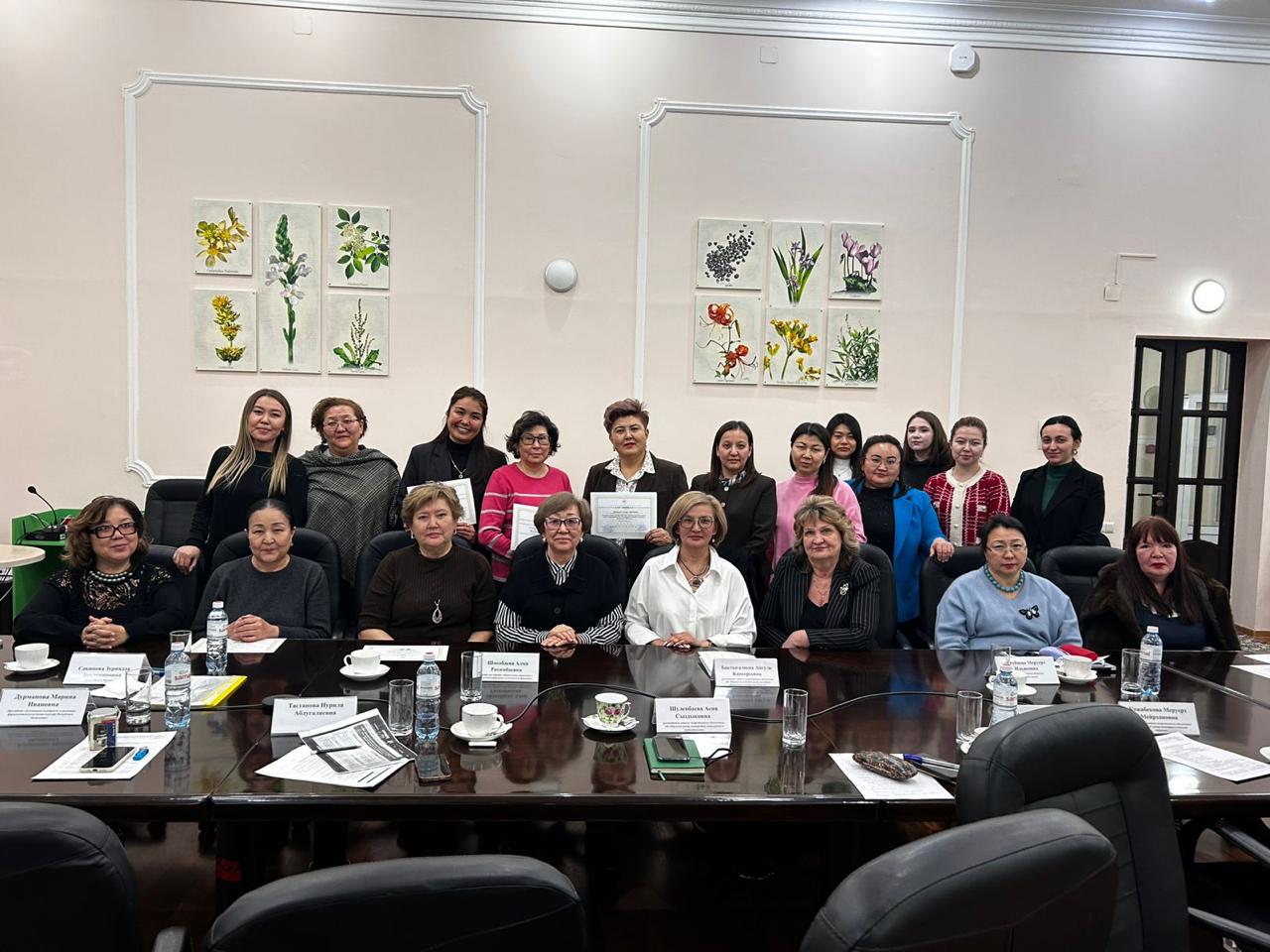
On June 17, 2026, a master class entitled “Modern Methods of Pharmaceutical Research” was organized for young researchers in accordance with the work plan of the Scientific Committee of the School of Pharmacy for the 2025–2026 academic year. The event served as an interactive educational platform aimed at developing practical research skills and familiarizing participants with contemporary methodologies used in pharmaceutical science. Master classes organized within the Scientific Committee provide opportunities for young scientists to gain hands-on experience and improve their understanding of experimental data analysis under the guidance of experienced specialists.
The development of research competencies among young investigators remains an important priority in higher education and biomedical sciences. Practical knowledge and the ability to apply modern analytical methods are essential components of professional growth. Interactive training formats enable participants to acquire practical skills and strengthen theoretical knowledge, thereby contributing to the quality and effectiveness of future scientific work.
Modern pharmaceutical research represents a multidisciplinary field that integrates laboratory, preclinical, and clinical studies aimed at discovering new therapeutic compounds and improving existing medicines. In recent years, pharmaceutical sciences have evolved significantly due to advances in molecular biology, genetics, bioinformatics, and computational technologies. Contemporary approaches increasingly rely on personalized medicine, targeted therapy, and automated analytical systems, which have transformed traditional drug development processes.
The master class highlighted the importance of innovative technologies in pharmaceutical research. Participants were introduced to current approaches used in the search, development, and evaluation of biologically active compounds. Particular attention was devoted to computer technologies and high-precision analytical methods that support the design and optimization of new medicines. Such technologies help reduce the time required for drug development and improve their efficacy and safety.
One of the topics discussed during the event was the application of computer modeling in pharmaceutical sciences. Modern computational methods make it possible to predict the properties of potential drug candidates before laboratory synthesis. These approaches contribute to a more efficient selection of compounds and facilitate the development of innovative therapeutic agents. Advances in artificial intelligence and supercomputing technologies have further accelerated the process of identifying molecules with promising biological activity.
Special attention was given to physiologically based pharmacokinetic modeling (PBPK), a computational approach used to predict the absorption, distribution, metabolism, and elimination of drugs in the human body. Such technologies allow researchers to simulate drug behavior and optimize dosage regimens, contributing to safer and more effective therapies. These methods have become increasingly important in modern pharmaceutical development and personalized medicine.
Participants were also introduced to automated screening technologies and robotic systems that enable the rapid evaluation of large numbers of chemical compounds. High-throughput screening approaches have become an essential part of contemporary pharmaceutical research, allowing scientists to identify promising molecules more efficiently. Modern digital tools and analytical platforms significantly enhance the productivity and accuracy of research processes.
The master class also emphasized the role of specialized computer programs used for predicting biological activity and structure–activity relationships. These technologies make it possible to analyze extensive datasets and estimate the properties of new, previously unsynthesized compounds. Their application contributes to the development of innovative medicines and supports the implementation of advanced research methodologies.
Throughout the event, participants had the opportunity to discuss current trends in pharmaceutical sciences and exchange professional experience. The interactive format encouraged active participation and created favorable conditions for scientific communication between experienced specialists and young researchers. Such initiatives contribute to strengthening research culture and promoting innovation in pharmaceutical education.
The organizers noted that master classes represent an effective method of professional training because they combine theoretical knowledge with practical application. By introducing young researchers to contemporary technologies and modern approaches, such educational activities contribute to improving research quality and preparing highly qualified specialists capable of addressing current challenges in pharmaceutical science.
By promoting knowledge exchange and supporting the dissemination of advanced research methods, the master class made an important contribution to the professional development of young scientists and the advancement of pharmaceutical research and education.