Asfendiyarov National Medical University
Published on 3 September 2026




In modern society, gender equality extends beyond social policy and has become an important component of the sustainable development of education, science, business, and professional activities. This is particularly relevant to healthcare and pharmacy, where the quality of human capital, professional competence, and equal opportunities are closely linked to the development of the sector.
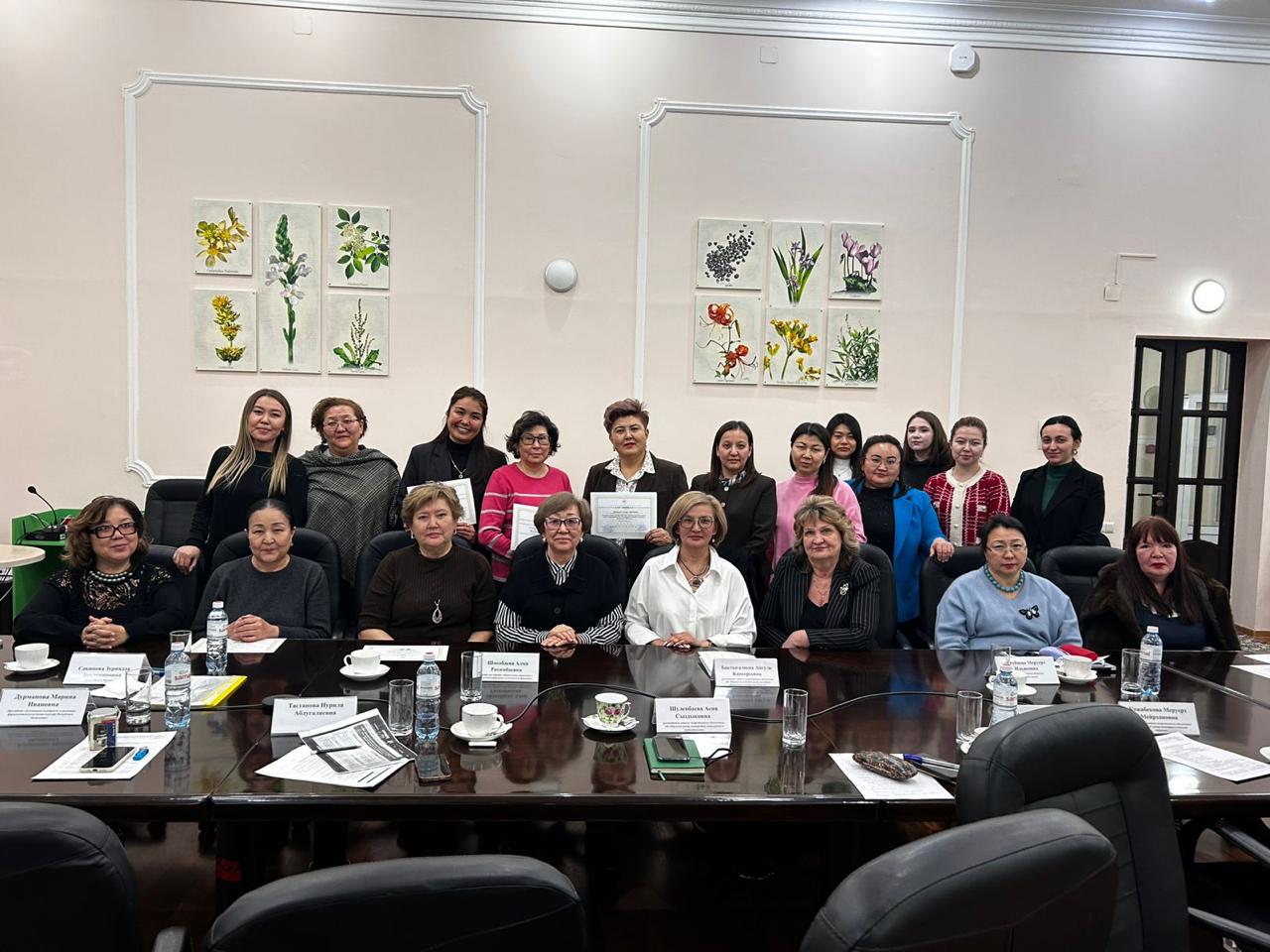
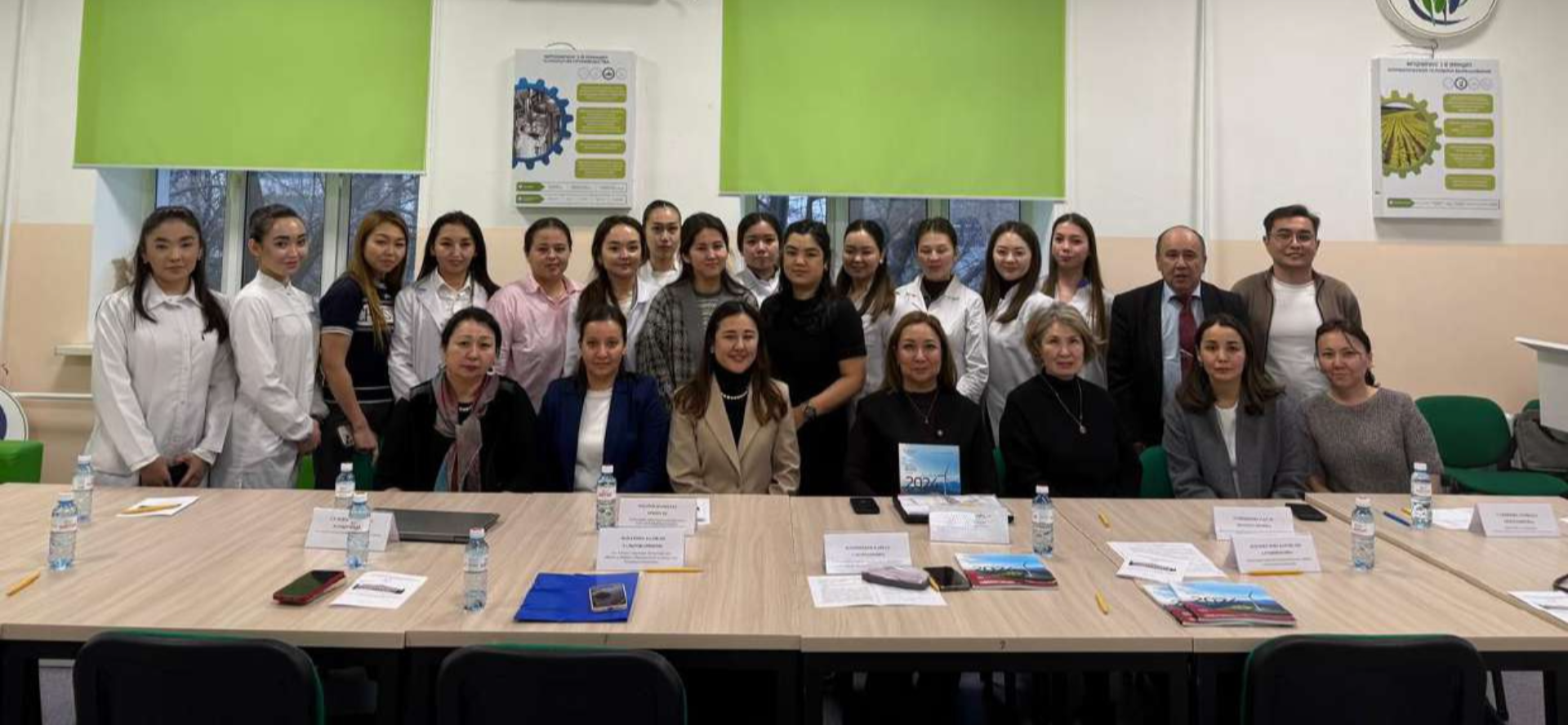
In this context, a roundtable discussion entitled “Gender Equality: Equal opportunities” was held at Asfendiyarov Kazakh National Medical University as part of the implementation of gender policy and the principles of social equality. The event was organized by the Departments of Organization, Management and Economics of Pharmacy and Clinical Pharmacy, and Biotechnology and General Chemical Technology of the School of Pharmacy. Representatives of the National Academy of Sciences of the Republic of Kazakhstan, pharmaceutical organizations, faculty members, and students of the “Pharmacy” and “Pharmaceutical Production Technology” educational programs participated in the discussion.
The main objective of the roundtable discussion was to provide students with a comprehensive understanding of the essence and current trends in gender equality in the 21st century within the context of implementing the Sustainable Development Goals.
The program addressed several key areas: gender equality and inclusion in business; national gender policy in healthcare and pharmacy; the role of women in science; career development and modern leadership models; gender policy in pharmaceutical manufacturing; and assessment of gender equality in the educational process at the School of Pharmacy.
One of the central issues was the role of women in scientific research. Science requires not only professional training but also opportunities to realize research potential, participate in scientific projects, develop an academic career, and take leadership positions. A presentation entitled “Women in Science: Barriers, Opportunities, and New Models of Leadership” provided an opportunity to examine gender equality from the perspective of contemporary scientific development.
For the university environment, this issue is particularly important. Educational institutions play a key role in shaping the professional culture of future specialists. Therefore, developing students’ understanding of equal opportunities in scientific, clinical, managerial, and industrial activities is an important component of professional education.
Modern leadership in science and education is gradually acquiring new forms. It is based not only on administrative status but also on the ability to build research teams, foster collaboration, support young researchers, promote innovation, and develop a culture of academic interaction.
A separate part of the program focused on gender equality and inclusion in business. Representatives of the pharmaceutical sector shared their professional experience, allowing participants to consider the issue from both academic and practical perspectives. Representatives of LLP “KFK Medservice Plus” and LLP “NUR-MAY FARMATSIYA” presented the topics “Gender Equality and Inclusion in Business” and “Pharmaceutical Manufacturing and Gender Policy.”
The involvement of employers in the educational dialogue is particularly valuable. It enables students to understand the relationship between university education and the professional environment, as well as the importance of corporate culture, teamwork, professional responsibility, and equal opportunities for career development.
An important part of the discussion was the topic “Assessment of the Level of Gender Equality in the Educational Process at the School of Pharmacy of KazNMU.” The educational environment is a key space for shaping social and professional attitudes. During their studies, young people develop their understanding of professional roles, leadership, responsibility, and opportunities for further development. This approach contributes to critical thinking, a culture of dialogue, respectful professional interaction, and an understanding of equal opportunities in scientific, clinical, and industrial activities.
The roundtable format made it possible to consider gender equality comprehensively, bringing together the perspectives of education, science, business, and professional practice. For students, participation in such events provides not only additional knowledge but also an opportunity to develop their professional perspectives. Open dialogue among teachers, industry representatives, and students contributes to critical thinking and a deeper understanding of contemporary social and professional processes.
Thus, promoting gender equality should be regarded as an integral part of a modern educational and professional environment. Equal opportunities create conditions for the fuller realization of human potential, advancement of science, improvement of education quality, and formation of a sustainable professional community.