
Chulalongkorn University
Published on 31 August 2026




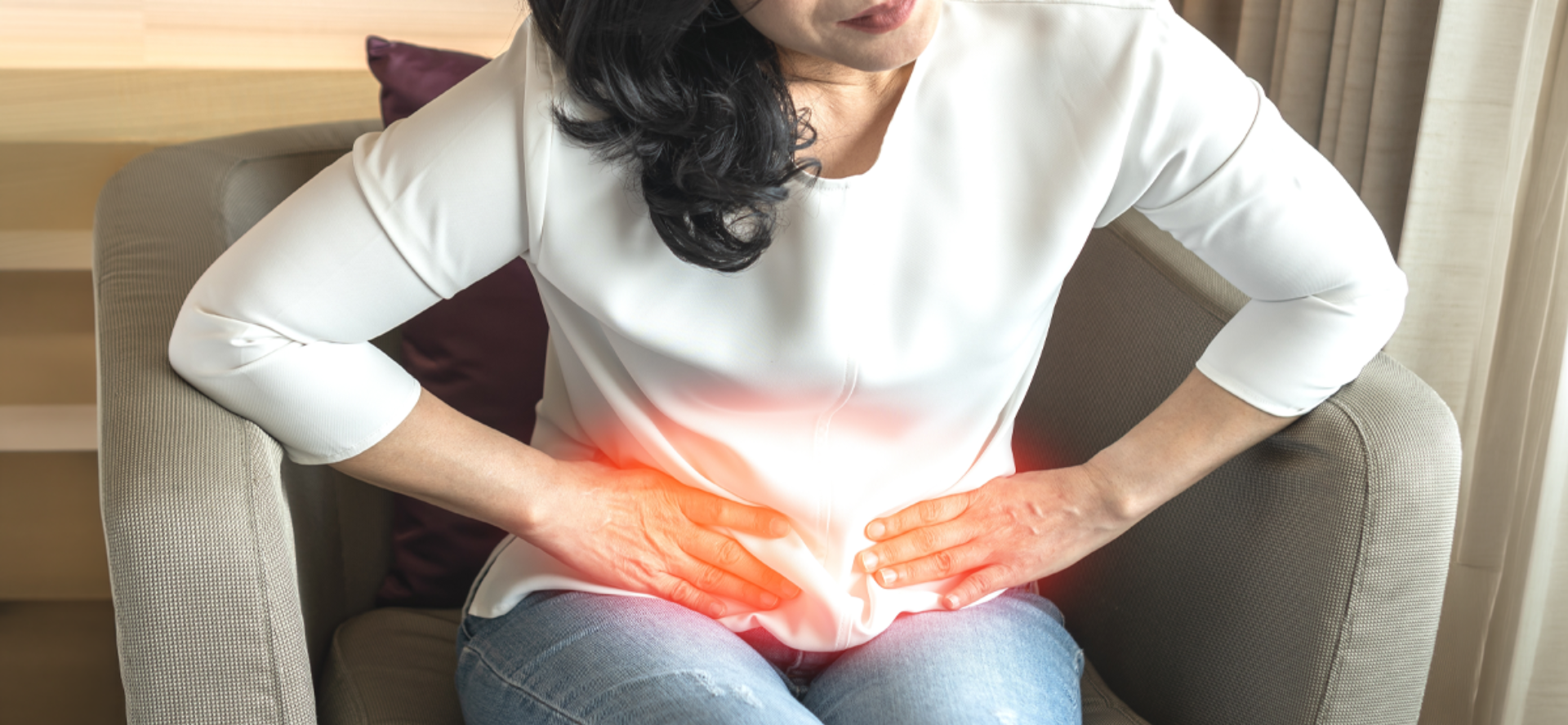
“Hernias in Women” may not be a condition that is frequently discussed, but it is an important health issue that women should be aware of in order to avoid serious risks, such as intestinal necrosis, which occurs more often in women with hernias than in men.
Highlights
· Understanding Hernias
· Warning Signs: What Symptoms May Indicate a Hernia?
· Surgery Is the Only Treatment: Ways to Treat Hernias in Women
· Lifestyle Changes to Reduce the Risk of Hernias
Hernias are commonly perceived as a condition that affects only men. In reality, however, women can also develop hernias, particularly in the groin area. Medical experts point out that women with groin hernias who do not receive appropriate treatment are several times more likely than men to experience intestinal necrosis as a complication.
Understanding Hernias
Dr. Pasurachate Samorn, lecturer at the Department of Surgery, Faculty of Medicine, Chulalongkorn University, explained that a hernia is a condition in which an internal organ within the abdominal cavity, such as the intestine or fatty tissue, protrudes through a weak spot or opening in the abdominal wall. This results in a noticeable bulge or lump in various parts of the body. Hernias can occur in several locations, including the groin, diaphragm, navel (umbilicus), along the edges of the abdominal muscles, or through a previous surgical incision.
Hernias can occur in people of any age or sex. For women, the risk factors associated with developing a hernia include:
· Increased intra-abdominal pressure, which may result from chronic constipation requiring frequent straining during bowel movements or from a persistent chronic cough.
· Obesity stretches the abdominal wall muscles and weakens their strength, while excess abdominal fat also increases pressure within the abdominal cavity.
· Multiple pregnancies cause repeated stretching of the abdominal muscles, leading to reduced strength and support of the abdominal wall.
· Previous abdominal surgery may create weak points or separations in the abdominal wall muscles at the surgical site.
· Aging: The abdominal wall muscles naturally deteriorate and lose strength over time.
· Warning Signs: What Symptoms May Indicate a Hernia?
In women, the symptoms of a hernia can often be recognized by the presence of a bulge or lump in the pubic area, labia, or groin. Typical characteristics include the following:
· The bulge becomes larger or more noticeable when standing, straining, or coughing.
· The bulge usually reduces in size or disappears when lying flat.
“If the bulge does not reduce or disappear when lying down, but instead remains “trapped” and protruding, the patient should seek medical attention immediately. A segment of intestine caught within the hernia may become obstructed or lose its blood supply, leading to intestinal strangulation and tissue death.” – Dr. Pasurachate Samorn
For women who experience pain in the groin area and wonder whether it may be a sign of a hernia, Dr. Pasurachate offers the reassurance that “groin pain that occurs during movement, walking, running, or exercise, but without a visible bulge, is generally not a symptom of a hernia. It is more likely caused by an injury to the muscles or tendons in the groin region.”
Surgery Is the Only Treatment: Ways to Treat Hernias in Women
Overall, inguinal hernias are approximately ten times more common in men than in women. In men, the protruding bulge typically appears above the pubic area and may extend down into the scrotum. In women, however, the bulge is usually located above the pubic bone or may descend into the labia majora.
Treatment for hernias in men involves observation and monitoring of symptoms. However, for women, once a hernia has been diagnosed, surgical treatment is the only recommended option. According to Dr. Pasurachate, “Women with groin hernias, particularly below the groin fold, have a significantly higher risk of hernia incarceration and subsequent intestinal necrosis than men. The likelihood of requiring emergency surgery is as high as 17 percent, which is several times greater than in male patients. Therefore, making preventive surgical repair a much safer approach.”
Lifestyle Changes to Reduce the Risk of Hernias
In addition to medical treatment, lifestyle modifications and self-care measures can help reduce the risk of hernias in women. The focus should be on lowering intra-abdominal pressure and improving overall physical strength. Dr. Pasurachate recommends maintaining a BMI below 23 kg/m² to reduce stress on the abdominal wall, as well as preventing constipation and seeking treatment for chronic coughs.
In conclusion, “hernias” can occur in both men and women. Although they may not appear serious in their early stages, they carry the risk of potentially dangerous complications, particularly femoral hernias, which are more commonly found in women.
For this reason, paying close attention to any unusual changes in the body and seeking medical evaluation at an early stage can make treatment simpler and help reduce the risk of complications in the future.
Read more at: https://www.chula.ac.th/en/highlight/422936/