Asfendiyarov National Medical University
Published on 11 June 2026




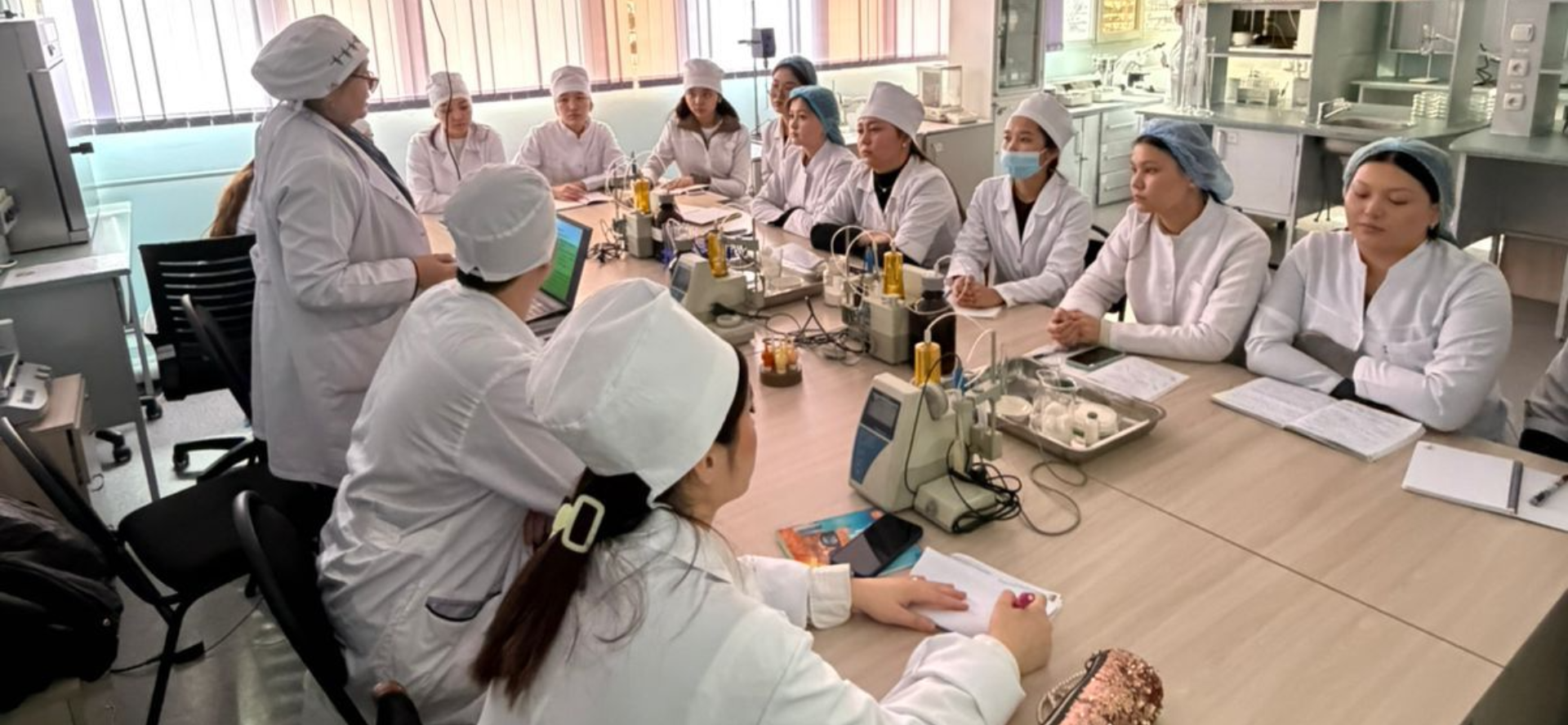
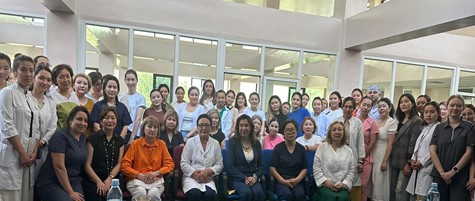
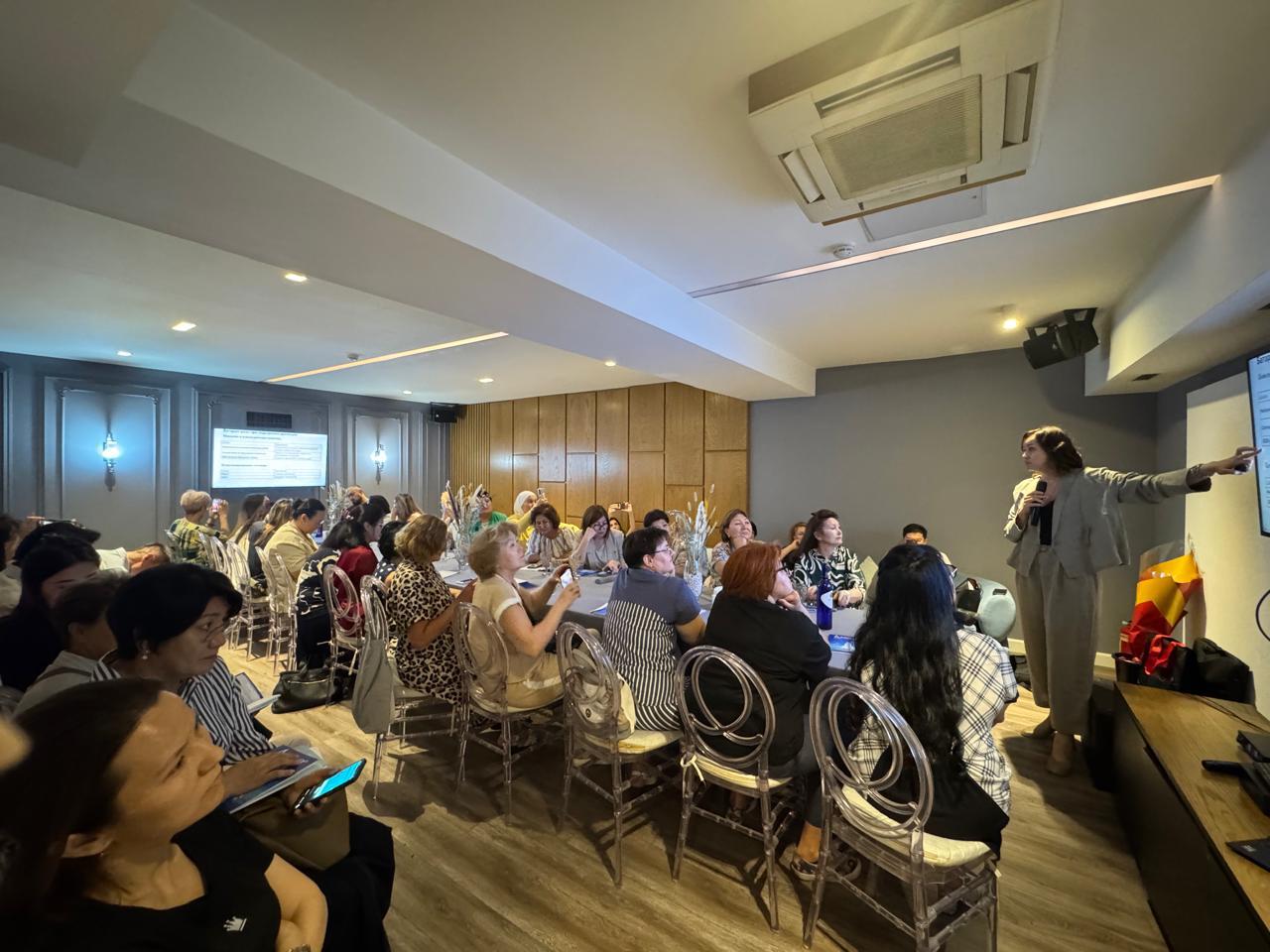
On March 5, 2026, a Roundtable Meeting on the topic “Safe Disposal of Medicines” was held at Asfendiyarov Kazakh National Medical University. The event was organized by the Department of Pharmaceutical and Toxicological Chemistry of the School of Pharmacy and brought together representatives of academic institutions, research organizations, and healthcare professionals. The meeting provided a platform for discussing current challenges and solutions related to the safe disposal of medicines and medical waste.
The Roundtable Meeting was attended by representatives of the JSC “Scientific Center for Anti-Infectious Drugs,” the Kazakhstan-Russian Medical University, and faculty members of the Department of Pharmacognosy with the Course of Botany of Asfendiyarov KazNMU. The participation of specialists from different organizations contributed to a productive exchange of knowledge and professional experience.
The main objective of the event was to discuss modern approaches to the disposal of medicines that have expired, lost their consumer properties, or become unsuitable for use. Participants also considered environmental aspects of pharmaceutical waste management and the importance of ensuring compliance with national legislation.
In the Republic of Kazakhstan, the disposal of medicines is regulated by law. Unused or expired pharmaceutical products must be destroyed by specialized licensed organizations. The procedures for the destruction of medicines and medical devices that are expired, falsified, defective, or otherwise unsuitable for use are regulated by Order No. 114 of the Minister of Health of the Republic of Kazakhstan dated June 12, 2023. These regulations are intended to ensure public safety and minimize environmental risks associated with pharmaceutical waste.
During the meeting, participants discussed current legislative initiatives and practical measures aimed at improving pharmaceutical waste management in Kazakhstan. Experts emphasized that improper disposal of medicines remains a serious issue not only for healthcare systems but also for environmental protection. Pharmaceutical substances that enter the environment can contaminate water resources and soil, creating long-term ecological consequences.
Particular attention was paid to the risks associated with improper disposal practices. Participants noted that the accumulation of pharmaceutical residues in the environment may contribute to the development of antibiotic-resistant microorganisms, which is recognized as a major global health challenge. In addition, incorrect disposal can increase the risks of accidental poisoning, unauthorized use of medicines, and exposure to hazardous substances.
The meeting also examined international experience in the environmentally safe disposal of medicines and medical devices. Participants reviewed examples of medicine collection programs and other initiatives that encourage responsible disposal practices among the public. Such programs help reduce environmental contamination and improve public awareness regarding pharmaceutical waste management.
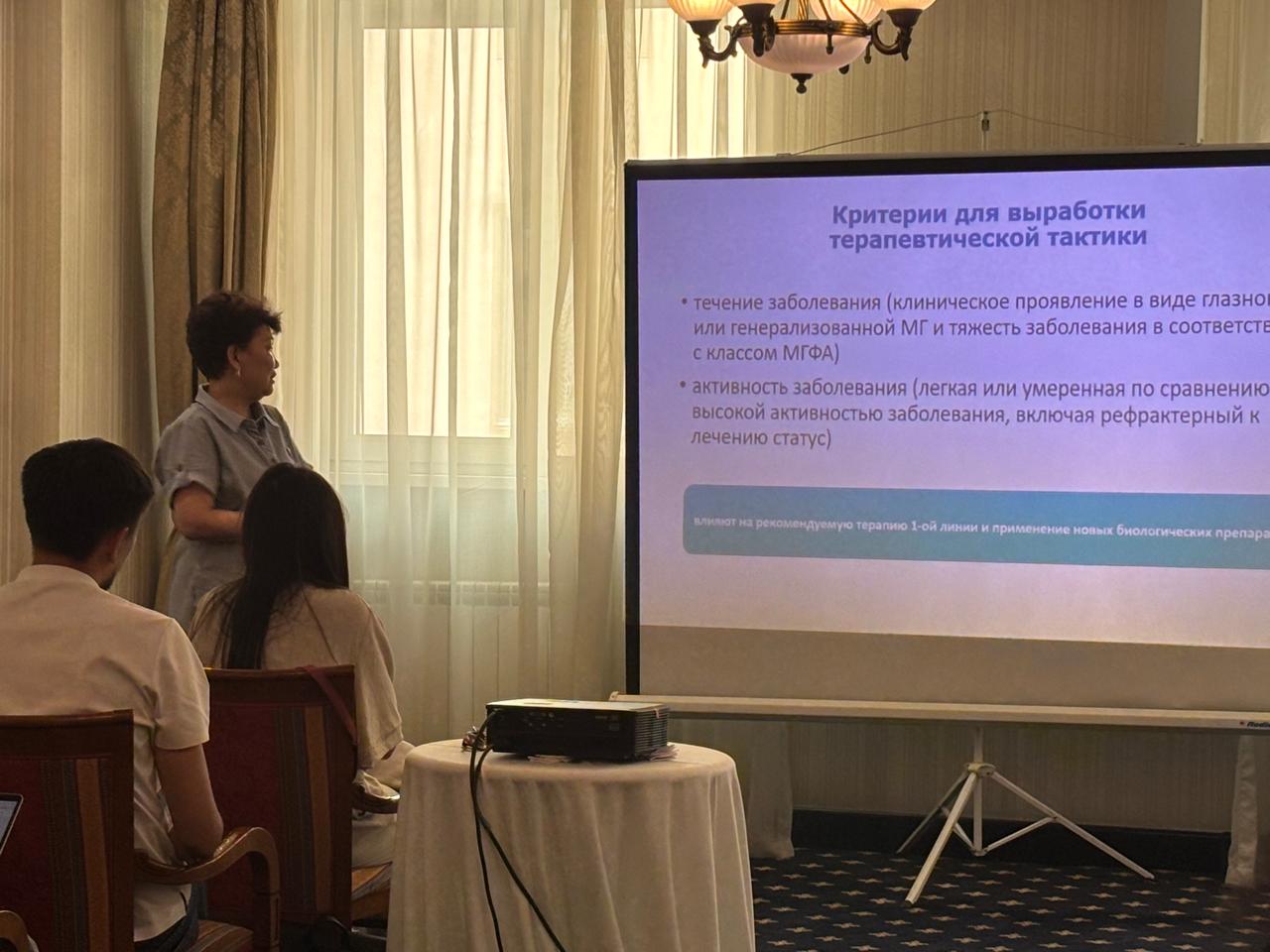
Representatives of the JSC “Scientific Center for Anti-Infectious Drugs,” including A.A. Kaliymbekova, Chief Specialist of the GxP Quality Assurance Service Department, shared practical experience related to the safe disposal of medicines and medical devices. The presentation highlighted the importance of cooperation between healthcare institutions, research organizations, regulatory authorities, and licensed waste management companies. Effective collaboration among these stakeholders is essential for ensuring the safe and environmentally responsible handling of pharmaceutical waste.
Presentations were also delivered by representatives of the Department of Pharmaceutical and Toxicological Chemistry, including A.K. Boshkayeva, Doctor of Pharmaceutical Sciences and Head of the Department, as well as representatives of the Kazakhstan-Russian Medical University, including F.E. Kayupova, Candidate of Pharmaceutical Sciences and Head of the Department of Pharmacy, and Marzhan Bauyrzhankyzy, Senior Lecturer and Master of Technical Sciences. Their reports focused on legislative regulation, proper disposal practices, and the management of pharmaceutical products in laboratory settings.
The Roundtable Meeting was held in an atmosphere of active professional dialogue. Participants exchanged views, shared practical experience, and discussed opportunities for future cooperation in the field of pharmaceutical waste management. The discussions demonstrated the growing importance of environmental responsibility within the healthcare sector.
In conclusion, the event highlighted the significance of safe medicine disposal for protecting public health and the environment. Effective pharmaceutical waste management requires coordinated efforts from healthcare institutions, regulatory authorities, educational organizations, and specialized companies. Such events contribute to strengthening professional cooperation, increasing environmental awareness, and promoting responsible approaches to the handling and disposal of medicines and medical devices.