Taipei Medical University
Published on 16 April 2026




Summary
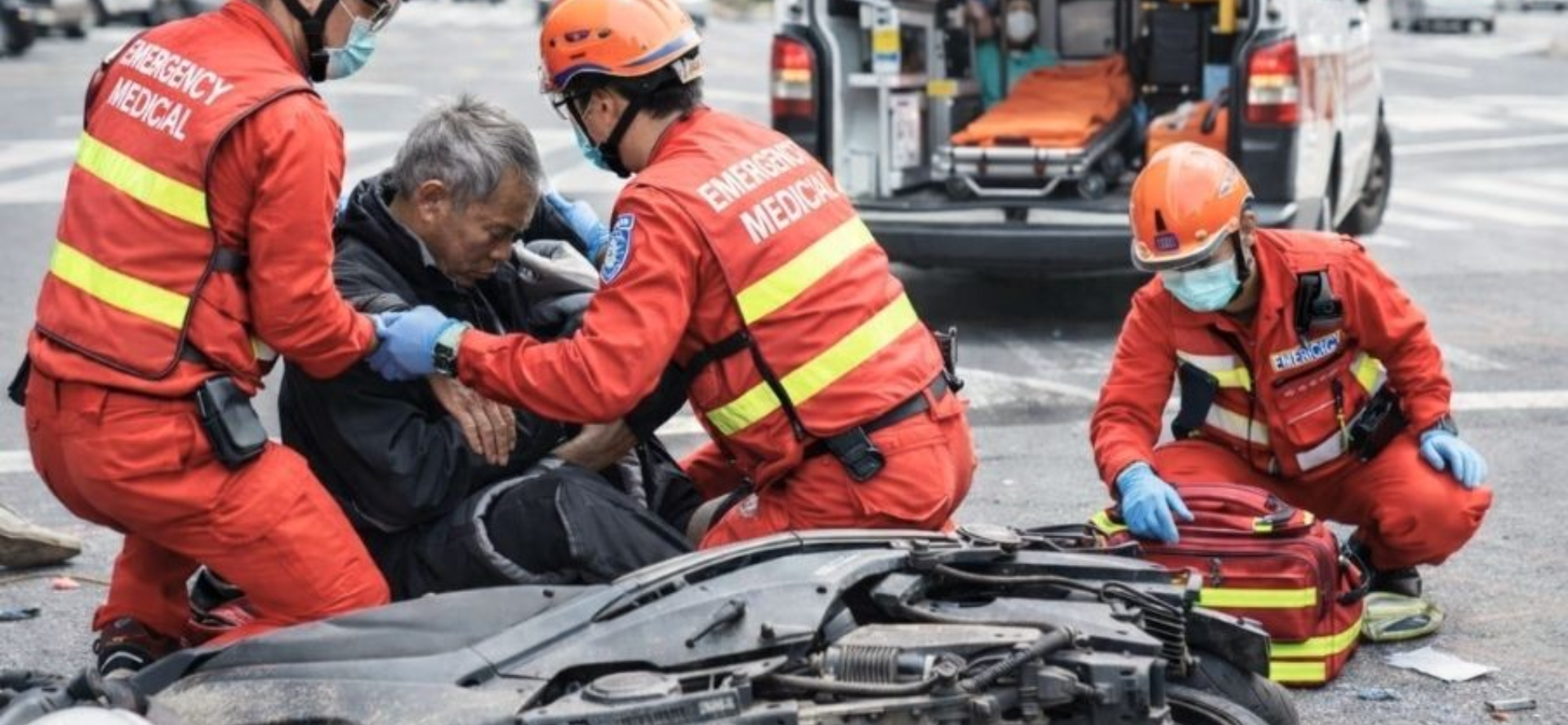
A nationwide study led by researchers at Taipei Medical University shows that early warning signs of life-threatening risk among older motorcycle and scooter riders can be identified at the crash scene, supporting faster, data-driven decisions by emergency medical services.

As populations age, older adults are increasingly involved in traffic crashes, particularly those riding motorcycles and scooters. In Taiwan, nearly half of traffic deaths among people aged 65 and above involve two-wheeled vehicles. Ensuring that these riders receive the right level of care at the right time has become a growing challenge for emergency systems.
For emergency medical services (EMS), early decisions—such as whether to transport a patient to a major trauma center—can strongly influence survival. Yet these decisions are often made at the roadside with limited information.
The challenge in emergency care
Assessing injury severity in older adults is particularly difficult. Because older adults are physiologically more fragile, they may appear stable immediately after a crash but deteriorate rapidly hours or days later. In this sense, serious injury in older riders can resemble a delayed alarm—everything may seem quiet at first, while the risk is already building beneath the surface.
“Older patients do not always show clear warning signs at first,” said Prof. Hon-Ping Ma, corresponding author of the study from Taipei Medical University. “This makes early triage decisions especially challenging for emergency teams.”
The solution: data analysis and a practical scoring system
To address this gap, the research team analyzed nationwide data by linking police-reported crash records, hospital admissions, and national death registry data in Taiwan. The study examined more than 120,000 crashes involving motorcycle and scooter riders aged 65 and above, alongside a hospital-based cohort of over 92,000 patients.
Unlike many previous studies, the analysis captured deaths occurring within 30 days of a crash, including victims who died before reaching hospital. The results identified consistent predictors of mortality, including head and neck injuries, advanced age, cardiovascular disease, diabetes, and behavioral factors such as helmet non-use, alcohol involvement, and unlicensed riding.
Application in real-world emergency response
By translating the analysis into a simple scoring system, the study offers a practical tool for frontline use. Because older adults can appear stable at first but decline rapidly, this approach allows EMS teams to make objective, data-driven decisions about which victims should be rushed to major trauma centers, even if injuries do not look immediately fatal.
“This tool is designed to support—not replace—clinical judgment,” Prof. Ma said. “It helps emergency responders recognize hidden risk early, when timely escalation of care can make a real difference.”
Looking ahead
By incorporating crash-scene information, this research provides a more complete view of mortality risk among older riders. As motorcycles and scooters remain an important mode of transport for older adults, integrating such prehospital screening tools into EMS protocols could strengthen trauma systems and help reduce preventable deaths.
Look for More Information
Original Reaserch Article: Early identification of high-risk older two-wheeler riders: A dual-sample approach for 30-day mortality prediction