NCUSEC
Published on 8 April 2026




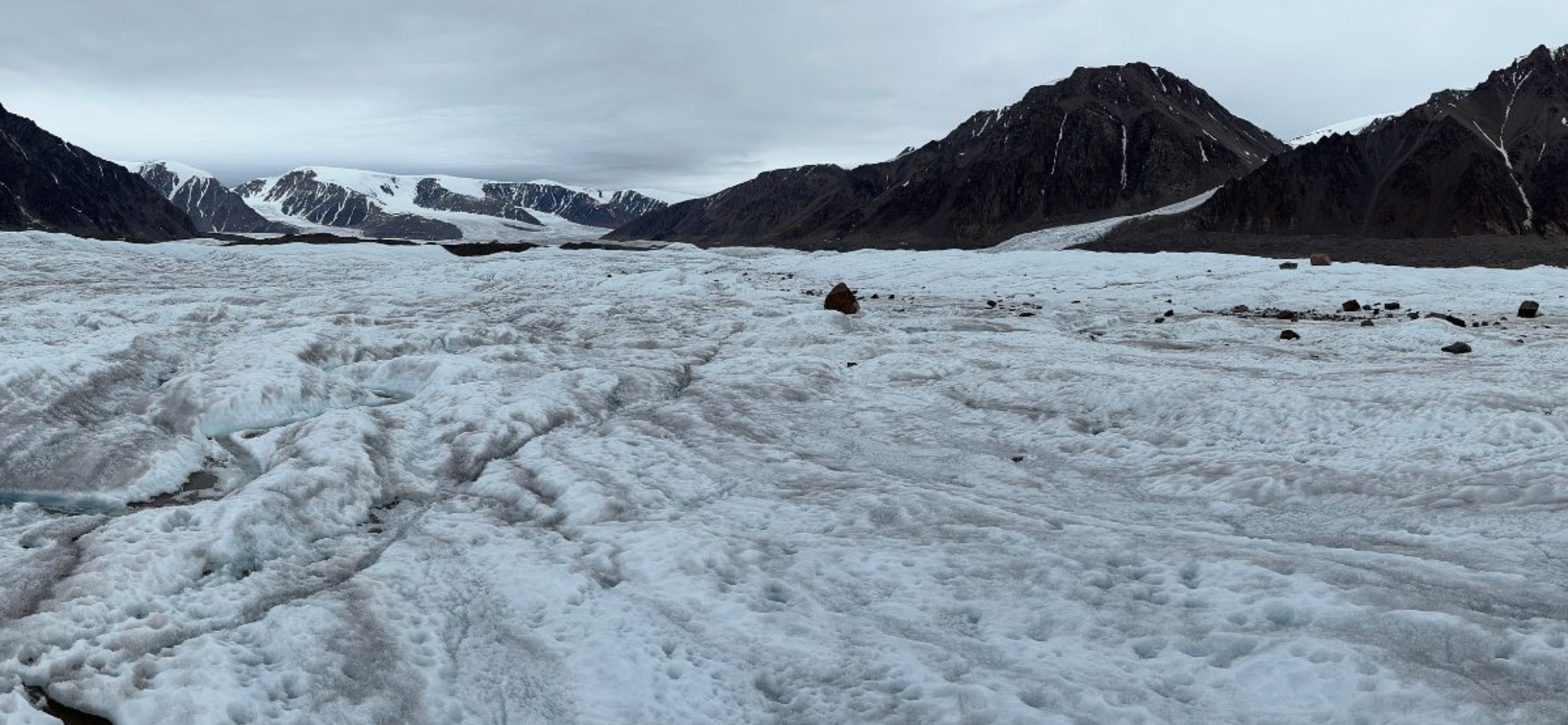
Assistant Professor Whyjay Zheng of the Center for Space and Remote Sensing Research at National Central University, who also holds an appointment at the Taiwan Polar Institute, recently published a study in The Cryosphere. Using multi-year satellite observations, the team identified multiple active subglacial lakes beneath glaciers in the Canadian Arctic, providing critical insights into subglacial hydrological systems and glacier dynamics.
By analyzing high-resolution ice surface elevation data from 2011 to 2021, the researchers tracked subtle temporal changes in ice surface height and successfully identified 37 subglacial lakes, of which 35 were newly discovered.
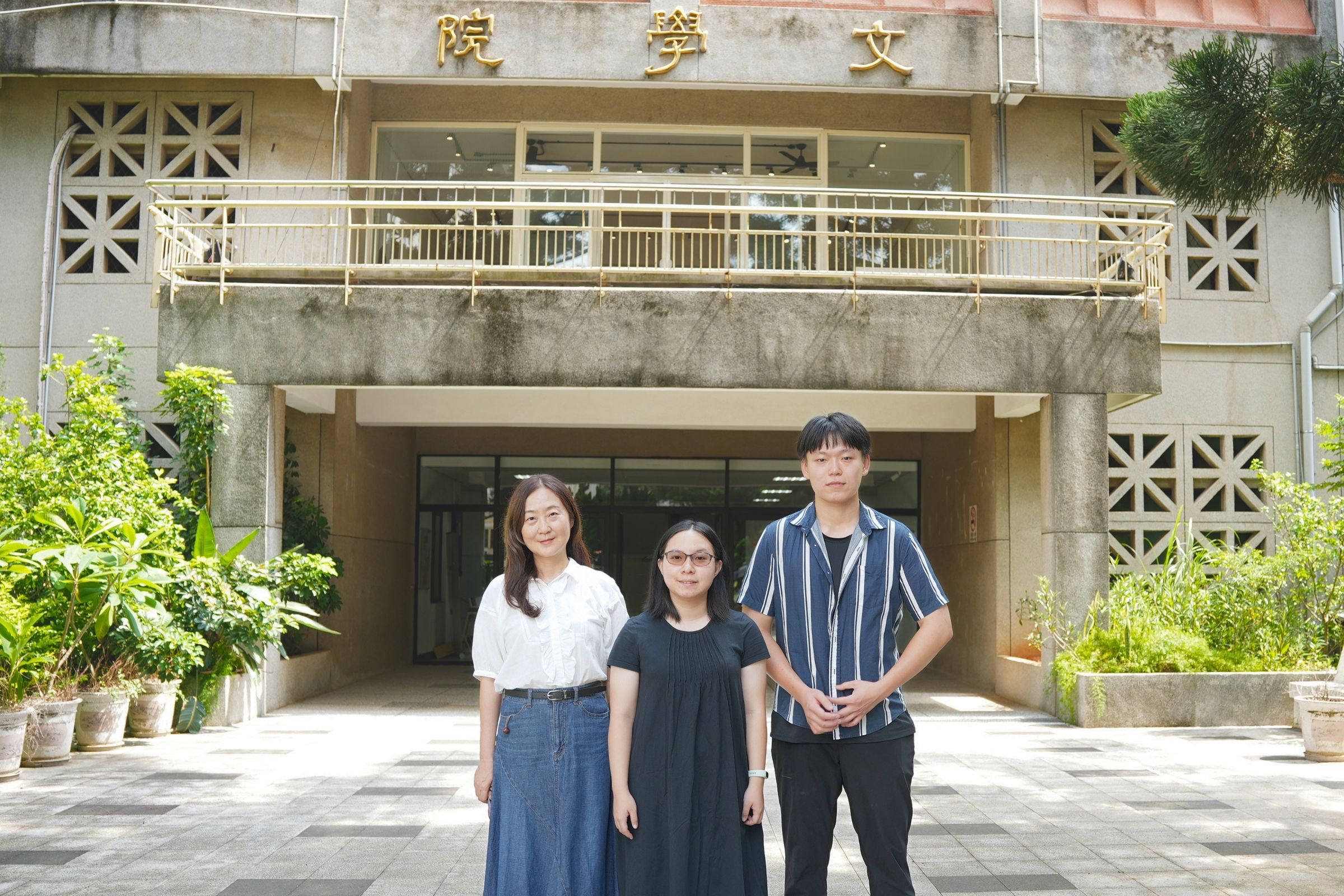
In addition to Assistant Professor Whyjay Zheng, the research team includes Associate Professor Wesley Van Wychen from the University of Waterloo, Researcher Tian Li from the University of Bristol, and Researcher Tsutomu Yamanokuchi from Remote Sensing Technology Center of Japan. Assistant Professor Whyjay Zheng led the study by proposing the research concept, integrating datasets, and facilitating the formation of this international research collaboration.
Assistant Professor Whyjay Zheng explained that when subglacial lakes accumulate water, the ice surface gradually uplifts; when water drains, the ice surface subsides. Through long-term satellite altimetry time series and statistical analysis, the researchers were able to monitor the filling and drainage cycles of these lakes, thereby estimating their locations, extents, and activity cycles. The findings not only confirm the existence of more subglacial lakes but also suggest that their activity is correlated with the annual ice mass loss of glaciers in the Canadian Arctic.
For more details, please refer to the article in The Cryosphere:
https://doi.org/10.5194/tc-20-1699-2026