UiTM Deepens Partnership with Fraunhofer IEM Mechatronic System Design Germany to Advance Malaysia’s Innovation Ecosystem

Seeing Germany as a forerunner in the shift to Industry 4.0 and a global leader in manufacturing innovation, Universiti Teknologi MARA (UiTM) has selected the country as a major partner for its engineering programmes. One of the Asia-Pacific nations, Malaysia, has been selected as the test bed for the Fraunhofer IEM’s first innovation lab. UiTM is the largest public university in Malaysia and is home to more than 160,000 students and 18,000 academics and staff. The intention is to establish conditions under which corporations and educational institutions might collaborate on R&D initiatives. This lab debuted in September 2019 for students, researchers, and the industry, and it features “Digital Engineering” workstations, prototyping technology areas, and workshop and training facilities. 

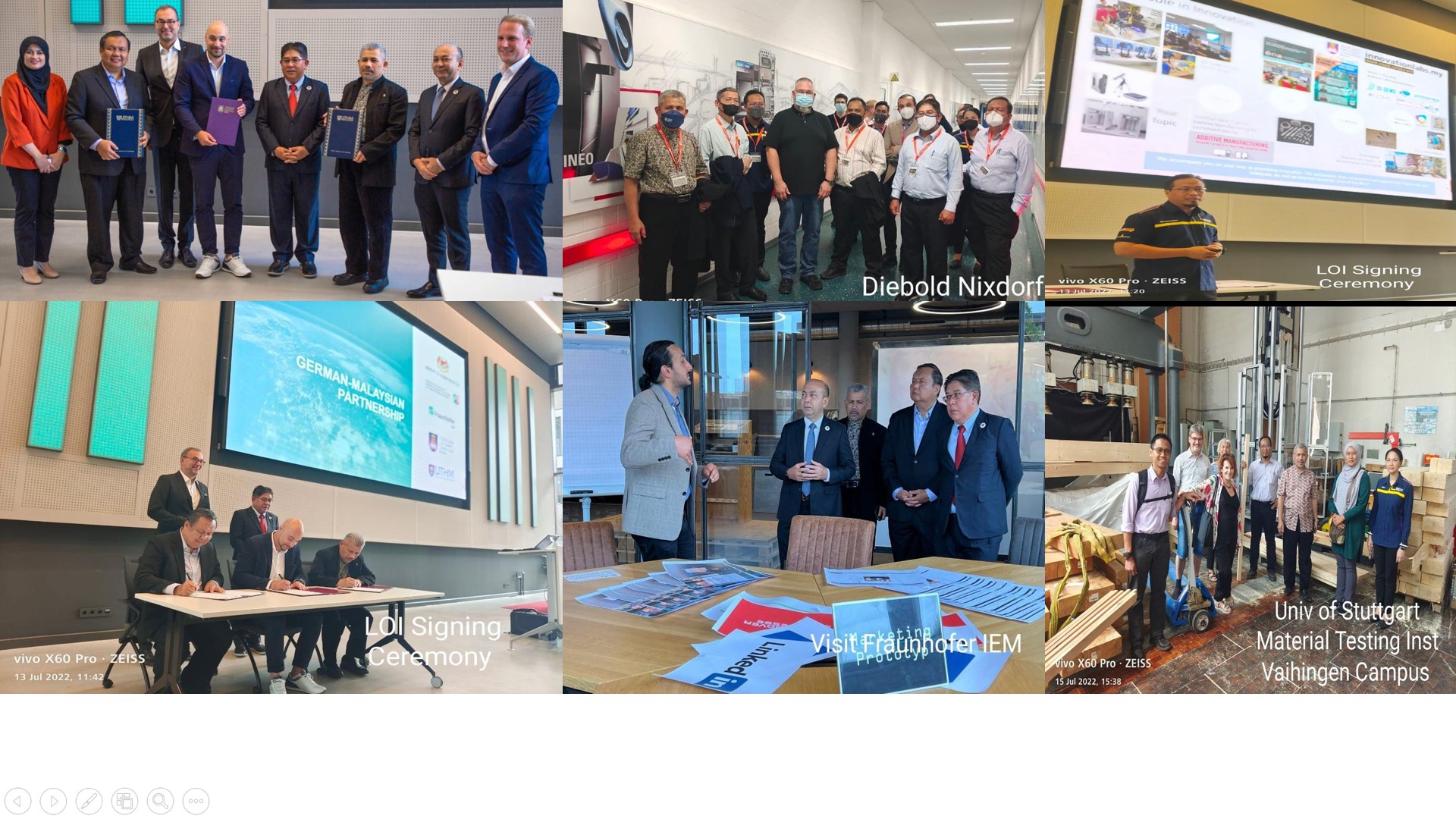
Both institutions have signed a Letter of Intent (LOI) to work together on future projects, including research, development, and the growth of innovation laboratories. A new agreement has been signed in light of the fruitful results of the first cooperation. The LOI was signed on July 13, 2022, at Fraunhofer IEM in Paderborn, in the presence of Dato’ Seri Abdul Razak bin Jaafar, the Secretary-General of Malaysia’s Ministry of Higher Education (MOHE). The long-term objective of innovation laboratories is to establish an ecosystem capable of overcoming the “invention death valley” typically encountered between Technology Readiness Level (TRL) 4 and TRL 6. There is an immediate need to establish a framework for collaboration between institutions of higher education and private industry to promote innovation. Meanwhile, Fraunhofer IEM connects the academic world in Germany with the private sector. Under collaboration with Fraunhofer IEM,  industry visits to Diebold Nixdorf, Beckhoff Automation, and GEA Westfalia helped to interact with industry experts and learn more about the industrial environment in Germany.

The program aims to produce well-rounded graduates capable of handling stress, making meaningful contributions to society, and competing successfully in the global job market. The university has issued a statement explaining its plans to become a globally recognised institution by 2025. One of the ways it plans to do this is through bilateral academic-industry cooperation with Germany.

AUS students join UAE’s Climate Ambassadors Program to help combat climate change

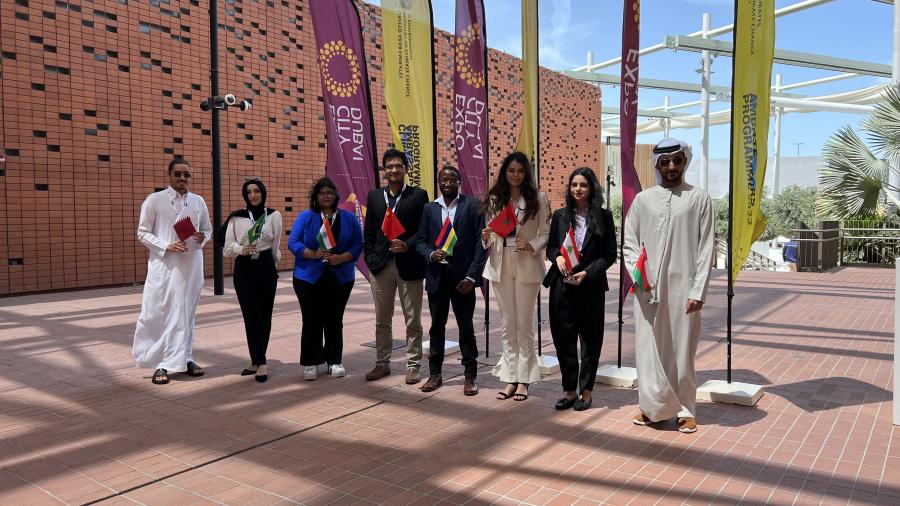
Eight students from American University of Sharjah (AUS) have been selected to participate in the UAE’s first university edition of the Climate Ambassadors Programme (CAP) held recently at Expo City Dubai. With 40 student ambassadors in total forming the program, AUS is well-represented in this important initiative.


The Ministry of Climate Change and Environment in collaboration with the Expo University Programme. CAP is a simulation program that aims to provide an authentic and novel experience for students so that they can better understand the decision-making process of climate change issues, while fostering awareness about the impact of climate change and the importance of coordination among different agencies to address climate challenges.


During a roleplay simulation of the proceedings of the United Nations (UN) Framework Convention on Climate Change (UNFCCC) Conference of Parties (COP) session, AUS students acted as representatives from Brazil, China, India, Mauritius, Lebanon, Morocco, Oman and Qatar. The students engaged in negotiations, drafted action plans and sought consensus on critical climate issues related to carbon and greenhouse gas mitigation. 


“We are dedicated to preparing our students for meaningful careers and empowering them to make a positive impact on the world. CAP provided invaluable opportunities for the eight students with diverse academic backgrounds to align their majors with the critical need for climate action. We are partnering with Expo City Dubai to broaden the scope of CAP opportunities for AUS students in the near future.” said Julia Carlow, the Acting Head of Sustainability at AUS.


Saleh Al Shamsi, an international studies student, commented on his participation: “Being part of CAP as Oman’s representative was eye-opening. I engaged in real-world negotiations and action planning, gaining insights into global climate challenges. It empowered me to
actively contribute to combating climate change and make a positive impact on the world.”


“As a student participating in CAP, I was able to enhance my public speaking and negotiation abilities while gaining insight into the upcoming COP28. As an environmental sciences student, this experience provided me with a practical application of my coursework, allowing me to witness its real-world relevance,” said Sameera Khan, who represented Brazil at CAP. 


AUS has made sustainability and climate change mitigation a strategic priority, offering all of its students, regardless of their chosen major, the opportunity to participate in the many sustainability-related initiatives led by the university. The UAE Climate Envoy to COP28 has invited AUS to be a member of the Universities Climate Network (UCN). The network comprises UAE-based universities and higher education institutions facilitating dialogues, workshops, public events and youth participation in the lead up to COP28.  To learn more about how AUS is making the most of this opportunity, please visit www.aus.edu/cop28.

Kazakh-German’s Nexus for Sustainability

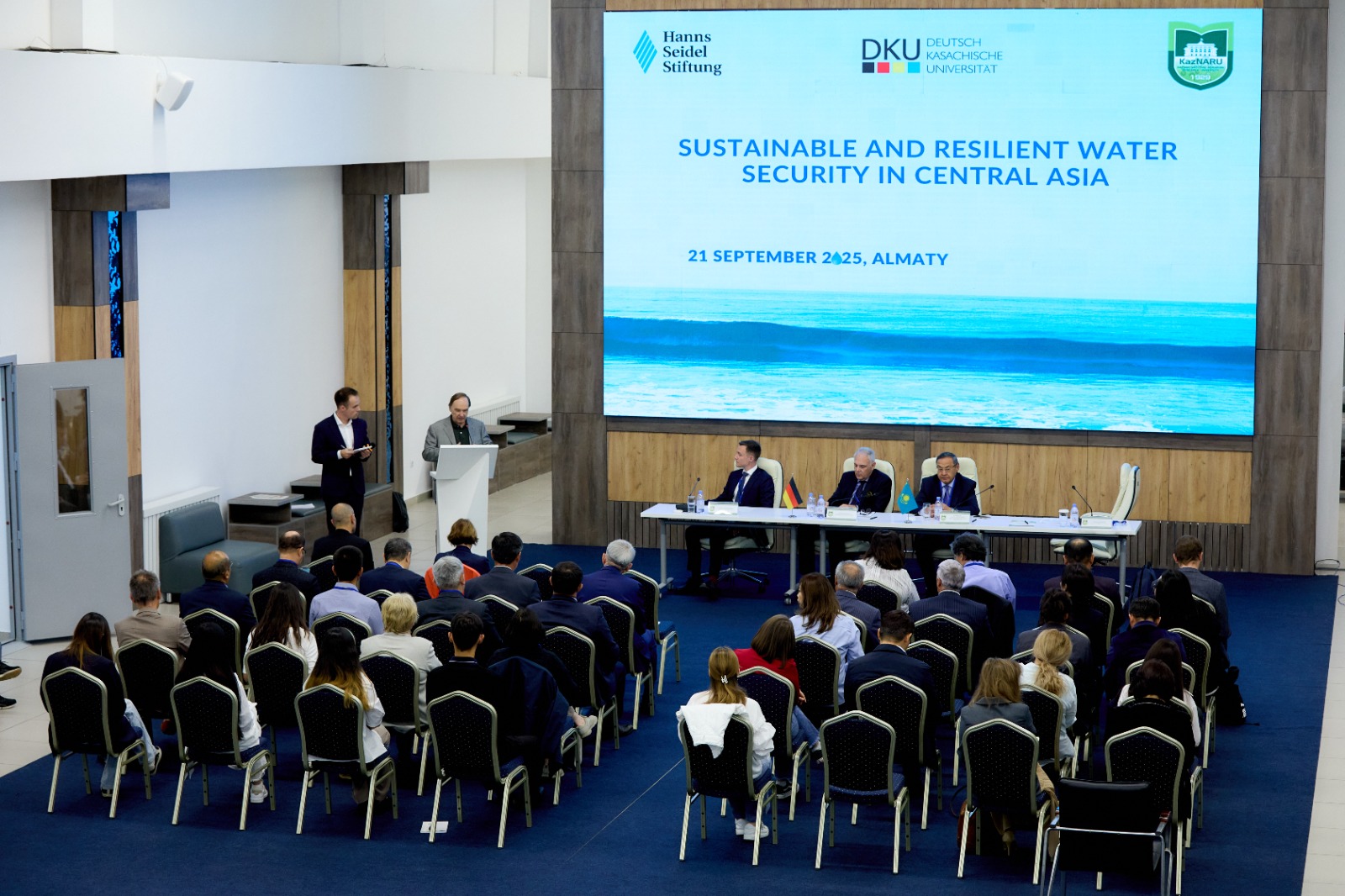
This new scientific and educational center is poised to become a hub for interdisciplinary research and international collaboration focused on climate resilience and resource management in Central Asia.


The Nexus Institute is a joint endeavor between KazNARU, the Kazakh-German University, and the National Academy of Sciences of the Republic of Kazakhstan, with strategic support from the Hanns Seidel Foundation. It aims to develop integrated solutions across land and water management, energy systems, and biodiversity conservation—domains critical to the region’s sustainable development.


At its core, the Institute seeks to address the complex interdependencies between natural resources and climate change. Fostering collaboration among national and international experts will promote evidence-based policymaking, academic mobility, and capacity-building for future leaders in sustainability.


Key focus areas include:


• Designing effective policies for sustainable land and water use

• Implementing digital technologies for environmental monitoring

• Training professionals to address climate-related challenges

• Advancing practices to prevent land degradation and desertification


German partners, particularly the Hanns Seidel Foundation, are contributing both technical expertise and financial support. Their involvement spans research project development, strategic planning sessions, and the creation of modern educational platforms tailored to regional needs.


The Nexus Institute will also serve as a springboard for academic exchange, enabling scholars and students to engage in joint research, fieldwork, and support South-South cooperation and innovation across borders. Its modular and adaptive approach to curriculum design ensures relevance for diverse audiences—from university students to policymakers and practitioners.


This initiative marks a significant milestone in Kazakhstan-German cooperation and reflects a shared commitment to the United Nations’ Sustainable Development Goals (SDGs), particularly SDG 6 (clean water and sanitation). By investing in knowledge infrastructure and transnational dialogue, the Nexus Institute is set to play a pivotal role in shaping resilient, inclusive, and forward-looking responses to environmental challenges in Central Asia.


As the region faces increasing pressure from climate variability and resource scarcity, the launch of the Kazakh-German Nexus Institute signals a proactive and visionary step toward sustainable futures—anchored in science, collaboration, and global solidarity.

Cultivating Sustainability: EcoKizuna

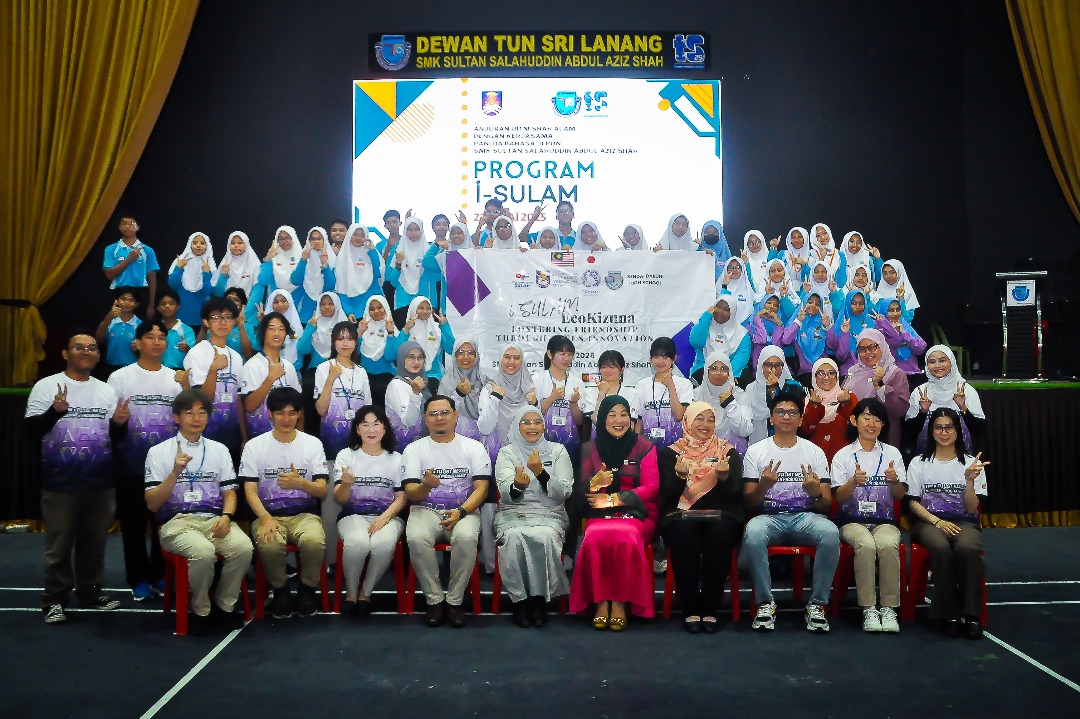
The Faculty of Chemical Engineering, Universiti Teknologi MARA (UiTM) continues to strengthen its commitment to sustainability through impactful student-centered initiatives. One of the highlights is the iSULAM EcoKizuna program, a collaboration with Tohoku University and Sendai Daiichi High School in Japan, together with Sekolah Menengah Kebangsaan Sultan Salahuddin Abdul Aziz Shah (SMKSSAAS). The program was led by Assoc. Prof. Ir. Dr. Noor Fitrah Abu Bakar, Ir. Ts. Dr. Rafeqah Raslan, and Ts. Dr. Asdarina Yahya, who guided students in merging engineering knowledge with community engagement to address real-world environmental challenges.

The program centered on fostering awareness of waste management and sustainability, encouraging students to turn waste materials into useful items through upcycling. Chemical engineering students acted as facilitators in guiding high school participants through hands-on activities such as transforming discarded mineral water bottles into pencil holders and repurposing old t-shirts into tote bags. These creative exercises not only highlighted practical applications of chemical engineering principles but also instilled a deeper appreciation for resource efficiency and environmental conservation.

Beyond the technical aspects, iSULAM EcoKizuna emphasized the importance of leadership, communication, and ethics in engineering practice. Students were encouraged to apply problem-solving and critical thinking while working in teams, in line with the course outcomes of Leadership and Professional Ethics for Engineers. This integration of technical knowledge with soft skills development prepared participants to manage real-world dilemmas, navigate conflicts, and communicate effectively in diverse group settings.

The impact of the program was felt across multiple levels. For the community, it raised awareness on sustainable living and the potential of upcycling in everyday practices. For the students, both local and international, it enhanced intercultural understanding, teamwork, and a sense of social responsibility. Institutionally, the initiative strengthened UiTM’s reputation in sustainability and internationalization by showcasing collaborative educational practices that unite local and international partners under shared goals.Through such initiatives, the Faculty of Chemical Engineering reaffirms its role in nurturing globally minded engineers who embody both professional excellence and environmental stewardship.

HKAPA student receives Belt and Road Scholar

Lee Yong-shan, student from School of Dance of The Hong Kong Academy for Peroforming Arts, receives Belt and Road Scholarship (Malaysia) under the HKSAR Government Scholarship Fund this academic year.

Currently a Year 1 Bachelor’s Degree student in the School of Dance with a major in Choreography (Contemporary Dance), Yong-shan began her ballet training in her hometown in Malaysia at the age of six. After earning a Bachelor’s Degree in English Language and a Diploma in Dance Performance in Malaysia, she applied to the Academy to further pursue her passion for dance.

“I was drawn to the Academy because of the collaborative opportunities it offers, allowing students to engage and learn from a diverse range of artists. I am sincerely grateful to the Academy for the nomination and to the HKSAR Government for the scholarship offer. This scholarship has alleviated my financial burden. With the support of the scholarship, I will continue to pursue my passion and dedication to dance and choreography. I aspire to develop myself into a skilled, creative, and independent artist through the trainings provided by the Academy, and to become a role model for young individuals who wish to further their studies in the performing arts,” said Yong-shan.

Academy Director Professor Anna CY Chan expressed her gratitude to HKSAR Government for awarding the Scholarship to the Academy student. “We are immensely proud to celebrate our first student recipient of the Belt and Road Scholarship from the HKSAR Government Scholarship Fund. This milestone not only highlights our commitment to fostering talent in the performing arts but also exemplifies the Academy’s dedication to internationalisation through the recruitment of outstanding students globally. We believe that this scholarship will empower our students to explore new horizons and inspire future generations of performing artists.”

Belt and Road Scholarship of HKSAR Government Scholarship Fund is established with the aim of attracting more outstanding students from countries/regions along the Belt and Road to pursue full-time publicly-funded university studies in Hong Kong. All awardees would receive a scholarship to cover their tuition fees.

Incheon Lifelong Education Governance

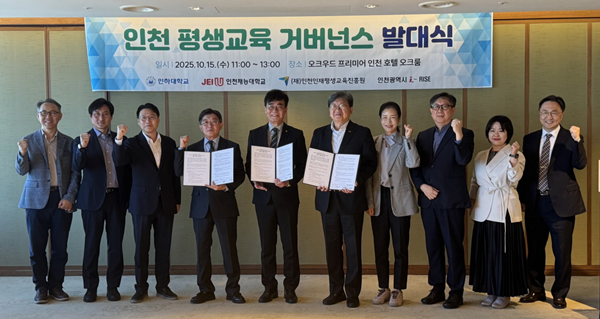
Inha University held the “Incheon Lifelong Education Governance Inauguration Ceremony” on the 15th at Oakwood Premier Incheon.

The event served as a platform to establish a cooperative framework between Inha University, Jaeneung University, and the Incheon Talent Lifelong Education Promotion Agency, aiming to revitalize the lifelong learning ecosystem in Incheon and successfully implement the RISE (Regional Innovation-led University Support System) initiative.

President Cho Myeong-woo, President Lee Nam-sik of Jaeneung University, and President Lee Yoon-ho of the Incheon Talent Lifelong Education Promotion Agency, along with officials from universities and lifelong education institutions, attended the ceremony to share directions for regional collaboration in lifelong education.

On the same day, the three institutions also signed a business agreement, pledging joint efforts in the following areas: •Establishing an Incheon-style lifelong education governance system •Co-developing integrated lifelong learning programs connecting universities and lifelong education institutions •Creating customized educational environments for adult learners within the region •Building a talent development system linked to the RISE project.

Inha University expects that the inauguration and partnership agreement will mark a significant step in fully activating the Incheon-style lifelong education governance, fostering regional innovation and advancing Incheon as a learning city.

President Cho stated, “The Incheon-style lifelong education governance will serve as a practical model of the RISE project, where universities grow hand-in-hand with their local communities. We will strive to create an environment where Incheon citizens can learn anytime, anywhere.”

Original Article Link

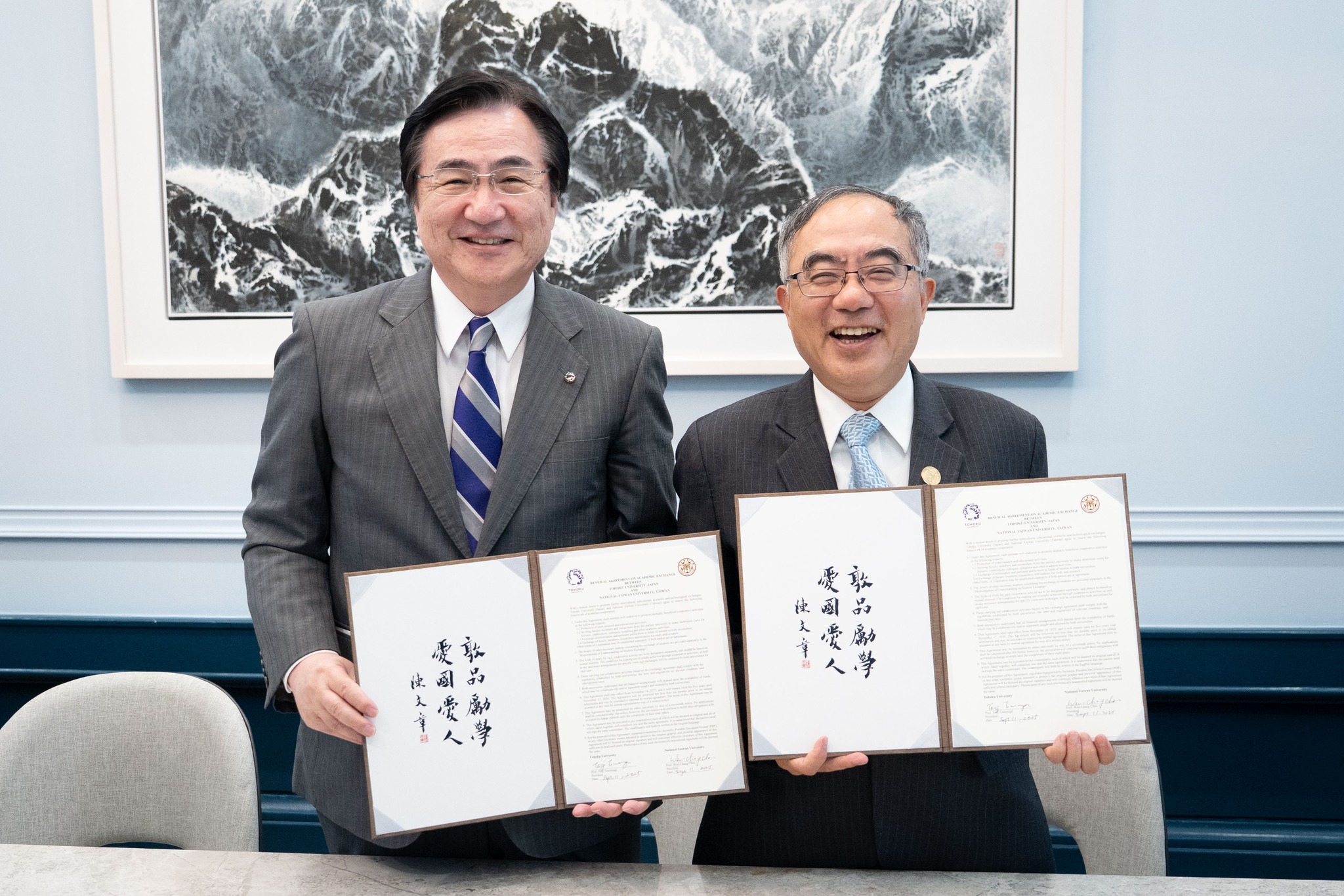
NTU and Tohoku University Boost Partnership

On September 11, 2025, National Taiwan University (NTU) hosted a delegation from its sister school, Tohoku University, led by President Teiji Tominaga and accompanied by several vice presidents and administrative leaders. NTU President Chen Wen-Chang welcomed the delegation, joined by senior representatives including Vice President for Research Ruan Xue-Fen and Dean of Medicine Zheng Nai-Zhen.

The visit focused on strengthening existing collaborations, renewing institutional agreements, and formally signing a bilateral seed cooperation program to deepen research exchanges. Discussions highlighted joint efforts in disaster science, artificial intelligence, life sciences, and sustainable development, as well as promoting international mobility for students and faculty through programs like NTU Beyond Borders.

Delegates toured the NTU Cancer Center, guided by Director Yang Zhi-Xin and his team, showcasing cutting-edge medical equipment and key research achievements. A welcome dinner included former NTU President Chen Wei-Zhao, who signed the first NTU–Tohoku agreement and is an honorary alumnus of Tohoku University. The visit marked a milestone in the two universities’ partnership, opening new opportunities for cross-border, interdisciplinary collaboration ahead of NTU’s 2028 centennial.

Sharjah–Zhejiang Partnership Talks

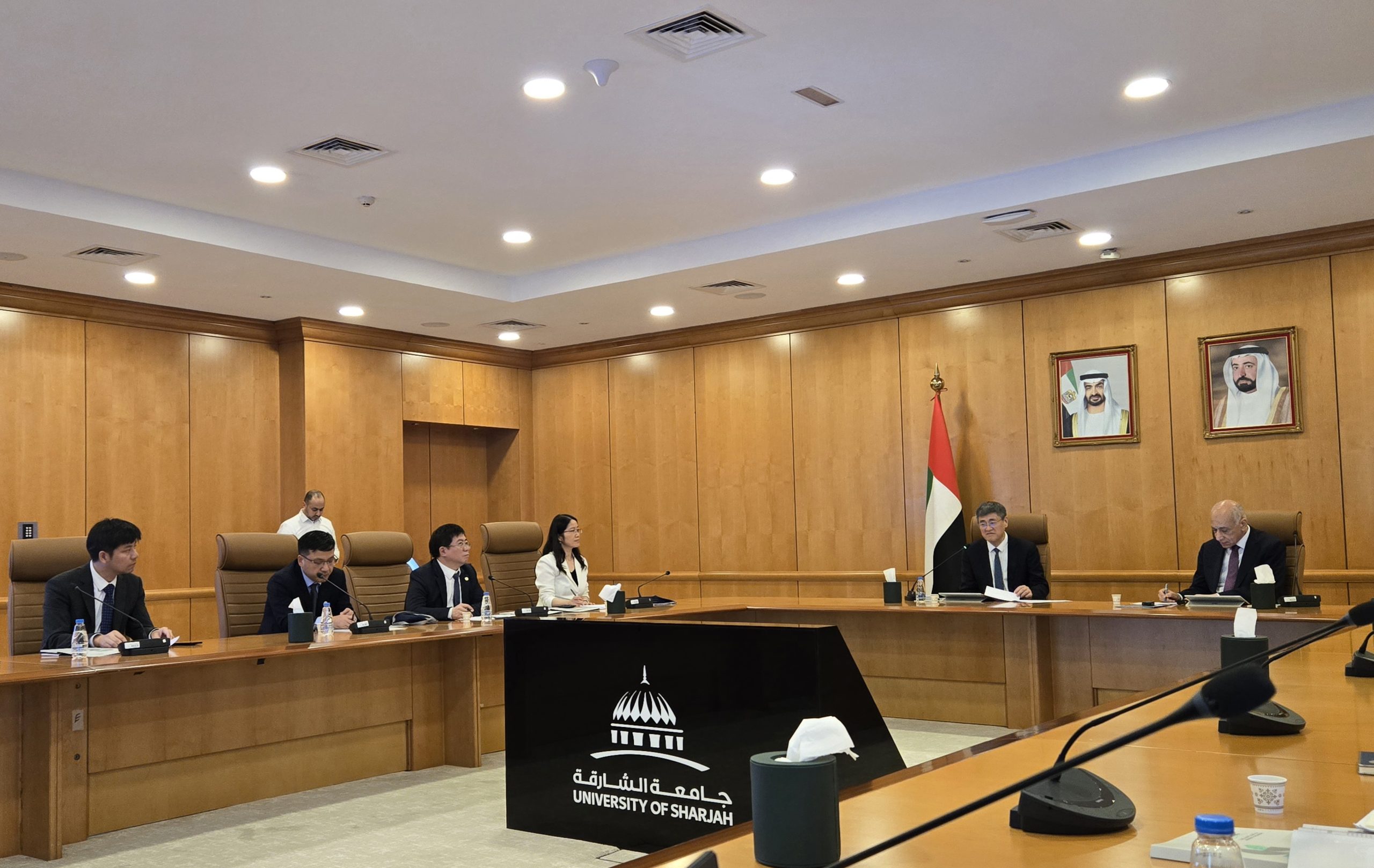
Sharjah, UAE — October 13, 2025. A high-level delegation from Zhejiang University (ZJU) visited the University of Sharjah (UoS) to explore new avenues for academic and research collaboration across medicine, engineering, computing and other strategic areas. The delegation was received by H.E. Prof. Esameldin Agamy, Chancellor of the University of Sharjah, who emphasized the University’s commitment to strategic global partnerships that advance innovation and knowledge exchange.

The ZJU party was led by Prof. Ren Shaobo, Council Chairman, accompanied by Prof. Liang Junying, Director of the Office of Global Engagement and Dean of the International College; Prof. Wang Wei, Vice Dean of the College of Information Science and Electronic Engineering (ISEE); Prof. Huang Chongwen, Head of the Department of Information Engineering at ISEE; Prof. Wei Guoqing, Vice President and Professor of Hematology at The First Affiliated Hospital, School of Medicine; Prof. Lu Xiongbin, Professor at the Provincial Key Lab of Pancreatic Diseases, The First Affiliated Hospital, School of Medicine; Mr. Zhang Dongliang, Deputy Director of the President’s Office; and Ms. Zheng Qi, Partnership Coordinator at the Office of Global Engagement.

From the UoS side, the leadership present included H.E. Prof. Esameldin Agamy, Chancellor; Prof. Qutayba Hamid, Vice Chancellor for Medical & Health Sciences and Dean of the College of Medicine; Prof. Abdul Wahab Bin Mohammad, Dean of the College of Engineering; Prof. Abbes Amira, Dean of the College of Computing and Informatics; Prof. Abdelaziz Soufyane, Director of the Office of International Relations; and Prof. Taewan Kim, Head of University Rankings & Analytics. Discussions focused on co-developing research clusters in data-driven healthcare and translational medicine, establishing targeted faculty and postgraduate exchange pathways aligned with laboratory capacity and curriculum needs, and launching short-term visiting programs and summer schools in computing and engineering.

Both sides agreed to develop a concrete roadmap in the coming weeks, including coordinated calls for joint research proposals and a schedule of co-branded seminars to be held in Sharjah and Hangzhou.

Development of the Dementia

The Department of Neurology at S.D. Asfendiyarov Kazakh National Medical University (KazNMU) continues its important series of educational events aimed at advancing practical healthcare. These efforts coincide with the 95th anniversary of KazNMU and the 90th commemoration of Professor S.K. Kaishibaev. The initiative is part of the Ministry of Health of the Republic of Kazakhstan’s Roadmap for Improving Neurological Medical Care for the Adult Population for 2025–2027, targeting enhanced dementia care and neurological expertise.

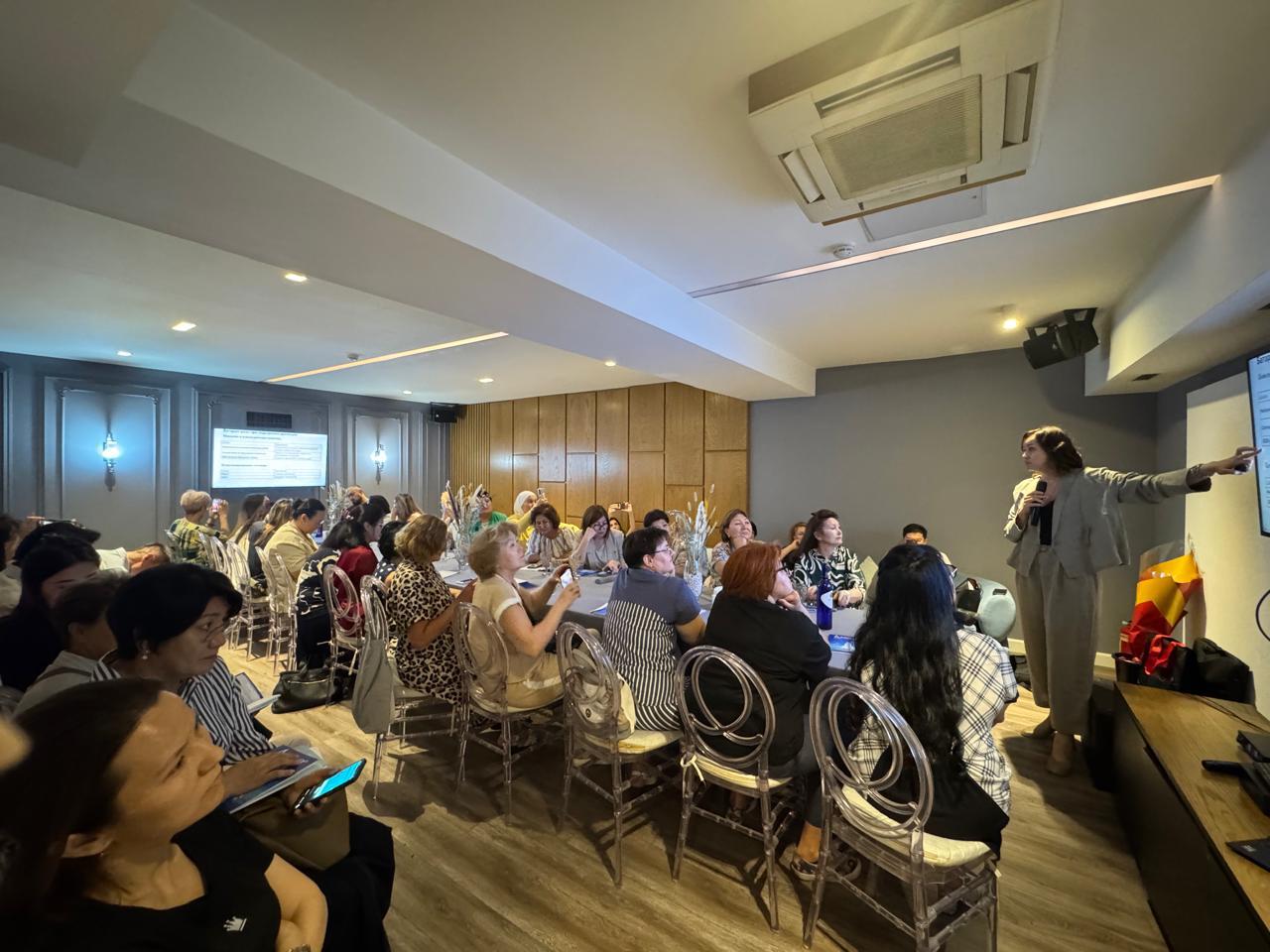
During the summer, the department held a cycle of educational lectures for primary healthcare physicians as part of the project titled the “Alzheimer’s Disease School.” These sessions took place on July 10, July 22, and August 22, attracting dozens of healthcare professionals from across the region. The core aim of the project is to elevate the competency of physicians by disseminating the latest knowledge on the diagnosis, treatment, and prevention of Alzheimer’s disease—one of the most urgent medical and social challenges of the 21st century.

Advancing Knowledge in Alzheimer’s Disease

The keynote lecture was delivered by the Chief Freelance Neurologist of the Ministry of Health and Head of the Department of Neurology at KazNMU. The presentation offered a comprehensive overview of Alzheimer’s disease, covering global and national prevalence data, current understandings of causes and risk factors, and highlighting innovative strategies for early diagnosis and treatment. The speaker stressed the significance of an interdisciplinary approach and early identification of cognitive impairments as critical components in improving patient outcomes.

Modern Diagnostics and Clinical Practice

Following the keynote, a neurologist and assistant professor at KazNMU presented a practice-oriented session on modern diagnostic tools and clinical approaches to cognitive disorders. This included a detailed overview of instrumental and neuropsychological diagnostic methods, international assessment scales, and real-life clinical cases. Attendees appreciated the practical relevance of these insights, emphasizing their immediate applicability to routine patient care in primary healthcare settings.

Supporting Families and Building the Dementia Alliance

One of the most impactful presentations focused on the vital role of psychological and social support for families of patients living with dementia. The discussion also introduced the recently established Kazakhstan Alzheimer’s and Dementia Alliance—a pioneering initiative aimed at uniting efforts to enhance care quality for patients and their caregivers. This alliance fosters Kazakhstan’s integration into the international dementia care community, enabling the exchange of best practices and collaborative advancements in treatment and support frameworks.

Project Significance and Impact

The series of educational events generated strong interest and active participation from primary healthcare doctors. Through discussions, case studies, and up-to-date scientific findings, the “Alzheimer’s Disease School” has become a valuable resource for practitioners looking to deepen their expertise.

Key outcomes for participating physicians included:

  • Enhanced understanding of modern diagnostic and therapeutic methods for dementia.
  • Access to internationally recognized clinical scales and protocols.
  • Appreciation of the multidisciplinary approach, incorporating medical treatment alongside family and social support.
  • Opportunities to join a professional network dedicated to improving the quality of life for dementia patients.

The initiative clearly underscores the crucial role of educating primary healthcare providers as a frontline defense in early detection and intervention for Alzheimer’s disease. By equipping doctors with the latest tools and knowledge, these educational activities help improve the accessibility and effectiveness of neurological care across Kazakhstan.

Looking Ahead: The Future of the Alzheimer’s Disease School

The project is part of a broader national initiative aimed at strengthening healthcare professionals’ competencies in dementia diagnosis and treatment. Future plans for the Alzheimer’s Disease School include expanding training formats, integrating digital learning tools, and fostering partnerships with international experts to further elevate neurological care standards.

Such developments promise to create a sustainable model for continuous professional development, ensuring that healthcare providers remain updated on breakthroughs in dementia research and patient care methodologies.

With the rising prevalence of neurodegenerative diseases globally and in Kazakhstan, comprehensive educational programs like the Alzheimer’s Disease School play a pivotal role in addressing this growing challenge. By focusing on both clinical excellence and family support, and by establishing collaborative alliances, Kazakhstan is advancing toward a more responsive and compassionate healthcare system for dementia patients.

This series of events, supported by Egis, highlights the commitment of the Kazakh healthcare community to enhancing neurological care, promoting interdisciplinary cooperation, and improving patient outcomes through education and innovation.


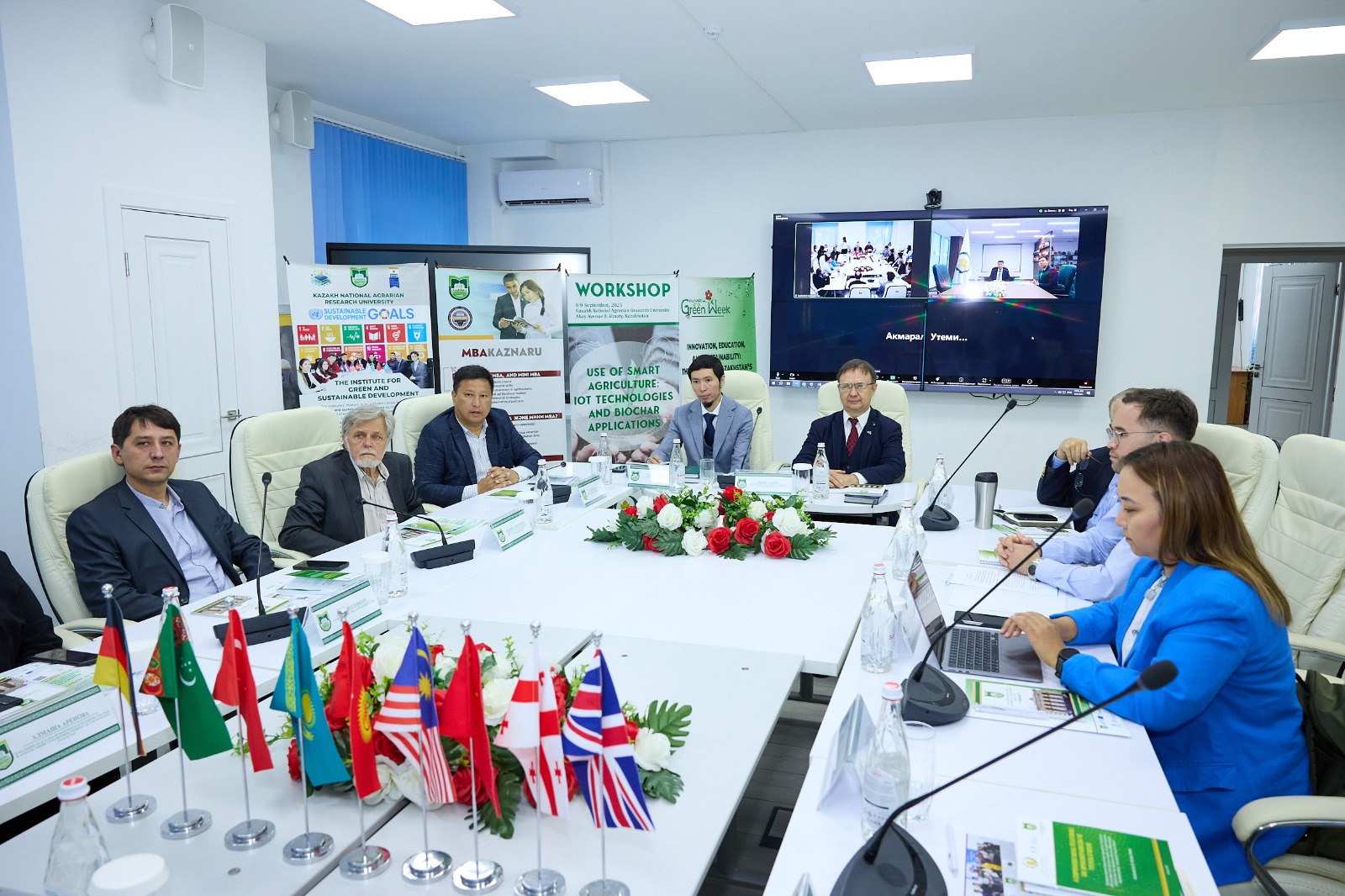
KazNARU Hosts Green Week 2025 Advancing SDG

The Green Week programme at KazNARU spotlighted the South-South educational collaboration with the launch of Biochar and SmartAgri, a collaborative publication featuring research from Pakistan’s NUST and Quaid-i-Azam University. A subsequent roundtable on the “Sustainability Discourse of Almaty Universities” brought together representatives from all major universities in Almaty, such as KBTU, KIMEP, Abai University, and KazNARU to exchange best practices in SDG-focused education and institutional reform. During the discussions, participants also debated the need to shift the educational paradigm in response to the growing impact of artificial intelligence on learning, research, and university management.


The opening ceremony featured keynote addresses from Dr. Rafis Abazov, Vice-Rector for International Relations and Director of the Institute of Green and Sustainable Development at KazNARU, and Vlastimil Samek, Representative of the United Nations Department of Global Communications. Dr. Abazov underscored the university’s role as a catalyst for sustainability dialogue, stating, “Our commitment to the SDGs is not just academic—it is a call to action for the entire agricultural sector to embrace resilience, equity, and ecological stewardship.”


Mr. Samek echoed the sentiment, highlighting the global relevance of local leadership: “Kazakhstan’s convening of Green Week 2025 exemplifies how regional institutions can drive global progress. The UN stands ready to support initiatives that translate SDG principles into tangible outcomes for communities and ecosystems.”


Green Week 2025 has attracted participation from key stakeholders, including the Ministry of Foreign Affairs, IOFS, ICESCO, UNEP, FAO, and Erasmus Kazakhstan. The event’s hybrid format ensures broad accessibility, enabling engagement from across Central Asia and beyond. Workshops, youth-led initiatives, hackathons, and strategic planning sessions throughout the week aim to embed sustainability principles into agricultural policy, curriculum design, and innovation ecosystems.


The forum also marks a pivotal moment in regional cooperation, with new partnerships emerging among universities, government bodies, and international organizations. Delegates discussed various success stories, such as “green campus”, “Monday against plastic”, and the concept of “digital campus” and emphasized youth empowerment, digital and AI transformation, and climate-smart agriculture as foundational pillars for long-term impact.


The opening ceremony set a collaborative tone for the week ahead, reinforcing KazNARU’s strategic vision to position Kazakhstan at the forefront of global sustainability discourse in higher education and agricultural development.