Anastasya Hasugian
Published on 29 September 2026




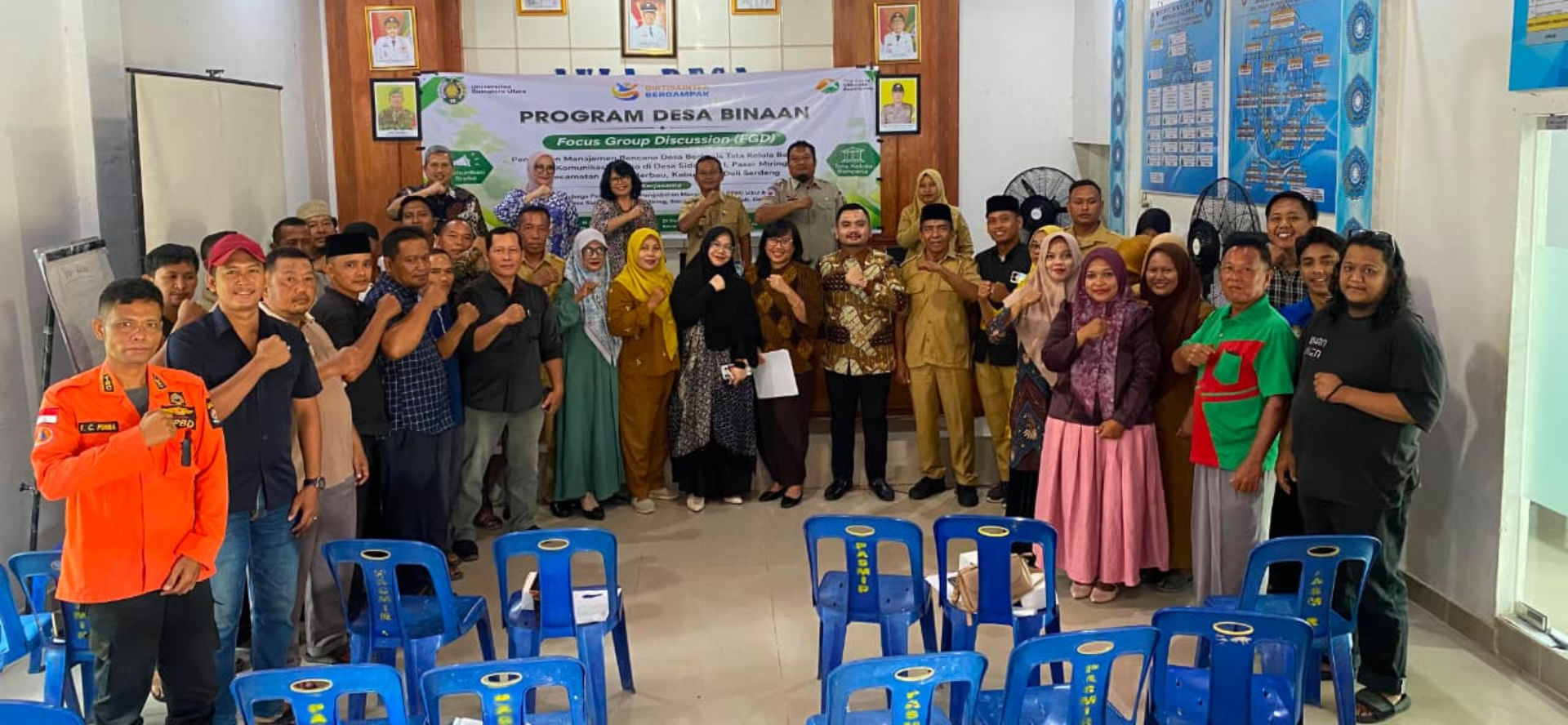
Universitas Sumatera Utara (USU) has identified gaps in disaster-awareness coverage within Sidoharjo I Pasar Miring’s 11 hamlets, highlighting the need for clearer youth volunteer roles, alternative emergency communication channels and age-appropriate preparedness materials.
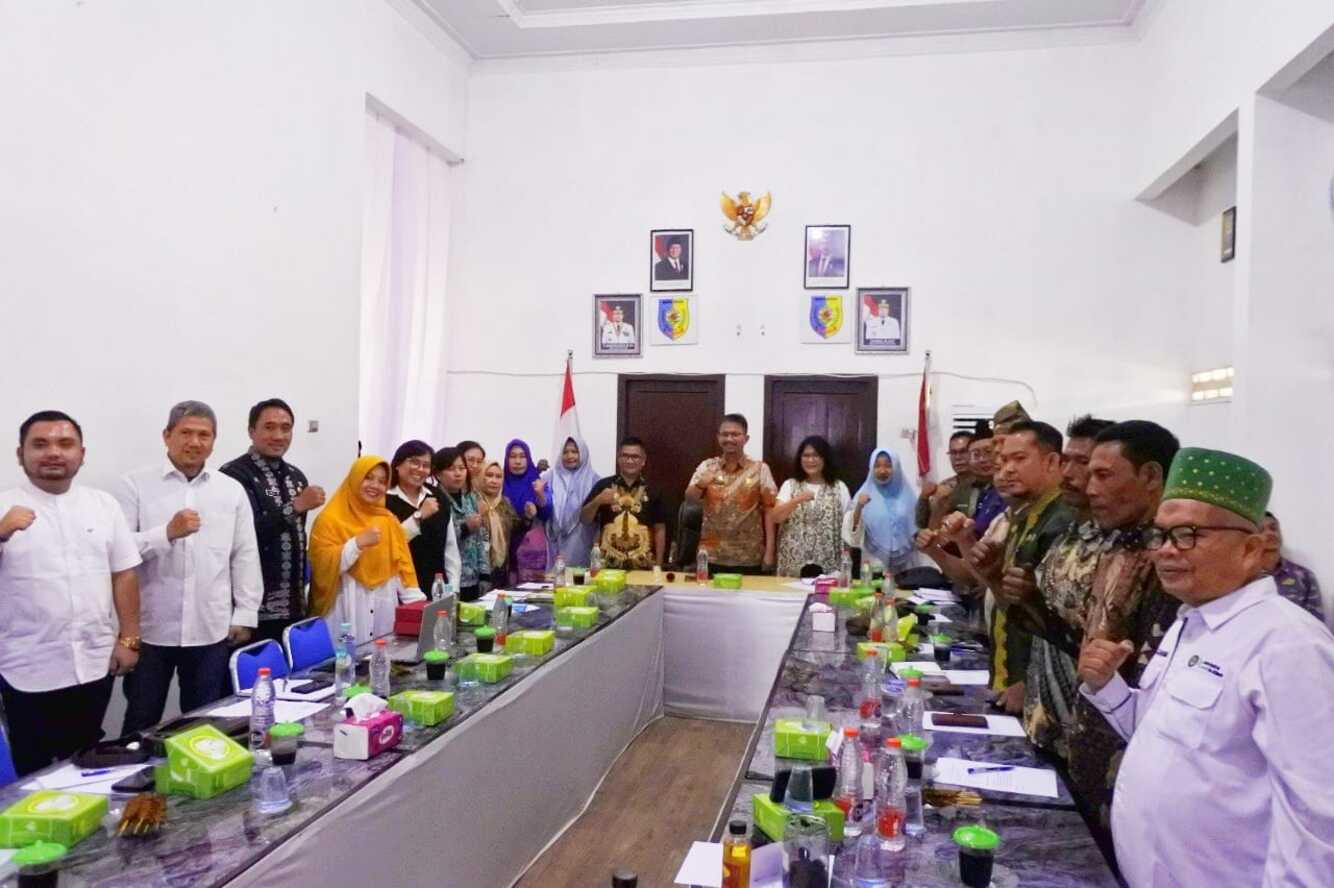
The findings emerged from a focus group discussion held on 11 August 2026. The event brought together 36 participants, including representatives from the village government, the Regional Disaster Management Agency (BPBD), the Village Consultative Body (BPD), youth and women’s groups, volunteers, community representatives and USU academics.
Youth participation was a central part of the discussion. Reza Syahputra, head of the village youth organisation Karang Taruna, said young people had supported the village government during floods, strong winds and other emergencies.
“Our youth organisation has helped the village government respond directly when disasters occur,” Reza said.
He proposed community disaster drills to help young people, volunteers and residents understand their respective responsibilities before, during and after an emergency.
Participants also highlighted the importance of introducing disaster preparedness from an early age. Sri Wahyuni, a BPD member and kindergarten teacher, uses stories, songs and physical demonstrations to teach children how to protect their heads, avoid glass and move safely towards an assembly point.
Her experience highlighted the need for illustrated and age-appropriate materials that teachers and parents could use to introduce disaster preparedness to young children.
The discussion also examined how disaster information moves through the village. Residents generally receive warnings through WhatsApp groups, social media and direct communication from BPBD and hamlet heads. Information is usually verified in the field before being shared with the wider community.
However, participants found that disaster-awareness activities had not yet reached all 11 hamlets. They also identified the need for alternative communication channels when electricity or mobile networks are unavailable.
During the event, Onan Marakali Siregar, a Business Administration lecturer, facilitated a session on disaster governance covering local hazards, vulnerable groups, evacuation responsibilities, logistics and coordination. Yovita Sabarina Sitepu, a Communication Science lecturer, led a session on disaster risk communication.
Programme leader Februati Trimurni, a Public Administration lecturer, said community experience was essential to developing preparedness measures suited to local conditions.
“As academics, we understand the theories and concepts of disaster management. However, understanding conditions on the ground requires us to listen to how the community has responded to disasters,” she said.
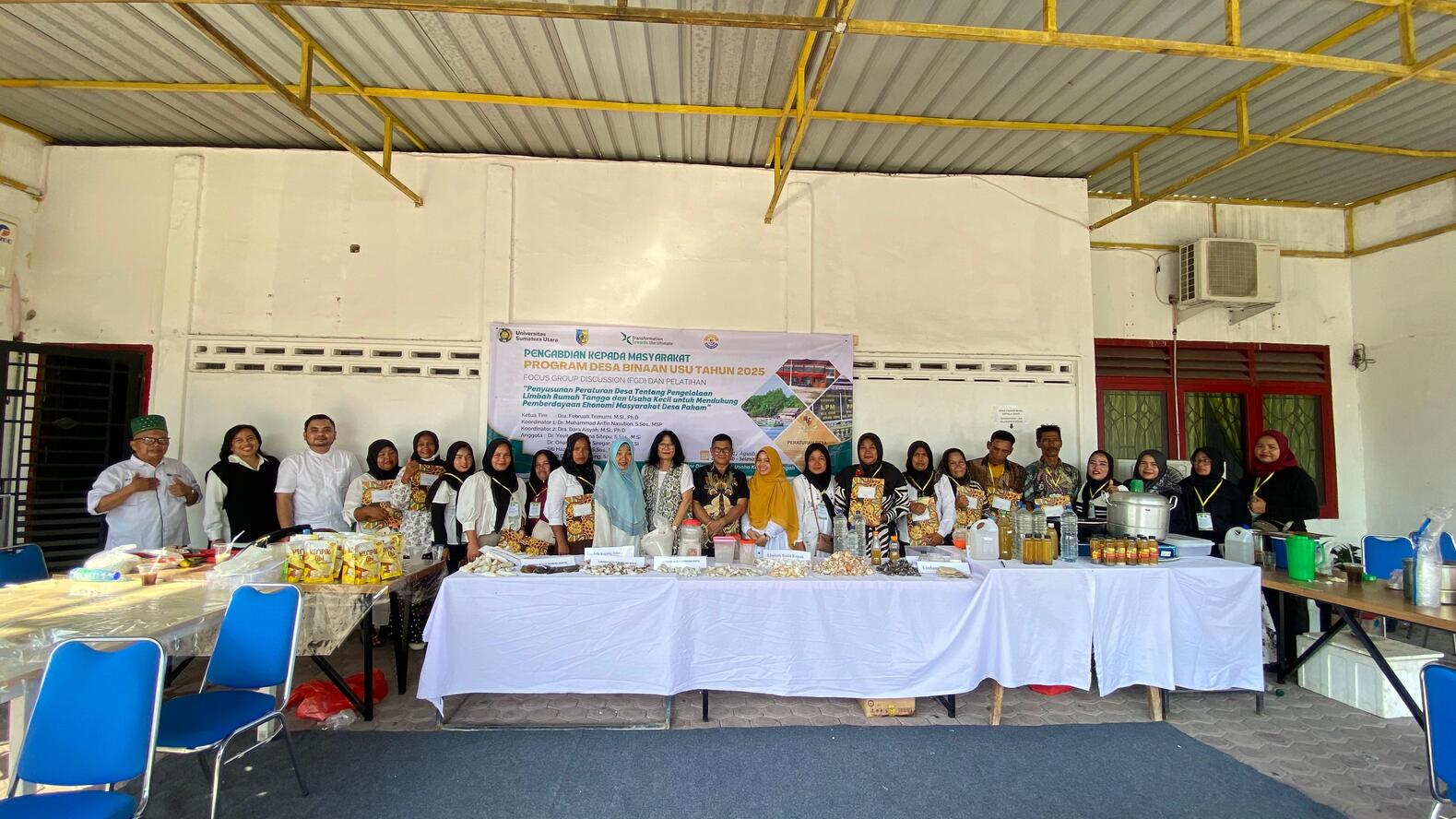
The initiative forms part of USU’s Village Development Programme, supported by the university’s Institute for Research and Community Service (LPPM). Coordinated by Muhammad Arifin Nasution, the programme is implemented by a multidisciplinary team from the Faculty of Social and Political Sciences (FISIP) in collaboration with the village government.
The discussion identified four priorities for strengthening village preparedness: extending awareness activities to all hamlets, clarifying the responsibilities of youth volunteers, developing child-friendly educational materials and preparing alternative communication methods for network or electricity disruptions.