Asfendiyarov National Medical University
Published on 2 April 2026





Nauryz is one of the oldest and most meaningful holidays celebrated across Central Asia, symbolizing the renewal of nature, the arrival of a new year, and harmony between humanity and the surrounding world. Deeply rooted in Kazakh culture, it reflects values of unity, mutual support, and continuity between generations. In recent years, Kazakhstan has reimagined the celebration of Nauryz through the concept of the “Nauryznama” decade—an innovative framework that spans from March 14 to 23, with each day dedicated to specific cultural, social, and spiritual themes.
This renewed approach allows for a more structured and contemporary understanding of the holiday, making it particularly relevant for younger generations. Each day within the Nauryznama decade highlights values such as charity, family traditions, national identity, and spiritual renewal, thereby reinforcing the multidimensional significance of Nauryz in modern society.
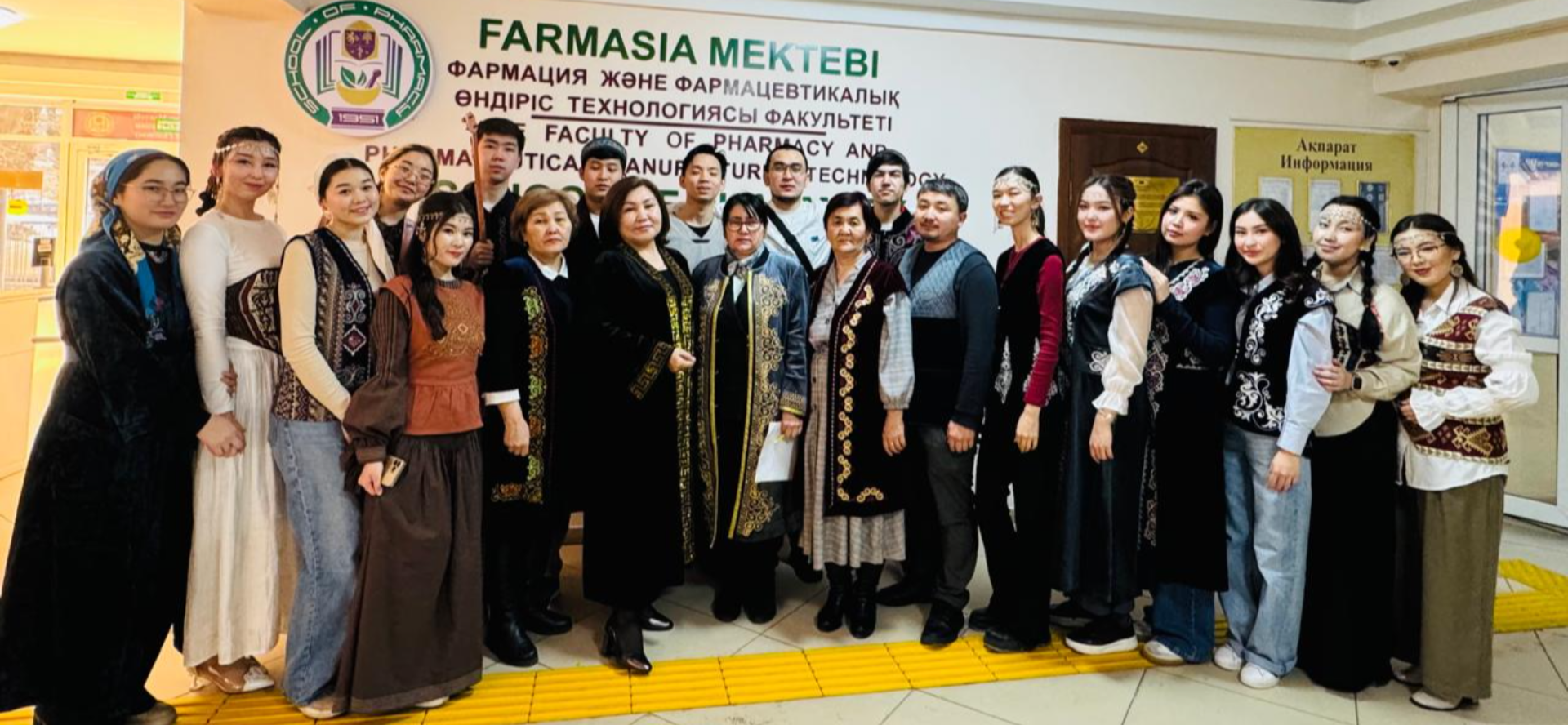
A vivid example of this transformation can be seen at Asfendiyarov Kazakh National Medical University, where Nauryz celebrations have been thoughtfully integrated into academic life. Within the framework of Nauryznama, March 18 is celebrated as the Day of National Clothing—a day dedicated to honoring traditional attire and its evolving role in contemporary culture.
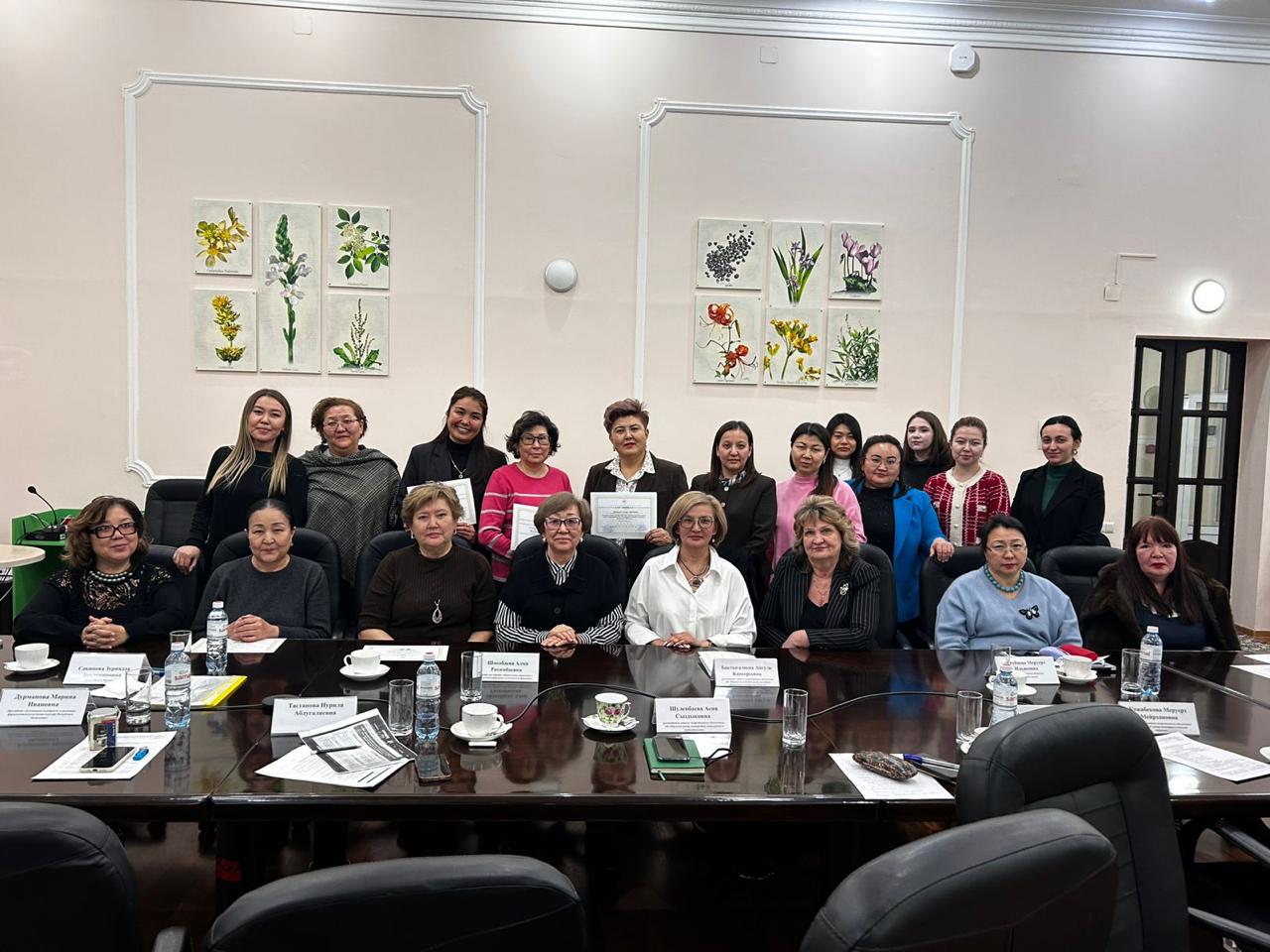
At Asfendiyarov KazNMU, the event brought together faculty members from the Department of Pharmaceutical and Toxicological Chemistry and students from the School of Pharmacy. The celebration served not only as a festive gathering but also as an educational and cultural platform aimed at deepening students’ understanding of national heritage.
One of the central themes of the event was the promotion of traditional Kazakh clothing and its harmonious integration into modern fashion. Participants showcased a variety of traditional garments, emphasizing their uniqueness and symbolic meaning. Faculty and students wore elements such as skullcaps (tubeteika), chapan robes, and intricate ornaments, demonstrating how these cultural markers continue to inspire contemporary style.
National clothing today is no longer confined to historical representation—it has become a dynamic trend that bridges the past and present. By blending nomadic traditions with modern design, young people in Kazakhstan are redefining cultural identity in a globalized world. The event at KazNMU highlighted this evolution, showing how tradition can remain relevant and expressive in modern contexts.
The primary objective of the celebration was educational: to familiarize students with the history and distinctive features of Kazakh national attire, to spark interest among youth, and to cultivate respect for cultural heritage. Through interactive and creative formats, the organizers succeeded in making tradition both accessible and engaging.
The program included a rich literary and artistic component. Students performed poetry посвященное spring and renewal, capturing the spirit of Nauryz through words. A musical highlight was the performance of the traditional küy “Balbyrauyn,” which conveyed the depth and beauty of Kazakh musical heritage. Performed in national attire, the piece created a powerful atmosphere, connecting the audience with the emotional and artistic richness of the culture.
A particularly memorable segment of the event was a theatrical staging of the “Syrga Salu” ritual—an important Kazakh tradition associated with engagement. This performance not only illustrated the ritual itself but also explained its symbolic meaning, offering students deeper insight into the educational and social functions of national customs. Through this lens, traditional clothing was presented not merely as decorative attire, but as an integral part of cultural storytelling and identity.
Innovation also played a key role in the celebration. Using artificial intelligence technologies, organizers created a unique fashion show in which the faces of students and faculty were digitally integrated into presentations of traditional costumes. This creative experiment left a strong impression on the audience. For many participants, it was their first experience seeing themselves represented in such a format, evoking genuine эмоции joy and amazement while bridging tradition with cutting-edge technology.
Another meaningful element of the event was the tradition of “Bata beru”—the giving of blessings. This ritual, deeply embedded in Kazakh culture, symbolizes respect for elders and the continuity of generations. Faculty members offered heartfelt blessings to students, wishing them academic success, personal growth, and prosperity in the coming year. This moment подчеркнул the educational and moral dimension of Nauryz celebrations within the university environment.
The event concluded with a festive fair, followed by closing remarks from the Head of the Department, who extended warm holiday wishes and expressed optimism for the future development of both the department and its students.
Overall, the Nauryz celebration at KazNMU became a meaningful and impactful event that went beyond festivity. It strengthened students’ interest in national clothing, deepened their understanding of its cultural and historical value, and fostered a sense of pride in their heritage. At the same time, it demonstrated how traditional practices can be seamlessly integrated into modern academic and cultural life.
In an era of rapid globalization, such initiatives highlight the importance of preserving cultural identity while embracing innovation. The experience of Asfendiyarov KazNMU shows that tradition and modernity are not opposing forces, but complementary elements that, when combined, create a richer and more inclusive cultural narrative.