TMU builds sustainability into healthcare

Left: Executive Vice President Jan-Show Chu continues to lead TMU’s sustainability vision. She also led 40 senior administrators to obtain certification as Climate and Health Managers. Right: Ling-Chu Chien, Chief Sustainability Officer of Taipei Medical University.

According to Ling-Chu Chien, the university’s Chief Sustainability Officer, sustainability is embedded across the institution’s governance, education and clinical systems.

“TMU does not treat sustainability as a peripheral or short-term initiative,” Chien says. “Instead, sustainability is positioned as a core guiding principle, shaping institutional governance, medical education and clinical operations.

TMU has been a leading medical institution in Taiwan for more than 60 years. It has more than 6,600 students enrolled in its 11 colleges, with seven affiliated hospitals and institutions. The university is careful to ensure that all of its institutions take a coherent approach to sustainability in their operations, curricula and leadership. “By aligning governance structures and resource allocation across the university and its affiliated hospitals and institutions, TMU ensures that sustainability strategies are implemented consistently across academic units, administrative systems and clinical settings,” she says.

TMU also ensures that its initiatives are benchmarked against international best practices and mechanisms published by the International Organization for Standardization. These standards guide its greenhouse gas inventory verification, energy management systems and circular economy programmes.

The university has established a comprehensive sustainability governance framework, which includes a dedicated Office of Sustainability Development, a university sustainability committee and designated sustainability personnel and monitoring mechanisms within each college and administrative unit. “This structure ensures that sustainability considerations are substantively integrated into curriculum design, research planning, infrastructure investment and daily operational management,” Chien says.

However, education remains the main driver of TMU’s sustainability transformation, Chien says. In 2024, it offered more than 1,900 sustainability-related courses that covered the United Nations Sustainable Development Goals. “Through issue-based learning, interdisciplinary curricula, microcredential programmes and MOOCs, TMU cultivates students’ systems thinking and practical problem-solving capability,” she says. 

The university is also raising sustainability awareness and skills among senior administrators and academic leaders, with more than 230 executives completing formal sustainability leadership training.

At the same time, the university is addressing disparities in healthcare access. Its outreach medical teams, social responsibility initiatives and student service programmes focus on underserved and rural communities. In 2023, 22 student service teams and 950 participants were involved in medical services, health promotion and preventative care.

TMU’s success in sustainability relies on extensive collaboration with other partners, Chien says. “By integrating resources from government, industry and international partners, TMU advances sustainability actions that are both systemic and scalable.”

At a government-level, the university collaborates with several ministries and the National Science and Technology Council, engaging in policy research, talent development and technology commercialisation. With industry, TMU has built a biomedical innovation ecosystem that integrates academic research, clinical environments and entrepreneurship. This ecosystem has supported the establishment of 28 start-up companies, with a combined capital of NTD 2.35 billion (£55 million), she says. “These collaborations translate sustainable healthcare, health technologies and innovative applications into real-world solutions, expanding the scale and impact of sustainability outcomes.”

Similarly, the university’s extensive international collaborations allow it to promote sustainable capacity building and health system resilience, among other issues. Looking to the future, the institution is leading by example to showcase its model for health-related sustainability. 

“By advancing smart, low-carbon healthcare and clinical practices, TMU seeks to develop a demonstrative sustainable healthcare system that can serve as a key reference for healthcare transformation in Asia,” Chein says. “TMU’s future role will extend beyond being a sustainable medical university to becoming a key Asian hub that integrates education, healthcare, technology and policy.”

For more information about TMU’s sustainability initiatives,

please visit the Office of Sustainability Development website: https://sdgs-en.tmu.edu.tw/

Study Finds Dietary AGEs Harm Gut Health

New research demonstrating the impact of dietary advanced glycation end products (AGEs) shows that excessive intake can disrupt lipid metabolism and alter gut microbiota composition, highlighting potential metabolic risk associated with obesity.

Prof. Wei-Lun Hung, School of Food Safety, College of Nutrition

The study, led by Associate Professor Wei-Lun Hung from Taipei Medical University (TMU)’s School of Food Safety, was supported by Taiwan’s National Science and Technology Council and published in Food Chemistry, an international journal with a 2024 impact factor of 9.8, ranking in the top 3.5% of the Nutrition & Dietetics category.

AGEs are widespread in everyday foods, particularly processed products. While previous studies have linked AGEs to oxidative stress, inflammation, and chronic diseases, the mechanisms by which dietary AGEs influence metabolism and gut ecology under obese conditions have remained unclear. TMU’s research provides new evidence that excessive dietary AGEs intake may have a direct and detrimental impact on metabolic health.

Using a high-fat diet–induced obesity mouse model, the research team investigated the physiological effects of different forms of AGEs. The findings revealed that additional dietary AGEs intake significantly interfered with lipid metabolic pathways and reshaped the composition of the gut microbiota and its metabolites. Mice receiving high-AGE diets gained more weight and exhibited elevated AGE accumulation in the liver. Metabolomic analysis showed widespread disturbances in metabolic profiles, particularly in lipid-related metabolites.

Gut microbiome analysis further revealed that AGEs substantially increased the abundance of Verrucomicrobiaceae and Erysipelotrichaceae, two bacterial families previously associated with metabolic disorders. At the same time, gut metabolite profiling demonstrated a marked rise in secondary bile acids, compounds known to influence lipid absorption and inflammation.

Integrated analyses demonstrated a positive correlation between shifts in gut microbiota composition, changes in bacterial metabolites, and disturptions in host lipid metabolism. These findings offer valuable insights into how dietary AGEs may elevate metabolic risks in individuals with obesity.

The study underscores the importance of nutritional strategies and food-processing improvements aimed at reducing AGE exposure. By clarifying the interactions between AGEs, metabolic regulations, and gut health, this research provides a scientific foundation for the development of future interventions to support improved metabolic outcomes.

Original Research Article:

Distinct effects of methylglyoxal-derived hydroimidazolone 1, Nε-carboxyethyllysine, and an advanced glycation end product-rich diet on lipid metabolism, gut microbiota, and secondary bile acids in high-fat diet-induced obese mice

Research Process Flowchart

TMU Develops Triage Tool for Older Riders

Summary

A nationwide study led by researchers at Taipei Medical University shows that early warning signs of life-threatening risk among older motorcycle and scooter riders can be identified at the crash scene, supporting faster, data-driven decisions by emergency medical services.

As populations age, older adults are increasingly involved in traffic crashes, particularly those riding motorcycles and scooters. In Taiwan, nearly half of traffic deaths among people aged 65 and above involve two-wheeled vehicles. Ensuring that these riders receive the right level of care at the right time has become a growing challenge for emergency systems.

For emergency medical services (EMS), early decisions—such as whether to transport a patient to a major trauma center—can strongly influence survival. Yet these decisions are often made at the roadside with limited information.

The challenge in emergency care

Assessing injury severity in older adults is particularly difficult. Because older adults are physiologically more fragile, they may appear stable immediately after a crash but deteriorate rapidly hours or days later. In this sense, serious injury in older riders can resemble a delayed alarm—everything may seem quiet at first, while the risk is already building beneath the surface.

“Older patients do not always show clear warning signs at first,” said Prof. Hon-Ping Ma, corresponding author of the study from Taipei Medical University. “This makes early triage decisions especially challenging for emergency teams.”

The solution: data analysis and a practical scoring system

To address this gap, the research team analyzed nationwide data by linking police-reported crash records, hospital admissions, and national death registry data in Taiwan. The study examined more than 120,000 crashes involving motorcycle and scooter riders aged 65 and above, alongside a hospital-based cohort of over 92,000 patients.

Unlike many previous studies, the analysis captured deaths occurring within 30 days of a crash, including victims who died before reaching hospital. The results identified consistent predictors of mortality, including head and neck injuries, advanced age, cardiovascular disease, diabetes, and behavioral factors such as helmet non-use, alcohol involvement, and unlicensed riding.

Application in real-world emergency response

By translating the analysis into a simple scoring system, the study offers a practical tool for frontline use. Because older adults can appear stable at first but decline rapidly, this approach allows EMS teams to make objective, data-driven decisions about which victims should be rushed to major trauma centers, even if injuries do not look immediately fatal.

“This tool is designed to support—not replace—clinical judgment,” Prof. Ma said. “It helps emergency responders recognize hidden risk early, when timely escalation of care can make a real difference.”

Looking ahead

By incorporating crash-scene information, this research provides a more complete view of mortality risk among older riders. As motorcycles and scooters remain an important mode of transport for older adults, integrating such prehospital screening tools into EMS protocols could strengthen trauma systems and help reduce preventable deaths.

Look for More Information

Original Reaserch Article: Early identification of high-risk older two-wheeler riders: A dual-sample approach for 30-day mortality prediction

TMU Develops AI Egg Freshness Scanner

By combining hyperspectral imaging with deep learning-based wavelength selection, the research team successfully created a new approach to egg quality assessment. The technology is the result of collaboration between a research team led by Associate Professor Yung-Kun Chuang from the TMU School of Food Safety and Professor Pauline Ong from the Faculty of Mechanical and Manufacturing Engineering, Universiti Tun Hussein Onn Malaysia (UTHM).

The research findings were published in Current Research in Food Science, an international journal with a 2024 impact factor of 7.0, ranking in the top 9.9% of the Food Science & Technology category. The publication highlights TMU’s growing influence in global food safety research and advanced AI applications.

Associate Professor Yung-Kun Chuang, School of Food Safety, College of Nutrition, Taipei Medical University

Eggs are one of the most vital and complete protein sources in our daily diet—rich in nutrients, vitamins, and minerals. However, the freshness of eggs, which is key to their nutritional value, safety, and overall quality, can be compromised during storage, transportation, and distribution. Traditional evaluation methods rely on destructive laboratory testing, making them unsuitable for real-time or large-scale monitoring along the production and supply chain. This has driven the need for rapid, accurate, and non-destructive technologies that can assess egg quality without breaking the shell.

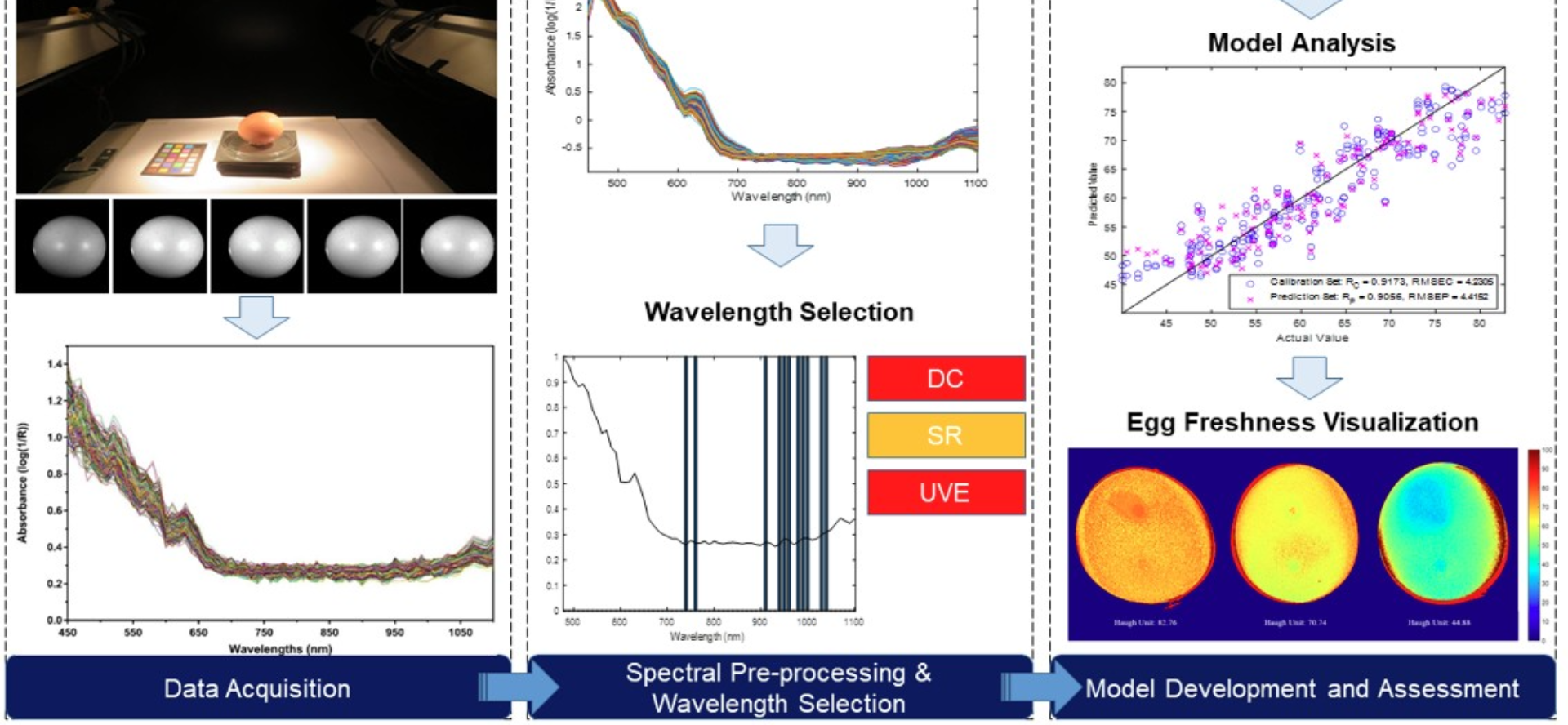
Research Workflow and Data Analysis Summary

To overcome these limitations, the research team developed a novel wavelength selection technique that integrates distance correlation analysis with a convolutional neural network model. This approach analyzes hyperspectral images of eggs to reduce spectral variability, identify the most informative wavelengths, and to enhance the accuracy of freshness levels. Compared with commonly used wavelength selection regression models, this innovative method demonstrated stability, reliability and overall performance, offering strong potential for real-world industrial adoption.

The achievements of this international collaboration pointed a new era in egg quality control. The AI-powered hyperspectral egg scanner provides fast and non-destructive testing, and provides quantifiable freshness assessments, and adaptable across production, processing, and distribution.

assessments, and adaptable across production, processing, and distribution. 111modernization of the egg industryalso reinforces TMU’s leadership in food safety research and artificial intelligence applications.intelligence applications.

TMU Expert Insights on Dairy and Dementia Risk

Dr. Tian-Shin Yeh, Associate Professor and attending physician at Taipei Medical University (TMU), recently shared her academic perspective on the relationship between dairy consumption and cognitive health in an editorial published in Neurology, the official journal of the American Academy of Neurology.

Dr. Tian-Shin Yeh is Associate Professor and attending physician at Taipei Medical University, with expertise in epidemiology and evidence-based interpretation of long-term health studies.

In the article, titled High-Fat Dairy and Cognitive Health: What Are the Alternatives, Dr. Yeh examined findings from a long-term cohort study investigating the potential association between dairy intake and dementia risk. Drawing on her expertise in epidemiology and evidence-based interpretation of population studies, she highlighted several methodological considerations that are important when interpreting the study’s conclusions.

Dr. Yeh noted that the research relied on dietary data collected at a single time point and that the reported associations lost statistical significance in certain follow-up analyses. These limitations, she explained, suggest that the findings should be interpreted with caution and should not be taken as definitive evidence that high-fat dairy products are inherently neuroprotective.

Instead, Dr. Yeh emphasized that broader dietary patterns and food substitutions may play a more meaningful role in long-term brain health. In particular, replacing processed or high-fat red meats with foods of higher nutritional quality may contribute more substantially to cognitive health outcomes.

Her commentary reflects TMU researchers’ active participation in international scientific dialogue and their commitment to promoting evidence-based perspectives on nutrition and dementia research.

Dr. Tian-Shin Yeh’s editorial:

High-Fat Dairy and Cognitive Health: What Are the Alternatives

https://doi.org/10.1212/WNL.0000000000214587

How Sleep and Mood Drugs Shape Women’s Health

Summary

A new study from Taipei Medical University, led by Assoc. Prof. Jihwan Myung of the Graduate Institute of Mind, Brain and Consciousness (GIMBC), reveals how disrupted sleep, mood stabilizers, and artificial light interfere with women’s menstrual cycles and mental health—highlighting the need for rhythm-aware treatments that align the body’s daily and monthly clocks.

This study reveals how disruptions in the body’s internal clock (caused by modern life and certain mood medications) can interfere with women’s hormonal health and potentially worsen mood disorders. This research underscores the need for more rhythm-aware treatments that balance mental health and hormonal well-being.

Sleep Loss, Shift Work, and Mood Drugs Disrupt Menstrual Cycles in Millions of Women

Millions of women experience disruptions in their menstrual cycles due to irregular sleep patterns, shift work, jet lag, and mood stabilizers. These disruptions not only affect reproductive health but can also signal or worsen mood disorders like depression and bipolar disorder. The study calls for a better understanding of how biological timing systems regulate both mood and menstruation—information that could shape how doctors manage mental health in women.

New Insights Reveal How the Body’s Daily Clock Governs Monthly Hormonal Cycles

The study outlines several vital discoveries that explain how circadian rhythms and reproductive cycles are intertwined and how this relationship can be disrupted. The circadian clock refers to the body’s internal 24-hour timing system, which helps regulate sleep, hormone release, and other essential bodily functions.

  • Disrupted rhythms affect cycles: Exposure to artificial light at night and irregular schedules can interfere with the body’s circadian clock, which in turn can disrupt menstrual cycles.
  • Mood stabilizers have hormonal side effects: Lithium, a common drug used to treat bipolar disorder, was shown to lengthen circadian rhythms and disturb hormonal cycles, possibly contributing to menstrual irregularities.
  • Timing systems are deeply connected: The brain’s master clock (in the hypothalamus) not only keeps daily time but also interacts with reproductive systems that operate on monthly cycles.
  • Photoperiod matters: Shorter daylight periods tend to lengthen reproductive cycles, while longer daylight periods shorten them—suggesting our internal systems are sensitive to seasonal changes.

“Our biological clocks don’t just govern when we sleep. They deeply shape how we feel and how our bodies function. By understanding how daily and monthly rhythms interact, we can begin designing treatments that support both mental and hormonal health, rather than forcing women to choose between the two,” said Prof. Jihwan Myung, lead author of the study.

Study Combines Human and Animal Data to Show How Mood Drugs Disrupt Hormonal Rhythms

The study drew on existing anatomical and physiological research, combining insights from animal models and human data. It reviewed how various biological clocks, daily (circadian) and monthly (ovarian), interact in the brain and reproductive system. Special focus was placed on how mood medications like lithium alter these rhythms. The author advocates for future models that integrate multiple timescales to predict and manage these effects more accurately.

Bridging the Gap: Why Mental Health Treatments Must Consider Women’s Hormonal Rhythms

This research highlights a critical but often overlooked intersection between mental and reproductive health. Understanding how the body’s clocks operate together opens the door to more personalized, rhythm-informed treatments—helping women manage mood disorders without compromising hormonal health. This research perspective was published in Chronobiology in Medicine in June 2025, contributing valuable insight to the growing field of chronobiological research.

Original Research Article: Integrating Circadian and Reproductive Rhythms in Mood Regulation

Look for More Information

Original Article: Integrating Circadian and Reproductive Rhythms in Mood Regulation

TMU Students Explore New Horizons

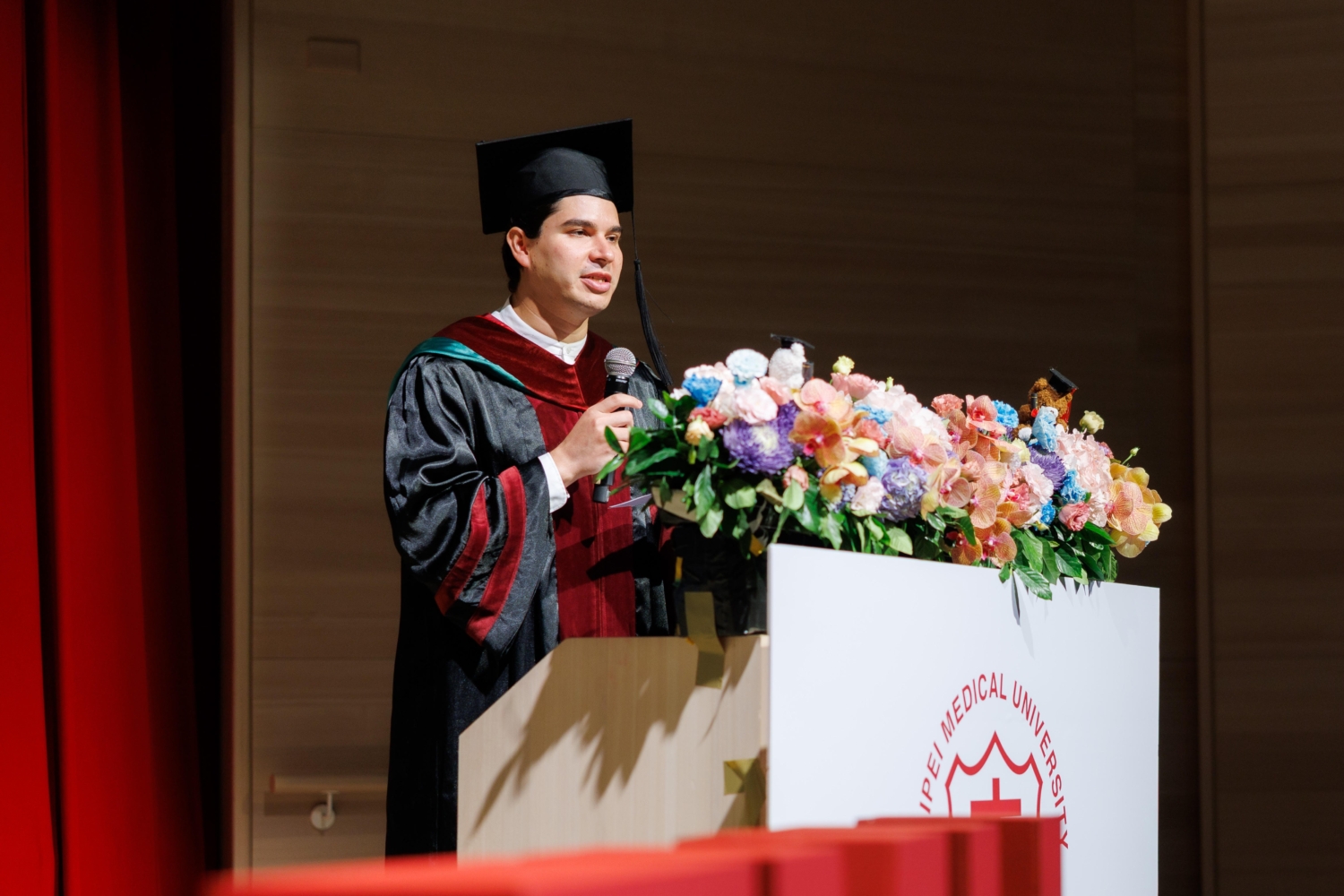
During his time studying in Taiwan, Guatemalan medical student José Roberto Rodriguez Mazariegos has learned more than a new language and culture. “It opened my mind about medical research and what was possible,” he says. “Back home in Guatemala, we do not have the resources or trained people to undertake a lot of research.”

While Mazariegos focused on clinical medicine in Guatemala, he embarked on a new direction at Taipei Medical University (TMU) through its international graduate programme in medicine.

“It’s a whole different world in which you are not just prescribing medicine, but we can start from the beginning to develop new things,” he says. “It has helped me to understand that being a good clinical doctor and doing research go hand-in-hand.”

Mazariegos recently completed his master’s at TMU as part of the MOFA Taiwan Scholarship, receiving the academic achievement award for outstanding performance in the programme.

The MOFA Taiwan Scholarship, funded by the Taiwanese Ministry of Foreign Affairs, aims to encourage outstanding international students to study in Taiwan. It offers scholarships to bachelor’s, master’s and PhD candidates from countries with diplomatic ties with Taiwan. The programme includes an additional compulsory year in which scholars learn Mandarin.

“The scholarship has something different compared to other scholarships because they don’t just train you in what you want to study,” says Mazariegos. “They also give you the language.” He says that learning Mandarin in Taipei, the capital of Taiwan, extended beyond words and phrases. “It helped me, not just with the language, but also with the culture.”

Mazariegos’ research focuses on the relationship between gut microbiome and precocious puberty, which is when a child’s body starts to develop into an adult body at an unusually early age. He will also pursue his doctoral studies at TMU.

He recognises support from the MOFA programme and TMU in helping him adjust to living and studying in another country. “I came with a group of people who shared the same scholarship as me, even though they were in different fields and at different levels of study,” Mazariegos says. This created a ready-made support network, he says.

TMU offers many activities to help students immerse themselves in the culture, such as workshops and mentoring programmes. He also points to the Office of Global Engagement, which is “always open for you for any questions you have”.

The MOFA Taiwan Scholarship allows students to attend Taiwanese institutions. Mazariegos chose TMU in part because he was impressed with the application process, which invited him to an interview with the head of the course. Application interviews are not just for institutions to determine whether to take on a candidate. “It’s also for the people that are applying to get to know the university and the people there,” he says.

The deciding factor was that TMU offers many of its courses in English. “If your programme is in English, then everything is in English, including correspondence with the university,” he says. While Mazariegos can now communicate in Mandarin, he doubts he would be able to understand his medical speciality in the language. “Luckily, in Taiwan, there are many options that are available in English.”

Look for More Information

Original Article: https://oge.tmu.edu.tw/taiwan-scholarship-programme-broadens-student-horizons/

Design Thinking for Future-Ready Graduates

“Innovation requires more than just specialised engineering or design talents,” says Thera Chiu, an associate professor in the Center for General Education at Taipei Medical University. The knowledge economy and ever-changing digital technologies have impacted traditional production and business models, and education needs to adapt to the changing era.

This is why Taiwan’s Ministry of Education places design thinking at the heart of its Miaopu programme. Design thinking “focuses on human needs, with processes including empathy, define, ideate, prototype and test”, she says. The programme, known as Miaopu, which means sapling, in Chinese, aims to foster interdisciplinary talent through design thinking, innovation, and entrepreneurial spirit.

“It emphasises a human-centric approach to problem-solving, encouraging collaboration across different fields and seeking to bridge the gap between higher education and industrial transformation,” Chiu says.

Taipei Medical University (TMU) has been involved with the programme since its inception eight years ago, participating in all five phases of the Sapling Project. TMU is a leading private university in Taiwan, renowned for its strong focus on medicine, health sciences and biomedical innovation. Since its founding in 1960, TMU has grown into a comprehensive university with 11 colleges and more than 6,000 students from more than 40 countries.

Since the university became involved in the Miao Pu programme, it has guided “more than 4,000 first-year students in designing their own university learning journeys and provided design-thinking workshop experiences to more than 3,000 students,” Chiu says. More than 10 of its faculty members have been certified by the Ministry of Education as official coaches.

The benefits of the programme extend beyond the university. “The Sapling Project has now evolved into a methodology that supports other Ministry of Education initiatives, making it a truly unique programme,” Chiu says.

Teacher development is a starting point, she says: “It begins with cross-disciplinary teaching collaboration among faculty members, which then extends to cross-disciplinary learning among students.”

Cross-disciplinary collaboration is vital because it directly responds to the demands of a rapidly evolving world. “A core objective is to cultivate individuals who can collaborate effectively across different fields,” she says. “This is seen as crucial for developing innovative solutions and addressing the complexities of future society.”

Chiu’s own research focuses on identifying the factors that contribute to success in interdisciplinary education. She says that there are two critical factors: students’ self-understanding and their ability to collaborate in teams. While there is a great deal of research highlighting the importance of collaboration, there’s a lack of concrete steps for educators to follow. “Our team has developed a structured and effective set of guidance strategies for fostering team collaboration, which has proven to be successful and is supported by empirical research,” she says.

As the only university that has contributed to all of the programme’s phases, TMU will continue to adopt design thinking as a guiding methodology. “It will help students to design their life paths, root medical education in empathy and promote team collaboration,” Chiu says. “Our next vision for this project is to empower students to identify and solve real-world problems through teamwork and empathy, ultimately becoming the kind of future-ready talent needed by society.”

Look for More Information

Original Article: https://oge.tmu.edu.tw/design-thinking-creates-future-ready-graduates/

TMU Professor Ya-Tin Lin Receives IUPS

Dr. Ya-Tin Lin, Assistant Professor at the Graduate Institute of Metabolism and Obesity Sciences, College of Nutrition, Taipei Medical University (TMU), has been awarded the 2024 Early-Stage Faculty Prize by the International Union of Physiological Sciences (IUPS).

She is the first scholar from an Asian academic institution to receive this honor, which is a significant recognition of Taiwan’s growing influence in global physiological research.

The IUPS, representing physiological societies from over 60 countries, is the world’s most recognized academic organization in physiology. It is dedicated to promoting the advancement of physiological research and teaching, while fostering platforms for international exchange. The IUPS International Early-Stage Faculty Prize recognizes up to four promising young scholars each year, selected for the quality of their research contributions, dedication to teaching, and engagement in academic development.

Dr. Lin’s research focuses on neuronal regulation of metabolism, particularly in the context of metabolic diseases. Her research team has conducted extensive studies on neuropeptide FF (NPFF), investigating its physiological roles in energy homeostasis, pain transmission, and stress responses. A key discovery revealed that NPFF receptor type 2 (NPFFR2) is co-expressed with insulin receptors in the hypothalamic arcuate nucleus, and its activation impaired the hypothalamic insulin downstream signaling. Notably, modulating NPFFR2 significantly impacts obesity- and diabetes-related metabolic dysfunctions, offering new directions for clinical treatment strategies. Parts of the findings were published in Clinical Nutrition, entitled “Hypothalamic NPFFR2 attenuates central insulin signaling and its knockout diminishes metabolic dysfunction in mouse models of diabetes mellitus”.

In addition to research relating to metabolic disorders, Dr. Lin also conducted pioneering research on the use of focused ultrasound for pain management. Her research demonstrated that low-intensity focused ultrasound can activate gamma-aminobutyric acid (GABA) neurons in the dorsal root ganglion, which further reduces the calcitonin gene-related peptide (CGRP) cascade, and relieve chronic and neuropathic pain. Her study, titled “Stimulation of dorsal root ganglion with low-intensity focused ultrasound ameliorates pain responses through the GABA inhibitory pathway”, was published in Life Sciences and showcases significant clinical translation potential.

Beyond her research achievements, Dr. Lin serves as the Secretary-General of the Chinese Physiological Society, where she contributes significantly to the society’s efforts to foster Taiwan’s international links in physiology, strengthen physiology education, and advance research in the field. As a recipient of the 2024 IUPS International Early-Stage Faculty Prize, Dr. Lin is recognized not only for her innovative contributions to science but also for marking a significant milestone for TMU in the global academic community. This recognition further strengthens Taiwan’s international academic presence and fosters deeper collaboration in translational studies.

CKM syndrome may shorten your life expectancy

Summary

Researchers from Taipei Medical University (TMU) and collaborating institutions conducted a large-scale study of over 500,000 adults, revealing that cardiovascular–kidney–metabolic (CKM) syndrome significantly increases the risk of early death, cardiovascular deaths, kidney failure, and reduced life expectancy—highlighting the urgent need for integrated chronic disease care.

A study involving over half a million adults has confirmed that the combination of cardiovascular, kidney, and metabolic conditions substantially increases the risk of early death and serious illness. The findings highlight the urgent need for integrated care that treats these conditions together rather than in isolation.

Why Chronic Disease Care Needs a Unified, Global Approach

As chronic diseases continue to rise globally, this research offers timely evidence for healthcare providers, policymakers, and the public. The study shows that CKM syndrome, newly defined by the American Heart Association in 2023, is not just a medical concept but a real-world predictor of life expectancy and health outcomes. The findings support a shift toward cross-speciality collaboration in medicine, with particular relevance for aging populations, health insurers, and those shaping chronic disease policy.

Every Added Condition Matters: New Patterns Reveal Deadly Toll of CKM Syndrome

The study uncovered several significant patterns that clarify how CKM syndrome and its components influence long-term health risks:

  • Widespread Impact: Over 70% of the study’s participants met the criteria for CKM syndrome. Among adults aged 55 and older, nearly 90% were affected.
  • Increased Risk of Death: People with CKM syndrome had a 33% higher risk of death from any cause and were nearly three times more likely to die from cardiovascular disease.
  • Kidney Disease Link: Those with CKM syndrome were over ten times more likely to develop end-stage kidney disease (ESKD), requiring dialysis or transplantation.
  • Each Added Condition Matters: Every additional CKM component (such as hypertension, diabetes, chronic kidney disease, metabolic syndrome, or high triglyceride) increased the risk of all-cause death by 22% and cardiovascular death by 37%.
  • Shorter Life Expectancy: Each additional component reduced life expectancy by approximately 2.5 years for men and 3 years for women. Those with all five components could lose up to 13–16 years of life.

Massive 25-Year Study Confirms CKM’s Deadly Impact in Over Half a Million Adults

Researchers from Taipei Medical University and collaborating institutions analyzed medical data from over 515,000 adults in Taiwan, collected between 1996 and 2017. Participants underwent physical exams, laboratory tests, and completed lifestyle questionnaires. The study tracked deaths and disease progression over 25 years, using statistical models to assess the impact of CKM components on mortality. The team used standardized definitions aligned with American Heart Association guidelines, which were adjusted for use in Asian populations.

“Our findings show that cardiovascular, kidney, and metabolic conditions are not isolated challenges—they are profoundly interconnected. We need a healthcare model that reflects the reality of how these diseases cluster and amplify risk, especially as populations age,” said Prof. Mai-Szu Wu and Prof. Mei-Yi Wu, the corresponding authors of the study.

First Large-Scale Asian Study Urges Shift to Integrated Chronic Disease Care

This study, published in PLOS Medicine in June 2025, is among the first large-scale evaluations of CKM syndrome in an Asian population, reinforcing the need for coordinated, multidisciplinary care. Treating high blood pressure, diabetes, or kidney disease in isolation may miss the broader picture—where the intersection of these conditions drives worse health outcomes. Early intervention and integrated disease management could help millions live longer and healthier lives.

Look for More Information

Original Article: Cardiovascular-kidney-metabolic syndrome and all-cause and cardiovascular mortality: A retrospective cohort study