NTU Reconstruct 120-Day Blood Sugar Levels

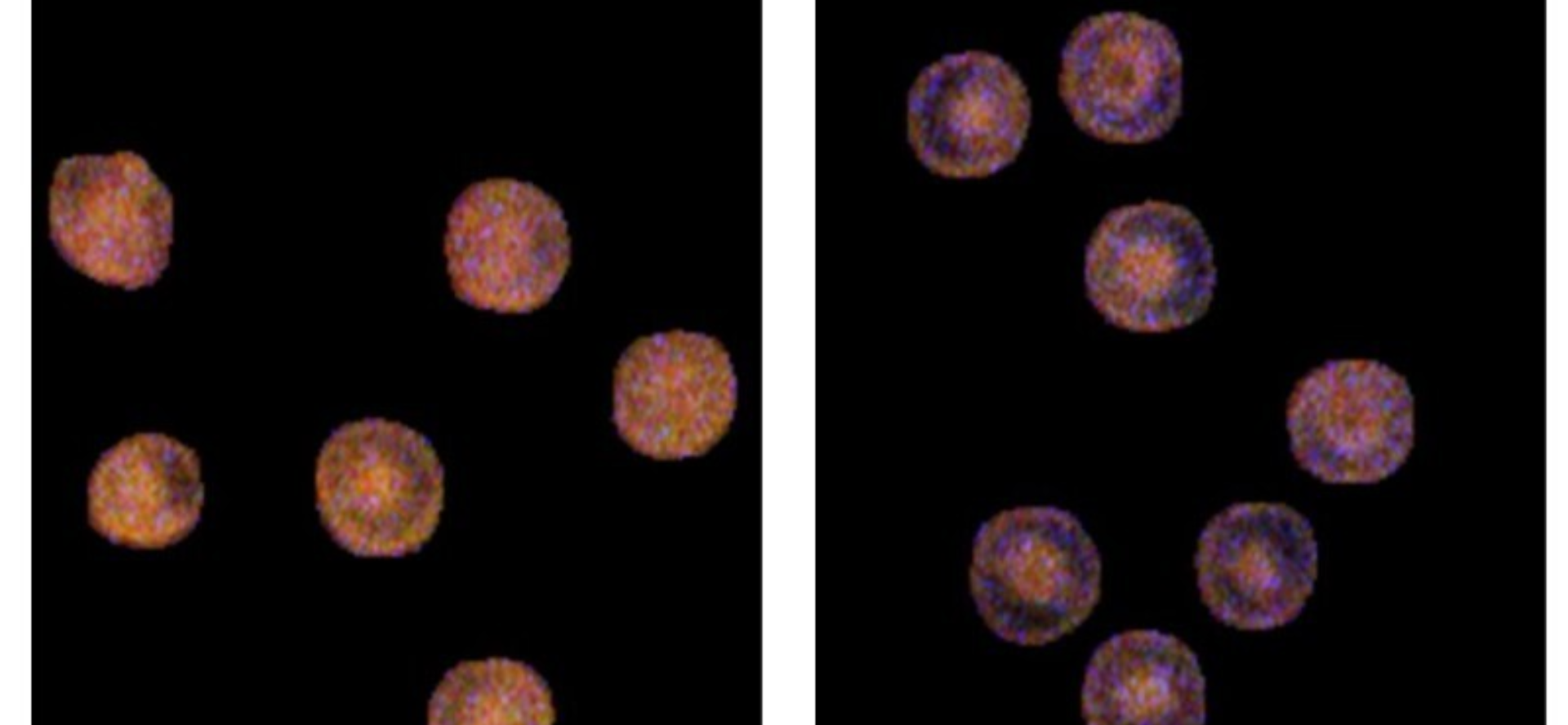
Scientists at National Taiwan University (NTU) have created a pioneering optical microscopy method capable of reconstructing a person’s long-term blood glucose history from a single blood sample. Led by Professors Chi-Kuang Sun and Tzung-Dau Wang, the team developed colour-resolved third-harmonic-generation microscopy (cTHGM), a label-free imaging technique that distinguishes glycated haemoglobin (HbA1c) from normal haemoglobin within individual red blood cells.

Unlike conventional monitoring systems that capture short-term glucose fluctuations, this method tracks sugar exposure over the entire 120-day lifespan of red blood cells. Using a broadband femtosecond-laser microscope, the technique detects nanometre-scale wavelength shifts caused by chemical differences in haemoglobin molecules, producing a high-resolution chemical map of long-term blood sugar exposure.

The NTU researchers suggest that cTHGM could improve precision diabetes management and provide early detection of metabolic disorders associated with cancer. Beyond clinical applications, the technique demonstrates the potential for real-time, colour-sensitive molecular imaging in living tissues, turning subtle biochemical traces into actionable diagnostic information.

NTU Contribute to Science Study on Mosquito

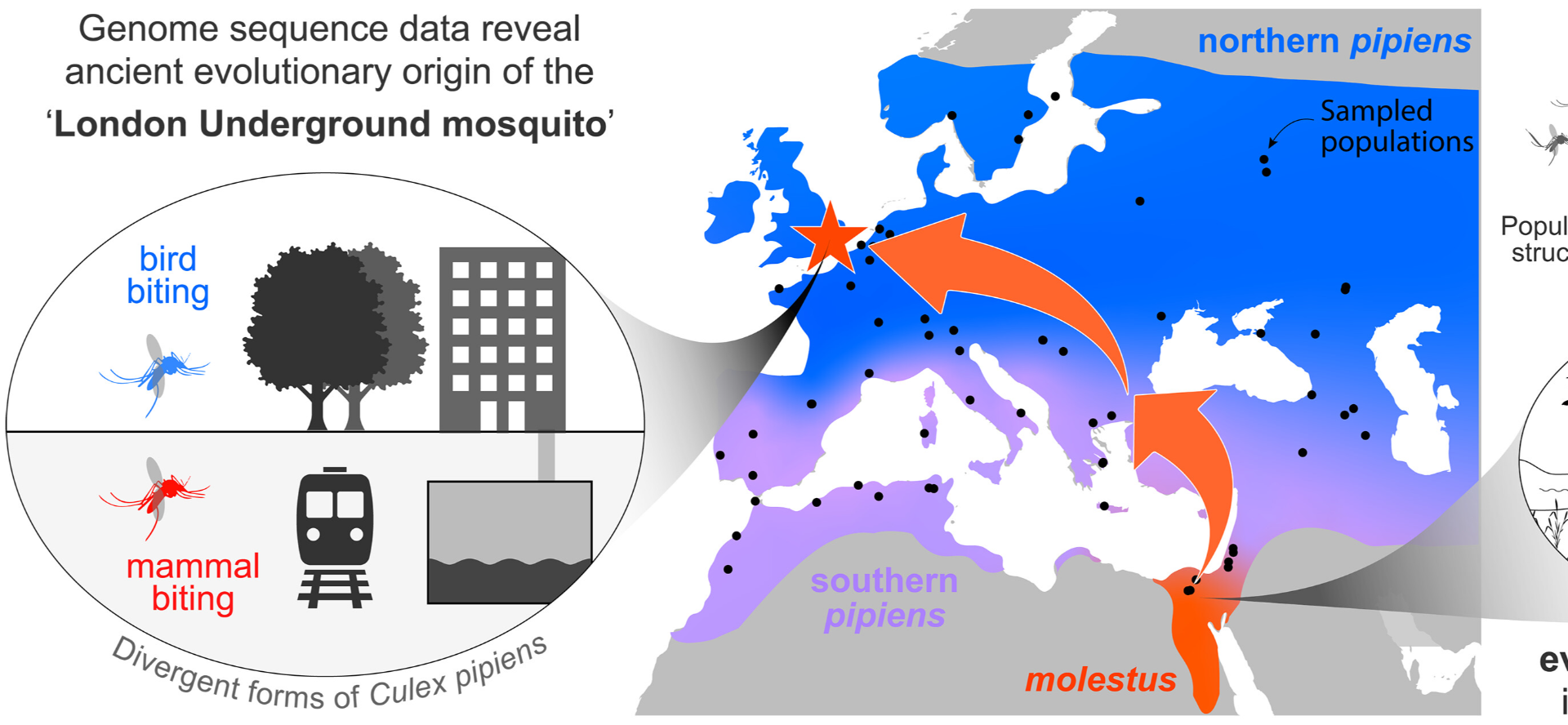
Professor Kun-Hsien Tsai and alumna Kai-Ti Yu from National Taiwan University(NTU)’s Institute of Environmental and Occupational Health Sciences joined an international research team led by Princeton University to redefine the evolutionary history of the underground mosquito Culex pipiens form molestus and its role in spreading West Nile virus. The large-scale genetic study, published in Science on October 23, 2025, provides new insights into how mosquitoes adapted to human environments.

The findings reveal that the so-called “underground mosquito,” known for infesting subways during World War II, did not evolve recently with urbanization. Instead, genetic evidence suggests that mosquito populations adapted to human habitats as early as 1,000 to 10,000 years ago, likely in ancient Egypt or the Mediterranean. The NTU team further discovered distinct genetic differences between northern and southern Taiwan populations, suggesting multiple introductions or gene exchanges among mosquito groups.

The study highlights the importance of cross-disciplinary approaches to public health and urban planning. It calls for enhanced monitoring of mosquito gene flow across urban and rural regions, integration of mosquito ecology into disease prevention and climate adaptation policies, and greater community awareness of vector control. The research provides a scientific foundation for forward-looking strategies to prevent viral spillover and improve urban health resilience.

This research was published in Science: https://www.science.org/doi/10.1126/science.ady4515

NTU and Garmin Foster Research Talent

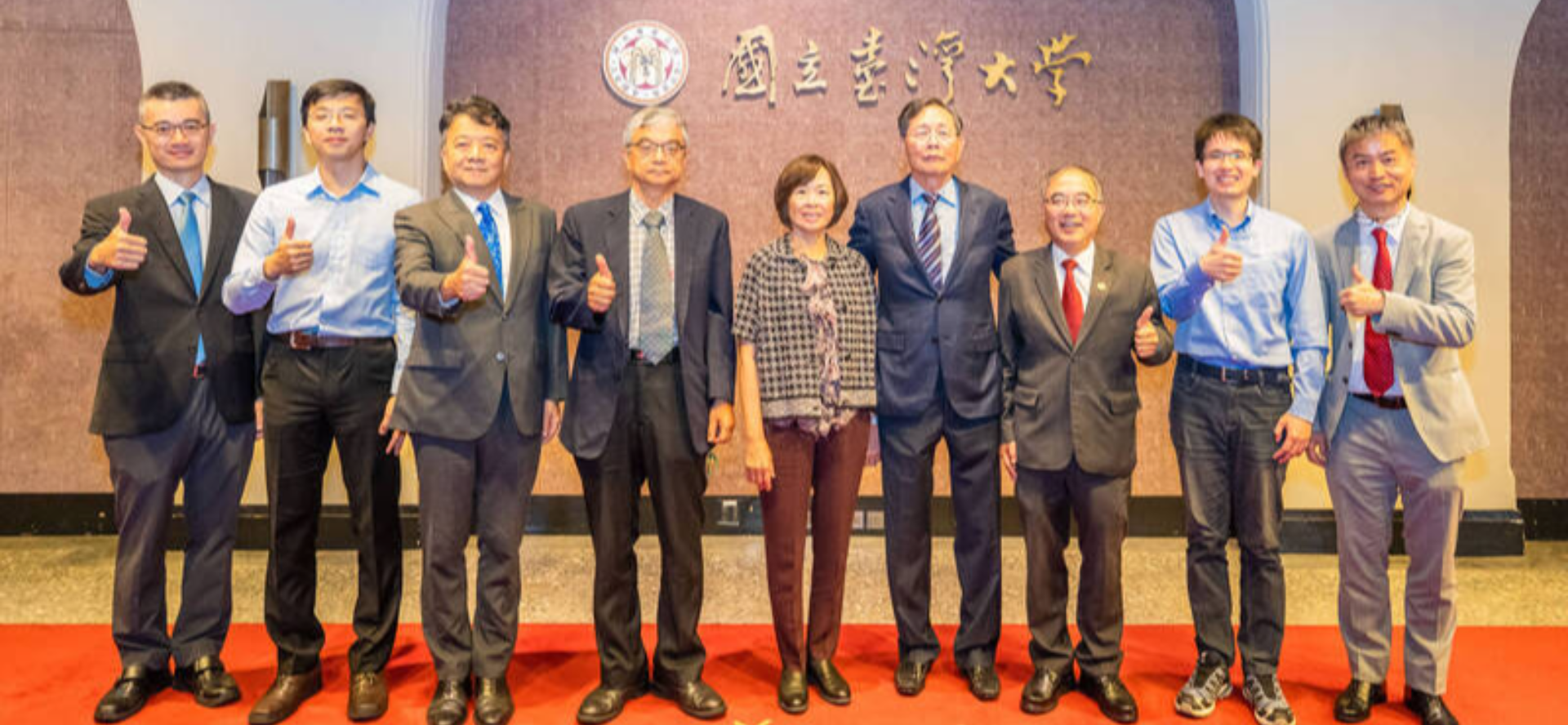
National Taiwan University (NTU) recently held the Garmin Professorship and Scholar Awards ceremony alongside the inauguration of the NTU–Garmin Faculty Residence. Garmin Founder and Chairman Dr. Min Kao personally presented awards to three endowed professors—Professors Chi-Kuang Sun (Graduate Institute of Photonics and Optoelectronics), Chih-Wei Liu (Department of Electrical Engineering), and Chen-Hung Kao (Department of Materials Science and Engineering)—and four Garmin Scholars: Professors Chao-Chieh Lan, Chia-Ya Lan, Nien-Tze Lee, and Yi-Teng Huang. Each awardee will receive an annual grant of US$30,000 for a renewable three-year term.

The newly completed NTU–Garmin Faculty Residence features 14 housing units and shared living spaces to provide a supportive environment for teaching and research. By integrating accommodation with the professorship program, NTU aims to strengthen its capacity to attract and retain top scholars and to further enhance international academic competitiveness.

NTU President Wen-Chang Chen expressed gratitude to Dr. Kao for his sustained generosity, noting that in addition to establishing the endowed professorships, Dr. Kao has also donated to support the construction and maintenance of faculty housing. Dr. Kao announced an additional US$5 million donation to expand the program, extending eligibility to the College of Science and further advancing NTU’s research and global engagement goals.

NTU Study Links Urban Nature to Vitality

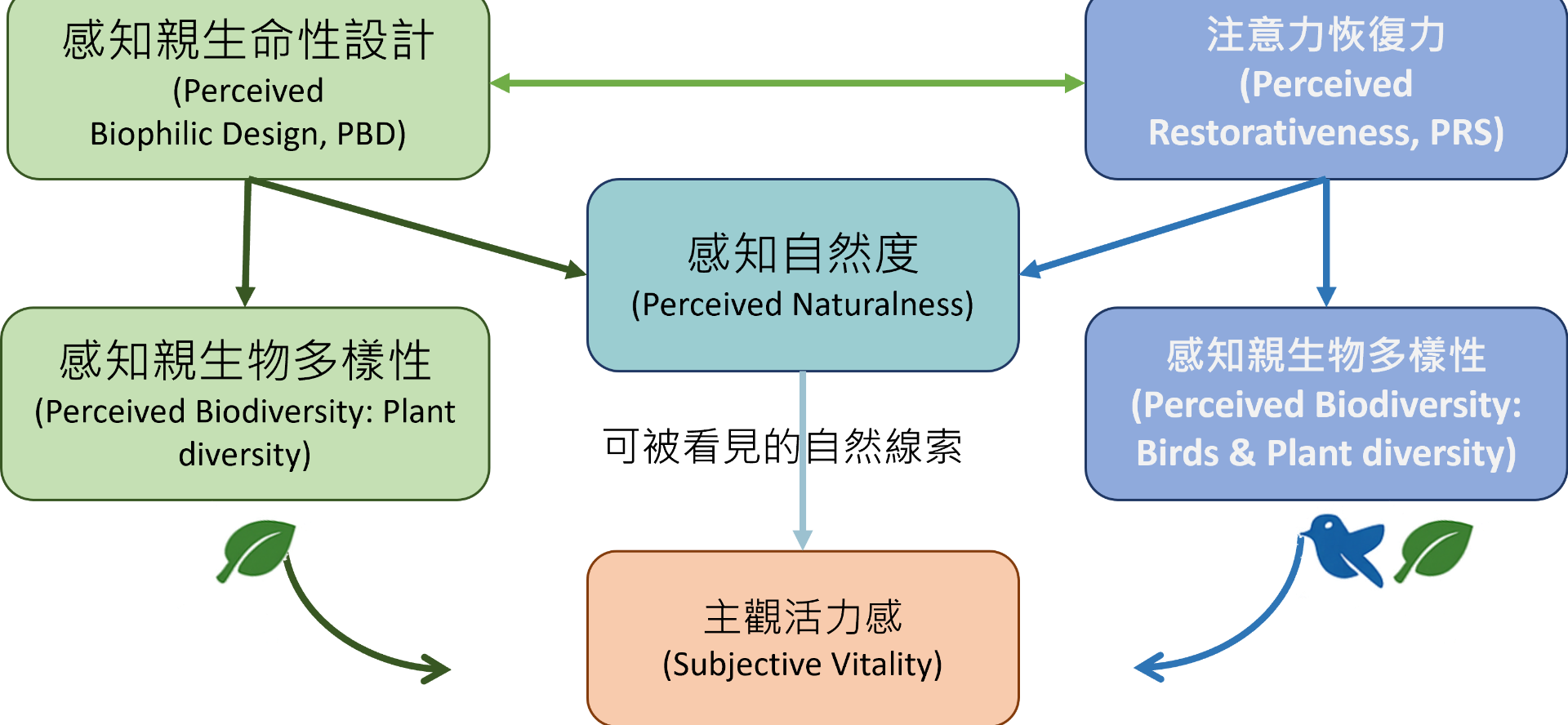
In the rush of urban life, reconnecting with nature can restore mental energy. Dr. Shih-Han Hung from National Taiwan University (NTU)’s International College and her team examined how perceptions of naturalness and biodiversity influence subjective vitality—the feeling of being energetic and alive. Based on surveys from over 1,000 Taichung park visitors, they proposed a dual-path model: biophilic design and restorative experience, both centered on perceived naturalness. Their findings, published in Urban Forestry & Urban Greening, highlight that clear and perceivable nature cues—rather than random wildlife encounters—offer more consistent psychological benefits.

Using immersive virtual reality, the team simulated five environments—from streams to urban forests—to test mental responses. Results showed urban forests most effectively boosted vitality, while streams and parks enhanced attention restoration. This psychological pathway of “restoration → preference → vitality” was detailed in Landscape and Ecological Engineering.

Dr. Hung further applies these insights in teaching, integrating biodiversity and AI tools to train students in evidence-based spatial design (Journal of Scholarship of Teaching and Learning). In collaboration with Chiang Mai University and the University of Helsinki, her team continues exploring how the “dose” of urban nature exposure supports well-being and resilience in sustainable cities.

RCMB Signs Cooperation MOU with NTU Dentistry

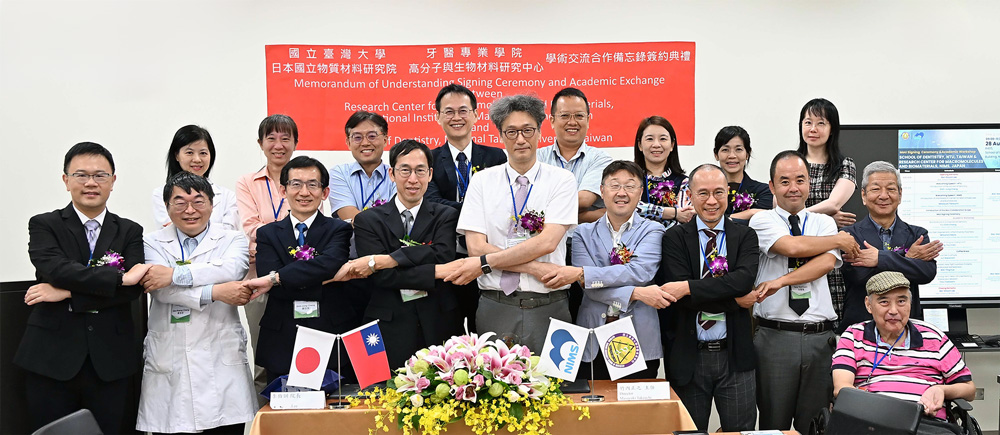
On August 28, 2025, the Research Center for Macromolecules and Biomaterials (RCMB) signed a Memorandum of Understanding (MOU) with the School of Dentistry at National Taiwan University (NTU) to advance research collaboration.

National Taiwan University, ranked 68th in the QS World University Rankings 2025, is home to one of Asia’s top dental schools, recognized for excellence in Oral and Maxillofacial Surgery, Oral Diagnosis, Cell and Molecular Biology, and Biomaterials. The partnership emphasizes joint research and international collaboration.

This agreement is expected to accelerate the application and commercialization of novel materials developed at National Institute for Materials Science (NIMS) in dentistry and oral healthcare.

NTU Creates Ultrathin Ta₃N₅ Photoanodes

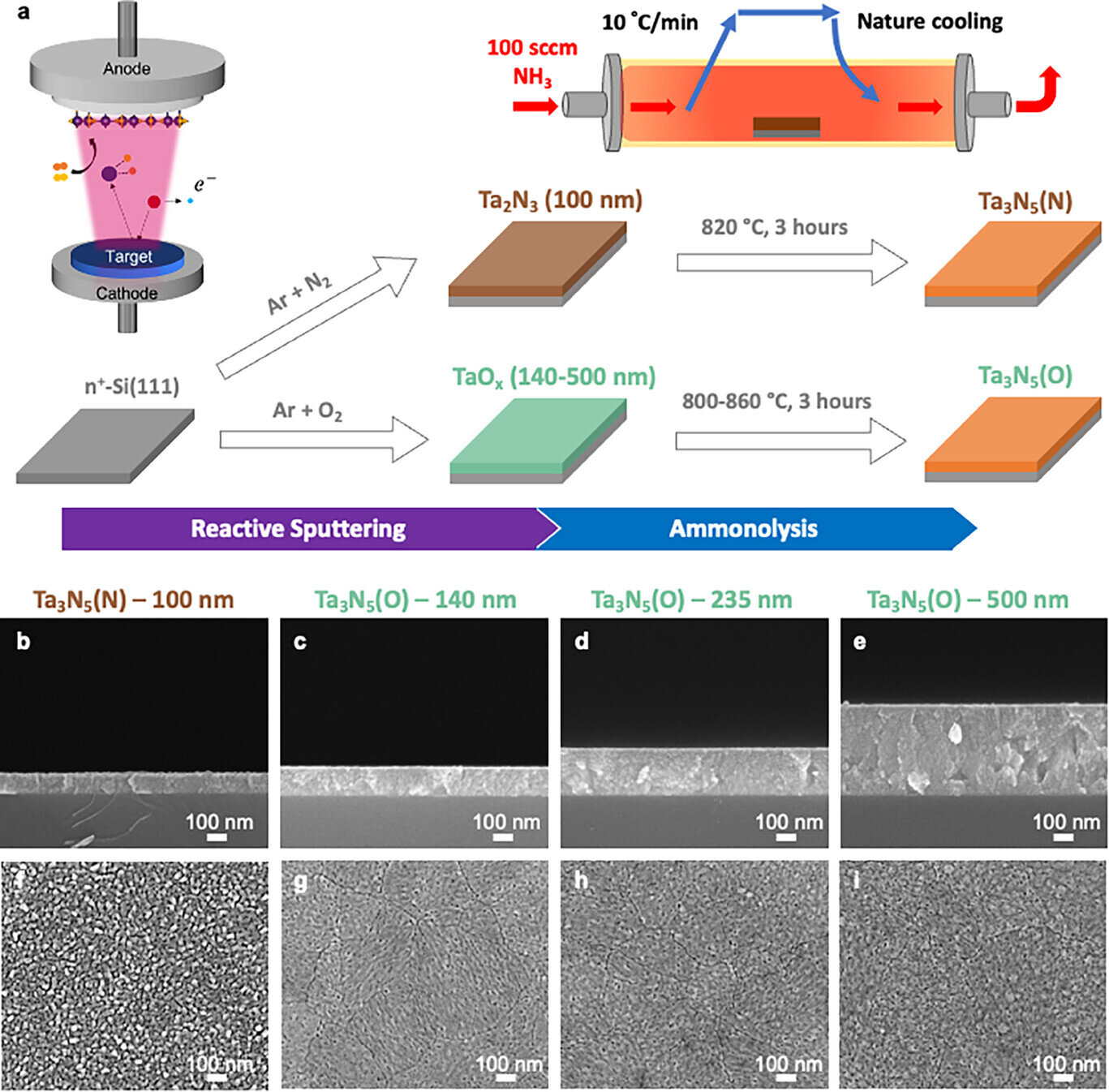
Researchers from the Department of Chemistry at National Taiwan University have developed a novel method to synthesize ultrathin Ta₃N₅ photoanodes using a chemically engineered Ta₂N₃ precursor. This approach enables a 100nm tantalum nitride layer to achieve performance comparable to much thicker films made with conventional oxide precursors, while reducing tantalum usage.

The ultrathin films exhibit improved charge separation and enhanced photocurrent generation, overcoming the poor charge transport issues that have previously limited the practical application of Ta₃N₅ photoanodes. Trace subnitride impurities formed at the interface with silicon act as conductive pathways, facilitating efficient extraction of photogenerated carriers.

This advancement not only lowers material costs but also opens new possibilities for scalable solar-driven hydrogen production. By combining structural, optical, and electrochemical optimization, the study demonstrates a broadly applicable strategy for designing next-generation photoelectrodes.

https://labspotlight.ntu.edu.tw/focus/123?locale=zh-TW

Cornell Law Expands East Asian Ties via NTU

Cornell Law School has jointly launched a new student exchange partnership with National Taiwan University’s College of Law, widely recognized as Taiwan’s leading law school. This builds on Cornell Law’s long-standing program with Waseda University’s School of Law in Japan, creating a trio of academic partnerships—true sister schools across East Asia and the United States.

To mark this milestone, the inaugural Waseda–National Taiwan University–Cornell Interdisciplinary Workshop took place at Waseda University in Tokyo on July 30–31, followed by the first-ever National Taiwan University–Waseda–Cornell Workshop in Taipei on August 4. The events gathered Deans, Vice-Deans, and faculty from all three institutions to present research, exchange perspectives, and deepen institutional collaboration.

Cornell Law was represented by Professors Valerie Hans, Dan Awrey, and Yun-chien Chang, each of whom presented working papers and engaged in discussions with Taiwanese and Japanese scholars. The workshops were co-sponsored by the Clarke Program in East Asian Law and Culture, and generously supported by the Tokyo-based law firm, Mori Hamada & Matsumoto, an alumni affiliate and friend of Cornell Law School.

National Taiwan University Alumnus Prof. Cho-Yun Hsu Wins Prestigious Tang Prize in Sinology

On June 20, National Taiwan University Distinguished Alumnus and eminent historian Prof. Cho-Yun Hsu received the sixth Tang Prize in Sinology. Despite physical challenges, he made remarkable contributions to historical studies, combining Eastern and Western perspectives and mentoring students worldwide. His dedication to scholarship and social consciousness earned him this prestigious recognition.

Prof. Hsu expressed gratitude to the Tang Prize Committee and to National Taiwan University, which he credited as the foundation of his academic path. Entering academia in 1949, he first studied foreign languages before transferring to history, graduating in 1953. With the support of mentors, he pursued his doctorate at the University of Chicago and later returned to teach and reform the history curriculum, introducing modern interdisciplinary methods.

Though he went on to a distinguished career at the University of Pittsburgh, Prof. Hsu often returned as a visiting professor, inspiring new generations. His achievement follows in the footsteps of Prof. Ying-Shih Yu, the first Tang Prize laureate in Sinology, strengthening National Taiwan University’s role as a global hub for the field.

NTU Uses AI to Advance Circular Economy Policy

Researchers from National Taiwan University have developed an AI-assisted workflow combining multimodal GPT technology with system dynamics modeling to accelerate circular economy policy analysis. Using Taiwan’s material flow data from 2013 to 2022, the team built dynamic simulations exploring nine policy scenarios to guide the nation’s 2030 circularity goals.

The innovative approach enables GPT to interpret complex system diagrams, including industrial activities, emissions, and resource flows, transforming them into executable simulation models. A six-stage AI process (GPT1–GPT6) allows comprehensive evaluation of policy impacts across Taiwan’s material flow network.

Simulation results suggest that Taiwan’s national circular material use rate could rise from 22% in 2022 to 29% by 2030, with resource productivity increasing from NT$65 to NT$88 per kilogram. Prof. Hwong-wen Ma emphasized that this scalable AI workflow provides data-driven insights for policymakers in Taiwan and other regions seeking to implement effective circular economy strategies.

Study of Male Denisovan from Taiwan in Science

A groundbreaking study published in Science confirmed that a fossil discovered in Taiwan belonged to a male Denisovan, marking the first molecular evidence of this ancient human lineage in low-latitude regions. The research was led by an international team of 15 scientists, including Associate Professor Cheng-Hsiu Tsai from National Taiwan University and collaborators from Taiwan, Japan, and Denmark. Using ancient protein analysis (paleoproteomics), the team identified Denisovan traits in the fossil and further determined the individual’s sex by detecting the male-specific amelogenin Y protein.

The discovery is significant because Denisovan fossils with molecular confirmation have so far been limited to Siberia and Tibet, even though genetic studies suggest their presence across East Asia, Southeast Asia, and Oceania. Until now, warmer regions lacked direct fossil evidence. This Taiwanese specimen therefore fills a critical gap, expanding our understanding of Denisovan distribution and the complexity of human evolution.

While ancient DNA could not be retrieved, the successful extraction of proteins offered crucial molecular insights. The fossil, curated at the National Museum of Natural Science in Taiwan, was recovered from the seabed between Taiwan and the Penghu Islands, where other prehistoric animal remains such as Stegodon have also been found. The findings highlight the scientific importance of Taiwan’s fossil record for studying ancient humans and evolutionary history.

This is not the first time fossils from Taiwan have drawn global attention. In 2023, Tsai’s lab contributed to another Science paper on island extinctions, demonstrating the international impact of Taiwan’s paleontological research. Together, these discoveries reaffirm Taiwan’s role in uncovering key chapters of life’s evolutionary journey.