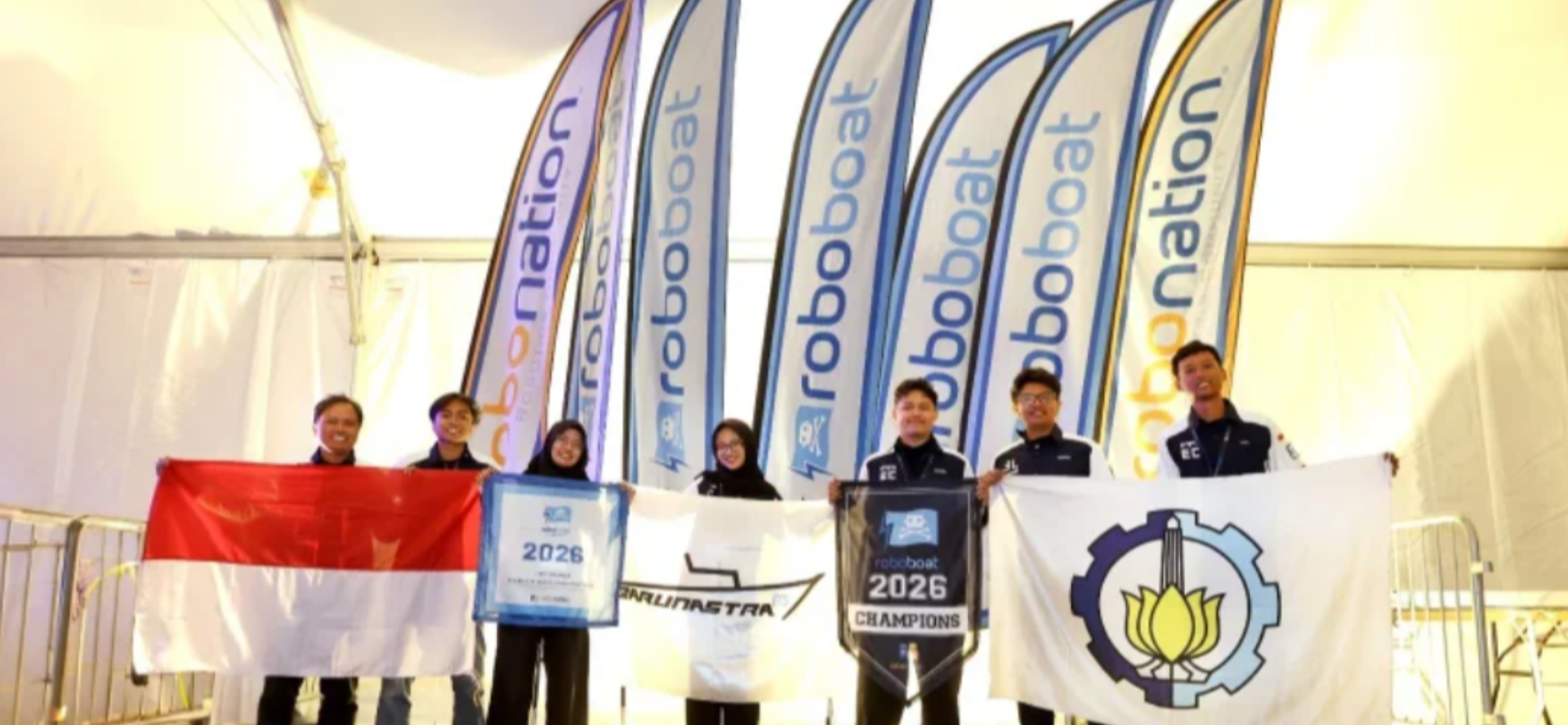
A student team from Institut Teknologi Sepuluh Nopember (ITS), Barunastra, achieved international recognition after winning the Grand Champion title at the International RoboBoat Competition 2026 in Sarasota, Florida, United States. The prestigious competition, held over six days starting on 19 February 2026, gathered 36 teams from 10 countries to showcase innovations in autonomous maritime technology.
Representing ITS, the Barunastra research team delivered an outstanding performance by dominating several key categories. The team secured first place in the Autonomy Challenge and Design and Documentation, and received the Best Technical Design Report award. These achievements made Barunastra the only team to sweep the competition’s core categories.
The International RoboBoat Competition focuses on the development of Autonomous Surface Vehicles (ASVs), autonomous vessels designed to navigate and complete missions independently. The event attracts participation from globally recognized universities, including Massachusetts Institute of Technology, Queen’s University, and Georgia Institute of Technology, highlighting the high level of competition faced by the ITS team.
Barunastra’s success was driven by its prototype vessel Nala Ares Mark II, developed to address the competition theme Storm Response: Technology in Action for Recovery and Relief. During the Autonomy Challenge, the vessel successfully navigated a simulated disaster-response environment, autonomously identifying routes, avoiding debris, and delivering logistics supplies without human intervention.
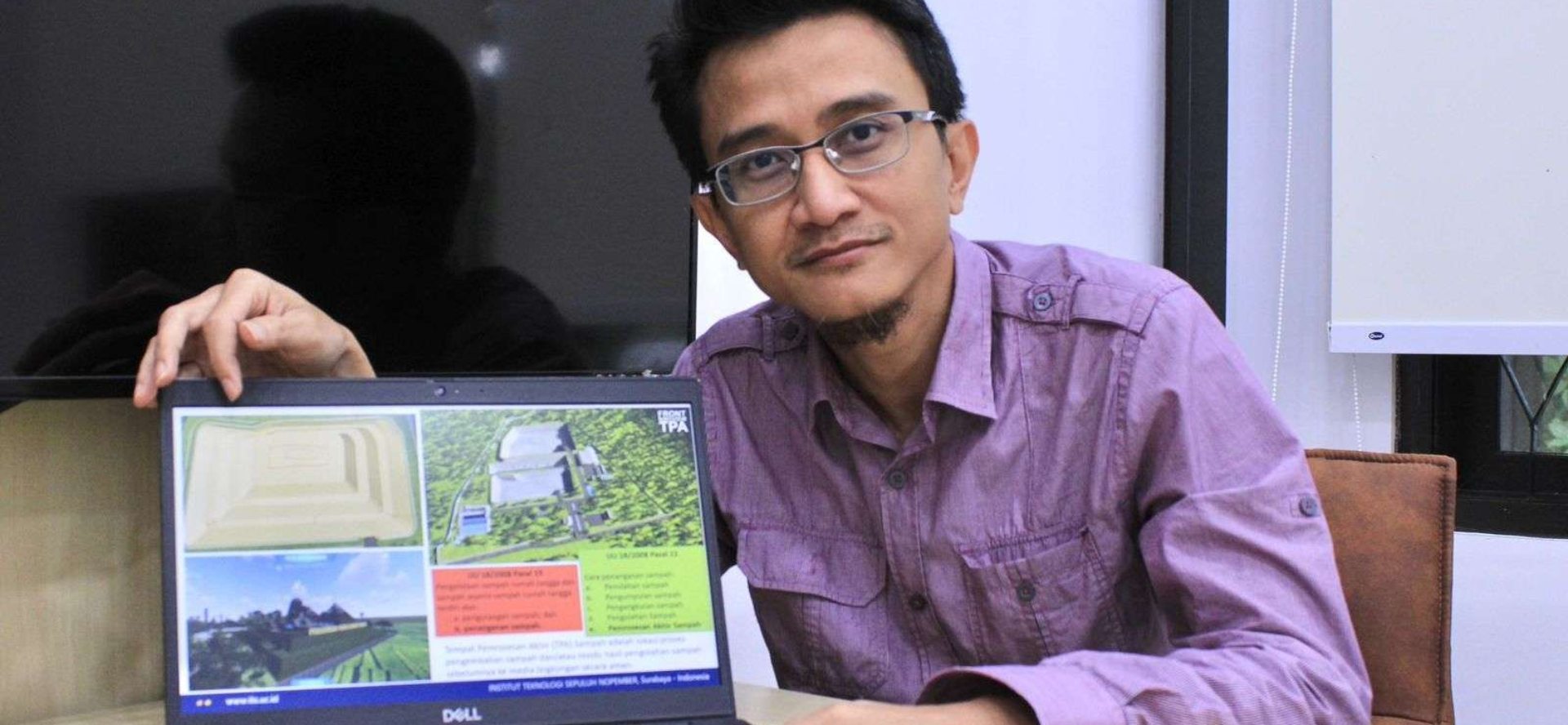
According to team advisor Dr. Rudy Dikairono, the victory demonstrates the global competitiveness of ITS students in advanced maritime technology. Team leader Davin Abhinaya Briet added that beyond the competition, the event also fostered international collaboration among researchers developing autonomous maritime systems.