

nbajsina
Published on 18 May 2026




SPORT AS A TOOL FOR UNIVERSITY CAREER GUIDANCE ACTIVITIES
In many countries, university sports are now viewed not only as part of extracurricular activities, but also as an effective mechanism for engaging young people in the educational environment, developing social skills, and strengthening the connection between schools and higher education systems. Such initiatives are becoming especially relevant in the context of global attention to sustainable development, youth well-being, and human capital formation.
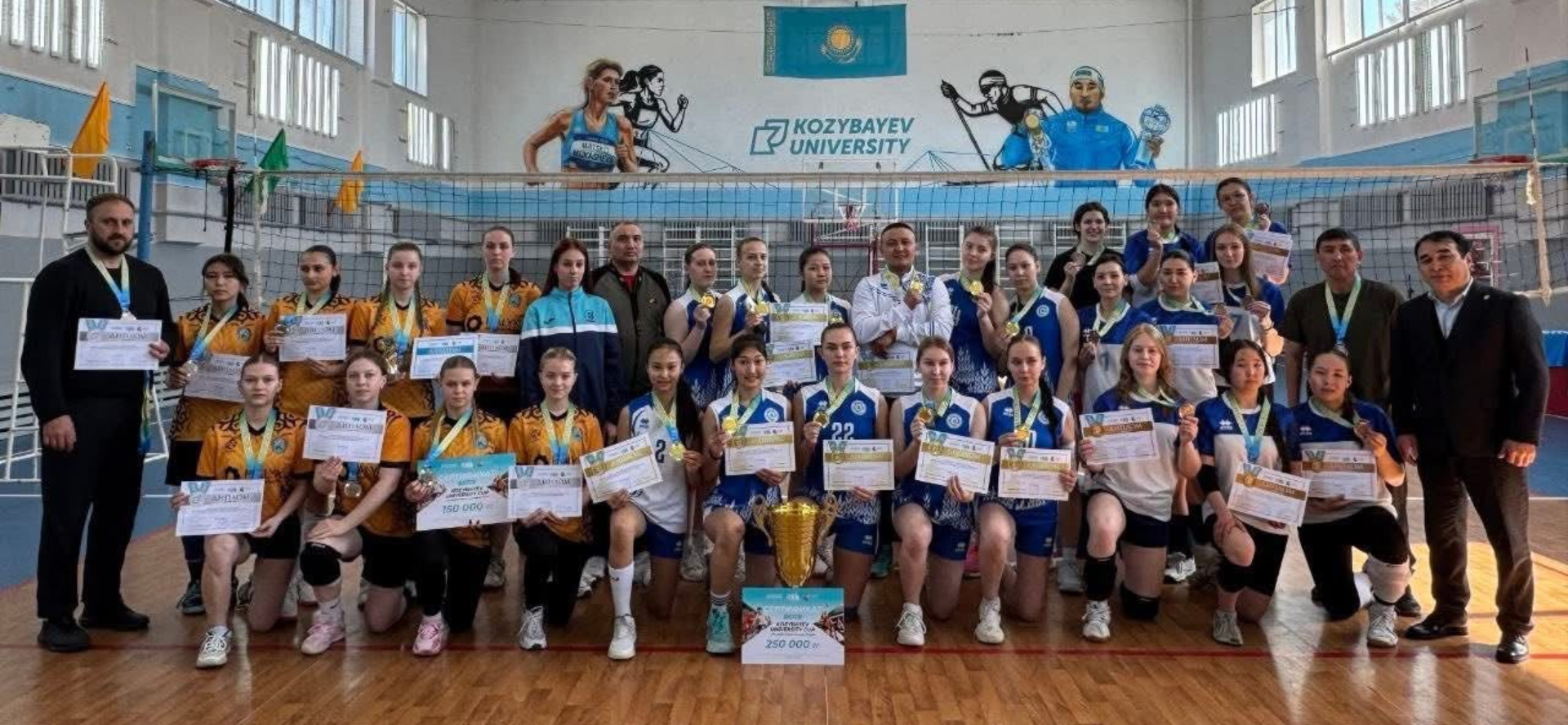
At North Kazakhstan University named after M. Kozybayev, one such example is the regional tournament “Kozybayev University CUP-2026,” dedicated to the 95th anniversary of the outstanding scholar and public figure Manash Kozybayev. The competition brought together more than 150 school students and 11 teams from districts of the region and the city of Petropavl. The tournament program included mini-football for boys and volleyball for girls.
The winners of the tournament were congratulated and awarded by world boxing champion Natalya Bogdanova. During the event, school students also had the opportunity to explore the university’s infrastructure and experience the student atmosphere.
Despite its sporting format, the main value of such events lies in their socio-educational function. The participation of students from different districts promotes communication, teamwork, and leadership skills. In addition, such projects help young people develop a sustainable motivation for personal growth and active participation in social life. International research in education shows that modern universities are increasingly becoming spaces for social integration and community engagement. In a rapidly changing world, employers and educational institutions emphasize the importance of so-called soft skills — collaboration, responsibility, adaptability, and emotional intelligence. Sports activities naturally create an environment for developing these competencies. Such initiatives are particularly important for regions where it is essential to maintain youth engagement in education and expand opportunities for students’ self-realization. Extracurricular projects help foster a sense of belonging to the educational community, support students’ physical and emotional well-being, and create additional platforms for interregional interaction.
The organizers of the tournament note that the event was not only a sporting competition but also a space for communication, exchange of experience, and career guidance work with school students. Such initiatives demonstrate that the interaction between sport and education can play an important role in forming a more inclusive and youth-oriented educational environment.
Against the backdrop of a global search for effective approaches to supporting young people, sports projects within educational organizations are becoming part of a broader international trend, in which personal development, health, and social engagement are regarded as integral components of modern education.

