National Taiwan University
Published on 21 October 2026




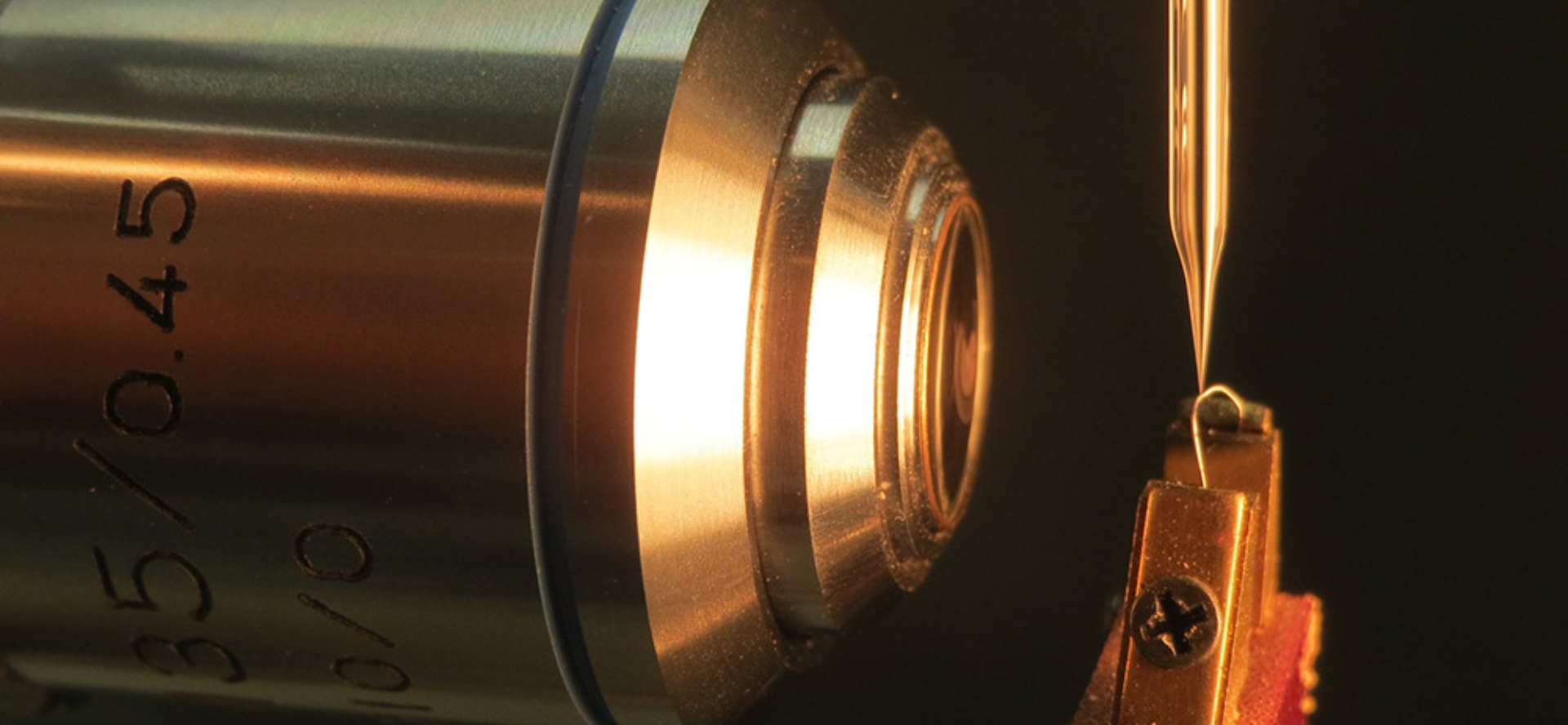
Endolysosomes, historically viewed merely as cellular recycling centers, are now recognized as crucial intracellular ion signaling hubs. Their ion channels regulate a multitude of physiological processes, from organelle trafficking to immune responses. A research team led by Assistant Professor Cheng-Chang Chen at National Taiwan University (NTU) has successfully established a highly specialized whole-endolysosome patch-clamp electrophysiology platform. This technique allows researchers to directly record single-organelle ion currents, overcoming the limitations of whole-cell indirect measurements.
Their recent findings, published in Nature Communications, uncover a novel regulatory mechanism of the lysosomal ion channel TPC2. The team discovered that O-linked glycans function as a "molecular brake," effectively limiting channel opening and ion permeability. When this glycosylation is impaired, TPC2 becomes hyperactive, profoundly altering lysosomal morphology and cellular movement. By integrating calcium imaging, point mutation analysis, and molecular dynamics simulations, the NTU team provides a comprehensive understanding of lysosomal ion homeostasis, paving the way for innovative therapeutic interventions in neurodegenerative diseases and cancer.