
Chulalongkorn University
Published on 2 July 2026




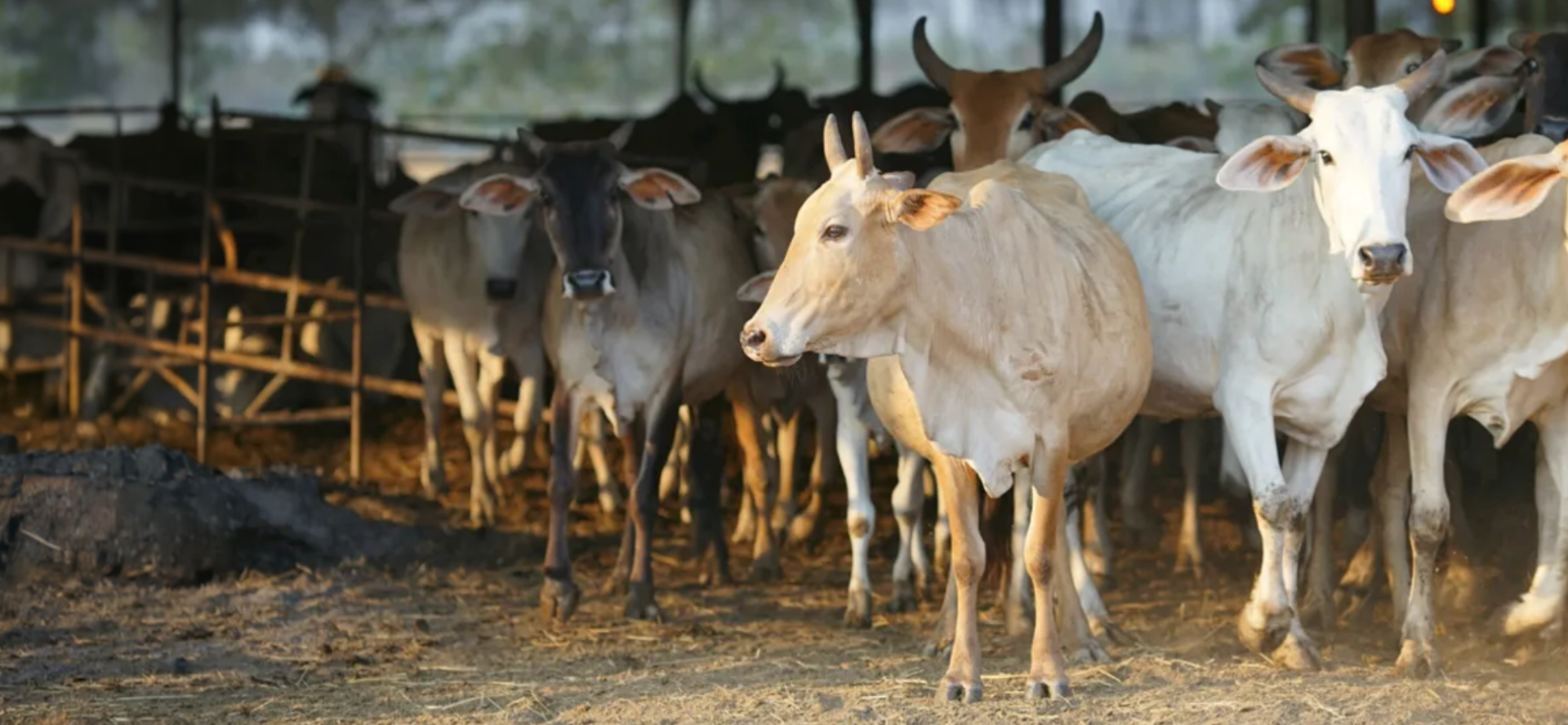
Get to Know Anthrax: A Serious Zoonotic Disease: Causes, Symptoms, Treatment, and Proper Prevention Guidelines from a Chula Expert
“Anthrax,” a disease outbreak affecting ruminant animals, has become one of the most widely discussed and searched diseases online, as it is a dangerous zoonotic disease that can be transmitted from animals to humans. Reports of outbreaks and fatalities have appeared in several countries, including Thailand. For example, last year (2025), an anthrax outbreak occurred during April–May in Mukdahan Province, resulting in one death. Statistics since 1991 also revealed 19 deaths among Thai people caused by anthrax infection.
Although anthrax outbreaks in Thailand have not been severe or persistent, preparedness and accurate knowledge remain the best forms of protection. In this regard, Asst. Prof. Dr. Taradon Luangthongkum from the Faculty of Veterinary Science, Chulalongkorn University, explains how the spores of the bacterium can survive in the environment for up to ten years and provides guidance on safety measures for farmers and consumers.
What Is “Anthrax”?
Anthrax is a zoonotic disease caused by the Gram-positive bacterium Bacillus anthracis. This bacterium is capable of forming spores, allowing it to survive in suitable environments for decades. As a result, the spores can contaminate soil, animal hair, hides, and meat.
“Thailand has reported sporadic cases of anthrax from time to time, such as in Don Tan District, Mukdahan Province, last year. In addition, outbreaks have previously been reported in other provinces, including Tak, Kanchanaburi, Phitsanulok, Chiang Mai, and Phichit. However, these outbreaks have not been continuous,” explained Asst. Prof. Dr. Taradon.
Anthrax is most commonly found in herbivorous and ruminant animals, such as cattle, buffaloes, goats, and sheep. The ways to help determine whether an animal is infected with anthrax are the following:
3 Ways of Anthrax Transmission from Animals and How to Recognize the Symptoms
Asst. Prof. Dr. Taradon explained that anthrax can be transmitted from animals to humans through contact with diseased animals, animal products derived from infected animals, or environments contaminated with anthrax spores. Such cases allow the pathogen to enter the body. Anthrax can infect humans through three main routes, each with a different level of severity, as follows:
1. Skin infection: Caused by contact, this type of infection is most commonly found in people who work in occupations involving animal slaughter, as well as people who have abrasions or wounds on their hands, even minor ones. If they come into contact with meat or animal carcasses infected with anthrax, there is a chance the bacteria can enter the body.
Initial symptoms: The wound has a distinctive appearance known as an “eschar”—the area around the wound is swollen, and the center of the wound is dark, resembling dead tissue, similar to a cigarette burn.
2. Ingestion: Caused by eating raw or undercooked meat from infected animals.
Initial symptoms: Abdominal pain, nausea, vomiting, fever, loss of appetite, and in some cases bloody diarrhea
3. Inhalation: Caused by breathing in microscopic anthrax spores. This type of infection most commonly occurs with workers in textile manufacturing facilities, particularly when the animal wool or hides used in production originate from areas affected by anthrax outbreaks.
“The severity of anthrax generally depends on the route through which the infection enters the body. However, inhalational is the most alarming form because it can cause severe pneumonia if a large number of spores are inhaled. In such cases, the mortality rate can be as high as 95%,” explained Asst. Prof. Dr. Taradon.
Who is at risk?
Treatment Approaches for Anthrax in Humans and Animals
Asst. Prof. Dr. Taradon affirmed that anthrax is treatable with antibiotics, and the bacterium that causes the disease remains susceptible to the medications commonly used for treatment.
For human patients, effective treatment options include penicillin, doxycycline, and antibiotics in the fluoroquinolone class, such as ciprofloxacin. The duration of treatment depends on the severity of the disease and the route of infection. For example, infection through the skin typically requires about seven days of treatment. In contrast, inhalational anthrax often requires treatment for up to 60 days, as spores that remain in the lungs may germinate and develop into active bacteria during that period.
For animals, treatment can be carried out using the same classes of antibiotics. However, the key priority is “prevention” among animals living in high-risk areas. This is achieved through anthrax vaccination, administered to animals after weaning, followed by booster vaccinations every six months for a period of five consecutive years. This vaccination program helps build immunity and protect livestock in areas at risk of anthrax outbreaks.
How Can Anthrax Be “Prevented and Eliminated”?
Effective management of anthrax requires cooperation from both farmers and consumers. Because this bacterium produces highly resilient spores that can survive in the environment for long periods, prevention involves more than simply avoiding contact with infected animals. It also requires proper handling of “animal carcasses” and the “contaminated environment.” Asst. Prof. Dr. Taradon provided the following recommendations for the prevention and control of anthrax:
For Livestock (Cattle and Buffaloes)
If an animal dies suddenly, especially if dark-colored blood is observed oozing from natural body openings, or even if no bleeding is present but the cause of death is unclear, anthrax should be considered a possible cause.
Do not move, butcher, or cut open the carcass under any circumstances. Opening the carcass exposes the bacteria within the animal’s body to air, triggering the formation of spores. These spores can contaminate the environment and remain viable for a long time. Care should also be taken to prevent other animals, such as dogs and cats, from scavenging the carcass.
Immediately notify livestock authorities so that they can investigate and determine the cause of death.
Dispose of the carcass properly, using one of the following methods:
1. Burial: The carcass should be buried at a depth of approximately two meters, with quicklime spread over it to destroy the pathogen before covering it with soil.
2. Incineration: Burning the carcass is also an effective disposal method, but it should be carried out in a properly enclosed system to prevent the spread of infectious agents.
Manage contaminated areas appropriately by spreading disinfecting chemicals such as formalin or highly concentrated sodium hydroxide to destroy the pathogen and reduce the likelihood of the pathogen remaining in the environment.
For the Public
Avoid direct contact with animals or animal carcasses. Wear gloves when handling carcasses and wash your hands thoroughly after any contact with animal remains.
Avoid consuming raw meat, especially meat from animals that have died under unusual or unexplained circumstances. Dishes made with raw meat, such as larb or koi, carry a high risk of anthrax infection. Consume meat that is cooked at a temperature of at least 75°C (167°F). Although cooking temperatures may not destroy anthrax spores, they can kill the vegetative bacteria and help reduce the risk of infection.
Individuals working in textile factories that process animal wool, hair, or hides should wear protective clothing and face masks to help prevent exposure to anthrax through inhalation.
Textile factories that handle animal wool, hair, or hides should ensure adequate ventilation. If the materials originate from areas experiencing anthrax outbreaks, they should be properly disinfected before use to reduce the risk of exposure to anthrax spores that may be present on contaminated animal products.
Although anthrax is not a disease commonly encountered in everyday life, it remains a serious zoonotic disease, particularly when the infection is acquired through the respiratory tract. Any unusual or unexplained animal deaths should be reported to livestock authorities immediately. People should also remain vigilant for signs and symptoms of the disease, avoid high-risk behaviors, and follow proper hygiene practices. These measures not only help prevent anthrax but also reduce the risk of other infectious diseases.
Read more at: https://www.chula.ac.th/en/highlight/413172/


.jpg)